
Carnations are one of the most rewarding flowers to grow, known for their long-lasting blooms and variety of colors.
Whether you're planting them in garden beds or containers, healthy carnations rely on specific care from the start.
In this article, I'll share exactly how to grow and care for them, including the right soil setup, how to plant them properly, deal with pests, manage bloom problems, and keep them thriving year after year.
How to Pick the Right Carnation Variety for Your Garden

Not all carnations grow the same way or serve the same purpose.
Choosing the right type from the start helps ensure they’ll thrive in your space and meet your needs whether for borders, bouquets, or containers.
Types of Carnations
There are three main categories of carnations:
- Annuals: These bloom the same year they are planted and complete their life cycle in one season. They're ideal if you're looking for quick results and don’t plan to overwinter your plants.
- Biennials: These take two years to bloom, usually growing foliage the first year and flowering the next. Some growers treat them as short-lived perennials in milder climates.
- Perennials: These return for several years, making them a better option for low-maintenance flower beds. Many garden carnations fall into this category.
Read related post: 15 Best Perennials to Plant in Fall for Easy, Beautiful Spring Growth
Common Varieties
- Border Carnations (Dianthus caryophyllus): These are the traditional tall types, growing up to 24 inches. They're great for cutting gardens and floral arrangements due to their sturdy stems and large flowers.
- Spray Carnations (Mini Carnations): These produce multiple smaller blooms per stem. They're popular in bouquets and grow well both outdoors and in containers.
- Dwarf Carnations: These are compact plants, usually under 12 inches tall, ideal for small spaces, edging, or pots. They still produce plenty of blooms but require less staking and space.
Which One Should You Choose?
- For a cutting garden, go with border carnations for longer stems and larger blooms.
- For container gardening or small borders, dwarf or spray carnations work well.
- In regions with short growing seasons, annual types offer quicker bloom results.
- For a long-term flower bed, perennial types reduce the need to replant each year.
Ideal Growing Conditions for Carnations

These plants are hardy, but they do best when specific conditions are met especially when it comes to sun, temperature, and overall environment.
Light Requirements
Carnations grow best with at least 4 to 6 hours of direct sunlight per day. However, if possible, aim for a spot that receives morning sun and light afternoon shade.
This is especially important for brightly colored varieties, as intense afternoon sun can cause flower colors to fade more quickly.
Temperature Range
Carnations prefer cool to warm temperatures, typically between 50°F and 70°F (10°C to 21°C). They can handle light frost but may struggle in extreme heat.
During hot summer days, especially in dry areas, the plants may wilt or become stressed.
To help reduce heat stress, give them an occasional light spritz of cool water during peak heat – just avoid soaking the foliage.
Humidity and Airflow
While carnations don’t need high humidity, they require good air circulation.
This helps prevent diseases like powdery mildew and leaf spot. Avoid placing them in cramped or enclosed areas where air doesn’t flow freely.
USDA Hardiness Zones
- Most garden carnations thrive in Zones 6 to 9.
- In colder regions (Zone 5 or below), treat them as annuals or bring container plants indoors before frost.
Soil Requirements and Preparation
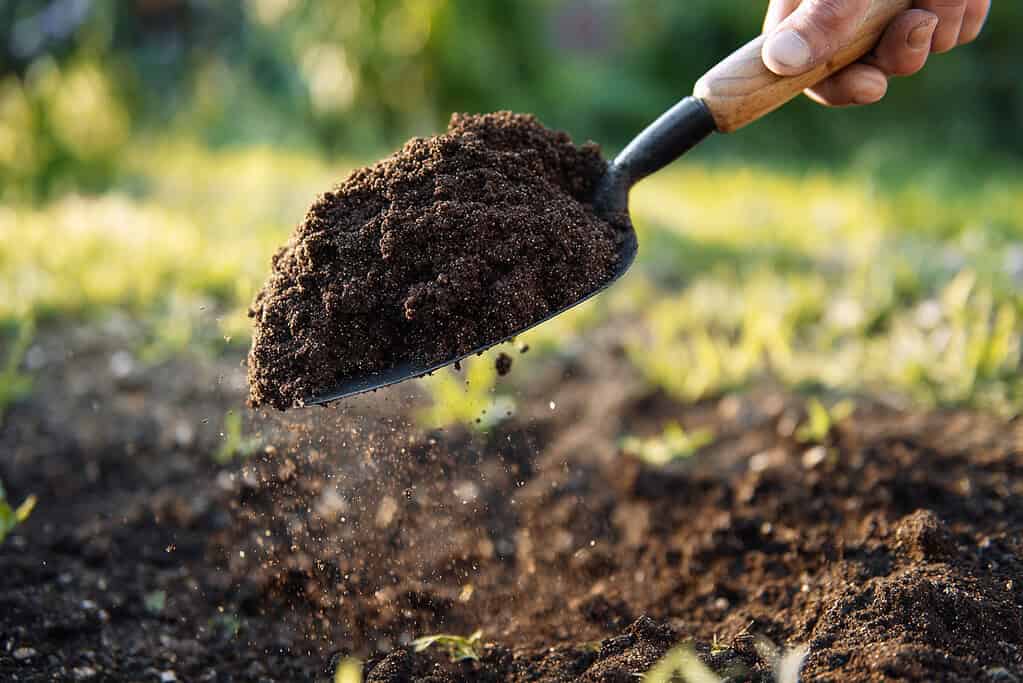
Carnations won’t thrive in just any soil. To grow healthy, long-lasting plants, the soil needs to drain well, hold the right pH, and provide basic nutrients without becoming too dense or wet.
Soil Type
The ideal soil for carnations is:
- Loose and well-draining: Heavy clay or compacted soil will lead to water buildup and root problems.
- Moderately rich: Avoid overly rich or fertilized soil at planting – carnations prefer a leaner environment to start strong without too much nitrogen.
You can improve drainage by working in coarse sand or fine gravel, especially in beds where water tends to sit.
pH Preference
Carnations prefer alkaline to neutral soil, with a pH range around 6.7 to 7.5. If your soil tends to be acidic, you’ll need to correct it.
- Add garden lime at planting time to raise pH and “sweeten” the soil. This adjustment helps the plants take up nutrients more effectively and reduces the risk of certain diseases.
Testing and Amending Your Soil
- Use a basic soil test kit to check pH before planting.
- If the test shows acidity, lightly mix lime into the top 6–8 inches of soil a few weeks before planting.
- Avoid using composts or mulches that are too acidic or dense unless you’ve confirmed your pH is within range.
Step-by-Step: How to Plant Carnations
Planting carnations properly from the start is key to growing strong, blooming plants.
Whether you're starting from seeds, cuttings, or nursery plants, here’s how to do it right.
A. Planting from Seeds (Indoors)
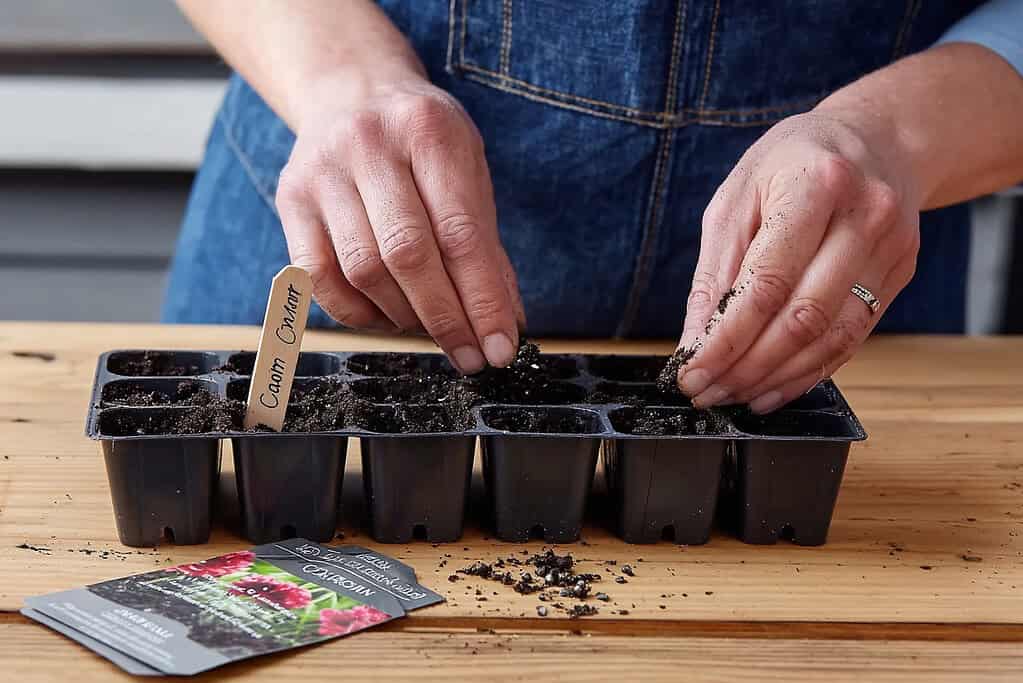
- Start early: Begin sowing seeds indoors 6 to 8 weeks before your last frost date.
- Use a light potting mix: Fill seed trays or shallow containers with well-draining seed-starting mix.
- Sow shallowly: Press seeds lightly into the surface and cover with a thin layer of soil – no more than 1/8 inch.
- Create a mini-greenhouse: Loosely wrap the container in plastic to trap warmth and humidity.
- Mist to keep moist: Use a spray bottle to maintain soil moisture without soaking.
- Germinate in warmth: Place the tray in a warm spot. Seeds usually germinate within 3–5 days.
- Transplant when ready: Once seedlings develop 2–3 sets of true leaves, harden them off by gradually introducing them to outdoor conditions before planting in the garden.
B. Planting from Cuttings
- Take healthy cuttings: Cut 4–6 inch terminal shoots from mature, disease-free plants.
- Use pure sand: Insert cuttings into clean, moist sand, which helps with drainage and rooting.
- Provide indirect light: Keep them in a bright but shaded area – avoid full sun during rooting.
- Mist lightly: Maintain light moisture, not wetness.
- Wait for rooting: Cuttings should root in 25 to 30 days and be ready to transplant into soil after that.
C. Planting Nursery Starts (Transplants)
- Choose a sunny location: Look for a spot that receives morning sun and light afternoon shade if possible.
- Prepare the soil: Loosen the soil 8–10 inches deep. If needed, add lime to adjust pH.
- Space properly: Place plants 10 to 12 inches apart to allow for air circulation.
- Dig planting holes: Each hole should be twice the width of the root ball and slightly shallower than the root depth.
- Plant and firm: Set the transplant in the hole, backfill with soil, and press gently to remove air pockets.
- Water at the base: Give the plant a thorough watering at the soil level – not overhead.
Watering and Mulching Practices
Proper watering and selective use of mulch can make a big difference in carnation health.
Both overwatering and incorrect mulch use can lead to disease, while thoughtful practices help maintain strong roots and healthy foliage.
How to Water Carnations
Carnations should always be watered at the base of the plant rather than from overhead. Watering from above increases the chances of fungal diseases such as rust, botrytis, and leaf spot.
Keeping the foliage dry reduces the risk of these issues significantly. It’s best to water deeply but infrequently, allowing the top inch of soil to dry out between waterings.
These flowers dislike soggy conditions, and consistent overwatering can lead to root rot. In cool weather or heavier soils, watering should be reduced.
On the other hand, in hot or dry conditions, especially in sandy soils, carnations may need water every few days.
Humidity Considerations
In humid climates, good airflow around each plant becomes essential. Excess humidity combined with poor circulation encourages the development of mildew and other fungal problems.
This is why spacing plants properly at the time of planting plays a big role in disease prevention later on.
Using Mulch (or Not)
Carnations generally perform better without mulch.
While mulch can help suppress weeds and conserve moisture, it tends to trap too much moisture around the plant's base, which carnations are sensitive to.
If mulch is used, it should be applied lightly and made from natural, undyed materials such as shredded dry leaves or straw. Avoid dyed commercial mulches entirely.
It’s also important to leave a few inches of bare soil around the base of each plant to improve airflow and reduce the chances of fungal growth at the stem.
Read related post: 15 Garden Mulch Ideas to Improve Your Soil (and Stop Weeds)
Fertilizing Carnations Without Causing Damage
Fertilizing carnations promotes strong growth and blooms but must be done carefully. Using the wrong type or too much can harm the plant.
Carnations do best with small amounts of slow-release fertilizer, which provides nutrients gradually without overwhelming the roots.
A light application of a balanced formula (like 10-10-10) at planting or early growth is usually enough.
Avoid quick-release or high-nitrogen fertilizers, especially for young plants, as these can burn roots or cause weak growth. Overfertilization also increases the risk of root rot.
For established carnations, fertilize sparingly – once in early spring and again mid-season if needed. Always water before and after applying fertilizer to prevent nutrient buildup.
Light, consistent fertilization keeps blooms healthy without making plants leggy or disease-prone.
Pruning, Deadheading, and Supporting Blooms
Routine maintenance like pruning and deadheading keeps carnation plants looking tidy and helps extend their blooming period. These tasks also reduce disease risk and improve airflow around the plant.
- Pruning carnations encourages fuller, bushier growth. Early in the season, once young plants are about six inches tall, you can pinch or trim back the top inch of growth. This encourages side shoots to develop, leading to more flower stems and a sturdier plant overall. Later in the season, pruning spent or weak stems helps direct energy to stronger growth and new buds.
Read related post: How to Prune Fruit Trees for Maximum Fruit Production
- Deadheading, or removing faded flowers, is essential for encouraging continued blooming. Once a bloom starts to wilt or fade, cut the flower stem just above the next set of healthy leaves or a side shoot. This prevents the plant from diverting energy into seed production and instead promotes the formation of new buds. Regular deadheading throughout the blooming season can significantly increase the number of flowers the plant produces.
- Supporting your carnations may be necessary, especially for taller types like border varieties. As flower stems grow and become heavy with blooms, they can bend or break under their own weight especially in wind or rain. Use simple stakes or support rings to keep stems upright and prevent damage. In compact or dwarf varieties, staking is usually not needed.
Common Bloom Problems (and How to Solve Them)

Even with the right care, carnations can sometimes struggle to bloom fully. Some buds may stay tightly closed, while others may fail to develop at all.
Identifying the cause and using simple techniques can help get your plants blooming again.
Buds That Won’t Open
It’s not uncommon for carnation buds to stay closed, especially during cooler weather or when plants are under stress.
If you notice tightly closed buds that appear healthy but won’t open, you can try a few physical techniques to help encourage blooming.
One method is to gently brush the unopened bud with the flower head of an older, open carnation. This soft contact can stimulate the petals to loosen.
Another option is to gently squeeze the base of the bud between your fingertips.
Do this carefully to avoid damaging the flower, and only try it on buds that feel full and ready but just need a slight push to open.
Buds Form but Shrivel or Fall Off
Buds that dry out, shrivel, or drop before opening may be caused by inconsistent watering, sudden temperature changes, or overfeeding.
To prevent this, keep the soil evenly moist but not wet, especially during hot or dry periods.
Avoid using high-nitrogen fertilizers, which can lead to excessive foliage growth at the expense of flower development. Also, check for signs of insect damage around the buds.
Small or Deformed Blooms
If the flowers open but look small, weak, or misshapen, the issue may be poor nutrition or compacted roots.
Make sure the soil isn’t depleted, and that plants have enough space to grow without crowding.
If you're growing older plants that haven't been divided in a few years, consider replanting sections elsewhere to give them room to re-establish.
Dealing with Pests and Fungal Issues

Carnations are vulnerable to several pests and fungal problems, especially in warm, damp, or crowded growing conditions.
The best defense is early prevention, good spacing, and careful monitoring. If problems appear, act quickly using targeted, low-impact methods.
Common Pests and How to Control Them
Aphids and spider mites are two soft-bodied pests that often appear on carnation leaves and buds. These insects feed on plant sap, leading to yellowing, curling leaves and reduced blooming.
You can manage them by applying insecticidal soap, which is safe for most beneficial insects when used correctly.
A homemade soapy water solution (a few drops of mild dish soap in water) can also be sprayed directly on affected areas.
For aphids specifically, introducing natural predators like ladybugs can help keep populations under control. A strong blast of water can also knock off light infestations. Learn more effective ways to get rid of aphids naturally.
Cutworms are another concern, especially for young plants. These pests chew through stems near the soil line or damage buds directly.
To protect your carnations, use physical collars around the base of each seedling or transplant.
If cutworms are already present, manual removal in the early evening (when they’re active) is often effective and avoids the need for chemical treatment.
Preventing and Managing Fungal Diseases
Fungal problems such as botrytis (gray mold), rust, leaf spot, and powdery mildew thrive in damp, stagnant conditions.
The key to prevention is watering at the base, not from above, and spacing plants properly to encourage air circulation. This keeps foliage dry and allows moisture to evaporate more quickly.
If fungal symptoms appear – such as spots on leaves, white powdery growth, or moldy patches on petals – remove affected parts of the plant right away.
Dispose of them away from the garden area to prevent further spread.
For ongoing problems, a mild fungicide labeled for flowers may help, but improving airflow and watering habits usually resolves the issue without the need for chemicals.
Keep Your Carnations Thriving Year After Year
Growing carnations successfully takes more than just planting and watering. It requires choosing the right type, giving them the proper environment, and maintaining them throughout the season.
With the right care – good spacing, proper watering, light feeding, and attention to bloom development – you’ll get healthy plants that produce vibrant flowers season after season.
If you’ve grown carnations before or are trying for the first time, share your experience or questions in the comments below – we’d love to hear from you.
FAQs
Can carnations grow indoors year-round?
Yes, carnations can be grown indoors if they receive plenty of light – ideally from a south-facing window or under a grow light for at least 6 hours a day. Indoor temperatures should stay between 50°F and 70°F, and humidity must be managed to prevent mildew. Dwarf varieties are best suited for container and indoor growth.
How do I prevent carnations from getting leggy?
Legginess in carnations usually results from low light or lack of pruning. Make sure your plants are getting enough sun (morning sun is best) and pinch or prune back tall growth early in the season to encourage bushier branching.
Can I grow carnations from store-bought cut flowers?
Not reliably. Most store-bought carnations are treated and cut too far down the stem to propagate effectively. For better success, take cuttings from healthy, actively growing plants in your garden or purchase propagation-ready stock from a nursery.
What time of year should I divide carnation plants?
Divide perennial carnations in early spring or early fall when temperatures are mild and the plant isn’t in active bloom. This gives the divided roots time to establish before facing heat or frost.
Why are my carnation stems bending or collapsing?
Weak stems can result from underwatering, lack of support in taller varieties, or overly rich soil that encourages soft, leggy growth. Water deeply when needed, stake tall plants, and avoid overfeeding with nitrogen-rich fertilizers.