
Designing a small garden can be an exciting and creative project, even if you have limited space.
Whether you’re working with a compact backyard, a tiny patio, or just a balcony in the city, you can still create a green, beautiful oasis that feels calm and inviting.
The secret is to make the best use of every inch. With smart planning, the right plants, and a few clever design tricks, a small garden can look larger and more attractive than you’d expect.
In this article, we’ll walk through how to design a small garden step by step – from planning your space to choosing plants – so you can transform any petite plot or balcony into your personal haven.
Assess Your Space and Purpose

Before you jump into picking plants or decor, start by assessing your space and defining its purpose. Every small garden is unique, so understanding your specific setting will guide all your design decisions.
Here’s how to get started:
Measure and Observe
Note the dimensions of your area (length, width, and shape) and any existing features.
Check how much sunlight each part of the space receives throughout the day, and identify areas of full sun, partial shade, or full shade.
Also, observe practical factors: where does rainwater drain? Is there already soil, or will you use containers?
If you’re in an apartment, consider weight limits for balconies and windowsills – remember that pots of wet soil can get very heavy.
Wind is another factor: balconies or rooftop spaces can be windy, so you may need screens or sturdy planters to protect delicate plants.
Consider Your Needs
Think about how you want to use the garden.
Is it mainly for growing plants (flowers, herbs, veggies), a cozy spot to relax, or even a tiny dining area? Defining the purpose will help you prioritize features.
For example, a small urban homeowner might want a mix of ornamental plants and a café table for morning coffee, while an apartment dweller with only a balcony might focus on a mini herb garden with a comfy chair.
Identifying your goals early on ensures the design will be functional and meaningful for you.
Check for Restrictions
If you’re renting or in a condominium, find out if there are any rules about what you can put outside (such as attaching planters to railings or adding structures).
Also, ensure any planters you hang or mount are secure, and that the area can handle the weight and water drainage. It’s better to solve these issues now than after everything is planted.
…
By thoroughly assessing your space and needs up front, you set a strong foundation for a successful small garden design.
You’ll know your canvas – its size, its sunlight patterns, its challenges – and have a clear idea of what you want to achieve. Now, you’re ready to start planning the layout.
Plan Your Layout Smartly
Designing a layout for a small garden is like arranging a small room: thoughtful organization is key.
A well-planned layout will make even the most compact garden feel bigger and more functional when it’s designed with a purpose in mind.
If you’re looking for inspiration, exploring small garden layout ideas can help you visualize what works best in limited spaces.
Here are tips for planning an effective small garden layout:
Divide into Zones
It may sound counterintuitive, but breaking a small area into a couple of mini zones can actually make it feel larger and more intentional.
For instance, you might designate one corner for seating (a relaxing nook) and another for dense planting or a little vegetable patch.
Use subtle dividers to define these zones without closing off the space. Planters, outdoor rugs, or even a change in paving style can separate areas visually while keeping the garden cohesive.
The idea is that if you can’t see the whole garden at once, it creates a sense of depth and discovery, which tricks the eye into perceiving a larger space.
Create a Focal Point
Give the eye something pleasing to land on. A focal point can be as simple as a small water feature (like a birdbath or a mini fountain) or a piece of garden art.
In a tiny space, even a single sculptural plant or a beautiful planter can serve as the centerpiece. This focal point provides a visual anchor and prevents the design from looking random.
For example, you might place a cheerful ceramic pot at the far end of the balcony, overflowing with flowers – it draws attention and invites you further into the space.
Keep Paths and Layout Open
If your small garden includes a ground-level area, plan a petite path or stepping stones to guide visitors through the space.
Avoid blocking the middle of a small patio (see here how to create a small patio garden) or yard with large objects; instead, keep furniture to the edges or corners so there’s an open center.
This makes movement easy and prevents a cramped feeling.
Also, try to maintain a balance of open area to planted area – a good rule of thumb is around 50% green (plants and furniture) and 50% open hardscape (paving or decking).
This equal balance creates an inviting look without overcrowding everything.
Multi-Use Features
In tight quarters, every item should pull double duty if possible. Consider built-in bench seating along a fence or wall that also has storage underneath for your gardening tools or cushions.
A foldable bistro table can serve as dining space and then tuck away to free up room.
By choosing flexible, space-saving furniture, you ensure the garden can adapt to different activities (morning yoga vs. dinner for two) without feeling cluttered.
Remember, simplicity is your friend in a small garden layout. Try sketching your plan on paper – mark out where you envision major elements like seating, planters, or a path.
By dividing the space purposefully and avoiding clutter, you’ll create a layout that feels open yet usefully filled.
Next, we’ll explore how to maximize your limited space with vertical ideas and clever planting.
Maximize Space with Vertical Gardening and Containers

When horizontal space is limited, think vertical!
One of the best small-garden strategies is to use walls, railings, and height to your advantage. Instead of spreading plants only on the ground, elevate them with vertical gardening techniques:
Vertical Gardening
Grow upwards to pack in more greenery without eating up precious floor space. You can install a trellis or vertical planter on a wall or balcony railing and adorn it with climbing plants.
Many climbers (like ivy, clematis, or jasmine) will happily cover a fence or trellis, creating a lush green wall that adds privacy and beauty without a big footprint.
If you don’t want high-maintenance vines, consider wall-mounted planters or hanging baskets for trailing flowers and herbs.
Even an indoor apartment wall can host a vertical pocket planter for herbs. This approach introduces layers of plants at eye-level and above, making a tiny garden feel more immersive and verdant.
Container Gardening Everywhere
In small gardens, containers are your best friends. Flexible container gardening is the answer when ground space is limited.
Use pots, planters, and window boxes of various sizes to grow everything from flowers to vegetables. Containers can sit on a patio, line a stairway, or cluster in a sunny corner.
You can even use railing planters on a balcony or hanging planters from hooks. The great thing about pots is you can rearrange them easily – try elevating some on plant stands or shelves to create a visually interesting, tiered display.
Mix tall and short pots to achieve an eye-catching layered look and maximize every inch of air space. Plus, if you move or the seasons change, you can relocate your potted plants as needed.
Small Footprint, Big Impact
Think creatively about structures that add growing space. A vertical herb garden rack, a ladder-style plant stand, or stacking planters can multiply your planting area.
You might lean a wooden pallet against a wall and tuck small potted plants into its gaps for a rustic vertical garden.
For apartment dwellers, a narrow shelving unit near a window can hold an abundance of plants upward instead of outward.
By using height, you free up ground area for maybe a chair or simply open breathing room, preventing the garden from feeling packed.
Using vertical and container gardening not only saves space but also adds a lush, overflowing look to your small garden. You’ll be amazed how much you can grow up when you can’t grow out.
Choose the Right Plants for Small Spaces

Plant selection can make or break a small garden design.
In a limited area, every plant should earn its spot by either being the right size, serving multiple purposes, or providing long-lasting beauty. Here’s how to choose wisely:
Go for Compact & Dwarf Varieties
Opt for plants bred to stay smaller or grow slowly. Many popular trees and shrubs have “dwarf” versions that thrive in pots or tiny beds without outgrowing their space.
For example, instead of a full-size maple tree, you could grow a dwarf Japanese maple in a large container for a splash of color.
Even some fruit trees come in columnar or miniature varieties – a slim columnar apple tree can fit in a one-square-foot corner of your balcony (yes, really!).
Likewise, look for compact forms of plants like dwarf citrus trees, miniature roses, or bush tomatoes designed for patio growing. These give you the pleasure of larger plants on a small scale.
Mix Evergreens with Seasonal Plants
To avoid a barren look in winter or off-seasons, include a few evergreen or year-round structural plants.
Small evergreen shrubs (like a dwarf boxwood, compact holly, or lavender) provide constant greenery and form. Then you can accent with seasonal bloomers for color – perhaps some bulbs or annual flowers in spring and summer.
In a tiny garden, it’s wise to pick plants that offer extended interest. Choose flowers that bloom for a long time or plants with attractive foliage so there’s always something to enjoy.
For instance, many hardy geraniums and certain roses will flower for months. If you have a mostly shaded small area, plants like hostas or ferns can give lush green texture through the season.
Aim for a balance: a few “steady” plants that hold the scene together, and a few “stars” that shine at different times of year.
Edibles and Herbs
Don’t be afraid to grow edibles in your small garden – it’s very rewarding to snack on something you grew yourself. Herbs are perfect for small spaces and beginner gardeners alike.
You can grow fragrant herbs like basil, mint, chives, or rosemary in pots on a windowsill or balcony. They stay relatively small and are useful in the kitchen.
Salad greens (lettuce, spinach, arugula) have shallow roots and do well in window boxes or bowls.
Even vegetables like cherry tomatoes or peppers can be grown in containers if you have 6+ hours of sun – look for patio or dwarf varieties that are bred for pots.
Just imagine stepping out to your tiny patio to pick fresh tomatoes or strawberries from a hanging basket!
Low-Maintenance Winners
If you’re a beginner or have limited time, prioritize hardy, low-maintenance plants. Choose compact, evergreen, and low-care plants that don’t demand constant attention.
Great examples are lavender (beautiful scent, drought-tolerant), succulents like sedum or aloe (very forgiving if you forget to water), or ornamental grasses (many are low fuss and add movement).
Plants like jasmine can climb and provide fragrance, and some varieties are evergreen to give year-round screening.
By picking resilient plants that thrive with minimal care, your small garden will stay lovely without turning into a full-time job.
Remember to also consider your climate and the conditions of your space: choose plants that will be happy with the amount of sunlight and the temperatures your garden gets.
Group plants with similar water and light needs together; this makes care easier and prevents any divas from getting too much or too little.
By selecting the right plants – small, versatile, and suited to your environment – you set yourself up for a lush small garden that thrives rather than just survives.
Add Hardscape and Decor Wisely
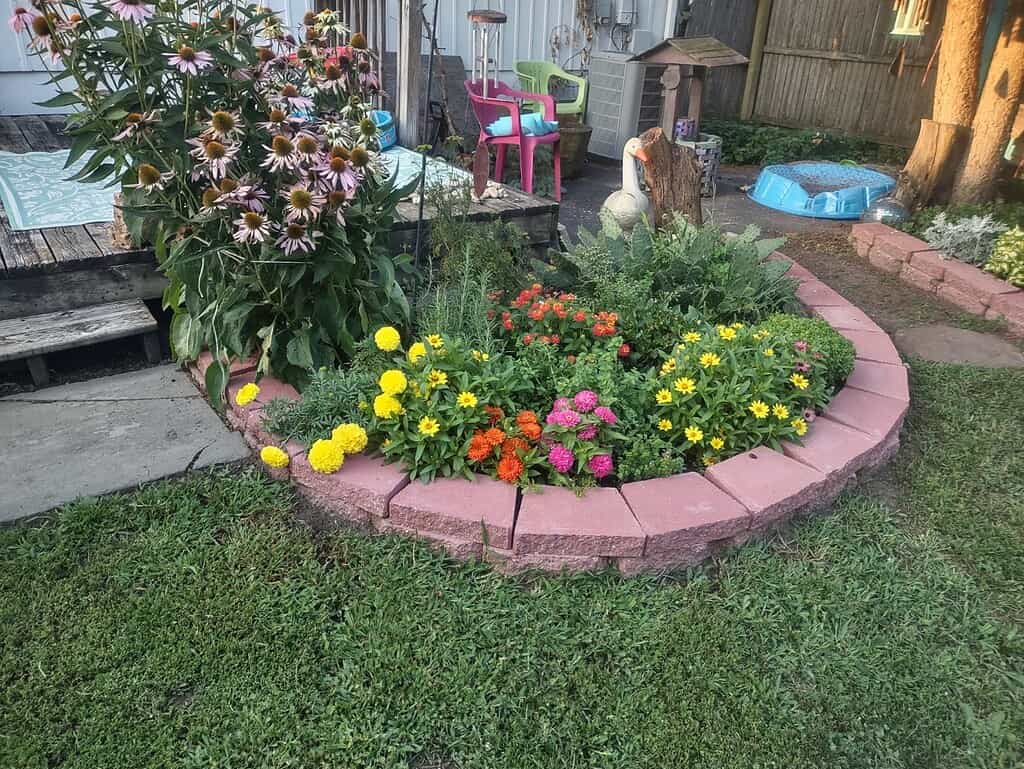
Even in a small garden, it’s not all about the plants. The non-living elements – also known as hardscape and decor – play a big role in the overall design.
In tight spaces, you’ll want to choose these pieces carefully so they enhance the garden without overwhelming it. Here are some tips:
Use Light Colors and Reflective Surfaces
Believe it or not, the color of your fences, walls, or decking can affect how spacious your garden feels.
Light, neutral tones on fences and walls will reflect light and create an open atmosphere, as opposed to dark colors that absorb light.
If you can, paint a brick wall white or pale gray, or choose light-colored paving stones or gravel for the ground. These brighter surfaces bounce light around and make the area feel larger.
You can even hang a mirror in an outdoor space (securely and in a sheltered spot) – the mirror will visually double the space and add more reflected light, giving an illusion that your small garden extends further than it really does.
Just as you might use mirrors in a small room indoors, they work in gardens too!
Scale Furniture to Fit
Furnishing a small garden is a bit of a Goldilocks situation – you want pieces that are just right.
Oversized patio furniture can dwarf the space, but too many tiny decorations can make it feel cluttered.
Aim for one or two key pieces of outdoor furniture if your space allows, and make them count.
A petite café table with two chairs, a small bench, or a corner lounge chair can create a welcoming seating area.
Place seating against a wall or in a corner to keep the center open. Look for slim-profile or foldable furniture that doesn’t occupy more space than necessary.
Multi-functional pieces (like a storage bench or an outdoor ottoman that doubles as a side table) are bonus winners in small gardens.
Incorporate Hardscape Elements for Structure
Hardscape refers to elements like pathways, patios, edging, or decorative structures. In a small space, even a little bit of hardscape can provide nice contrast and structure to all the greenery.
For example, a simple stepping stone path or a section of decking can delineate where to walk or sit. If you have only a balcony, consider an outdoor rug or interlocking deck tiles to define a “floor” for your garden area.
Raised beds or wooden planters can serve as both planting areas and defining borders for different zones.
Don’t shy away from including a small trellis or arbor if you have room; these vertical structures give a sense of height and can also support climbing plants, creating a green canopy overhead.
Just keep structures proportionate to your space (a massive pergola might overpower a tiny yard, but a narrow arch or bamboo screen could be perfect).
Personalize with Decor (Sparingly)
This is where you let your style shine, but remember that in small gardens, less is often more. Choose a few decor pieces that bring you joy or set a mood.
It could be a colorful ceramic bird, a set of lantern lights, or a piece of garden art on the wall. These little touches add personality and charm.
However, avoid over-decorating or scattering too many knick-knacks, which can quickly make the area feel busy.
A good approach is to pick a theme or a color scheme for decor – for instance, a couple of turquoise accents among pots and pillows to create a Mediterranean vibe, or rustic wooden and metal pieces for a cozy cottage feel.
By curating a handful of decor elements, you add character without clutter.
…
In essence, hardscape and decor elements should provide structure, function, and flair to your small garden.
Use them to frame and support your plants, give you comfortable living space, and reflect your personality.
When chosen thoughtfully, things like light-colored surfaces, space-saving furniture, and a pop of decor transform a cramped area into a charming outdoor retreat.
Keep Maintenance in Mind

A small garden is easier to maintain than a sprawling one – but it still needs regular care.
Planning for low-maintenance gardening from the start will save you time and effort in the long run (and it’s especially important for busy urban gardeners or beginners).
Here are some maintenance considerations and tips as you design your small garden:
Smart Plant Choices
As mentioned earlier, favor plants that are naturally low-maintenance.
This includes drought-tolerant plants that don’t require constant watering, and pest-resistant varieties that won’t need much pampering.
Native plants to your region can be a great choice, as they’re adapted to the local climate and often thrive without special care.
Also, avoid choosing too many fast-growing or oversized plants that will quickly outgrow the space or need frequent pruning (for example, steer clear of planting a young tree that will become 30 feet tall in a few years!).
By choosing plants that don’t need frequent watering or pruning, you’ll have a breezy upkeep routine.
Soil and Watering
If you’re using containers (likely in a small garden), fill them with good-quality potting mix which holds moisture without getting waterlogged.
Small gardens, especially balcony and container gardens, can dry out quickly. Grouping pots together can create a bit of a microclimate and retain humidity for the plants.
Consider adding a layer of mulch on top of soil in planters or beds – mulch helps retain moisture and suppresses weeds, meaning you water less and weed less.
When designing, plan how you will water: is there a faucet nearby for a hose, or will you carry a watering can?
One clever addition is a simple drip irrigation system or soaker hoses, even on a balcony.
These systems slowly water your plants on a timer and can be a lifesaver if you travel or forget to water on hot days.
Accessibility
Make sure you can easily reach all parts of your garden for care.
In a very small garden, that usually isn’t a problem, but if you have containers tucked in corners or a dense cluster of pots, ensure you can get in there to water and trim.
If you’re designing raised beds or vertical planters, think about height – don’t place anything so high or deep that it’s hard for you to tend.
A handy tip: include a stepping stone or two amidst plantings if needed, so you can step in without compacting soil elsewhere.
Regular TLC

A small garden benefits from consistent, light maintenance rather than rare, heavy intervention. Once your garden is set up, get in the habit of checking on it briefly each day or every few days.
Pull the odd weed, deadhead (pinch off) spent flowers to encourage new blooms, and prune plants lightly if they start to get unruly.
These quick tasks prevent problems from building up. Also keep an eye out for pests – in a compact space, you can inspect all your plants in a minute or two.
If you spot pests or disease, address it early by removing affected leaves or using appropriate remedies, so it doesn’t spread.
Being proactive with maintenance keeps your small garden healthy and saves work later.
Low-Maintenance Hardscape
Lastly, design with materials that are easy care. For example, composite decking or gravel doesn’t need much upkeep compared to a lawn that needs mowing.
If you love lawns, a very small patch is fine, but be aware that even a tiny lawn will need regular cutting, edging, and watering.
Many small-space gardeners skip grass altogether (or use a gravel garden with pretty stones and a few tough plants) to reduce maintenance.
Similarly, choose durable pots that won’t crack easily and fences that don’t require constant repainting if possible.
By keeping maintenance in mind as you design your small garden, you’ll ensure that your lovely new space is also an easy space to care for.
The goal is to spend more time enjoying your garden than working in it!
With the right plants, smart watering, and a little routine care, even a beginner can keep a small garden thriving through the seasons.
Start Designing Your Small Garden Today
Designing a small garden is a fun journey of creativity, balance, and smart use of space.
As you’ve seen, size doesn’t really matter when it comes to enjoying nature – even the smallest garden can bring beauty and calm into your life with thoughtful design. So why not start today?
Begin with a simple plan: assess your space, dream up how you’d love to use it, and then apply the tips we discussed – maximize vertical space, pick the right plants, and keep the layout airy and functional.
Soon enough, you’ll be arranging pots and decor, turning that drab corner or balcony into a lively green retreat. Remember, every great garden (even a tiny one) grows from a bit of love and imagination.
Most importantly, have fun with the process. Gardening, even on a small scale, is meant to be enjoyable and rewarding.
Now that you’re equipped with ideas and inspiration, it’s time to get those hands a little dirty. Grab a notebook (or your gardening gloves) and start designing your small garden today.
Your urban oasis – no matter how petite – awaits, ready to offer you a daily dose of greenery and happiness. Happy gardening!
What small garden design ideas are you excited to try? Let us know in the comments below – we’d love to hear about your plans or any questions you have!
FAQs
1. Can I create a small garden without a yard?
Yes! Use containers on balconies, patios, or windowsills. Try railing planters, hanging baskets, or vertical wall gardens for herbs, tomatoes, or succulents. Get creative—no yard needed.
2. What are low-maintenance plants for small gardens?
Opt for succulents, cacti, rosemary, thyme, lavender, or native perennials. These are drought-tolerant, disease-resistant, and compact. Choose “low-maintenance” labels for easy care.
3. How can I add privacy to my small garden?
Use trellises with climbers like jasmine, tall potted bamboo, grasses, or slim trees. Add fence extenders or curtains. Arrange planters strategically for a cozy, secluded feel without overcrowding.
4. What if my small garden lacks sun?
Grow shade-tolerant plants like ferns, hostas, impatiens, begonias, or hydrangeas. Use mirrors to reflect light. Embrace lush foliage for a serene vibe in low light.
5. Can I grow vegetables or fruits in a small garden?
Absolutely – try lettuce, spinach, bush beans, patio tomatoes, or strawberries in pots or hanging baskets. Dwarf fruit trees like lemons or figs work in large containers. They need 6+ hours of sun and regular care for great yields.