
If you’re looking for simple home garden ideas to bring life and color to your living space, you’re in the right place.
Gardening doesn’t need to be intimidating or expensive – even a beginner can create something beautiful with just a bit of inspiration.
In fact, starting a garden in a small space doesn’t have to cost a lot. With a little creativity, you can turn even a tiny patio or balcony into a green oasis that makes you wonder why you didn’t start sooner.
Whether you dream of fresh herbs for cooking or a cozy flower-filled corner to relax in, the ideas below will get you growing in no time (no huge yard or green thumb required!).
So grab a cup of coffee and imagine we’re two friends chatting about gardening – let’s dive into ten doable ideas that will have you saying, “I wish I’d tried this earlier!”
10 Simple Home Garden Ideas You’ll Wish You Tried Sooner
Below are 10 simple home garden ideas you can start today – perfect for beginners, small spaces, or anyone looking to add a little greenery to their home.
1. Grow Your Own Kitchen Herbs (Fresh and Easy)
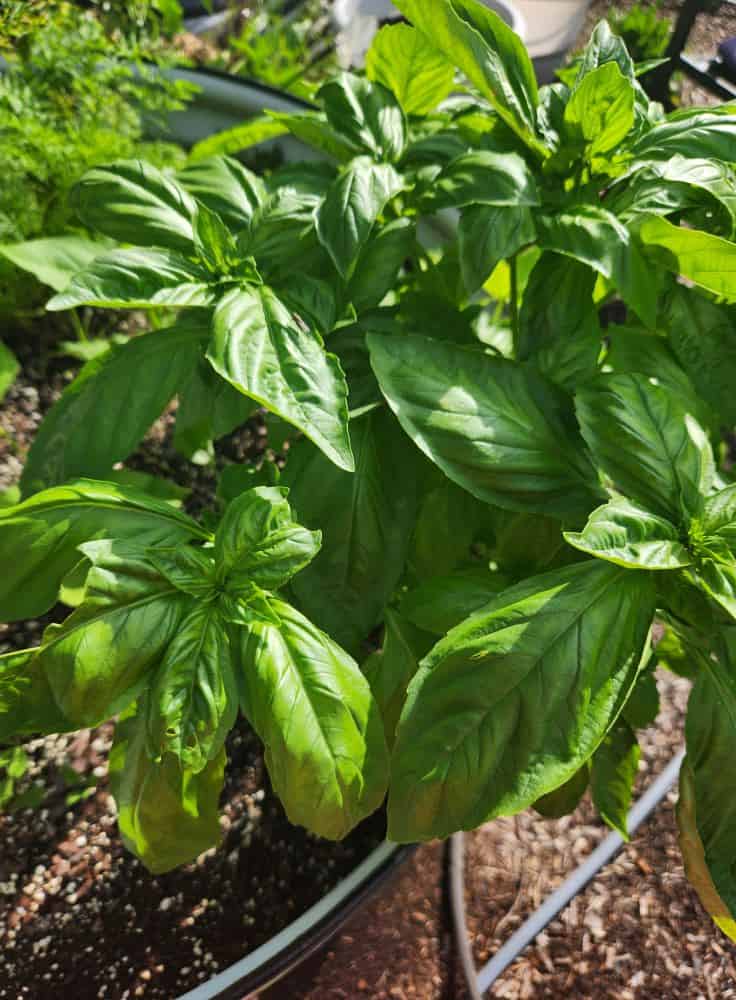
Herbs are some of the easiest plants to start with – they happily grow in small pots on a windowsill, balcony, or porch.
You can begin with favorites like basil, mint, parsley, or thyme, which all do well in containers and small spaces. Place them where they’ll get decent sunlight (a sunny kitchen window is perfect).
Not only will you always have flavorful herbs on hand for cooking, but they’ll also make your home smell wonderful.
Best of all, herbs are very forgiving for new gardeners – they don’t need deep soil or intensive care, just regular watering and a bit of sun.
You’ll wonder why you ever paid for store-bought herbs once you taste the difference of home-grown.
2. Start a Container Garden Anywhere
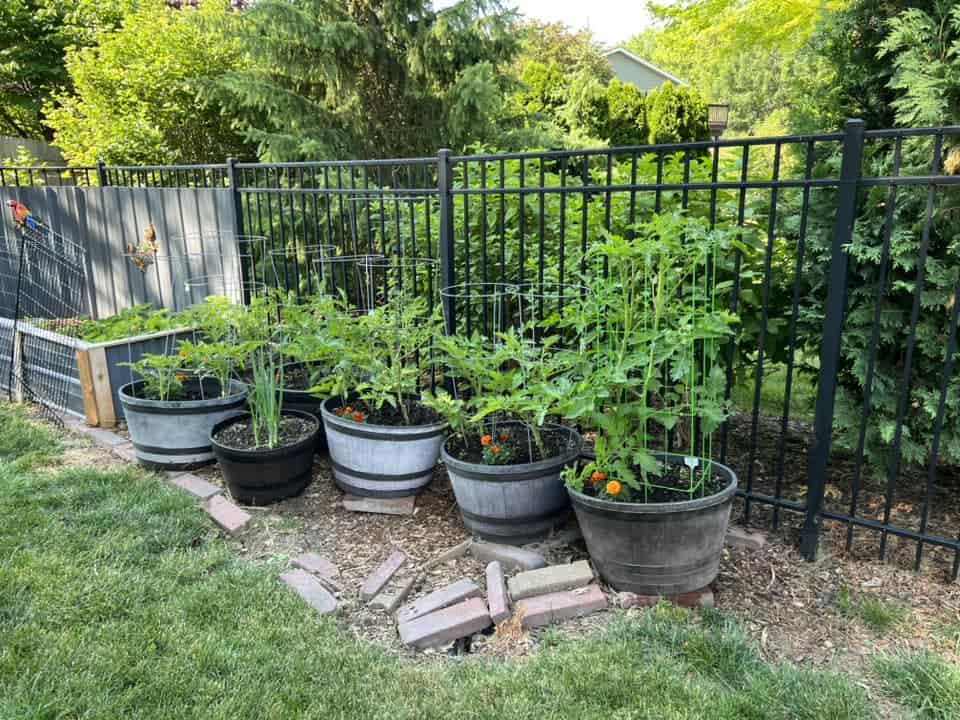
Maybe you don’t have much yard – no problem! Container gardening is perfect for beginners or anyone with limited outdoor space.
Essentially, any pot, planter, or even a repurposed bucket can become a mini-garden. Try planting a mix of colorful flowers and a few easy veggies in pots on your porch or balcony.
Cherry tomatoes, peppers, lettuce, or radishes can thrive in containers, and so can flowers like marigolds or petunias.
Container gardens let you garden on your own terms: you can move the pots around to catch sun or rearrange your display anytime. They’re also great for renters – you can take your garden with you if you move.
Another perk of container gardening is how flexible it is season to season. In the summer you might grow tomatoes and basil, and by fall you can swap in some mums or ornamental cabbages for autumn color (fall container gardening is one of the easiest ways to keep your outdoor space vibrant as temperatures drop).
The containers themselves add visual interest – try using colorful ceramic pots, wooden crates, or even old teapots for a whimsical touch. The possibilities are endless, and you’ll love the splash of life containers bring to any spot around your home.
3. Get Vertical with Your Greenery

When you’re short on ground space, think vertically! Vertical gardening is one of the most effective ways to introduce greenery without taking up much room.
This could be as simple as hanging planters on a wall or setting up a trellis against a fence for climbing plants. You can purchase ready-made vertical garden pockets or DIY one with a wooden pallet or an old bookshelf.
Imagine a wall of lush ferns or pothos on your apartment balcony, or a cucumber vine climbing up a trellis in your backyard – instant green privacy screen and beauty.
Great plants for vertical setups include pothos, ivy, jasmine, or even strawberries and cherry tomatoes (they can cascade downwards).
By using your walls or fence, you free up floor space and make a small garden feel larger by drawing the eye upward. Plus, harvesting from a vine or wall planter feels extra rewarding, like you’ve built your own little jungle.
If you’ve never tried it, start with one vertical planter or a couple of hanging baskets – you’ll wish you’d been growing “up” all along!
4. Build a Simple Raised Bed (Gardening Made Easy)
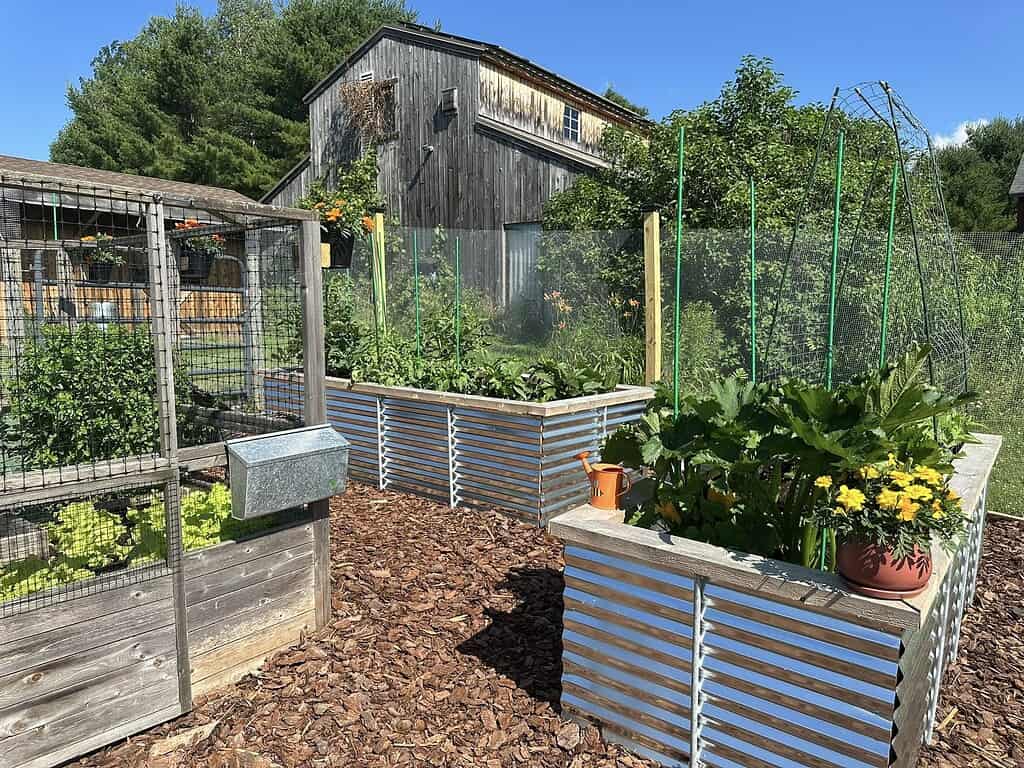
If you have a bit of yard (or even just a patch of driveway or patio), consider building a raised garden bed.
A raised bed is basically a large container with no bottom – you frame a box with wood or bricks and fill it with soil to create an instant garden plot.
Why do this? Because raised beds make gardening easier on so many levels. You can control the soil quality (fill it with good rich soil and compost), reduce weeds, and the soil warms up faster in spring.
Many gardeners find that a raised bed improves growing conditions practically overnight, leading to bigger harvests even in a small space.
It’s also easier on the back and knees since you don’t have to bend as far to tend your plants. You can build a simple 4×4 foot wooden bed with a few boards from the hardware store, or get a premade kit.
Once it’s set up, try planting easy veggies like lettuce, bush beans, or carrots, or a mix of flowers and herbs. You might be amazed how much you can grow in a small raised bed (and how neat and tidy it looks).
Gardening in a defined area like this removes a lot of the intimidation – it’s like having your own little garden box to play in, and maintenance stays low because weeds and pests are easier to manage. Many people say starting a raised bed was a game-changer for their garden – sooner is better than later for this idea!
5. Plant a Pollinator-Friendly Flower Patch
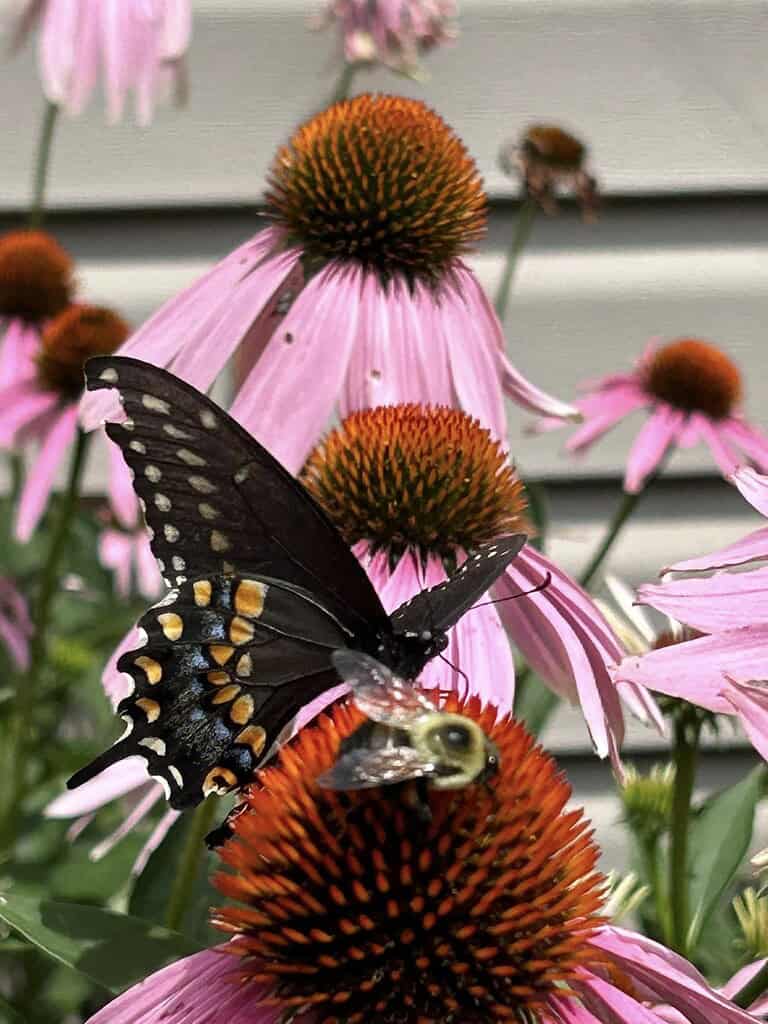
One of the most rewarding home garden ideas is to grow a small flower bed or even just a few pots of blooms that attract pollinators.
Pollinator gardens are not only beautiful – buzzing with bees and fluttering with butterflies – but they also help fertilize your other plants, leading to more fruits and veggies. You’ll wish you had invited these helpful critters to your yard sooner when you see the difference in your garden’s health.
To create a pollinator patch, pick a sunny spot (even a corner of your lawn or a raised bed) and plant nectar-rich flowers like marigolds, zinnias, lavender, coneflowers, or sunflowers. Even herbs that flower (like oregano or basil that’s bolted) are beloved by bees.
Aim for a mix of colors and bloom times so something is flowering through the seasons. Not only will you enjoy the cheerful blooms, you’ll also get to watch butterflies dancing around and bees busily visiting each flower – it brings a special joy to your garden routine, almost like having pets that take care of your plants for you!
And if you grow any veggies or fruit, those pollinators will improve your yields as they go about their pollinating business.
It’s a win-win for you and nature, and it can be as small or large an idea as you want – even a couple of flower pots with lantana or alyssum can start drawing pollinators to your porch.
6. Turn a Neglected Corner into a Garden Nook

Look around your yard or outdoor area – do you have an empty, boring corner somewhere? That might be the perfect spot to create a cozy corner garden.
Often, just by grouping a few plants together and maybe adding a little seating, you can transform an unused corner into your favorite hangout.
You can group several containers together to make a bright corner garden filled with life. For example, arrange a couple of pots with tall plants or small shrubs at the back, put some blooming flowers or herbs in front, and perhaps add a stepping stone or a small garden statue to anchor the space.
If you have room, a simple bench or a chair in this green corner can make it a personal oasis where you sit with your morning coffee. Consider using that awkward spot by the fence or the side of the house that doesn’t get much love – a bit of greenery will soften it right up.
To add vertical interest, you could hang a planter on the fence or let a vine climb up. With a little creativity, even a tiny yard corner can turn into a beautiful and useful part of your yard, almost like a mini retreat.
And since it’s a small area, it’s not hard or costly to do – you might use plants you already have or ones you can propagate from friends. Once you see how that forgotten corner comes alive, you’ll definitely wish you’d spruced it up sooner.
7. Create a Soulful Prayer or Meditation Garden
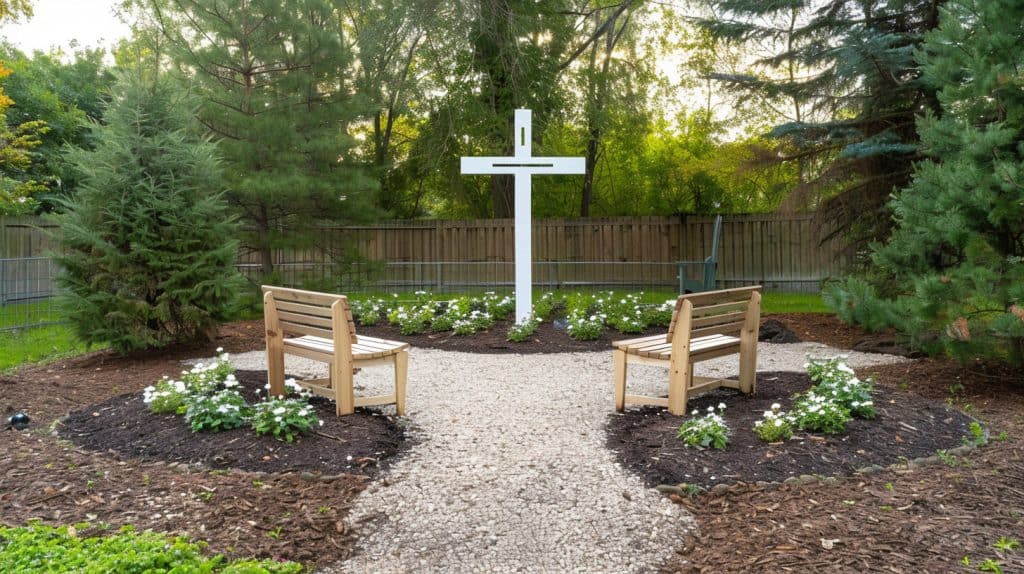
Sometimes a garden is about feeding the soul as much as the body. A prayer garden or meditation space is a wonderful idea for anyone seeking a peaceful refuge right at home.
It’s simpler than you might think: pick a quiet spot in your yard (even a small corner can become a meaningful retreat with a few well-placed elements like seating, plants, and gentle lighting).
You might place a comfortable bench or a tree stump seat under a tree or beside some shrubs. Add elements that feel calming or spiritually significant to you – maybe a small fountain or birdbath for the soothing sound of water, a wind chime, a statue or symbol that inspires you, and of course some greenery.
Fragrant and calming plants work great here: think lavender, rosemary, jasmine, or even a small biblical herb garden with plants like mint and sage that have traditional meanings.
Keep the design simple and uncluttered; the idea is to create a sense of sanctuary. You could lay down stepping stones or create a little path leading to this nook, signaling that you’re “entering” a special space.
Even at night, this garden can be enchanting – consider a solar light or two for a gentle glow. Whether or not you use it for formal prayer or meditation, just having a dedicated tranquil spot in your yard can be a daily stress-reliever.
Many people find that creating a prayer/meditation garden not only improves their yard, but also their well-being. It’s a deeply satisfying project – one you’ll be thankful to have started.
(Psst – For more inspiration on peaceful outdoor spaces, check out some truly soulful prayer garden ideas for creating your own sanctuary at home!)
8. Embrace Seasonal Gardening (Fall in Love with Fall Planters)
Who says gardening is just a spring and summer thing? One simple idea you’ll wish you tried sooner is embracing each season in your garden – especially fall, which can be absolutely beautiful.
For instance, fall container gardens can bring a burst of autumn color to your doorstep or patio. Swap out the summer blooms for hardy fall plants like chrysanthemums, pansies, ornamental kale, or asters.
Fall container gardening is one of the easiest ways to keep your outdoor space looking vibrant as temperatures drop, and it doesn’t require much – you can even reuse your summer pots and just change the plants.
Add a couple of mini pumpkins or gourds to the arrangement for a fun touch (yes, you can even plant ornamental peppers or small gourds in containers for a living display!). The rich golds, oranges, and purples of fall flowers will make you smile every time you walk up to your home.
And because these plants love the cooler weather, they’ll often last well into the season. You’ll get that cozy, festive fall feeling outdoors, not just from pumpkin spice lattes!
Additionally, thinking seasonally means you can have something going on in your garden almost all year. In spring, you get bulbs and blossoms; in summer, lush growth and veggies; in fall, containers of mums and pumpkins; and even in winter, you might use evergreens or holiday planters.
By rotating a few seasonal touches, you keep your gardening hobby fresh and fun.
If you’ve never tried a fall planter or two, give it a go – it’s low effort with high reward, and you’ll wonder why you used to “close down” the garden at Labor Day.
(And if you need ideas, check out our budget friendly fall container garden ideas to spark your creativity!)
9. Don’t Hibernate – Try Winter Gardening Tricks
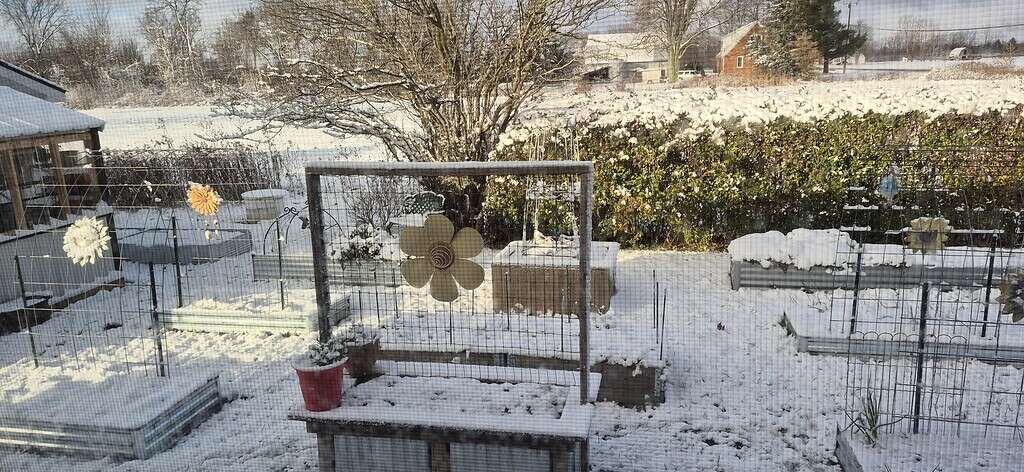
When winter comes, many people pack up their gardening gloves until spring – but here’s a secret: winter is actually a great time to get a head start on your next garden.
You’ll wish you knew earlier how much you can do in the “off-season”! One idea is to plan and prep during winter. Make a cozy weekend project of mapping out next year’s garden beds, researching plants, or ordering seeds and bulbs for spring.
Winter might seem like a slow time for gardening, but there’s actually a lot you can do to get ready for spring – from drawing garden layouts to starting a journal of what worked and didn’t last year.
If you’re itching to grow something, you can also experiment with indoor or cold-weather gardening. For example, try growing microgreens on your windowsill or starting an indoor herb garden (fresh cilantro or chives in January – yes, please!).
Some hardy plants like certain greens can even be grown in cold frames or containers outdoors if you protect them a bit.
Another satisfying winter garden idea is winter sowing: you plant seeds of hardy flowers or veggies in vented containers (like milk jugs) and leave them outside in winter; they’ll sprout when conditions are right in early spring – it’s almost magic.
Lastly, winter is perfect for tackling those garden DIY projects you never have time for in peak season.
You could build a raised bed, construct a compost bin, or make some garden markers on a mild winter day. By staying engaged with your garden in winter, you’ll beat the winter blues and set yourself up for success when spring arrives.
It feels great to hit the ground running once the thaw comes, instead of thinking “I should have prepared more.” So grab a mug of cocoa, plan some garden dreams, or pot up an indoor plant or two – you won’t regret it.
10. Plant a Fruit Tree or Berry Bush for Future Harvests
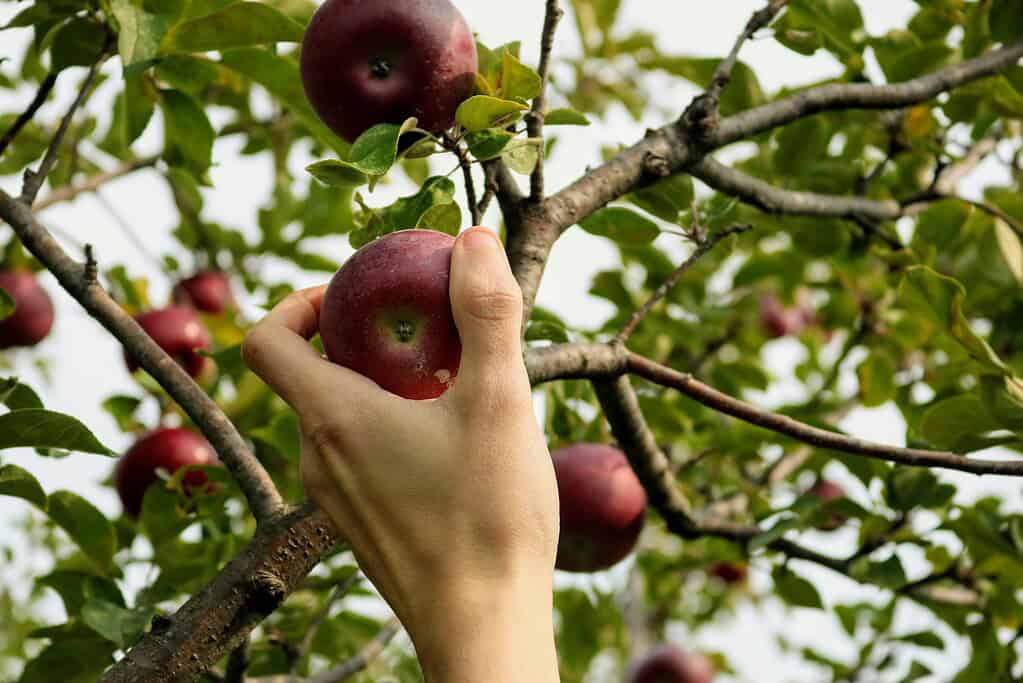
For a truly sweet idea you’ll wish you’d done years ago, consider planting a fruit tree or some berry bushes.
There’s an old proverb that “the best time to plant a tree was 20 years ago; the second best time is now,” and it rings so true when it comes to fruit trees in your yard.
Even if you have a small space, you can choose dwarf or semi-dwarf varieties of fruit trees (like apple, peach, or citrus) that stay compact.
These little trees can often be grown in large pots or small garden beds, and many dwarf fruit trees will start producing fruit in just 1–3 years – much sooner than standard trees.
Imagine plucking your own apples for pies, or peaches for cobbler, or enjoying fresh lemons from your patio. Berry bushes are another fantastic, easy option: blueberries, raspberries, or blackberries can be tucked into a garden border or even grown in containers.
They require minimal care (just some pruning and picking!) and reward you with delicious berries every summer. Homegrown fruit tastes amazing, and there’s something deeply satisfying about watching a tree you planted bear fruit for the first time.
It’s the kind of thing many gardeners say, “Why didn’t I do this earlier?” as they bite into that first homegrown apple. So if you have a sunny spot, give it a go – plant a fruit tree or a couple of berry bushes this year. Your future self will thank you with every juicy bite.
(Quick tip: if space is tight, look into columnar fruit trees or dwarf berry varieties – they’re bred to thrive in small gardens and even pots, so there’s no reason to miss out on home-grown fruit!)
Ready to Get Growing? Start Your Home Garden Today!
Gardening at home is all about starting small, having fun, and learning as you go. These home garden ideas are meant to inspire you to pick one or two and give them a try.
Whether you start with a single pot of herbs or dive into building a raised bed, you’ll likely find yourself saying, “I should have done this sooner!”
The great thing is, gardening is a journey, and every season brings new rewards.
So go ahead – roll up your sleeves and plant something. Tend it, enjoy it, and watch how even the simplest garden project can bring a smile to your face each day.
We’re excited for you to experience the joy and satisfaction that comes with growing your own little slice of nature at home.
Which idea are you most excited to try? We’d love to know – share your thoughts or your own garden tips in the comments below, and let’s keep the conversation growing!
FAQs
How can I start a garden if I only have a small apartment or no yard?
You can garden without a yard! Use container or vertical gardening on a balcony, windowsill, or porch. Herbs, lettuce, strawberries, or flowers all grow well in pots. Indoor herbs near a sunny window work too. Community gardens are another great option. Start with small, container-friendly plants and your mini-garden will thrive.
What are some easy plants for first-time gardeners?
Start with forgiving plants like basil, mint, parsley, and thyme. Easy flowers include marigolds, zinnias, and sunflowers, and beginner-friendly veggies are radishes, lettuce, spinach, cherry tomatoes, and peppers. Low-maintenance indoor plants like succulents or pothos are also great.
How can I keep my home garden low-maintenance?
Choose hardy, easy-care plants and group those with similar water needs. Use mulch to retain moisture and suppress weeds. Container gardens are easier if pots are accessible, and tools like self-watering planters or drip irrigation save time. Start small to keep gardening enjoyable, not stressful.
When is the best time to start a home garden?
Spring is ideal after the last frost for most veggies, herbs, and flowers. Fall works for perennials, bulbs, and trees. You can also start container or indoor gardens year-round. Planning in late winter and adjusting plant choices by season helps maximize success.
How do I garden on a small budget?
Gardening can be cheap! Start from seeds, swap plants with friends, or repurpose old containers as planters. Find free compost or mulch, use simple tools, and choose hardy, low-maintenance plants. A little creativity goes a long way for a beautiful garden without spending much.