If you've ever stood in a garden center staring at rows of pots wondering which one to actually buy – you're not alone.
Choosing the right garden pot sounds simple until you realize there are dozens of materials, sizes, and styles, and that the wrong choice can mean dead plants, wasted money, or a backyard that just doesn't look right.
This guide cuts through the noise.
Whether you're growing tomatoes on a balcony, herbs on a windowsill, or flowers along your front porch, you'll find practical advice here on what actually works – and what to skip.
If you're also curious about how pots fit into a bigger gardening picture, check out our guide on container gardening for beginners to get the full overview.
Why the Right Garden Pot Actually Matters
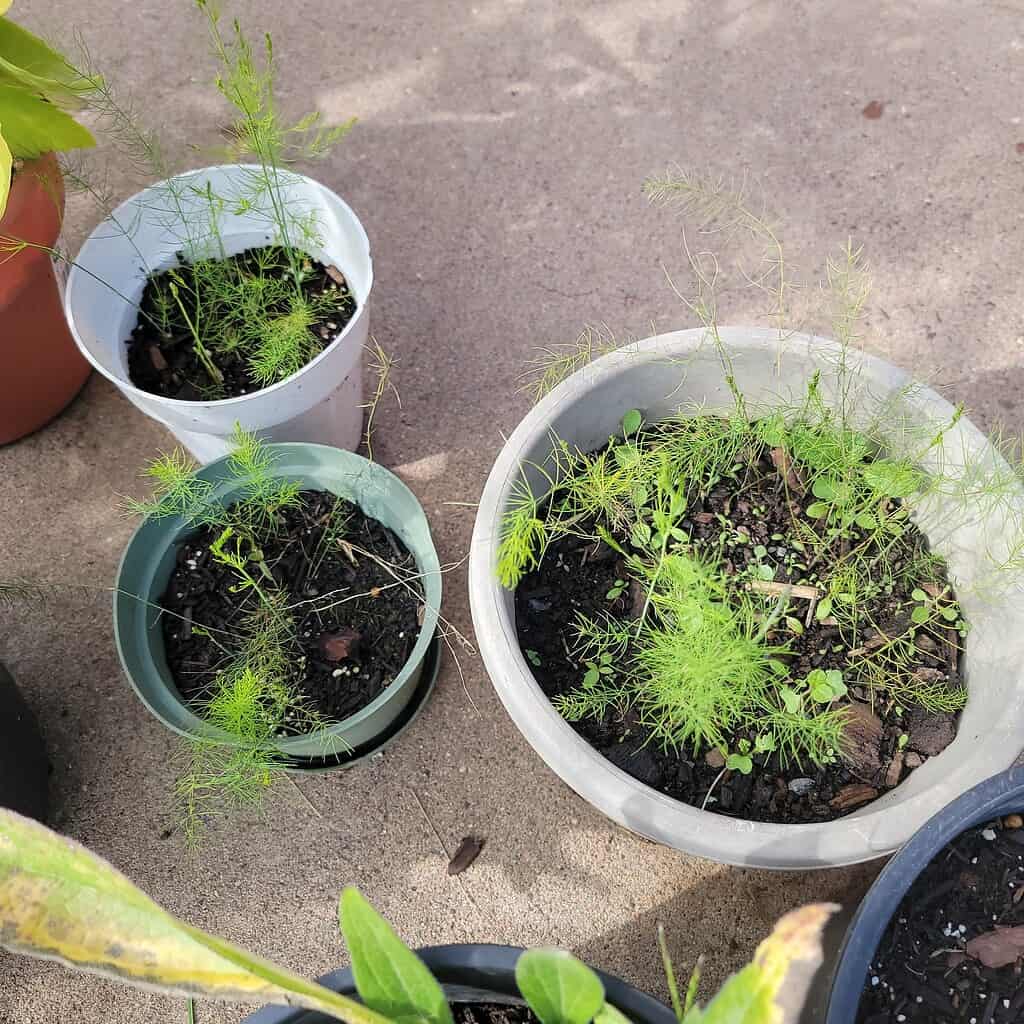
A pot is a miniature growing environment. The material, size, drainage, and even color of your pot directly affect how your plant grows, how often you need to water, and how well roots develop.
Beginners often underestimate this. They grab the cheapest pot available, shove some soil in, and wonder why their plants struggle.
The truth is, the wrong pot can cause root rot, heat stress, drought, or nutrient lockout – none of which have anything to do with your watering schedule.
Getting your container setup right from the start is one of the best garden hacks that save you time and frustration down the road.
When Should You Plant in Your Area?
Enter your ZIP code for personalized frost dates, planting schedules, and growing tips.
The Most Common Pot Materials (Pros, Cons, and Best Uses)
The material your pot is made from is the single most important factor in how it performs. Each material handles heat, moisture, and weight very differently.
Terracotta (Clay) Pots
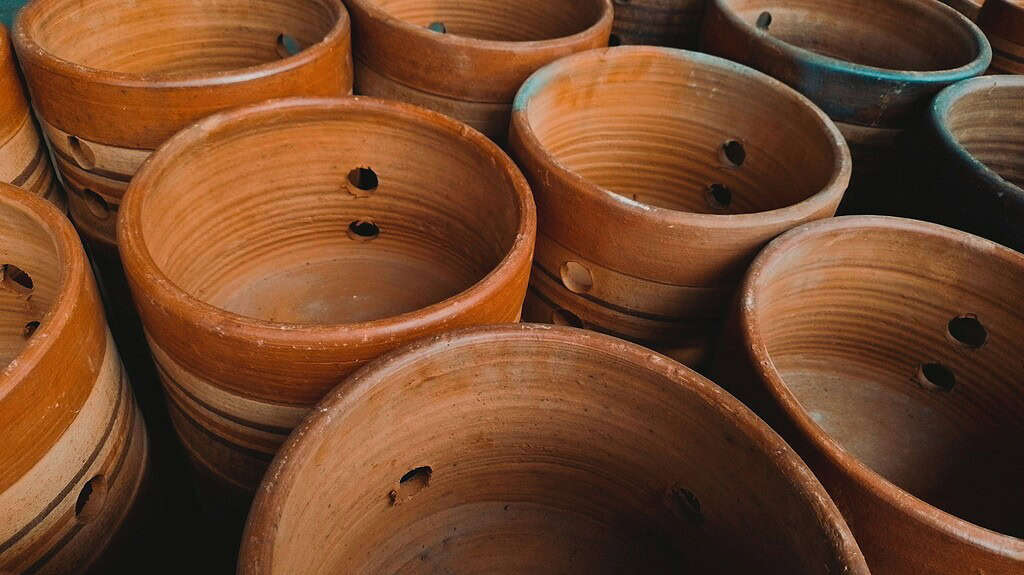
Terracotta is the classic choice, and for good reason. These pots are breathable, which means air and moisture can pass through the walls.
This is excellent for plants that hate sitting in wet soil, like succulents, herbs, and Mediterranean plants. The downside is that they dry out quickly (sometimes too quickly in hot climates) and they crack in freezing temperatures if left outside.
They're also heavy, which makes moving them around a challenge.
Best for: Herbs, succulents, lavender, rosemary, cacti
Plastic Pots
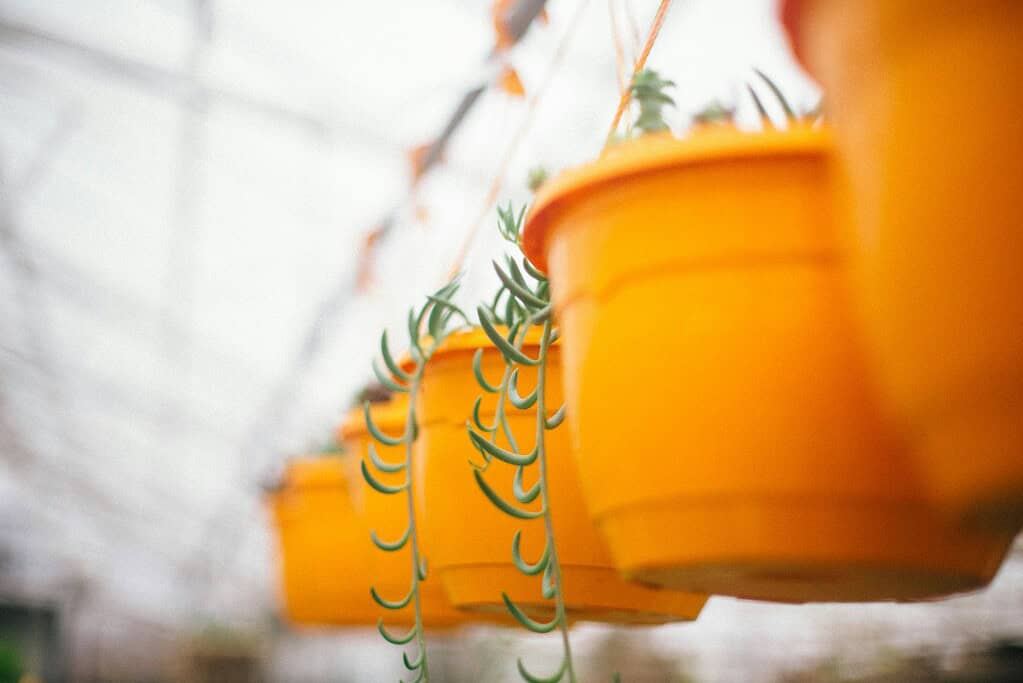
Plastic pots are lightweight, inexpensive, and retain moisture well, making them ideal for plants that prefer consistently moist soil.
They don't breathe the way terracotta does, so overwatering is easier to do accidentally.
However, quality varies widely – thin, cheap plastic degrades quickly in UV light and can leach chemicals over time. Look for thick, UV-resistant options if you go this route.
Best for: Tomatoes, peppers, leafy greens, moisture-loving plants
If you're growing vegetables in containers, our post on starting a container vegetable garden walks through exactly which setups work best for food crops.
Fabric Grow Bags
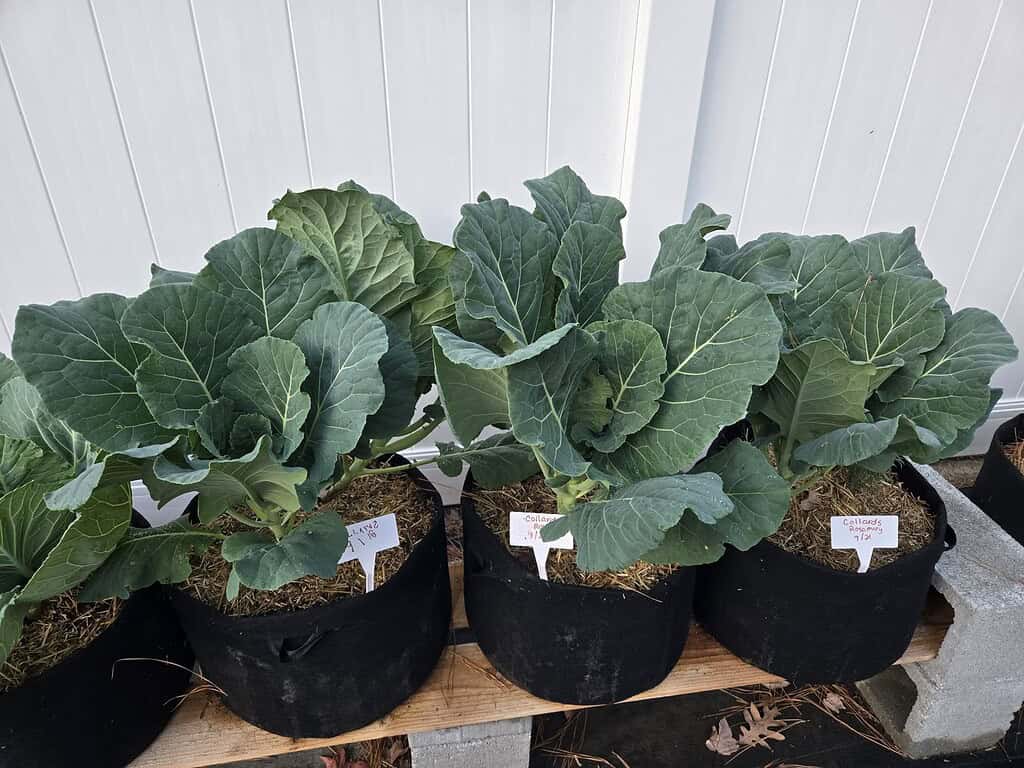
Fabric pots have become a favorite among serious gardeners for one big reason: air pruning.
When roots reach the edge of a fabric bag, they're naturally pruned by air exposure, which encourages healthy, bushy root systems instead of circling, tangled roots.
They're also excellent for drainage and prevent overwatering. The tradeoff is that they dry out fast and don't look as polished as ceramic or terracotta.
Best for: Potatoes, tomatoes, strawberries, root vegetables
Speaking of bucket-style growing, our guide on how to start a bucket garden in small spaces is a great companion read if you're working with limited room.
Ceramic and Glazed Pots
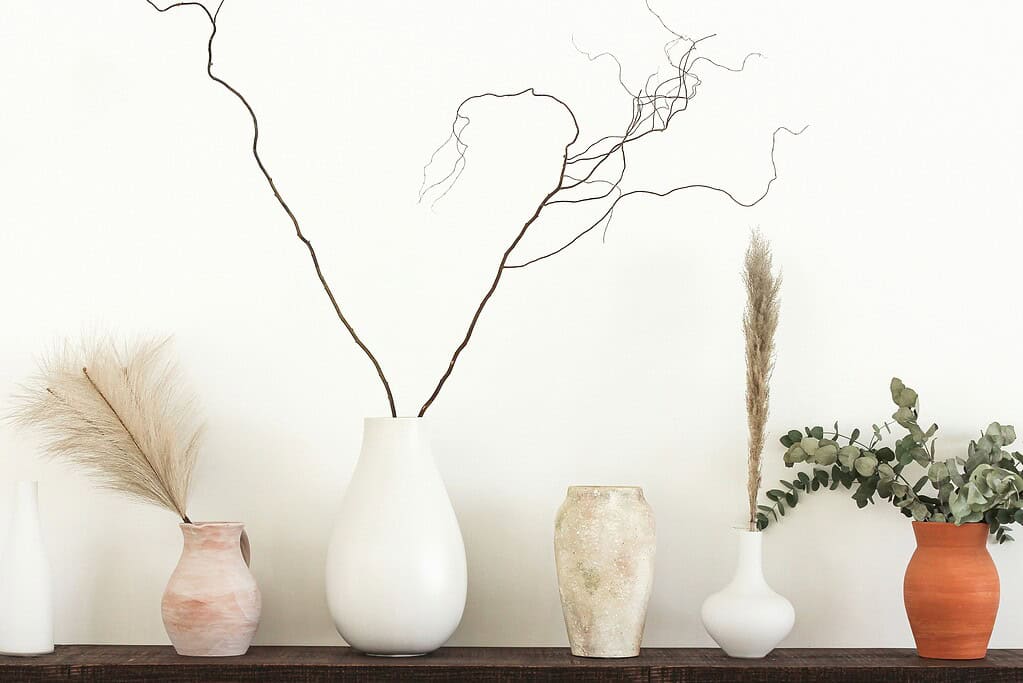
Glazed ceramic pots are beautiful and come in hundreds of styles and colors.
Because of the glaze, they retain moisture much like plastic – the glaze seals the porous clay. They're heavier than plastic but lighter than thick terracotta.
One thing to watch: glazed pots need good drainage holes since they hold water. They're also not always frost-safe, so check before leaving them outside year-round.
Best for: Ornamental plants, indoor houseplants, porch displays
Wood and Cedar Planters
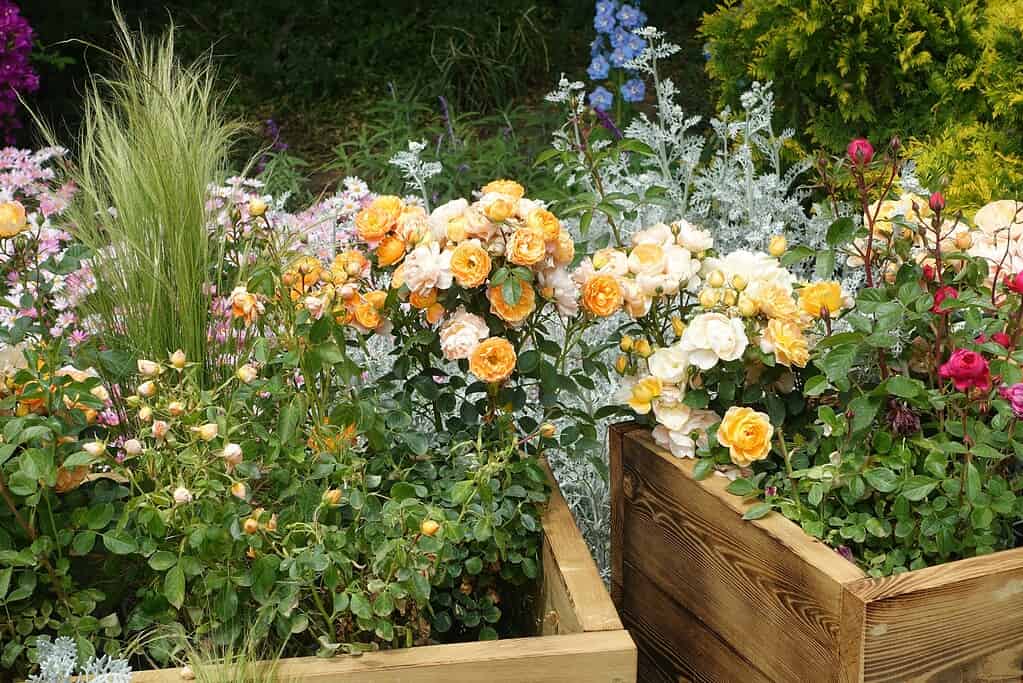
Wooden planters, especially cedar, are naturally rot-resistant and provide excellent insulation for roots. They're great for larger plantings like raised-bed-style container gardens.
Cedar in particular handles moisture and outdoor conditions very well. The downside is cost and eventual deterioration, though a well-maintained cedar planter can last many years.
Best for: Herbs, vegetables, strawberries, perennials
For more on the pros and cons of cedar as a planting material, our post on cedar planter boxes – pros, cons, and real-world use goes deep on this topic.
How to Choose the Right Pot Size
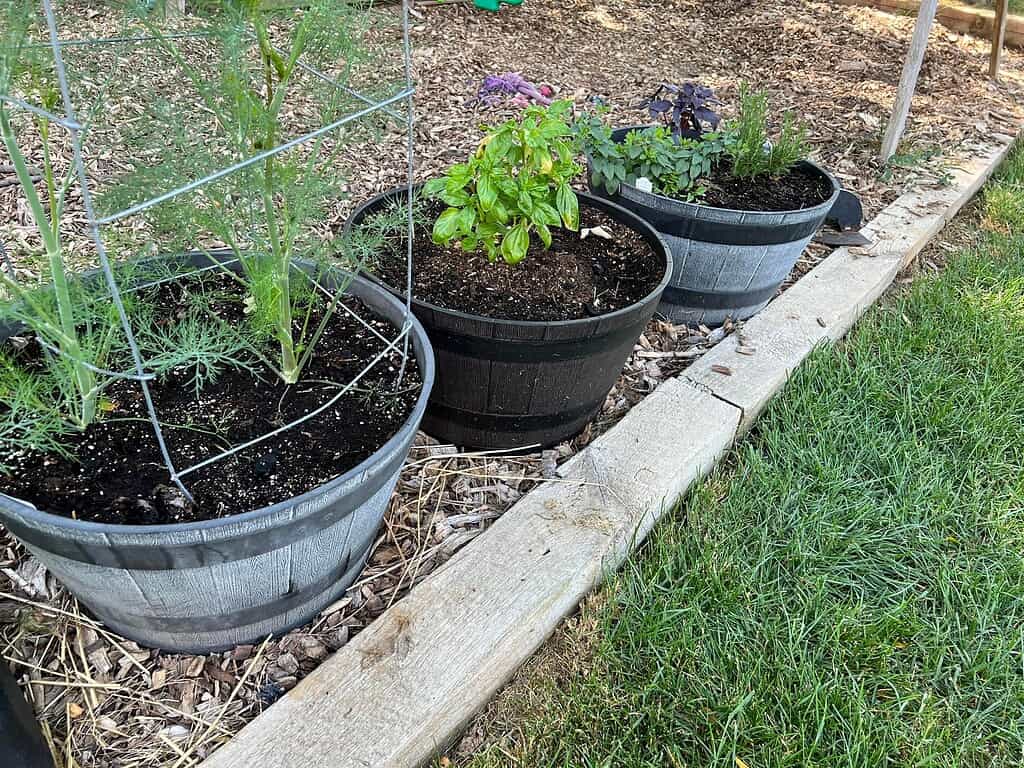
Pot size is where most beginners go wrong.
There are two common mistakes: going too small (which restricts root growth and dries out too fast) and going too large (which holds too much wet soil and can cause root rot in some plants).
Here's a practical size guide to work from:
- Small herbs (basil, chives, parsley): 6–8 inch pots are usually fine
- Medium plants (peppers, compact tomato varieties): Minimum 5-gallon pots
- Large plants (indeterminate tomatoes, zucchini): 10–15 gallon or larger
- Flowers and ornamentals: Match pot width to plant's expected spread
- Root vegetables (carrots, beets, potatoes): Deep pots, minimum 12 inches deep
A good rule of thumb: when in doubt, go one size larger. Plants in containers can't forage for resources the way in-ground plants can, so they rely entirely on what you give them.
Our article on how big of a container a tomato plant needs is worth a read if you plan on growing tomatoes in pots – it will save you a lot of trial and error.
Drainage: The Feature Most People Ignore
No drainage hole = dead plant. It's almost that simple.
Without proper drainage, water pools at the bottom of the pot, roots sit in standing water, oxygen is cut off, and root rot sets in fast. Yet many decorative pots are sold without drainage holes.
Here's what to do:
- Always check for drainage holes before buying
- If you love a pot without drainage, use it as a cachepot (a decorative outer pot) with a functional pot inside
- Drill holes in ceramic or plastic pots if needed – this is easier than most people think
- Avoid the myth of gravel at the bottom – it doesn't improve drainage and can actually make it worse
Good drainage also ties directly into your soil mix. For containers, you want a well-aerated mix that drains freely but still holds enough moisture.
Our DIY potting soil mix recipe is a great starting point for making your own blend at a fraction of the cost of store-bought.
Free Planting Guides for This Article
Get exact planting dates, frost schedules, and growing tips for your zone:
The Best Garden Pots for Specific Situations
There's no single “best” pot – the right choice depends on your situation. Here's a quick breakdown by use case:
Best Pots for Balconies and Small Spaces
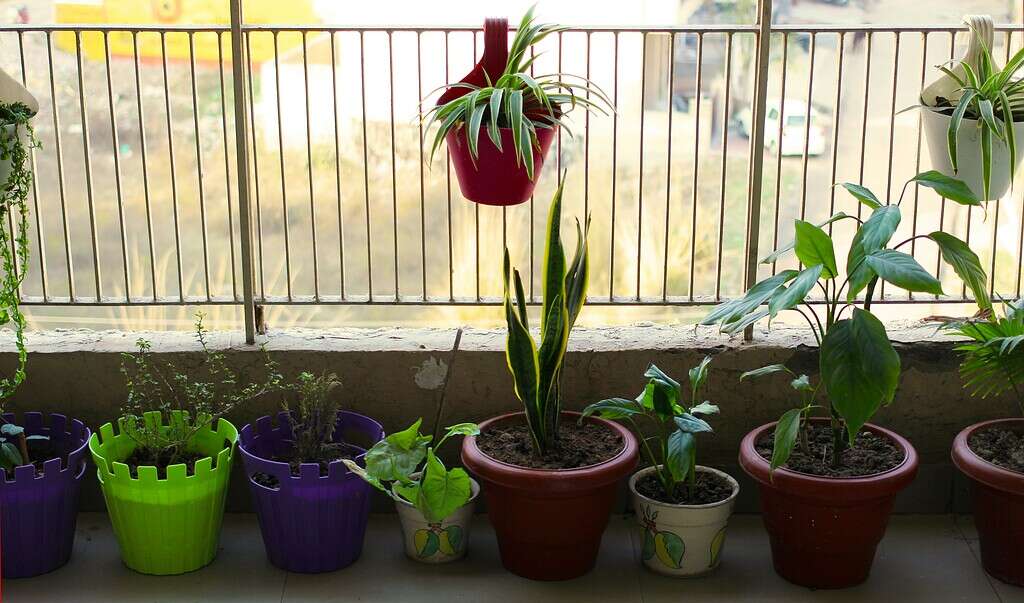
Weight matters most here. Opt for lightweight plastic or fabric grow bags. Avoid heavy ceramic or terracotta if you're on an upper-floor balcony with weight limits.
Long window boxes and vertical planters are also smart for maximizing limited square footage.
Our guide to balcony garden ideas includes some creative approaches to small-space growing that work beautifully with containers.
Best Pots for Front Porches
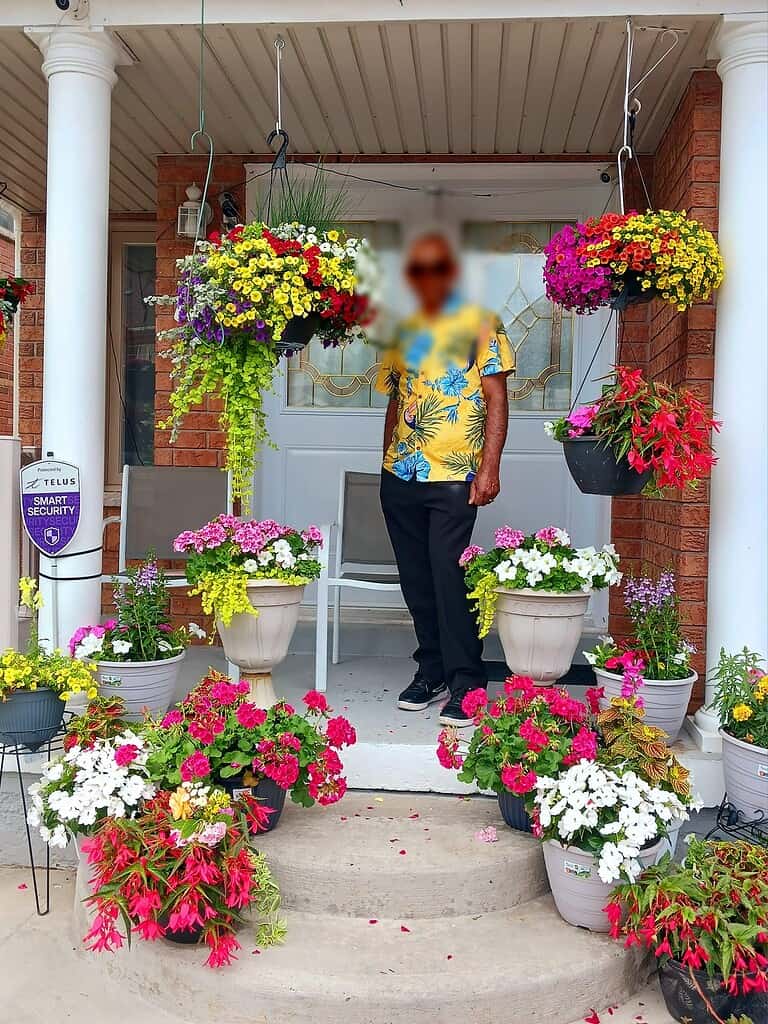
Here, aesthetics matter as much as function. Glazed ceramic, terracotta, and decorative wood planters all look great on a porch.
Choose pots that complement your home's exterior color palette. Symmetrical arrangements with identical pots on either side of a door create an instant curb appeal upgrade.
For inspo, our post on front porch planters has tons of ideas to work from.
If you want to go even further with flowers, our guide on front porch flower pots is packed with specific plant and pot combinations.
Best Pots for Herbs
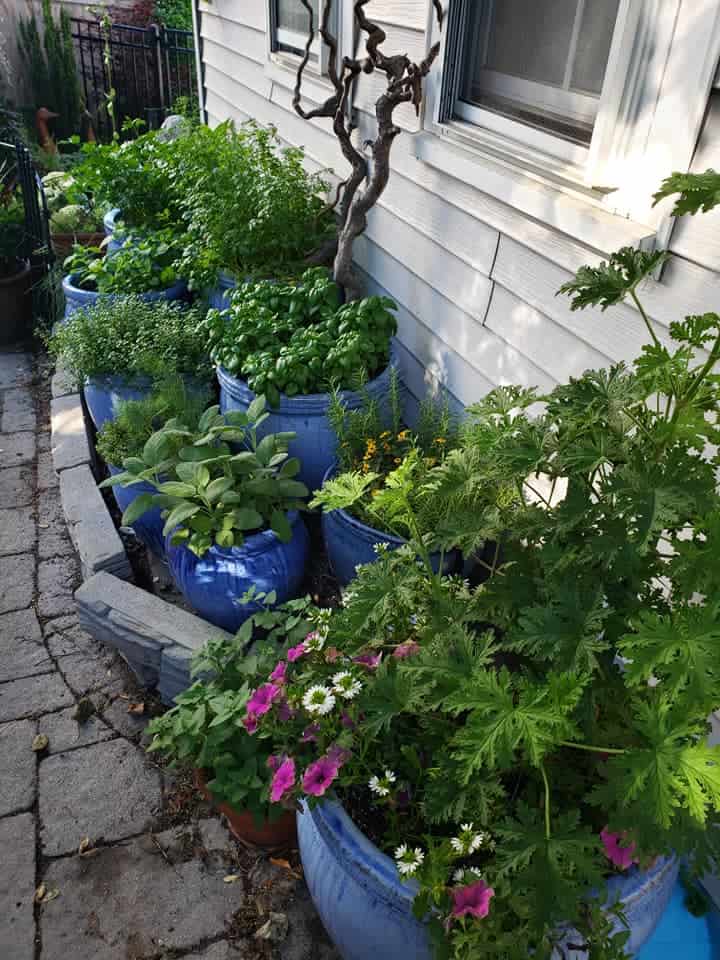
Terracotta is the classic choice for herbs because it mimics the dry, well-drained conditions most culinary herbs prefer.
A shallow terracotta window box works wonderfully for a mini herb garden on a kitchen windowsill.
For a more ambitious setup, check out our post on herb garden ideas for layout and design options, and our guide on how to start an indoor herb garden if you want to grow year-round.
Best Pots for Flowers
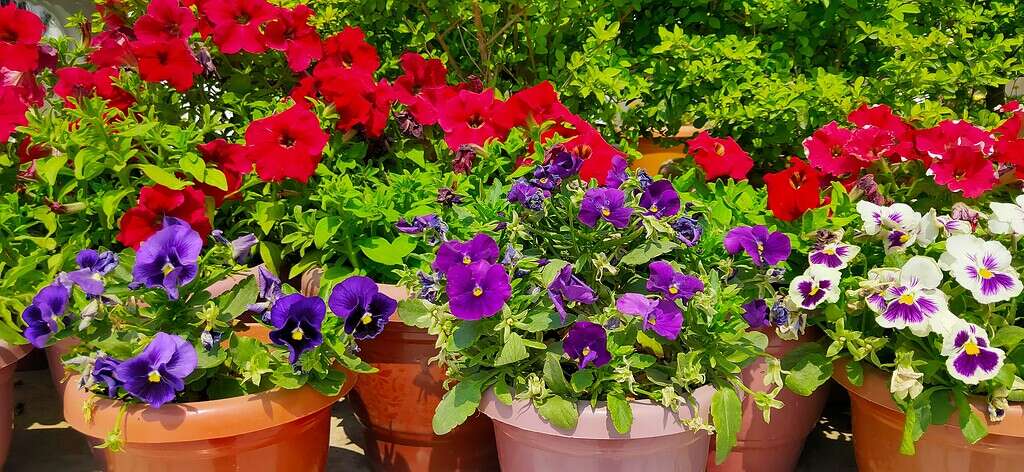
For flowers, you have the most freedom – both in pot style and plant selection. Glazed pots in bold colors can become part of the design itself. Mix and match sizes for visual interest.
Our post on the best flowers for container gardening gives you a curated list of varieties that thrive in pots and deliver big visual impact.
Watering Container Plants: What Actually Works
Container plants dry out much faster than in-ground plants because they have limited soil volume and no access to groundwater. This means watering needs to be more frequent and more consistent.
A few rules that actually work in practice:
- Check soil moisture, not schedules. Stick your finger two inches into the soil – if it's dry, water. If it's moist, wait.
- Water deeply. Water until it drains from the bottom. Shallow watering encourages shallow roots.
- Self-watering planters are worth it. If you travel or forget to water, a self-watering planter can be a game-changer.
- Morning watering is best. It gives foliage time to dry before evening, reducing disease risk.
If you want to take watering to the next level, our post on how to build a self-watering planter DIY shows you how to make a system that waters itself from a reservoir below. It's one of the best upgrades you can make for busy gardeners.
Filling Your Pots: Soil and Fertilizer Basics
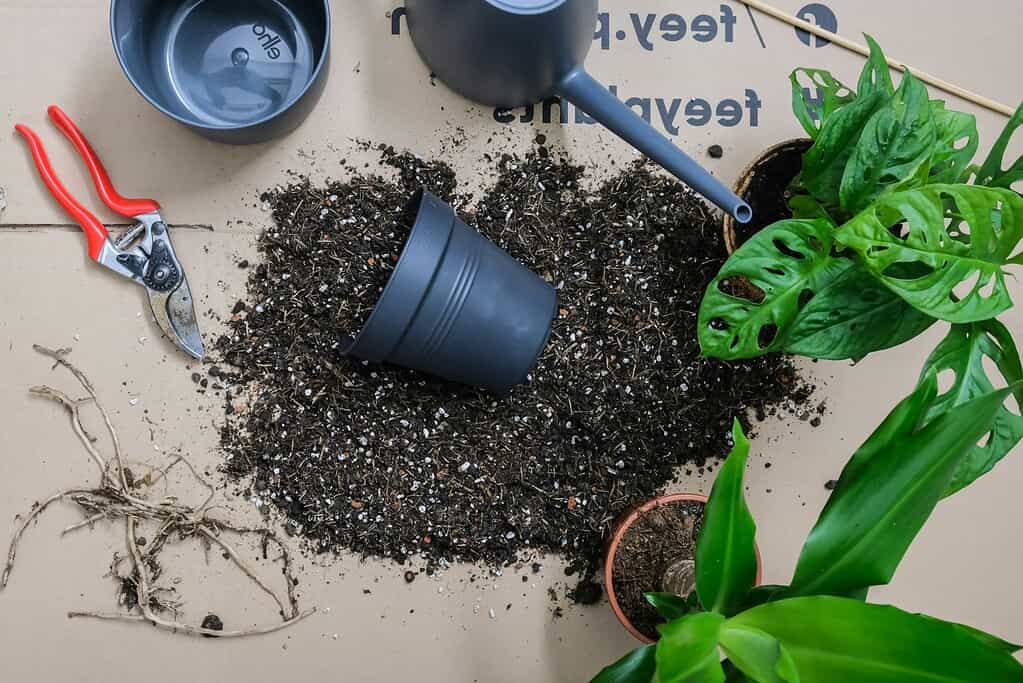
Never use garden soil in containers – it compacts, drains poorly, and can introduce diseases and pests. Instead, use a quality potting mix designed for containers.
These are formulated to stay loose and well-drained even after repeated watering.
For feeding, container plants need more frequent fertilizing than in-ground plants because nutrients leach out with each watering. Options include:
- Slow-release granular fertilizers mixed into the soil at planting
- Liquid fertilizers applied every 1–2 weeks during the growing season
- Compost mixed into potting soil for natural, slow-release nutrition
If you want to keep costs low, our guide on natural fertilizers for vegetable gardens covers free and low-cost options that work just as well as commercial fertilizers.
And if you're composting at home to build your own soil amendments, our composting for beginners guide is a solid place to start.
How Hard Is It to Garden in Your County?
Every county has a unique Gardening Difficulty Score based on frost risk, soil quality, drought, altitude, and climate trends. Find yours — plus personalized frost dates, planting calendars, and soil data.
Check Your County's Score →Common Mistakes Beginners Make With Garden Pots
Even with the best intentions, new gardeners run into predictable problems with containers. Here's what to watch out for:
- Choosing pots that are too small. Roots get cramped, the pot dries out in hours, and plants stress constantly. Size up.
- Using garden soil. It compacts in containers and leads to drainage problems and root suffocation.
- Ignoring drainage. A beautiful pot with no hole will kill most plants in weeks.
- Overwatering. This is the number one killer of potted plants. More water isn't always better – check before you pour.
- Forgetting to fertilize. Container plants need regular feeding since nutrients wash away with watering.
- Placing dark-colored pots in full sun. Black and dark pots absorb heat and can cook roots in summer. Use light-colored or insulated pots for sun-exposed spots.
If you're just starting out, our comprehensive post on how to start gardening for beginners covers the foundational knowledge every new gardener needs before spending money on gear.
Start Potting Smarter
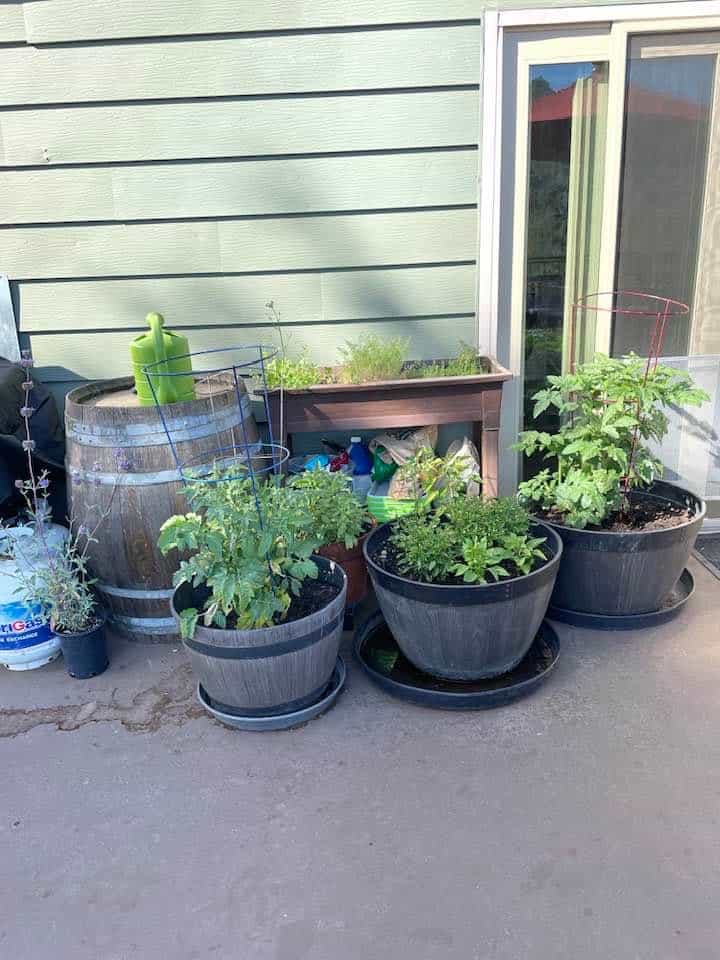
Choosing the right garden pot doesn't have to be overwhelming.
Start with the basics: match the material to your plant's moisture needs, choose a size that gives roots room to grow, and never skip drainage. From there, you can layer on the details – the right soil mix, a consistent watering routine, and regular feeding.
Whether you're setting up a simple herb collection or building out a full container vegetable garden, the right pot makes everything easier. Take what you've learned here, pick one plant and one pot, and get started. That's genuinely all it takes to begin.
For more garden inspiration, browse our full home garden ideas collection or explore our beginner-friendly small garden ideas on a budget to find your perfect starting point.
Found this guide helpful? Drop a comment below and let us know what you're growing in pots this season – we'd love to hear what's working for you!
Frequently Asked Questions
Can I leave my pots outside year-round?
It depends on the material. Terracotta and glazed ceramic pots are vulnerable to cracking in freezing temperatures because moisture inside the pot expands as it freezes.
Plastic and fabric pots handle cold much better and can generally stay outside year-round in most climates. If you're in a frost-prone region, bring terracotta and ceramic indoors or store them in a shed or garage over winter to extend their lifespan.
Check out our stunning winter planter ideas for cold-season container inspiration that uses freeze-safe materials.
What's the difference between a cachepot and a regular planting pot?
A cachepot is a decorative outer container used to hold a functional inner pot.
The plant actually grows in the inner pot (which has drainage holes), while the cachepot catches overflow and adds visual appeal.
This setup lets you use beautiful decorative pots that lack drainage holes without risking root rot. It also makes it easy to swap plants in and out seasonally without repotting.
How do I stop my pots from drying out so quickly in summer?
Several strategies help: use larger pots (more soil volume = more moisture retention), switch from terracotta to plastic or glazed ceramic, add water-retaining crystals or coir to your potting mix, apply a thin layer of mulch on top of the soil, and move pots to a slightly shadier spot during the hottest part of the day.
You can also consider building a DIY self-watering planter with a built-in reservoir to dramatically reduce how often you need to water.
Do I need to repot my plants every year?
Not always, but it's worth checking annually.
Signs that a plant needs repotting include roots growing out of drainage holes, roots circling visibly around the root ball, soil drying out unusually fast, or a plant that's visibly stunted despite regular feeding.
Most fast-growing vegetables will need a fresh pot each growing season. Perennials and shrubs in containers may go 2–3 years between repots. When you do repot, move up just one size – jumping to a pot that's much too large can cause overwatering issues.
Can I grow trees or large shrubs in containers?
Yes, but they require significantly larger containers and more maintenance.
Dwarf varieties are the most practical choice for container trees – dwarf fruit trees in particular do well in large pots (15–25 gallons) with proper feeding and watering.
The key is choosing truly dwarf or semi-dwarf rootstock, not just a young tree of a large variety. Our post on dwarf fruit trees you can grow indoors covers the best options and what size containers they actually need to thrive.
Level Up Your Garden
Our most popular gardening guides