
If you've been scrolling through garden inspiration photos and wondering how to add that same beautiful, functional structure to your own backyard, you're in the right place.
A garden trellis is one of the most impactful (and often most affordable) upgrades you can make to any outdoor space.
Whether you're growing vegetables, climbing roses, or just trying to transform that fence line into something jaw-dropping, there's a trellis idea on this list that's perfect for your garden.
From simple DIY builds to budget-friendly store-bought options, these 12 garden trellis ideas are not just pretty – they're practical, beginner-friendly, and totally copy-worthy. Let's dive in.
Why Every Garden Needs a Trellis
Before we get into the ideas, it helps to understand why trellises are such a game-changer. Beyond the obvious visual appeal, a trellis does a lot of heavy lifting in your garden.
It supports climbing plants and keeps them off the ground, which means better airflow, fewer pests, and healthier harvests. It also makes the most of your vertical space – especially valuable in smaller backyards or raised beds.
If you're already growing in raised beds, you'll want to check out these raised bed garden trellis ideas for specific inspiration tailored to that setup.
And if vertical growing is something you want to explore more broadly, our guide to vertical gardening walks through all the best methods to grow more in less space.
12 Easy Garden Trellis Ideas Worth Copying
Below are 12 easy garden trellis ideas that are actually worth copying – whether you’re growing veggies, flowers, or a little bit of both.
1. Classic Wooden A-Frame Trellis
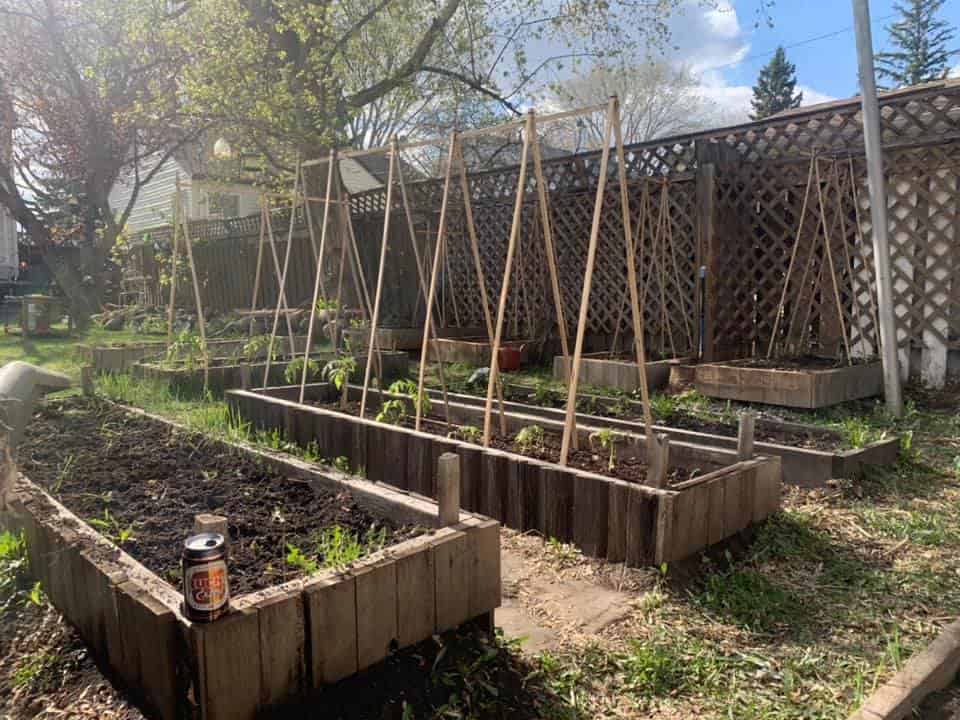
An A-frame trellis is one of the most timeless and functional designs you can build.
Two panels joined at the top form a tent-like structure that's incredibly stable and easy to move around your garden as the seasons change.
It works beautifully for cucumbers, pole beans, peas, and small squash. You can build one from cedar boards and wire mesh or garden netting in a single afternoon – no advanced carpentry skills needed.
The beauty of the A-frame is that plants can grow up both sides, doubling your growing surface.
If you're specifically looking to support your cucumbers, our cucumber trellis guide has detailed tips on sizing and placement.
2. Bamboo Teepee Trellis
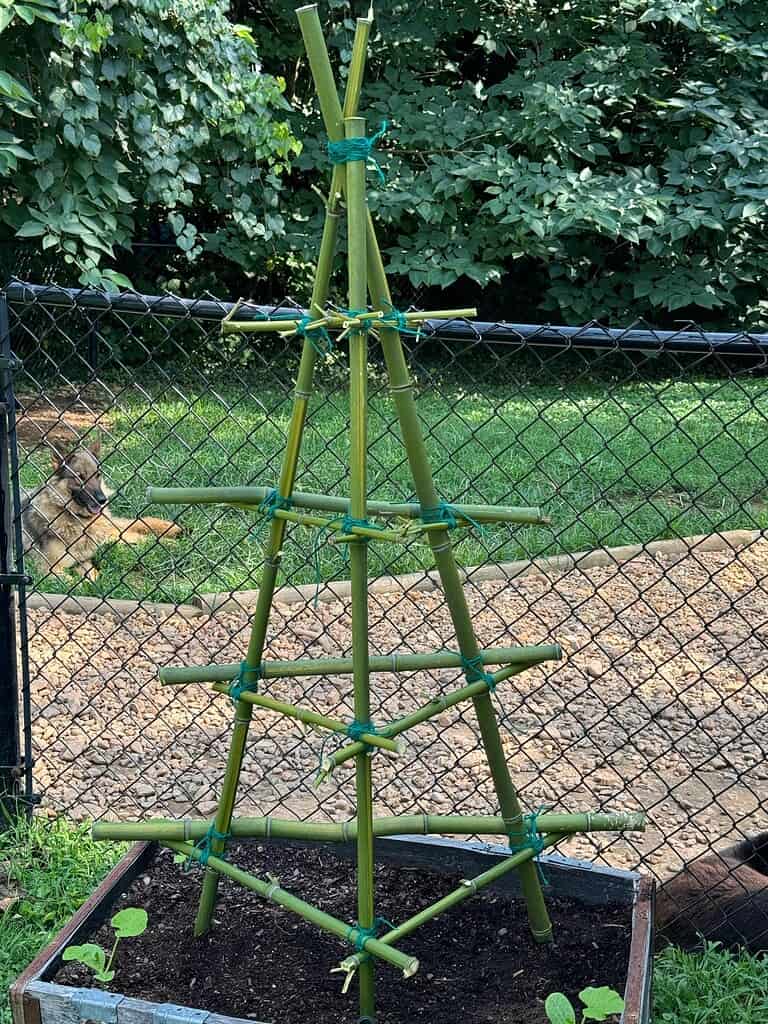
Few things look as charming in a garden as a bamboo teepee covered in climbing beans or sweet peas.
Simply push six to eight bamboo poles into the soil in a circle, gather them at the top, and tie them together with twine. It's as simple as it sounds, costs almost nothing, and children especially love planting around them.
You can also double this structure as a fun garden feature by training flowering vines like morning glories up the poles.
For beautiful flowering climbers, our post on flowering vines is packed with ideas for what to grow up structures like these.
3. Cattle Panel Arch Trellis
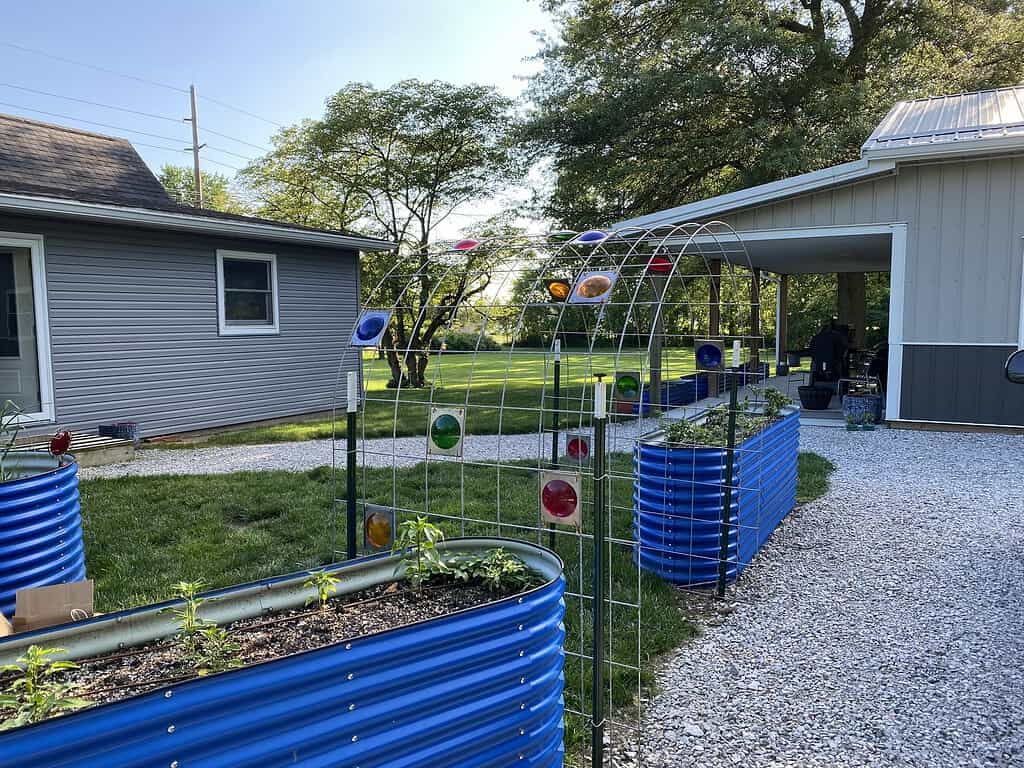
This is the heavy-duty option that homesteaders and serious gardeners swear by.
A cattle panel – the type used for livestock fencing – is flexible enough to bend into a large arch and rigid enough to support heavy crops like pumpkins, squash, and melons.
You anchor each end with T-posts, bend the panel into a graceful arch, and you've got a bold, durable garden feature that will last for years.
It's especially useful if you're growing pumpkins on a trellis or working with large-fruited varieties that need extra support as they climb.
4. Pallet Wood Trellis
If you can get your hands on a free wooden pallet, you've essentially got a trellis already built. Stand it upright, secure it to stakes or a fence post, and let your climbing plants do the rest.
Peas, beans, and lightweight vines will weave through the slats naturally. You can also layer pallets or cut them apart to create a custom design.
This is one of the most budget-friendly options available – and it ties in beautifully with the pallet garden ideas you can explore for other creative ways to use this versatile material throughout your homestead.
5. String and Post Trellis
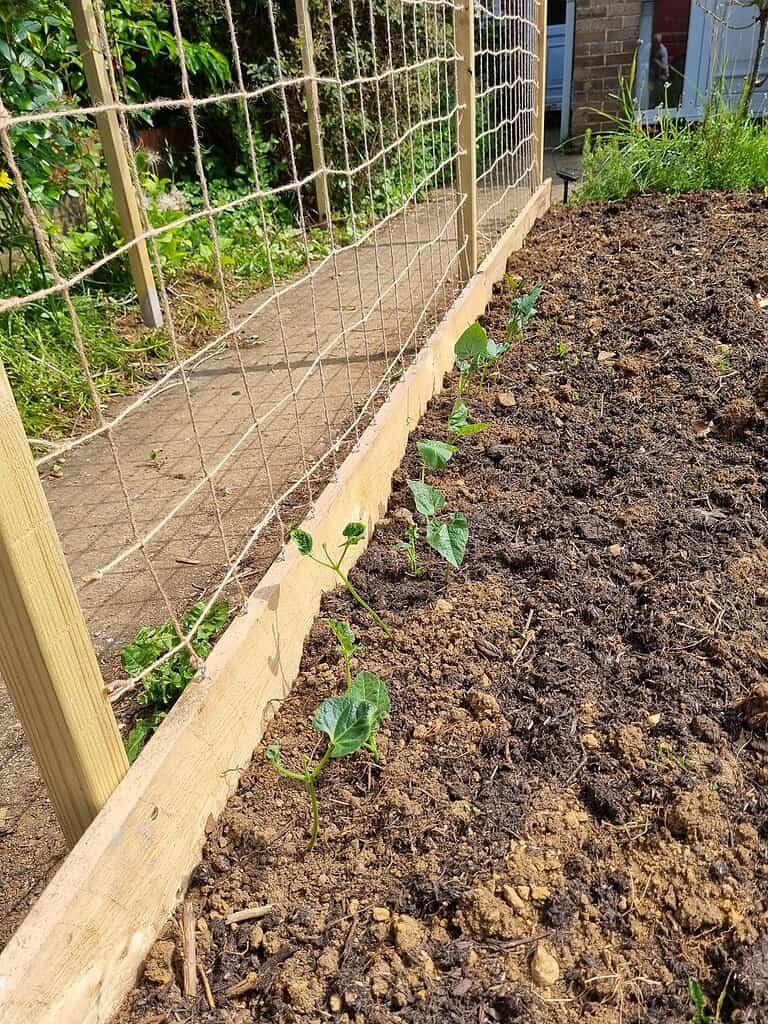
Sometimes the simplest solution is the best one. Drive a few wooden or metal posts into the ground, then run horizontal rows of garden twine or wire between them at regular intervals.
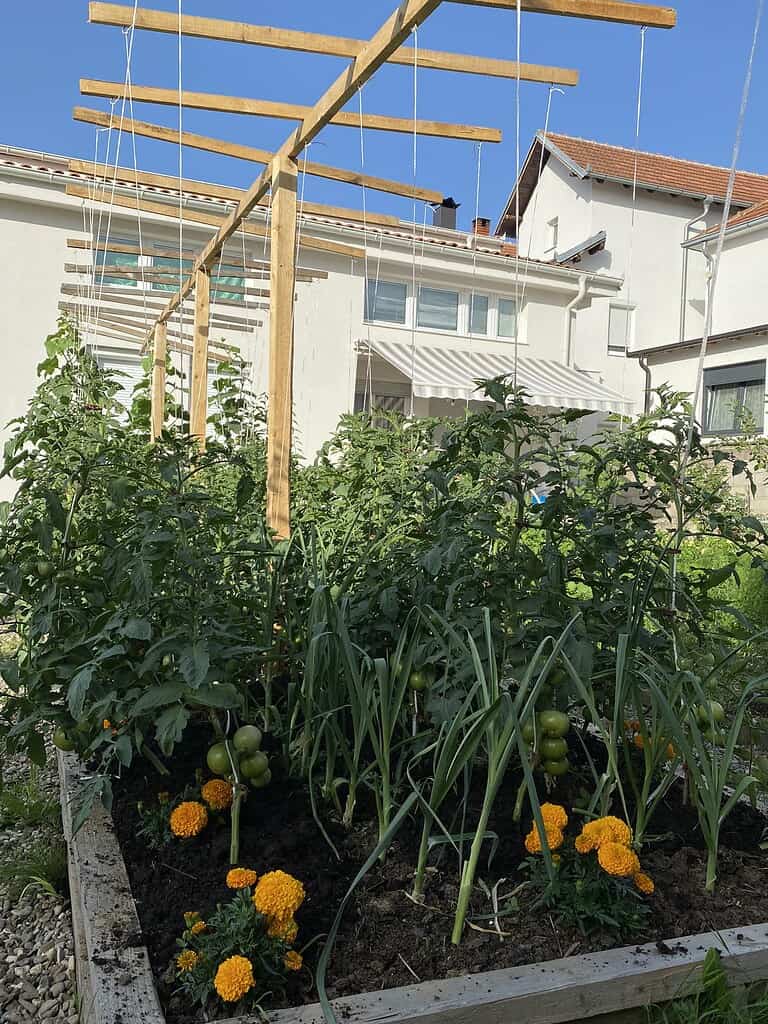
This creates a grid that peas, beans, and tomatoes can grab onto effortlessly. It looks clean, works brilliantly, and can be scaled to any length in your garden.
For tomato-specific setups, our tomato trellis ideas post goes deep on the different configurations that work best depending on your tomato variety and how much space you have.
6. Repurposed Ladder Trellis
An old wooden ladder leaned against a wall or fence becomes an instant trellis with zero effort.
You can weave climbing plants through the rungs, hang small pots from them, or even train a star jasmine up the sides for a fragrant display.
This works especially well in tight spaces like narrow side yards or small courtyard gardens where a large freestanding structure isn't practical.
Give the ladder a coat of weatherproof paint first, and it becomes a real design feature rather than just a functional piece.
7. Fan-Shaped Trellis for Wall or Fence
A fan trellis mounted flat against a wall or fence panel is a classic choice for growing roses, clematis, and other ornamental climbers.
The radiating design guides plants outward as they grow, creating a beautiful, full appearance over a season or two. You can buy these ready-made or build one from thin wooden battens.
They're particularly striking when used to train flowering climbers – and if you're thinking about clematis specifically, our dedicated clematis trellis ideas post covers everything from choosing the right variety to proper installation and pruning.
8. Wire Mesh Panel Trellis
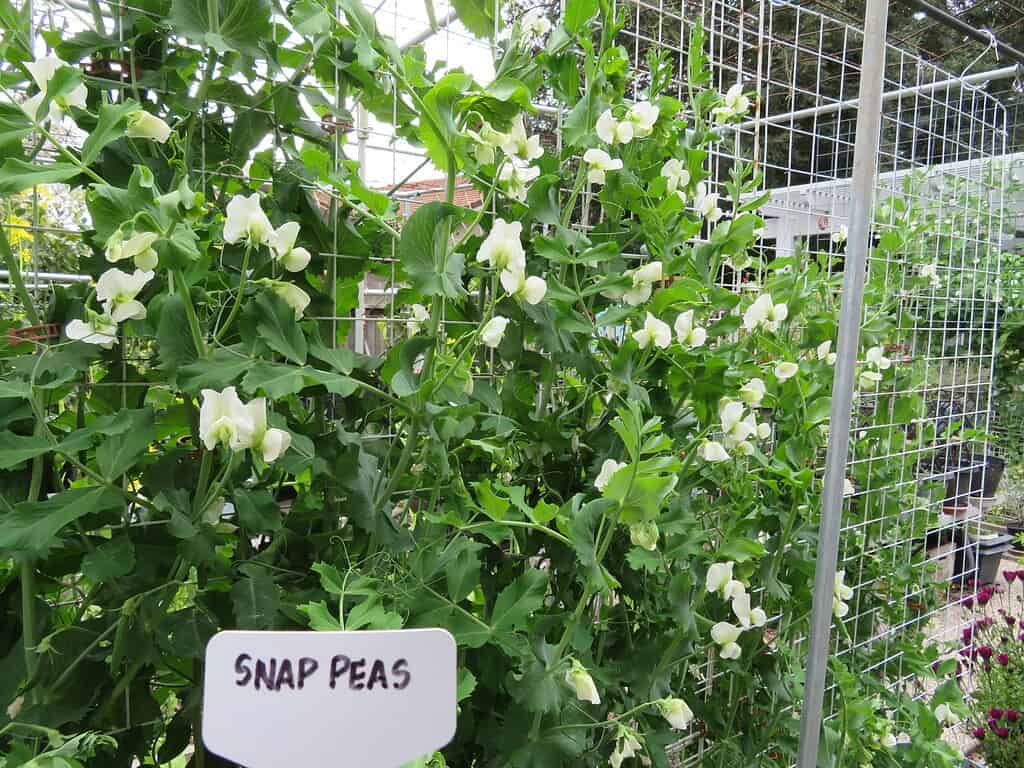
Hardware cloth or welded wire mesh panels are incredibly practical as garden trellises.
You can attach them to a wooden frame, suspend them between posts, or even zip-tie them directly to an existing fence for instant climbing support.
The small grid openings are ideal for peas and beans, while larger openings work well for cucumbers and squash.
If you're growing raspberries or blackberries, our posts on raspberry trellis and blackberry trellis ideas will show you exactly how to set up wire systems that keep those canes tidy and productive year after year.
9. Garden Archway Trellis
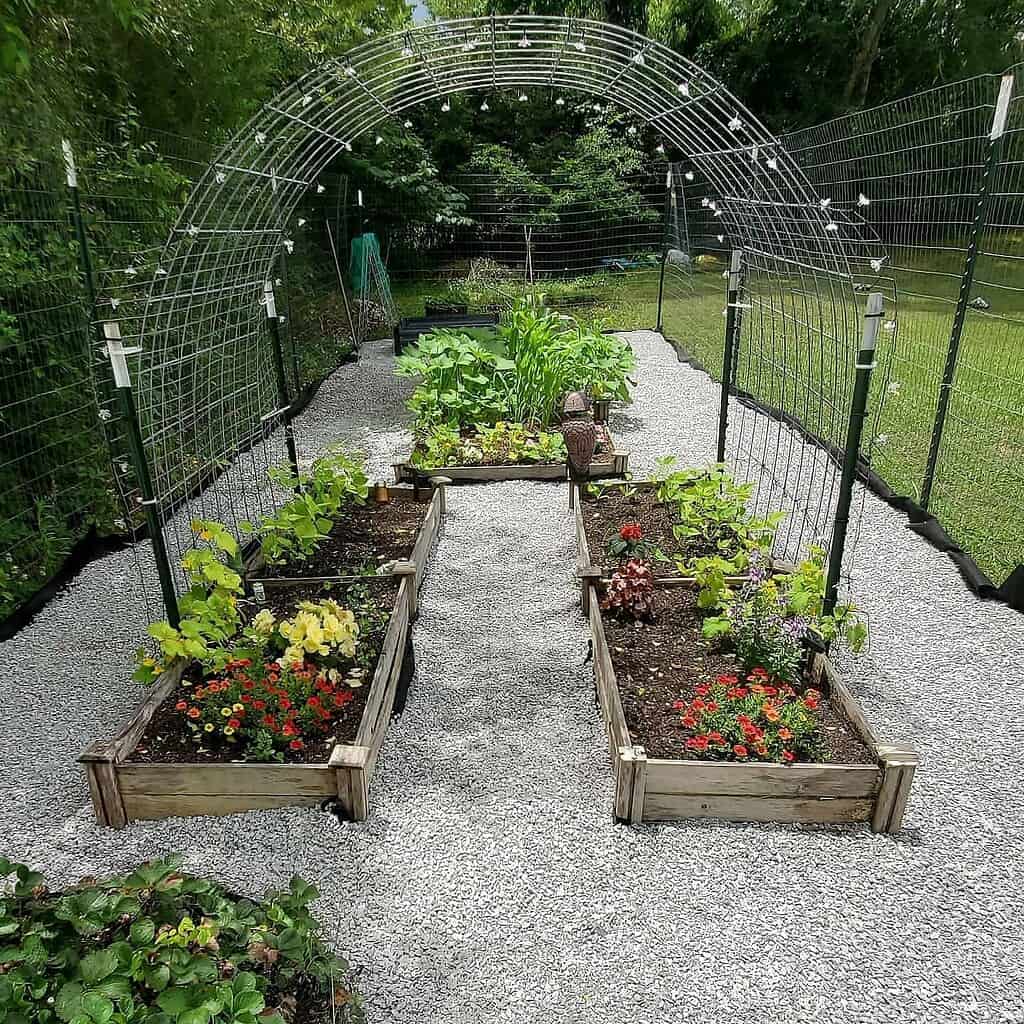
Few things in a garden are as romantic and inviting as a flowering archway.
Whether it marks the entrance to a vegetable patch, a seating area, or a garden path, a trellis arch covered in climbing roses, wisteria, or sweet peas is pure magic.
Metal arch trellises are widely available and very easy to install – just push the legs into the soil and guide your plants up and over.
For more inspiration on designing focal points like this, explore our garden archway ideas and see how different styles and plant pairings can completely transform the feel of your outdoor space.
10. Hog Wire Panel Trellis
Hog wire – the rugged, galvanized wire panels traditionally used in fencing – has become a favorite among homesteaders and garden designers alike for its clean, modern look.
Set between wooden posts, a hog wire panel creates a beautiful trellis that also doubles as a privacy screen or garden divider. It's extremely durable, holds heavy climbers with ease, and ages gracefully with weathering.
You can explore full design inspiration in our hog wire fence ideas post, which shows how to use these panels creatively throughout your property beyond just traditional fencing.
11. PVC Pipe Trellis
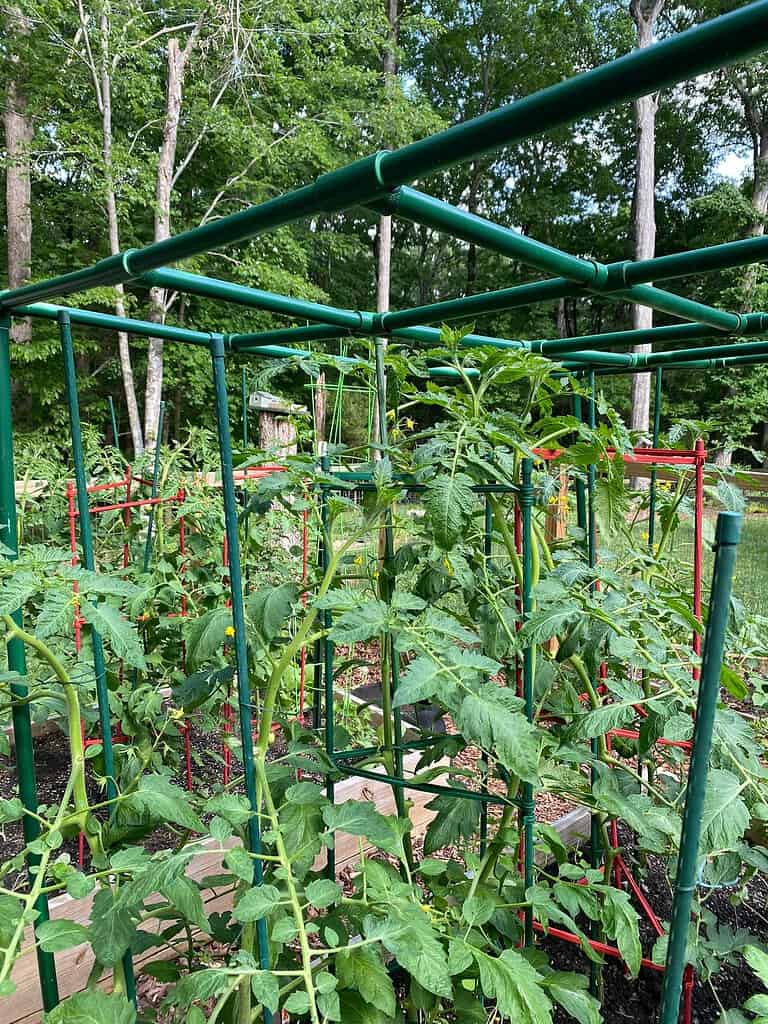
PVC pipe is one of the most underrated trellis-building materials available. It's inexpensive, weather-resistant, lightweight, and easy to cut and assemble into almost any shape you need.
You can create a simple rectangular frame, a grid panel, or an arched tunnel depending on your garden setup.
PVC doesn't rot, warp, or rust, which makes it a smart long-term investment – particularly if you're looking for small garden ideas on a budget that don't sacrifice durability or function.
Paint it green or black to blend in naturally with your planting.
12. Grape Vine Trellis System
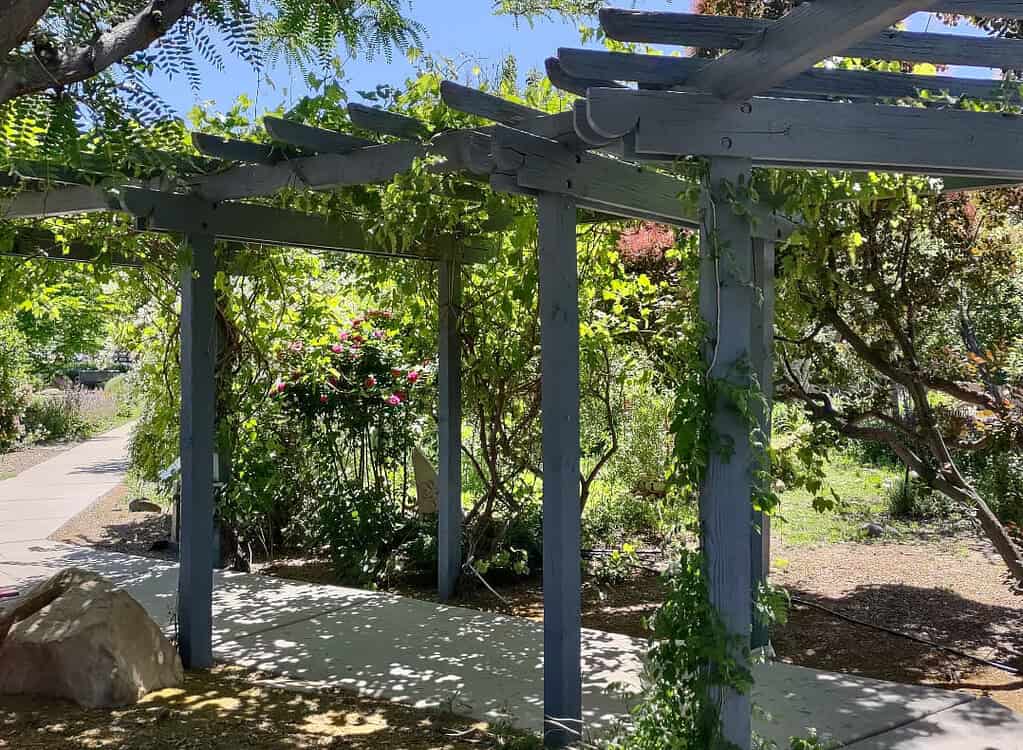
If you're growing grapes – or dreaming of it – a proper trellis system is non-negotiable. Grapes are vigorous climbers that need strong, horizontal wire supports stretched between sturdy posts.
The classic vineyard-style T-post system works beautifully even in a home garden setting, and the result is not only incredibly productive but genuinely stunning to look at come summer.
Our dedicated grape vine trellis guide walks through exactly how to set up and maintain this kind of system so your vines thrive for years to come.
Choosing the Right Trellis for Your Garden Space
With so many options available, choosing the right trellis comes down to three key factors: what you're growing, how much space you have, and your budget.
Lightweight climbers like peas and sweet peas will thrive on a simple string-and-post system or a bamboo teepee. Heavier crops – squash, pumpkins, melons – need something more robust like a cattle panel arch or a hog wire frame.
If you're working with a small garden, think vertically. A wall-mounted fan trellis or a repurposed ladder takes up almost no footprint while maximizing your growing surface.
For homesteaders with more space, a series of matching trellis panels can define garden beds and create a cohesive, intentional look across the whole property.
If you're just getting started and aren't sure where to begin, our how to start a garden for beginners guide will help you get the full picture before you start building and planting.
Best Plants to Grow on a Garden Trellis
Not every plant is a natural climber, but the ones that are will absolutely love a trellis.
The most productive choices for a kitchen garden include cucumbers, pole beans, peas, tomatoes, squash, and melons.
For an ornamental trellis, you can't go wrong with roses, clematis, star jasmine, wisteria, sweet peas, and morning glories.
If you're growing peas, our dedicated pea trellis post covers the specific heights, materials, and timing you'll need to get the best results.
And for sweet peas in particular – which are often grown purely for their incredible fragrance and beauty – check out our sweet pea trellis guide for advice on support structures that let these delicate climbers shine.
For squash growers, our squash trellis article covers how to support heavy fruit without damaging the vines.
One thing many gardeners overlook is using companion planting alongside their trellis crops. Plants like beans and cucumbers especially benefit from smart neighbors.
Our comprehensive best companion plants for cucumbers guide is a great place to start if you want to boost yields while keeping pests at bay naturally.
DIY Trellis Tips: How to Build Yours for Less
You don't need to spend a fortune to get a beautiful, functional trellis.
Many of the best options on this list cost under $20 to build – or even nothing at all if you're willing to repurpose materials you already have.
Here are some practical tips to keep costs down without cutting corners on quality.
Always use rot-resistant wood if you're building from scratch.
Cedar and redwood hold up beautifully outdoors without needing paint or sealant. If you're using untreated pine or other softwoods, seal them before installation.
For metal options, galvanized materials will resist rust for years even in wet climates.
Anchor your trellis properly.
A freestanding structure can become a sail in high winds, and a toppling trellis can damage plants in seconds.
Make sure posts are buried at least 12 inches into the soil, and use concrete anchors for anything that needs to hold heavy plants through storm season.
If you're working with metal raised garden beds, you'll want to consider how a trellis attaches to the bed frame itself versus anchoring directly into the soil below.
Finally, think about how to start a trellis garden on a tight budget.
Our guide on how to start a garden on a budget has a wealth of practical ideas for keeping costs low across your whole garden setup – not just the trellis.
Start Growing Up: Pick Your Trellis and Get Building This Weekend
A garden trellis is one of those additions you'll wonder how you ever gardened without.
Whether you go with a simple bamboo teepee for your bean patch, a dramatic cattle panel arch over your raised beds, or an elegant fan trellis along a sunny wall, you're giving your plants the support they need to thrive – and your garden the visual depth it deserves.
You don't have to tackle everything at once. Start with one trellis this season, get comfortable with how it works and what grows best on it, and then expand from there.
Before long, your garden will have that layered, lush quality that looks like it belongs in a magazine – because that's exactly what thoughtful vertical structure creates.
If you're ready to go beyond the trellis and really dig into your garden design, don't miss our roundup of 30 raised garden bed ideas or our comprehensive look at how to plan a vegetable garden layout to make sure everything in your garden works together beautifully.
Which trellis idea are you most excited to try? Drop a comment below and tell us what you're growing – we'd love to hear what's climbing in your garden this season!
Ready to Design Your Dream Garden Bed?
Feeling inspired to build something beautiful?
If you’re ready to go beyond just one garden bed and truly design a space that feels intentional, productive, and charming, I put together something special for you.
Inside 101 Garden Bed Ideas, you’ll find creative layouts, raised bed designs, space-saving solutions, and inspiring setups you can actually recreate in your own yard – whether you’re working with a tiny backyard or a full homestead.
Start planning your dream garden today.

Frequently Asked Questions
What is the easiest garden trellis to build for a complete beginner?
The bamboo teepee is arguably the easiest trellis a beginner can build – it requires no tools, no hardware, and no cutting.
Simply push six to eight bamboo canes into the soil in a circle, gather the tops together, and secure with twine.
It's ready in under ten minutes and works perfectly for pole beans, sweet peas, and other light climbers. A string-and-post trellis is equally simple if you want something more linear for a garden bed.
How deep should trellis posts be set in the ground?
As a general rule, bury trellis posts at least one-third of their total length in the ground. For a standard 6-foot post, that means at least 2 feet underground.
For heavier structures or those in windy locations, go deeper – 3 feet is safer for anything that will hold heavy crops or ornamental climbers.
Using concrete around the base of the post adds significant stability for permanent installations.
Can I leave my trellis in the ground over winter, or should I take it down?
It depends on the material. Metal and galvanized wire trellises can typically stay in the ground year-round without issue.
Wooden trellises benefit from being removed or at least cleared of dead plant material in fall, which prevents moisture from being trapped against the wood and causing rot.
Bamboo structures are best replaced each season as they degrade quickly when left exposed to wet winter soil.
Do trellises work in containers or raised beds, or only in the ground?
Trellises absolutely work in containers and raised beds – you just need to choose a design that's appropriately sized and properly secured.
Lightweight bamboo teepees and small wire panels work well in large containers.
For raised beds, look for trellis systems designed to attach directly to the bed frame rather than relying on soil depth alone for stability.
The trellis simply needs to be anchored well enough to stay upright when plants are at full size and bearing fruit.
What's the difference between a trellis and an espalier?
A trellis is a structure that supports climbing or vining plants as they grow naturally upward and outward.
Espalier, on the other hand, is a training technique where a tree or shrub is deliberately pruned and tied flat against a wall, fence, or framework in a specific, often geometric pattern.
So a trellis is the support structure, while espalier is a method of training plants onto that structure.
Both can be used together, and espalier is particularly popular with fruit trees where wall space is limited but sun exposure along a south-facing surface is excellent.