
Yellow flowers are one of the easiest ways to brighten up an outdoor space.
Their bold color stands out in full sun and pairs well with both greenery and other blooms. Many yellow varieties also attract pollinators like bees and butterflies, helping your garden thrive.
This list highlights 15 types of yellow flowers (ranging from annuals and perennials to vines and shrubs) that are ideal for sunny garden beds, borders, and containers.
Whether you're looking for vibrant summer blooms or early spring color, you'll find practical options that work in different climates and soil conditions.
Why Choose Yellow Flowers for Sunny Outdoor Spaces?
Yellow flowers stand out more than most other colors in direct sunlight. Their bright tones are easy to spot from a distance and can instantly make a garden look more inviting.
This makes them especially useful for front yards, entryways, and high-traffic areas where visibility and impact matter.
In landscape design, yellow is often used to create a sense of warmth and energy. It works well as a focal color or as an accent to cooler-toned flowers like purple or blue.
Gardeners often choose yellow varieties to break up large areas of green or to bring life to spaces that feel flat or dull.
Aside from visual impact, yellow flowers also bring practical value.
Many varieties are known for attracting bees, butterflies, and other pollinators, which are important for a healthy and productive garden.
Some yellow flowers, like marigolds, can even help control pests when planted alongside vegetables.
Yellow is also a common color in drought-tolerant and heat-resistant plants. In full sun conditions, flowers like yarrow, sunflower, and bulbine perform well with minimal watering or care.
This makes them a good option for gardeners who want bright color without constant maintenance.
15 Radiant Yellow Flowers to Make Your Garden Shine
When it comes to choosing yellow flowers for a bright, sun-filled outdoor space, there’s no shortage of options.
This list includes a mix of easy-to-grow annuals, long-lasting perennials, and even flowering shrubs and vines.
Whether you're planting borders, filling containers, or designing a pollinator-friendly space, these flowers offer both beauty and function.
1. Sunflower (Helianthus annuus)
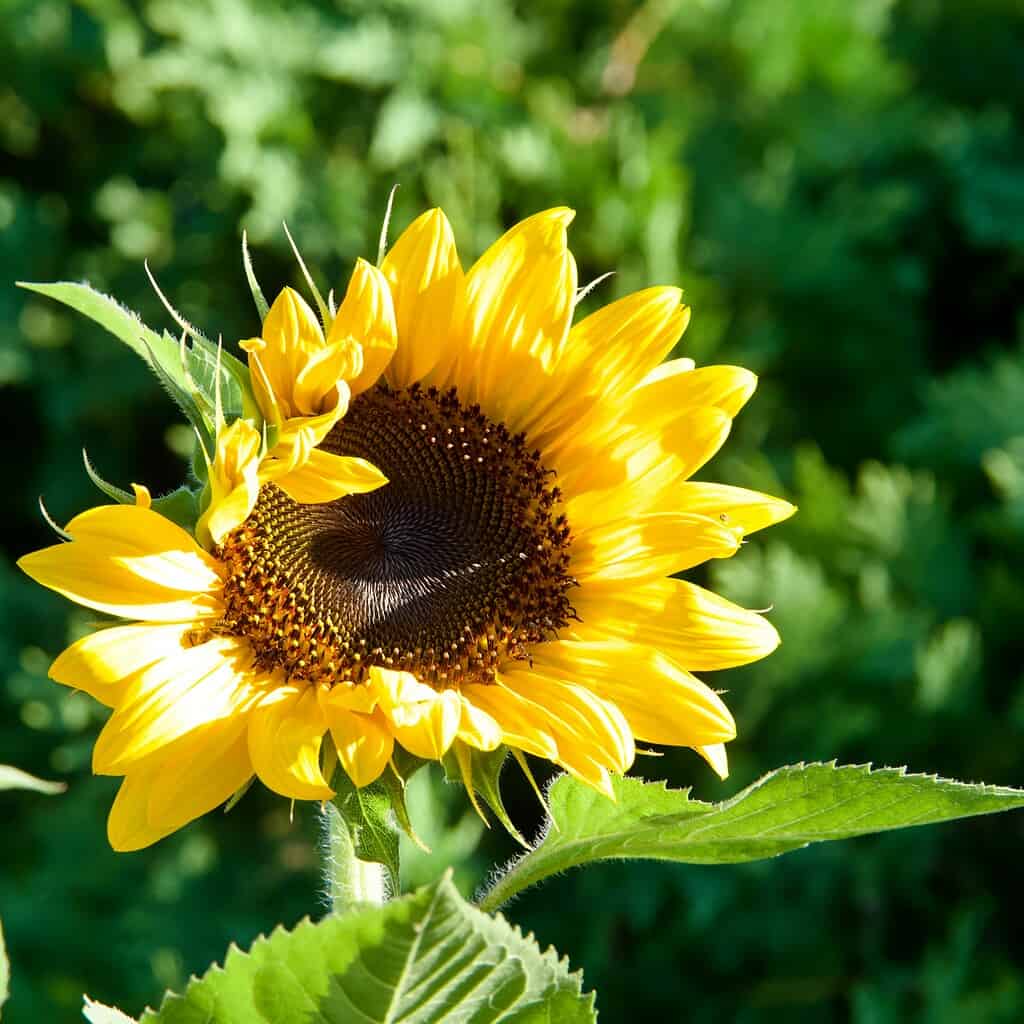
Sunflowers are one of the most recognizable yellow flowers, known for their tall stems and large golden blooms with dark centers.
They thrive in full sun and are surprisingly low-maintenance once established. Sunflowers grow well in borders or backdrops and make excellent cut flowers.
- Type: Annual
- Height: 3 to 10 feet (depending on variety)
- Bloom Time: Mid to late summer
- Ideal Use: Back of garden beds, cutting gardens
- Extra Benefit: Attracts pollinators and birds; drought-tolerant once mature
If you’re curious about getting started, check out our guide on how to grow sunflowers for easy step-by-step tips on planting, caring for, and harvesting these bright blooms.
2. Daffodil (Narcissus)
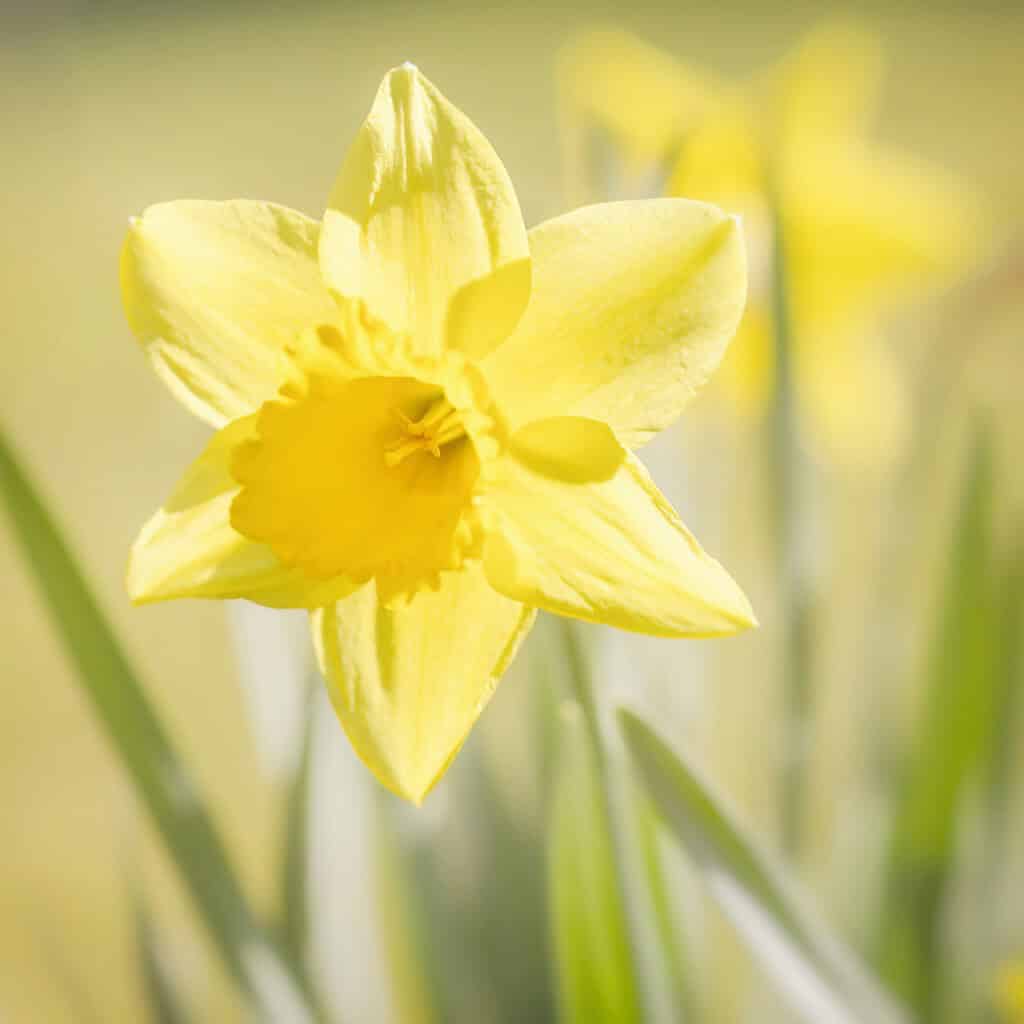
Daffodils are early bloomers that signal the start of spring. Their trumpet-shaped centers are surrounded by six petal-like tepals, often in shades of yellow or white.
They grow from bulbs and return each year with little care, making them a dependable addition to any sunny garden.
- Type: Perennial (bulb)
- Height: 6 to 20 inches
- Bloom Time: Early to mid-spring
- Ideal Use: Garden beds, borders, under trees
- Extra Benefit: Deer- and rodent-resistant; easy to naturalize in large areas
Read related post: 15 Dreamy White Flowers That Create a Serene Garden Look
3. Marigold (Tagetes)
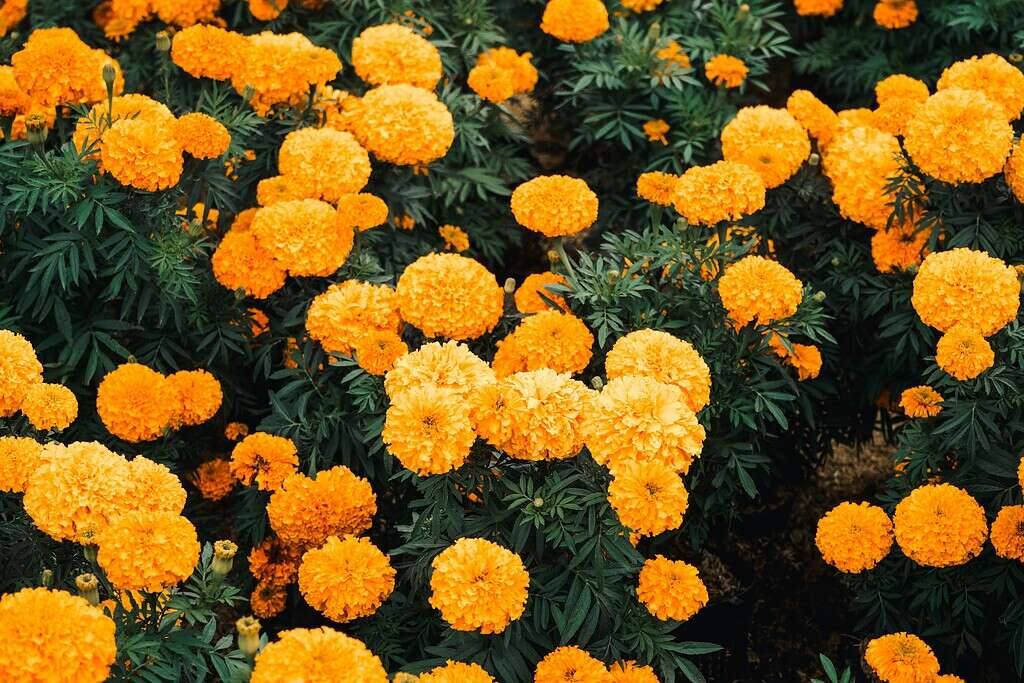
Marigolds are popular annuals that bloom continuously through the summer. They range from small, compact varieties to taller types with large flower heads.
Known for their bright yellow to orange tones, marigolds are also valued for their ability to deter common garden pests.
- Type: Annual
- Height: 6 inches to 3 feet (depending on variety)
- Bloom Time: Late spring to frost
- Ideal Use: Edging, containers, vegetable gardens
- Extra Benefit: Natural pest repellent; easy to grow from seed
4. Black-Eyed Susan (Rudbeckia hirta)

Black-Eyed Susan features golden-yellow petals surrounding a dark brown or almost black center.
These sturdy perennials (often grown as annuals in cooler climates) bloom for weeks in mid to late summer and are a favorite among pollinators.
Their upright form and vibrant color make them ideal for sunny borders and wildflower-style plantings.
- Type: Short-lived perennial or annual (varies by region)
- Height: 1 to 3 feet
- Bloom Time: Midsummer to early fall
- Ideal Use: Pollinator gardens, naturalized areas, borders
- Extra Benefit: Attracts bees, butterflies, and birds; low maintenance
5. Coreopsis (Coreopsis spp.)
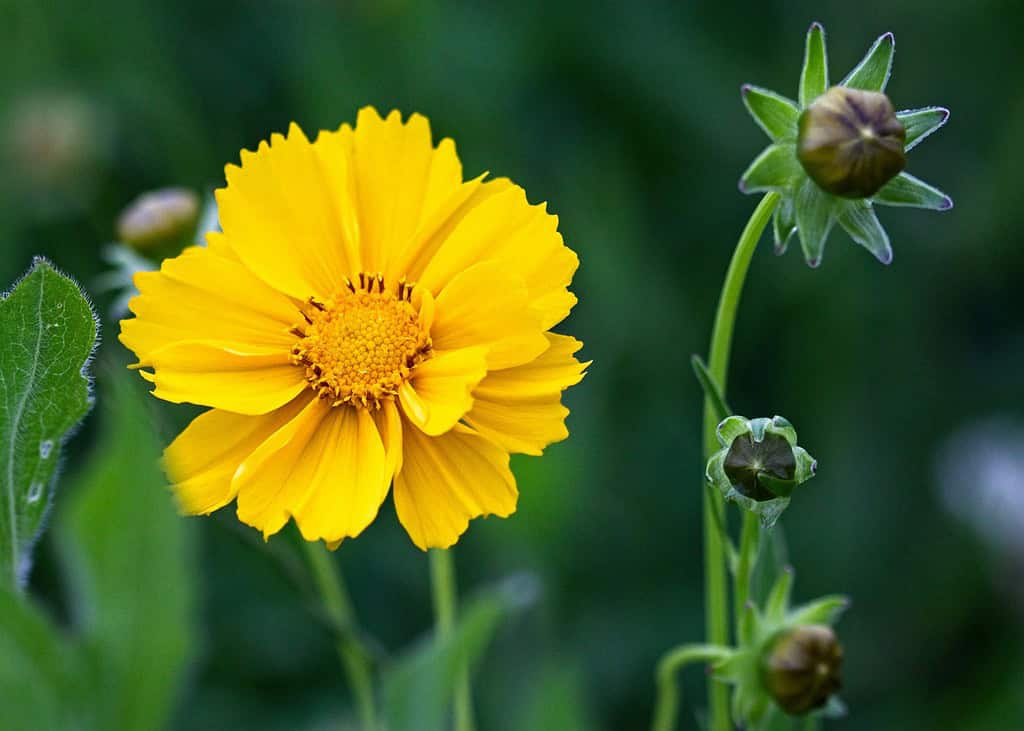
Also known as tickseed, Coreopsis produces masses of bright yellow, daisy-like blooms that thrive in full sun and well-drained soil. It has a long bloom period and is especially useful in hot, dry climates.
Many varieties, like Lanceleaf and Large Flower Coreopsis, are loved for their ability to attract butterflies and add consistent color throughout summer.
- Type: Perennial (some annual varieties exist)
- Height: 12 to 24 inches
- Bloom Time: Late spring to late summer
- Ideal Use: Borders, wildflower gardens, containers
- Extra Benefit: Drought-tolerant; pollinator-friendly
For a bold contrast in your garden, pair these sunny yellow blooms with jaw-dropping red flowers to create a vibrant, eye-catching display.
6. Yarrow (Achillea millefolium)

Yarrow produces flat-topped clusters of tiny flowers on tall stems, with foliage that resembles soft, feathery ferns. Yellow-flowering varieties are especially striking in full sun.
Yarrow spreads quickly and is often used in informal gardens or naturalized spaces. It's also a dependable plant for poor or dry soil.
- Type: Perennial
- Height: 1 to 3 feet
- Bloom Time: Early summer to fall
- Ideal Use: Meadow gardens, borders, mass plantings
- Extra Benefit: Drought-tolerant and attracts beneficial insects
7. Zinnia (Zinnia elegans)
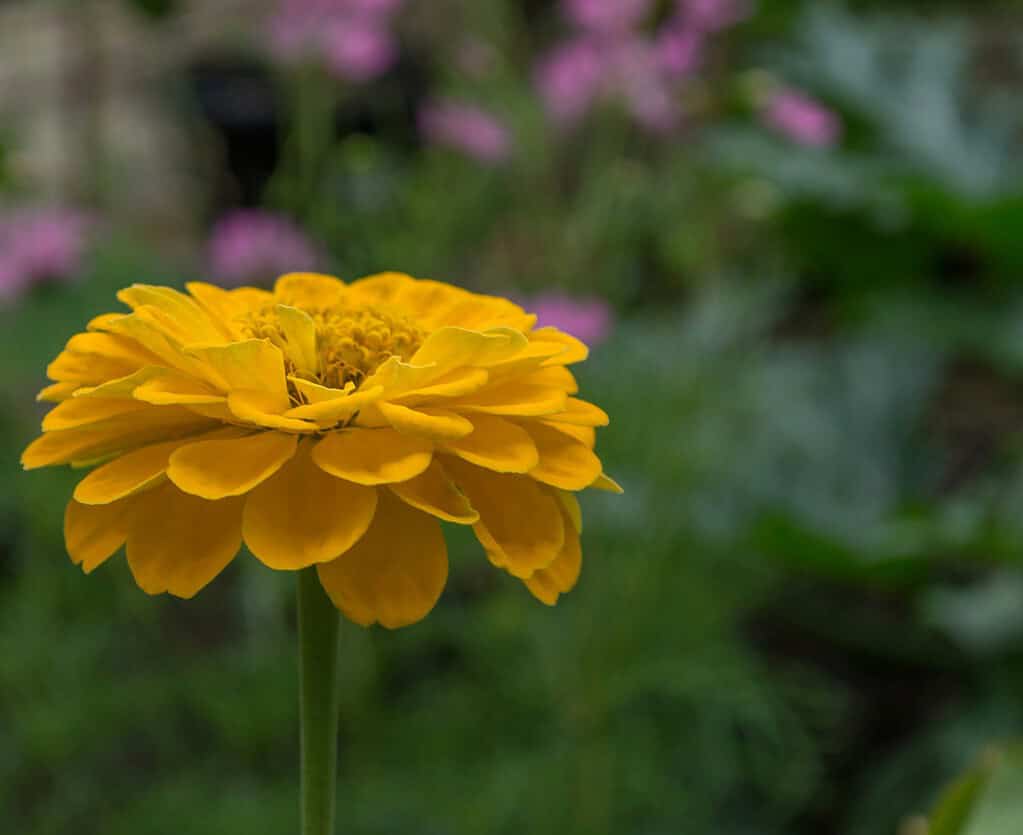
Zinnias are fast-growing annuals with large, daisy-like blooms that come in many colors, including bright yellows.
They thrive in full sun and are well-suited for hot climates. Zinnias are easy to grow from seed and continue blooming throughout the season with regular deadheading.
- Type: Annual
- Height: 1 to 4 feet (variety dependent)
- Bloom Time: Late spring through frost
- Ideal Use: Cutting gardens, containers, borders
- Extra Benefit: Long bloom time; attracts butterflies
Read related post: 14 Eye-Catching Wild Flowers You’ll Want to Add to Your Garden
8. Begonia (Begonia spp.)
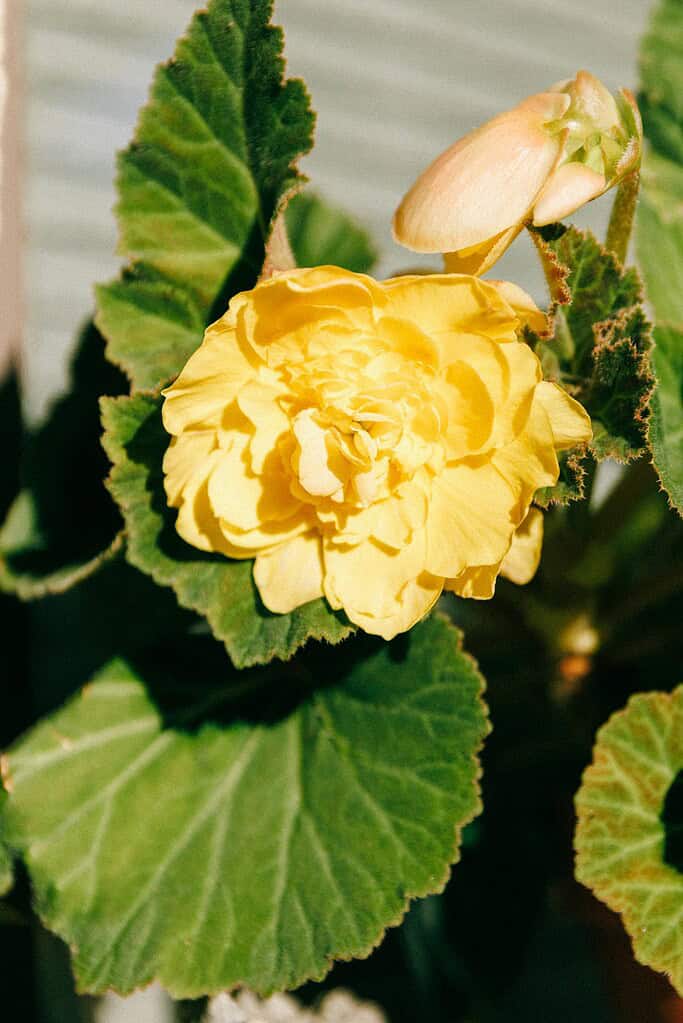
Begonias are versatile flowering plants with many yellow-flowering varieties that thrive in both sun and partial shade, depending on the type.
They are known for their large, full blooms and dark green or bronze leaves. While often grown as annuals, some types can be overwintered indoors.
- Type: Annual (some tuberous or perennial types in warm climates)
- Height: 6 to 18 inches
- Bloom Time: Spring through fall
- Ideal Use: Containers, hanging baskets, shaded sunny spots
- Extra Benefit: Tolerates partial shade; blooms reliably with little care
9. Yellow Butterfly Bush (Buddleia davidii)

The yellow butterfly bush is a fragrant, flowering shrub with long, arching branches and clustered yellow blooms. It’s known for attracting butterflies and hummingbirds in large numbers.
Once established, it tolerates heat and dry conditions well. In warm zones, it can grow into a woody shrub with a rugged base.
- Type: Perennial shrub
- Height: 4 to 10 feet
- Bloom Time: Summer to early fall
- Ideal Use: Pollinator gardens, back borders, affordable privacy screens
- Extra Benefit: Highly attractive to butterflies; deer-resistant
10. Bulbine (Bulbine frutescens)
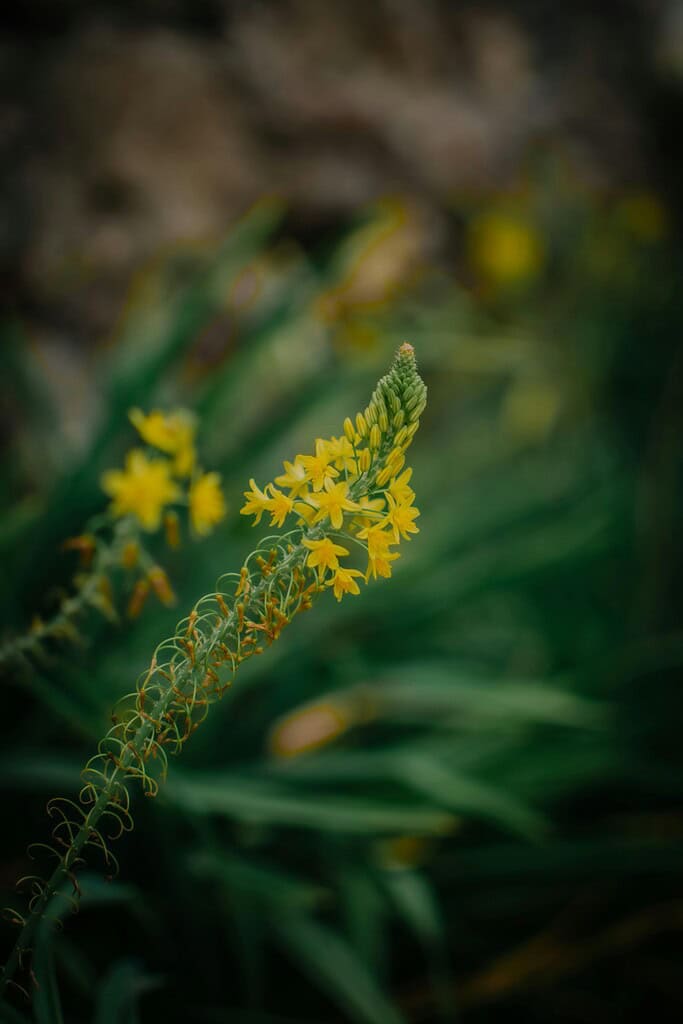
Bulbine is a clumping succulent with narrow, grass-like leaves and upright flower spikes in shades of yellow or orange. It thrives in hot, dry conditions and requires very little care once established.
The flowers bloom repeatedly through the warm months, making it ideal for low-maintenance sunny gardens.
- Type: Perennial (succulent)
- Height: 12 to 18 inches
- Bloom Time: Spring through fall
- Ideal Use: Rock gardens, borders, drought-tolerant landscapes (see here our list of drought-tolerant plants)
- Extra Benefit: Heat- and drought-tolerant; attracts pollinators
Read related post: 15 Gorgeous Long-Blooming Perennials You’ll Want in Your Garden
11. Yellow Jessamine (Gelsemium sempervirens)
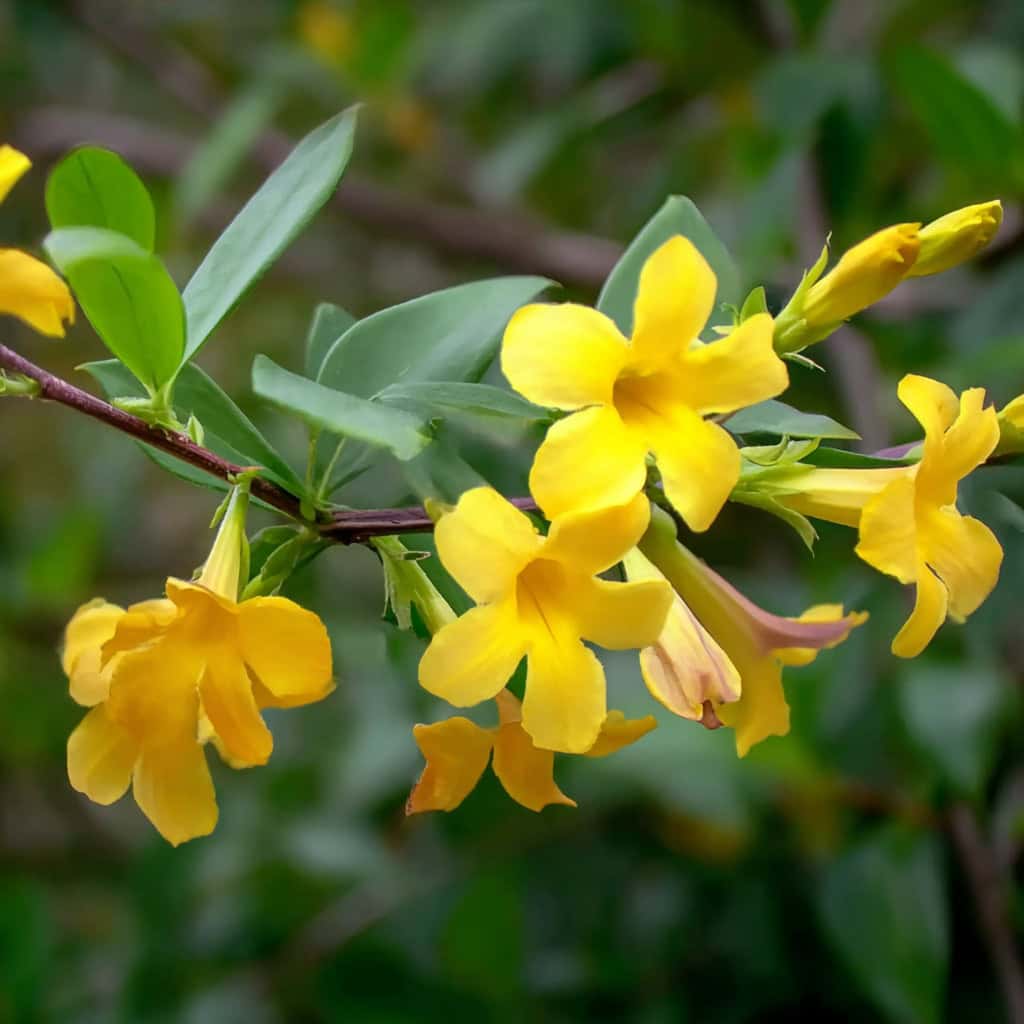
Yellow Jessamine is a twining, evergreen vine known for its bright, funnel-shaped yellow flowers and sweet scent.
It blooms in late winter to early spring, providing early-season color when little else is flowering. This vine climbs well on trellises, fences, and arbors.
- Type: Perennial vine
- Height: 10 to 20 feet (with support)
- Bloom Time: Late winter to early spring
- Ideal Use: Trellises, fences, pergolas
- Extra Benefit: Early blooming; fragrant flowers; low maintenance
12. Goldenrod (Solidago spp.)

Goldenrod produces tall stems topped with clusters of small, bright yellow flowers. It blooms in late summer to fall, making it a key source of nectar when other plants have finished flowering.
Despite its reputation, goldenrod doesn’t cause seasonal allergies – ragweed is the common culprit.
- Type: Perennial
- Height: 2 to 5 feet
- Bloom Time: Late summer to early fall
- Ideal Use: Naturalized areas, borders, pollinator gardens
- Extra Benefit: Late-season nectar source for bees and butterflies
13. Evening Primrose (Oenothera spp.)
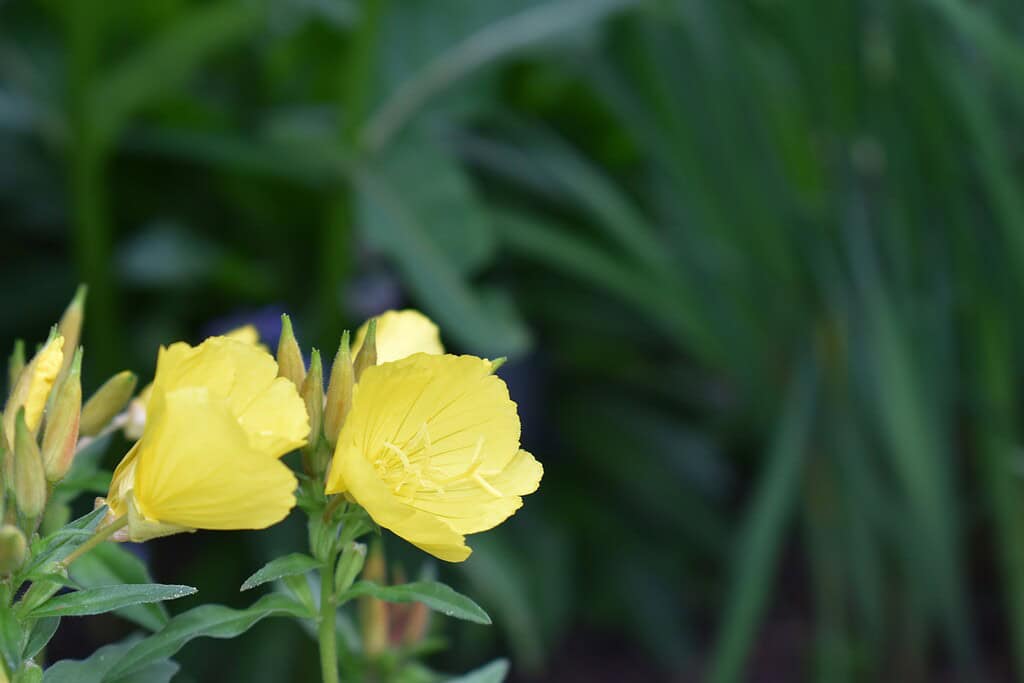
Evening primrose features lemon-yellow flowers that typically open in the late afternoon or evening and close by midday.
Some varieties are fragrant, and many can tolerate dry soil conditions. This plant spreads easily and is well-suited to more informal or naturalized settings.
- Type: Perennial or biennial (depending on variety)
- Height: 1 to 3 feet
- Bloom Time: Late spring to summer
- Ideal Use: Wildflower gardens, borders, dry sites
- Extra Benefit: Evening blooms; attracts moths and night pollinators
14. Yellow Rose (Rosa spp.)
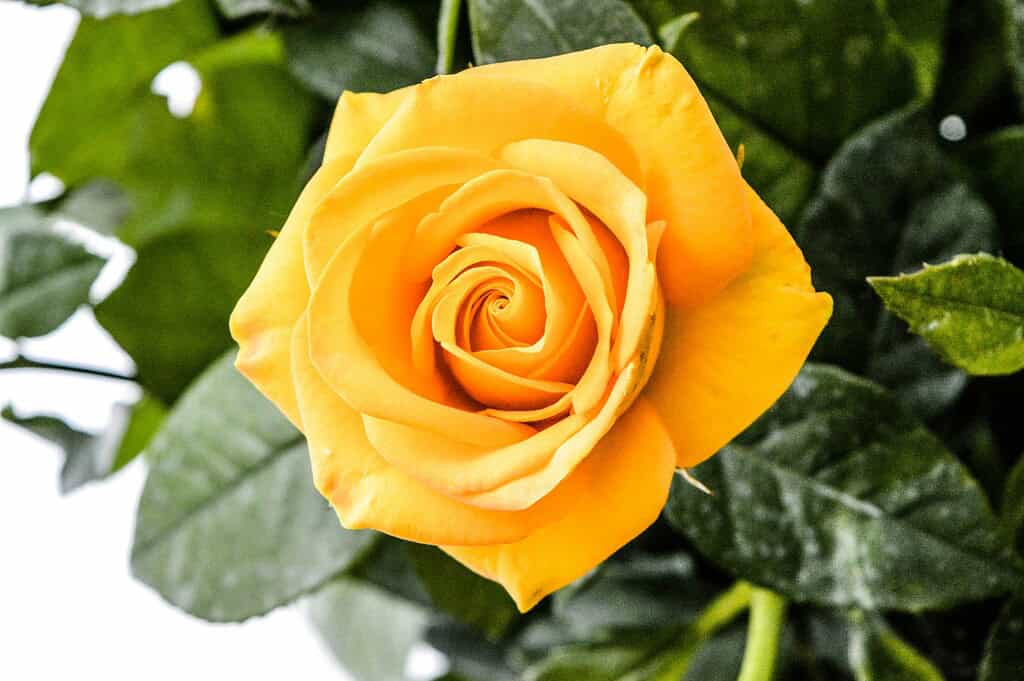
Yellow roses are a classic choice for adding color and elegance to the garden.
They range in hue from pale lemon to deep golden tones and are available in many forms – from compact shrubs to climbing varieties.
Yellow roses traditionally symbolize friendship and joy, and many types offer a pleasant fragrance.
- Type: Perennial shrub
- Height: 1 to 6 feet (varies by variety)
- Bloom Time: Late spring to fall (repeat blooming in many types)
- Ideal Use: Formal beds, mixed borders, containers
- Extra Benefit: Symbolic value; long-lasting cut flowers
15. Golden Columbine (Aquilegia chrysantha)
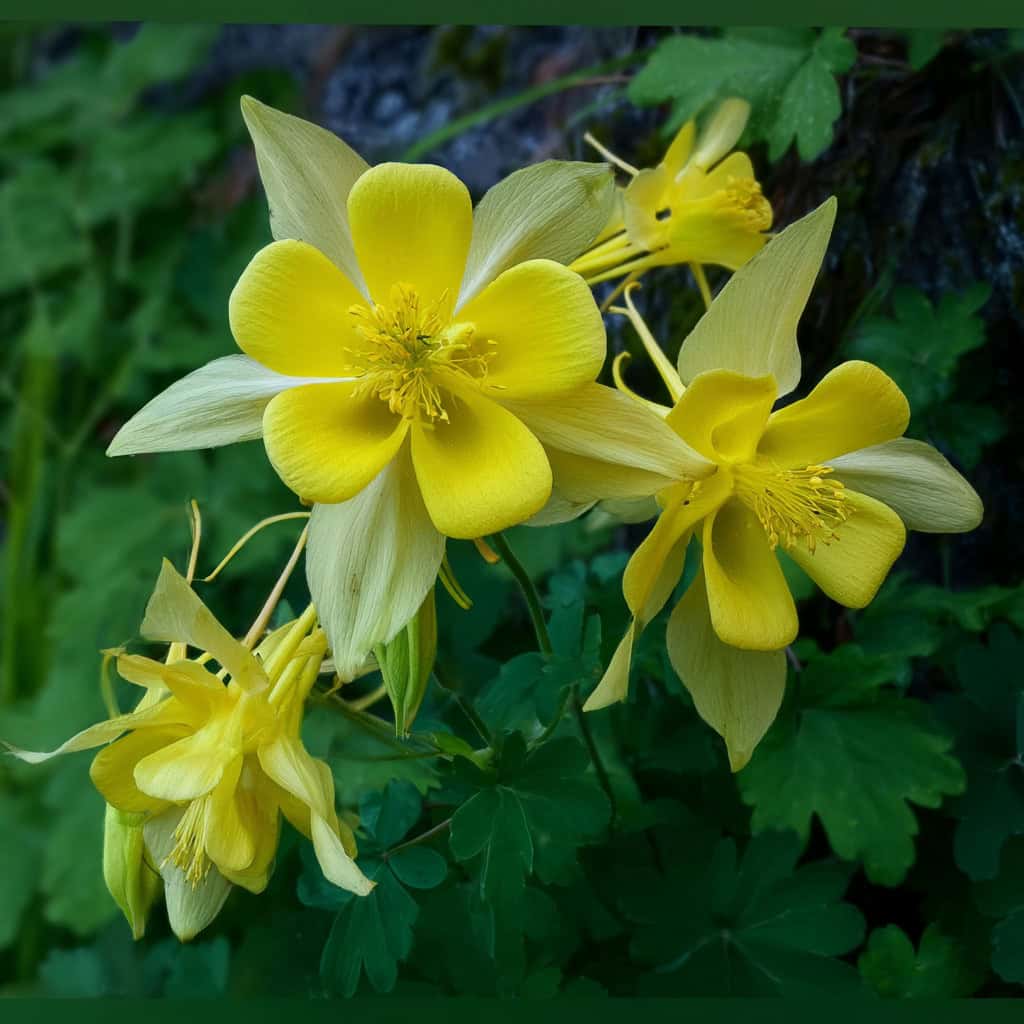
Golden Columbine has delicate, nodding yellow blooms with long spurs, held high on tall stems.
It’s a hardy perennial that does well in partial shade to full sun, depending on the climate. This plant is especially valuable for attracting hummingbirds and bees.
- Type: Perennial
- Height: 2 to 3 feet
- Bloom Time: Late spring to early summer
- Ideal Use: Cottage gardens, woodland edges, pollinator beds
- Extra Benefit: Unique flower shape; attracts hummingbirds and native bees
How to Design a Garden with Yellow Flowers
Designing with yellow flowers requires more than just scattering them across your space.
A thoughtful layout can enhance their impact and help the entire garden feel balanced and intentional. Here are key ways to use yellow flowers effectively in outdoor design:
1. Use Yellow as a Focal Point or Accent
Yellow naturally draws the eye, so it works well as a focal color. Tall varieties like sunflowers or butterfly bush can anchor the back of a bed or serve as a visual anchor in the landscape.
For smaller spaces, even a cluster of marigolds or coreopsis can brighten a corner or highlight a pathway.
2. Pair with Complementary Colors
Yellow pairs especially well with purple, blue, and white. These combinations create contrast without clashing. For example, plant yellow daisies near lavender or blue salvia to create a bold, high-contrast look that still feels cohesive.
3. Layer by Height and Bloom Time
Include a mix of tall, mid-height, and low-growing yellow flowers to give your garden depth and structure. Combining plants with different bloom times also ensures consistent color.
Start with daffodils in early spring, transition into coreopsis and zinnias for summer, and finish with goldenrod in fall.
4. Repeat Yellow in Different Areas
To avoid a scattered look, repeat the same yellow plant (or similar ones) throughout the garden. This repetition ties different parts of the garden together and creates visual flow.
5. Create Pollinator Zones
Group pollinator-friendly yellow flowers like black-eyed Susan, golden columbine, and yarrow in one section to attract bees, butterflies, and hummingbirds.
Position these near fruit or vegetable crops if pollination is needed.
6. Use Yellow to Brighten Shady or Transitional Spots
While most yellow flowers on this list prefer full sun, a few like begonias and golden columbine can handle partial shade.
These can be used in transitional zones where light levels shift throughout the day.
Start Planning a Brighter, Sun-Loving Garden Today
Adding yellow flowers to your outdoor space is a simple way to boost its energy, color, and seasonal interest.
Whether you prefer bold, tall blooms like sunflowers or more delicate options like golden columbine, there’s a yellow flower that fits your space and climate.
With the right combinations, you can create a garden that stays lively from early spring through fall.
Use this list to choose plants based on your needs – whether it’s long bloom time, drought tolerance, or pollinator appeal.
Then, design around color contrast, height variation, and bloom timing to get the most visual and functional value from your sunny garden beds.
Have a favorite yellow flower from your own garden or a tip to share? Comment down below – we’d love to hear it!
FAQs
1. What’s the best soil type for most yellow flowers?
Most yellow flowers thrive in well-draining soil. Amending heavy clay with compost or sand can improve drainage. For drought-tolerant varieties like yarrow or bulbine, sandy or rocky soils are ideal.
2. How much sun do yellow flowers really need?
Most yellow flowers need at least 6 hours of direct sunlight per day to bloom well. If you’re growing partial-shade-tolerant options like begonias or golden columbine, aim for filtered light or morning sun with afternoon shade.
3. Can yellow flowers be grown from seed, or should I buy starts?
Many yellow flowers (such as marigolds, zinnias, and sunflowers) grow easily from seed. Others, like yellow roses or butterfly bush, are better purchased as young plants or bare-root starts to ensure healthy growth and predictable blooming.
4. How do I prevent yellow flowers from fading or turning brown in extreme heat?
Keep plants well-watered during heat waves, and use mulch to retain soil moisture. Deadheading spent blooms helps encourage continuous flowering and keeps plants looking fresh.
5. Are there yellow flowers that deer usually avoid?
Yes, some yellow flowers like daffodils, yarrow, and marigolds are typically deer-resistant due to their scent or bitter taste. While no plant is completely deer-proof, these are safer choices for high-pressure areas.