
April is one of the most exciting months in the gardening calendar. The soil is warming up, the days are getting longer, and the urge to get your hands dirty is almost impossible to ignore.
Whether you're a seasoned homesteader or just starting out, this is the month where your garden can truly take off – without requiring a ton of effort on your part.
The secret? Choosing the right crops. Not every plant requires weeks of fussing, staking, or careful coddling.
Some vegetables, herbs, and flowers are perfectly designed to thrive when direct-sown or transplanted in April, and they'll reward you generously come harvest time.
If you've been wondering what to plant in April to get the most return for the least work, you're in exactly the right place.
Before you grab your trowel, it's worth spending a few minutes with your go-to vegetable planting calendar to confirm the last frost date for your specific zone, since timing can shift by a week or two depending on where you live.
With that said, most of the crops below are broadly suited to April planting across USDA hardiness zones 5–9.
Why April Is the Sweet Spot for Low-Maintenance Planting
April sits at a perfect gardening crossroads. It's cool enough to support crops that bolt in summer heat, yet warm enough that seeds germinate quickly and transplants establish without stress.
Rainfall tends to be more consistent than later in the season, which means you'll spend less time dragging around a hose.
Pest pressure is also lower than it will be in June or July, giving your seedlings a chance to establish strong root systems before insects arrive in force.
This combination of factors makes April ideal for what many gardeners call the “plant it and mostly forget it” approach.
Choose the right crops, give them a decent start, and nature does most of the heavy lifting from there. If you're setting up a new growing space this spring, check out our guide on how to start an easy bucket garden in small spaces – it's a great option if you don't have a traditional bed ready yet.
Best Vegetables to Plant in April for Maximum Yield with Minimal Work
Below are some of the easiest, most reliable vegetables you can plant right now for a steady, satisfying harvest.
1. Lettuce: The Easiest Leafy Green You'll Ever Grow
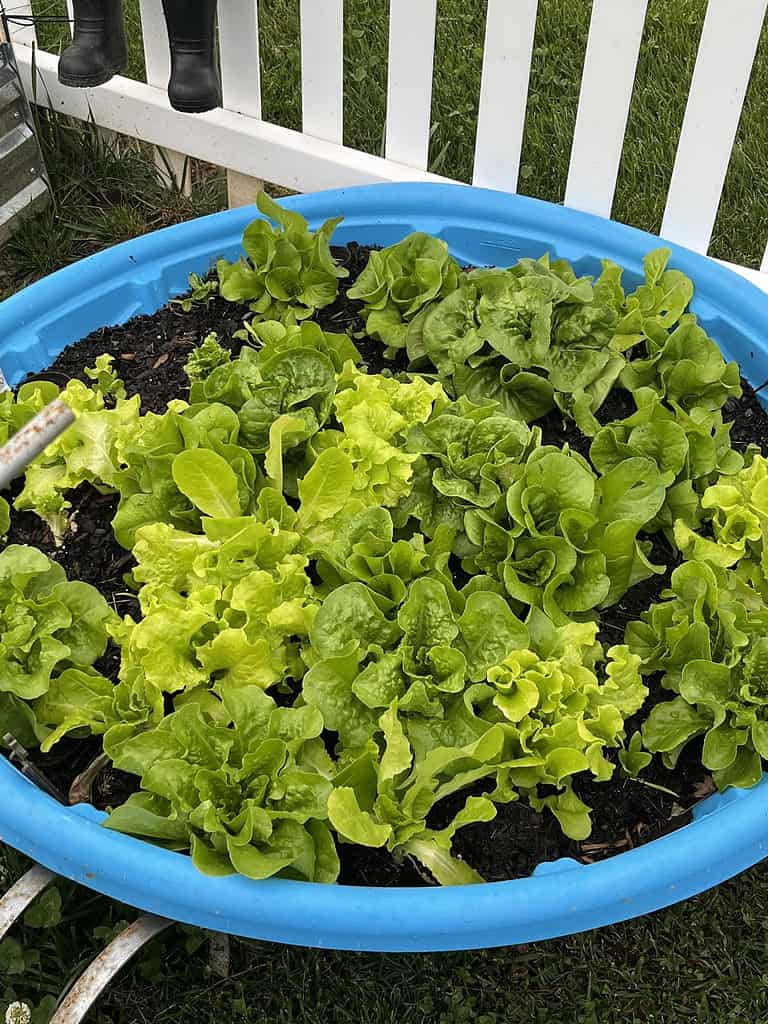
Lettuce is the quintessential April crop. It germinates fast, grows quickly, and tolerates the cooler temperatures that April often brings.
Loose-leaf varieties like ‘Black Seeded Simpson' or ‘Oakleaf' can be cut-and-come-again, meaning you harvest outer leaves while the plant keeps producing new ones. That's weeks of fresh salad greens from a single planting with almost zero extra work.
Direct sow lettuce seeds just under the surface of the soil – they need light to germinate, so don't bury them deep. Space rows about 6 inches apart and thin seedlings as they grow. Lettuce does especially well in raised beds where soil drains freely and warms up faster in spring.
For companion planting ideas that help protect your lettuce from aphids and bolting, our post on great lettuce companion plants has everything you need.
2. Peas: Plant Once, Harvest for Weeks
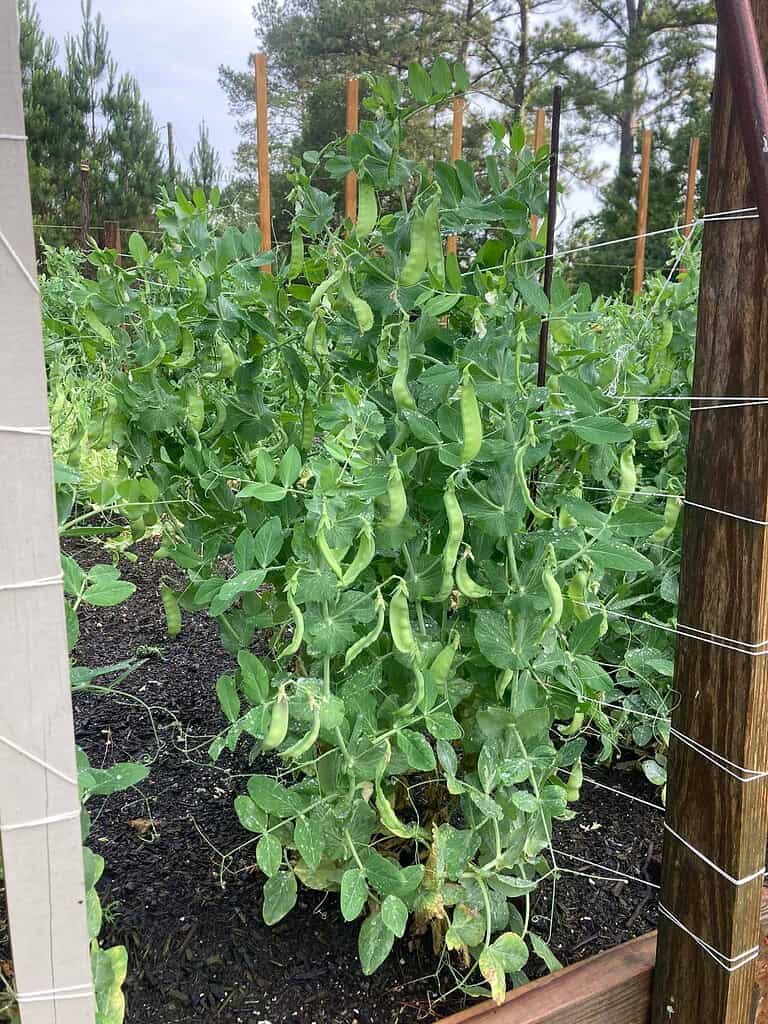
Few vegetables reward minimal effort quite like peas. Direct sow them in April as soon as the soil can be worked – they actually prefer cool conditions and can handle a light frost.
Sugar snap peas, snow peas, and shelling peas are all excellent choices, with sugar snaps being arguably the most satisfying to grow because you eat the whole pod.
Set up a simple trellis or fence and let them climb. Once established, peas need very little from you other than consistent watering during dry spells. They'll fix their own nitrogen as they grow, which is a bonus for your soil.
Want to grow them more confidently? Our detailed guide on how to grow peas effortlessly walks you through everything from sowing depth to harvest timing.
3. Radishes: From Seed to Table in Under 30 Days
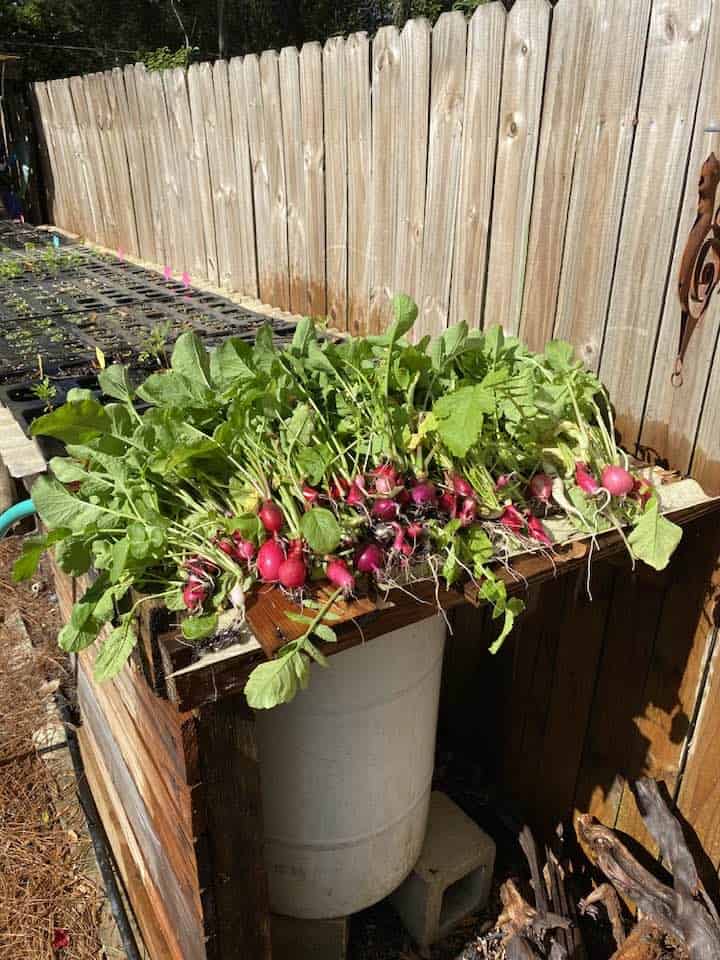
If you want the fastest possible win in the garden, radishes are your answer. Most varieties mature in just 22–28 days, making them one of the best crops to plant in April for near-instant gratification.
They take up almost no space, tolerate a range of soil conditions, and are essentially bulletproof for beginner gardeners.
Scatter seeds thinly in rows or broadcast them across a bed, cover lightly with soil, and water. That's genuinely all it takes. Radishes also work beautifully as a companion plant, helping to break up compacted soil and deterring pests like cucumber beetles when interplanted with other crops.
Because they mature so quickly, you can easily succession plant every two weeks throughout April and May for a continuous harvest.
Check out our succession planting chart to map out your staggered sowing schedule.
4. Spinach: Cold-Hardy, Nutritious, and Nearly Foolproof
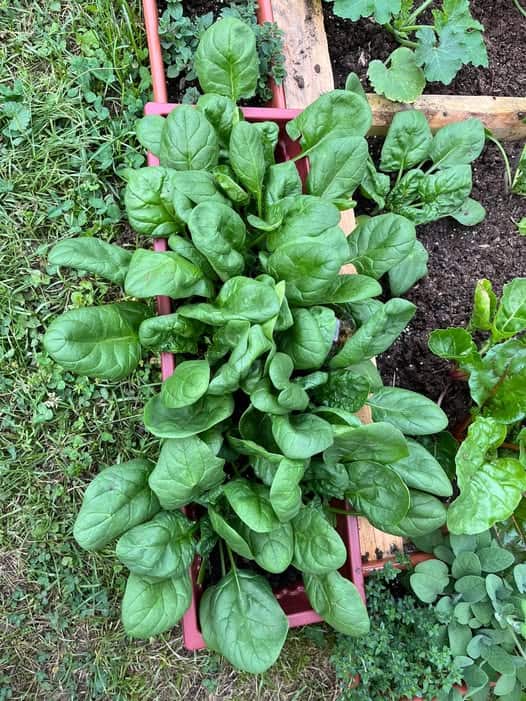
Spinach thrives in the exact conditions April provides – cool temps, moderate moisture, and gradually lengthening days. It's one of the most nutrient-dense crops you can grow, packed with iron, magnesium, and vitamins A and C.
Varieties like ‘Bloomsdale Long Standing' or ‘Tyee' are bolt-resistant, meaning they'll keep producing even as temperatures start creeping up in late spring.
Direct sow spinach seeds about half an inch deep and 2 inches apart in rows. Water consistently but don't overwater – spinach hates soggy soil.
Once plants are about 3 inches tall, you can begin harvesting outer leaves. For a full breakdown of growing spinach from seed to harvest, including how to avoid the most common pitfalls, our article on how to grow spinach successfully is a fantastic resource.
5. Carrots: Set Them and Mostly Forget Them
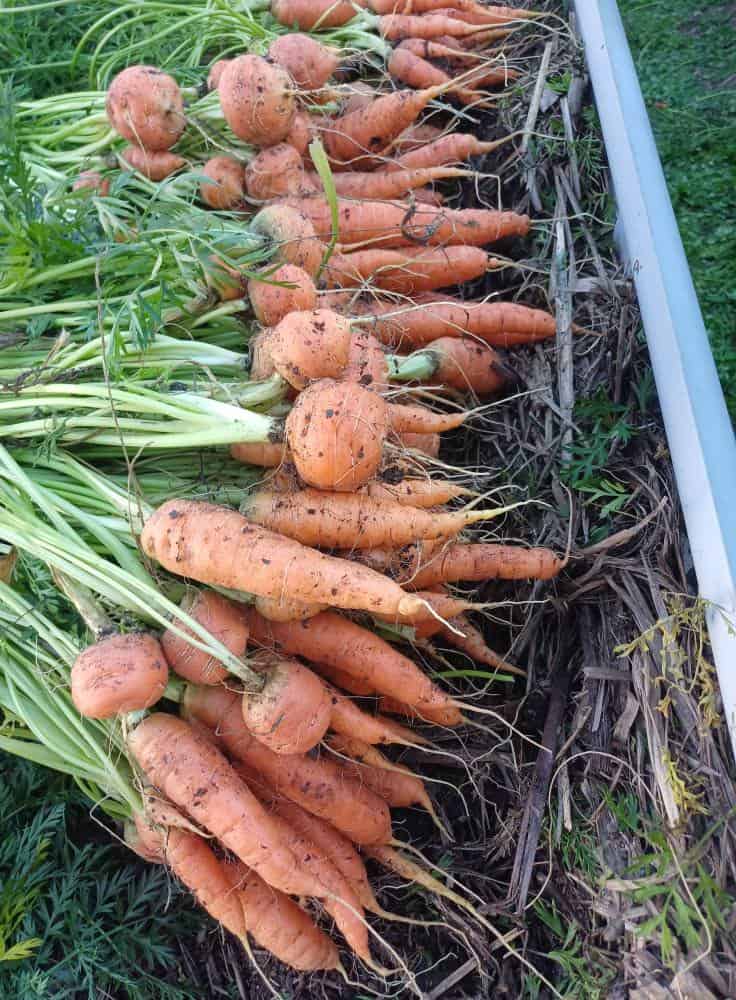
Carrots are a classic April planting choice because they need cool soil temperatures to germinate well and develop their sweet flavor. Sow seeds directly into loose, deep, well-amended soil – carrots don't transplant well, so always direct sow.
Keep the bed consistently moist until germination, which can take 10–14 days. After that, thin seedlings to about 2–3 inches apart and they'll largely take care of themselves.
Choose shorter varieties like ‘Danvers Half Long' or ‘Chantenay' if your soil is heavy or rocky, as they're more forgiving than long, slender types. Carrots are also excellent companions for many other spring vegetables.
Our guide on plants to grow alongside carrots is full of smart pairing ideas that can boost your overall yield and naturally reduce pest pressure.
6. Kale: Plant It Once, Harvest It All Season Long
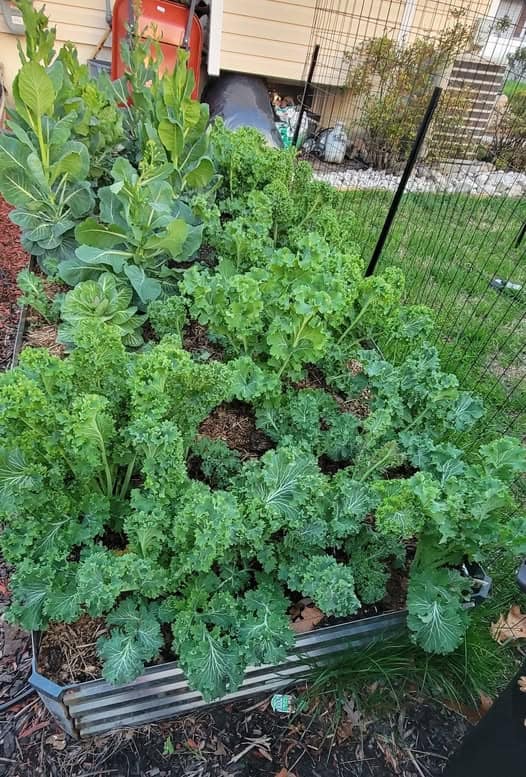
Kale is one of the most low-maintenance leafy greens you can add to your April garden. It's cold-hardy, nutritious, and actually improves in flavor after a light frost.
Varieties like ‘Lacinato' (Dinosaur kale) and ‘Red Russian' are particularly easy to grow and produce abundant harvests over a long season. You can start kale from transplants set out in April or direct sow seeds about 4–6 weeks before your last expected frost.
Once established, kale needs little more than occasional deep watering and a side dressing of compost mid-season.
Harvest the lower outer leaves regularly to encourage new growth from the center. A single row of kale can feed a family for months with almost no ongoing intervention.
If you're building out a productive raised bed layout this spring, our guide on raised bed garden ideas you can try this year includes several efficient layouts perfect for leafy greens like kale.
7. Herbs: Thyme, Chives, and Parsley for the Low-Maintenance Gardener
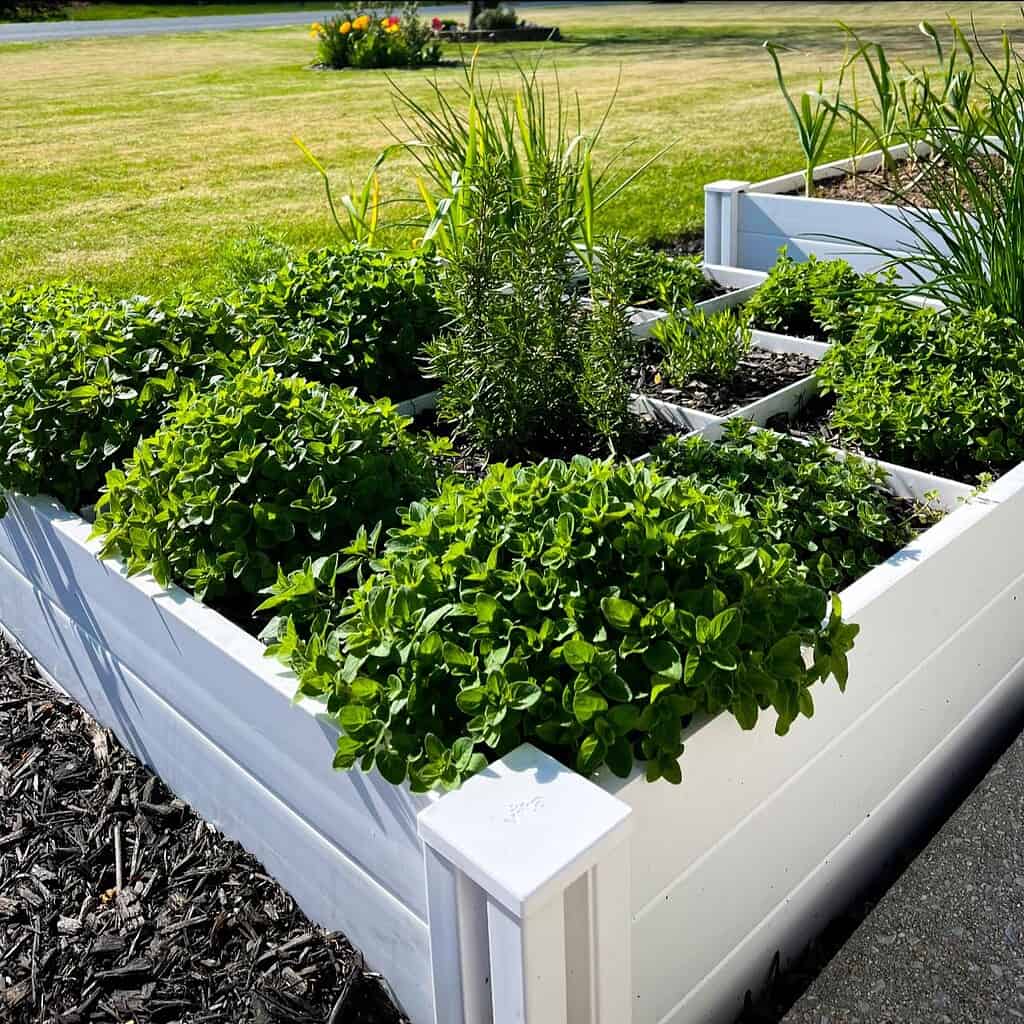
April is an ideal time to establish perennial and annual herbs that will keep giving throughout the season and beyond.
Chives are among the easiest herbs you can grow – they come back year after year, produce beautiful purple flowers that pollinators love, and require almost no care.
Parsley can be direct sown in April (it's slow to germinate but worth the wait), and thyme is best planted as a small transplant at this time of year.
One standout herb for April planting is creeping thyme, which functions as a beautiful, aromatic ground cover as well as a culinary herb. It's extremely drought-tolerant once established and practically maintenance-free.
Our in-depth article on how to grow and care for creeping thyme in your garden covers everything from planting to harvesting to winterizing.
April Flowers That Do Double Duty in the Vegetable Garden
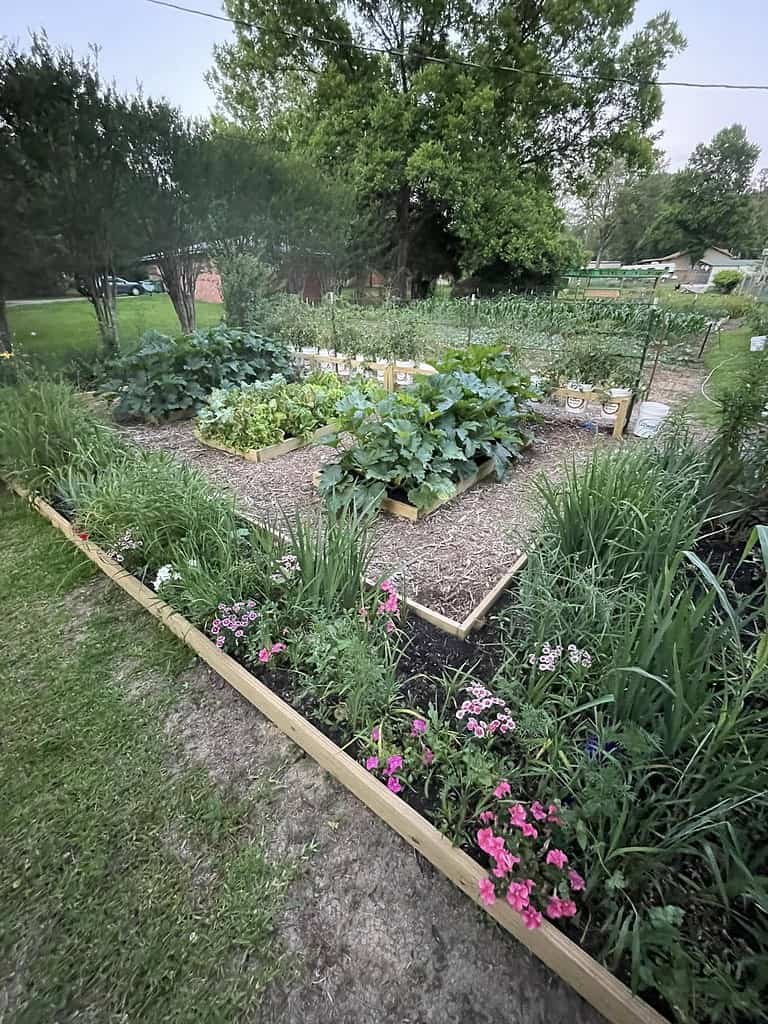
Planting flowers alongside your vegetables is one of the smartest low-effort strategies you can use in the garden.
Flowers attract beneficial insects that pollinate your crops and prey on pests, reducing the amount of intervention you need to provide.
April is a great time to direct sow or transplant several highly useful flowering plants.
Here are a few of the best ones to plant:
- Nasturtiums – Fast-growing and super useful. They act as a trap crop, drawing aphids away from your vegetables so your main crops stay protected.
- Marigolds – The go-to companion plant for a reason. They help repel aphids, whiteflies, and even soil-dwelling nematodes. Plant them around the edges of your vegetable beds for the best effect.
- Calendula – Easy to grow and constantly blooming. It attracts hoverflies (whose larvae eat aphids), and the petals are edible too, which is always a nice bonus.
To discover more strategic flower pairings, our comprehensive expert companion planting guide is an essential read.
How to Prep Your April Garden Bed for the Best Results
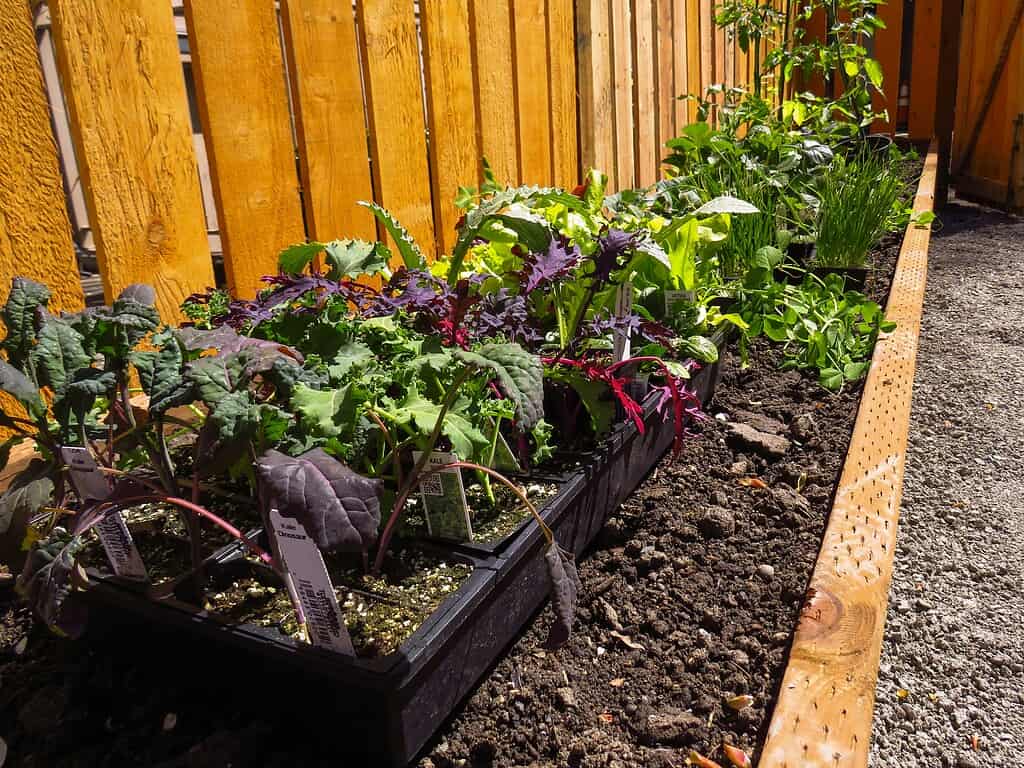
Even the most low-effort crops benefit from a properly prepared growing space.
Before you sow anything in April, take a few minutes to get your beds ready. It does not take long, but it makes a noticeable difference in how well everything grows.
Here is a simple step-by-step approach:
1. Adjust soil if needed. If your soil is heavy or compacted, mix in materials like perlite or aged wood chips to improve texture and workability.
2. Clear out leftover debris. Remove any dead plants, fallen leaves, or leftover mulch from winter. This helps reduce pests and gives you a clean slate to work with.
3. Pull early weeds. Get ahead of weeds while they are still small. It is much easier now than dealing with them once they spread or go to seed.
4. Loosen the top layer of soil. Use a garden fork or broad fork to gently loosen the top few inches. There is no need to till deeply. Keeping soil disturbance minimal helps preserve structure and beneficial microbes.
5. Add compost. Spread a 1–2 inch layer of finished compost over the bed and lightly mix it into the top layer. This improves soil fertility, water retention, and drainage all at once.
For gardeners who haven't tested their soil recently, it's worth knowing what you're working with – our guide on the different soil types can help you understand your baseline and amend accordingly.
If your beds are brand new or you're gardening in containers this season, our beginner's guide to garden pots breaks down materials, sizes, and drainage requirements in plain language, so you can set yourself up for the easiest possible growing season.
Watering, Mulching, and Pest Prevention: Keeping It Simple
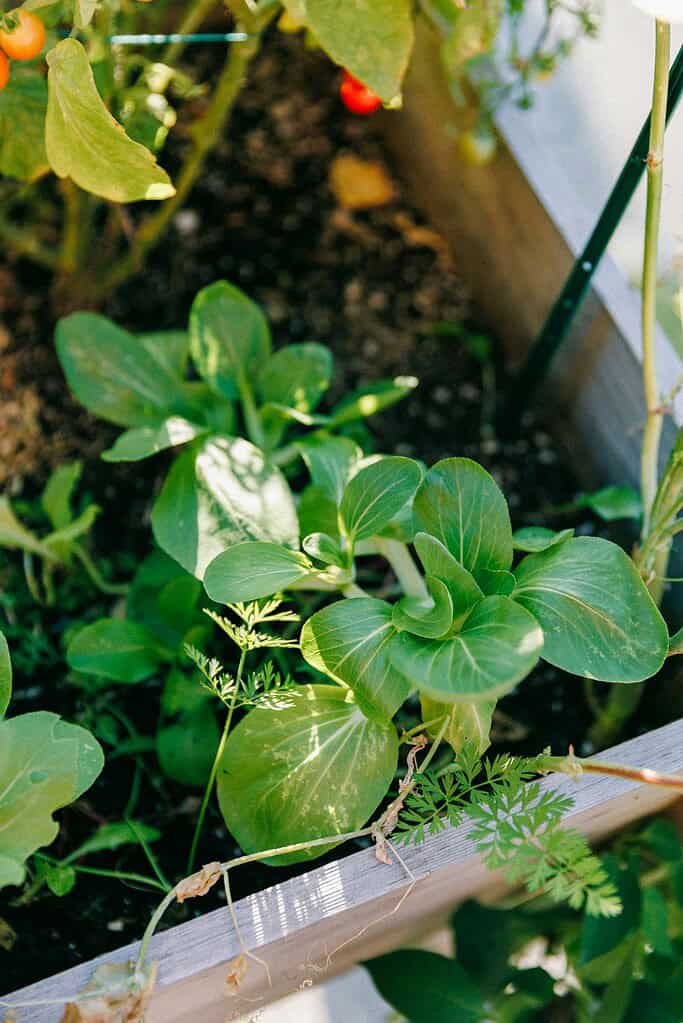
One of the biggest advantages of April gardening is that nature often does a lot of the watering for you. Spring rainfall is usually reliable enough that you may only need to step in during dry weeks.
That said, newly sown seeds and fresh transplants still need consistent moisture to get established.
During dry spells, check your beds every couple of days and water at the base of plants rather than overhead to help prevent fungal issues.
To keep things simple, focus on these low-effort habits:
- Water deeply, not lightly – Aim for thorough watering that reaches the roots instead of quick surface sprinkles.
- Check soil before watering – Stick your finger into the soil. If it feels dry about an inch down, it is time to water.
- Prioritize new plants – Seeds and transplants need the most attention early on.
Mulching is one of the easiest ways to save yourself time later in the season. Once plants are about an inch or two tall, apply a 2–3 inch layer of straw, shredded leaves, or wood chips around them.
Here is why it works so well:
- Suppresses weeds (less time pulling or hoeing)
- Retains moisture (less frequent watering)
- Regulates soil temperature as the weather warms
It is one of those small tasks that pays off in a big way over time.
For pest control in April, your best tool is simply paying attention. Walk your garden every few days and look for early signs of trouble.
Keep an eye out for:
- Holes in leaves
- Eggs on the undersides of foliage
- Wilting that does not improve with watering
Catching problems early makes a huge difference. It is much easier to deal with a few pests than a full-blown infestation.
If slugs are a recurring problem in your spring garden, our proven guide on how to get rid of slugs naturally in your garden has practical, low-chemical solutions that actually work.
Start Planting This April and Watch Your Garden Thrive
April is truly one of the most rewarding months to be a gardener.
The crops that thrive in this season – lettuce, peas, radishes, spinach, carrots, kale, and a range of easy herbs – are perfectly suited to the low-effort, high-reward approach that makes homestead gardening so satisfying.
If this is your first spring garden or your twentieth, the most important thing is simply to start. Plant something this week, even if it's just a row of radishes in a container on your porch. Watch it grow. Let that momentum carry you forward into a full, productive season.
And if you want to plan beyond April, our complete vegetable planting calendar will keep you organized through every month of the growing year.
Have you already started planting this April? Drop a comment below and tell us what you're growing – we'd love to hear what's working in your garden this season!
Plan Your Garden With Confidence!

Ever start planting… and then realize halfway through that things feel a little scattered?
A simple plan changes everything.
When you sketch your layout first, you can see what fits, what flows, and what actually makes sense for your space. It saves time, money, and a whole lot of second-guessing later.
Our free Garden Planner helps you map out beds, organize plant spacing, rotate crops, and keep track of seasonal tasks – all in a clean, printable format you can actually use.
Whether you’re designing a low maintenance front yard or planning your full homestead garden, this gives you a clear starting point.
Less chaos. More clarity. A garden that works.
Frequently Asked Questions
Can I plant tomatoes in April, or is it too early?
In most zones, April is too early to transplant tomatoes outdoors unless you're in Zone 9 or 10. Tomatoes are warm-season crops that need nighttime temperatures consistently above 50°F to thrive without stress.
If you plant them too early, they'll sit dormant, develop purple-tinged leaves from phosphorus lockout in cold soil, and may never fully recover their growth momentum.
A better strategy is to start tomatoes indoors in late February or early March and harden them off in late April for a May transplant in most zones.
How often should I water newly sown April seeds before they germinate?
Newly sown seeds need consistent moisture but not waterlogging.
For most April crops like carrots, lettuce, and spinach, aim to keep the top inch of soil consistently moist until germination occurs – this typically means light watering once or twice daily in dry conditions, or every other day if spring rains are helping.
Once seedlings emerge and have their first true leaves, you can taper back to a deeper, less frequent watering schedule that encourages roots to grow downward rather than staying shallow.
Do I need fertilizer for April plantings, or will compost be enough?
For most spring crops, a 1–2 inch layer of finished compost worked into the bed before planting is sufficient to get through the first 6–8 weeks of growth.
Leafy greens like lettuce, spinach, and kale are light feeders that respond well to compost alone. Root crops like radishes and carrots actually prefer lower-nitrogen conditions – too much fertilizer pushes leafy top growth at the expense of the root you want to eat.
If you want to give a mid-season boost to heavy-feeding crops or notice yellowing leaves, a diluted liquid fish emulsion or a top dressing of compost is usually all that's needed.
What should I do if there's an unexpected frost after I've planted in April?
Many April crops – including peas, spinach, kale, lettuce, and radishes – can handle a light frost (temperatures down to 28–32°F) without significant damage.
However, if a harder frost is predicted, cover your beds with row cover fabric, old bedsheets, or even cardboard overnight. Remove the covering the next morning once temperatures rise above freezing.
Frost cloth is one of the most cost-effective garden investments you can make in spring, and it can protect transplants or tender seedlings from a freeze that would otherwise set your season back by weeks.
Is it possible to grow April vegetables without a traditional garden bed?
Absolutely. All of the crops covered in this article – lettuce, peas, spinach, radishes, carrots, kale, and herbs – grow successfully in containers, raised beds, grow bags, buckets, and even repurposed wooden crates.
The key requirements are adequate depth (at least 6 inches for most crops, 12 inches for carrots), a quality potting mix with good drainage, and a location that receives at least 6 hours of direct sunlight daily.
Container gardening is particularly well-suited to April planting because pots warm up faster than ground soil, giving your seeds a head start on germination.