
Your fence is the backbone of your backyard, but most homeowners treat it like an afterthought.
The truth is, the strip of land running along your fence line is one of the most overlooked opportunities in the entire yard. With a little creativity and the right plant choices, you can transform a plain wooden or chain-link boundary into something truly spectacular.
Whether you're aiming for total privacy, a burst of seasonal color, a productive edible garden, or a pollinator paradise, there's a fence-line landscaping idea that fits your space and budget.
If you've already been exploring ways to create a backyard oasis, starting with your fence line is one of the most impactful places to begin.
12 Stunning Fence Landscaping Ideas to Transform Your Yard
Here are 12 jaw-dropping ways to landscape along your fence – each one designed to make your yard look intentional, beautiful, and uniquely yours.
1. Plant a Living Wall of Climbing Vines
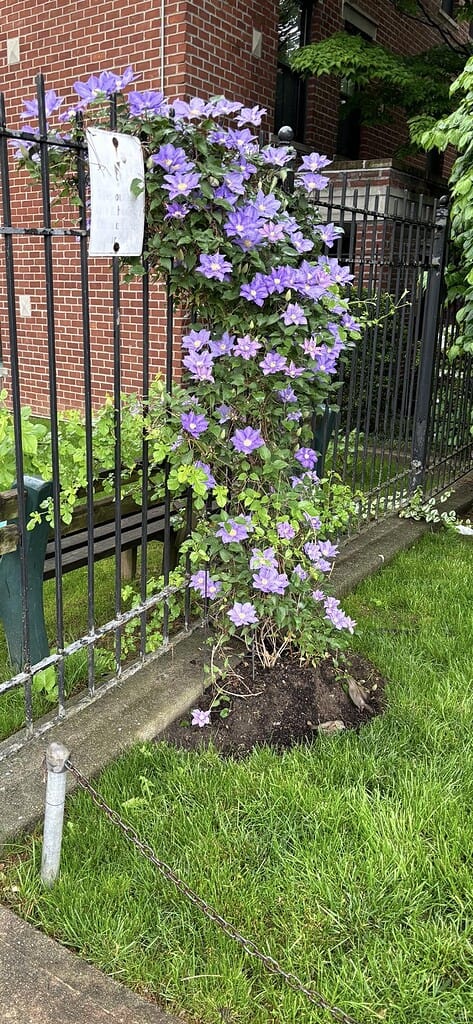
Few things are as visually striking as a fence draped in lush, flowering vines.
Plants like climbing roses, clematis, wisteria, and passionflower can completely disguise an aging fence while adding incredible color and fragrance to your yard.
The key is choosing the right variety for your climate and giving vines a proper support structure so they can climb without causing damage to the fence itself.
For an edible twist, try growing climbing beans, cucumbers, or even certain squash varieties along your fence – they're productive, beautiful, and space-efficient.
You can learn how to support climbing plants properly by checking out tips on how to trellis raspberries, which offers great guidance on building sturdy vertical support systems.
2. Create a Layered Perennial Border
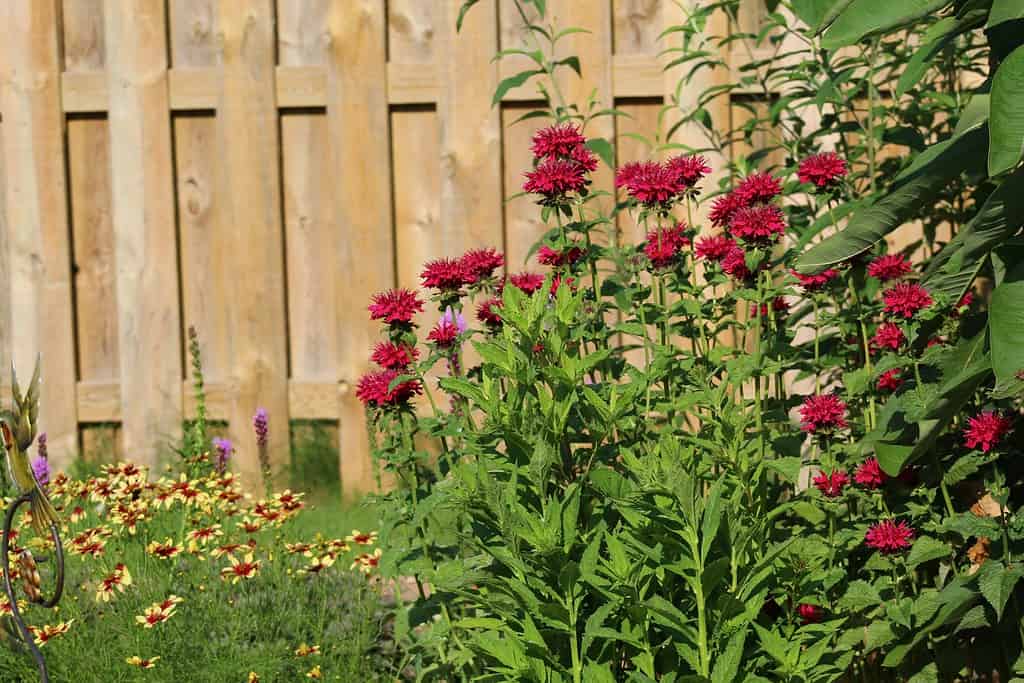
A layered planting bed along your fence creates visual depth and ensures there's always something blooming.
The classic approach is to plant tall species (like ornamental grasses, foxglove, or hollyhocks) at the back near the fence, medium-height plants (like coneflowers, salvias, or black-eyed Susans) in the middle, and low-growing edging plants (like creeping phlox or alyssum) at the front.
This “thriller, filler, spiller” approach works beautifully for a fence-line bed. Once established, perennials come back year after year with minimal effort.
For help choosing the right plants and keeping things organized, the step-by-step guide to backyard landscaping planning is a great resource to consult before you dig.
3. Install a Row of Raised Garden Beds
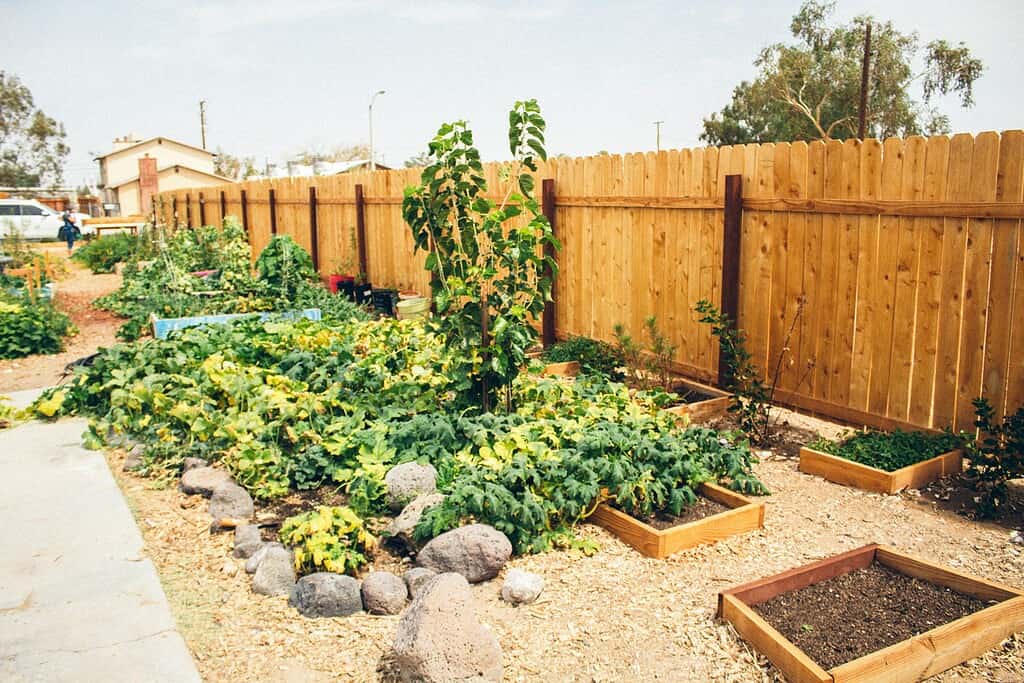
If your fence line gets decent sunlight, a row of raised beds along it is one of the most productive landscaping choices you can make.
You get vegetables, herbs, and cut flowers right at the perimeter of your yard, keeping the central lawn open while turning the fence boundary into a working garden.
Raised beds also look incredibly neat and intentional – they signal that this yard is cared for. Choose a height and material that complements your fence style.
For inspiration on creative bed designs, browse these oddly creative raised garden bed ideas that go well beyond the standard rectangular box.
4. Add a Privacy Hedge of Evergreen Shrubs
If your fence provides structure but not enough visual screening, planting a dense row of evergreen shrubs in front of it doubles your privacy while softening the hard lines of the fence itself.
Arborvitae, boxwood, holly, and privet are popular choices – all of them stay green year-round and can be shaped to your desired height and width.
The result is a lush green backdrop that makes your whole yard feel more enclosed and resort-like. This approach pairs especially well with a broader yard makeover.
If you're thinking about full-scale improvements, the tips in this guide on budget-friendly backyard ideas that look amazing can help you stretch your landscaping dollars further.
5. Line the Fence with Container Gardens
Not everyone wants to dig up the ground along their fence. If you're renting, dealing with rocky soil, or just want flexibility, container gardens placed along the fence line can look just as stunning as in-ground plantings.
Large pots, galvanized tubs, or wooden planter boxes create a coordinated look while letting you swap out plants seasonally.
Mix tall architectural plants with trailing varieties for the most dynamic display. For sun-drenched fence lines, you'll want to choose plants that thrive in bright conditions.
Take a look at this list of full sun container plants you'll wish you planted sooner for tried-and-true options that can handle the heat and still look gorgeous all season.
6. Create a Cozy Seating Nook Along Your Fence
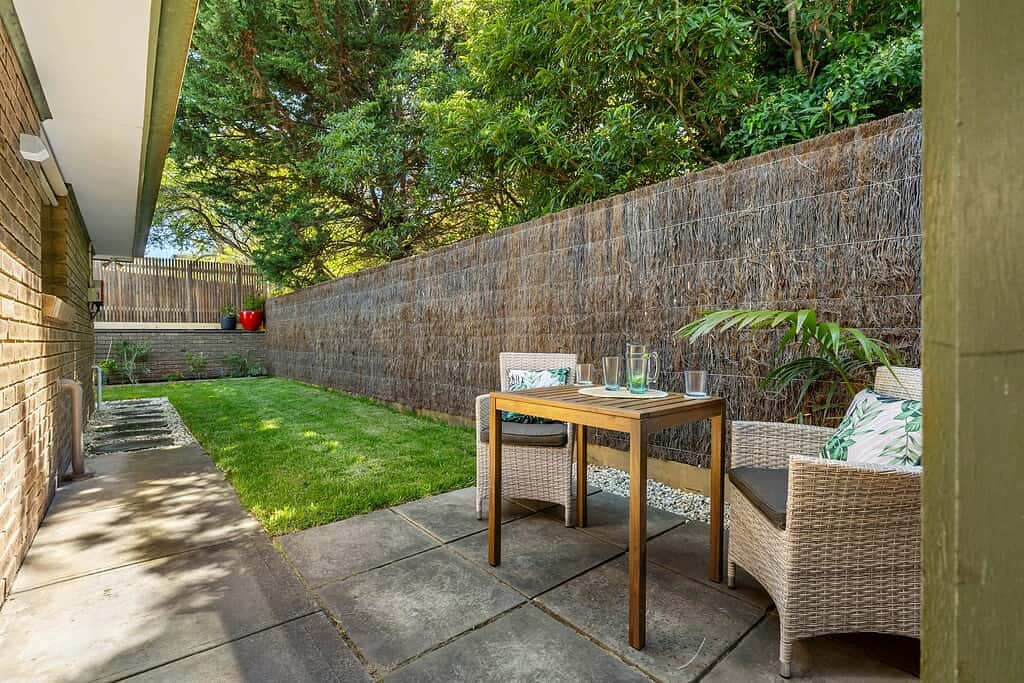
Turning your fence line into a simple seating area can completely change how your yard feels. Instead of just a boundary, it becomes a quiet spot to slow down (morning coffee, evening wind-down, or a place to watch the kids play).
A small bench, a couple of weather-resistant chairs, or even a built-in wooden seat can anchor the space. From there, soften the area with surrounding plants like climbing vines, flowering shrubs, or ornamental grasses to create a bit of privacy and shade.
You can keep it simple or layer it up depending on your style. Add a few potted plants, a small side table, or even string lights for a warm, relaxed feel. The goal is to make it inviting without turning it into another high-maintenance project.
This works especially well in smaller yards where every space matters. Your fence becomes a backdrop instead of an afterthought (and suddenly, you have a peaceful little corner that actually gets used).
7. Lay a Rock Garden Along the Base
A rock garden at the base of your fence creates a natural, low-maintenance landscape feature that looks deliberately designed.
Use a mix of gravel, boulders, and flat stones to create visual texture, then tuck in drought-tolerant plants like sedum, hens-and-chicks, ornamental grasses, or lavender between the rocks. The contrast of stone and soft foliage is timelessly beautiful.
Rock gardens also solve real problems – they eliminate the need to mow or weed right along the fence, and they drain well in areas where water tends to pool.
For a deeper dive into design options, these easy rock garden ideas anyone can pull off cover everything from minimalist alpine styles to lush desert-inspired arrangements.
8. Grow a Fragrant Herb Corridor
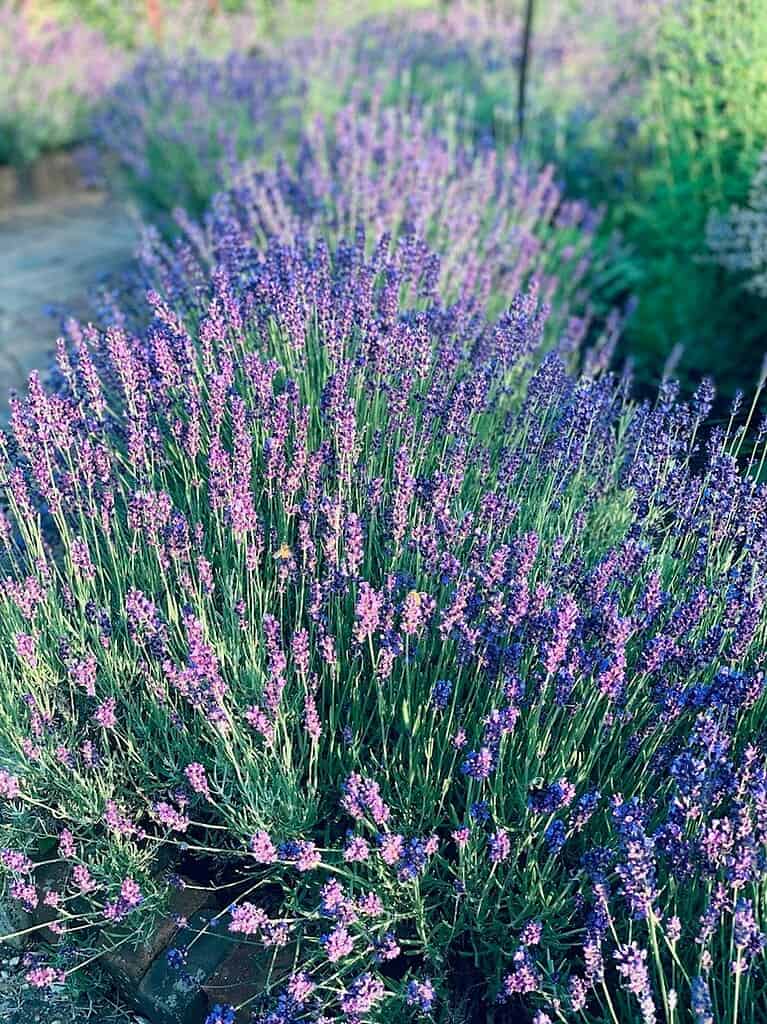
Imagine walking along your fence and being greeted by the scents of lavender, rosemary, lemon thyme, and mint.
A fragrant herb corridor along the fence is both beautiful and incredibly practical – you'll have fresh herbs just steps from your kitchen while also attracting pollinators to your yard all season long.
Low-growing herbs work well as edging plants, while taller varieties like fennel, dill, and lovage can create height variation along the fence line.
To make the most of a ground-hugging herb like thyme, learn how to grow and care for creeping thyme – it's one of the best living mulch plants you can use along a fence base, staying fragrant, low, and beautifully mat-forming.
9. Create a Shade Garden Under a Fence-Backed Tree
If a tree grows close to your fence line, you've got a naturally shady microclimate that deserves a purpose. Instead of fighting the lack of sunlight, lean into it with a shade garden.
Hostas, ferns, astilbe, hellebores, and coral bells thrive in low-light conditions and create a cool, lush pocket of green that feels like a woodland escape right in your backyard.
This approach is also perfect for areas where grass refuses to grow. Replacing bare dirt with thriving shade-lovers is one of the most satisfying transformations possible.
For more ideas on what to grow in challenging low-light zones, these beautiful shade garden ideas you'll want to copy are full of inspiration and plant suggestions.
10. Install a Water Feature Along the Fence
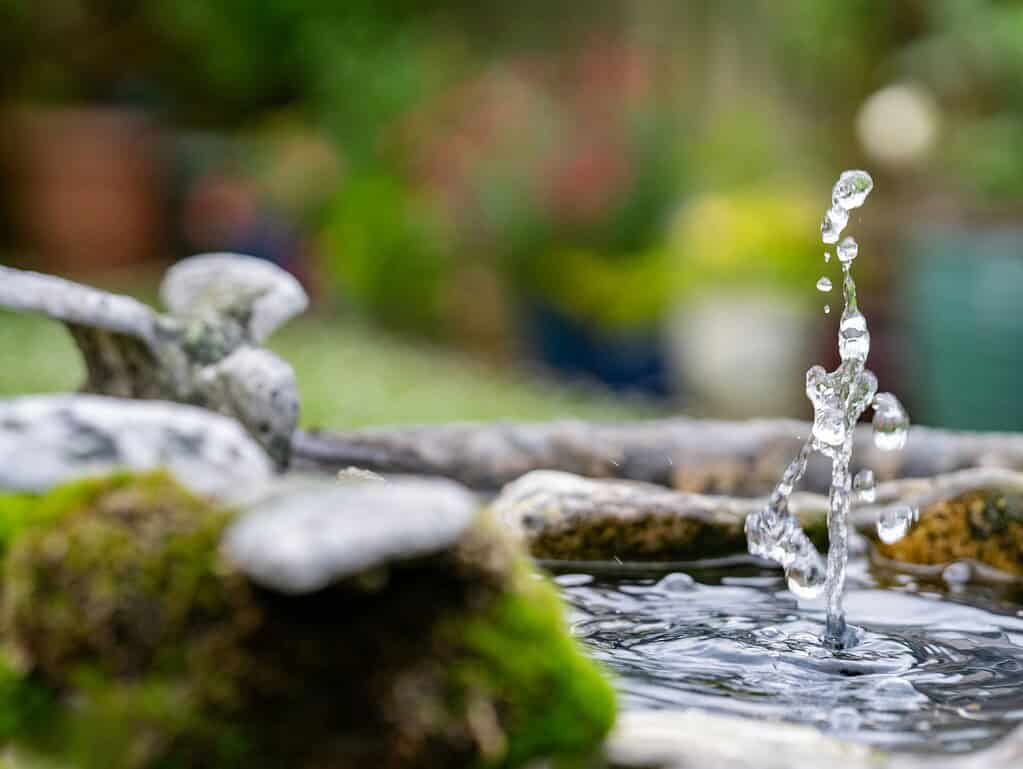
A small water feature – a wall-mounted fountain, a tiered barrel pond, or a narrow rill – tucked along your fence adds an entirely different sensory dimension to your yard.
The sound of moving water creates an atmosphere of calm and privacy, masking neighborhood noise while drawing birds and beneficial insects to your garden.
Fence-mounted fountains are especially effective because they take up zero ground space while making a massive visual and auditory impact. They can be integrated with planted beds or container gardens for a truly layered look.
For creative DIY options that won't break the bank, browse these DIY solar water fountains you can make for your backyard – many of them are designed specifically for placement against walls and fences.
11. Plant a Wildflower Meadow Strip
For a relaxed, naturalistic look, sow a wildflower mix along your fence line and let it grow into a glorious, low-maintenance meadow strip.
Cornflowers, poppies, black-eyed Susans, cosmos, and native wildflowers create a riot of color while supporting bees, butterflies, and other pollinators. This approach is especially stunning on longer fence runs where a denser planting would feel heavy.
A wildflower strip requires very little after the initial seeding – just occasional cutting back in late fall to allow self-seeding for the following year.
If you're planning for seasonal planting, checking what to plant in April for low-effort crops with big results can give you a head start on timing your seed sowing for maximum impact.
12. Design a Succulent Strip for a Modern Look
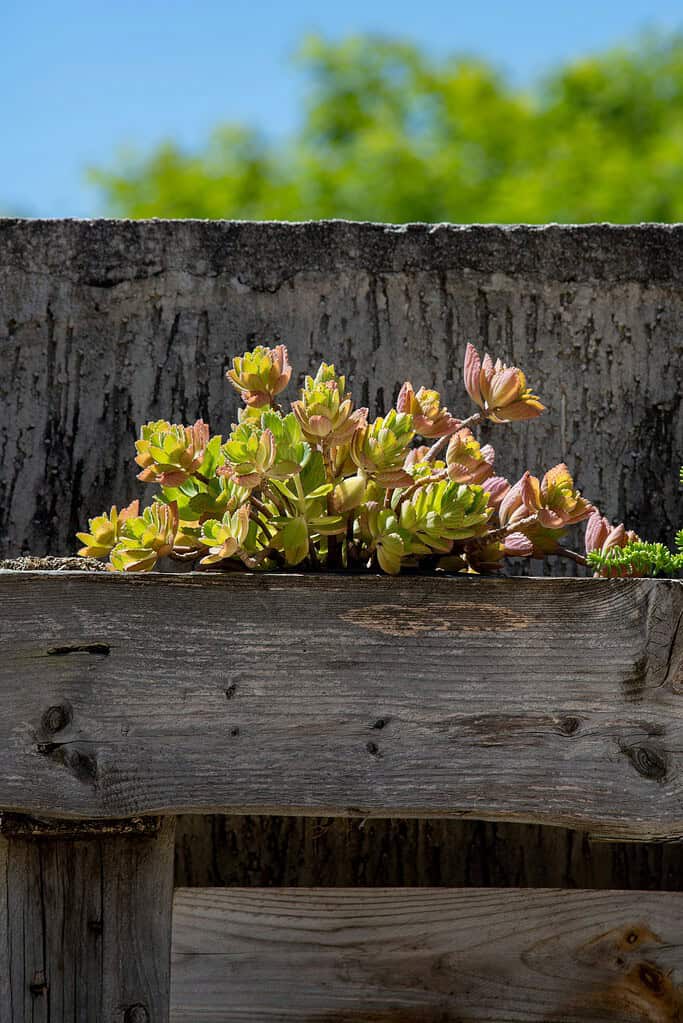
If you're after a contemporary, drought-tolerant look, a carefully designed succulent strip along your fence is one of the most eye-catching options available.
Echeveria, agave, aloe, sedum, and ornamental cacti create striking geometric patterns and textures that look like living art installations. In warm climates, this approach is virtually maintenance-free once established.
Even in colder regions, many succulents can be overwintered or treated as annuals that you refresh each spring. Gravel mulch between plants keeps the look tidy and helps with drainage.
For design inspiration, these irresistible succulent garden designs you can copy today show how to mix colors, heights, and textures for maximum visual impact in a modern landscape.
How to Choose the Right Fence Landscaping Idea for Your Yard
With 12 stunning options to consider, it can feel overwhelming to decide where to begin. The right choice depends on a handful of key factors: how much sun your fence line receives, how much maintenance you're willing to commit to, your overall yard aesthetic, and your budget.
A sun-drenched south-facing fence is a dream for climbing vines, herb corridors, and espalier fruit trees. A north-facing fence with dense shade calls for hostas, ferns, and shade-loving perennials.
Think about the visual relationship between your fence landscaping and the rest of your yard. If your backyard already has a strong design direction – cottage garden, modern minimalist, edible homestead – your fence-line planting should reinforce that theme rather than compete with it.
It also helps to consider your soil conditions before diving in. Understanding the different types of soil in your yard will save you a lot of frustration and help you choose plants that will genuinely thrive rather than just survive.
Start with one section rather than trying to overhaul the entire fence at once. Pick a 10–15 foot stretch, test your idea, and expand from there once you've seen how it performs through a full growing season.
Planning Your Fence Line: Practical Tips Before You Plant
Before you break ground along your fence, a little upfront planning goes a long way.
First, check your local ordinances or HOA rules regarding what can be planted along property boundaries – some areas restrict the height of plantings within a certain distance of the fence line, especially near driveways or intersections.
Second, identify where utilities are buried before digging. Most regions have a free “call before you dig” service that marks underground lines to prevent accidents.
Third, assess how much of the fence line gets direct sunlight versus shade at different times of day – a fence can cast significant shadow that shifts seasonally.
Finally, think about irrigation. Plants along a fence often receive less rainfall due to the overhang effect, so they may need supplemental watering, especially in the first year while getting established.
If you're considering a DIY watering solution that saves time and effort, learning about how to build a wicking garden bed could be a game-changer for keeping fence-line raised beds consistently moist without daily watering.
Low-Maintenance Fence Landscaping: The Best Options for Busy Homesteaders
Not everyone has hours each week to tend a complex planted border. If low maintenance is your priority, there are several fence landscaping approaches that deliver incredible results with minimal ongoing effort.
- Choose native plant borders. Native perennials and shrubs adapt to your local climate, soil, and rainfall. Once established, they need very little care beyond an occasional yearly cut-back.
- Plant ornamental grasses. Fast-growing, hardy, and visually striking. They require minimal upkeep and offer year-round interest, especially with their winter seed heads.
- Use wood chip mulch (3–4 inches deep). A thick layer of mulch helps suppress weeds and retain moisture, reducing the need for constant maintenance.
- Follow a layered planting approach. Combine hardy plants with mulch to create a self-sustaining system that needs less watering, weeding, and upkeep.
- Opt for naturally low-maintenance plants
- Succulents
- Rock garden plants
- Evergreen hedges
These options stay neat and attractive year-round with minimal pruning or replanting.
Start Transforming Your Fence Line Today
Your fence line doesn't have to be a dull afterthought any longer. Whether you go bold with a wall of climbing roses, practical with a row of raised vegetable beds, or serene with a shaded fern garden, the space along your fence holds enormous potential just waiting to be unlocked.
The ideas in this guide are designed to be achievable for homesteaders of all experience levels – from total beginners to seasoned gardeners looking for their next project.
Start small, pick the idea that excites you most, and let that first section inspire the rest. For even more outdoor inspiration to fuel your homestead transformation, explore these front yard landscaping ideas that make a big first impression – because once you've tackled the backyard fence, the front of your property deserves the same attention.
Which of these fence landscaping ideas are you most excited to try? Drop your thoughts, questions, or photos of your own fence-line garden in the comments below – we'd love to hear from you!
Frequently Asked Questions
What can I plant along a fence to block neighbors' view?
For maximum privacy, choose tall, dense evergreen plants that hold their foliage year-round. Arborvitae, Leyland cypress, bamboo (clumping varieties for controlled spread), tall ornamental grasses like miscanthus, and dense flowering shrubs like viburnum are all excellent options.
Planting in a staggered double row rather than a single straight line creates even more visual screening while looking more natural and dynamic. For the best results, combine a privacy hedge with climbing vines on the fence itself for a layered, impenetrable screen.
How do I landscape along a chain-link fence without it looking cheap?
Chain-link fences can look surprisingly elegant with the right landscaping approach. The most effective strategy is to completely disguise the fence with dense climbing vines – fast-growing options like Virginia creeper, hops, or trumpet vine can cover a chain-link fence within a single growing season. You can also attach privacy slats to the chain-link itself and then plant in front of it. Raised beds, container rows, or a lush perennial border placed immediately in front draw the eye away from the fence material entirely, making it virtually invisible.
Will plants damage my wooden fence if planted too close?
Yes, certain plants can damage a wooden fence if placed too close or allowed to grow directly on it without proper support. Vines with clinging tendrils or aerial roots – like English ivy or Virginia creeper – can trap moisture against wooden panels and accelerate rot. The best practice is to install a freestanding trellis 6–12 inches in front of the fence and train vines onto that rather than the fence itself. This allows airflow between the plants and the wood, dramatically extending the life of your fence while still achieving the lush, covered look you want.
How wide should a planting bed along a fence be?
For a truly impactful fence-line planting, aim for a bed that is at least 3 feet wide – ideally 4–6 feet if space allows. A bed that is too narrow limits your plant choices and makes layering impossible, resulting in a flat, one-dimensional look. Wider beds allow you to create the “back-middle-front” layering effect with tall plants near the fence, medium plants in the center of the bed, and low ground-cover plants at the front edge. If space is genuinely tight, container gardens or vertical trellis plantings are excellent alternatives that achieve great results in minimal square footage.
What are the fastest-growing plants to fill a fence line quickly?
If you want fast results, focus on plants known for rapid establishment. Climbing roses (especially vigorous varieties like ‘New Dawn'), clematis, and scarlet runner beans can cover significant fence sections in a single season. For ground-level coverage, ornamental grasses like Karl Foerster feather reed grass can reach full height in their second year. Annual vines like morning glory, black-eyed Susan vine, and hyacinth bean are among the fastest of all – they sprout from seed and can cover 10–15 feet of fence in a summer, making them perfect for instant impact while your perennial plants establish at a steadier pace.