
Living in the city does not mean giving up on growing your own food.
In fact, urban gardening is often easier than people think. You do not need acres of land. You do not need expensive tools. And you definitely do not need a perfect backyard.
All you need is a small space, some sunlight, and a willingness to start.
Whether you have a balcony, a patio, a windowsill, or just a sunny kitchen corner, this guide will walk you through how to grow food in small spaces in a practical, beginner-friendly way.
Why Urban Gardening Makes Sense (Especially in Small Spaces)
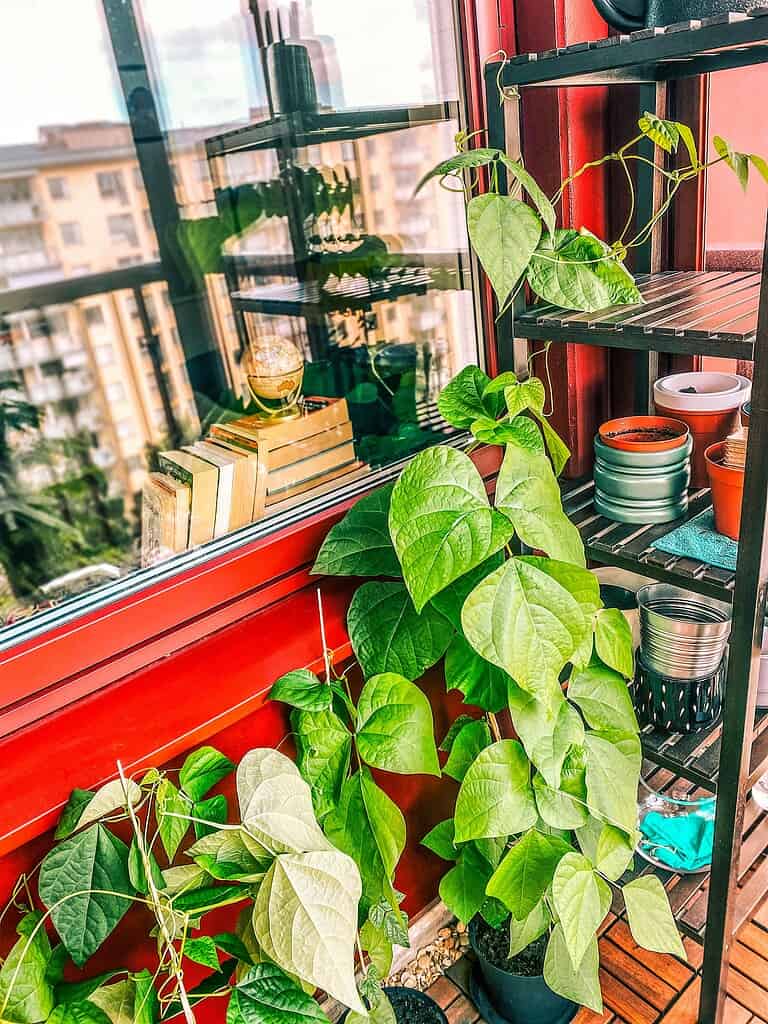
Urban gardening is more than a trend. It is a practical response to modern living.
Here is why more people are learning how to grow food in apartments and small homes:
- Rising grocery prices
- Limited access to fresh produce
- Desire for organic, chemical-free food
- Stress relief and mental wellness benefits
- Teaching kids where food comes from
Even a few pots of herbs can reduce grocery costs and increase food quality.
Small-space gardening forces you to be intentional. You grow what you actually eat.
How to Start Urban Gardening in Small Spaces (Step-by-Step Guide)
Starting an urban garden does not have to feel complicated.
When space is limited, clarity matters more than quantity. Instead of trying to grow everything at once, focus on building a simple system that works in your specific space.
The steps below will walk you through exactly how to grow food in small spaces, even if you are a complete beginner. Take it one step at a time, and remember – small progress still grows food.
Step 1: Assess Your Small Space
Before buying seeds or containers, pause and study your space carefully. This is one of the most overlooked steps in urban gardening, yet it determines almost everything that follows.
Every small space has strengths. A narrow balcony might have excellent afternoon sun. A kitchen window might receive steady morning light. Even a shaded patio can support leafy greens.
Check Sunlight
Sunlight is the most important factor in growing food in small spaces.
Most vegetables fall into these categories:
- Full sun crops need 6 to 8 hours of direct sunlight daily
- Partial sun crops need 4 to 6 hours
- Low light tolerant crops can manage with bright indirect light
Spend a full day observing where the sun hits. Notice how long it stays and whether nearby buildings block it at certain hours.
This simple observation prevents planting tomatoes in a spot that only gets three hours of light.
No direct sun? You can still grow herbs, leafy greens, and even microgreens successfully.
Measure and Visualize
Urban gardening works best when you plan vertically as well as horizontally.
Ask yourself:
- Can you hang planters?
- Can you install a narrow shelf?
- Can you attach a small trellis?
Even tight corners can become productive growing areas when you think creatively.
Step 2: Choose the Right Containers
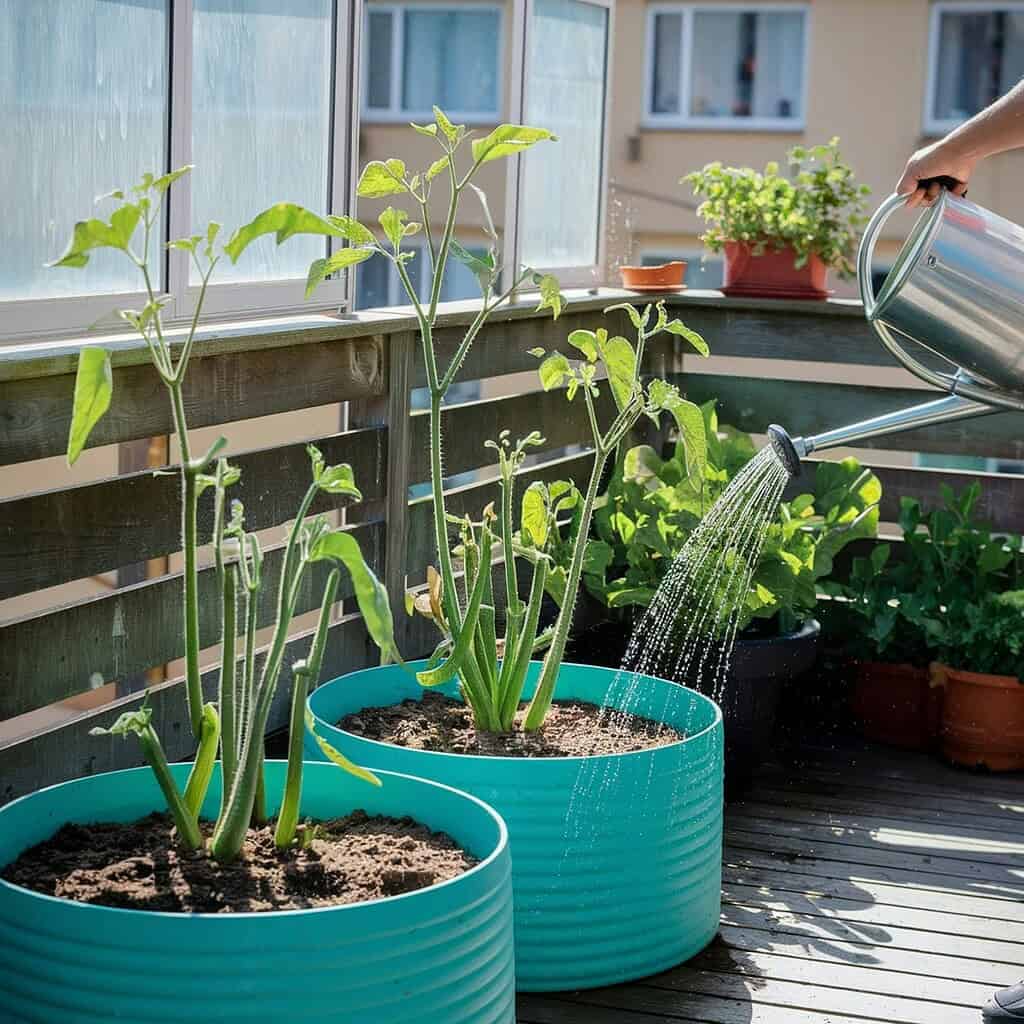
Containers are the foundation of small-space gardening. The right container makes watering easier, improves root health, and increases yields.
It does not have to be expensive. It just has to function well.
The most important rule is drainage. Without proper drainage holes, excess water builds up at the bottom and suffocates roots. This leads to root rot, which is one of the fastest ways to lose plants.
Container Options for Urban Gardening
You can use:
- Fabric grow bags (lightweight and breathable)
- Plastic pots (retain moisture longer)
- Terracotta pots (allow airflow but dry faster)
- Repurposed buckets with drilled holes
- Wooden crates lined with breathable fabric
- Window boxes for railings
Each material behaves slightly differently. Fabric and terracotta dry faster. Plastic holds moisture longer. Choose based on your climate and watering habits.
What Size Container Do You Need?
General guide:
- Herbs: 6 to 8 inches deep
- Lettuce and greens: 6 to 8 inches deep
- Tomatoes: At least 5 gallon container
- Peppers: 3 to 5 gallon container
- Root vegetables: 10 to 12 inches deep
Bigger containers dry out slower. That means less watering stress for beginners.
If you are brand new to growing in pots, you may also want to read simple guide to container gardening to understand the foundations before you begin.
Step 3: Use Quality Soil (Do Not Use Garden Dirt)
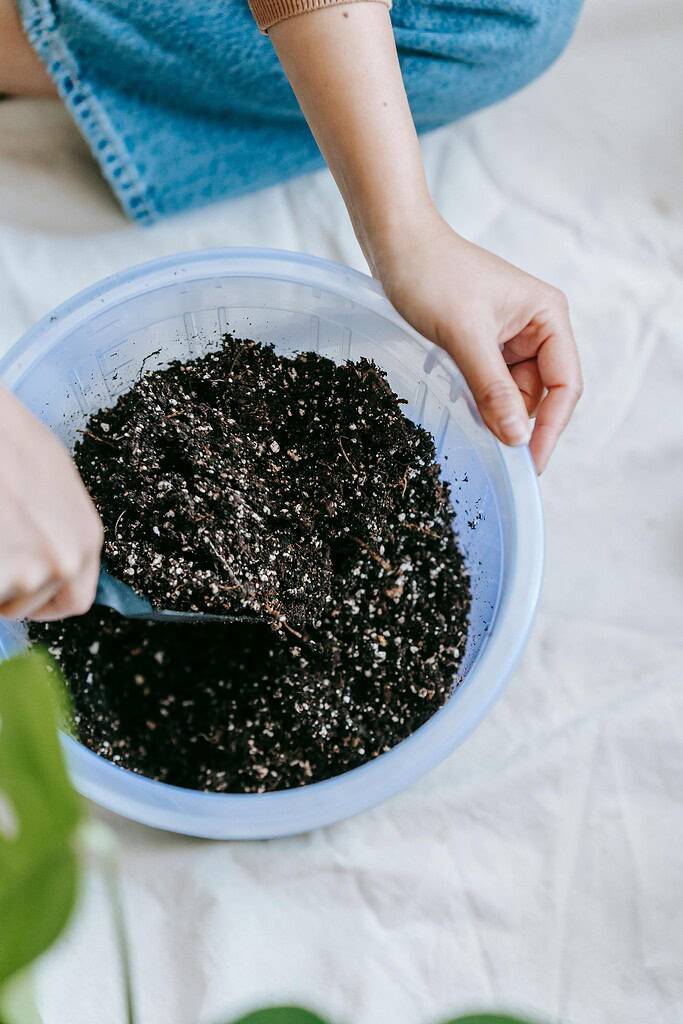
Soil quality directly affects plant health.
Garden soil from the ground is too dense for containers. It compacts easily, drains poorly, and may introduce pests or diseases.
Container plants need loose, airy soil that allows both water retention and oxygen flow.
Look for:
- Organic potting soil
- Compost-enriched mix
- Good aeration (perlite or coco coir included)
You can also mix your own:
- 40 percent compost
- 40 percent coco coir or peat moss
- 20 percent perlite or vermiculite
Think of soil as the long-term investment in your urban garden. Starting with good soil reduces problems later.
Step 4: Start With Easy Crops for Beginners
If you want confidence fast, start with crops that thrive in small-space gardens.
Best Vegetables for Urban Gardening Beginners
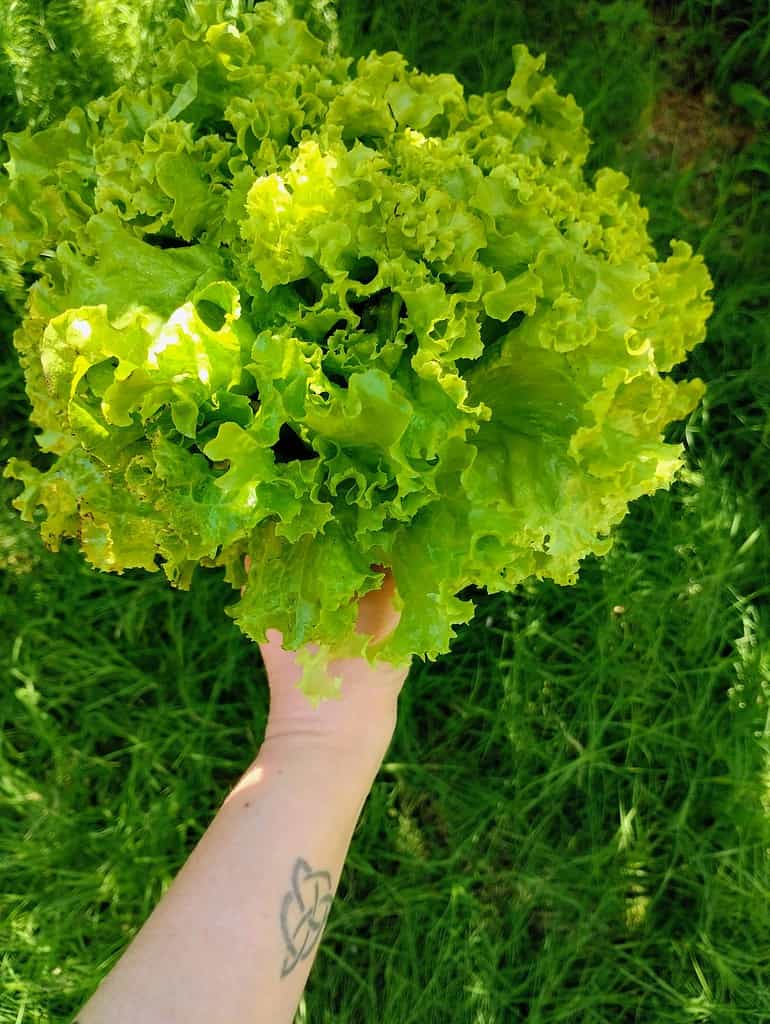
- Lettuce
- Spinach
- Arugula
- Radishes
- Green onions
- Bush beans
- Cherry tomatoes
- Peppers
These grow well in containers and produce quickly.
Best Herbs for Small Spaces
- Basil
- Mint (keep in separate pot)
- Parsley
- Chives
- Cilantro
- Thyme
Herbs are forgiving and perfect for apartment gardening.
Step 5: Learn Vertical Gardening
When space is limited, go vertical.
Vertical gardening maximizes small urban spaces and increases yield.
Vertical Gardening Ideas
- Wall-mounted planters
- Trellises for cucumbers and beans
- Hanging grow bags
- Stackable planter towers
- Railing planters
- Ladder shelves with pots
Climbing crops for vertical systems:
- Pole beans
- Cucumbers
- Small squash varieties
- Cherry tomatoes
Growing upward doubles your production potential.
If you are working with a tight balcony or patio, we share some practical setups in our guide to budget friendly vertical garden kits that are perfect for beginners.
Step 6: Water Smart in Small Spaces
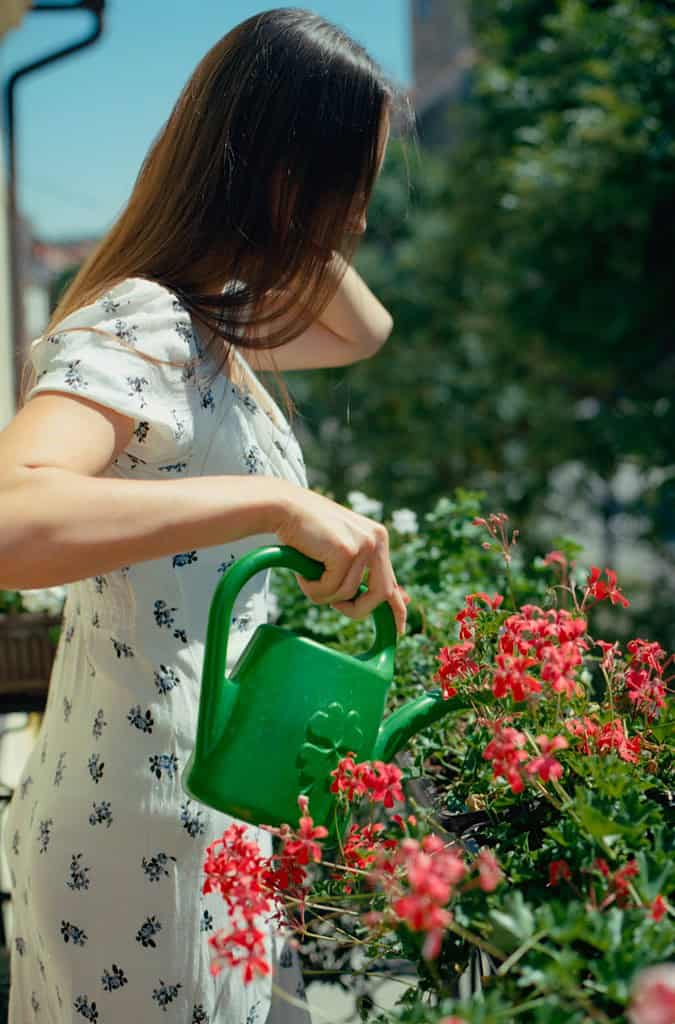
Watering is where many beginners struggle.
Containers dry out faster than in-ground gardens because they are exposed on all sides. Wind and sun accelerate moisture loss.
Instead of watering lightly every day, focus on deep watering.
Water slowly until it drains from the bottom of the container. This encourages roots to grow downward instead of staying shallow at the surface.
Signs of Improper Watering
Overwatering signs:
- Yellowing leaves
- Mushy stems
- Fungus gnats
Underwatering signs:
- Wilting during the day
- Crispy leaf edges
- Dry soil pulling away from container sides
In hot urban environments, you may need to water daily during peak summer. In cooler months, watering frequency decreases.
Consistency matters more than perfection.
Step 7: Feed Your Plants Properly
Because container plants cannot spread roots outward to find nutrients, they rely completely on what is inside their pot.
After several weeks, nutrients in potting soil begin to deplete.
Regular feeding keeps production strong.
You can use:
- Liquid organic fertilizer every 2 to 3 weeks
- Compost tea for gentle feeding
- Slow-release granules mixed into soil
Leafy greens generally need less feeding than fruiting crops like tomatoes and peppers. Fruiting plants require steady nutrients to produce flowers and fruit.
Think of fertilizer as maintaining energy levels for your plants. Without it, growth slows and harvests shrink.
Step 8: Manage Pests Naturally
Even in the city, pests happen. But urban gardens often have fewer pest problems than large rural gardens.
Common small-space pests:
- Aphids
- Spider mites
- Whiteflies
- Fungus gnats
Natural solutions:
- Neem oil spray
- Insecticidal soap
- Hand removal
- Strong water spray rinse
- Sticky traps for gnats
Inspect plants weekly. Early detection is everything.
If aphids are a recurring issue in your garden, we go deeper into effective ways to get rid of aphids using simple, non-toxic methods that work well in small spaces.
Step 9: Practice Succession Planting
Urban gardening in small spaces benefits from continuous planting.
Instead of planting everything at once and harvesting all at once, space out your sowing.
For example:
- Plant lettuce every two weeks
- Sow radishes monthly
- Replace harvested spinach with new seedlings
This method keeps your containers productive longer and maximizes small areas.
Succession planting turns a small balcony into a steady food source instead of a one-time harvest.
Step 10: Grow What You Actually Eat
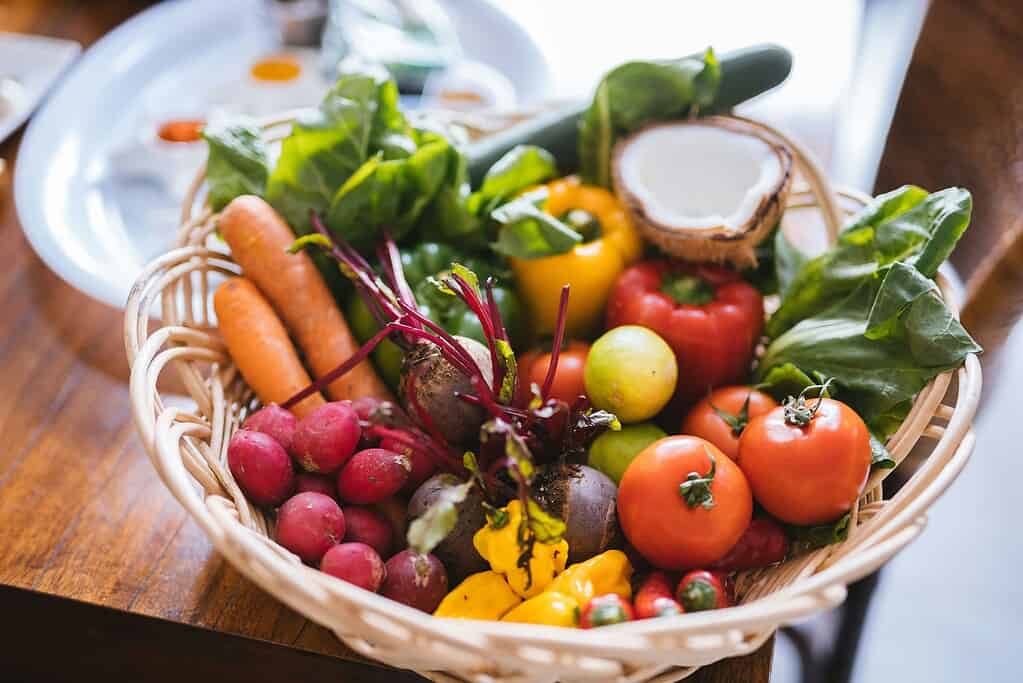
This sounds simple. But it matters.
Do not grow eggplant if no one in your home eats eggplant.
Start with:
- Salad greens if you eat salads
- Herbs you cook with weekly
- Tomatoes if you buy them often
Urban gardening for beginners becomes sustainable when it fits your lifestyle.
Seasonal Planning for Small Space Gardening
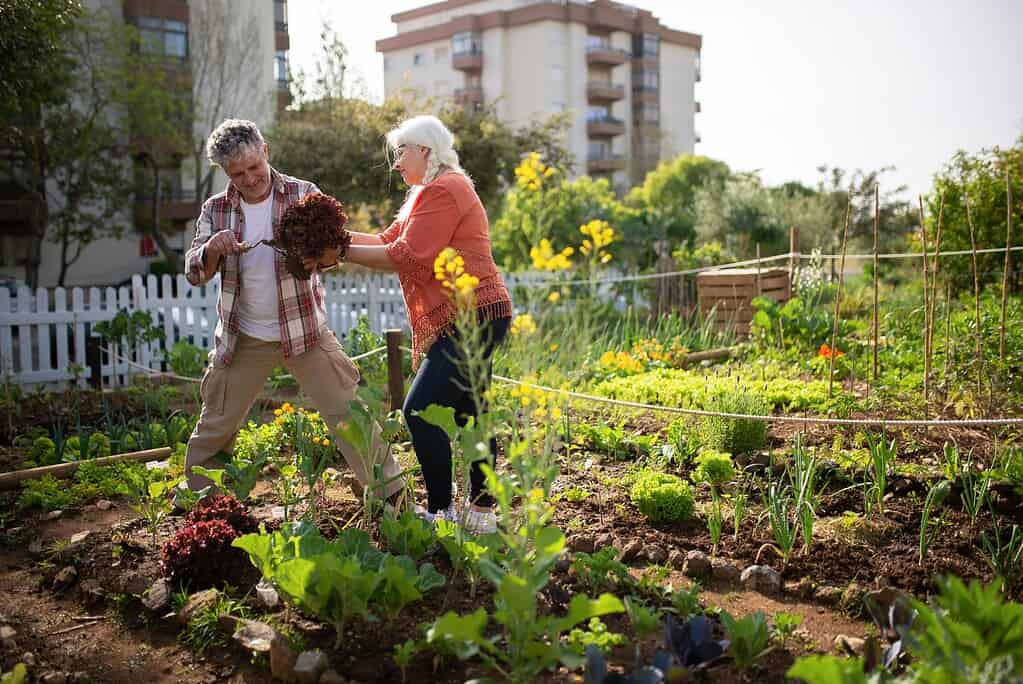
Urban gardening works best when you understand the rhythm of the seasons.
Even in small spaces, timing matters. Planting tomatoes too early or lettuce too late can mean weak growth, pest problems, or poor harvests.
When you align your planting schedule with the season, your small-space garden becomes far more productive.
Most vegetables fall into two main seasonal categories: cool season crops and warm season crops.
Cool Season Crops
Cool season vegetables grow best in mild temperatures, typically between 40°F and 75°F. They tolerate light frost and often struggle in summer heat.
Best cool season crops for small-space urban gardening:
- Lettuce
- Spinach
- Kale
- Radishes
- Peas
These crops are ideal for early spring and fall gardening. In many climates, you can grow them twice a year.
Why they work well in small spaces:
- They grow quickly
- Many can be harvested multiple times
- They do not require large containers
- They thrive in partial sun
For example, lettuce can be harvested leaf by leaf, extending your harvest for weeks. Radishes mature in as little as 25 to 30 days, making them perfect for beginners who want fast results.
Warm Season Crops
Warm season crops require consistent temperatures above 60°F. They thrive in full sun and produce heavily during summer.
Best warm season crops for urban gardening beginners:
- Tomatoes
- Peppers
- Cucumbers
- Beans
- Basil
These plants need more sunlight and slightly larger containers, especially tomatoes and cucumbers.
Warm season plants are often more dramatic growers. They climb, flower, and produce fruit. In small spaces, they benefit greatly from vertical support systems like trellises or cages.
Because warm crops are heavy feeders, consistent fertilization becomes especially important during their growing season.
Know Your Climate Zone
Understanding your local climate zone helps you plan planting dates correctly.
Check:
- Your last frost date in spring
- Your first frost date in fall
- Average summer temperatures
This information tells you when to start seeds indoors and when it is safe to move plants outside.
In mild climates, small-space gardeners may grow food nearly year-round. In colder regions, you may focus heavily on spring and summer, then shift indoors during winter.
Seasonal awareness allows you to rotate crops efficiently and maximize even the smallest balcony or patio.
How to Grow Food Indoors
If outdoor space is extremely limited, indoor gardening is still very possible.
Growing food indoors requires a slightly different strategy, but it can be just as rewarding. The key is managing light, airflow, and moisture carefully.
Indoor gardens are perfect for supplementing your outdoor efforts or growing year-round.
Best Crops for Indoor Gardening
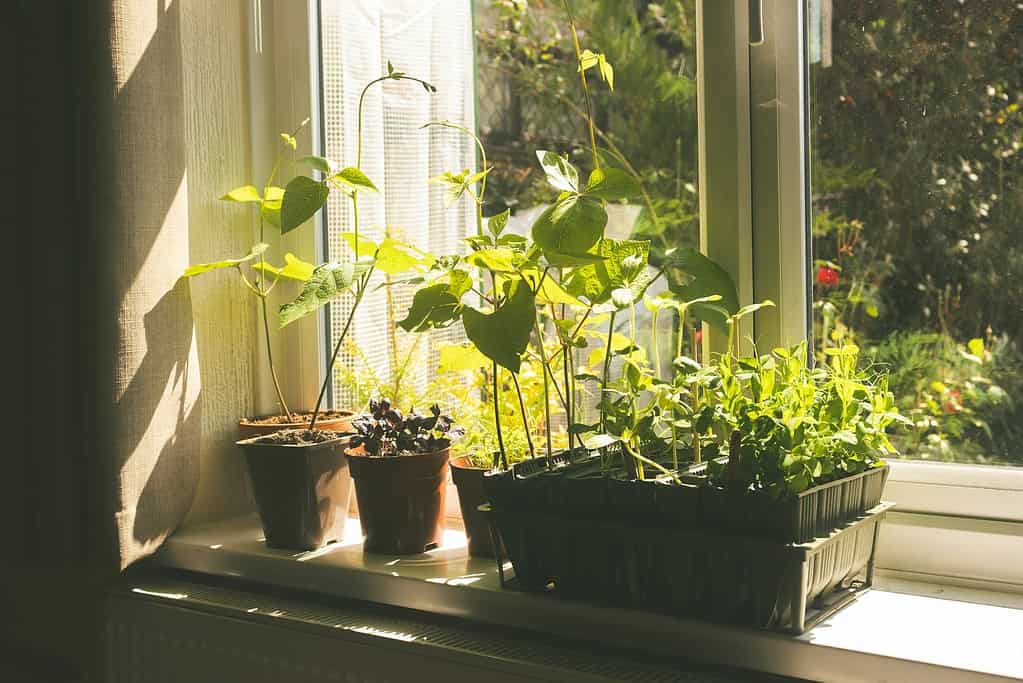
Start with crops that adapt well to controlled indoor conditions:
- Herbs
- Microgreens
- Lettuce
- Dwarf tomato varieties
Herbs like basil, parsley, chives, and thyme grow well in bright windows.
Microgreens are especially beginner-friendly. They grow in shallow trays and can be harvested in 7 to 14 days. They require minimal space and provide high nutrient density.
Lettuce varieties that stay compact also perform well indoors, particularly with added light.
Dwarf or determinate tomato varieties can grow indoors if given sufficient light and support.
Light Is the Most Important Factor
South-facing windows provide the strongest natural light in most homes.
If natural light is limited, supplemental grow lights can dramatically improve plant health.
When using grow lights:
- Position lights 6 to 12 inches above plants
- Keep lights on 12 to 16 hours per day
- Adjust height as plants grow
Reflective surfaces like white walls or reflective panels can help bounce light back onto plants, improving growth efficiency in tight indoor spaces.
Manage Watering and Airflow Carefully
Indoor plants are more vulnerable to overwatering.
Because indoor environments lack strong wind and sun, soil stays wet longer. Overwatering can lead to:
- Mold growth
- Fungus gnats
- Root rot
To prevent problems:
- Use containers with drainage holes
- Allow the top inch of soil to dry before watering again
- Ensure some air circulation in the room
A small fan nearby can improve airflow and reduce moisture buildup.
Indoor urban gardening may require a bit more monitoring, but it allows you to grow food even during winter months or in apartments without balconies.
With the right setup, a sunny windowsill can become a productive mini garden.
Common Mistakes in Urban Gardening
Avoid these beginner pitfalls:
- Overwatering
- Underwatering
- Using garden soil in containers
- Ignoring sunlight needs
- Overcrowding plants
- Skipping fertilization
- Choosing crops too advanced for beginners
Keep it simple at first. Master the basics. Then expand.
The Real Benefits of Growing Food in Small Spaces
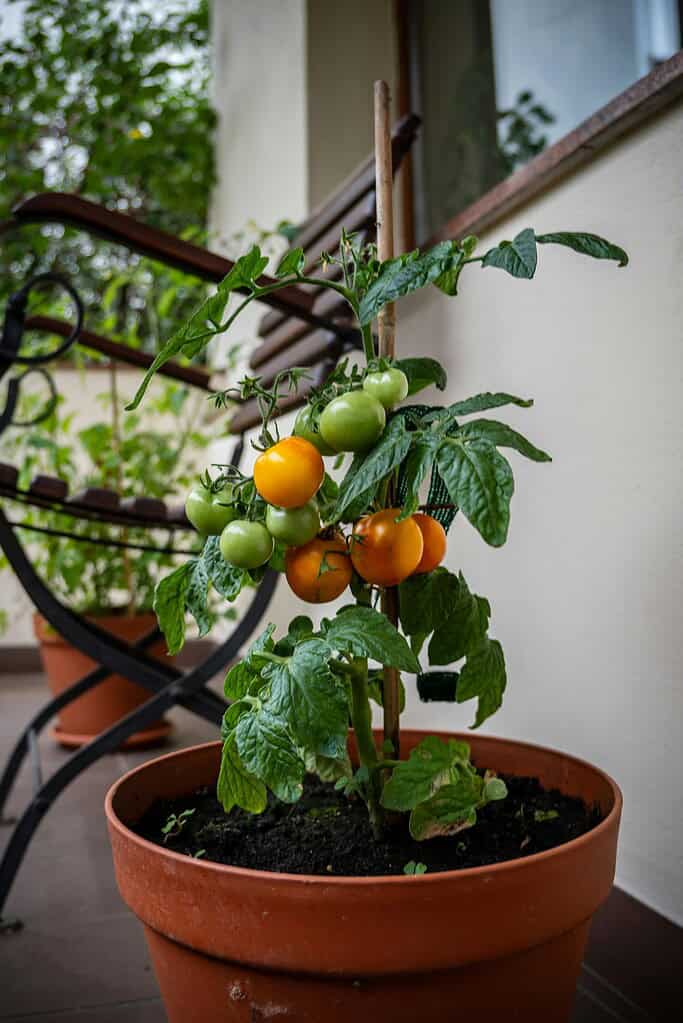
Urban gardening provides more than vegetables.
It builds:
- Food security
- Self-reliance
- Mindfulness
- Healthier eating habits
- Reduced food waste
Even one container of greens can shift how you view food. And that is powerful.
Start Small This Week (And Actually Plant Something)
Do not wait for the perfect setup. Pick one container. Buy one bag of soil. Plant one easy crop like lettuce or basil.
Urban gardening for beginners becomes overwhelming when you try to do everything at once.
Start small. Build confidence. Then expand slowly.
Now I would love to hear from you:
- What small space are you working with?
- Balcony, window, patio, rooftop?
- What is the first food you want to grow?
Comment down below and tell me what you are planting this season.
Let’s grow together.
Ready to Design Your Dream Garden Bed?
Feeling inspired to build something beautiful?
If you’re ready to go beyond just one garden bed and truly design a space that feels intentional, productive, and charming, I put together something special for you.
Inside 101 Garden Bed Ideas, you’ll find creative layouts, raised bed designs, space-saving solutions, and inspiring setups you can actually recreate in your own yard – whether you’re working with a tiny backyard or a full homestead.
Start planning your dream garden today.

FAQs
Can I grow vegetables without direct sunlight?
Yes, you can grow vegetables without full direct sunlight, but you need to choose the right crops. Leafy greens like lettuce and spinach, along with many herbs, can grow with around four hours of sunlight or even bright indirect light. They may grow slightly slower, but they will still produce well. Fruiting crops such as tomatoes, peppers, and cucumbers require much more sun to flower and set fruit properly. If your space lacks strong sunlight, focus on greens and herbs for better results.
How often should I replace container soil?
Container soil should be refreshed at least once per growing season to maintain plant health. Over time, nutrients become depleted and the soil structure breaks down, affecting drainage and root growth. You can remove the top few inches and replace it with fresh compost, fully replace the soil once a year, or amend it between seasons with compost and organic fertilizer. Regular soil care keeps your small-space garden productive and reduces plant stress.
Is balcony gardening safe for apartments?
Balcony gardening is generally safe, but it is important to consider a few practical factors. Check the weight limits of your balcony, especially if you plan to use large containers filled with moist soil, which can be heavy. Review building rules or HOA guidelines to ensure gardening is allowed. Proper drainage is also essential so excess water does not drip onto neighbors or damage the structure. If you are unsure, choose lightweight containers and avoid overcrowding the space.
Can I compost in a small apartment?
Yes, composting in a small apartment is possible with the right system. Worm composting, also known as vermicomposting, uses red worms to break down food scraps in a compact bin. Bokashi composting is another option that ferments food waste in a sealed container. Even simple countertop compost collectors can help manage scraps before transferring them to a larger system. When maintained correctly, these methods produce minimal odor and fit well into small living spaces.
How do I protect my plants from strong wind on balconies?
Strong wind can dry soil quickly and damage stems, especially in high-rise buildings. To protect your plants, use wind barriers such as mesh screens or fabric panels to reduce direct gusts. Choose heavier pots to prevent tipping and group containers together to create natural wind protection. Placing taller plants closer to walls or railings also adds stability. Monitoring wind exposure helps prevent stress and keeps your urban garden healthy.