
Understanding your garden soil is one of the best things a beginner gardener can do for a thriving homestead.
Soil might not be as flashy as plants, but it’s literally the foundation of your garden’s success. You’ve probably heard terms like sandy, clay, silty, or loamy soil.
Don’t worry – these are just simple ways to describe different soil types by their feel and how they behave.
In this article, I’ll break down the common soil types (sand, clay, silt, and loam), how to identify them, and tips to make the most of whatever soil you have.
What Are the Different Soil Types?

Gardening experts often talk about soil types using words like sandy, clay, silt, and loam. These terms describe a soil’s texture, which basically means the size of the particles in your soil.
The texture greatly affects how soil behaves – things like how well it drains water, how it holds nutrients, and how easy it is to dig.
- Sand, silt, and clay are the three main mineral components of soil. Sand particles are the largest and feel gritty, silt is medium and feels soft like flour, and clay particles are very fine and sticky when wet. Most soils are a mix of these three.
- Soil type = texture: If a soil has mostly sand, it’s called sandy soil. Mostly clay? Clay soil. And so on. Loam is the name for soil that has a roughly balanced mix of sand, silt, and clay (often about 40% sand, 40% silt, 20% clay). Loamy soil with lots of organic matter is generally considered ideal for gardening, because it holds moisture and nutrients but also drains well.
- No soil is “perfect,” and each type has its pros and cons. Some plants actually prefer sandy or clay soils, while many common garden plants do best in loam. The good news is any soil can be improved with some basic techniques.
Let’s look at each type and how to work with it.
Sandy Soil
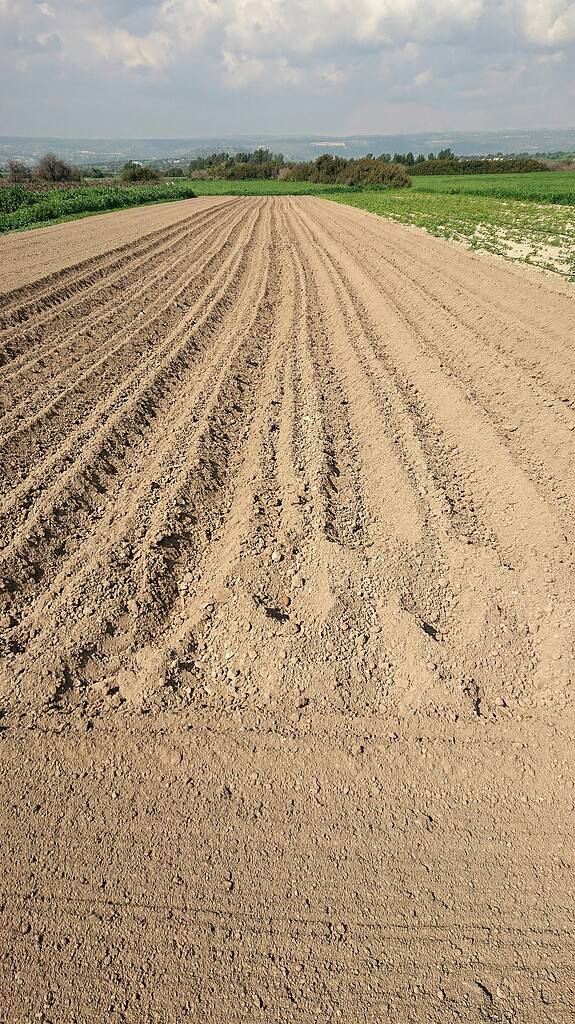
Sandy soil is loose, gritty, and dry to the touch – think of the texture of beach sand. It falls apart easily and won’t form a ball when you squeeze it in your hand.
This soil has the largest particle size (sand grains), which means lots of air space between particles. Water runs through it quickly, like a sieve.
Characteristics
Because of its high porosity, sandy soil drains water very fast and doesn’t hold onto moisture or nutrients well.
On the bright side, it’s easy to dig and cultivate. It’s not sticky, so your shovel (and shoes) won’t get stuck in heavy muck as can happen with clay.
Sandy soils also warm up quickly in the spring, meaning you might be able to plant earlier in cool climates.
In the U.S., sandy soils are common in coastal areas and arid regions of the Southwest – if you live near a beach or in a desert-like area, you probably recognize this type.
Gardening with Sandy Soil
The main challenge is keeping plants fed and watered. Because water drains so fast, it can take nutrients with it, leaving soil less fertile.
You might find you need to water more frequently, since rain or irrigation doesn’t stick around long.
However, some plants love sandy soil – for example, many succulents, cacti, Mediterranean herbs (like lavender and rosemary), and certain root vegetables (carrots, for instance) do well in loose, well-drained sand.
These plants are adapted to drier conditions and will appreciate the good drainage.
If you're adding compost regularly, the Berkeley method of composting is a fast way to produce finished compost.
Tips for Gardening in Sandy Soil
- Add organic matter regularly. Mix in plenty of compost, aged manure, or leaf mold each season. Organic matter acts like a sponge to hold more water and nutrients in sandy soil. Gardeners with very sandy soil often amend their beds every year with rich compost to improve water retention.
- Mulch the soil surface. A layer of mulch (like straw, wood chips, or shredded leaves) will help reduce evaporation and keep moisture in the ground longer. Mulch also adds organic matter as it breaks down.
- Choose drought-tolerant plants. If you know your soil is super sandy, plan your garden accordingly. Select plants that don’t mind dry conditions. For example, lavender, yarrow, rosemary, sedum, and other drought-resistant perennials or natives will thrive with less fuss in sandy soil.
By improving a sandy soil over time (and watering deeply but infrequently to encourage roots to go down for water), you can turn a dry, nutrient-poor plot into a productive garden bed.
Clay Soil
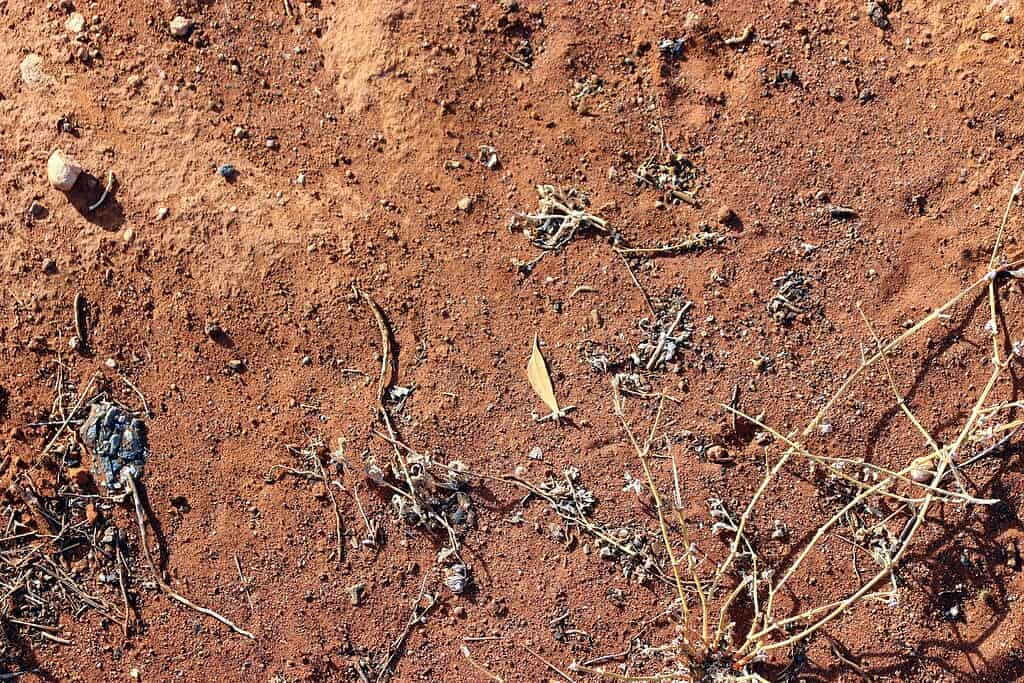
Clay soil is the opposite of sandy soil in many ways. It’s packed with extremely fine particles that stick together.
When wet, clay feels slick or sticky – you can roll it in your fingers and it holds its shape like modeling clay. Squeeze it into a ball and it stays clumped.
When dry, it can form rock-hard clods (it might even crack on the surface in hot weather). Walking on dry clay can feel like walking on concrete!
Characteristics
Because the particles are so fine and tightly packed, clay soil has very little pore space for air and water. It drains poorly – water tends to puddle or move very slowly through clay.
The upside is that clay holds onto water and nutrients much better than sand (it’s less leachy). In fact, clay soils are often naturally rich in plant nutrients.
The dense nature of clay means it can support strong plant stands, but it also means roots might have a hard time growing through it.
Clay soil stays cooler and wet longer in spring, which can delay planting (it takes longer to warm up and dry out compared to looser soils).
Many gardeners in the U.S. encounter clay soil – it’s common in regions like the Midwest, the Appalachian areas, and the Southern states (if you’ve ever heard the term “Georgia red clay,” that’s a classic example).
Gardening with Clay Soil
The challenges with clay are typically poor drainage, compaction, and difficulty in digging or tilling.
You might notice water sitting on the surface after rain, or struggle to push a shovel through hard ground. Plant roots can suffocate if the soil stays waterlogged (since they need oxygen).
However, clay’s nutrient-holding power is a benefit – if you can improve the structure, clay can become very fertile ground.
Some plants actually appreciate clay’s moisture – for instance, daylilies, asters, certain iris, and even crops like broccoli and cabbage can tolerate and even enjoy clay soil that’s well-drained enough on top.
Deep-rooted prairie plants or perennials can help break up clay over time too.
Tips for Gardening in Clay Soil
- Never work clay soil when it’s soaking wet. This is a golden rule – digging or tilling wet clay destroys its structure, making it compact even more. Wait until it’s just moist (crumbles in your hand) before you garden in it.
- Add organic matter (and patience). Just like with sandy soil, compost is your best friend in clay soil too. Organic matter helps separate those tiny clay particles, creating more pore space for air and water. Over time, annual additions of compost or leaf mulch will loosen heavy clay significantly. Some gardeners also use gypsum (a mineral soil amendment) or lime to help improve clay structure and reduce acidity, but organic matter is the most beginner-friendly solution.
- Build raised beds or mounds. If your clay is really problematic (stays waterlogged often), consider creating raised garden beds filled with a mix of topsoil and compost. Raising the soil level improves drainage. Even slight mounding in rows can help water run off.
- Choose the right plants (or help the wrong ones). Focus on clay-tolerant plants or be ready to do extra soil prep. For example, if you want to grow root crops (carrots, potatoes) which don’t like heavy clay, you’ll need to amend the soil deeply or use raised beds. On the other hand, many native wildflowers and grasses have no problem with clay. Use those in tougher spots of your yard, and save the fussier plants for areas you’ve improved.
With time and organic amendments, clay soil can be transformed into a garden asset.
It might never drain as quickly as sandy soil, but it will reward you with nutrient-rich earth that holds moisture when summer gets hot.
Silt Soil
Silt soil is somewhere in between sand and clay.
The particle size of silt is medium – silty soil feels smooth or soapy to the touch when wet, and when it’s dry it can feel powdery, like talcum powder or flour.
If you rub dry silt soil between your fingers, it might even leave a light dust on your skin.
Wet silt doesn’t have the stickiness of clay; it’s smoother, but it can still hold together a bit. Silt will form a fragile ball when squeezed, but it breaks apart more easily than clay.
Characteristics
Silt tends to be more fertile than sandy soil and holds moisture fairly well, because its particle size and pore spaces are in-between.
Many agricultural soils in river valleys or former glacial areas are silty and are prized for their fertility.
In fact, silt soils are often found in floodplains of rivers or areas that ancient glaciers ground down – they’re deposits of fine mineral material, usually rich in nutrients.
Silt soil typically has a soft, smooth texture and is easier to work than heavy clay.
However, silty soil can suffer from compaction and erosion if not managed: because the particles are fine, they can pack down or wash away with rain.
You might notice that silty soil, when dry, can form a crust on top that cracks – that’s a sign of compaction/erosion potential.
Gardening with Silt Soil
The good news is that silty soil, among the three single-texture types, is often considered the next best thing to loam for gardening.
It retains moisture and nutrients better than sandy soil, without being as dense as clay. Most garden plants (flowers, vegetables, lawns) will do quite well in silty soil, as long as it doesn’t get compacted.
Still, if your soil is very silty (for example, silty clay or silty loam), you’ll want to be cautious about drainage – silt doesn’t drain as fast as sand, so water can puddle in low spots.
It’s also wise to protect silty soil from erosion: if you leave it bare, heavy rain can easily wash the topsoil away or cause runoff issues because the fine particles are easily carried off.
Tips for Gardening in Silt Soil
- Add organic matter for structure. Not to sound like a broken record, but compost is magic for all soil types. In silty soil, adding organic matter helps bind the fine particles into crumbs (aggregates) that improve drainage and reduce surface crusting. It also further boosts the nutrient content.
- Avoid compaction. Try not to walk on silty garden beds when wet, and use stepping stones or designated paths. Silt compacts easier than sand. Once compacted and dried, it can form a hard surface crust that makes it tough for seedlings to emerge.
- Use cover crops or mulch. To prevent erosion and nutrient loss, keep silty soil covered when not actively growing crops. In offseason, plant a quick cover crop or at least lay down straw mulch. This protects the soil from pounding rain and retains structure. It will also add organic matter when turned into the soil later.
- General care: Most plants will thrive in silty soil, but keep an eye on drainage. If you notice water standing too long, incorporate more coarse material (like compost, fine bark, or even some sand) to open up the soil. Conversely, if it’s drying in a drought, mulch and water as needed – silt holds water longer than sand but not as long as clay.
Some gardeners improve soil structure using the lasagna gardening method.
With a bit of care, silty soil can be very productive and garden-friendly. Think of it as a close cousin to loam that just needs structure maintained.
Loam Soil
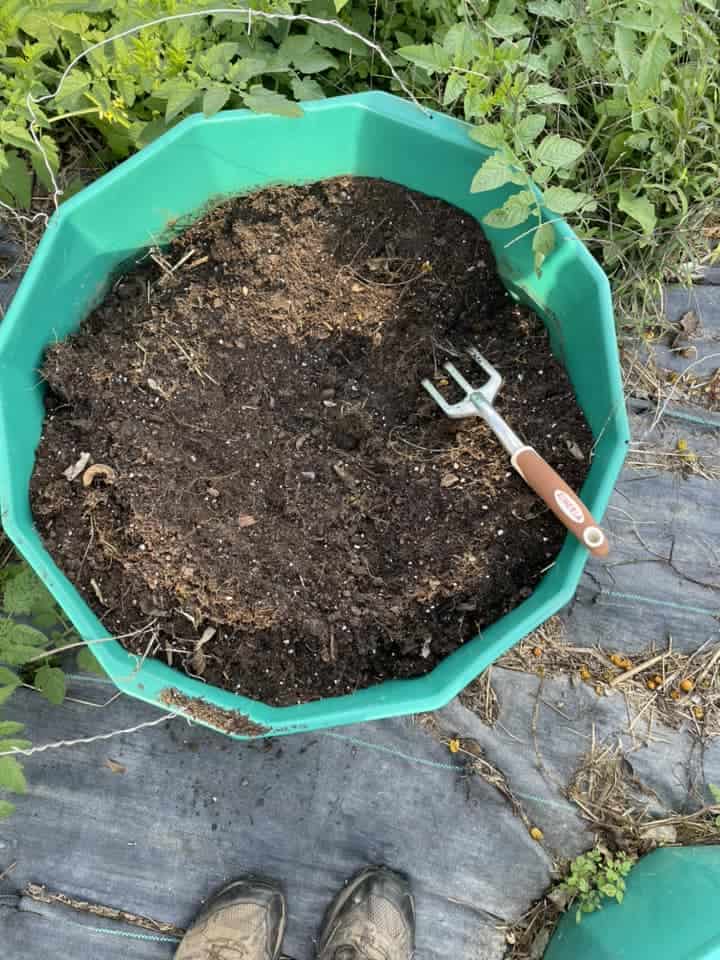
Loam is often referred to as “garden gold” or the perfect soil blend. It feels crumbly and rich in your hands – not too sandy, not too sticky.
When moistened, loam will form a ball that holds its shape initially, but if you press it or tap it, it readily breaks apart. It’s usually darker in color, thanks to higher organic matter content.
If you have loamy soil, you’ll notice it’s easy to dig and drains just right (not too fast, not too slow).
Characteristics
Loam is basically a well-balanced mixture of sand, silt, and clay particles, typically around 40% sand, 40% silt, 20% clay by composition (plus plenty of organic matter).
Because it contains all particle sizes, loam gets the benefits of each without the extreme drawbacks. It has enough clay and silt to hold water and nutrients, but enough sand to drain well and provide airflow.
Most common garden plants prefer loamy soil for these reasons. Loam also tends to have a healthy population of soil life (worms, microbes) due to its favorable conditions, which further boosts fertility.
Another perk: loam soil warms up more quickly in spring than pure clay and doesn’t dry out as fast as pure sand – a nice middle ground.
Gardening with Loam Soil
If you’re lucky enough to have loam, gardening can feel a lot easier. Loamy soil is easy to work (till, shovel, etc.) and provides an ideal environment for root growth.
It usually has good structure – meaning it forms small clumps or crumbs that hold their shape but aren’t compacted.
That structure allows roots, water, and air to penetrate well. Loam is often naturally fertile, but it still benefits from regular addition of organic matter to replenish nutrients taken up by plants.
Virtually any type of plant can grow in loamy soil, from lush lawns to bountiful vegetable gardens, as long as other needs like pH and sunlight are met.
In fact, loam is the standard against which other soils are compared in gardening.
If you're growing in containers, choosing the best potting soil mix can help recreate those ideal loam-like conditions.
Tips for Gardening in Loam Soil
- Maintain it with organic matter. Even good soil can be exhausted by continuous planting. Keep adding compost or organic fertilizers periodically to feed your loam. This keeps nutrients and soil life abundant.
- Avoid careless compaction. Loam can handle foot traffic better than silt, but it’s still smart to use paths in garden beds and avoid heavy machinery on wet soil. You want to preserve those nice pore spaces.
- Watch your water. Loam holds moisture well, but that means it can still get waterlogged in extreme rainfall. Ensure there’s proper drainage in low spots of your garden. In dry spells, loam will retain moisture longer, but don’t neglect watering when needed – consistent moisture is key for many garden veggies (loam just gives you a bigger buffer).
- Enjoy the versatility. With loam, you have the luxury to grow a wide variety of plants. From root crops that need easy digging, to roses that like rich soil, to general annual flowers and veggies – all will generally be happy in loam. Still, pay attention to specific plant needs (like some prefer more acidic or alkaline soil, which is a separate factor from texture).
In summary, loamy soil is a gardener’s dream.
If your soil isn’t naturally loamy, don’t fret – by adding organic matter and patience, you can gradually improve your native soil’s structure and fertility, inching it closer to loam-like conditions.
Many gardeners with sand or clay end up creating a sandy loam or clay loam over a few years of amendments, which significantly boosts plant performance.
How to Identify Your Soil Type (DIY Tests)
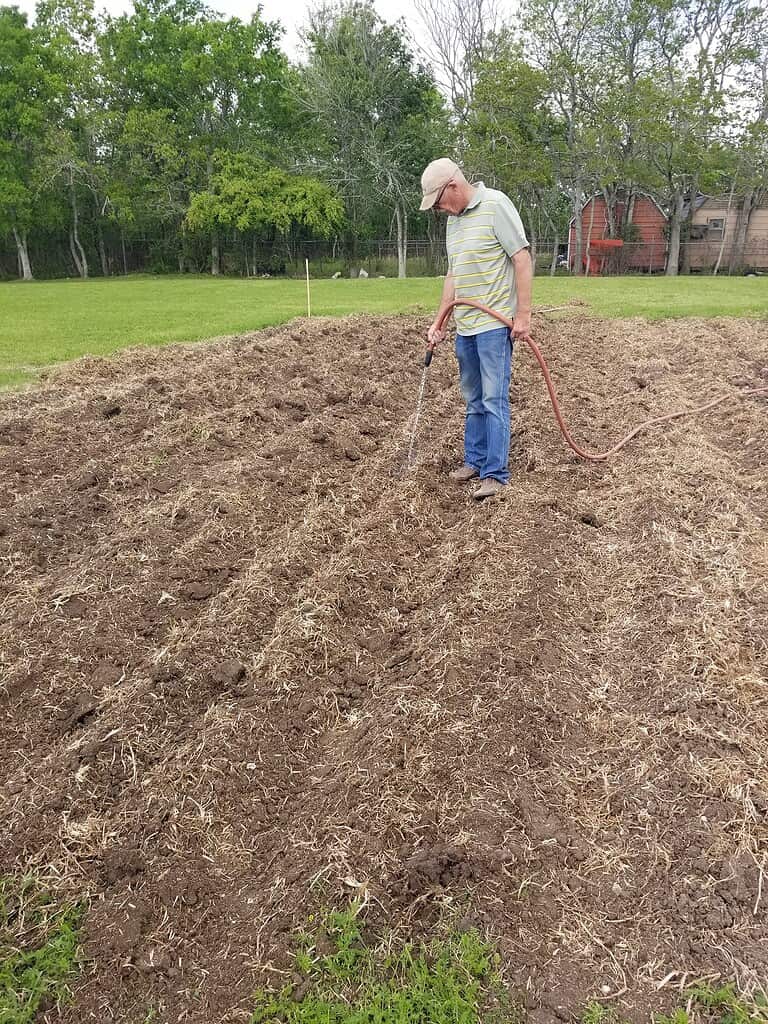
Now that we’ve described the different soil types, you might be wondering: “So, what do I have in my backyard?” Determining your soil type is actually pretty easy to do yourself.
Here are a couple of DIY methods to try:
The Squeeze (or Ribbon) Test
This is a quick way to gauge your soil texture by feel. Pick up a handful of moist (but not soaking wet) soil from your garden and give it a firm squeeze in your fist.
When you open your hand, does the soil hold its shape as a clod and not fall apart? If yes, try gently poking it with a finger – if it stays in a clump and you can even roll it into a “snake” or ribbon, you have a lot of clay in your soil. A pure clay soil can be rolled into a long ribbon that holds together.
Does the soil clump at first but then crumble easily when you poke it or move it? That likely means you have a loamy or silty soil (a good mix of particle sizes). It’s holding its shape just a bit thanks to some clay/silt, but the sand in it makes it break apart readily.
Does it refuse to hold any shape at all and fall through your fingers like, well, sand? Then you probably have sandy soil with very little clay or silt to bind it.
This test isn’t exact, but it’s a fast, hands-on way to get a general idea. Clay soils feel sticky and can form ribbons, sandy soils feel gritty and won’t hold shape, and loam/silt soils feel somewhere in between, slightly silky and will form a weak ball that crumbles.
The Jar Test (Soil Sediment Test)
If you want to see roughly what percentage of sand, silt, and clay you have, try this classic mason jar experiment. It takes a couple days but it’s simple:
1. Fill a clear jar about 2/3 with water, then put in soil until the jar is nearly full. (Remove any large stones or debris from the soil first.) You can add a teaspoon of dish detergent too, which helps the particles separate.
2. Shake the jar hard for a minute or two, until the soil is all mixed with the water. Then set it down and don’t disturb it.
3. Over the next 24-48 hours, the particles will settle into layers. Heaviest (sand) falls to the bottom first, silt settles next, and clay stays suspended longest and forms the top layer. You’ll also see organic matter floating on top of the water.
4. Once it’s settled, you can measure the total height of the soil in the bottom, and the height of each layer, to calculate the percentage of each.
For example, if you have 2 inches of sand, 1 inch of silt, and 1 inch of clay in a 4-inch total sample, that’s roughly 50% sand, 25% silt, 25% clay – a nice loam.
Compare your result to a soil texture triangle chart, or just use the rule that ~40-40-20 is ideal loam.
This jar test is a fun visual and will confirm your squeeze test guess. If your water is still cloudy after a couple days, that’s the fine clay that hasn’t settled yet – a clue that you have a good amount of clay.
Other methods

You can also get your soil tested by your local agricultural extension office or use the USDA Web Soil Survey online to look up your area’s soil type.
Those methods can give detailed information (and a lab test will also tell you about nutrients and pH). But for a home gardener, the simple tests above are usually enough to understand your soil texture.
With your soil type identified, you’re empowered to work with it rather than against it. Remember, no soil type is hopeless!
Sandy soil can be amended to hold water, clay can be loosened for better drainage – it’s all about knowing what you have and improving it over time.
If you're unsure where to start, using one of these must-have soil test kits can make identifying your soil much easier.
Time to Get Your Hands Dirty!
Now you know how each type behaves and how it affects your plants. The key takeaway is that soil can always be improved.
By adding organic matter and following the tips for your soil type, you’ll inch closer to that rich, loamy soil that plants love.
So don’t be discouraged if you discover you have gritty sand or sticky clay; think of it as a starting point for building your ultimate homestead soil.
Get out there and try the soil tests above to identify what you’re working with. Then, take action: add some compost (If you’ve never composted before, read how to compost for beginners), mulch your beds, or maybe plan a cover crop – your plants will thank you.
Gardening is all about understanding and cooperating with nature, and you’ve just unlocked one big part of that: the ground under your feet!
What kind of soil do you have in your garden, and what challenges or successes have you had with it?
Let us know in the comments below! We’d love to hear your experiences or any questions you have.
FAQs
1. Can I change my soil type from clay or sand to loam?
You can’t completely change your soil’s natural texture without replacing it, but you can improve it over time. The best way is by adding organic matter like compost, manure, or leaf mold each season.
Organic matter helps sandy soil hold water and nutrients, while it helps clay soil drain better and become easier to work with. Over time, this makes soil behave more like loam.
Raised beds are another option if you want to create an ideal soil mix more quickly.
2. Which soil type is best for a vegetable garden?
Loam is generally the best soil for vegetables because it balances drainage, moisture retention, and nutrients.
That said, vegetables can grow in almost any soil if you adapt your approach. Sandy soil needs more watering and compost. Clay soil benefits from raised beds and organic matter. Silty soil usually grows plants well as long as it doesn’t get compacted.
Sunlight, nutrients, and consistent care matter just as much as soil type.
3. Is it a good idea to add sand to clay soil to improve drainage?
Usually, no. Adding small amounts of sand to clay can actually make the soil harder and more compact.
A better solution is adding compost or other organic matter, which improves soil structure and drainage naturally. Sand only works if added in very large amounts, which is rarely practical for home gardens.
4. How does soil type affect watering and fertilizing?
Soil type determines how long water and nutrients stay available to plants.
Sandy soil drains quickly, so plants need more frequent watering and fertilizing. Clay soil holds moisture longer, so watering is less frequent, but drainage must be monitored. Loam and silt fall somewhere in between.
Mulch helps all soil types retain moisture and nutrients.
5. My garden soil is full of rocks. What can I do?
Rocky soil isn’t a separate soil type, but it can make gardening harder. Removing larger rocks improves planting conditions.
Raised beds are often the easiest solution because they allow you to control the soil. You can also add compost in planting areas to improve the soil between rocks.
Many drought-tolerant or shallow-rooted plants grow well in rocky soil because of its natural drainage.