
Spring flowers are the first sign that the growing season is here. They bring color, fragrance, and energy back into your garden after a long winter.
Whether you're looking for reliable bulbs that return every year or shrubs that light up your landscape, choosing the right plants can make all the difference.
In this article, you'll find 20 standout spring flowers – each with a quick description, bloom colors, growing tips, and USDA zone info.
From easy-care classics to early bloomers and pollinator favorites, this list will help you plan a beautiful and successful spring garden.
The Benefits of Planting Spring Flowers
Planting spring flowers offers more than just a pretty view. These plants play an important role in your garden’s overall health and bring several practical benefits:
Early Color and Interest
Spring flowers are often the first to bloom after winter.
They add instant color and energy to your yard while most other plants are still dormant. Even small flower groupings can brighten up garden beds, walkways, or containers.
Support for Pollinators
Many spring flowers attract bees, butterflies, and other beneficial insects that are active early in the season.
By including plants like crocus, hyacinth, and bluebells, you help support pollinators at a time when few food sources are available.
Extended Bloom Season
Starting your garden with early and mid-spring bloomers ensures you don’t miss out on the first part of the growing season.
You can also plan your plantings to have flowers from March through May by mixing bloom times.
Low-Maintenance Options
Many spring bulbs and perennials are reliable, long-lived, and easy to grow.
Once established, flowers like daffodils and snowdrops return year after year with little effort. Some even naturalize and multiply over time.
Learn more about gorgeous long-blooming perennials that will keep your garden vibrant year after year.
Garden Structure and Planning
Shrubs like forsythia and magnolia offer both flowers and shape to your garden.
By planting these in spring, you add long-term structure that supports your garden’s layout, helps with screening, or creates seasonal focal points.
Read related post: 15 Lush Green Flowers to Create a Peaceful, Nature-Rich Garden
20 Dazzling Spring Flowers to Make Your Garden Bloom Beautifully
Adding the right flowers in spring can set the tone for your entire garden season.
Whether you’re working with containers, flower beds, or a backyard landscape, these spring bloomers bring lasting color and interest.
Each flower listed below includes important details like growing tips, USDA zones, and unique features to help you decide what fits your space best.
1. Daffodil (Narcissus spp.)
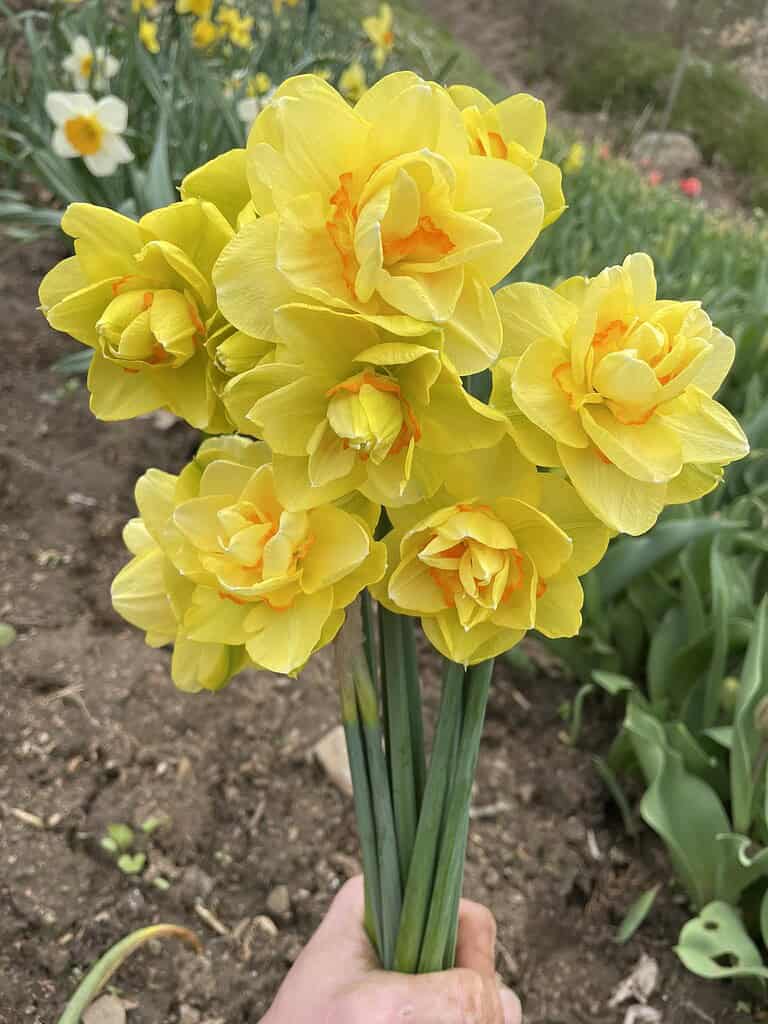
Daffodils are one of the most recognizable spring flowers, known for their cheerful appearance and reliable growth.
They feature a central cup (corona) surrounded by six flat petals. These perennials bloom early and multiply over time, making them ideal for naturalizing in beds and borders.
- Colors: Yellow, white, orange, pink, and bicolor
- Growing Tips: Plant bulbs in the fall, in sun to part shade. They prefer well-drained soil and are deer resistant.
- USDA Zones: 4–8
- Note: Toxic to both humans and pets
2. Tulip (Tulipa spp.)
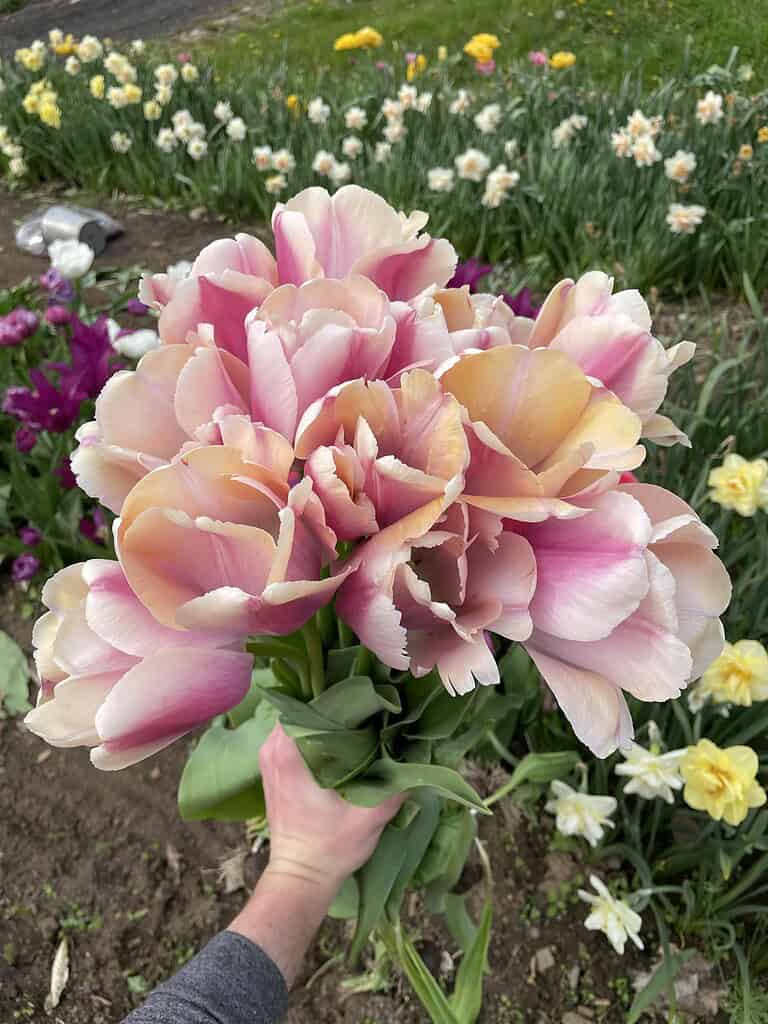
Tulips bring vibrant, uniform color and clean shapes to spring gardens. With thousands of cultivars, they offer a wide range of bloom forms and patterns.
They do best in formal plantings, raised beds, or containers where drainage is reliable.
- Colors: Nearly every color except true blue; solids and stripes
- Growing Tips: Plant in fall in full sun. Use well-drained soil and consider lifting bulbs in warmer climates.
- USDA Zones: 3–8
- Note: Toxic to humans and pets
3. Hyacinth (Hyacinthus orientalis)
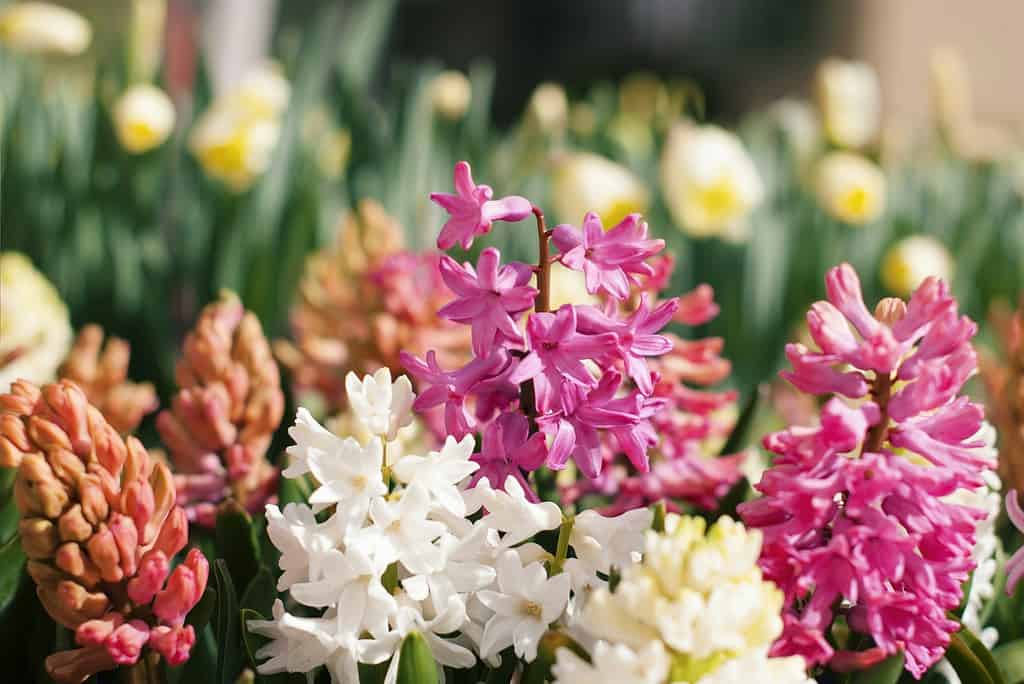
Hyacinths are small but bold flowers that make a big impression with their sweet fragrance.
The tightly packed, star-shaped blooms grow along a short stem and are excellent for walkways or near entrances where their scent can be enjoyed.
- Colors: Pink, purple, blue, and white
- Growing Tips: Plant bulbs in fall, in full to part sun. Good drainage is essential. These are low-maintenance and also deter deer.
- USDA Zones: 4–8
- Bonus: Attracts bees and butterflies
4. Crocus (Crocus vernus and related species)
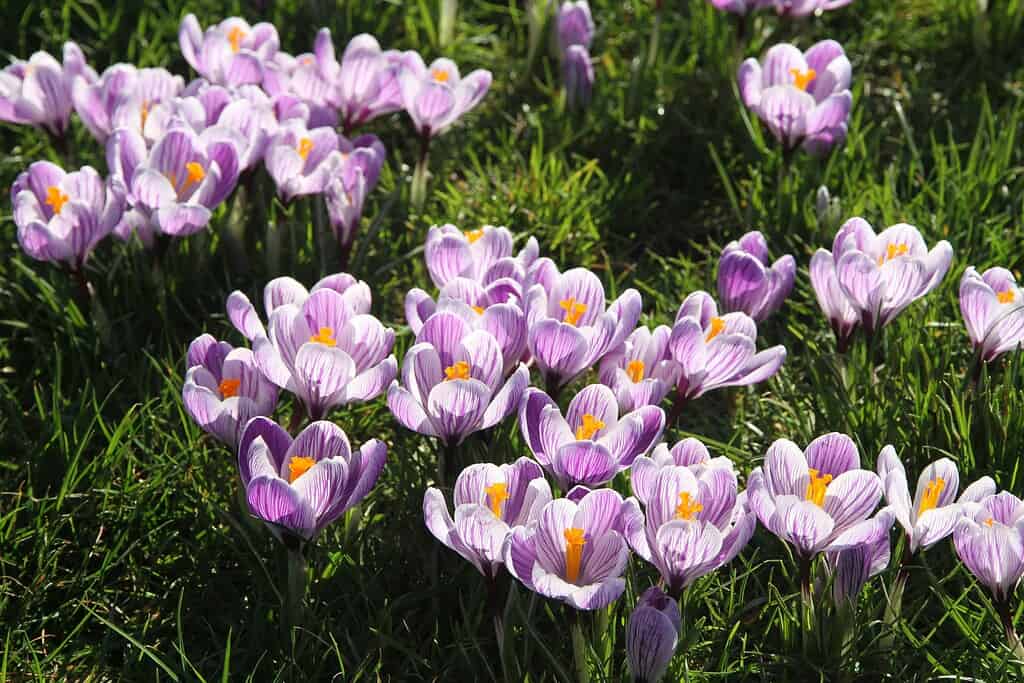
Crocuses are among the earliest flowers to bloom – sometimes through patches of snow.
These low-growing, cup-shaped blooms are perfect for lawns, rock gardens, and pathways where early spring interest is needed.
- Colors: Purple, yellow, white, pink, blue, gold, and orange
- Growing Tips: Plant corms in fall in sunny spots with loose, well-drained soil.
- USDA Zones: 3–8
- Bonus: Great for pollinators and naturalizing
5. Hellebore (Helleborus orientalis)
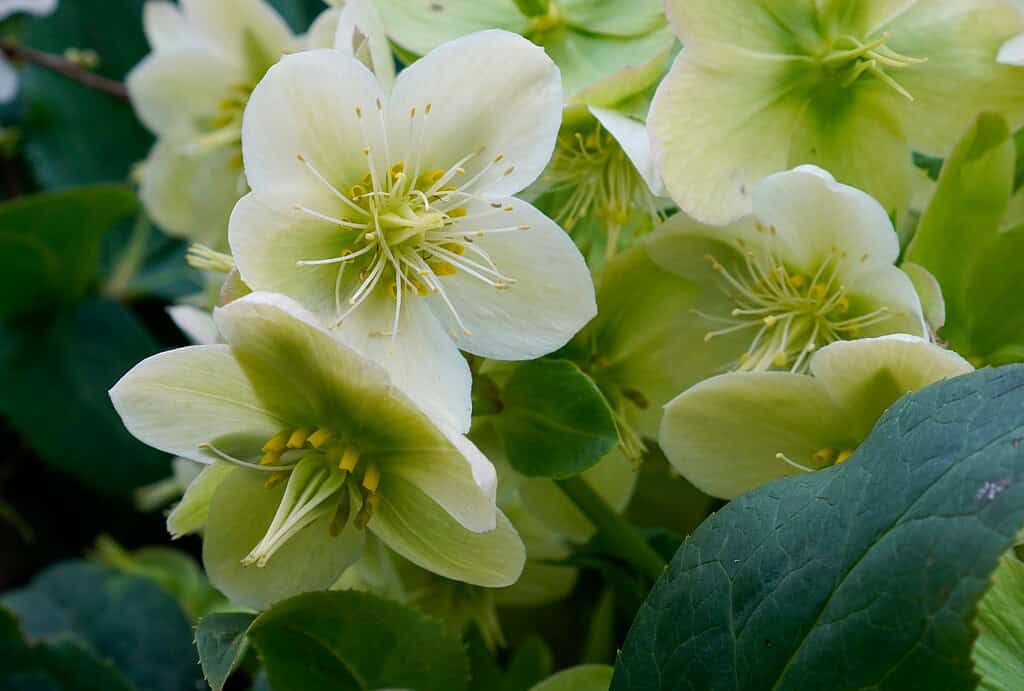
Hellebores, also known as Lenten roses, bloom in very early spring – sometimes while snow is still on the ground.
Their downward-facing flowers are long-lasting, and the plant thrives in shade, making it a great option for under trees or along the north side of buildings.
- Colors: White, pink, lavender, purple, yellow, green, maroon
- Growing Tips: Prefers moist, well-drained soil in partial to full shade.
- USDA Zones: 4–9
- Bonus: Blooms last several weeks; low maintenance once established
Read related post: 15 Enchanting Purple Flowers That Create a Magical Garden Feel
6. Iris (Iris spp. / Iris germanica)
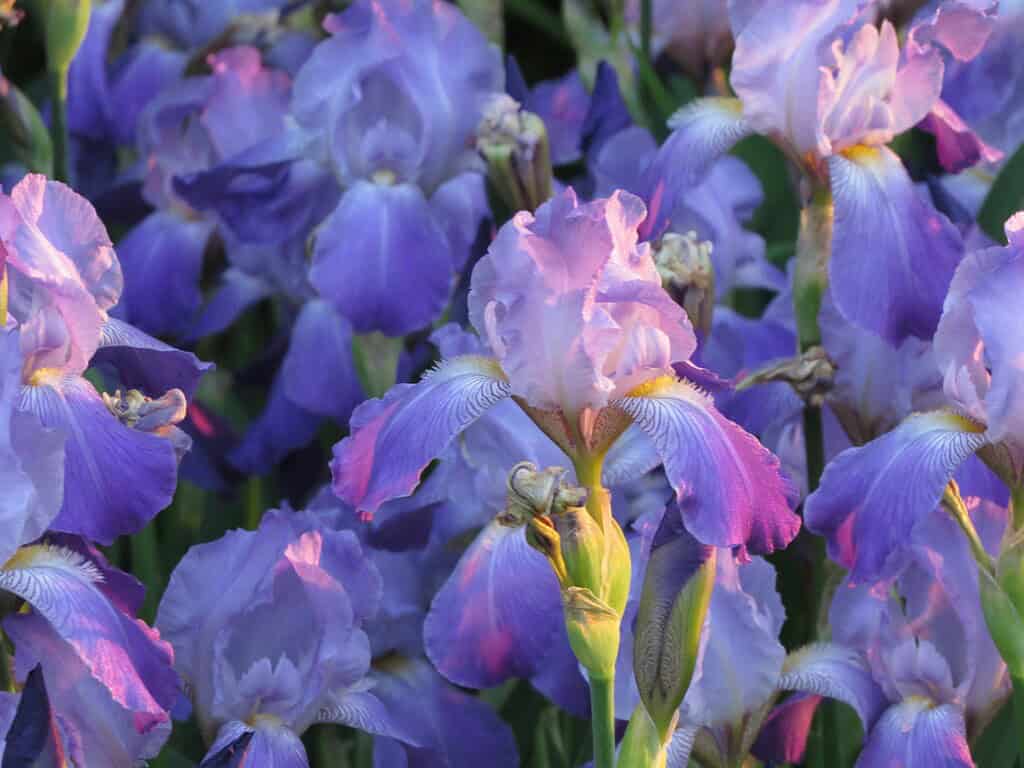
Irises are elegant, upright plants with tall, sword-like leaves and showy blooms that add height and texture to spring gardens.
Their unique flower structure includes three upright petals (standards) and three drooping sepals (falls), often marked with intricate patterns.
- Colors: All colors, including blue, yellow, purple, white, and multicolor
- Growing Tips: Plant rhizomes shallowly in well-drained soil with full sun exposure. Space well for air circulation to avoid rot.
- USDA Zones: 3–8
- Bonus: Most varieties are deer resistant
7. Lily of the Valley (Convallaria majalis)
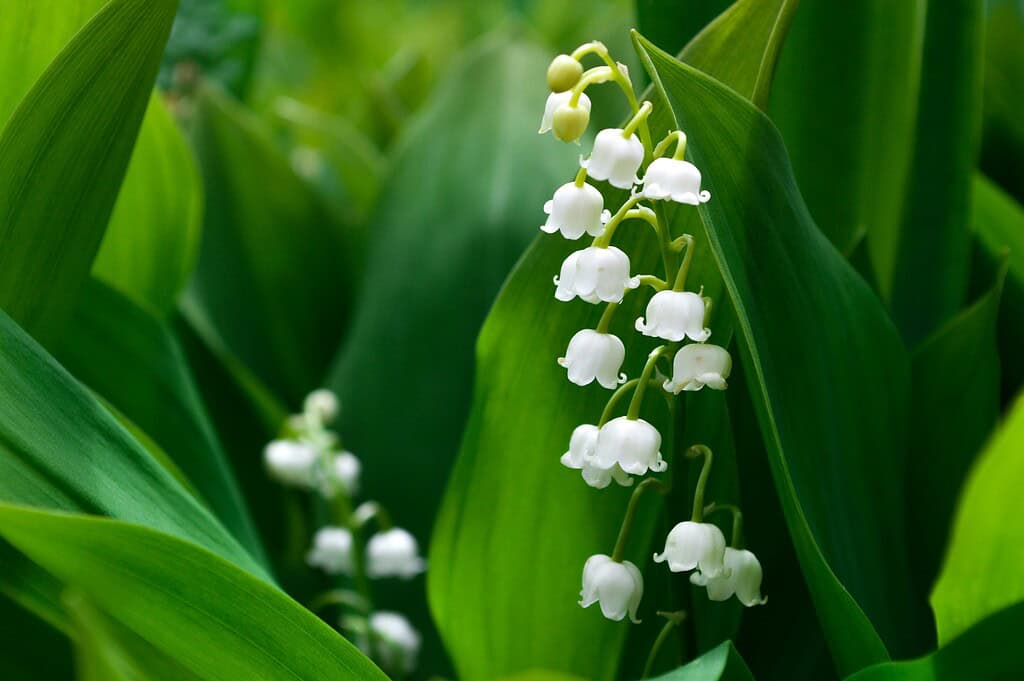
This low-growing, shade-loving plant produces small, bell-shaped white flowers that give off a strong, sweet scent.
It spreads quickly by rhizomes, forming a dense ground cover in cool, shady areas.
- Colors: Mostly white; pink varieties also exist
- Growing Tips: Prefers moist, well-drained soil in partial to full shade. Spreads aggressively if not contained.
- USDA Zones: 3–8
- Note: Highly toxic to humans and pets
8. Pansy (Viola x wittrockiana)

Pansies are one of the most versatile and colorful flowers for early spring. These compact plants are well-suited for containers, borders, and mass plantings.
They thrive in cooler temperatures and can bloom well into late spring.
- Colors: Nearly every color from white to deep purple, often with “faces”
- Growing Tips: Grow in full sun to part shade with moist, well-drained soil. Deadhead regularly to extend bloom.
- USDA Zones: 7–11 (grown as annual in colder zones)
9. Snowdrop (Galanthus nivalis)

Snowdrops are among the earliest spring flowers to appear, often pushing through the last bits of snow.
Their delicate, nodding white flowers with green tips make a gentle but striking addition to woodland gardens or under deciduous trees.
- Colors: White with green markings
- Growing Tips: Plant in fall in groups or drifts for visual impact. Prefers moist, well-drained soil and partial shade.
- USDA Zones: 3–7
- Bonus: Naturalizes easily and returns reliably
If you want to keep your snowdrops healthy and blooming year after year, check out how to grow and care for snowdrop flowers.
10. Winter Aconite (Eranthis hyemalis)
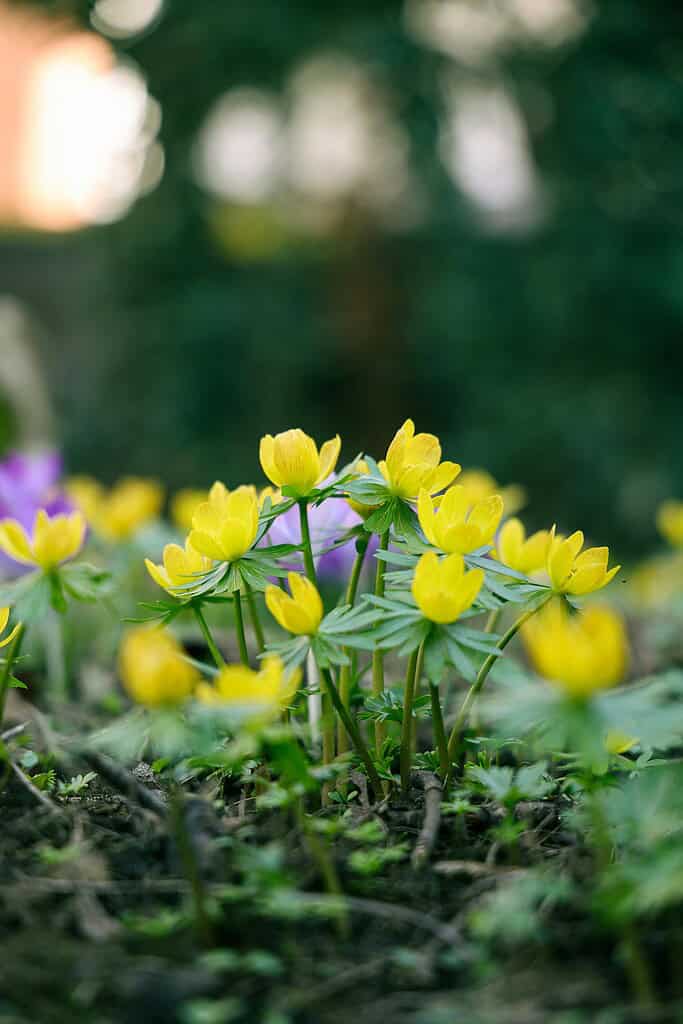
Winter aconite is a low-growing plant that bursts into bloom just as the snow melts. It produces bright yellow, buttercup-like flowers and is ideal for the front of borders or woodland areas.
- Colors: Yellow
- Growing Tips: Plant tubers in fall in partial sun to light shade. Prefers moist, humus-rich soil.
- USDA Zones: 3–7
- Note: Toxic if ingested
Read related post: 15 Dreamy White Flowers That Create a Serene Garden Look
11. Virginia Bluebell (Mertensia virginica)
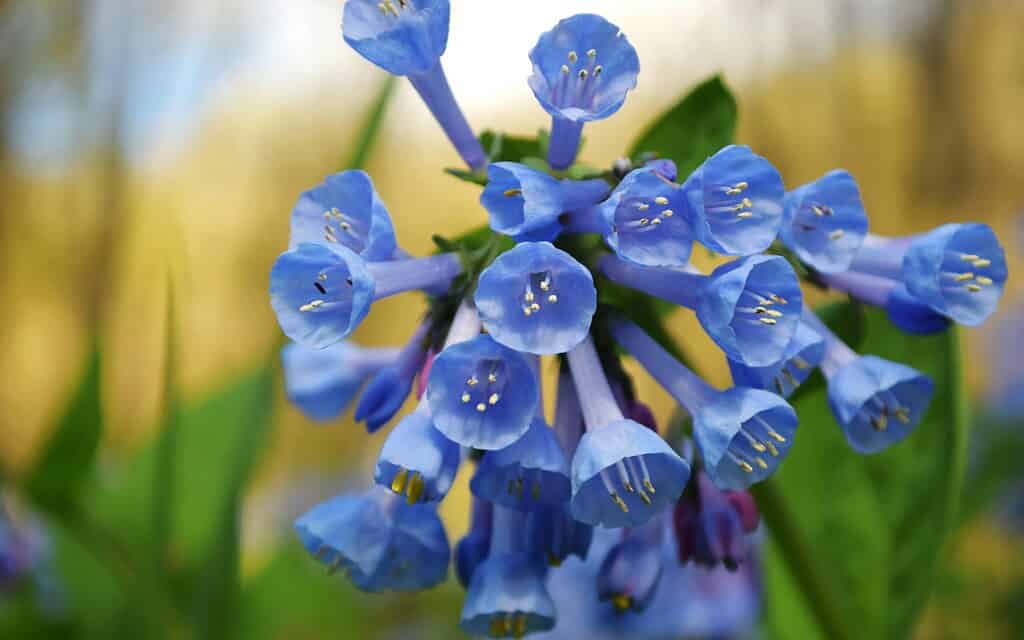
Virginia bluebells are woodland perennials that start with pink buds and open into striking blue, bell-shaped flowers.
They bloom in mid to late spring and are best planted in naturalized settings alongside other spring bloomers.
- Colors: Buds are pink; flowers turn blue
- Growing Tips: Prefers moist, well-drained soil and part to full shade. Foliage fades in summer, so pair with later-season plants.
- USDA Zones: 3–8
- Bonus: Attracts bees and butterflies
12. Columbine (Aquilegia spp.)
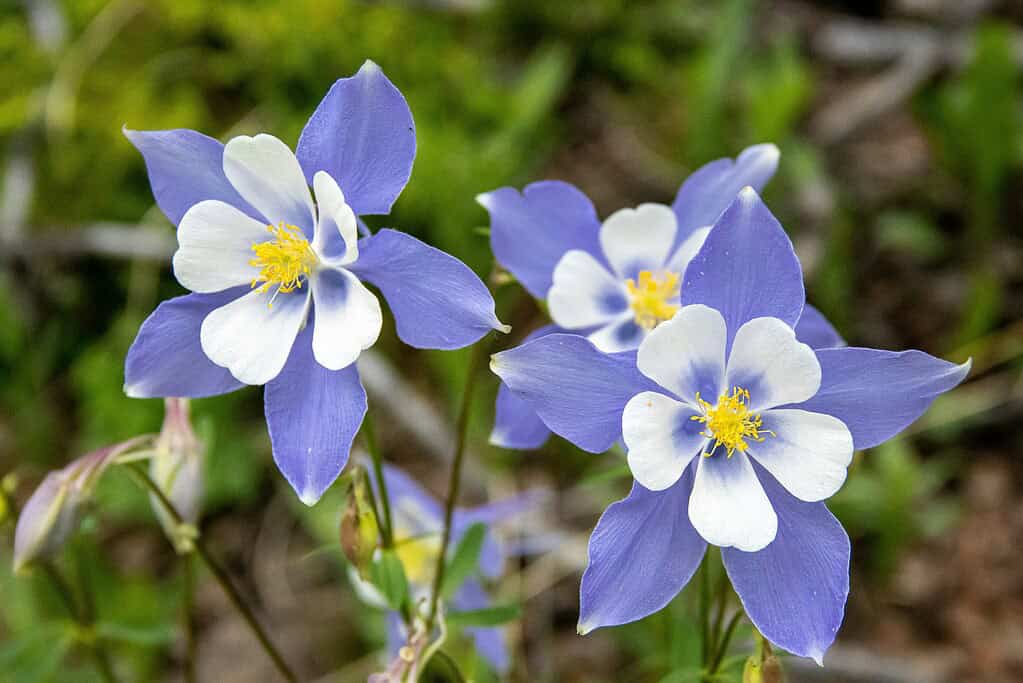
Columbine adds a unique look to spring gardens with its delicate foliage and unusual, spurred flowers.
It's a short-lived perennial that reseeds easily, making it a good fit for cottage gardens or informal borders.
- Colors: Red, yellow, blue, purple, pink, white, and bicolor
- Growing Tips: Plant in full sun to part shade. Sow in fall for spring blooms the following year.
- USDA Zones: 3–9
- Bonus: Attracts hummingbirds and native bees
13. Dutchman's Breeches (Dicentra cucullaria)
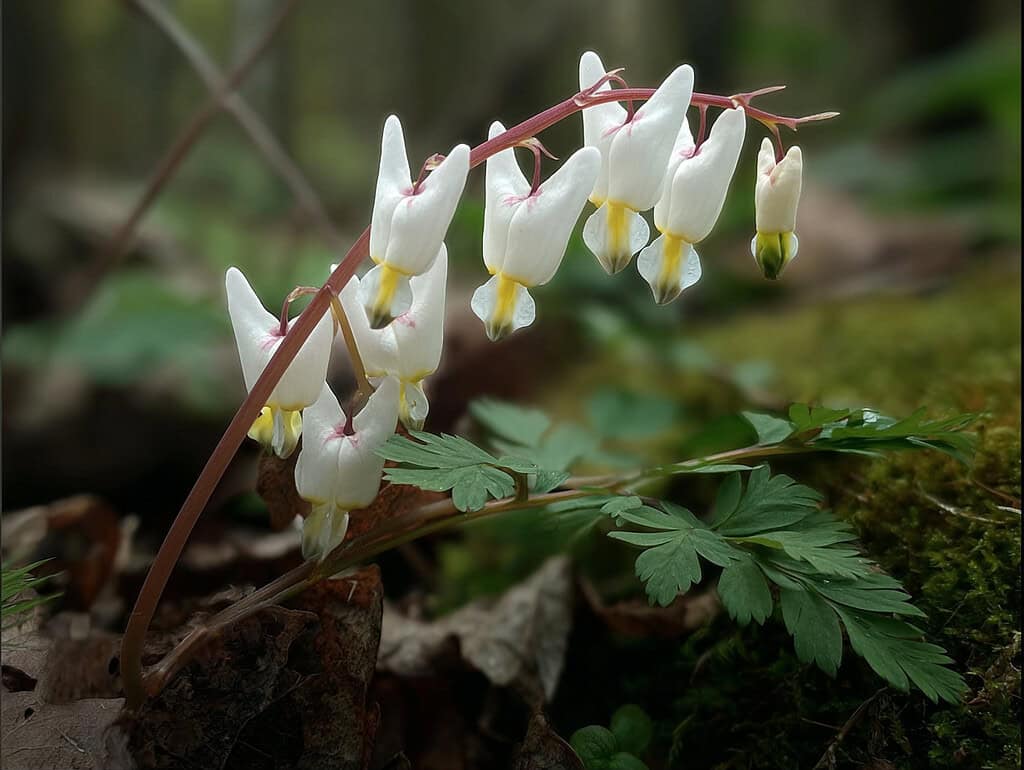
This native woodland plant features white, pants-shaped flowers that dangle from arched stems. It’s related to bleeding heart and thrives in shady, undisturbed garden areas.
- Colors: White to pale pink
- Growing Tips: Best in rich, well-drained soil in part to full shade. Dies back in early summer.
- USDA Zones: 3–7
- Note: Toxic to humans if ingested
14. Sweet Alyssum (Lobularia maritima)

Sweet alyssum is a low-growing, fast-spreading flower with a honey-like fragrance.
It’s ideal for edging, containers, or filling gaps between taller plants and performs well in both cool and warm spring weather.
- Colors: White, pink, and purple
- Growing Tips: Prefers full sun to partial shade and well-drained soil. May reseed in mild climates.
- USDA Zones: 5–9 (commonly grown as annual)
- Bonus: Attracts beneficial insects and pollinators
15. Forsythia (Forsythia × intermedia)
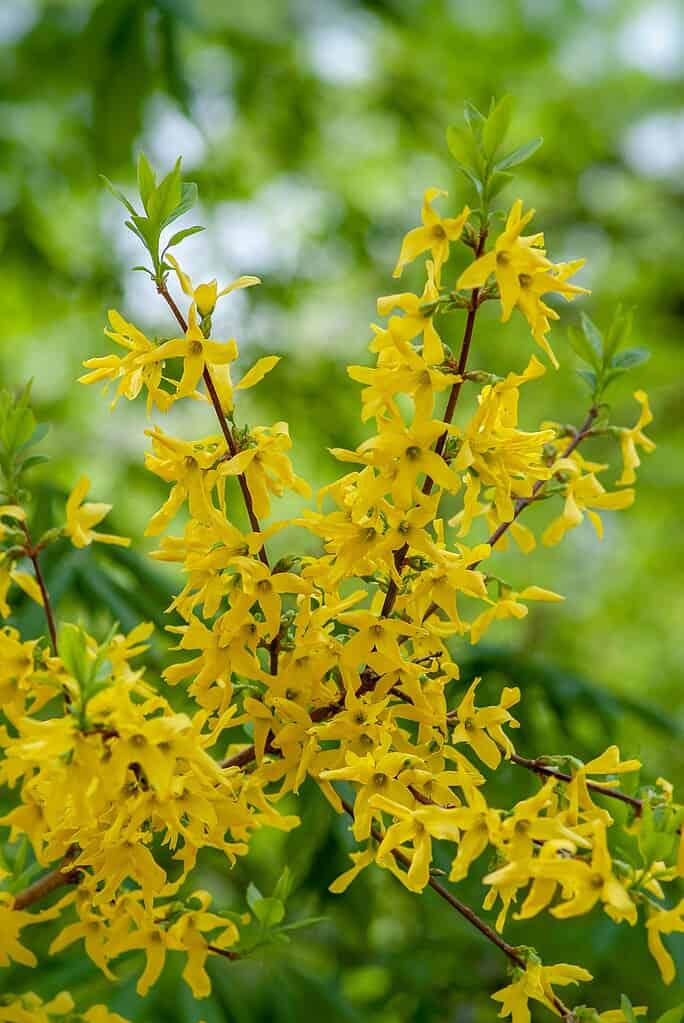
Forsythia is one of the first shrubs to bloom in spring, with bright yellow flowers appearing before the leaves.
Its arching branches create a fountain-like form that works well in hedges or as a standalone specimen.
- Colors: Yellow
- Growing Tips: Plant in full sun or light shade. Tolerates a wide range of soils and grows quickly.
- USDA Zones: 3–8
- Bonus: Low-maintenance and deer resistant
Read related post: 15 Jaw-Dropping Red Flowers You’ll Fall in Love With
16. Azalea (Rhododendron spp.)
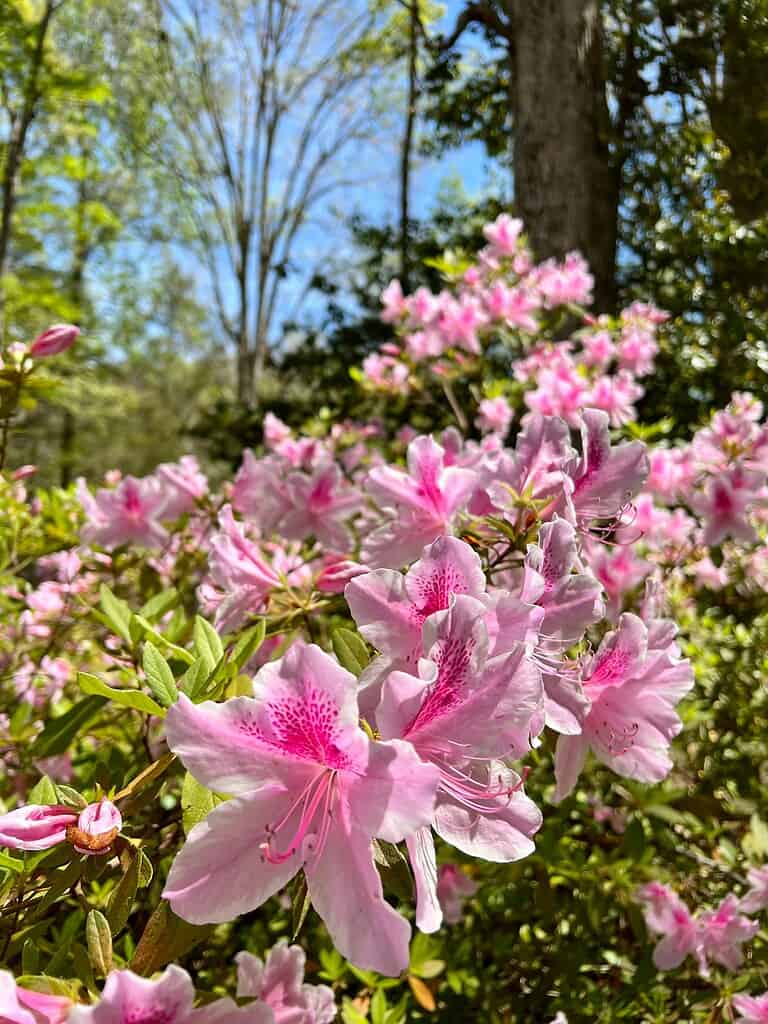
Azaleas are shade-tolerant shrubs that bloom in late spring with large clusters of showy flowers. They're excellent for foundation plantings, woodland edges, or mass plantings.
- Colors: White, pink, red, lavender, salmon
- Growing Tips: Plant in well-drained, acidic soil with morning sun or dappled shade. Keep soil consistently moist.
- USDA Zones: 5–9
- Note: All parts are toxic to humans and pets
17. Lilac (Syringa vulgaris)
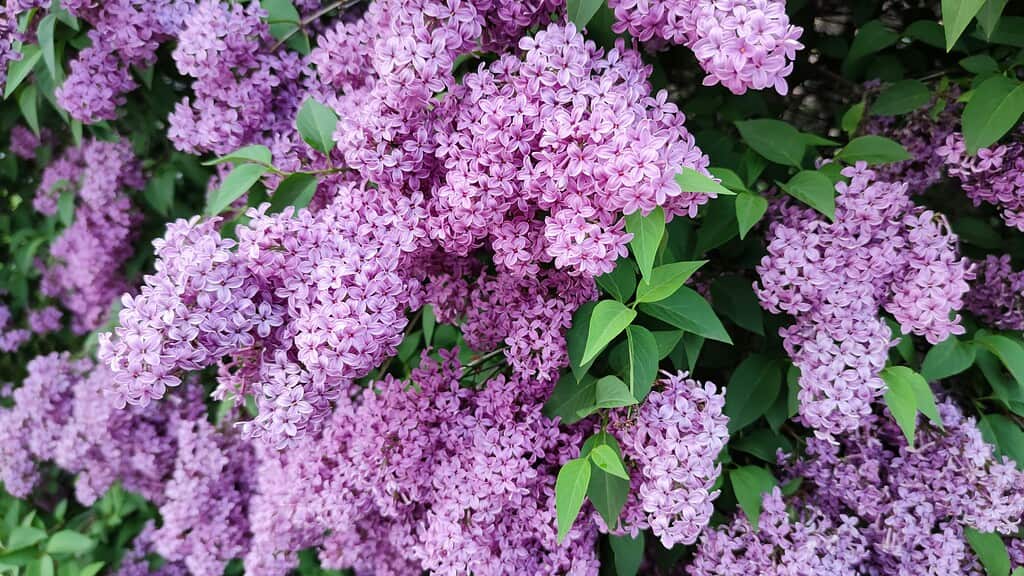
Lilacs are hardy, fragrant shrubs or small trees that bloom in mid to late spring. Their large flower clusters make them ideal for hedges, borders, or cutting gardens.
- Colors: Purple, pink, white, bicolor, yellow
- Growing Tips: Needs full sun and rich, well-draining soil. Best planted in fall. Prune after flowering to maintain shape.
- USDA Zones: 3–7
- Bonus: Long-lived and attracts pollinators
18. Magnolia (Magnolia spp.)
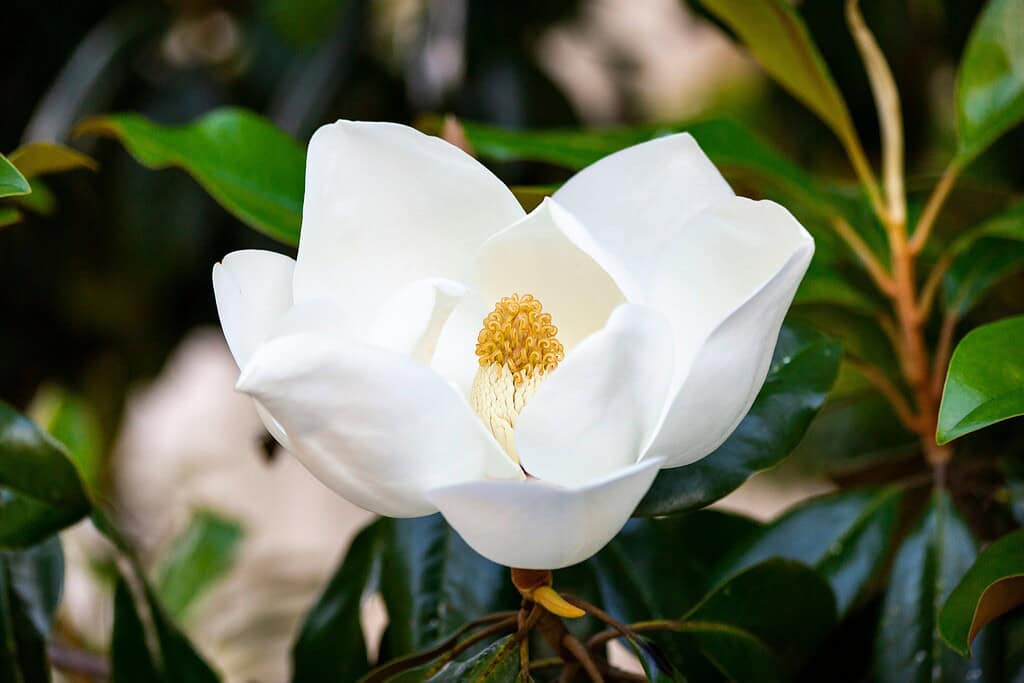
Magnolias produce large, fragrant flowers on deciduous or evergreen trees. Their dramatic blooms make them standout focal points in spring landscapes.
- Colors: White, pink, purple, yellow
- Growing Tips: Choose a sunny location with plenty of space. Most bloom before leaves emerge. Moist, well-drained soil is essential.
- USDA Zones: 4–9 (varies by species)
- Bonus: Excellent for structure and seasonal interest
19. Flowering Quince (Chaenomeles speciosa)
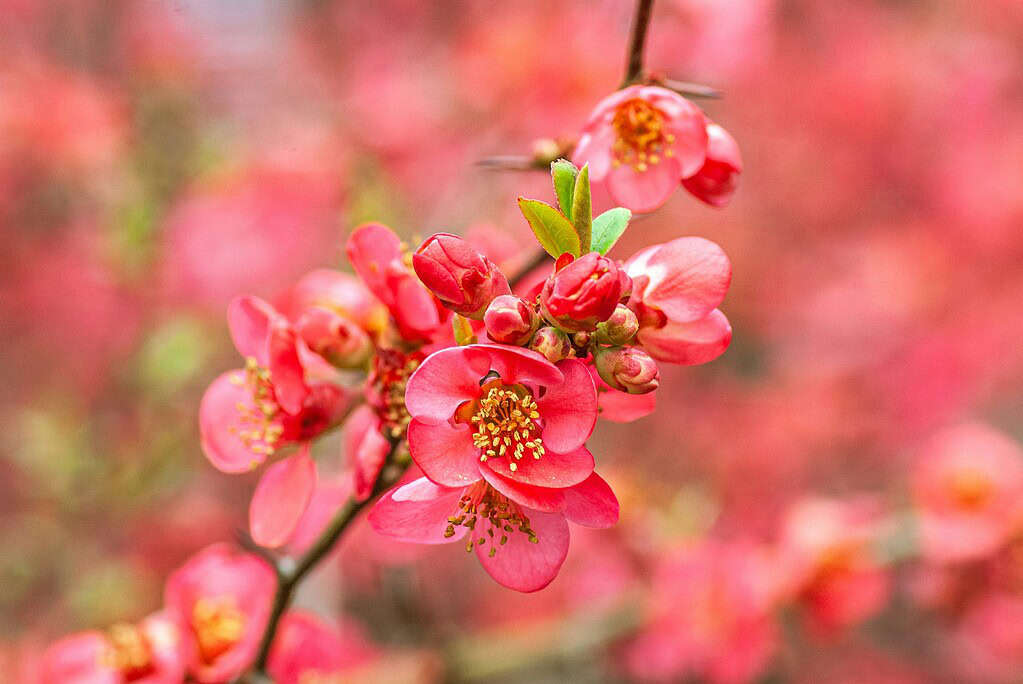
This multi-stemmed shrub offers a short burst of vibrant color in early to mid-spring. Flowers may appear before or alongside emerging leaves.
- Colors: Red, orange, white, pink
- Growing Tips: Full sun is best. Adapts to various soils. Look for newer cultivars with extended bloom time.
- USDA Zones: 4–8
- Bonus: Produces small fruits that can be used in preserves
20. Primrose (Primula vulgaris)
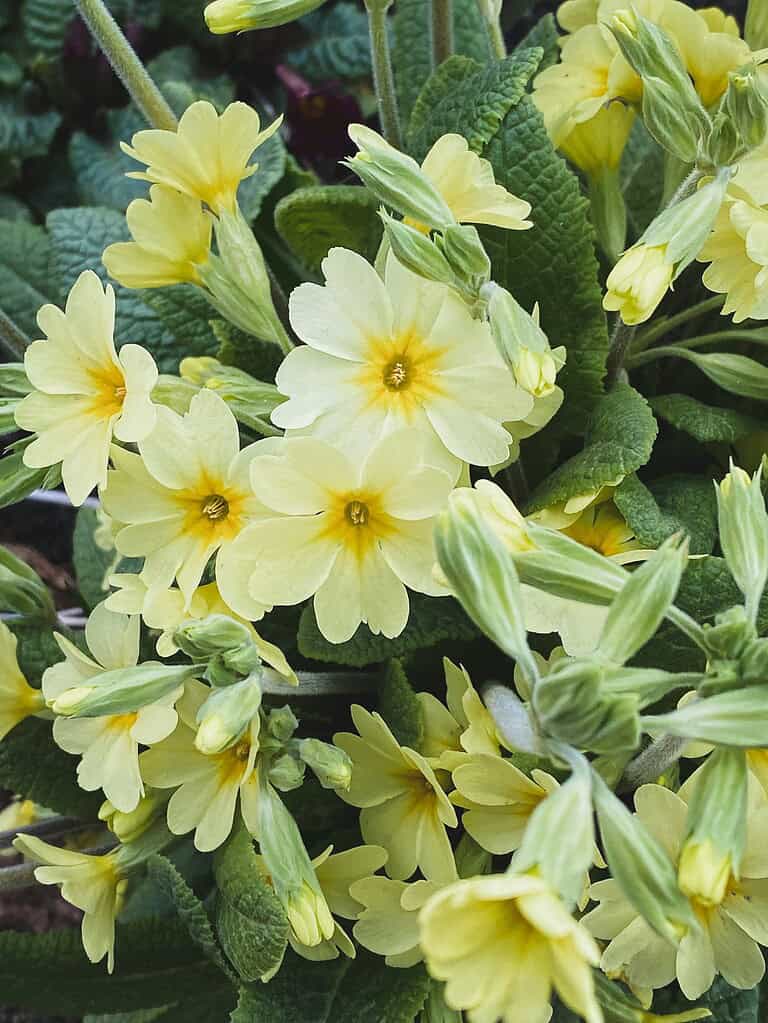
Primroses are cheerful, early-blooming perennials that brighten shady garden spots with their colorful, delicate flowers.
They’re perfect for borders, containers, or naturalized areas under trees and shrubs.
- Colors: Yellow, pink, red, purple, white
- Growing Tips: Plant in moist, well-drained soil with partial to full shade. Mulch to retain moisture and protect roots during early spring frosts. They benefit from deadheading to encourage more blooms.
- USDA Zones: 3–8
- Bonus: Attracts early pollinators and naturalizes over time, forming lovely clusters of color in woodland or shaded garden areas.
Read related post: 12 Breathtaking Blue Flowers That Make Any Garden Look Extraordinary
How to Choose the Right Spring Flowers for Your Garden
Choosing the right spring flowers depends on a few key factors that impact how well your plants perform and how your garden looks through the season.
Taking the time to match flowers with your space and conditions will lead to better growth, fewer problems, and a more cohesive garden design.
Know Your USDA Hardiness Zone
Each plant has a range of zones where it can survive year-round.
Choosing flowers suited to your USDA zone ensures they’ll return each year if they’re perennials or bulbs. For example, daffodils do well in zones 4 to 8, while azaleas thrive best in zones 5 to 9.
Sunlight Requirements
Most spring flowers prefer full sun, but others need shade or part shade. Assess how much sun each part of your garden gets – full sun means at least six hours a day.
Shade-tolerant flowers like hellebores, lily of the valley, and columbine are ideal for areas under trees or along the north side of your home.
Consider Soil Type and Drainage
Soil that holds too much water can cause bulbs and roots to rot. Flowers like tulips and crocus need well-drained soil to survive, while others, like Virginia bluebells, prefer moist, rich soil.
You can improve drainage by amending with compost (if you want a simple, effective approach, try the Berkeley method of composting) or by planting in raised beds.
Bloom Timing and Layering
Not all spring flowers bloom at the same time. Snowdrops and winter aconite bloom very early, while columbine and lilacs flower later in the season.
Mixing early, mid, and late spring bloomers will keep your garden looking fresh for several months.
Maintenance Level
Some flowers come back every year with little care, while others need replanting or regular dividing. Daffodils and hyacinths are low-maintenance and long-lasting.
Others, like pansies and tulips, may be grown as annuals depending on your climate.
Wildlife and Pet Safety
If you have pets or small children, it’s important to know which flowers are toxic.
Many spring plants (like lily of the valley, daffodils, and azaleas) are poisonous if ingested. Always check toxicity if safety is a concern.
Top Planting Tips for Jaw-Dropping Spring Flowers
Proper planting is essential for getting the most out of your spring flowers.
Whether you're working with bulbs, bare-root perennials, or container-grown shrubs, the right preparation and timing will help your plants establish quickly and bloom reliably.
When to Plant
- Bulbs like tulips, daffodils, crocus, and hyacinths should be planted in the fall, typically a few weeks before the first hard frost. This gives them time to root before winter.
- Perennials and shrubs such as hellebores, azaleas, and lilacs can be planted in early spring or fall. Spring planting allows you to see where early bloomers are already growing.
- Annuals or short-lived plants like pansies and sweet alyssum can be planted as soon as the soil is workable and danger of frost has passed.
Prepare the Soil
Loosen the soil to at least 6–8 inches deep and remove weeds and rocks. Mix in compost or aged manure to improve drainage and nutrient levels.
Most spring flowers prefer well-drained soil, so avoid planting in low spots that hold water.
Spacing and Depth
Plant at the recommended depth and spacing for each flower type:
- Bulbs are usually planted two to three times as deep as their height.
- Perennials and shrubs should be planted at the same depth they were in their containers or slightly higher if the soil is heavy.
Proper spacing helps prevent overcrowding and reduces the risk of disease.
Watering
After planting, water thoroughly to settle the soil and eliminate air pockets.
Spring flowers generally need regular moisture while establishing roots, especially if the weather is dry. However, avoid overwatering bulbs, which can rot in soggy soil.
Mulching
Apply a thin layer of mulch (about 2–3 inches) around newly planted flowers to retain moisture, suppress weeds, and protect roots from temperature swings.
Keep mulch a few inches away from the plant stems or crowns to prevent rot.
Start Planning a Colorful and Reliable Spring Garden Now
Spring flowers are more than decoration – they set the tone for the rest of the growing season.
With the right mix of bloom times, colors, and plant types, you can create a garden that starts strong and stays beautiful.
Whether you're working with bulbs, perennials, or flowering shrubs, the 20 options listed here offer dependable choices for a wide range of spaces and conditions.
Use what you’ve learned to select flowers based on your light, soil, and zone, and remember to stagger bloom times to extend the show.
If you're aiming for low-maintenance, pollinator-friendly, or pet-safe options, you've got plenty to work with.
What are your favorite spring flowers? Or do you have questions about something in your garden?
Comment down below – let’s talk gardening.
FAQs
What spring flowers can tolerate poor or rocky soil?
Flowers like crocus, snowdrops, and sweet alyssum are more forgiving of poor or rocky soil. Adding compost can still help, but these options are good for tough spots.
Can I plant spring bulbs in containers instead of the ground?
Yes. Use pots with drainage holes and plant bulbs at the same depth you would in the ground. Keep containers in a cool, sheltered spot if planting in fall.
How do I prevent squirrels or rodents from digging up bulbs?
You can lay chicken wire over the planting area or cover it with mulch and leaves. Avoid using bone meal, which attracts animals.
Which spring flowers can handle occasional late frosts?
Daffodils, snowdrops, hellebores, and crocus are all frost-tolerant and will bounce back from light freezes.
How do I care for spring flowers after they bloom?
Let the foliage stay until it yellows and dies back naturally. This allows the plant to store energy for next year. Deadhead spent flowers but leave the leaves in place.
Ready To Transform Your Garden?

Are you looking for the best way to layout your garden beds? Maybe you're feeling a bit stuck on how to make the most of your space?
We’ve got you covered! Check out our 101+ Garden Bed Layout Ideas for your next raised bed project. This guide is filled with creative and practical ideas that can help you design a garden that fits your style, whether you’re just starting out or have been gardening for years.
Get your copy today and get inspired to bring your gardening dreams to life.
Planting Guides for This Article
Get exact planting dates, frost schedules, and growing tips for your zone: