
Small flowers might not take up much space, but they offer a lot – color, scent, texture, and support for pollinators.
Whether you're working with limited space or looking to fill in bare spots between larger plants, these compact bloomers can do the job beautifully.
Some thrive in cool weather, others love the sun, and many require very little care once established.
In this article, you’ll find a practical list of the best small flowers to grow, along with tips on how to choose and use them in your garden.
15 Best Small Flowers to Grow in Your Garden
These small flowers are ideal for garden beds, borders, containers, and rock features. Each one offers something unique – whether it’s fragrance, long bloom time, drought resistance, or visual texture.
Here are 15 reliable options to consider, along with what makes each one useful and where they grow best.
1. Baby’s Breath (Gypsophila)
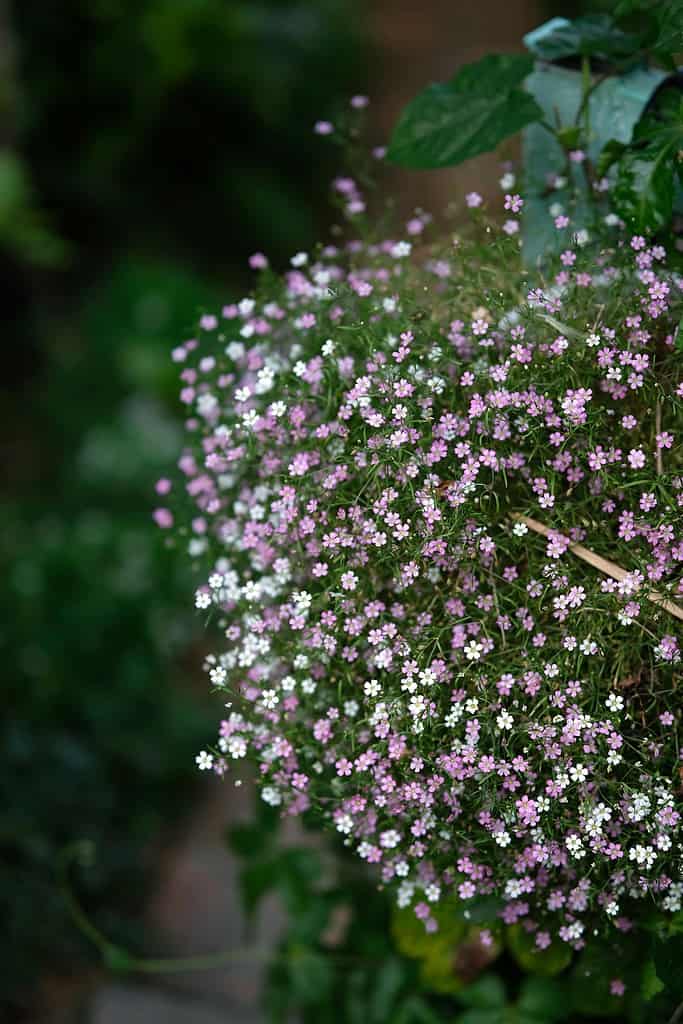
Baby’s breath is a classic garden flower known for its delicate clouds of tiny white blooms.
Although it’s often used in floral arrangements, it also works well in garden beds as a soft backdrop to bolder plants.
(It pairs especially well with vibrant drought-tolerant plants, helping brighter colors stand out without overwhelming the space.)
This perennial thrives in dry, alkaline soils and full sun, making it a good choice for low-maintenance landscapes.
Once established, it’s drought-tolerant and rarely needs attention beyond the occasional trim.
The fine texture of the flowers contrasts nicely with broad-leaved plants or richly colored blooms. It’s particularly effective when used in mass plantings or draped along borders.
- Best for: Full sun, dry soil, background filler
- Bonus: Highlights colorful blooms nearby by adding contrast
2. Sweet Alyssum
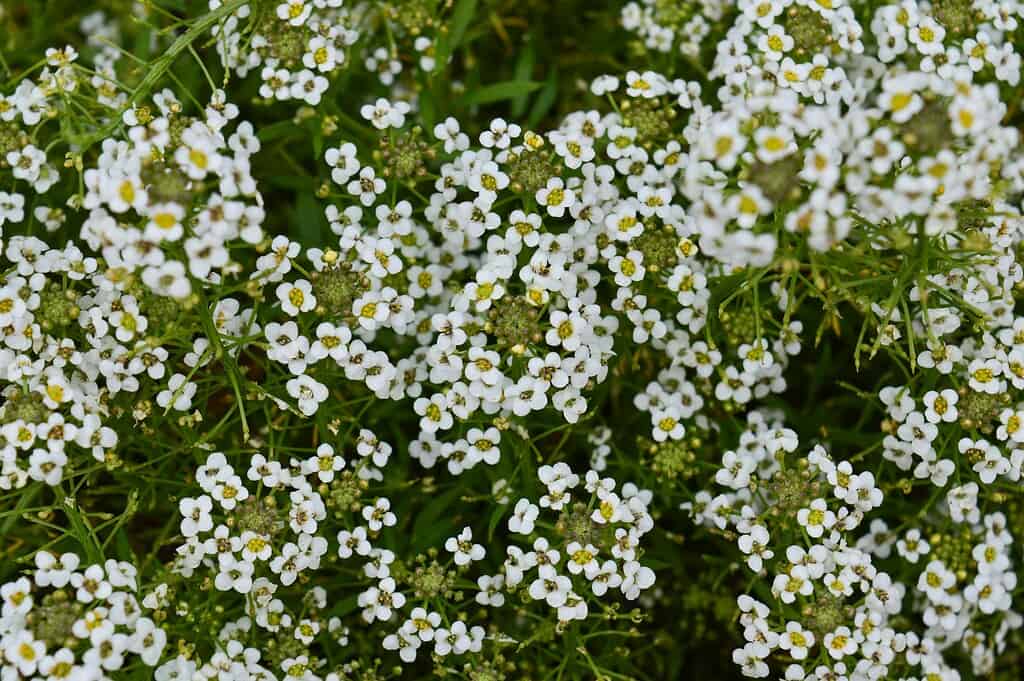
Sweet alyssum is a fragrant, low-growing flower that forms dense mats of tiny blossoms. Blooming in white, pink, or purple, it adds charm and softness to any garden space.
Its sweet, honey-like scent is most noticeable in the morning or evening, especially when planted in large patches.
It prefers the cool temperatures of spring and fall and often re-blooms later in the season if cut back after flowering.
Sweet alyssum is perfect for edging paths, softening stonework, or spilling over container edges. It also draws bees and beneficial insects, making it a useful addition to pollinator gardens.
- Best for: Edging, cool-season color, scent
- Bonus: Attracts pollinators and adds fragrance to small spaces
3. Forget-Me-Not
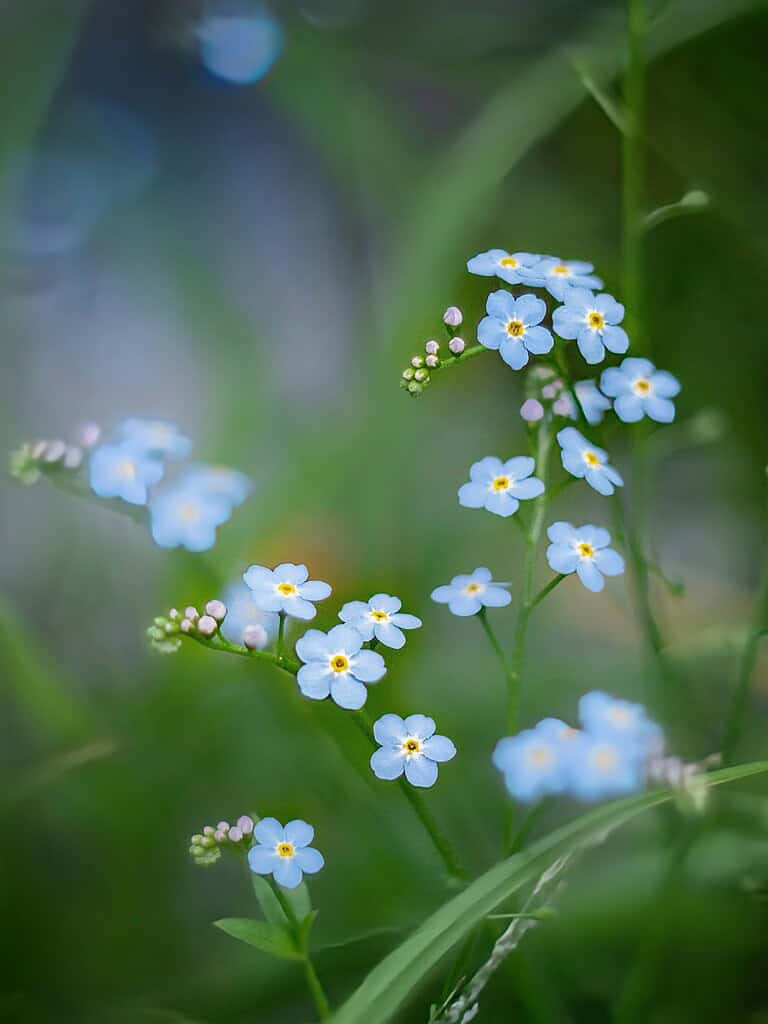
Forget-me-nots are cheerful perennials with bright blue petals and a small yellow center.
These compact plants grow best in partial shade and moist soil, especially in woodland-style gardens or near shaded borders.
They bloom in early to mid-spring, often forming a soft carpet of color when planted in groups. Forget-me-nots self-seed easily, so they return year after year with little effort.
They're also resistant to deer and rabbits, making them ideal for rural or unfenced spaces. Their fine texture and low height make them a strong companion plant for ferns and hostas.
- Best for: Shade gardens, naturalized areas
- Bonus: Deer- and rabbit-resistant
4. Lily of the Valley
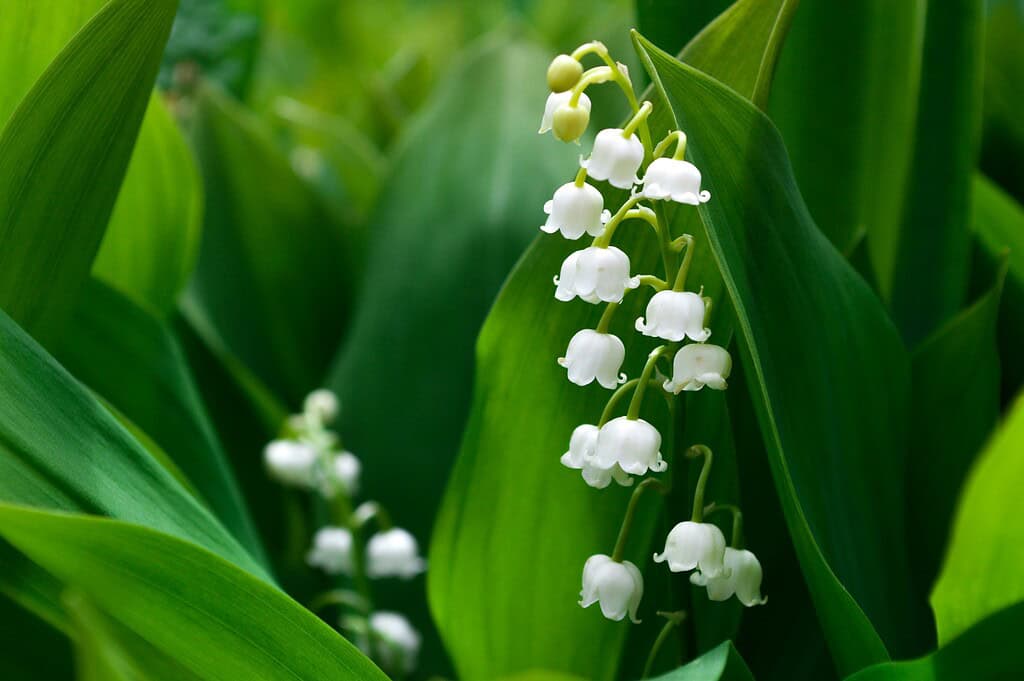
Lily of the valley is a fragrant, shade-loving perennial with small, white, bell-shaped flowers.
It spreads slowly by underground rhizomes, forming a low-growing mat that works well as a ground cover beneath trees or in other shady spots.
The flowers bloom in spring and release a rich, sweet scent that’s noticeable even from a distance.
This plant is very tolerant of deep shade and uneven moisture, making it useful in areas where few others will grow.
However, all parts of the plant are toxic if ingested, so it should be kept away from pets and small children. It’s often used for old-fashioned or woodland-style gardens.
- Best for: Shade, ground cover, fragrance
- Bonus: Fills difficult shady areas with minimal care (toxic if ingested)
5. Fairy Foxglove

Fairy foxglove is a compact, dainty flower that produces small pink or purple blooms on thin stems.
It thrives in rocky crevices, cracks in stone walls, or shallow soil, where few other plants can survive.
Despite its small size and delicate look, it’s tough and adaptable, even tolerating partial shade. Fairy foxglove brings vertical interest and subtle color to tight or vertical garden features.
It’s especially valuable in rock gardens or areas with limited planting depth. When planted in small clusters, it forms a light, airy display against hard surfaces.
- Best for: Rock crevices, stone walls, partial shade
- Bonus: Adds color to areas with little soil or space
6. Pansies
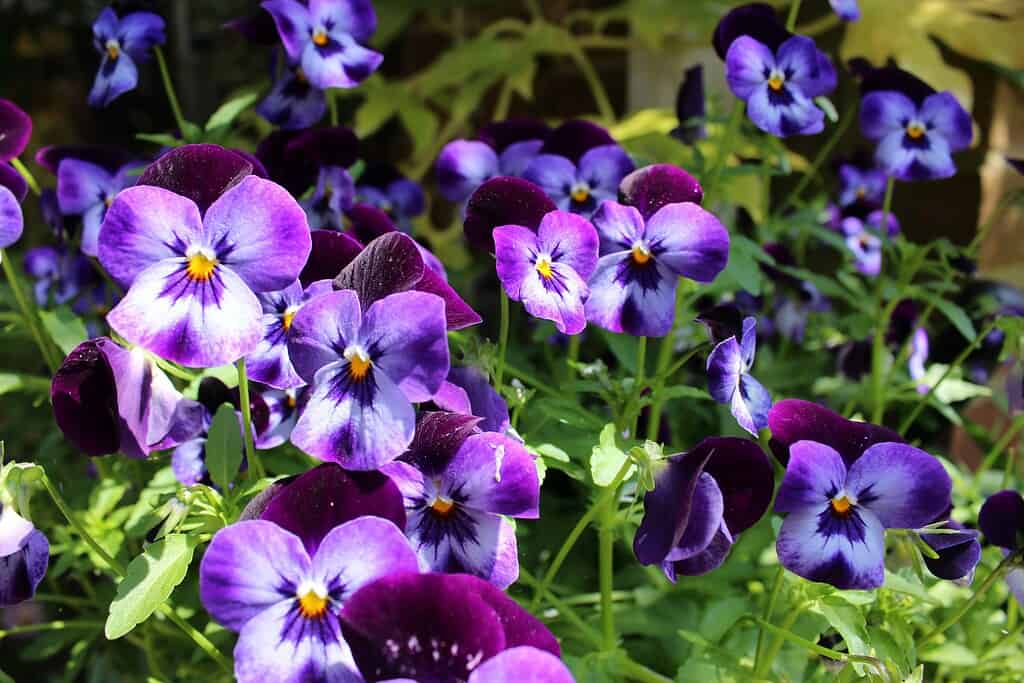
Pansies are among the most popular cool-season flowers, known for their large petals and bright, expressive “faces.”
They come in nearly every color and often feature bold patterns or blotches, making them one of the most spectacular spring flowers for early-season color.
Pansies are best planted in early spring or fall, as they prefer cooler temperatures and may fade during the peak of summer.
These flowers are great in containers, window boxes, or garden beds where you want fast color.
Regular deadheading encourages more blooms, and they can sometimes survive light frosts. Their cheerful appearance makes them a favorite for entryways and high-traffic areas.
- Best for: Cool-weather beds, borders, containers
- Bonus: Available in a wide range of colors and patterns
7. Primrose

Primroses are early bloomers that bring a burst of color to gardens when most other plants are still dormant.
Their flowers grow in clusters on short, sturdy stalks and come in a wide range of shades, including yellow, red, blue, pink, and white.
They prefer cool temperatures and moist, well-drained soil, thriving especially well in partial shade.
Because they bloom in early spring, they’re a reliable way to brighten shady areas that haven't yet filled in with foliage.
These perennials are often used along shaded borders, under trees, or near walkways where early-season color is needed. In milder climates, they may even flower again in fall.
- Best for: Cool, shady spots; early spring color
- Bonus: One of the first flowers to bloom after winter
8. Butterfly Weed
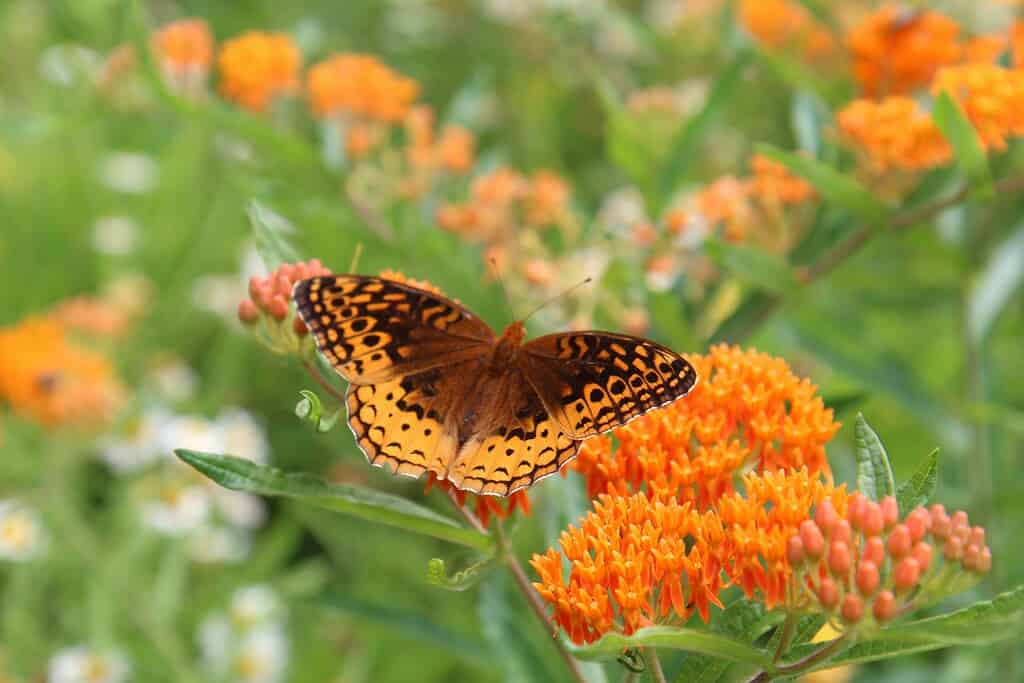
Butterfly weed is a tough, sun-loving perennial known for its bright orange or yellow flowers and its importance to pollinators.
It serves as a food source for monarch butterfly larvae and attracts bees and other beneficial insects during its bloom period in summer.
This plant thrives in dry, sandy, or rocky soil and tolerates drought well once established.
Its upright growth habit and striking color make it stand out in perennial beds, especially in wildlife-friendly gardens.
Because it doesn’t require rich soil or regular watering, it’s a practical choice for low-maintenance landscapes.
- Best for: Pollinator gardens, sunny borders, dry soils
- Bonus: Supports monarch butterflies and thrives in tough conditions
9. Lavender

Lavender is a sun-loving perennial that produces upright spikes of small, fragrant purple flowers. It's well-known for its calming scent, which also helps repel pests like mosquitoes and flies.
If you’re learning how to plant lavender, choosing a sunny spot with excellent drainage is key to long-term success.
Lavender thrives in full sun and well-drained, even slightly rocky soil, making it a good fit for dry or drought-prone areas.
Once established, it requires very little care and resists both deer and rabbits.
In addition to being visually appealing, its flowers can be harvested and dried for use in sachets or homemade products.
Lavender is especially useful in borders, herb gardens, or as an accent along walkways.
- Best for: Full sun, dry soil, fragrant borders
- Bonus: Drought-tolerant and repels common pests
10. Dianthus (Pinks)

Dianthus, often called “pinks,” produces charming, clove-scented flowers with fringed petals that look like they’ve been trimmed with pinking shears.
They are often included among the most stunning pink flowers thanks to their delicate color range and classic cottage-garden look.
They bloom in shades of pink, red, white, and bi-colors, and their neat mounding habit makes them ideal for edges and containers.
Most varieties prefer full sun and well-drained soil and are tolerant of cooler temperatures, blooming in late spring and again in early fall with proper care.
The flowers attract pollinators, and some types can last well into summer. Deadheading helps extend the bloom period, and the tidy foliage looks good even when not in bloom.
- Best for: Edging, containers, scented garden beds
- Bonus: Long-lasting blooms and attractive to pollinators
11. Creeping Phlox
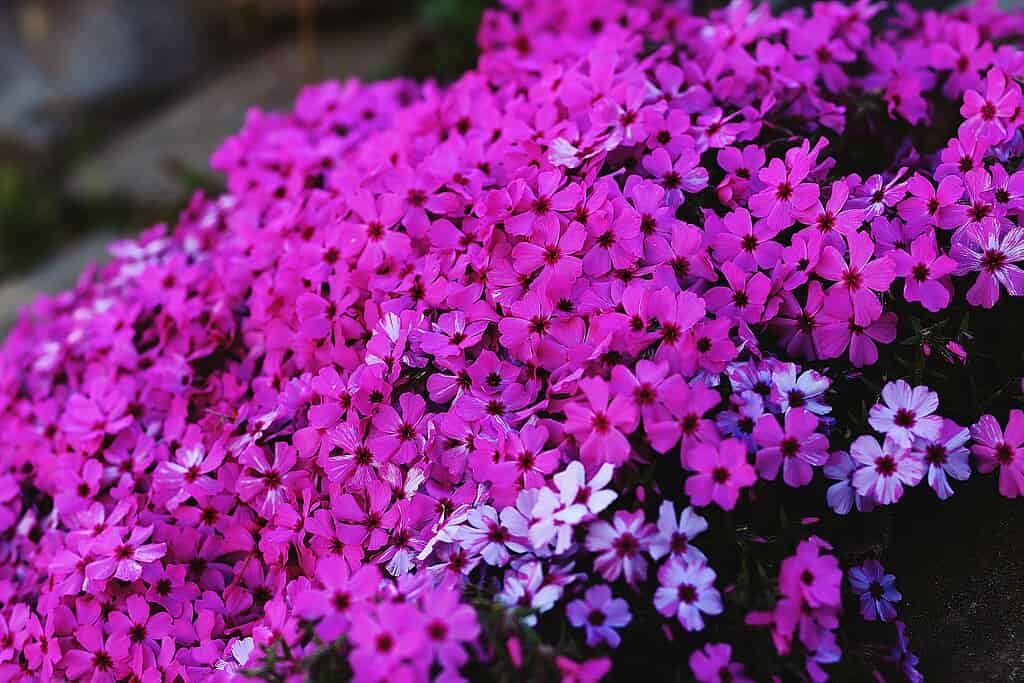
Creeping phlox is a spreading perennial that forms a dense carpet of small, star-shaped flowers in early to mid-spring.
It’s often used as a ground cover on slopes, along borders, or to spill over rock walls. The plant stays low to the ground, with evergreen foliage that provides interest even after blooming.
It thrives in full sun but can tolerate partial shade, and once established, it needs little water.
Creeping phlox comes in a range of colors, including pink, white, blue, and purple, and it’s a favorite for attracting hummingbirds early in the season.
- Best for: Ground cover, rock gardens, slopes
- Bonus: Long bloom period and attracts hummingbirds
12. Thyme

Thyme is a versatile plant that serves as both a culinary herb and a flowering ground cover.
It forms a dense mat of small, fragrant leaves and produces tiny purple or pink flowers in summer that are highly attractive to native bees and beneficial insects.
This hardy perennial thrives in poor, well-drained soil and full sun, and it’s extremely drought-tolerant once established.
Thyme works well between stepping stones, along the edges of raised beds, or in containers. It adds subtle color while also providing practical use in the kitchen.
- Best for: Edging, ground cover, herb gardens
- Bonus: Supports pollinators and doubles as a kitchen herb
13. Queen Anne’s Lace
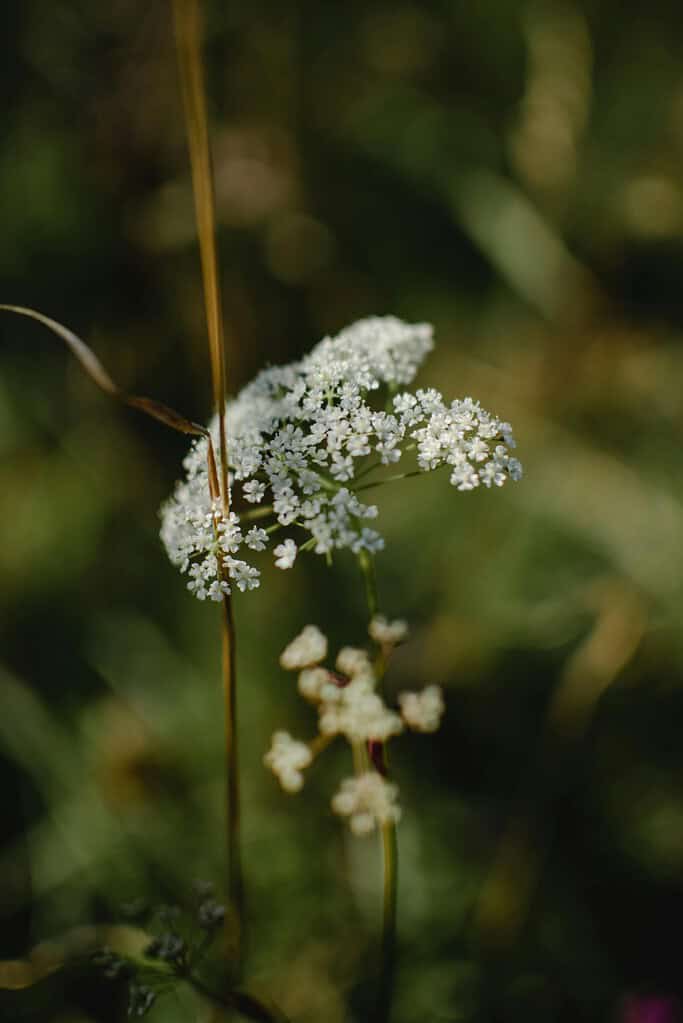
Queen Anne’s lace is a delicate-looking wildflower with flat, lacy white flower heads that resemble fine lacework.
While it adds a soft, airy texture to naturalistic or cottage-style gardens, it can also spread aggressively if not deadheaded regularly.
This biennial prefers full sun and well-drained soil, and it can thrive in poor or disturbed areas. It’s often used to add height and lightness to mixed borders or wildflower plantings.
Though it reseeds freely, its ornamental value and ability to attract beneficial insects make it a useful plant for low-maintenance spaces.
- Best for: Naturalized plantings, cottage gardens, meadows
- Bonus: Adds height and attracts beneficial insects (may spread without control)
14. Rock Cress

Rock cress is a low-growing, evergreen perennial that forms spreading mats of foliage covered in small flowers during mid-to-late spring.
It’s ideal for growing along stone paths, in crevices, or at the edges of raised beds where it can cascade over rocks or borders.
The blooms come in shades of pink, purple, or blue and are especially striking when planted in drifts.
Rock cress prefers full sun and well-drained soil, and it’s generally easy to grow. After flowering, the foliage remains tidy, making it useful in the garden even when not in bloom.
- Best for: Stone walls, rock gardens, spring color
- Bonus: Evergreen and great for tight spaces
15. Stonecrop (Sedum)
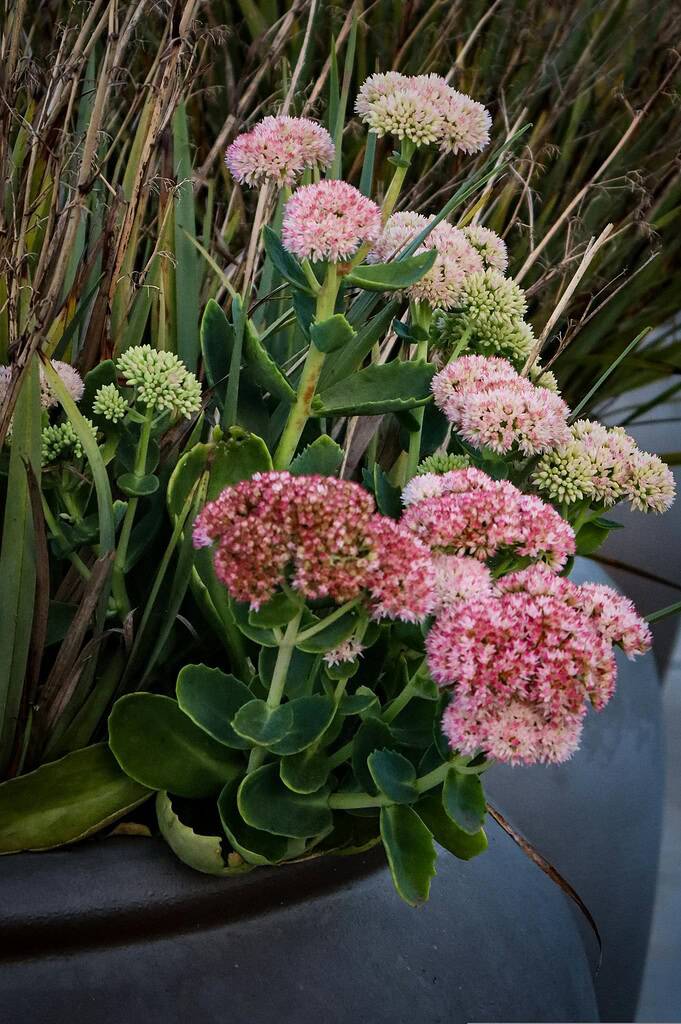
Stonecrop, or sedum, is a succulent plant that thrives in hot, dry conditions and produces clusters of star-shaped flowers late in the season.
It’s well-suited for borders, containers, or even green roofs thanks to its drought resistance and minimal soil needs.
The thick, fleshy leaves come in a variety of shapes and colors, adding interest even before the plant blooms.
Bees are especially drawn to the flowers, making sedum a strong choice for late-season pollinator support. It's also useful in edging or ground cover, particularly in areas with poor soil.
- Best for: Containers, borders, drought-prone areas
- Bonus: Loved by bees and great for late-season interest
What to Consider When Choosing Small Flowers for Your Garden
Before planting small flowers, it's important to match the plant's needs with the conditions in your garden.
A few key factors will help you choose flowers that not only grow well but also look good and last through the seasons.
1. Sunlight Requirements
Some small flowers thrive in full sun, while others prefer partial shade or full shade.
For example, lavender and butterfly weed need full sun to bloom well, while lily of the valley and primrose do better in shaded spots.
Take note of how much direct sunlight your garden gets throughout the day and choose accordingly.
2. Soil Conditions
Soil type has a big effect on how small flowers grow. Flowers like baby’s breath prefer dry, alkaline soil, while creeping phlox and thyme need well-drained conditions.
If your soil holds too much moisture or is heavy with clay, you may need to amend it or choose flowers that tolerate those conditions.
3. Bloom Time
Mixing early, mid, and late-season bloomers creates longer-lasting color in your garden.
For example, sweet alyssum and pansies do well in the cool spring months, butterfly weed thrives in summer heat, and stonecrop adds color toward the end of the growing season.
4. Maintenance Level
Some small flowers require deadheading, dividing, or extra watering. Others, like thyme and sedum, are low-maintenance once they’re established.
Consider how much time you can commit to upkeep before choosing high-care varieties.
5. Growth Behavior and Spread
Flowers like Queen Anne’s lace can spread aggressively if not managed, while others stay compact and tidy.
Pay attention to whether a plant is a fast spreader, clumper, or creeping ground cover. This helps keep your garden organized and prevents overcrowding.
6. Fragrance and Other Features
Fragrance can be a big draw – lavender, sweet alyssum, and dianthus all offer strong scents.
Some flowers are also useful in other ways: thyme serves as both a herb and a pollinator plant, and butterfly weed supports monarch caterpillars.
Common Mistakes When Growing Small Flowers
Even though many small flowers are easy to grow, a few common mistakes can affect how well they perform.
Paying attention to plant needs and garden conditions will help you avoid these issues and get the best results from your space.
1. Planting Without Considering Sunlight
Some gardeners choose flowers based on appearance without checking their sunlight requirements.
For example, putting shade-loving plants like lily of the valley in full sun can cause stress or stunted growth, while sun-lovers like lavender will struggle in deep shade.
2. Overcrowding the Plants
Small flowers might take up less space individually, but they still need air circulation and room to grow.
Planting them too close together can lead to fungal problems, reduced blooming, or competition for nutrients and moisture.
3. Ignoring Soil Conditions
Using the wrong type of soil – too heavy, too wet, or lacking drainage – can quickly harm small flowering plants.
Many flowers on this list, such as thyme and butterfly weed, need well-drained or even sandy soil to thrive. Amending your soil or choosing plants suited to your conditions is key.
4. Choosing Aggressive Spreaders Without a Plan
Some small flowers, like Queen Anne’s lace or forget-me-nots, can self-seed or spread quickly.
Without management, they may overtake nearby plants or move into unwanted areas. Deadheading spent flowers or using barriers can help keep them in check.
5. Overwatering Drought-Tolerant Varieties
Flowers like sedum, lavender, and baby’s breath are adapted to dry conditions.
Giving them too much water or planting them in heavy, moisture-retaining soil can lead to root rot or fungal issues. These types do best with less frequent watering and fast-draining locations.
Caring for Small Flowering Plants Through the Seasons
Seasonal care plays a big role in keeping small flowering plants healthy and productive.
Understanding what to do during each part of the year helps extend bloom time, prevent disease, and maintain strong root systems.
Spring
This is the main planting season for most small flowers, especially cool-season varieties like pansies, primrose, and sweet alyssum.
Prepare the soil by loosening it and adding compost if needed. Plant after the last frost date in your area, and water new plants consistently until they’re established.
Spring is also the time to divide and replant any perennials that have outgrown their space.
Summer
During hot months, focus on deep, infrequent watering especially for newer plants. Remove spent flowers (deadheading) on varieties like dianthus and lavender to encourage new blooms.
Mulching helps retain moisture and control weeds.
Some cool-season flowers may fade in the heat; these can be cut back and encouraged to re-bloom later or replaced with summer-blooming types like butterfly weed and sedum.
Autumn
Fall is a good time to plant cool-season flowers for late-season color or to prepare for early spring blooms.
Pansies, for example, can go in the ground in late summer or early fall in mild climates. Clean up spent summer flowers, trim back overgrowth, and divide perennials if needed.
Autumn is also the time to collect seeds from self-sowing plants like forget-me-nots if you want to manage their spread.
Winter
In cold regions, most small flowers go dormant, but some – like creeping phlox and rock cress – keep their evergreen foliage.
Apply mulch to protect roots from freezing temperatures. For containers, move frost-sensitive varieties into a sheltered area or insulate pots.
Winter is also a good time to plan your next garden layout and order seeds or starts for early spring planting.
Make Room for These Tiny Garden Powerhouses
Small flowers can make a big difference in the overall look, function, and balance of your garden.
With the right plant choices, you can fill gaps, create layered designs, and even support pollinators – all without needing much space.
Whether you're working with rocky soil, a shaded corner, or a sunny border, there's a small flowering plant that fits the job.
Just match the flower to your growing conditions, keep an eye on seasonal care, and let them do the rest.
Have a favorite small flower or a tip of your own? Comment down below and share what’s growing in your garden.
FAQs
What small flowers do well in full shade all year round?
Flowers like lily of the valley and primrose can handle full shade for most of the year. These plants are ideal for areas under trees, on the north side of buildings, or in spots that get no direct sunlight at all.
Can small flowers be grown indoors near a window?
Yes, many small flowers like pansies, thyme, and sweet alyssum can grow indoors if placed near a bright window with enough direct or indirect light. Good drainage and proper airflow are important to prevent disease indoors.
How do I keep aggressive self-seeding flowers under control?
Deadhead flowers before seeds mature, or plant them in containers or defined garden sections with barriers. Mulching can also prevent seedlings from taking root where they aren’t wanted.
What small flowers pair well with herbs in raised beds?
Thyme, lavender, and dianthus pair well with herbs because they share similar soil and sunlight needs. These flowers attract pollinators, which helps boost productivity in herb gardens too.
Which small flowers are best for steep slopes or erosion control?
Creeping phlox, rock cress, and stonecrop are excellent for slopes. They spread easily, create dense coverage, and help hold soil in place during rain or wind.