
Not every garden gets full sun all day. And honestly, that’s not a bad thing.
If you’ve got a shady backyard, a corner that barely sees sunlight, or even a spot under trees that feels impossible to work with, you’re actually sitting on something pretty special.
Shade gardens have a quieter kind of beauty. They feel cooler, calmer, and a little more tucked away.
And once you learn how to work with low light instead of against it, you can create a space that looks lush, intentional, and surprisingly easy to maintain.
In this article, I’ll walk you through simple, practical shade garden ideas you can actually try. Nothing complicated. Just real ideas that work, even if you’re starting from scratch.
Why Shade Gardens Are Worth Creating
Many gardeners overlook shaded areas, but shade gardens offer unique perks.
First, they create a cool oasis in summer heat. Sitting under a canopy or dense foliage on a hot day can be heavenly.
Second, shade plants often require less daily watering once established, since the ground doesn’t bake dry in the sun.
Third, these gardens encourage biodiversity – woodland plants, ferns, and woodland bulbs can attract butterflies and birds.
Plus, shade gardens are often lower maintenance: once the soil is rich and mulched, you mostly just need to weed occasionally.
Finally, turning a dark corner into a beautiful space adds charm and interest to your yard.
Whether it’s for a backyard shade garden or just a quiet nook, making use of shade expands your gardening possibilities and creates a relaxing retreat.
And if you’re still figuring out how to structure your space, it helps to look at a bigger picture approach like how to design your homestead garden layout to make everything flow better.
12 Cozy Shade Garden Ideas
Below are simple shade garden ideas you can actually try.
1. Lush Ferns & Hostas Border
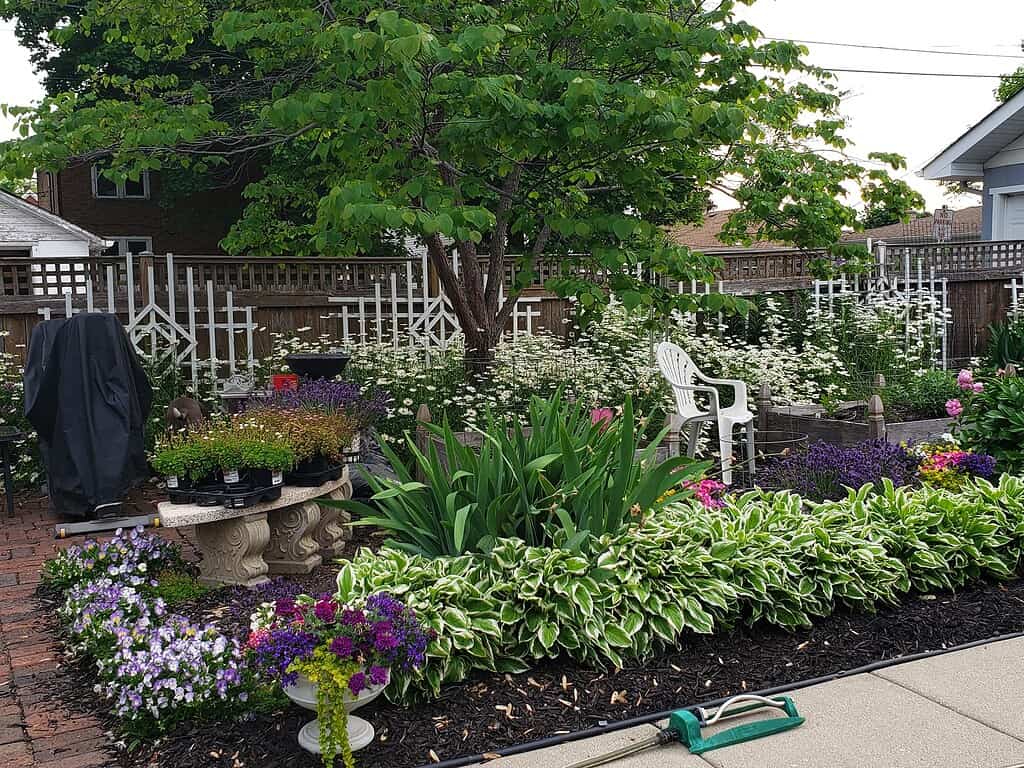
Create a classic shade border by planting hostas, ferns, and coral bells together. These plants love the cool, moist conditions under trees or alongside a shaded wall.
Hostas come in so many shapes and sizes, and they form big, bold leaves that instantly fill space. Ferns add airy, soft texture.
To try this idea, edge a garden bed or walkway with a mix of hosta varieties (light green, blue-green, or variegated) and ferns like ostrich or lady fern.
If you want more inspiration for building around these plants, you can explore hosta landscaping ideas for shady yards and mix a few styles that fit your space.
Add some colorful coral bells (heucheras) for pops of burgundy or chartreuse foliage. Mulch well and water regularly so the soil stays evenly moist.
This no-fuss combination is perfect for beginners and instantly makes a shady area feel lush and cared for.
2. Colorful Annual & Perennial Flower Bed
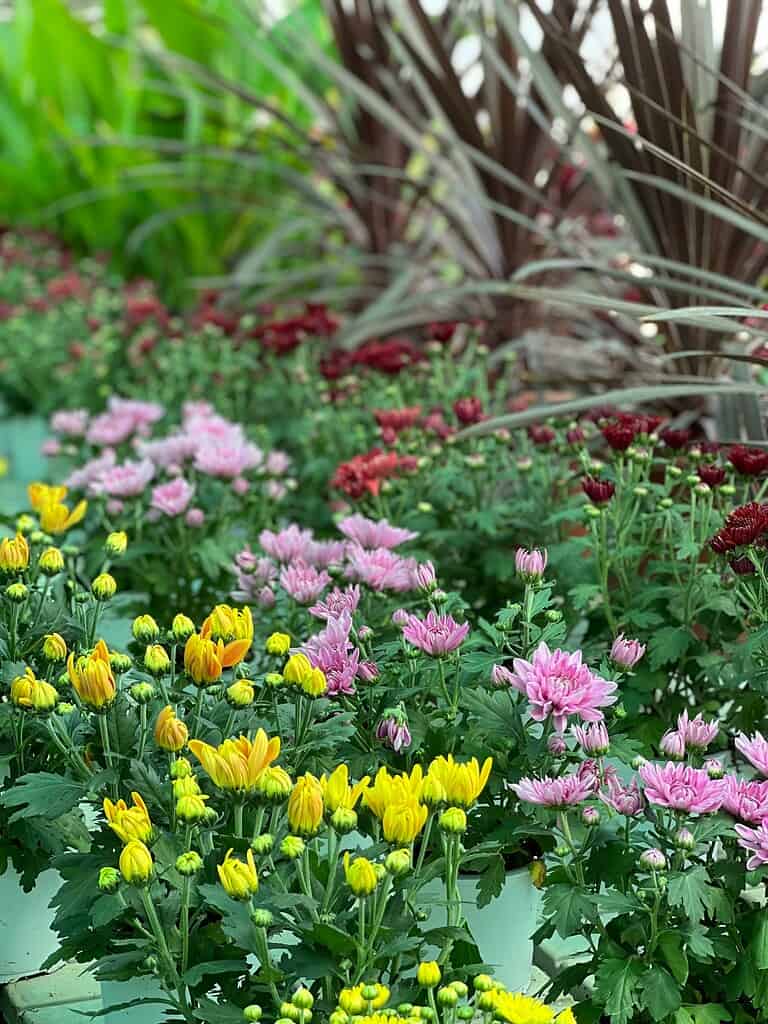
Who says shade gardens have to be all green?
Pick shade-loving flowering plants to add color. For example, plant impatiens, begonias, and coleus for bright splashes.
Add perennial bloomers like astilbe (plume flowers in pink and white), bleeding heart, and foxglove for height and texture. Lay out a bed in a shaded corner and mix annuals and perennials in groups.
For beginners, start with container-grown plants (impatiens and begonias are easy) and place them in your garden bed. They’ll cheer up a dull corner all summer long.
Remember, even bright shade flowers need a bit of sun in the morning or late afternoon, or choose varieties labeled “shade” for truly low-light. Fertilize lightly and keep soil damp.
You’ll be surprised how low-light gardening can yield colorful results.
If you’re unsure what plants actually do well in low light, it helps to start with a list of shade-loving perennials that thrive in low-light gardens so you’re not guessing.
3. Tropical Shade Oasis
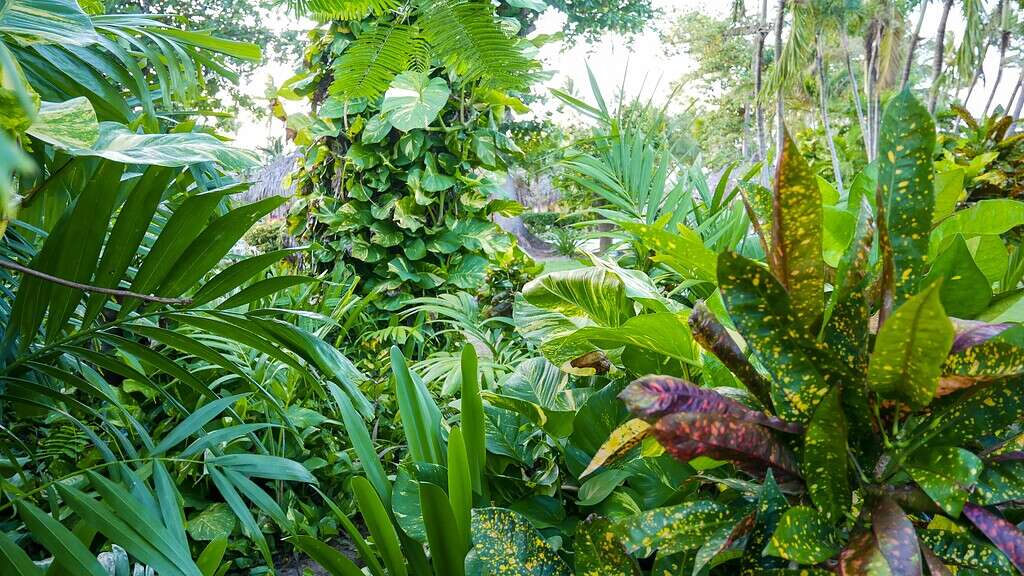
Turn your backyard into a mini tropical escape by using large-leaved, moisture-loving plants.
Caladiums, cannas, gingers, and elephant ear plants (Colocasia or Alocasia) thrive in filtered light or partial shade.
These plants have big dramatic leaves in greens, purples, or pinks. Arrange a few container planters or a garden bed with these tropicals under a shady pergola or tree canopy.
Add some potted ferns or large hostas around them for layering. Since these plants like warmth and humidity, water them often and mulch to keep the roots cool.
The result feels exotic and fun. Even a small grouping of potted caladiums and coleus on a shaded patio can mimic this idea. It’s an easy way to make shade gardening feel like a vacation spot.
4. Woodland-Style Native Garden
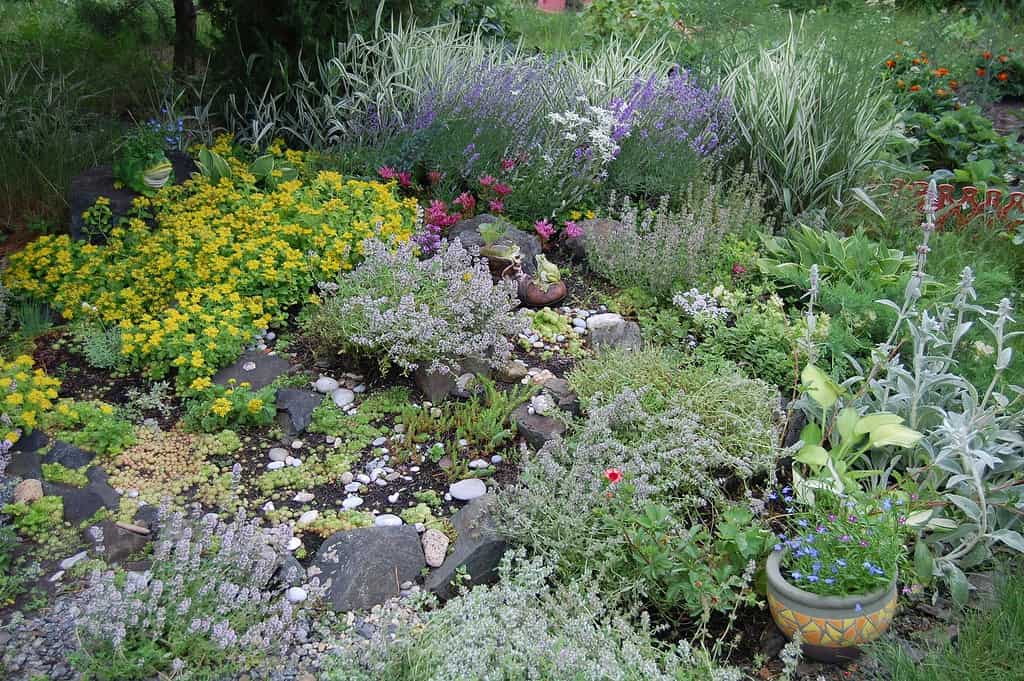
Embrace the natural forest aesthetic by planting a woodland garden. This idea is all about going wild (in a good way).
Use native shade-tolerant plants like trilliums, Jack-in-the-Pulpit, foamflower (Tiarella), and spring bulbs (like snowdrops or Virginia bluebells) under deciduous trees.
Start by spreading leaf mulch and topsoil to mimic a forest floor. Then plant clusters of native perennials and small shrubs like ferns (male fern or maidenhair) and shade-loving hellebores.
Add a rustic path of stepping stones or gravel winding through the area. Beginners can begin with a few easy natives like hostas and creeping phlox (for part shade) and gradually fill in.
This style feels natural and low-maintenance once established. It’s also great for wildlife, providing cover and food. Just remember to keep the soil moist until plants settle in.
5. Container Shade Garden
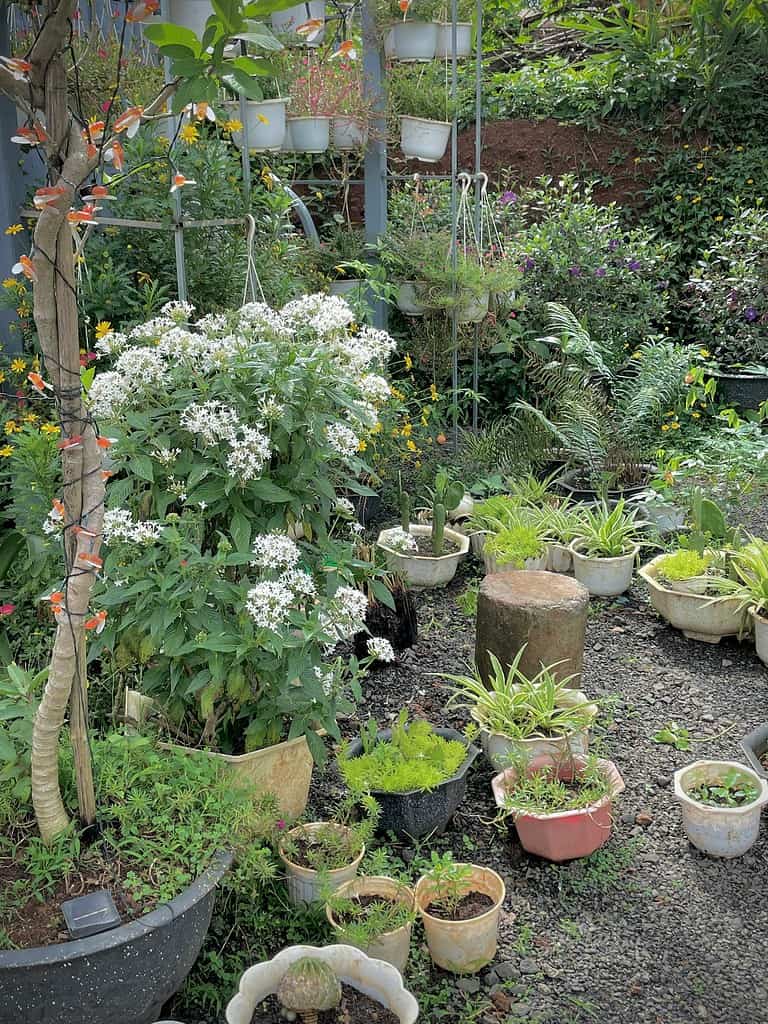
If in-ground beds seem daunting, try a container garden for shade. You can place pots and planters on a shaded patio, balcony, or even under a porch roof.
Use large pots filled with combinations of shade-friendly plants: for example, pair a variegated hosta with fuchsia and a tall dracaena.
Other good container candidates include begonias, ivy, coleus, and even small ferns or caladiums. The advantage is you can move them easily to find just the right spot.
For beginner tips, use a high-quality potting mix and check moisture often – pots can dry faster even in shade. A group of pots in different sizes creates interest.
Bonus tip: hanging baskets of trailing impatiens or vines like sweet potato vine can bring color at eye level.
Container gardening lets you experiment without heavy digging, making it an easy backyard shade garden project.
6. Edible Shade Garden
Yes, you can grow food in the shade! Create a shade-friendly vegetable and herb patch by choosing the right crops.
Greens like lettuce, spinach, chard, and arugula actually prefer some shade (they won’t bolt as quickly and often taste better with less sun).
Many herbs also tolerate low light – think mint, parsley, cilantro, lemon balm, and chives. For beginners, try planting lettuce or spinach in part of your shade bed or in a container.
These crops mature fast, so success comes quick (and a fresh salad made by you is very satisfying).
Also consider shady fruits like raspberries (they fruit with a bit of sun, but can handle morning sun) or even just understory berries.
The key is to accept that yields might be smaller than full sun, but you’re still getting homegrown goodies from that low-light corner.
Keep soil rich and water regularly – vegetables need extra nutrients even in shade.
7. Rain Garden in a Shady Corner
If you have a low spot that stays damp, plant a bog or rain garden with shade plants. Some areas under trees stay moist because water drains there.
Use that to your advantage by choosing moisture-loving perennials: think ligularia (tall yellow flowers), astilbe, cardinal flower, and Japanese iris.
You can also add ferns like Osmunda cinnamomea (cinnamon fern) and hostas – these all love damp shade.
First, shape a shallow depression or use the natural dip, line it with compost-rich soil, and plant. The garden will hold water during rains and slowly seep it away, plus the plants will help filter runoff.
For beginners, start small – maybe a 3×3 foot area. A decorative rain barrel overflow could even feed into it.
This idea turns a shade challenge (wet soil) into a serene feature with lush green plants that thrive in those conditions.
8. Vertical Shade Garden (Trellises and Walls)
When ground space is tight, think vertical. Shade-tolerant climbers and wall-plants can cover fences, trellises, or even walls in greenery.
For example, plant climbing hydrangeas, shade-loving ivy, or jasmine (low-light varieties) to climb a support.
Another idea: use a fence as a vertical planter by attaching containers with moisture-loving annuals and perennials like begonias or pothos.
Bamboo or wood trellises with ferns (Boston fern in hanging pots) also create layers. This approach works great on north-facing walls or shady corners.
Beginners can start with potted philodendron or sword ferns hung at different heights to create a wall of green.
Vertical gardens save space and add drama to a dull, shaded wall. Just make sure to water these regularly, as vertical setups can dry out quickly.
If you like this idea, you might enjoy browsing balcony garden ideas that maximize vertical space for more ways to build upward.
9. Shaded Pathway or Arbor
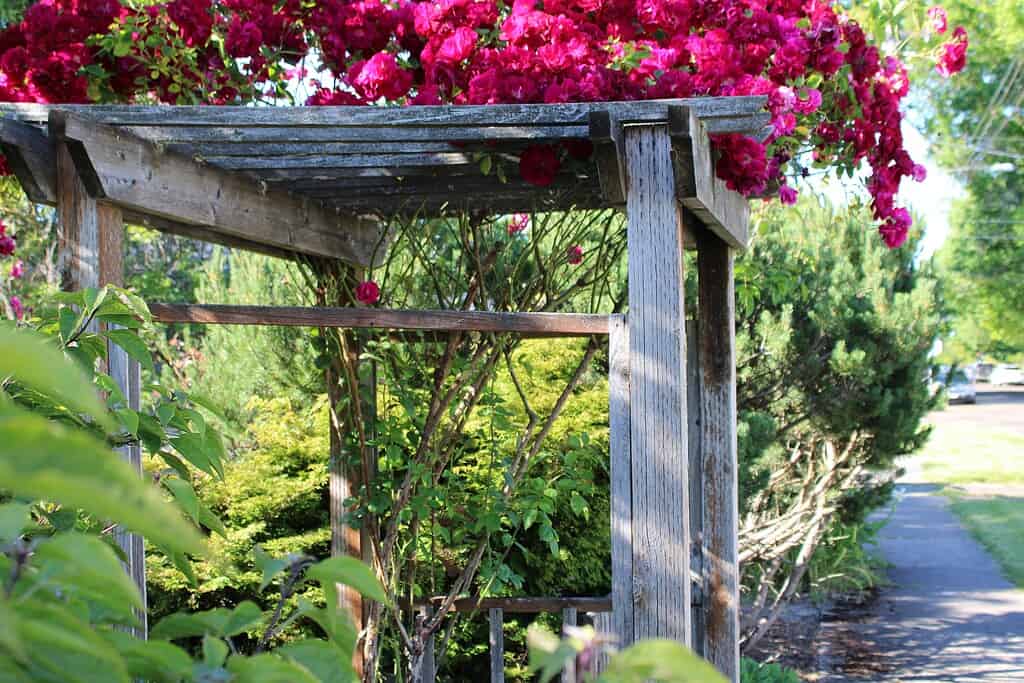
A shade pathway can feel magical. Install an arbor or arch at the start of a garden path and plant vines that tolerate shade, such as clematis (some varieties bloom in part shade) or climbing hydrangea.
Flank the path with low-growing shade plants like liriope, shade grass (Hakone grass), or hostas to soften the walkway.
Alternatively, simply line a path with ferns and native woodland plants for a secluded forest feel. Beginners might use easy groundcovers like vinca (periwinkle) or ivy along the edges.
A gravel or stepping-stone path winding through these plants invites you to stroll through and enjoy the quiet beauty.
The combination of a rustic arbor or just tree limbs overhead plus shade plants on the sides creates an enclosed, peaceful vibe.
10. Shaded Patio Seating Nook
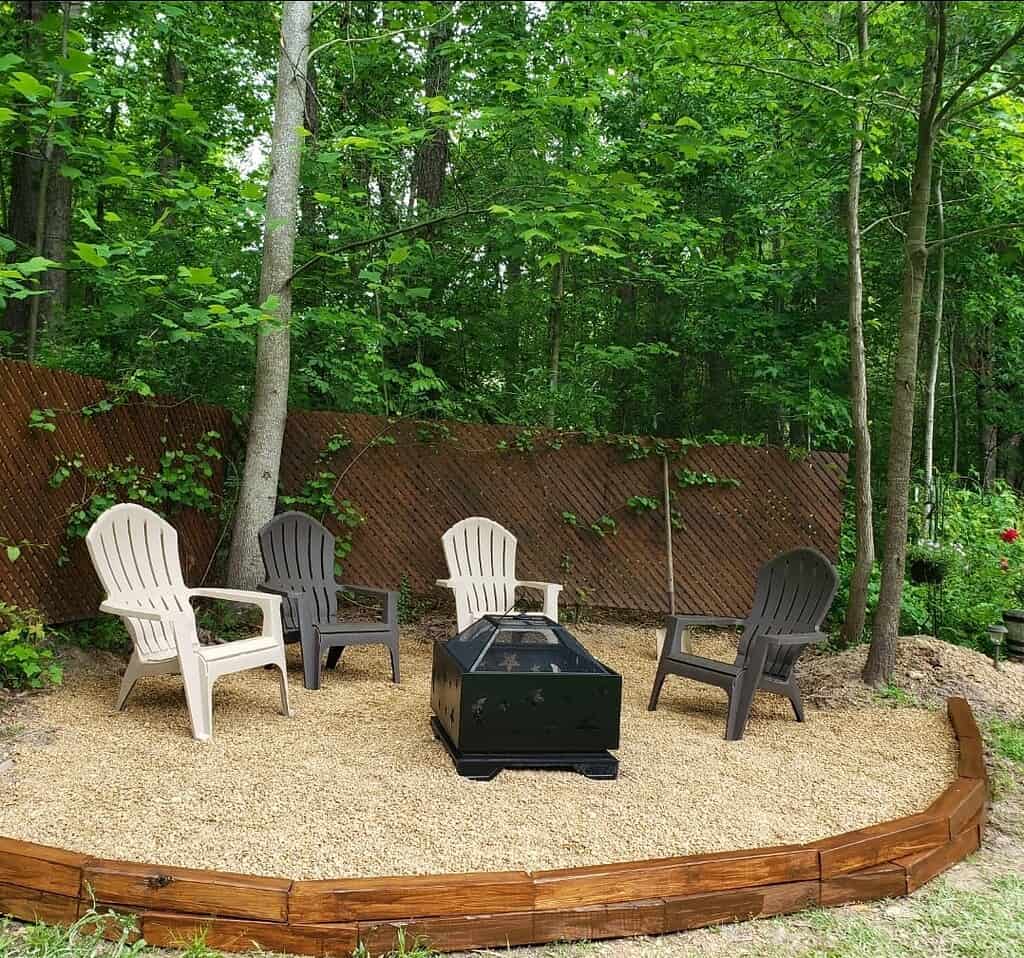
Turn that shady corner into your personal retreat by adding a small seating area. Start with a patio or gravel base and add a bench or chairs.
Surround it with large potted shade plants or garden beds. Hang a wind chime or place a birdbath nearby to add charm.
You might put ferns and elephant ears in pots around a bench, along with some blooming impatiens for spots of color. This idea is as much about furniture and decor as plants.
Even string lights overhead can transform evening ambience. Beginners can test this by setting a single comfortable chair under a tree and planting one or two pots around it.
Water consistently (seating areas tend to get less rain under a roof or big trees). This shady nook becomes a lovely reading spot or tea corner.
It’s a quick way to make use of a cool, dark spot where you’d otherwise leave empty.
11. Mossy Rock or Fairy Garden
For a whimsical touch, create a fairy or miniature garden in the shade. Use an old wooden tub, wheelbarrow, or a patch of mossy rocks.
Plant small shade-tolerant groundcovers like creeping phlox, sweet woodruff, baby tears, or moss varieties between stones. Tiny ferns and mini hostas add scale.
Add little fairy figurines, a mini bench, or a tiny stone path. This project is very beginner-friendly and can be as simple as repurposing one container.
The moist, sheltered environment under a tree is perfect for moss and tiny plants. Keep this garden damp and it will take on an enchanted forest feel.
Kids especially love this idea, but it’s delightful for adults too – just place it somewhere you’ll smile at it every day.
12. Vibrant Foliage Garden
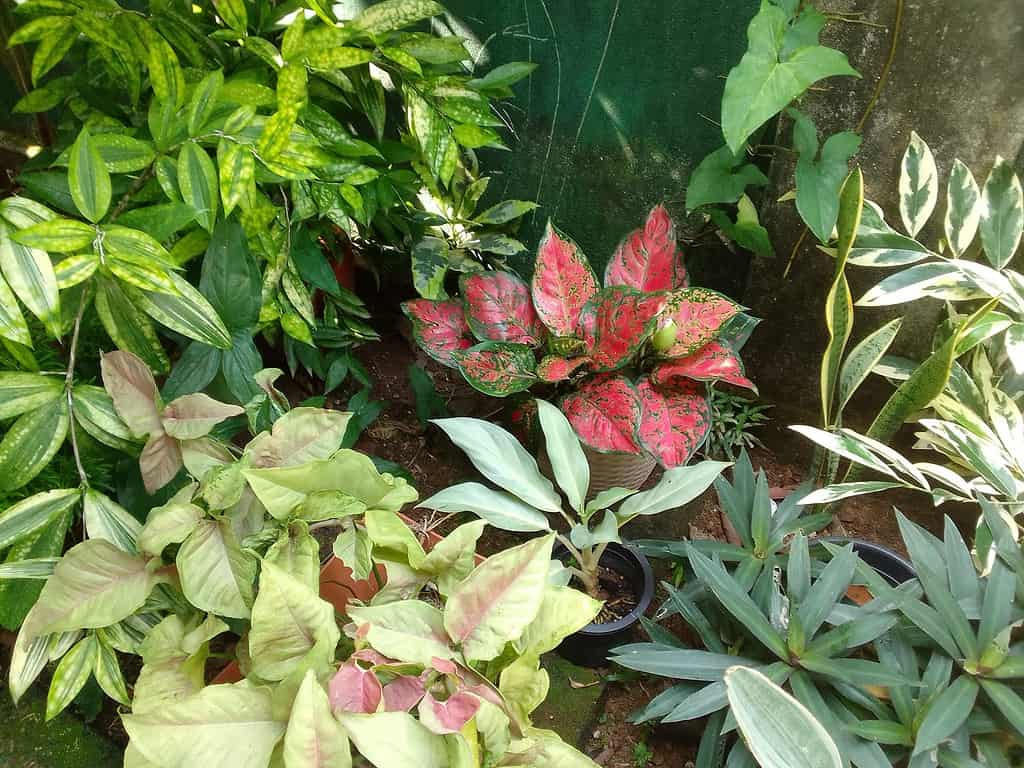
Finally, focus on foliage color and contrast. Mix plants with different leaf colors and textures to make the shade pop.
For example, pair chartreuse hostas with deep purple coral bells, or neon-green Japanese forest grass with burgundy-Heuchera.
Add silver or blue-leaved plants like dusty miller or Brunnera to brighten things up. Ornamental grasses like Hakonechloa (Japanese forest grass) can add a flowing texture in shade.
Group these in a bed or containers to create a palette of color without relying on flowers.
Beginners can experiment with a couple of container plants first – coleus and caladiums are easy and come in bright shades.
No fancy design needed: even tossing several contrasting pots together can achieve the effect.
Ready to Dig In?
Now that you’ve seen the 12 shade garden ideas, pick one that excites you and start small.
For example, set up a couple of shade-friendly containers on your deck or plant a few hostas along a fence. These small steps build confidence and let you learn what works in your space.
Before you know it, you’ll have transformed that once-empty shady corner into a lush, comfortable garden feature.
Go ahead and try an idea this weekend – you might be surprised how satisfying low-light gardening can be.
And don’t forget to share your experiences: drop a comment below with your shade gardening wins or questions. We’d love to hear what you’re planning or how it turns out!
Plan Your Garden With Confidence!

Ever start planting… and then realize halfway through that things feel a little scattered?
A simple plan changes everything.
When you sketch your layout first, you can see what fits, what flows, and what actually makes sense for your space. It saves time, money, and a whole lot of second-guessing later.
Our free Garden Planner helps you map out beds, organize plant spacing, rotate crops, and keep track of seasonal tasks – all in a clean, printable format you can actually use.
Whether you’re designing a low maintenance front yard or planning your full homestead garden, this gives you a clear starting point.
Less chaos. More clarity. A garden that works.
FAQs
What exactly is considered “full shade” or “partial shade” in gardening?
Full shade usually means less than 2 hours of direct sunlight per day, often filtered through trees or buildings. Partial shade gets around 2 to 4 hours of sun, typically in the morning or late afternoon. Knowing this helps you choose the right plants so they actually thrive.
What are some good plants for deep shade?
Go for foliage-focused plants like hostas, ferns, and heuchera. For a bit of color, impatiens, begonias, and astilbes work well. You can also add groundcovers like sweet woodruff or lamium to fill in spaces and keep things looking full.
Can I grow vegetables or herbs in a shade garden?
Yes, especially leafy greens and herbs. Lettuce, spinach, kale, parsley, mint, and chives all handle partial shade pretty well. You may get smaller harvests than in full sun, but it’s still worth it.
How often should I water and fertilize a shade garden?
Shade gardens usually need less water since the soil stays moist longer. Check the top inch of soil and water only when it feels dry. For feeding, a light dose of compost or slow-release fertilizer in spring is usually enough.
How can I add more color and interest to a shady garden?
Use a mix of foliage colors like light green, purple, or variegated leaves. Add shade-friendly flowers like impatiens or begonias, and include simple decor like pots or a small bench. Texture and layering also help make the space feel more lively.