
Rock gardens are one of those projects that look impressive but are surprisingly doable.
If you want a low maintenance garden design that saves water, improves drainage, and still looks intentional year round, a rock garden might be your best next move.
We love practical landscaping that works with nature, not against it. Rock gardens combine hardy plants, natural stone, and smart design to create a space that feels grounded and timeless.
Whether you have a dry climate, heavy clay soil, or just want to reduce mowing, these DIY rock garden ideas will help you build something beautiful without overcomplicating it.
Surprising Benefits of Rock Gardens
Rock gardens are more than just decorative landscaping. They are practical, resilient, and surprisingly efficient.
For homesteaders and hands-on gardeners, they offer a way to build beauty into the landscape without increasing your weekly workload.
If you are looking for something that supports water conservation, reduces maintenance, and still looks intentional year round, a rock garden checks every box.
Here is why they work so well.
Low Maintenance
One of the biggest advantages of a rock garden is how little ongoing care it requires.
Once your plants are established, watering becomes minimal. Many rock garden plants are drought tolerant by nature, especially succulents, alpine varieties, and native groundcovers.
There is also little to no mowing involved since gravel and stone replace traditional lawn areas.
Instead of constant trimming and feeding, your main task becomes occasional weeding and light pruning. That is a major shift from high maintenance flower beds or turf grass.
If low effort landscaping is your goal, you may also appreciate our effortless landscaping ideas around trees, which focus on reducing mowing and simplifying maintenance.
Improved Drainage
Gravel and stone dramatically improve soil drainage.
If you struggle with heavy clay soil or water pooling after storms, rock gardens can help redirect and disperse excess moisture.
The combination of amended soil and layered stone allows water to flow through rather than sit around plant roots.
Better drainage means healthier roots, fewer fungal problems, and less risk of rot. Plants that prefer dry conditions thrive in this environment.
Water Conservation
Rock gardens naturally support water wise landscaping.
Gravel mulch reduces evaporation by shielding the soil from direct sun exposure. Many rock garden plants are adapted to dry climates, meaning they need far less irrigation than traditional garden beds.
Over time, this can significantly reduce your overall water use. For homesteads in drought prone areas, that is not just convenient. It is essential.
Year Round Structure
Unlike seasonal flower beds that fade in winter, rock gardens maintain structure all year.
The stones themselves provide texture and visual interest even when plants are dormant.
Evergreen succulents and hardy alpines often hold their shape through colder months, keeping the garden from looking empty.
This gives your yard a grounded, established look no matter the season.
If you enjoy creative garden layouts, you might also want to explore our stunning flower bed ideas for more structured planting inspiration.
Wildlife Friendly
Rock gardens create small, sheltered microhabitats.
Stone crevices provide protection for beneficial insects like ladybugs and native pollinators.
The warmth stored in rocks can also attract helpful creatures such as lizards and toads that assist with pest control.
When you incorporate native drought tolerant plants, you further support local ecosystems while keeping maintenance low.
…
Rock gardens are a smart landscaping choice that balances beauty with practicality. For homesteaders especially, they offer a way to work with the land instead of constantly fighting it.
10 Easy Rock Garden Ideas
Let’s walk through 10 easy rock garden ideas that add instant curb appeal.
1. Alpine Rock Garden
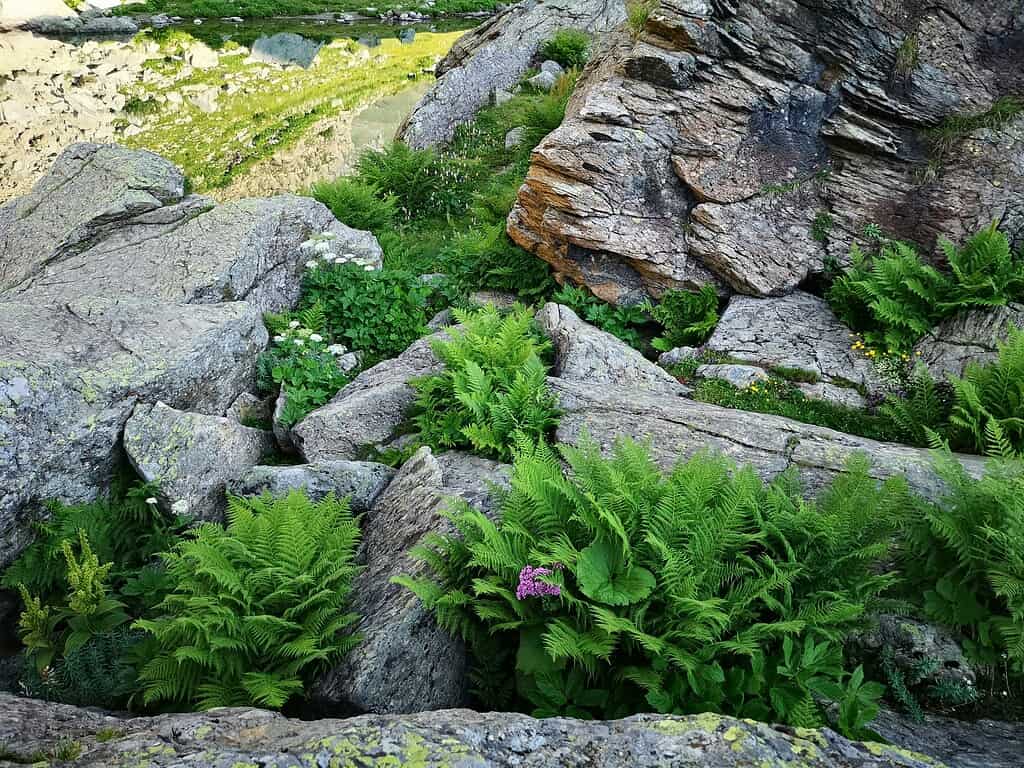
An alpine rock garden mimics a mountain slope with low growing succulents and hardy flowers tucked between stones.
Start with a small mound or raised area. Mix garden soil, coarse sand, and gravel in equal parts to create fast draining soil. Place medium sized rocks first, burying about one third of each stone for stability.
Then tuck in plants like:
- Sedum
- Sempervivum (hens and chicks)
- Creeping phlox
- Alpine asters
Water lightly at first. Once established, these drought tolerant plants need very little care. Over time, they spread and soften the rocks naturally.
2. Zen Inspired Gravel Garden
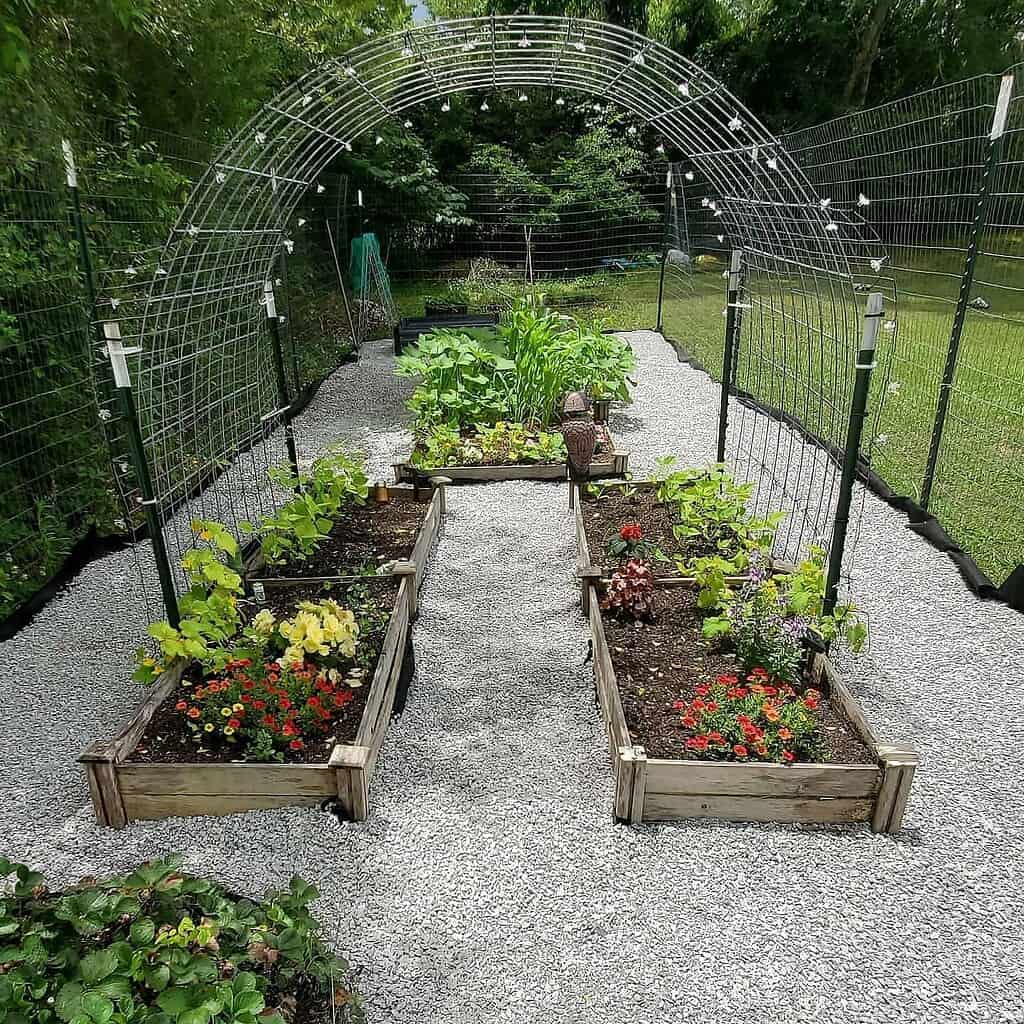
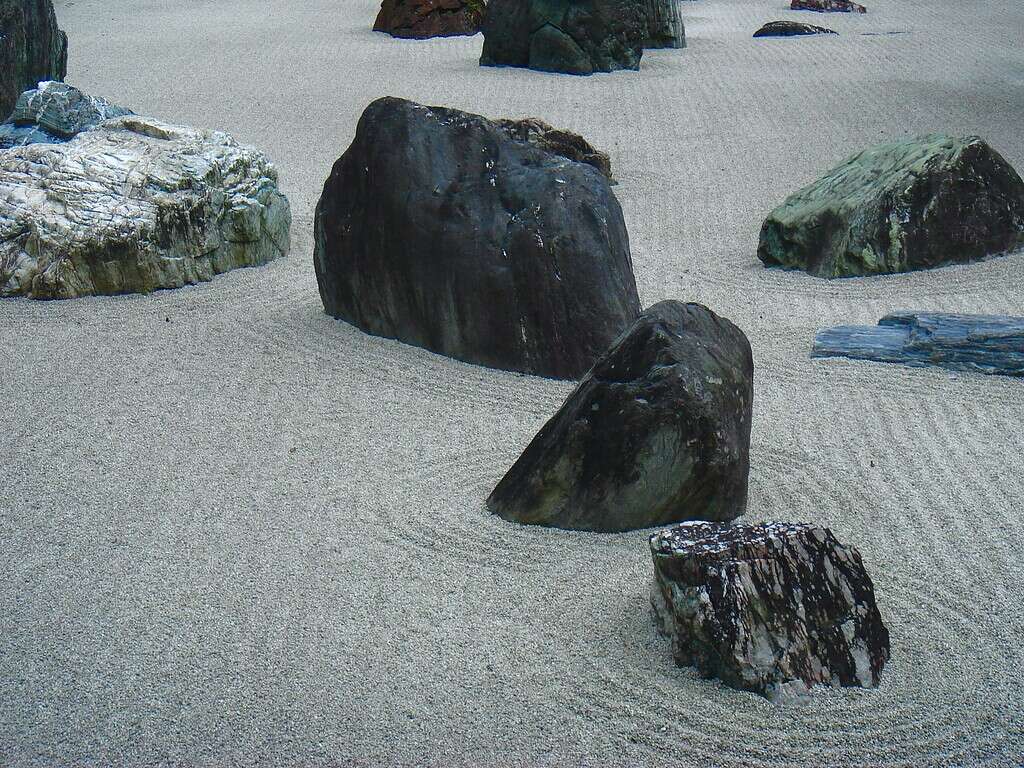
Inspired by traditional Japanese karesansui gardens, this style uses gravel, sand, and a few well placed stones.
Clear and level the area. Lay landscape fabric to suppress weeds. Add 2 to 3 inches of fine gravel. Place 2 to 5 large stones as focal points. Rake patterns into the gravel for texture.
You can add one accent plant like a small pine, bamboo, or fern for contrast.
Maintenance is minimal. Just re rake occasionally and remove debris. It is a peaceful, low water landscaping option that works even in small yards.
3. Herb Spiral Rock Garden
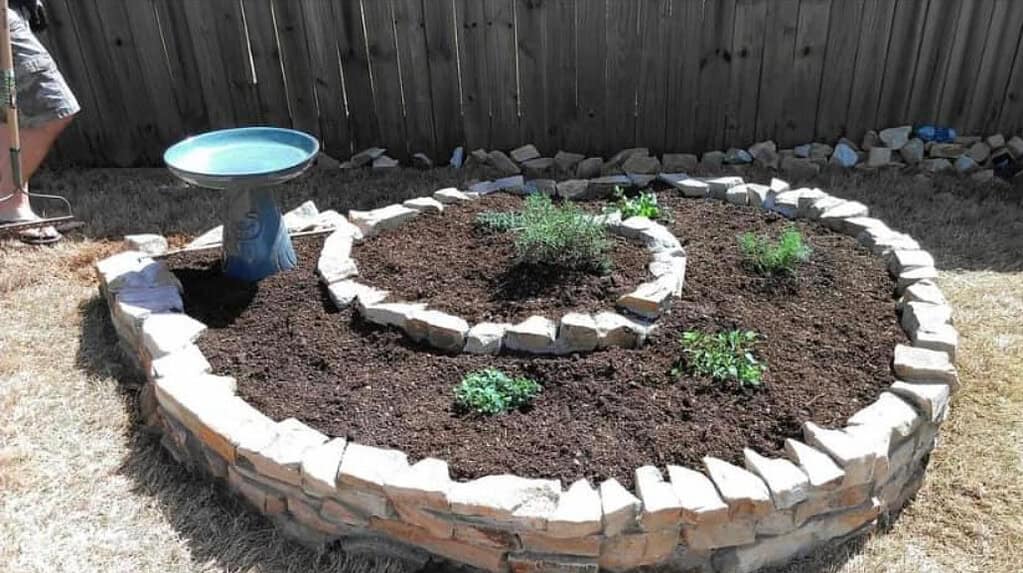
An herb spiral is both productive and beautiful.
Build a circular spiral with stacked stones, gradually rising toward the center. Fill with well draining soil as you go.
Plant according to moisture levels:
- Top: thyme, oregano, rosemary
- Middle: sage, chives
- Bottom: parsley, mint
The design creates natural drainage and microclimates. It is a practical DIY rock garden idea that fits perfectly into a homestead layout.
4. Simple Rock Border Edging
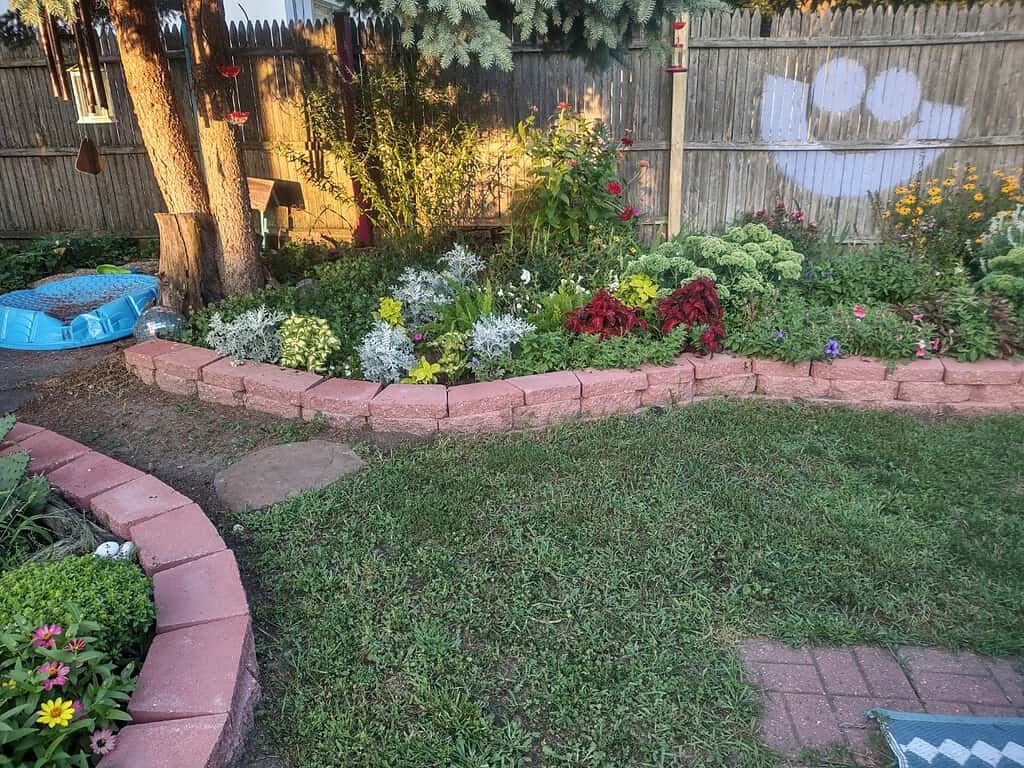
Rock border edging is one of the easiest ways to introduce stone into your landscape. It defines garden beds clearly while helping suppress weeds.
Line flower beds or pathways with flat stones or river rocks, burying them slightly so they appear natural.
Fill the inner edge with gravel and tuck creeping thyme or sedum between stones for a softer look.
This project can be completed in a few hours and instantly adds structure and visual appeal without ongoing maintenance.
5. Dry Creek Bed Feature
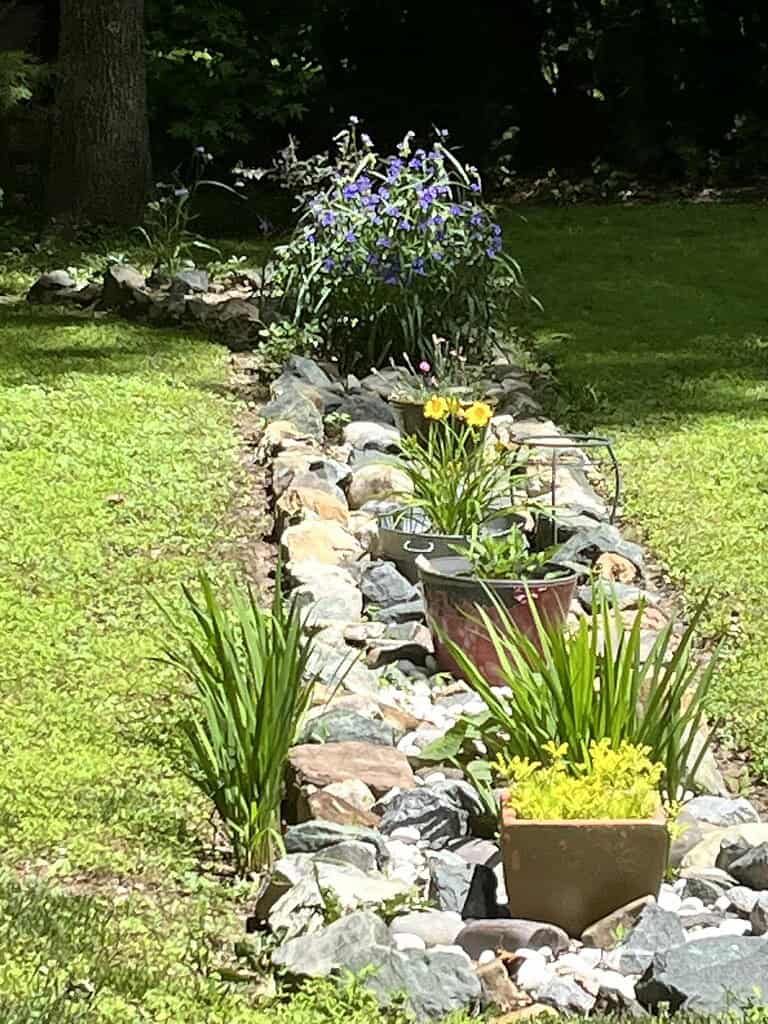
A dry creek bed helps with drainage while adding movement to your landscape.
Outline a winding path with a hose. Dig a shallow trench. Place larger rocks along the edges and fill the center with mixed river rock and gravel.
Plant drought tolerant grasses or lavender along the sides.
It prevents puddling during heavy rain and becomes a sculptural feature during dry months.
6. Flagstone Gathering Spot
Turn a rocky corner into a seating area.
Lay flagstone pieces on level ground. Leave gaps between them. Fill gaps with gravel or creeping thyme.
Add a bench or fire pit.
This blends hardscape and garden in a low maintenance way. There is no mowing involved, and it becomes an outdoor extension of your home.
7. Succulent Container Rock Garden
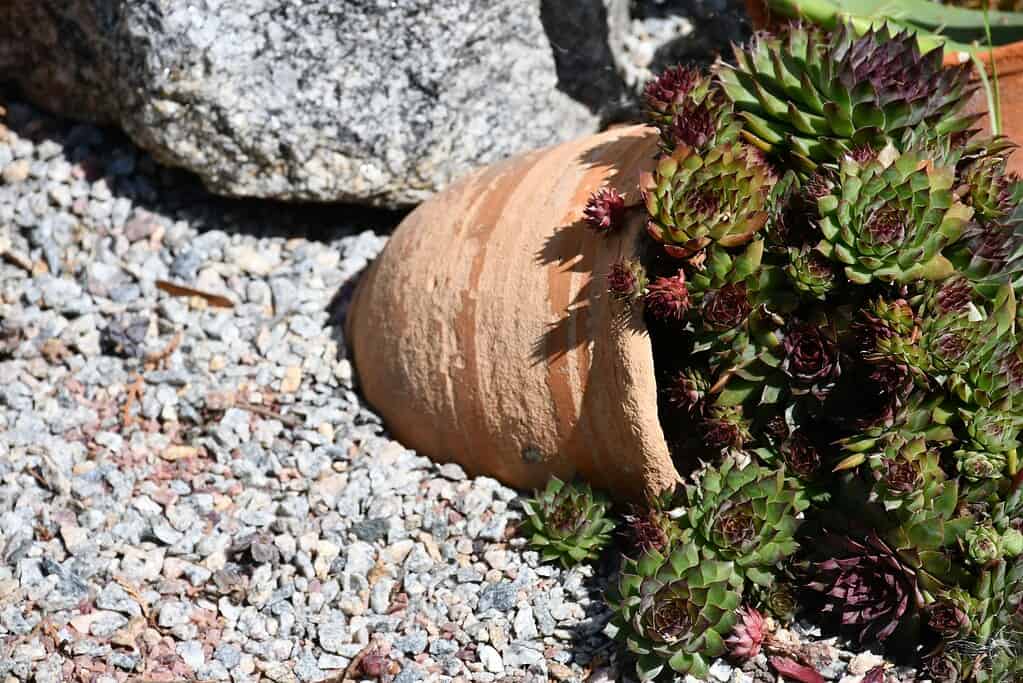
Not ready for a full yard project?
Use a shallow container or trough. Fill with gritty soil. Add decorative rocks and plant succulents like:
- Echeveria
- Sedum
- Agave
- Sempervivum
This is perfect for patios, balconies, or small spaces. Water only when soil is completely dry.
If container displays are more your speed, I share more inspiration in our irresistible succulent garden ideas that work beautifully with stone accents.
8. Mini Boulder Cluster
A mini boulder cluster creates a natural focal point with minimal planting required. It works especially well in open lawn areas or near driveways.
Select two or three large stones and partially bury them so they look settled into the ground. Add gravel mulch around the base and plant hardy grasses or succulents in small pockets.
The irregular shapes add texture and height, giving your yard structure without overwhelming the space.
9. Fairy Rock Garden
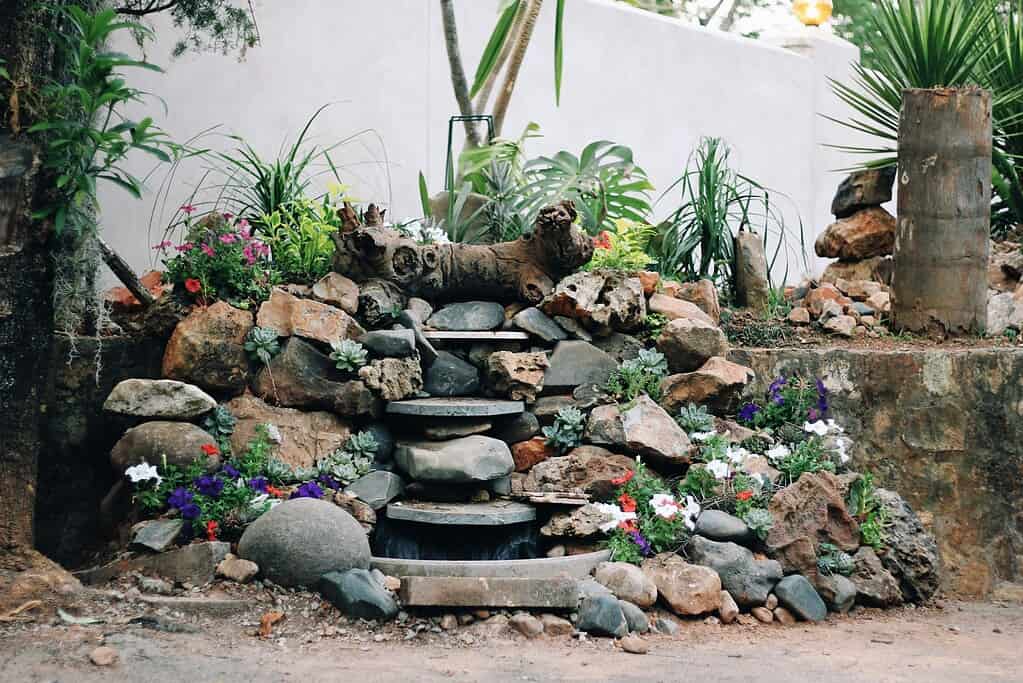
A fairy rock garden brings creativity into your landscape and works beautifully in small beds or containers. It is especially fun for families.
Use small flat stones to form tiny pathways or patios. Add moss, miniature succulents, or creeping thyme for greenery. You can include decorative elements like small houses or bridges.
Despite its whimsical feel, it still follows good drainage and spacing principles, making it both playful and practical.
10. Stepping Stone Path with Groundcover
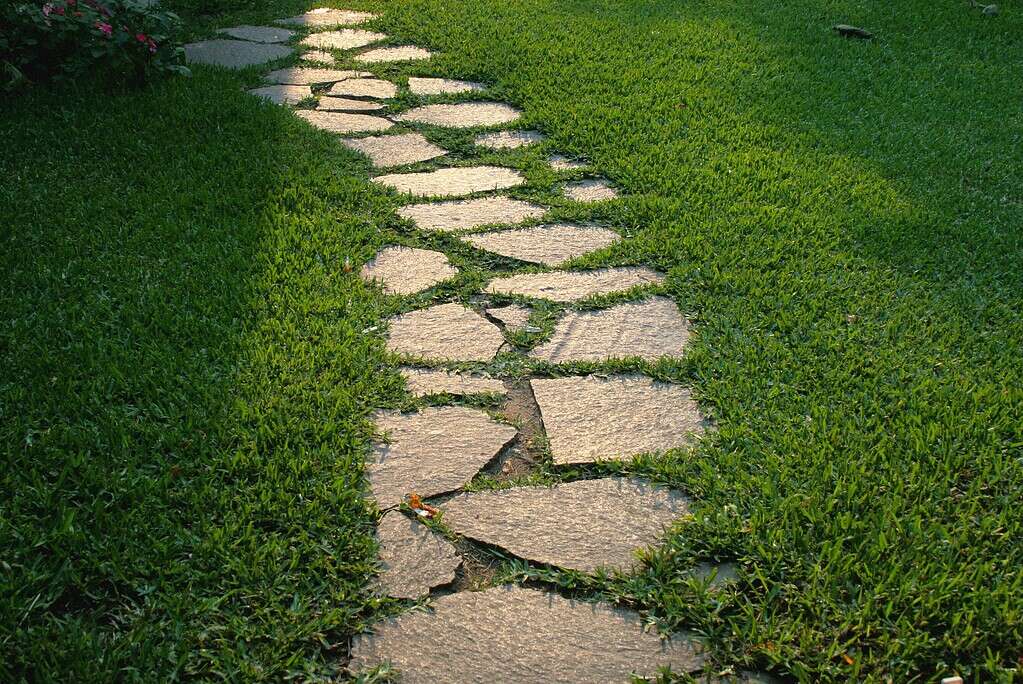
A stepping stone path blends function and design while reducing lawn maintenance. It creates a walkable surface that feels integrated into the garden.
Lay stepping stones on compacted soil or gravel, ensuring the tops sit level with the ground. Fill the spaces between stones with creeping thyme or Irish moss.
As the groundcover spreads, it softens the hard edges of the stone and helps prevent weeds, creating a durable and attractive pathway.
How to Choose Rocks for Your Rock Garden
Choose stones that look natural in your region.
Common options include:
- Granite for durability
- Sandstone for warm tones
- Limestone for light color
- River rock for dry creek beds
- Flagstone for paths and patios
Use one or two stone types for a cohesive look. Bury at least one third of each rock so it feels grounded.
Start Your Rock Garden This Weekend!
You do not need a massive yard or a professional crew to create something beautiful.
Start small. Choose one idea. Gather a few stones. Pick hardy rock garden plants suited to your climate.
Rock gardens are practical, water wise, and deeply satisfying to build.
If you are planning your own DIY rock garden, tell me in the comments:
Which idea are you starting with?
Are you working with full sun or shade?
Let’s build something lasting.
Plan Your Garden With Confidence!

Ever start planting… and then realize halfway through that things feel a little scattered?
A simple plan changes everything.
When you sketch your layout first, you can see what fits, what flows, and what actually makes sense for your space. It saves time, money, and a whole lot of second-guessing later.
Our free Garden Planner helps you map out beds, organize plant spacing, rotate crops, and keep track of seasonal tasks – all in a clean, printable format you can actually use.
Whether you’re designing a low maintenance front yard or planning your full homestead garden, this gives you a clear starting point.
Less chaos. More clarity. A garden that works.
FAQs
How do I prevent weeds in a rock garden?
Use landscape fabric under gravel and choose dense groundcovers. Hand pull weeds early before they establish.
Can I build a rock garden on clay soil?
Yes. Improve drainage by mixing coarse sand and gravel into the soil or create a raised mound.
How much sun does a rock garden need?
Most rock garden plants prefer full sun. However, you can design shade rock gardens using ferns, hostas, and moss.
How often should I water a rock garden?
After establishment, water only during extended drought. Succulents and alpine plants prefer dry conditions.
Is a rock garden expensive to build?
It depends on stone choice. Using locally sourced rocks keeps costs low. Small DIY rock gardens can be built for under 150 dollars.