
When to Plant Broccoli in Walker County, TX
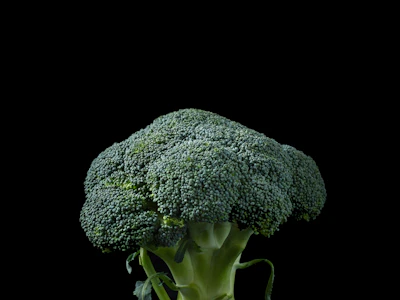
Broccoli is a nutrient-dense cool-season crop that produces large central heads followed by smaller side shoots. It is one of the most popular garden vegetables.
Walker County, Texas is in USDA Zone 9a. The average last spring frost is February 26 and the first fall frost is November 27, giving you a growing season of approximately 274 days.
At an elevation of 38 feet, Walker County receives approximately 72.6 inches of rainfall annually with predominantly sandy loam soil. Summer highs average 90°F, providing good warmth for Broccoli during the growing season. Sandy soil warms quickly in spring — great for early planting — but Broccoli will need more frequent watering and organic matter to retain nutrients. Ample rainfall means less supplemental watering, but ensure good drainage to prevent Broccoli root diseases.
Walker County Soil Profile
Soil Type
Sandy Loam
Soil pH
5.4-6.6
Drainage
Well Drained
How Much Broccoli to Grow
For a family of 4, plant approximately 12 broccoli plants in about 24 sq ft. In Walker County's 274-day season, you'll have plenty of time for a full harvest. Plan your garden layout →
Monthly Watering Guide for Broccoli
Broccoli needs approximately 1 inches of water per week (4.3" per month). Here's how your county's rainfall compares month by month.
| Month | Broccoli Needs | Rainfall | You Supplement | Action |
|---|---|---|---|---|
| Jan | — | 1.7" | 0" | ❄️ Dormant |
| Feb | 4.3" | 2.1" | 2.2" | 🚿 Regular watering |
| Mar | 4.3" | 5.1" | 0" | ✅ Rainfall sufficient |
| Apr | 4.3" | 7.6" | 0" | ✅ Rainfall sufficient |
| May | 4.3" | 12.1" | 0" | ✅ Rainfall sufficient |
| Jun | 4.3" | 9.9" | 0" | ✅ Rainfall sufficient |
| Jul | 4.3" | 10.2" | 0" | ✅ Rainfall sufficient |
| Aug | 4.3" | 9.6" | 0" | ✅ Rainfall sufficient |
| Sep | 4.3" | 5.9" | 0" | ✅ Rainfall sufficient |
| Oct | 4.3" | 4.2" | 0.1" | 💧 Light watering |
| Nov | 4.3" | 2.3" | 2" | 💧 Light watering |
| Dec | — | 1.7" | 0" | ❄️ Dormant |
Water needs are for active growing months only (Feb–Nov in Walker County). Supplement amounts are based on average rainfall — actual needs vary with temperature, soil, and mulching.
Broccoli Planting Timeline — Walker County, TX
Broccoli Planting Calendar
| Activity | When | Date Range |
|---|---|---|
| Start Indoors | January 29 | Jan 29 – Feb 12 |
| Transplant Outdoors | February 26 | Feb 26 – Mar 12 |
| Direct Sow | February 5 | Feb 5 – Feb 26 |
| Harvest | April 30 | Apr 30 – Jun 11 |
| Fall Sowing | October 2 | Oct 2 – Oct 16 |
Plant 1" deep · 15" apart · Rows 24" apart
Month-by-Month Timeline
| Month | Activities |
|---|---|
| January | Start Indoors |
| February | Start Indoors Transplant Outdoors Direct Sow |
| March | Transplant Outdoors |
| April | Harvest |
| May | Harvest |
| June | Harvest |
| July | — |
| August | — |
| September | — |
| October | Fall Sowing |
| November | — |
| December | — |
Growing Conditions
☀️ Sun
Full Sun (6-8+ hours)
💧 Water
Moderate — regular watering
📅 Days to Maturity
60–90 days
🧪 Soil pH
Needs 6–7 · Your soil: N/A
🗺️ USDA Zone
Zone 9a
📆 Growing Season
274 days in Walker County
Growing Tips for Walker County
Start seeds indoors 6-8 weeks before last frost. Provide consistent moisture to prevent hollow stems. Harvest heads before yellow flowers appear.
Companion Planting
Good Companions
Avoid Planting Near
Check more plant combinations with our Companion Planting Checker →
Isolate 1/2 mile from other brassicas. Biennial — must overwinter roots.
Broccoli in Other Locations
Frequently Asked Questions
When should I plant Broccoli in Walker County, TX?
Walker County is in Zone 9a with an average last frost of February 26. Plan your Broccoli planting based on this frost date — see the calendar above for exact timing.
What planting zone is Walker County, TX?
Walker County, Texas is in USDA Hardiness Zone 9a. The average last spring frost is February 26 and first fall frost is November 27.
Your Walker County Garden Planner — Free
A 22-page printable planner built for Walker County (Zone 9a). Planting dates, a month-by-month schedule, harvest log, seed inventory, and succession charts — all dialed in for your exact growing season.