
When to Plant Pumpkin in Hooker County, NE
What to do in July
Each item below is timed to Hooker County, Nebraska's frost dates and soil temperatures. Skip nothing, stress about nothing.
August will be here before you know it — start on
- First harvests: pumpkin
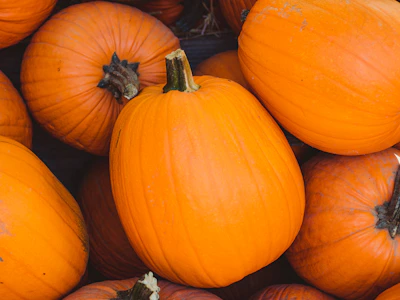
Pumpkins are large-fruited squash varieties grown for eating, decoration, and seed production. They require ample space and a long, warm growing season.
Hooker County, Nebraska is in USDA Zone 5b. The average last spring frost is May 13 and the first fall frost is October 4, giving you a growing season of approximately 144 days.
At an elevation of 737 feet, Hooker County receives approximately 21.1 inches of rainfall annually with predominantly loam soil. Summer highs average 81°F, so choose short-season varieties of Pumpkin to ensure they mature before fall.
Hooker County Soil Profile
Soil Type
Loam
Soil pH
6.2-7.1
Drainage
Well Drained
Pumpkin Planting Risk Windows
Percentages indicate frost risk at transplant. The 70% safe window means there is a 30% chance of frost after transplant — suitable for cold-hardy crops or gardeners with frost protection. The 90% safe window is best for tender plants.
Soil Compatibility in Hooker County
How your county's soil matches Pumpkin's growing requirements.
Soil pH
Your soil pH (6.2–7.1) is within Pumpkin's preferred range (6.0–7.5).
Soil Texture
The loam soil in Hooker County is excellent for Pumpkin — good drainage, moisture retention, and nutrient holding capacity.
Organic Matter
Organic matter is moderate (3.6%). Annual compost additions will help Pumpkin.
How to Plant Pumpkin
Pumpkin Water Budget
Water stress score is 8/10 — consider drought-tolerant varieties and mulching
Monthly Watering Guide for Pumpkin
Pumpkin needs approximately 1.3 inches of water per week (5.6" per month). Here's how your county's rainfall compares month by month.
| Month | Pumpkin Needs | Rainfall | You Supplement | Action |
|---|---|---|---|---|
| Jan | — | 1.3" | 0" | ❄️ Dormant |
| Feb | — | 1.4" | 0" | ❄️ Dormant |
| Mar | — | 2" | 0" | ❄️ Dormant |
| Apr | — | 2.4" | 0" | ❄️ Dormant |
| May | 5.6" | 2.6" | 3" | 🚿 Regular watering |
| Jun | 5.6" | 1.7" | 3.9" | 🚿 Regular watering |
| Jul | 5.6" | 1.8" | 3.8" | 🚿 Regular watering |
| Aug | 5.6" | 2" | 3.6" | 🚿 Regular watering |
| Sep | 5.6" | 1.5" | 4.1" | 🚿 Regular watering |
| Oct | 5.6" | 1.7" | 3.9" | 🚿 Regular watering |
| Nov | — | 1.7" | 0" | ❄️ Dormant |
| Dec | — | 1.1" | 0" | ❄️ Dormant |
Water needs are for active growing months only (May–Oct in Hooker County). Supplement amounts are based on average rainfall — actual needs vary with temperature, soil, and mulching.
Pumpkin Heat Requirements (GDD)
What are Growing Degree Days (GDD)?
Growing Degree Days measure the total warmth your plants receive during the growing season. Think of it as a "heat bank" — every day above 50°F deposits warmth that helps your plants grow.
Each plant needs a certain amount of accumulated heat to mature. If your county provides more GDD than the plant needs, it's a great fit. If it's close, you may want to choose faster-maturing varieties or start seeds indoors to get a head start.
Pumpkin Planting Timeline — Hooker County, NE
Pumpkin Planting Calendar
| Activity | When | Date Range |
|---|---|---|
| Start Indoors | April 8 | Apr 8 – Apr 22 |
| Transplant Outdoors | May 27 | May 27 – Jun 10 |
| Direct Sow | May 20 | May 20 – Jun 10 |
| Harvest | August 26 | Aug 26 – Oct 14 |
Plant 1" deep · 30" apart · Rows 42" apart
Month-by-Month Timeline
| Month | Activities |
|---|---|
| January | — |
| February | — |
| March | — |
| April | Start Indoors |
| May | Transplant Outdoors Direct Sow |
| June | Transplant Outdoors Direct Sow |
| July | — |
| August | Harvest |
| September | Harvest |
| October | Harvest |
| November | — |
| December | — |
Growing Conditions
☀️ Sun
Full Sun (6-8+ hours)
💧 Water
1.3"/week · 2-3 times/week
📅 Days to Maturity
85–120 days
🧪 Soil pH
Needs 6–7.5 · Your soil: ideal
🗺️ USDA Zone
Zone 5b
📆 Growing Season
144 days in Hooker County
Growing Tips for Pumpkin in Hooker County
Direct sow Pumpkin outdoors after May 13 in Hooker County when soil has warmed and frost danger has passed.
Common pests for Pumpkin in this region include squash vine borer and cucumber beetles. Use row covers early in the season and inspect plants weekly.
Hooker County receives only 21" of rain annually. Pumpkin needs consistent moisture — install drip irrigation or water deeply 2-3 times per week.
General growing tips
Direct sow on mounds after last frost. Allow 6-10 feet between plants. Slip a board under developing fruit to prevent rot. Harvest when rind is hard and deep in color.
Companion Planting
Good Companions
Avoid Planting Near
Check more plant combinations with our Companion Planting Checker →
Pumpkin in Other Locations
Frequently Asked Questions
When should I plant Pumpkin in Hooker County, NE?
Hooker County is in Zone 5b with an average last frost of May 13. Plan your Pumpkin planting based on this frost date — see the calendar above for exact timing.
What planting zone is Hooker County, NE?
Hooker County, Nebraska is in USDA Hardiness Zone 5b. The average last spring frost is May 13 and first fall frost is October 4.
Your Hooker County Garden Planner — Free
A 22-page printable planner built for Hooker County (Zone 5b). Planting dates, a month-by-month schedule, harvest log, seed inventory, and succession charts — all dialed in for your exact growing season.