
Claiborne County, MS — Planting Guide
Claiborne County is in USDA Zone 8b. The average last spring frost is March 12 and the first fall frost is November 13, giving you a growing season of approximately 246 days.
At an elevation of 115 ft, Claiborne County receives approximately 55.8 in of rainfall annually. Summer highs average 97°F with winter lows around 38°F. The predominant soil type is Clay Loam.
🌡️ Zone
8b (15°F to 20°F min)
❄️ Last Frost
March 12
🍂 First Frost
November 13
📅 Growing Season
246 days
⛰️ Elevation
115 ft
🌧️ Annual Rainfall
55.8 in
Claiborne County Soil Profile
Soil Type
Clay Loam
Soil pH
6.0-7.0
Drainage
Well Drained
Soil & Growing Conditions in Claiborne County
Soil Type
Clay Loam
Retains moisture well but slow to warm in spring. Amend with compost to improve drainage.
Watering Needs
With 55.8 inches of annual rainfall, supplemental watering is typically only needed during summer dry spells.
Season Tips
246-day frost-free season
Plenty of time for warm-season crops. Start heat-lovers indoors 6–8 weeks before last frost to maximise your harvest window.
Your Free Printable Garden Planner
Plan every bed, every planting, every harvest — in one place. This 22-page printable includes your zone's planting calendar, a month-by-month task list, a seed inventory tracker, a harvest log, and succession-planting charts. Built to print, write in, and actually use all season.
Recommended for Your Garden
Cedar raised bed kit — ideal for poor soil, clay, or small-space gardening.
Improve drainage and aeration in heavy clay soils with horticultural perlite.
Premium blend of topsoil, compost, and perlite formulated for raised beds.
🥬 Vegetables to Grow in Claiborne County
114 vegetables that grow well in Zone 8b with planting dates for Claiborne County.
Show all 114 vegetables with planting dates
| Plant | Start Indoors | Direct Sow | Transplant | Fall Plant | Harvest | Days to Maturity |
|---|---|---|---|---|---|---|
| Acorn Squash | Feb 12 | Mar 19 | Mar 26 | — | Jun 18 – Jul 23 | 80–100 |
| Amaranth | Jan 22 | Mar 19 | Mar 26 | — | Jun 25 – Aug 13 | 90–120 |
| Artichoke | — | — | Mar 26 | — | Jul 30 – Oct 8 | 120–180 |
| Arugula | Feb 5 | Feb 26 | Mar 12 | Sep 4 | Apr 16 – Jun 18 | 30–50 |
| Asparagus | — | — | Mar 26 | — | — | 730–1095 |
| Beets | — | Feb 26 | — | Sep 4 | Apr 23 – May 21 | 50–70 |
| Belgian Endive | Feb 5 | Feb 26 | Mar 12 | Sep 4 | Jul 2 – Aug 27 | 110–150 |
| Bitter Melon | Jan 22 | Mar 19 | Mar 26 | — | May 28 – Jul 9 | 60–90 |
| Black Beans | — | Mar 19 | — | — | Jun 18 – Aug 6 | 90–120 |
| Bok Choy | Feb 5 | Feb 26 | Mar 12 | Sep 4 | Apr 23 – May 28 | 40–60 |
| Broccoli | Feb 5 | Feb 26 | Mar 12 | Sep 4 | May 14 – Jun 25 | 60–90 |
| Broccoli Rabe | Feb 5 | Feb 26 | Mar 12 | Sep 4 | Apr 23 – May 28 | 40–60 |
| Brussels Sprouts | Feb 5 | Feb 26 | Mar 12 | Sep 4 | Jun 11 – Aug 6 | 90–130 |
| Butternut Squash | Feb 12 | Mar 19 | Mar 26 | — | Jun 25 – Jul 30 | 85–110 |
| Cabbage | Feb 5 | Feb 26 | Mar 12 | Sep 4 | May 14 – Jul 9 | 60–100 |
| Calabash | Jan 22 | Mar 19 | Mar 26 | — | Jun 18 – Aug 13 | 80–120 |
| Cardoon | — | — | Mar 26 | — | Jul 30 – Sep 10 | 120–150 |
| Carrots | — | Feb 26 | — | Sep 4 | Apr 30 – Jun 4 | 60–80 |
| Cauliflower | Feb 5 | Feb 26 | Mar 12 | Sep 4 | May 7 – Jul 9 | 55–100 |
| Celeriac | Feb 5 | Feb 26 | Mar 12 | Sep 4 | Jun 25 – Jul 30 | 100–120 |
| Celery | Feb 5 | Feb 26 | Mar 12 | Sep 4 | Jun 4 – Jul 30 | 80–120 |
| Celtuce | Feb 5 | Feb 26 | Mar 12 | Sep 4 | May 14 – Jun 25 | 60–90 |
| Chard | Feb 5 | Feb 26 | Mar 12 | Sep 4 | May 7 – Jun 25 | 50–60 |
| Chayote | Jan 22 | Mar 19 | Mar 26 | — | Jul 30 – Oct 8 | 120–180 |
| Chickpeas | Feb 5 | Feb 26 | Mar 12 | Sep 4 | Jun 4 – Jul 16 | 80–110 |
| Chicory | Feb 5 | Feb 26 | Mar 12 | Sep 4 | May 14 – Jun 25 | 60–85 |
| Chinese Cabbage | Feb 5 | Feb 26 | Mar 12 | Sep 4 | May 7 – Jun 4 | 50–70 |
| Christmas Lima Beans | Jan 22 | Mar 19 | Mar 26 | — | Jun 18 – Jul 23 | 80–100 |
| Collard Greens | Feb 5 | Feb 26 | Mar 12 | Sep 4 | May 7 – Jul 9 | 55–75 |
| Corn | — | Mar 19 | — | — | May 21 – Jul 16 | 60–100 |
| Cowpeas | — | Mar 19 | — | — | May 21 – Jul 2 | 60–90 |
| Cress | Feb 5 | Feb 26 | Mar 12 | Sep 4 | Mar 26 – Apr 16 | 14–21 |
| Crookneck Squash | Feb 12 | Mar 19 | Mar 26 | — | May 14 – Jun 11 | 45–60 |
| Crosne | — | Feb 26 | — | Sep 4 | Jul 30 – Oct 1 | 150–200 |
| Cucumber | Feb 12 | Mar 19 | Mar 26 | — | May 21 – Jul 16 | 50–70 |
| Daikon | — | Feb 26 | — | Sep 4 | Apr 23 – May 21 | 50–70 |
| Delicata Squash | Feb 12 | Mar 19 | Mar 26 | — | Jun 18 – Jul 23 | 80–100 |
| Edamame | — | Mar 19 | — | — | Jun 4 – Jul 16 | 75–100 |
| Eggplant | Jan 8 | Mar 19 | Mar 26 | — | Jun 4 – Aug 6 | 65–85 |
| Endive | Feb 5 | Feb 26 | Mar 12 | Sep 4 | Apr 30 – Jun 4 | 45–65 |
| Escarole | Feb 5 | Feb 26 | Mar 12 | Sep 4 | May 7 – Jun 4 | 50–70 |
| Fava Beans | Feb 5 | Feb 26 | Mar 12 | Sep 4 | May 28 – Jul 9 | 75–100 |
| Fennel | Jan 22 | Mar 19 | Mar 26 | — | May 28 – Jul 9 | 60–90 |
| Garlic | — | — | — | Oct 2 | Jan 1 – Jun 18 | 90–240 |
| Ginger | Jan 22 | Mar 19 | Mar 26 | — | Nov 26 – Dec 10 | 240–300 |
| Green Beans | — | Mar 19 | — | — | May 14 – Jul 9 | 50–65 |
| Horseradish | — | — | Mar 26 | — | Jul 30 – Oct 8 | 120–180 |
| Hot Peppers | Jan 8 | Mar 19 | Mar 26 | — | Jun 4 – Sep 10 | 70–120 |
| Hubbard Squash | Feb 12 | Mar 19 | Mar 26 | — | Jul 9 – Aug 13 | 100–120 |
| Jicama | Jan 22 | Mar 19 | Mar 26 | — | Jul 30 – Oct 8 | 120–180 |
| Kabocha | Feb 12 | Mar 19 | Mar 26 | — | Jun 25 – Jul 23 | 85–100 |
| Kai Lan | Feb 5 | Feb 26 | Mar 12 | Sep 4 | Apr 30 – May 28 | 45–60 |
| Kale | Feb 5 | Feb 26 | Mar 12 | Sep 4 | May 7 – Jul 2 | 50–70 |
| Kidney Beans | — | Mar 19 | — | — | Jun 18 – Jul 23 | 85–110 |
| Kohlrabi | Feb 5 | Feb 26 | Mar 12 | Sep 4 | Apr 30 – Jun 4 | 45–65 |
| Komatsuna | Feb 5 | Feb 26 | Mar 12 | Sep 4 | Apr 16 – May 21 | 35–50 |
| Leeks | Feb 5 | Feb 26 | Mar 12 | Sep 4 | Jun 11 – Aug 27 | 90–150 |
| Lentils | Feb 5 | Feb 26 | Mar 12 | Sep 4 | Jun 4 – Jul 16 | 80–110 |
| Lettuce | Feb 5 | Feb 26 | Mar 12 | Sep 4 | Apr 16 – Jun 25 | 30–60 |
| Lima Beans | — | Mar 19 | — | — | May 21 – Jul 2 | 60–90 |
| Loofah | Jan 22 | Mar 19 | Mar 26 | — | Jul 9 – Sep 10 | 100–150 |
| Luffa | Jan 22 | Mar 19 | Mar 26 | — | Jun 25 – Sep 10 | 90–150 |
| Mache | Feb 5 | Feb 26 | Mar 12 | Sep 4 | Apr 23 – May 28 | 40–60 |
| Malabar Spinach | Jan 22 | Mar 19 | Mar 26 | — | May 21 – Jun 18 | 55–70 |
| Melon | Feb 12 | Mar 19 | Mar 26 | — | Jun 4 – Jul 23 | 70–100 |
| Microgreens | Feb 5 | Feb 26 | Mar 12 | Sep 4 | Mar 19 – Apr 16 | 7–21 |
| Mitsuba | Feb 5 | Feb 26 | Mar 5 | Sep 4 | Apr 30 – Jun 25 | 50–70 |
| Mizuna | Feb 5 | Feb 26 | Mar 12 | Sep 4 | Apr 16 – May 14 | 30–45 |
| Mustard Greens | Feb 5 | Feb 26 | Mar 12 | Sep 4 | Apr 16 – Jun 18 | 30–50 |
| Napa Cabbage | Feb 5 | Feb 26 | Mar 12 | Sep 4 | May 7 – Jun 11 | 55–75 |
| New Zealand Spinach | Jan 22 | Mar 19 | Mar 26 | — | May 21 – Jun 18 | 55–70 |
| Okra | Jan 22 | Mar 19 | Mar 26 | — | May 21 – Jul 16 | 50–65 |
| Onion | Feb 5 | Feb 26 | Mar 12 | Sep 4 | Jun 11 – Jul 30 | 90–120 |
| Pac Choi | Feb 5 | Feb 26 | Mar 12 | Sep 4 | Apr 23 – May 21 | 40–55 |
| Parsnip | — | Feb 26 | — | Sep 4 | Jun 11 – Jul 23 | 100–130 |
| Patty Pan Squash | Feb 12 | Mar 19 | Mar 26 | — | May 14 – Jun 11 | 45–60 |
| Peas | Feb 5 | Feb 26 | Mar 12 | Sep 4 | May 7 – Jul 2 | 55–70 |
| Peppers | Jan 8 | Mar 19 | Mar 26 | — | May 28 – Aug 6 | 60–90 |
| Pole Beans | Jan 22 | Mar 19 | Mar 26 | — | May 21 – Jul 16 | 55–70 |
| Potatoes | Jan 22 | Mar 19 | Mar 26 | — | Jun 4 – Aug 13 | 70–120 |
| Pumpkin | Feb 12 | Mar 19 | Mar 26 | — | Jun 25 – Aug 13 | 85–120 |
| Purslane | Feb 5 | Feb 26 | Mar 12 | Sep 4 | Apr 23 – May 28 | 40–60 |
| Radicchio | Feb 5 | Feb 26 | Mar 12 | Sep 4 | May 14 – Jun 18 | 60–80 |
| Radish | — | Feb 26 | — | Sep 4 | Mar 26 – Apr 16 | 22–35 |
| Rhubarb | — | — | Apr 2 | — | — | 365–730 |
| Romanesco | Feb 5 | Feb 26 | Mar 12 | Sep 4 | May 28 – Jul 9 | 75–100 |
| Rutabaga | — | Feb 26 | — | Sep 4 | May 21 – Jun 25 | 80–100 |
| Salsify | — | Feb 26 | — | Sep 4 | Jun 11 – Jul 23 | 100–130 |
| Savoy Cabbage | Feb 5 | Feb 26 | Mar 12 | Sep 4 | May 21 – Jul 16 | 70–110 |
| Scallions | Feb 5 | Feb 26 | Mar 12 | Sep 4 | May 7 – Jun 4 | 50–70 |
| Scarlet Runner Beans | Jan 22 | Mar 19 | Mar 26 | — | May 28 – Jul 2 | 60–80 |
| Shallot | Feb 5 | Feb 26 | Mar 12 | Sep 4 | Jun 11 – Jul 30 | 90–120 |
| Shiso | Jan 22 | Mar 19 | Mar 26 | — | May 21 – Jul 16 | 50–70 |
| Snap Peas | Jan 22 | Mar 19 | Mar 26 | — | May 21 – Jul 16 | 55–70 |
| Snow Peas | Feb 5 | Feb 26 | Mar 12 | Sep 4 | May 7 – Jul 2 | 50–65 |
| Soybeans | — | Mar 19 | — | — | Jun 11 – Aug 6 | 80–120 |
| Spaghetti Squash | Feb 12 | Mar 19 | Mar 26 | — | Jun 25 – Jul 23 | 85–100 |
| Spinach | Feb 5 | Feb 26 | Mar 12 | Sep 4 | Apr 16 – Jun 18 | 35–50 |
| Squash (Summer) | Feb 12 | Mar 19 | Mar 26 | — | May 14 – Jul 16 | 45–65 |
| Squash (Winter) | Feb 12 | Mar 19 | Mar 26 | — | Jun 18 – Aug 13 | 80–120 |
| Sunchoke | — | — | Mar 26 | — | Jul 16 – Sep 10 | 110–150 |
| Sweet Corn | — | Mar 19 | — | — | May 21 – Jul 2 | 60–90 |
| Sweet Potatoes | Jan 22 | Mar 19 | Mar 26 | — | Jun 25 – Aug 13 | 90–120 |
| Tatsoi | Feb 5 | Feb 26 | Mar 12 | Sep 4 | Apr 16 – May 21 | 35–50 |
| Tomatillo | Jan 22 | Mar 19 | Mar 26 | — | May 28 – Aug 6 | 60–85 |
| Tomatoes | Jan 22 | Mar 19 | Mar 26 | — | May 28 – Aug 6 | 60–85 |
| Turmeric | Jan 22 | Mar 19 | Mar 26 | — | Nov 26 – Dec 10 | 240–300 |
| Turnip | — | Feb 26 | — | Sep 4 | Apr 9 – May 14 | 40–60 |
| Watercress | Feb 5 | Feb 26 | Mar 12 | Sep 4 | Apr 23 – May 28 | 40–60 |
| Watermelon | Feb 12 | Mar 19 | Mar 26 | — | Jun 4 – Jul 23 | 70–100 |
| Wax Beans | — | Mar 19 | — | — | May 14 – Jul 9 | 50–65 |
| Winter Melon | Jan 22 | Mar 19 | Mar 26 | — | Jun 25 – Aug 13 | 90–120 |
| Yard Long Beans | Jan 22 | Mar 19 | Mar 26 | — | May 21 – Jul 2 | 55–80 |
| Zucchini | Feb 12 | Mar 19 | Mar 26 | — | May 14 – Jul 9 | 45–60 |
🍓 Fruits to Grow in Claiborne County
27 fruits that grow well in Zone 8b with planting dates for Claiborne County.
Show all 27 fruits with planting dates
| Plant | Start Indoors | Direct Sow | Transplant | Fall Plant | Harvest | Days to Maturity |
|---|---|---|---|---|---|---|
| Alpine Strawberries | — | — | Apr 2 | — | Jul 2 – Oct 15 | 90–180 |
| Aronia | — | — | Apr 2 | — | — | 730–1095 |
| Blackberries | — | — | Apr 2 | — | — | 365–730 |
| Blueberries | — | — | Apr 2 | — | — | 730–1095 |
| Boysenberries | — | — | Apr 2 | — | — | 365–730 |
| Cantaloupe | — | — | Apr 2 | — | Jun 11 – Jul 16 | 70–90 |
| Che Fruit | — | — | Apr 2 | — | — | 1095–1825 |
| Elderberries | — | — | Apr 2 | — | — | 730–1095 |
| Figs | — | — | Apr 2 | — | — | 730–1825 |
| Goji Berries | — | — | Apr 2 | — | — | 730–1095 |
| Gooseberries | — | — | Apr 2 | — | — | 730–1095 |
| Grapes | — | — | Apr 2 | — | — | 730–1095 |
| Ground Cherry | — | — | Apr 2 | — | Jun 11 – Aug 6 | 65–80 |
| Hardy Kiwi | — | — | Apr 2 | — | — | 1095–1825 |
| Honeydew | — | — | Apr 2 | — | Jun 25 – Aug 6 | 80–110 |
| Jostaberry | — | — | Apr 2 | — | — | 730–1095 |
| Kiwi | — | — | Apr 2 | — | — | 1095–1825 |
| Loquat | — | — | Apr 2 | — | — | 730–1825 |
| Medlar | — | — | Apr 2 | — | — | 1095–1825 |
| Mulberries | — | — | Apr 2 | — | — | 730–1825 |
| Pawpaw | — | — | Apr 2 | — | — | 1095–2555 |
| Persimmon | — | — | Apr 2 | — | — | 1095–2555 |
| Pomegranate | — | — | Apr 2 | — | — | 730–1095 |
| Quince | — | — | Apr 2 | — | — | 1095–1825 |
| Raspberries | — | — | Apr 2 | — | — | 365–730 |
| Serviceberries | — | — | Apr 2 | — | — | 730–1095 |
| Strawberries | — | — | Apr 2 | — | Jul 2 – Dec 17 | 90–365 |
🌿 Herbs to Grow in Claiborne County
39 herbs that grow well in Zone 8b with planting dates for Claiborne County.
Show all 39 herbs with planting dates
| Plant | Start Indoors | Direct Sow | Transplant | Fall Plant | Harvest | Days to Maturity |
|---|---|---|---|---|---|---|
| Angelica | Feb 5 | Feb 26 | Mar 5 | Sep 4 | — | 365–730 |
| Anise | Feb 5 | Feb 26 | Mar 5 | Sep 4 | Jun 4 – Aug 20 | 90–120 |
| Basil | Jan 22 | Mar 19 | Mar 26 | — | May 21 – Jul 23 | 50–75 |
| Bee Balm | — | — | Mar 19 | — | Jun 18 – Sep 3 | 90–120 |
| Borage | Feb 5 | Feb 26 | Mar 5 | Sep 4 | Apr 30 – Jun 18 | 50–60 |
| Caraway | Feb 5 | Feb 26 | Mar 5 | Sep 4 | — | 365–450 |
| Catnip | — | — | Mar 19 | — | May 21 – Jul 23 | 60–80 |
| Chamomile | Feb 5 | Feb 26 | Mar 5 | Sep 4 | May 7 – Jul 16 | 60–90 |
| Chervil | Feb 5 | Feb 26 | Mar 5 | Sep 4 | Apr 16 – Jun 18 | 40–60 |
| Chives | — | — | Mar 19 | — | May 21 – Jul 30 | 60–90 |
| Cilantro | Feb 5 | Feb 26 | Mar 5 | Sep 4 | Apr 16 – Jun 18 | 40–60 |
| Comfrey | — | — | Mar 19 | — | May 21 – Jul 30 | 60–90 |
| Cumin | Feb 5 | Feb 26 | Mar 5 | Sep 4 | Jun 18 – Aug 20 | 100–120 |
| Dill | Feb 5 | Feb 26 | Mar 5 | Sep 4 | Apr 16 – Jun 18 | 40–60 |
| Epazote | Jan 22 | Mar 19 | Mar 26 | — | May 14 – Jul 9 | 45–60 |
| Fennel (herb) | Feb 5 | Feb 26 | Mar 5 | Sep 4 | May 7 – Jul 16 | 60–90 |
| Feverfew | — | — | Mar 19 | — | Jun 18 – Sep 3 | 90–120 |
| Garlic Chives | — | — | Mar 19 | — | May 21 – Jul 30 | 60–90 |
| Horehound | — | — | Mar 19 | — | Jun 4 – Jul 30 | 75–90 |
| Hyssop | — | — | Mar 19 | — | May 28 – Jul 30 | 70–90 |
| Lemon Balm | — | — | Mar 19 | — | May 21 – Jul 9 | 60–70 |
| Lemon Thyme | — | — | Mar 19 | — | May 28 – Jul 30 | 70–90 |
| Lemon Verbena | Jan 22 | Mar 19 | Mar 26 | — | May 28 – Aug 6 | 60–90 |
| Lemongrass | Jan 22 | Mar 19 | Mar 26 | — | Jun 11 – Sep 10 | 75–120 |
| Lovage | — | — | Mar 19 | — | May 28 – Jul 30 | 70–90 |
| Marjoram | — | — | Mar 19 | — | May 21 – Jul 30 | 60–90 |
| Mint | — | — | Mar 19 | — | May 21 – Jul 30 | 60–90 |
| Oregano | — | — | Mar 19 | — | May 21 – Jul 30 | 60–90 |
| Parsley | Feb 5 | Feb 26 | Mar 5 | Sep 4 | May 7 – Jul 9 | 60–80 |
| Rosemary | — | — | Mar 19 | — | Jun 11 – Oct 29 | 80–180 |
| Rue | — | — | Mar 19 | — | May 28 – Jul 30 | 70–90 |
| Sage | — | — | Mar 19 | — | Jun 4 – Jul 30 | 75–90 |
| Savory | — | — | Mar 19 | — | May 14 – Jul 9 | 50–70 |
| Sorrel | Feb 5 | Feb 26 | Mar 5 | Sep 4 | Apr 16 – Jun 18 | 40–60 |
| Stevia | Jan 22 | Mar 19 | Mar 26 | — | May 28 – Aug 6 | 60–90 |
| Tarragon | — | — | Mar 19 | — | May 21 – Jul 30 | 60–90 |
| Thai Basil | Jan 22 | Mar 19 | Mar 26 | — | May 21 – Jul 23 | 50–75 |
| Thyme | — | — | Mar 19 | — | May 28 – Jul 30 | 70–90 |
| Valerian | — | — | Mar 19 | — | Jul 23 – Oct 29 | 120–180 |
🌸 Flowers to Grow in Claiborne County
54 flowers that grow well in Zone 8b with planting dates for Claiborne County.
Show all 54 flowers with planting dates
| Plant | Start Indoors | Direct Sow | Transplant | Fall Plant | Bloom | Days to Maturity |
|---|---|---|---|---|---|---|
| Ageratum | Jan 29 | Feb 26 | Feb 26 | — | Apr 23 – Sep 24 | 60–75 |
| Alliums | — | — | — | Oct 16 | Nov 13 – Dec 4 | 28–42 |
| Anemones | — | — | — | Sep 18 | Sep 25 – Oct 23 | 90–120 |
| Astilbe | Jan 15 | — | Mar 12 | — | May 21 – Jul 9 | 70–100 |
| Bachelor's Button | — | Jan 22 | Feb 19 | Sep 18 | Apr 23 – Aug 20 | 60–90 |
| Begonias | Jan 1 | — | Feb 26 | — | May 7 – Oct 8 | 70–90 |
| Black-eyed Susan | Jan 15 | Feb 26 | Mar 12 | — | May 21 – Oct 15 | 60–80 |
| Bleeding Hearts | Jan 15 | — | Mar 12 | — | Apr 30 – May 28 | 60–90 |
| Calendula | — | Jan 22 | Feb 19 | Sep 4 | Apr 9 – Sep 3 | 50–70 |
| California Poppy | — | — | — | Sep 4 | Nov 13 – Mar 5 | 60–90 |
| Celosia | Feb 12 | Feb 26 | Feb 26 | — | Apr 30 – Oct 8 | 60–90 |
| Columbine | Jan 15 | Mar 12 | Mar 12 | — | Apr 30 – May 28 | 70–100 |
| Coreopsis | Jan 15 | Feb 26 | Mar 12 | — | May 14 – Oct 8 | 60–80 |
| Cosmos | Feb 12 | Feb 19 | Feb 19 | — | Apr 30 – Oct 1 | 60–90 |
| Crocus | — | — | — | Oct 16 | Sep 18 – Oct 9 | 10–20 |
| Daffodils | — | — | — | Oct 16 | Sep 25 – Oct 23 | 20–40 |
| Dahlias | Feb 19 | Mar 12 | Mar 12 | — | May 21 – Nov 5 | 70–120 |
| Daylily | Jan 15 | — | Mar 12 | — | May 21 – Oct 22 | 60–90 |
| Dianthus | Jan 15 | Jan 22 | Jan 29 | — | Mar 19 – May 28 | 60–80 |
| Echinacea (Purple Coneflower) | Jan 15 | Mar 12 | Mar 12 | — | May 21 – Oct 8 | 70–90 |
| Foxglove | Jan 15 | Mar 5 | Mar 5 | — | Apr 23 – May 21 | 80–120 |
| Freesia | — | — | — | Oct 2 | Oct 23 – Nov 27 | 84–112 |
| Gaillardia (Blanket Flower) | Jan 29 | Feb 26 | Feb 26 | — | May 7 – Oct 22 | 70–100 |
| Geraniums | Jan 1 | — | Feb 26 | — | May 7 – Oct 8 | 70–100 |
| Gladiolus | — | Mar 12 | Mar 12 | — | May 21 – Nov 5 | 70–100 |
| Hostas | Jan 8 | — | Mar 12 | — | May 21 – Sep 24 | 60–90 |
| Hyacinths | — | — | — | Oct 16 | Oct 9 – Oct 30 | 14–28 |
| Hydrangeas | Jan 8 | — | Mar 5 | — | May 14 – Sep 17 | 90–150 |
| Impatiens | Jan 15 | — | Mar 5 | — | May 14 – Oct 15 | 60–75 |
| Irises | — | Division | Mar 5 | — | Apr 23 – May 28 | 60–100 |
| Larkspur | — | — | — | Sep 4 | Nov 13 – Mar 5 | 60–90 |
| Lavender | Jan 15 | — | Mar 12 | — | May 21 – Aug 27 | 90–120 |
| Lilies | — | Division | Mar 5 | — | May 14 – Sep 3 | 70–120 |
| Lobelia | Jan 15 | — | Jan 29 | — | Mar 26 – May 7 | 70–80 |
| Lupine | Jan 15 | Mar 12 | Mar 12 | — | Apr 30 – May 28 | 75–100 |
| Marigolds | Feb 5 | Feb 26 | Feb 26 | — | Apr 23 – Sep 10 | 50–70 |
| Nasturtium | Feb 12 | Feb 26 | Feb 26 | — | Apr 23 – Oct 8 | 55–65 |
| Pansy | Jan 1 | — | Feb 19 | Sep 4 | Apr 16 – Aug 6 | 70–90 |
| Peonies | — | Division | Mar 12 | — | May 7 – Jun 4 | 90–120 |
| Petunia | Jan 15 | — | Mar 5 | — | May 14 – Oct 1 | 70–90 |
| Phlox | Jan 15 | Mar 12 | Mar 12 | — | May 21 – Jul 30 | 80–110 |
| Portulaca | Feb 12 | Feb 26 | Feb 26 | — | Apr 16 – Sep 24 | 50–70 |
| Ranunculus | — | — | — | Sep 18 | Oct 2 – Oct 30 | 90–120 |
| Roses | Jan 8 | — | Mar 5 | — | May 14 – Oct 15 | 90–180 |
| Salvia | Jan 15 | — | Feb 26 | — | May 7 – Oct 8 | 70–90 |
| Sedum (Stonecrop) | Jan 15 | — | Mar 12 | — | Jul 2 – Sep 24 | 60–90 |
| Snapdragon | Jan 1 | Jan 29 | Feb 19 | Sep 4 | Apr 30 – Sep 3 | 70–100 |
| Sunflower | Feb 19 | Feb 26 | Feb 26 | — | May 21 – Oct 8 | 70–100 |
| Sweet Alyssum | Jan 29 | Jan 29 | Feb 19 | Sep 18 | Apr 2 – Aug 6 | 45–60 |
| Sweet Pea | — | — | — | Sep 11 | Nov 20 – Jan 29 | 65–85 |
| Tulips | — | — | — | Oct 16 | Oct 2 – Oct 30 | 15–30 |
| Vinca (Annual) | Jan 1 | — | Feb 26 | — | May 7 – Oct 8 | 70–90 |
| Yarrow | Jan 15 | Feb 26 | Mar 12 | — | May 14 – Oct 8 | 60–90 |
| Zinnia | Feb 12 | Feb 26 | Feb 26 | — | May 7 – Oct 8 | 60–70 |
Monthly Planting Guide for Claiborne County
Gardening Guides & Resources
Helpful guides from The Ultimate Homestead to improve your garden in Claiborne County.
Frequently Asked Questions
What planting zone is Claiborne County, MS?
Claiborne County is in USDA Hardiness Zone 8b. This zone classification determines which perennial plants survive winter and sets the baseline for frost timing across the county.
When is the last frost in Claiborne County, MS?
Based on 30 years of NOAA weather station data, the median last spring frost in Claiborne County falls around March 12. Plan transplants and direct-sow dates relative to this date.
When is the first fall frost in Claiborne County, MS?
The median first fall frost in Claiborne County arrives around November 13. Harvest or protect frost-sensitive crops — tomatoes, peppers, basil, squash — before this date.
Your Claiborne County Garden Planner — Free
A 22-page printable planner built for Claiborne County (Zone 8b). Planting dates, a month-by-month schedule, harvest log, seed inventory, and succession charts — all dialed in for your exact growing season.
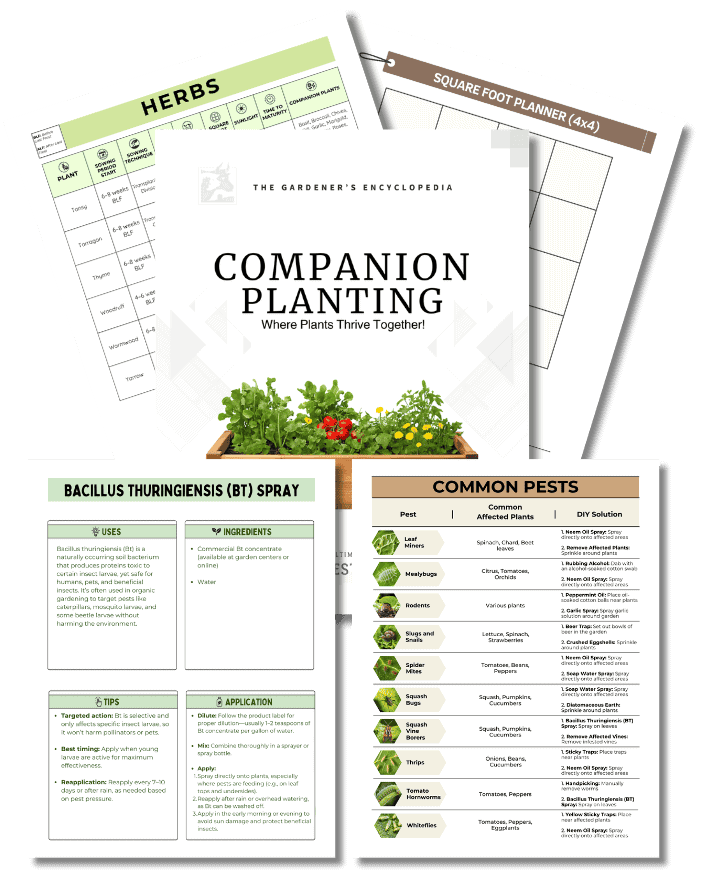
The Gardener's Encyclopedia to Companion Planting
The pairings that make vegetables, herbs, and flowers grow better — and the ones that quietly wreck a bed.
- Proven pairings for 200+ vegetables, herbs, flowers, and fruits
- Full seed-starting + planting schedule with timing and spacing
- Bonus: square-foot gardening guide + printable seasonal planners
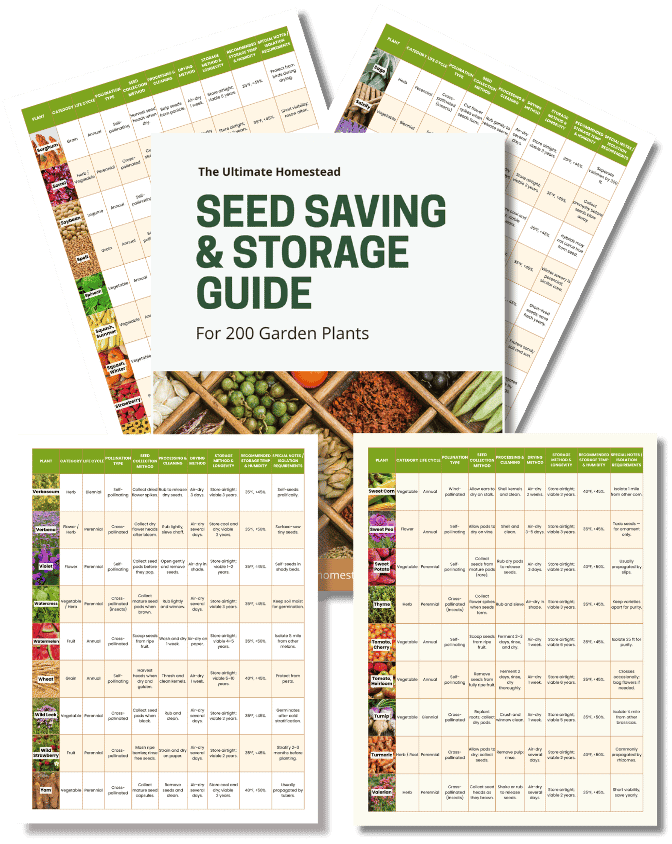
Seed Saving & Storage Guide
Most saved seeds go bad before next season. This shows exactly when to pick, how to dry, and where to store seeds from 200 plants so yours don't.
- 200 plants, step-by-step: life cycle, pollination type, isolation
- Exact temperature + humidity ranges that keep seeds viable
- Bonus: searchable Google Sheets tracker + custom GPT assistant
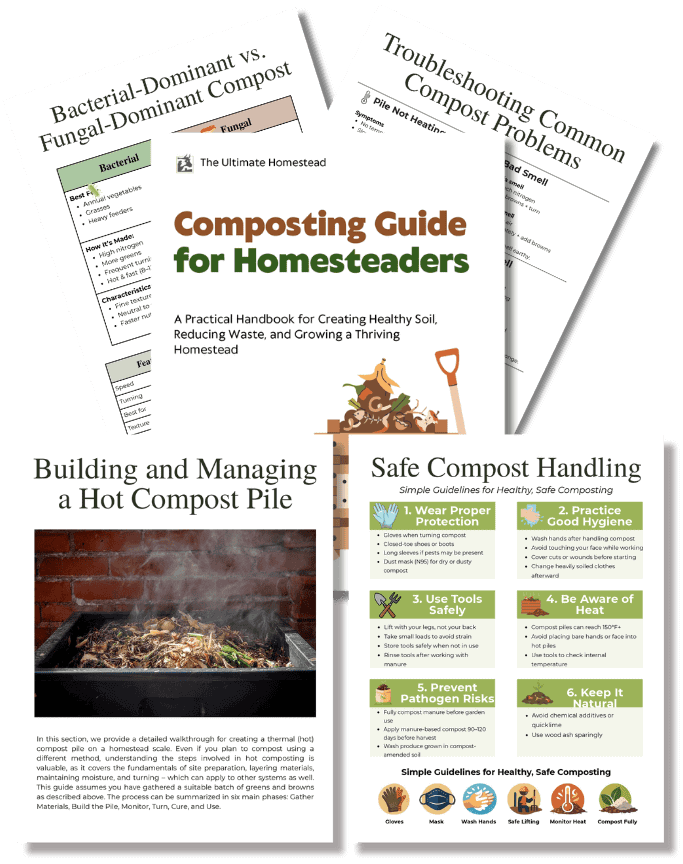
Composting Guide for Homesteaders
Turn kitchen scraps and yard waste into compost that actually feeds the garden — instead of a pile that smells, attracts pests, and never breaks down.
- 14 sections on composting methods, soil science, and troubleshooting
- The 7-step hot-compost system from start to finish
- Bonus tools: troubleshooting chart, safety guide, monitoring log