
When to plant Broccoli in Wayne County, MI
In Wayne County, plant Broccoli in spring between April 14 and May 5, once soil temps hold above 50°F. Wayne County's last frost averages April 28, so time plantings around the expected last-frost window for best survival. For a fall crop, sow between August 11 and August 25 — roughly 60–90 days before the first frost on October 20.
When to Plant Broccoli in Wayne County, MI
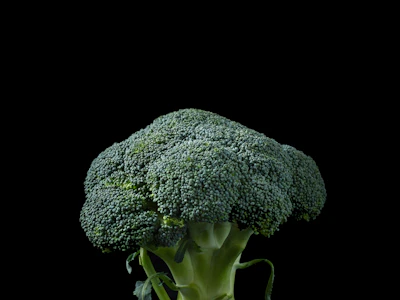
Broccoli is a nutrient-dense cool-season crop that produces large central heads followed by smaller side shoots. It is one of the most popular garden vegetables.
Wayne County, Michigan is in USDA Zone 6b. The average last spring frost is April 28 and the first fall frost is October 20, giving you a growing season of approximately 175 days.
At an elevation of 1,066 feet, Wayne County receives approximately 34.1 inches of rainfall annually with predominantly silt loam soil. Summer highs average 91°F, providing good warmth for Broccoli during the growing season.
Wayne County Soil Profile
Soil Type
Silt Loam
Soil pH
5.9-6.9
Drainage
Well Drained
How Much Broccoli to Grow
For a family of 4, plant approximately 12 broccoli plants in about 24 sq ft. In Wayne County's 175-day season, you'll have plenty of time for a full harvest. Plan your garden layout →
Monthly Watering Guide for Broccoli
Broccoli needs approximately 1 inches of water per week (4.3" per month). Here's how your county's rainfall compares month by month.
| Month | Broccoli Needs | Rainfall | You Supplement | Action |
|---|---|---|---|---|
| Jan | — | 1.4" | 0" | ❄️ Dormant |
| Feb | — | 1.5" | 0" | ❄️ Dormant |
| Mar | — | 2.4" | 0" | ❄️ Dormant |
| Apr | 4.3" | 3" | 1.3" | 💧 Light watering |
| May | 4.3" | 3.9" | 0.4" | 💧 Light watering |
| Jun | 4.3" | 4.4" | 0" | ✅ Rainfall sufficient |
| Jul | 4.3" | 4.3" | 0" | ✅ Rainfall sufficient |
| Aug | 4.3" | 3.4" | 0.9" | 💧 Light watering |
| Sep | 4.3" | 3" | 1.3" | 💧 Light watering |
| Oct | 4.3" | 2.6" | 1.7" | 💧 Light watering |
| Nov | — | 2.2" | 0" | ❄️ Dormant |
| Dec | — | 2" | 0" | ❄️ Dormant |
Water needs are for active growing months only (Apr–Oct in Wayne County). Supplement amounts are based on average rainfall — actual needs vary with temperature, soil, and mulching.
Broccoli Planting Timeline — Wayne County, MI
Broccoli Planting Calendar
| Activity | When | Date Range |
|---|---|---|
| Start Indoors | March 24 | Mar 24 – Apr 7 |
| Transplant Outdoors | April 28 | Apr 28 – May 12 |
| Direct Sow | April 14 | Apr 14 – May 5 |
| Harvest | June 30 | Jun 30 – Aug 11 |
| Fall Sowing | August 11 | Aug 11 – Aug 25 |
Plant 1" deep · 15" apart · Rows 24" apart
Month-by-Month Timeline
| Month | Activities |
|---|---|
| January | — |
| February | — |
| March | Start Indoors |
| April | Start Indoors Transplant Outdoors Direct Sow |
| May | Transplant Outdoors Direct Sow |
| June | Harvest |
| July | Harvest |
| August | Fall Sowing Harvest |
| September | — |
| October | — |
| November | — |
| December | — |
Growing Conditions
☀️ Sun
Full Sun (6-8+ hours)
💧 Water
Moderate — regular watering
📅 Days to Maturity
60–90 days
🧪 Soil pH
Needs 6–7 · Your soil: N/A
🗺️ USDA Zone
Zone 6b
📆 Growing Season
175 days in Wayne County
Growing Tips for Wayne County
Start seeds indoors 6-8 weeks before last frost. Provide consistent moisture to prevent hollow stems. Harvest heads before yellow flowers appear.
Companion Planting
Good Companions
Avoid Planting Near
Check more plant combinations with our Companion Planting Checker →
Isolate 1/2 mile from other brassicas. Biennial — must overwinter roots.
Broccoli in Other Locations
Frequently Asked Questions
When should I plant Broccoli in Wayne County, MI?
Wayne County is in Zone 6b with an average last frost of April 28. Plan your Broccoli planting based on this frost date — see the calendar above for exact timing.
What planting zone is Wayne County, MI?
Wayne County, Michigan is in USDA Hardiness Zone 6b. The average last spring frost is April 28 and first fall frost is October 20.
When should I plant Broccoli in Wayne County, MI?
In Wayne County, MI, plant Broccoli after the last frost (around April 28) and before the first frost (around October 20). Best results when soil holds above 50°F.
What growing zone is Wayne County, MI for Broccoli?
Wayne County sits in USDA Zone 6b. Broccoli grows reliably in zones 2a through 11b, so it's a good fit here.
Can Broccoli grow in Wayne County's climate?
Yes — Broccoli grows well in Wayne County's temperate climate. Wayne County averages a 175-day frost-free season, with last frost around April 28 and first frost around October 20.
Your Wayne County Garden Planner — Free
A 22-page printable planner built for Wayne County (Zone 6b). Planting dates, a month-by-month schedule, harvest log, seed inventory, and succession charts — all dialed in for your exact growing season.