
Jefferson County, AL — Planting Guide
Jefferson County is in USDA Zone 8a. The average last spring frost is March 31 and the first fall frost is October 31, giving you a growing season of approximately 214 days.
At an elevation of 408 ft, Jefferson County receives approximately 48 in of rainfall annually. Summer highs average 94°F with winter lows around 32°F. The predominant soil type is Clay Loam.
Based on 31 years of NOAA climate station data, the last frost date here varies by 39 days year to year — ranging from March 10 in warm years to April 19 in cold years. The growing season is trending longer by about 3.11 days per decade. Jefferson County scores 52/100 (Moderate) on the Microclimate Index.
🌡️ Zone
8a (10°F to 15°F min)
❄️ Last Frost
March 31
🍂 First Frost
October 31
📅 Growing Season
214 days
⛰️ Elevation
408 ft
🌧️ Annual Rainfall
48 in
Monthly Watering Calendar for Jefferson County
When you'll need to water your garden — based on average monthly rainfall vs. the ~1 inch/week most gardens need.
Quick context: The 1-inch-per-week rule applies to most vegetable crops. Jefferson County averages 48" a year — divide by 52 and compare to that 1" target. Some months are above, some below; that's where the calendar earns its keep.
View detailed monthly data
| Month | Avg Rainfall | Rainy Days | Extra Water Needed | Watering Effort |
|---|---|---|---|---|
| Jan | 4.3 in | 11 days | — | None |
| Feb | 4.2 in | 8 days | — | None |
| Mar | 4.9 in | 9 days | — | Low |
| Apr | 3.9 in | 6 days | 0.4 in | Low |
| May | 4.1 in | 9 days | 0.2 in | Low |
| Jun | 4.2 in | 11 days | 0.1 in | Low |
| Jul | 4.2 in | 11 days | 0.1 in | Low |
| Aug | 4.4 in | 12 days | — | Low |
| Sep | 3.2 in | 7 days | 1.1 in | Moderate |
| Oct | 3.3 in | 7 days | 1 in | Moderate |
| Nov | 3.3 in | 8 days | — | None |
| Dec | 3.8 in | 7 days | — | None |
Annual total: 47.8 in. Water needs vary by crop — tomatoes need ~1.2"/week while herbs like rosemary need only 0.3"/week. Check individual plant pages for crop-specific water budgets that factor in your county's rainfall and soil drainage.
Jefferson County Soil Profile
Soil Type
Clay Loam
Soil pH
5.7-6.8
Drainage
Well Drained
Frost Risk Probability
Based on 31 years of NOAA weather station data from 3 stations
Beginners: Plant frost-sensitive crops (tomatoes, peppers, squash) after the "Safe" date on the left. Harvest or cover them before the "Protect by" date on the right. Hardy crops (lettuce, peas, kale) can go in the yellow transition zones.
How to read this table: "Conservative" means you're safe from frost 9 out of 10 years — best for beginners and frost-sensitive crops. "Average year" is the typical date. "Aggressive" means only 1 in 10 years is that warm — experienced gardeners with frost protection can try these dates.
| Planting Strategy | Last Spring Frost | First Fall Frost | Frost-Free Days |
|---|---|---|---|
| Conservative (safest) | Apr 19 | Nov 18 | 213 days |
| Cautious | Apr 10 | Nov 5 | 209 days |
| Average year | Mar 31 | Oct 31 | 214 days |
| Optimistic | Mar 26 | Oct 25 | 213 days |
| Aggressive (risky) | Mar 10 | Oct 18 | 222 days |
Not very — frost dates can vary by ±39 days year-to-year. Use the "Conservative" row in the table below, and keep row covers handy for surprise late frosts.
Yes — growing seasons are getting longer here (about 3.1 days per decade). Spring is arriving earlier than it used to. Good news for gardeners.
Gardening Difficulty Score
Jefferson County presents some gardening challenges. Choose adapted varieties and plan around frost dates.
Local Gardening Help in Jefferson County
Free expert help is closer than you think. Your county's cooperative extension office connects you with trained gardeners, soil testing labs, and local programs — all specific to Jefferson County's climate and soil.
County Extension Office
Jefferson County Alabama Cooperative Extension (Auburn / Alabama A&M) Extension Office
Phone: 334-844-4444
Visit Extension Office Website →
Extension offices are run by land-grant universities and funded by the USDA. Their advice is free, research-based, and tailored to your county's specific conditions.
Master Gardener Program
Free gardening help from trained volunteers
Master Gardeners are community volunteers who complete 40–60 hours of university horticultural training. They answer gardening questions, diagnose plant problems, and offer workshops — all free.
Many extension offices run a Master Gardener hotline where you can call or email with photos of plant problems for free diagnosis.
Soil Testing
Available through your extension office
Before amending your soil, get it tested. Your extension office offers soil testing (typically $10–$25) that tells you exact pH, nutrient levels, and amendment recommendations specific to what you want to grow.
Services Available in Jefferson County
Finding local nurseries & garden centers in Jefferson County
Why Buy Local
Local nurseries carry plants that are proven to grow in your area. Staff can give you advice specific to Jefferson County's soil and climate that big-box stores can't. Plants from local growers are typically hardier because they're already acclimated to your zone.
How to Find Them
Search for "nurseries near Jefferson County AL" or "garden center Jefferson County" on Google Maps. Also check with your extension office — they often maintain lists of reputable local nurseries and plant sales.
Community gardens & gardening groups
Community gardens are a great way to learn from experienced gardeners in your area, especially if you're limited on space. Search "community garden Jefferson County AL" or check your extension office and local parks department. Facebook groups like "Jefferson County Gardeners" or "Alabama Gardening" are also excellent for local advice and plant swaps.
What to Plant After Your Harvest
After your first crops finish, use the remaining frost-free days to grow a second round.
Show 6 more succession options
Sunlight & Day Length in Jefferson County
Monthly daylight hours and peak sun — critical for onion varieties, photoperiod-sensitive plants, and solar garden planning.
For new gardeners: The longest day at Jefferson County's latitude gets longer the further north you go. Strawberries, garlic, onions all care. The shortest day gets shorter — which limits winter growing for greens without artificial light.
Longest Day
14.2 hours
Summer solstice daylight
Shortest Day
9.8 hours
Winter solstice daylight
Peak Sun Hours
8.8 hr/day peak (summer)
Peak sun hours (green dashed line below) account for cloud cover — this is the usable direct sunlight your garden actually receives. Most vegetables need 6+ peak sun hours.
Onion tip: Day-neutral onion varieties like Candy, Cabernet, and Sierra Blanca perform best in your day-length range.
View detailed monthly data
| Month | Daylight Hours | Peak Sun Hours | Day Length |
|---|---|---|---|
| January | 10 hr | 5.2 hr | Short day |
| February | 10.8 hr | 5.9 hr | Short day |
| March | 11.8 hr | 6.8 hr | Short day |
| April | 12.8 hr | 7.4 hr | Neutral |
| May | 13.7 hr | 8.8 hr | Neutral |
| June | 14.2 hr | 8.1 hr | Long day |
| July | 14 hr | 8 hr | Long day |
| August | 13.2 hr | 6.9 hr | Neutral |
| September | 12.2 hr | 7.4 hr | Neutral |
| October | 11.1 hr | 7.1 hr | Short day |
| November | 10.2 hr | 5.7 hr | Short day |
| December | 9.8 hr | 4.7 hr | Short day |
Peak sun hours factor in typical cloud cover — use these for solar panel and shade-planning calculations.
Soil Temperature & Composting in Jefferson County
Monthly soil temps tell you when to plant warm-season crops, and when your compost pile is actively working.
The practical takeaway: Air temperature lies. Your air can be 70°F in April but the soil 4 inches down is still 50°F — too cold for tomatoes or peppers to root properly. Jefferson County's soil temperature curve tells you the real planting window. A $5 soil thermometer pays for itself in one season.
Plant Warm Crops When
Soil reaches 60°F+
Soil warm enough from May through Oct.
Best Month to Compost
May
Microbial activity peaks when soil is warm.
Active Composting
8 months
Nearly year-round composting.
View detailed monthly data
| Month | Soil 4" Deep | Soil 8" Deep | Compost Activity | Time to Finish |
|---|---|---|---|---|
| Jan | 40°F | 47°F | 🐢 Slow | ~24 weeks |
| Feb | 41°F | 44°F | 🐢 Slow | ~24 weeks |
| Mar | 48°F | 49°F | 🐢 Slow | ~24 weeks |
| Apr | 60°F | 56°F | ♻️ Active | ~14 weeks |
| May | 70°F | 67°F | 🔥 Peak | ~8 weeks |
| Jun | 79°F | 74°F | 🔥 Peak | ~8 weeks |
| Jul | 85°F | 80°F | 🔥 Peak | ~8 weeks |
| Aug | 87°F | 84°F | 🔥 Peak | ~8 weeks |
| Sep | 80°F | 79°F | 🔥 Peak | ~8 weeks |
| Oct | 72°F | 73°F | 🔥 Peak | ~8 weeks |
| Nov | 56°F | 62°F | ♻️ Active | ~14 weeks |
| Dec | 45°F | 50°F | 🐢 Slow | ~24 weeks |
Highlighted rows = soil 60°F+ (safe for warm-season transplants). Compost finishes fastest during peak activity months.
Pest & Disease Pressure in Jefferson County
Computed from local climate patterns — warmer, humid conditions increase pest generations and fungal disease risk.
For new gardeners: Pest pressure scales with warmth and humidity. Hot humid Jefferson County sees year-round bugs and fungal disease; cold dry regions see almost none. A high pest score means crop rotation, resistant varieties, and a weekly pest-watch routine from day one.
Insect Pest Pressure
High — expect multiple pest generations. Preventative measures essential.
Disease Risk
High fungal/bacterial risk. Space plants for airflow, water at soil level.
Seasonal Risk
View 6 common pests in your area
| Pest | Risk Level | Peak Months |
|---|---|---|
| Aphids | High | Mar, Apr, May, Jun, Jul, Aug, Sep, Oct |
| Japanese beetles | Moderate | Jun, Jul, Aug |
| Squash vine borers | High | May, Jun, Jul |
| Stink bugs | Moderate | May, Jun, Jul, Aug, Sep |
| Whiteflies | Moderate | Jun, Jul, Aug, Sep |
| Spider mites | Moderate | Jul, Aug |
Organic pest management tips
- Install physical barriers: floating row covers, copper tape for slugs, mesh netting
- Apply Bt (Bacillus thuringiensis) for caterpillar control — safe for beneficial insects
- Use kaolin clay spray to deter a wide range of insects on fruiting crops
- Release beneficial insects: ladybugs for aphids, parasitic wasps for caterpillars
- Apply neem oil weekly during high-pressure months
- Mulch heavily (3-4 inches) to reduce soil-borne disease splash
Cover Crops for Jefferson County
Cover crops protect bare soil, fix nitrogen, suppress weeds, and improve soil structure — with planting dates calibrated for your area.
The practical takeaway: Why not just leave bare soil? Weed seeds, erosion, nutrient leaching, and crust formation. A cover crop solves all of these for the cost of seeds and one mowing.
Spring Cover Crops (4 options) — Build soil before the main growing season
| Crop | Plant By | Terminate | N-Fixing | Soil Benefit |
|---|---|---|---|---|
| Buckwheat | Apr 10 | Aug 29 | — | Rapid growth, attracts pollinators, suppresses weeds |
| Cowpeas (southern peas) | Apr 7 | Sep 5 | ✓ Yes | Excellent nitrogen fixer for warm climates, edible |
| Sorghum-sudan grass | Apr 10 | Aug 22 | — | Massive biomass, breaks compaction, suppresses nematodes |
| White clover | Mar 5 | Aug 22 | ✓ Yes | Living mulch, fixes nitrogen, permanent ground cover |
Summer Cover Crops (1 options) — Fill gaps and suppress weeds between plantings
| Crop | Plant By | Terminate | N-Fixing | Soil Benefit |
|---|---|---|---|---|
| Sunflowers | Apr 28 | Oct 3 | — | Deep roots break compaction, attract pollinators and beneficial insects |
Fall Cover Crops (7 options) — Plant after harvest to protect soil over winter
| Crop | Plant By | Terminate | N-Fixing | Soil Benefit |
|---|---|---|---|---|
| Austrian winter peas | Sep 6 | Mar 17 | ✓ Yes | Fixes nitrogen, good for heavy clay soils |
| Crimson clover | Aug 24 | Mar 17 | ✓ Yes | Fixes nitrogen, attracts pollinators in spring |
| Daikon radish | Sep 20 | Mar 17 | — | Deep taproot breaks compaction, excellent for clay soils |
| Hairy vetch | Aug 22 | Mar 17 | ✓ Yes | Excellent nitrogen fixer, good for depleted soils |
| Oats | Oct 3 | Mar 17 | — | Quick biomass, winterkills in cold zones — no spring tillage needed |
| Winter rye | Jul 28 | Mar 10 | — | Suppresses weeds, prevents erosion, breaks up compacted soil |
| Winter wheat | Aug 9 | Mar 17 | — | Erosion control, weed suppression, good biomass |
Wind & Microclimate in Jefferson County
Quick context: New gardeners under-plan for wind. Jefferson County averages 7.9 mph — fine for most days. But every region has its windy days, and the first time a row of unstaked peppers leans over after a storm is a lesson you only need once.
Wind dries soil, stresses plants, and affects frost patterns. Understanding your exposure helps with garden placement.
Seasonal Wind Speed
Spring: 10 mph Summer: 8 mph
Fall: 9 mph Winter: 8 mph
Prevailing wind: SW. Moderate wind — consider a temporary windbreak for young seedlings.
Windbreak Benefit
3.4/10
Low need — wind is not a major factor in your garden planning.
Frost Pocket Risk
Low
Relatively flat terrain (310 ft range). Frost pocket risk is minimal — garden placement is flexible.
Rainwater Harvesting in Jefferson County
How much water you can collect, when to collect it, and what size system you need for your garden.
Why it matters: Building a rainwater system is mostly about doing the math: roof area × annual rainfall × 0.6 = gallons you could realistically capture. For Jefferson County, that's your 48" times your roof.
Annual Collection
23,823 gal
Per 1,000 sq ft of roof area (at 80% collection efficiency)
Recommended Setup
6 rain barrels (55 gal each)
For a typical 500 sq ft garden. Serious collectors: consider a 500 gal tank.
Legal Status
Unrestricted
Rainwater harvesting is fully legal in your state with no restrictions.
Best Collection Months
Jan, Feb, Mar, Aug
Highest rainfall months — your barrels will fill up quickly during these months.
Months to Draw From Storage
Sep, Oct, Nov
Dry months when you'll rely on stored water — size your storage for this gap.
Rainwater collection tips for your area
- Your county receives approximately 47.8 inches of rain per year
- A 1,000 sq ft roof can collect roughly 23,823 gallons annually
- Rainwater harvesting is fully legal in your state
- Stock up on stored water before your dry season (Sep, Oct, Nov)
- Use a first-flush diverter to keep roof debris out of your collection
Soil & Growing Conditions in Jefferson County
Soil Type
Clay Loam
Soil pH 5.7–6.8 · Somewhat Poorly Drained drainage
Good candidate for raised beds to maximise drainage and extend the season.
Watering Needs
Drought stress: 3.5/10
Low-to-moderate drought stress. Plan to water 1–2 times per week during peak summer. (48 in. annual rainfall)
Season Tips
214-day frost-free season
Plenty of time for warm-season crops. Start heat-lovers indoors 6–8 weeks before last frost to maximise your harvest window.
Your Free Printable Garden Planner
Plan every bed, every planting, every harvest — in one place. This 22-page printable includes your zone's planting calendar, a month-by-month task list, a seed inventory tracker, a harvest log, and succession-planting charts. Built to print, write in, and actually use all season.
Recommended for Your Garden
Cedar raised bed kit — ideal for poor soil, clay, or small-space gardening.
Improve drainage and aeration in heavy clay soils with horticultural perlite.
Premium blend of topsoil, compost, and perlite formulated for raised beds.
Monthly Planting Guide for Jefferson County
Gardening Guides & Resources
Helpful guides from The Ultimate Homestead to improve your garden in Jefferson County.
Frequently Asked Questions
What planting zone is Jefferson County, AL?
Jefferson County is in USDA Hardiness Zone 8a. This zone classification determines which perennial plants survive winter and sets the baseline for frost timing across the county.
When is the last frost in Jefferson County, AL?
Based on 31 years of NOAA weather station data, the median last spring frost in Jefferson County falls around March 31. In 8 out of 10 years, last frost lands between March 10 and April 19 — a 39-day window of variability. Use April 19 as your conservative safe-to-plant date for frost-sensitive crops.
When is the first fall frost in Jefferson County, AL?
The median first fall frost in Jefferson County arrives around October 31. In cold years it can arrive as early as October 18; in mild years as late as November 18. Harvest or protect frost-sensitive crops — tomatoes, peppers, basil, squash — before this date.
How long is the growing season in Jefferson County?
Jefferson County has a frost-free growing season of approximately 214 days. This long season supports multiple succession plantings and warm-season crops that need extended heat, like sweet potatoes and melons. Climate records show the growing season is trending longer by about 3.11 days per decade.
What is the soil like in Jefferson County for gardening?
Jefferson County has predominantly Clay Loam soil with a pH range of 5.7–6.8 and Somewhat Poorly Drained drainage. Most vegetables and herbs grow well with standard composting and seasonal soil amendment.
What is grown commercially in Jefferson County?
Jefferson County has commercial agriculture that includes Cotton, Poultry, Peanuts, Corn. These crops reflect the local climate and soil conditions — what succeeds commercially often translates well to home gardens in the same area.
Is Jefferson County a good location for home gardening?
Jefferson County scores 52/100 (Moderate) on our Microclimate Index, which combines frost reliability, drought pressure, soil challenge, elevation risk, and long-term climate trend. Conditions here are moderate — most common crops grow well with standard timing and care.
Your Jefferson County Garden Planner — Free
A 22-page printable planner built for Jefferson County (Zone 8a). Planting dates, a month-by-month schedule, harvest log, seed inventory, and succession charts — all dialed in for your exact growing season.
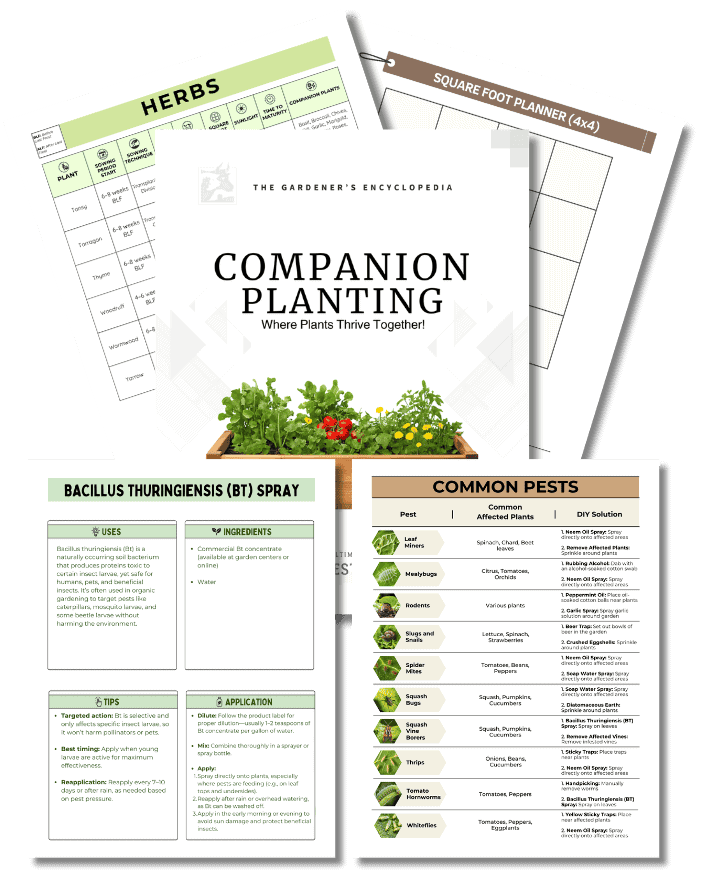
The Gardener's Encyclopedia to Companion Planting
The pairings that make vegetables, herbs, and flowers grow better — and the ones that quietly wreck a bed.
- Proven pairings for 200+ vegetables, herbs, flowers, and fruits
- Full seed-starting + planting schedule with timing and spacing
- Bonus: square-foot gardening guide + printable seasonal planners
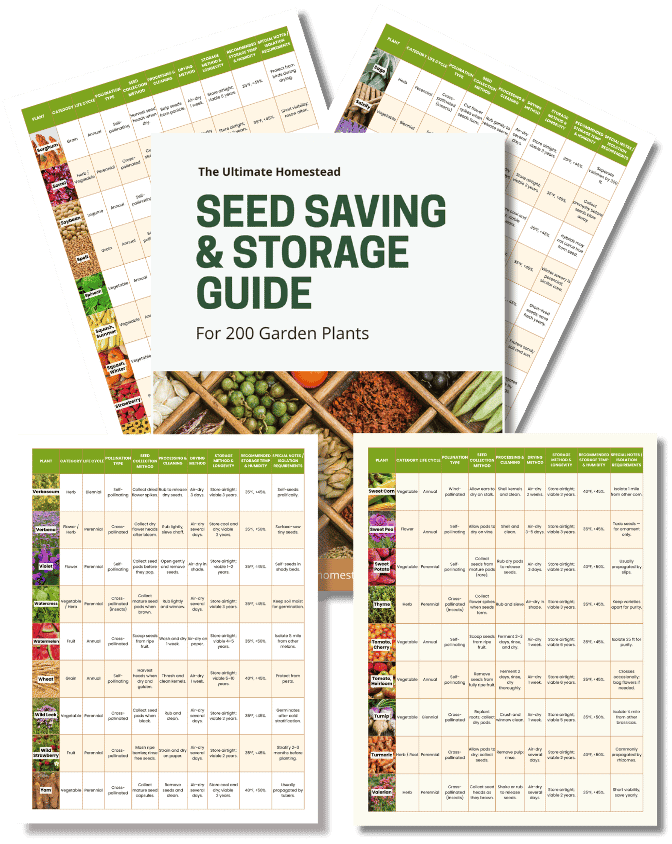
Seed Saving & Storage Guide
Most saved seeds go bad before next season. This shows exactly when to pick, how to dry, and where to store seeds from 200 plants so yours don't.
- 200 plants, step-by-step: life cycle, pollination type, isolation
- Exact temperature + humidity ranges that keep seeds viable
- Bonus: searchable Google Sheets tracker + custom GPT assistant
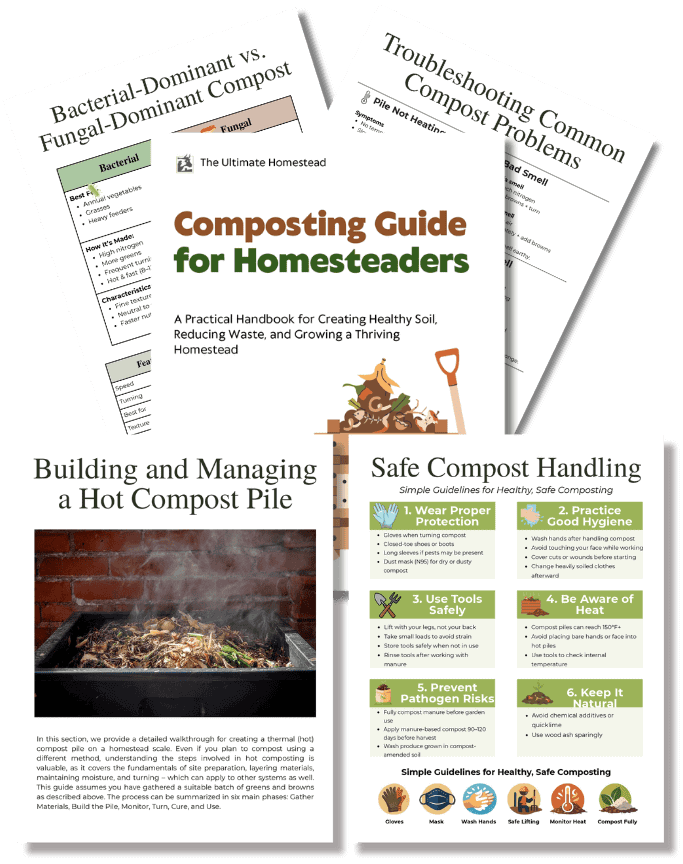
Composting Guide for Homesteaders
Turn kitchen scraps and yard waste into compost that actually feeds the garden — instead of a pile that smells, attracts pests, and never breaks down.
- 14 sections on composting methods, soil science, and troubleshooting
- The 7-step hot-compost system from start to finish
- Bonus tools: troubleshooting chart, safety guide, monitoring log