
Sage Planting Guide
Sage is a woody perennial herb with velvety gray-green leaves and a warm, peppery flavor. It is a traditional seasoning for poultry, stuffing, and sausage.
Salvia officinalis · Herb · Lamiaceae family · 75–90 days to maturity
Get Your Personalized Sage Planting Dates
Enter your ZIP code to see exact planting dates, soil compatibility, and growing tips specific to your county.
Where Can You Grow Sage?
Sage Growing Regions
Click any state to see the Sage planting schedule for that location.
Planting Dates by Zone
| Zone | Start Indoors | Direct Sow | Transplant | Harvest |
|---|---|---|---|---|
| Zone 4a | — | — | May 13 | Jul 29 – Sep 23 |
| Zone 4b | — | — | May 8 | Jul 24 – Sep 18 |
| Zone 5a | — | — | May 2 | Jul 18 – Sep 12 |
| Zone 5b | — | — | Apr 25 | Jul 11 – Sep 5 |
| Zone 6a | — | — | Apr 17 | Jul 3 – Aug 28 |
| Zone 6b | — | — | Apr 10 | Jun 26 – Aug 21 |
| Zone 7a | — | — | Apr 1 | Jun 17 – Aug 12 |
| Zone 7b | — | — | Mar 25 | Jun 10 – Aug 5 |
| Zone 8a | — | — | Mar 15 | May 31 – Jul 26 |
| Zone 8b | — | — | Mar 4 | May 20 – Jul 15 |
| Zone 9a | — | — | Feb 17 | May 5 – Jun 30 |
| Zone 9b | — | — | Feb 1 | Apr 19 – Jun 14 |
| Zone 10a | — | — | Jan 8 | Mar 26 – May 21 |
| Zone 10b | — | — | Jan 8 | Mar 26 – May 21 |
Why are some columns showing "—"?
Start Indoors shows "—" because Sage is typically direct sown outdoors rather than started indoors. It germinates quickly and doesn't transplant well.
Direct Sow shows "—" because Sage benefits from being started indoors first, then transplanted after the last frost.
How to Plant Sage
Growing Conditions
☀️ Sun
Full Sun (6-8+ hours)
💧 Water
Low — drought tolerant
Drought tolerant — water only when soil is dry 2" deep.
🧪 Soil pH
6 – 7
Prefers neutral to slightly acidic soil — ideal for most garden beds.
🗺️ Hardiness Zones
Zone 4a – 10b
📅 Days to Maturity
75–90 days
Medium-season crop. Start early for best results in shorter seasons.
👪 Plant Family
Lamiaceae
Rotate with other families yearly to prevent soil-borne diseases. Don't plant in the same spot where Lamiaceae family crops grew last year.
Succession Planting Sage
Sage matures in just 75–90 days, making it ideal for succession planting. In a typical 180-day growing season, you can get up to 2 successive plantings by sowing every 8.6 weeks.
Your actual succession count depends on your local frost dates. Enter your ZIP code to get personalized succession planting dates for your area.
Companion Planting for Sage
✅ Good Companions
❌ Keep Away From
Check more combinations with our Companion Planting Checker →
Growing Tips for Sage
Start from seed or cuttings. Prune after flowering to maintain shape. Replace plants every 4-5 years when they become woody and less productive. Excellent drainage is essential.
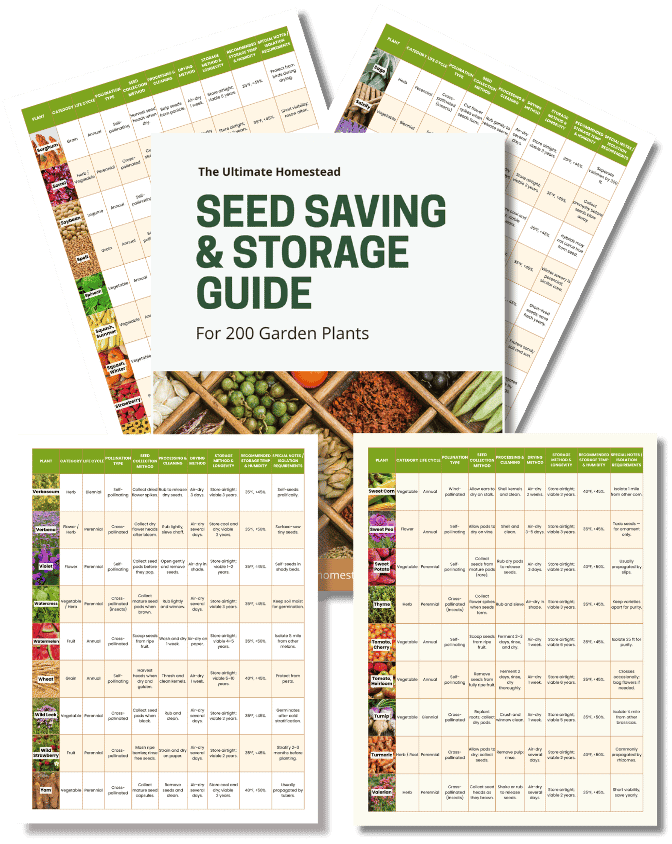
Saving Sage Seeds
Recommended for Your Garden
Breathable fabric pots that promote healthy root growth and prevent overwatering.
Built-in reservoir keeps herbs and greens consistently watered with less effort.
Start seeds indoors with reusable cell trays and humidity domes.
Level Up Your Garden
Sage by State
- Alabama
- Alaska
- Arizona
- Arkansas
- California
- Colorado
- Connecticut
- Delaware
- Florida
- Georgia
- Hawaii
- Idaho
- Illinois
- Indiana
- Iowa
- Kansas
- Kentucky
- Louisiana
- Maine
- Maryland
- Massachusetts
- Michigan
- Minnesota
- Mississippi
- Missouri
- Montana
- Nebraska
- Nevada
- New Hampshire
- New Jersey
- New Mexico
- New York
- North Carolina
- North Dakota
- Ohio
- Oklahoma
- Oregon
- Pennsylvania
- Rhode Island
- South Carolina
- South Dakota
- Tennessee
- Texas
- Utah
- Vermont
- Virginia
- Washington
- West Virginia
- Wisconsin
- Wyoming
Frequently Asked Questions
How long does it take to grow Sage?
Sage (Salvia officinalis) takes 75 to 90 days from planting to harvest. Exact timing depends on your variety, growing conditions, and USDA zone.
What zones can Sage grow in?
Sage can be grown in USDA zones 4a through 10b. Use the planting calendar above to find the exact dates for your zone.
How much sun does Sage need?
Growing Sage requires Full Sun (6-8+ hours), Low — drought tolerant, and soil pH of 6 to 7.