
When to Plant Napa Cabbage in Wayne County, MI
Napa cabbage forms tall, barrel-shaped heads with tender, crinkled leaves and a mild, slightly sweet flavor. It is the primary cabbage used for kimchi.
Wayne County, Michigan is in USDA Zone 6a. The average last spring frost is April 28 and the first fall frost is October 20, giving you a growing season of approximately 175 days.
At an elevation of 1,066 feet, Wayne County receives approximately 34.1 inches of rainfall annually with predominantly silt loam soil. Summer highs average 91°F, providing good warmth for Napa Cabbage during the growing season.
Wayne County Soil Profile
Soil Type
Silt Loam
Soil pH
5.9-6.9
Drainage
Well Drained
Plant Planting Risk Windows
Percentages indicate frost risk at transplant. The 70% safe window means there is a 30% chance of frost after transplant — suitable for cold-hardy crops or gardeners with frost protection. The 90% safe window is best for tender plants.
Soil Compatibility in Wayne County
How your county's soil matches Napa Cabbage's growing requirements.
Soil pH
Your soil pH (5.9–6.9) overlaps with Napa Cabbage's range (6.0–7.5), though not a perfect match.
Soil Texture
The silt loam soil in Wayne County is excellent for Napa Cabbage — good drainage, moisture retention, and nutrient holding capacity.
Drainage
Napa Cabbage is a heavy drinker but your soil drains very quickly. Mulch heavily and consider drip irrigation.
Organic Matter
Organic matter is excellent (5.0%) — Napa Cabbage will thrive.
How to Plant Napa Cabbage
Fall planting: Sow 10 weeks before your first frost date for a fall harvest.
Succession Planting Napa Cabbage
Sow every 6.3 weeks. Last sowing by Aug 06 to harvest before frost.
For a dedicated fall crop, sow by Aug 11.
Plant Water Budget
Napa Cabbage Planting Timeline — Wayne County, MI
Napa Cabbage Planting Calendar
| Activity | When | Date Range |
|---|---|---|
| Start Indoors | March 24 | Mar 24 – Apr 7 |
| Transplant Outdoors | April 28 | Apr 28 – May 12 |
| Direct Sow | April 14 | Apr 14 – May 5 |
| Fall Sowing | August 11 | Aug 11 – Aug 25 |
| Harvest | June 23 | Jun 23 – Jul 28 |
Plant 1" deep · 15" apart · Rows 24" apart
Month-by-Month Timeline
| Month | Activities |
|---|---|
| January | — |
| February | — |
| March | Start Indoors |
| April | Start Indoors Transplant Outdoors Direct Sow |
| May | Transplant Outdoors Direct Sow |
| June | Harvest |
| July | Harvest |
| August | Fall Sowing |
| September | — |
| October | — |
| November | — |
| December | — |
Growing Conditions
☀️ Sun
Partial Shade (3-6 hours)
💧 Water
1.5"/week · 2-3 times/week
📅 Days to Maturity
55–75 days
🧪 Soil pH
Needs 6–7.5 · Your soil: acceptable
🗺️ USDA Zone
Zone 6a
📆 Growing Season
175 days in Wayne County
Growing Tips for Napa Cabbage in Wayne County
Direct sow Napa Cabbage outdoors after April 28 in Wayne County when soil has warmed and frost danger has passed.
Common pests for Napa Cabbage in this region include cabbage worm and flea beetles. Use row covers early in the season and inspect plants weekly.
General growing tips
Best grown as a fall crop. Direct sow in late summer, 60-70 days before first frost. Keep soil evenly moist. Bolt-resistant varieties are available for spring planting.
Companion Planting
Good Companions
Avoid Planting Near
Level Up Your Garden
Napa Cabbage in Other Locations
Frequently Asked Questions
When should I plant Napa Cabbage in Wayne County, MI?
Wayne County is in Zone 6a with an average last frost of April 28. Plan your Napa Cabbage planting based on this frost date — see the calendar above for exact timing.
What planting zone is Wayne County, MI?
Wayne County, Michigan is in USDA Hardiness Zone 6a. The average last spring frost is April 28 and first fall frost is October 20.
Plan Your Garden with Confidence
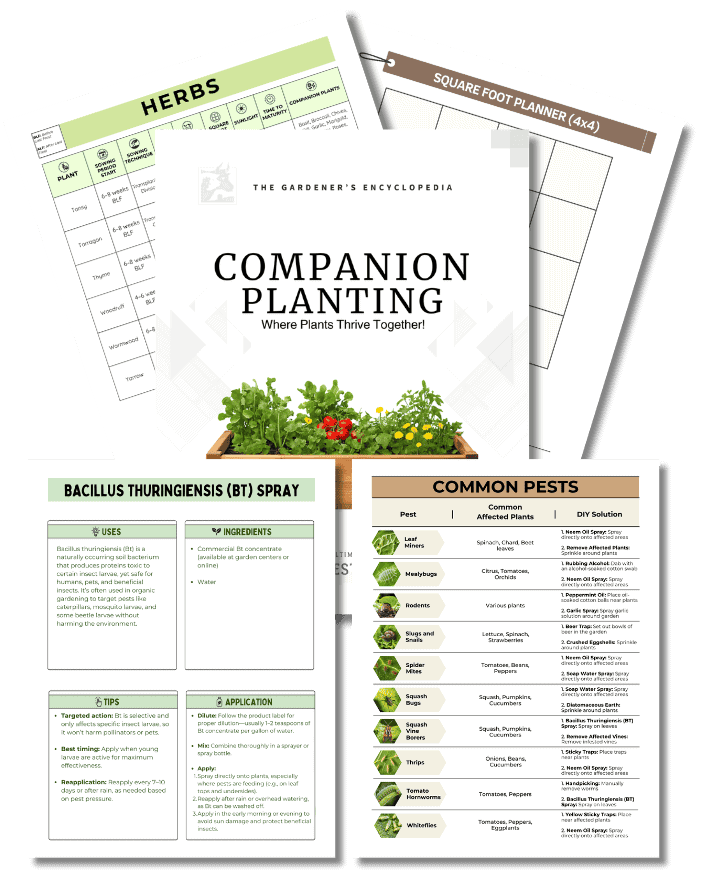
Get our free Garden Planner — designed to help Wayne County gardeners in Zone 6a organize planting dates, track what's growing, and never miss a planting window.
Get Your Free Garden Planner →Free download. Plan your entire garden season in minutes.