
When to Plant Kabocha in Miami-Dade County, FL
Kabocha is a Japanese winter squash with an exceptionally sweet, dense, chestnut-like flesh and dark green skin. It is a favorite in Asian cuisine for its rich, dry texture.
Miami-Dade County, Florida is in USDA Zone 10b. The average last spring frost is January 1 and the first fall frost is December 31, giving you a growing season of approximately 364 days.
At an elevation of 123 feet, Miami-Dade County receives approximately 58.7 inches of rainfall annually with predominantly sand soil. Summer highs average 90°F, providing good warmth for Kabocha during the growing season. Sandy soil warms quickly in spring — great for early planting — but Kabocha will need more frequent watering and organic matter to retain nutrients. Ample rainfall means less supplemental watering, but ensure good drainage to prevent Kabocha root diseases.
Miami-Dade County Soil Profile
Soil Type
Sand
Soil pH
5.1-6.3
Drainage
Well Drained
Plant Planting Risk Windows
Percentages indicate frost risk at transplant. The 70% safe window means there is a 30% chance of frost after transplant — suitable for cold-hardy crops or gardeners with frost protection. The 90% safe window is best for tender plants.
Plant Water Budget
Kabocha Planting Timeline — Miami-Dade County, FL
Kabocha Planting Calendar
| Activity | When | Date Range |
|---|---|---|
| Start Indoors | December 4 | Dec 4 – Dec 18 |
| Transplant Outdoors | January 8 | Jan 8 – Jan 22 |
| Direct Sow | January 1 | Jan 1 – Jan 22 |
| Harvest | April 9 | Apr 9 – May 7 |
Plant 1" deep · 30" apart · Rows 42" apart
Month-by-Month Timeline
| Month | Activities |
|---|---|
| January | Transplant Outdoors Direct Sow |
| February | — |
| March | — |
| April | Harvest |
| May | Harvest |
| June | — |
| July | — |
| August | — |
| September | — |
| October | — |
| November | — |
| December | Start Indoors |
Growing Conditions
Sun
Full Sun (6-8+ hours)
Water
Moderate — regular watering
Days to Maturity
85–100 days
Soil pH
6 – 7.5
USDA Zone
Zone 10b
Growing Season
364 days
Growing Tips for Miami-Dade County
Direct sow after frost or start indoors. Harvest when the skin is hard and dull. The stem should be dry and corky. Stores well for 3-4 months in a cool, dry place.
Companion Planting
Good Companions
Avoid Planting Near
Level Up Your Garden
Kabocha in Other Locations
Frequently Asked Questions
When should I plant Kabocha in Miami-Dade County, FL?
Miami-Dade County is in Zone 10b with an average last frost of January 1. Plan your Kabocha planting based on this frost date — see the calendar above for exact timing.
What planting zone is Miami-Dade County, FL?
Miami-Dade County, Florida is in USDA Hardiness Zone 10b. The average last spring frost is January 1 and first fall frost is December 31.
Plan Your Garden with Confidence
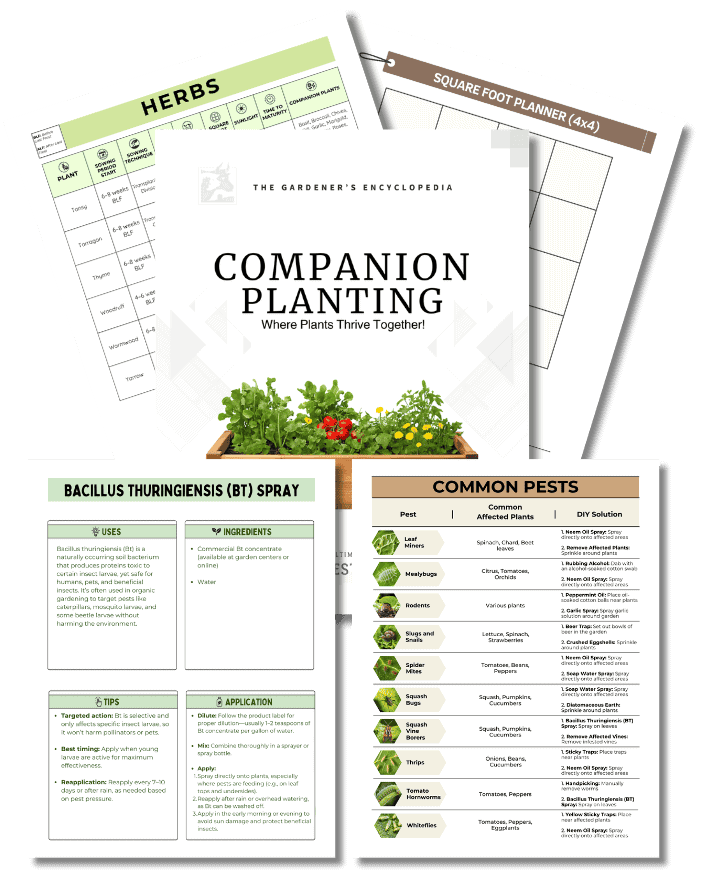
Get our free Garden Planner — designed to help Miami-Dade County gardeners in Zone 10b organize planting dates, track what's growing, and never miss a planting window.
Get Your Free Garden Planner →Free download. Plan your entire garden season in minutes.