
When to Plant Celeriac in USDA Zone 4b
Celeriac is a celery relative grown for its knobby, flavorful root rather than its stalks. It has a rich celery flavor and is excellent roasted, mashed, or in soups.
In Zone 4b, the average last spring frost is around May 1 and the first fall frost is around October 3, giving you a growing season of approximately 155 days.
Celeriac Planting Timeline — Zone 4b
Where Is USDA Zone 4b?
The map below highlights the states that contain Zone 4b. Click any state to see the Celeriac planting schedule for that location.
Celeriac Planting Calendar — Zone 4b
| Activity | When | Date Range |
|---|---|---|
| Start Indoors | March 20 | Mar 20 – Apr 3 |
| Transplant Outdoors | May 1 | May 1 – May 15 |
| Direct Sow | April 24 | Apr 24 – May 15 |
| Fall Sowing | July 11 | Jul 11 – Jul 25 |
| Harvest | August 14 | Aug 14 – Sep 18 |
Plant 1" deep · 15" apart · Rows 24" apart
Month-by-Month Timeline
| Month | Activities |
|---|---|
| January | — |
| February | — |
| March | Start Indoors |
| April | Start Indoors Direct Sow |
| May | Transplant Outdoors Direct Sow |
| June | — |
| July | Fall Sowing |
| August | Harvest |
| September | Harvest |
| October | — |
| November | — |
| December | — |
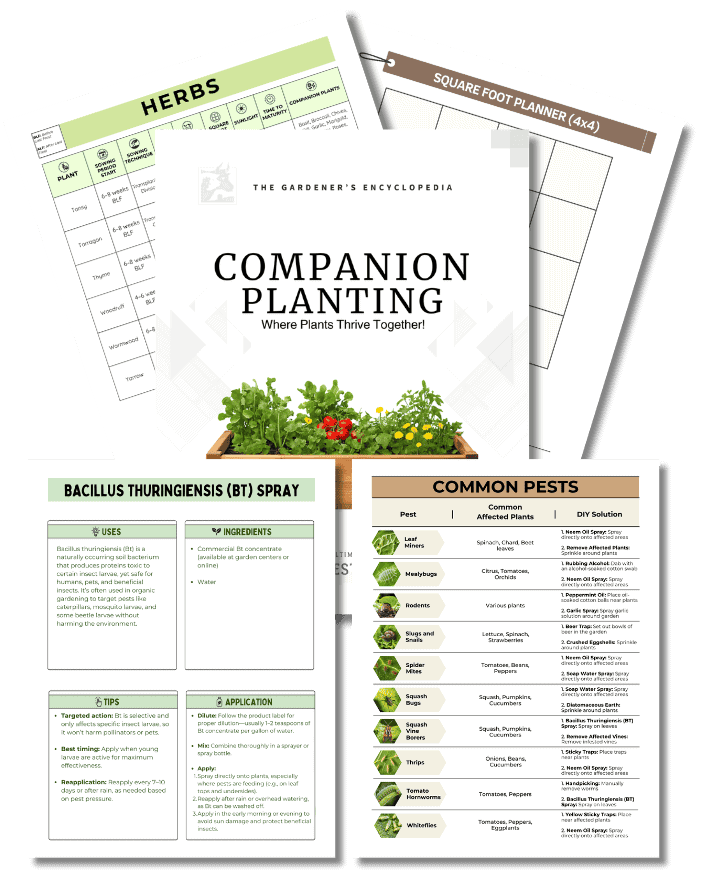
Free Zone 4b Planting Calendar PDF
Know exactly when to plant every crop in your zone. Get a printable month-by-month calendar customized for Zone 4b with start dates, transplant windows, and harvest times.
Growing Conditions
Sun
Full Sun (6-8+ hours)
Water
High — keep soil consistently moist
Days to Maturity
100–120 days
Soil pH
6 – 7
Zone Temperature Range
-25°F to -20°F average annual minimum
Growing Season
155 days (Zone 4b average)
Planting Specifications
| Planting Depth | 1 inches |
| Plant Spacing | 15 inches apart |
| Row Spacing | 24 inches between rows |
Growing Tips for Zone 4b
Start seeds indoors 10-12 weeks before last frost. Remove side roots as they develop to encourage a single large bulb. Harvest after a light frost for best flavor.
Companion Planting
Good Companions
Avoid Planting Near
Level Up Your Garden
Saving Celeriac Seeds
Recommended for Your Garden
Full-spectrum LED lights for starting seeds indoors when daylight is limited.
Warm soil for faster germination of heat-loving crops like tomatoes and peppers.
Protect plants from frost, wind, and pests while letting light and water through.
Related Plants
Celeriac in Other Zones
Celeriac by State
- Alabama
- Alaska
- Alberta
- Arizona
- Arkansas
- British Columbia
- California
- Colorado
- Connecticut
- Delaware
- Florida
- Georgia
- Hawaii
- Idaho
- Illinois
- Indiana
- Iowa
- Kansas
- Kentucky
- Louisiana
- Maine
- Manitoba
- Maryland
- Massachusetts
- Michigan
- Minnesota
- Mississippi
- Missouri
- Montana
- Nebraska
- Nevada
- New Brunswick
- New Hampshire
- New Jersey
- New Mexico
- New York
- Newfoundland and Labrador
- North Carolina
- North Dakota
- Northwest Territories
- Nova Scotia
- Nunavut
- Ohio
- Oklahoma
- Ontario
- Oregon
- Pennsylvania
- Prince Edward Island
- Quebec
- Rhode Island
- Saskatchewan
- South Carolina
- South Dakota
- Tennessee
- Texas
- Utah
- Vermont
- Virginia
- Washington
- West Virginia
- Wisconsin
- Wyoming
- Yukon
Frequently Asked Questions
When should I plant Celeriac in Zone 4b?
In Zone 4b, plan your Celeriac planting around the average last frost date of May 1. Start seeds indoors around March 20. Direct sow outdoors around April 24. Transplant seedlings around May 1.
Can Celeriac grow in Zone 4b?
Yes, Celeriac can grow well in Zone 4b, hardy in USDA zones 3a through 9b. Zone 4b has a growing season of approximately 155 days, which is sufficient for Celeriac (100-120 days to maturity).
When can I harvest Celeriac in Zone 4b?
In Zone 4b, expect to harvest Celeriac from August 14 – September 18. Celeriac takes 100-120 days from planting to harvest.
What is the last frost date for Zone 4b?
The average last spring frost in Zone 4b is around May 1, and the first fall frost is around October 3. This gives a growing season of approximately 155 days. These are 50% probability dates — actual frost dates vary year to year.
What should I plant next to Celeriac?
Good companion plants for Celeriac include Leeks, Onion, Cabbage. These companions can help with pest control, pollination, and nutrient sharing.
Plan Your Garden with Confidence
Get our free Garden Planner — organize your planting dates for Zone 4b, track your crops, and plan your garden season from seed to harvest.
Get Your Free Garden Planner →Free download. Plan your entire garden season in minutes.