
When to Plant Calabash in Granville County, NC
Calabash (bottle gourd) is a tropical vine producing edible young fruits used in Asian and African cooking. Mature dried fruits serve as natural containers and utensils.
Granville County, North Carolina is in USDA Zone 7b. The average last spring frost is April 2 and the first fall frost is November 3, giving you a growing season of approximately 215 days.
At an elevation of 1,102 feet, Granville County receives approximately 52.8 inches of rainfall annually with predominantly clay loam soil. Summer highs average 88°F, providing good warmth for Calabash during the growing season. Clay soil retains moisture well for Calabash, but amend with compost to improve drainage and prevent root rot. Ample rainfall means less supplemental watering, but ensure good drainage to prevent Calabash root diseases.
Granville County Soil Profile
Soil Type
Clay Loam
Soil pH
5.7-6.2
Drainage
Well Drained
Plant Planting Risk Windows
Percentages indicate frost risk at transplant. The 70% safe window means there is a 30% chance of frost after transplant — suitable for cold-hardy crops or gardeners with frost protection. The 90% safe window is best for tender plants.
Plant Water Budget
Water stress score is 6/10 — consider drought-tolerant varieties and mulching
Calabash Planting Timeline — Granville County, NC
Calabash Planting Calendar
| Activity | When | Date Range |
|---|---|---|
| Start Indoors | February 12 | Feb 12 – Feb 26 |
| Transplant Outdoors | April 16 | Apr 16 – Apr 30 |
| Direct Sow | April 9 | Apr 9 – Apr 30 |
| Harvest | July 9 | Jul 9 – Sep 3 |
Plant 1" deep · 30" apart · Rows 42" apart
Month-by-Month Timeline
| Month | Activities |
|---|---|
| January | — |
| February | Start Indoors |
| March | — |
| April | Transplant Outdoors Direct Sow |
| May | — |
| June | — |
| July | Harvest |
| August | Harvest |
| September | Harvest |
| October | — |
| November | — |
| December | — |
Growing Conditions
Sun
Full Sun (6-8+ hours)
Water
Moderate — regular watering
Days to Maturity
80–120 days
Soil pH
6 – 7.5
USDA Zone
Zone 7b
Growing Season
215 days
Growing Tips for Granville County
Start seeds indoors 4 weeks early. Provide a very strong trellis for heavy fruits. Harvest young for cooking or let mature on the vine for crafts. Requires a long, warm season.
Companion Planting
Good Companions
Avoid Planting Near
Level Up Your Garden
Calabash in Other Locations
Frequently Asked Questions
When should I plant Calabash in Granville County, NC?
Granville County is in Zone 7b with an average last frost of April 2. Plan your Calabash planting based on this frost date — see the calendar above for exact timing.
What planting zone is Granville County, NC?
Granville County, North Carolina is in USDA Hardiness Zone 7b. The average last spring frost is April 2 and first fall frost is November 3.
Plan Your Garden with Confidence
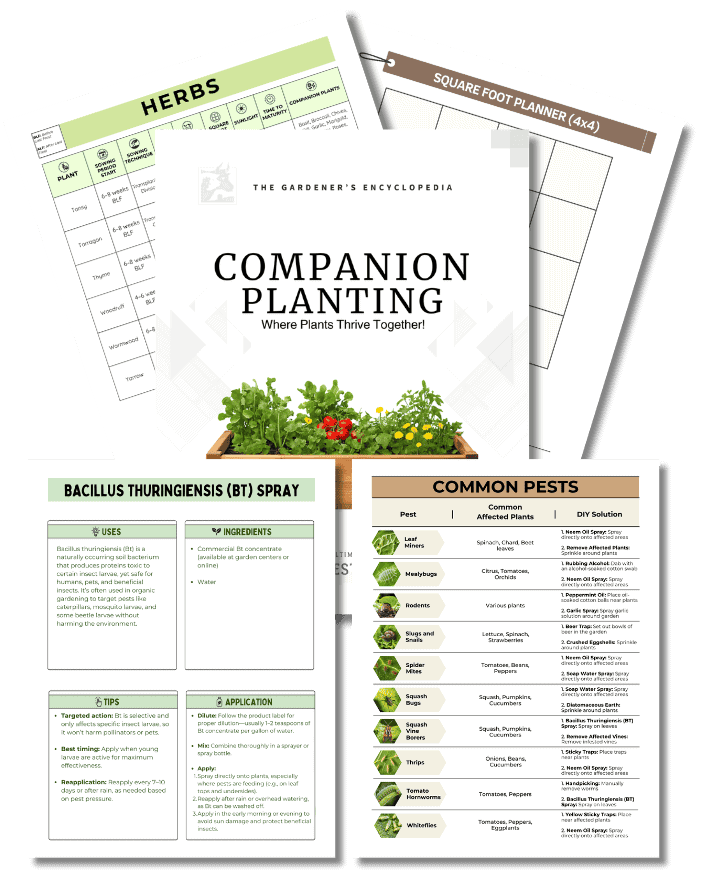
Get our free Garden Planner — designed to help Granville County gardeners in Zone 7b organize planting dates, track what's growing, and never miss a planting window.
Get Your Free Garden Planner →Free download. Plan your entire garden season in minutes.