
You walk outside in the morning, coffee in hand, ready to admire your lettuce… and instead, you see holes.
Ragged edges. Slimy trails. Seedlings chewed down to stubs.
If slugs are destroying your garden, you’re not alone. These soft-bodied night feeders can wipe out young plants almost overnight, especially in damp conditions.
The good news? You do not need harsh chemicals to get them under control.
In this guide, you’ll learn proven natural slug control methods that actually work.
These are practical, garden-tested solutions that help protect your vegetables, herbs, and flowers without harming your soil ecosystem.
Let’s take your garden back.
Why Slugs Are Taking Over Your Garden
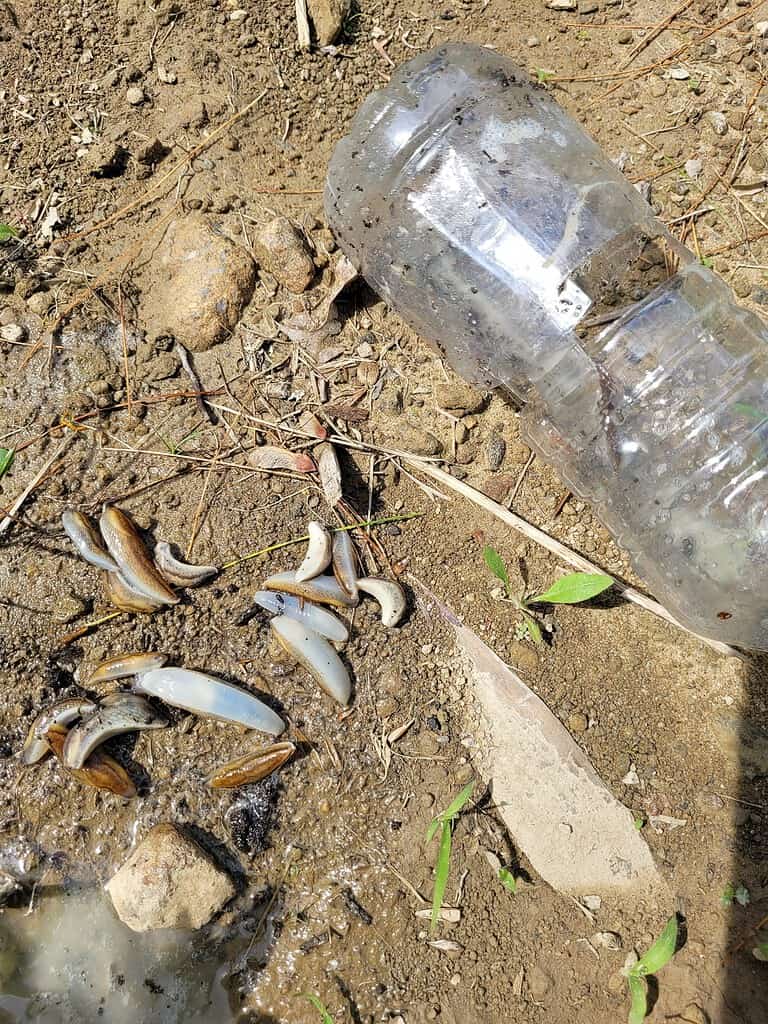
Before we talk about how to get rid of slugs naturally, it helps to understand why they are there in the first place.
Slugs love:
- Moist soil
- Thick mulch
- Dense ground cover
- Cool temperatures
- Shady areas
They are most active at night and during damp weather. Spring and early fall are prime slug seasons because conditions are cool and moist.
They especially target:
- Lettuce
- Spinach
- Kale
- Hostas
- Strawberries
- Seedlings of almost any kind
If your garden offers consistent moisture and hiding spots, slugs see it as prime real estate. The goal of natural slug control is not just removal. It is disruption.
If you are trying to build a healthier ecosystem overall, you might also want to explore our full guide to best natural pest control solutions, which walks through layered strategies for multiple garden pests.
Proven Natural Solutions for Slug Control
Below are the most effective natural ways to get rid of slugs in the garden. You can use one or layer several together for stronger protection.
Hand Picking at Dusk
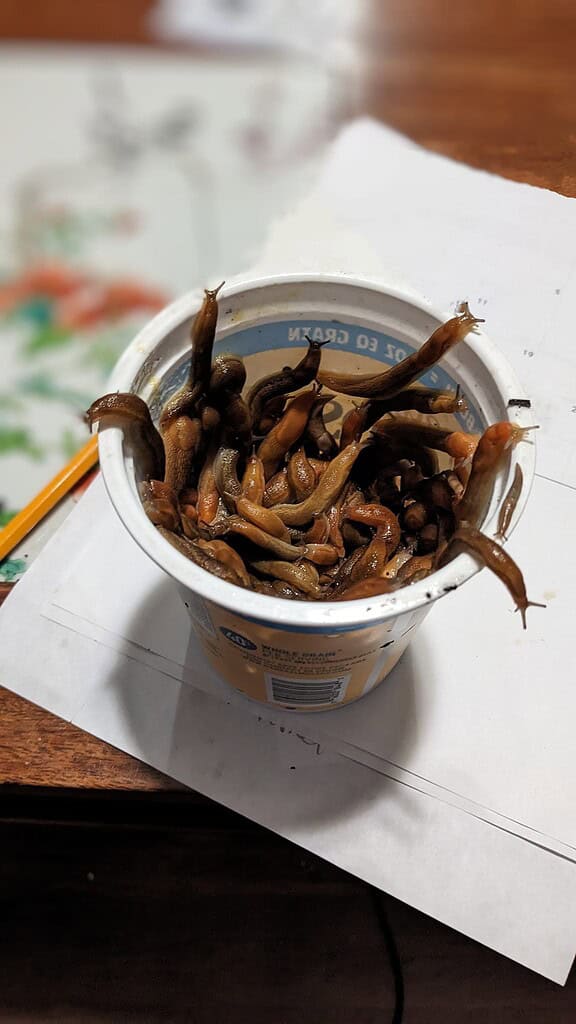
It may sound basic, but hand picking remains one of the most effective forms of natural slug control.
Slugs are nocturnal. They hide during the day and come out after sunset to feed. That means dusk is your best opportunity to reduce populations quickly.
Head outside with:
- Gloves
- A flashlight or headlamp
- A bucket with soapy water
Look closely under leaves, along bed edges, beneath boards, and around the base of vulnerable plants. Slugs love damp hiding spots.
Why this works:
- You immediately remove active feeders
- You interrupt egg-laying cycles
- You reduce damage overnight
If you stay consistent for even one to two weeks, you can dramatically lower slug pressure in your garden.
It is simple. It is direct. And it works.
Beer Traps
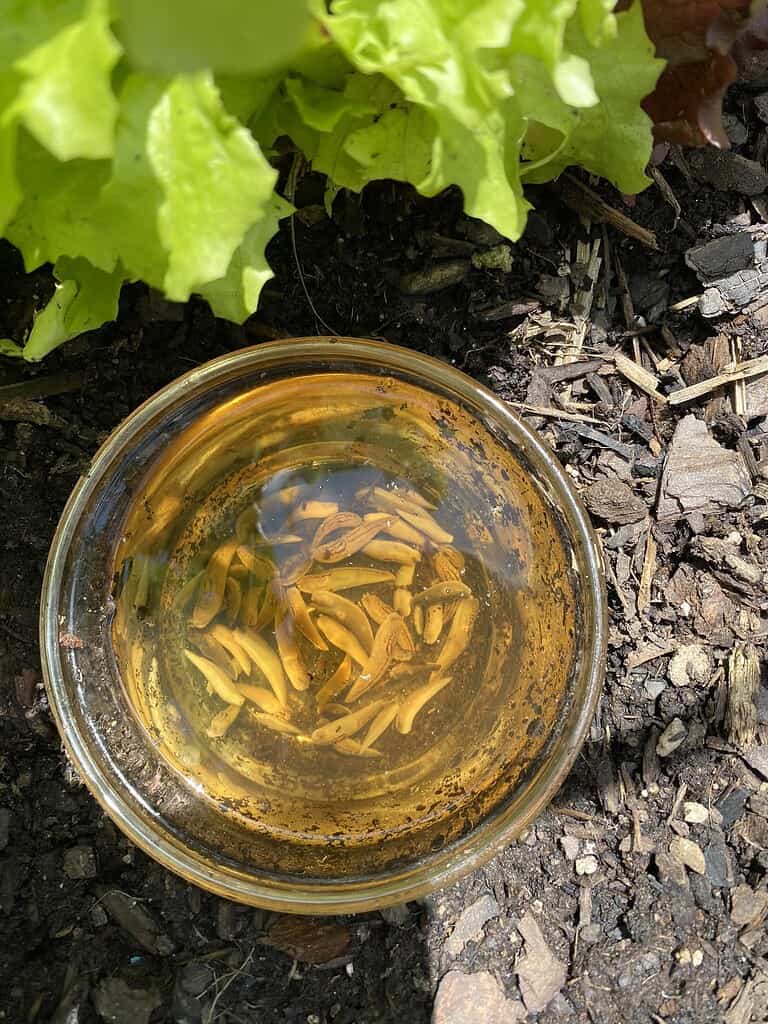
Beer traps are popular because they are easy and surprisingly effective.
Slugs are strongly attracted to the yeast scent in beer. They crawl toward it, fall in, and cannot climb back out.
To set up a proper trap:
- Use a shallow container like a yogurt cup or tuna can
- Bury it so the rim is level with the soil surface
- Fill it halfway with beer
Placement matters. Position traps a few feet away from your most vulnerable plants. This draws slugs away rather than toward your crops.
Important notes:
- Check traps daily
- Empty and refill regularly
- Use multiple traps in larger beds
Beer traps reduce local slug populations but work best alongside other natural slug control methods.
Copper Barriers
Copper is one of the most reliable long-term organic slug prevention tools.
When slugs touch copper, a reaction occurs between the metal and their slime. This creates a mild electrical sensation that deters them from crossing.
Copper barriers are ideal for:
- Raised garden beds
- Container gardens
- Greenhouse shelving
- Seedling trays
For best results:
- Use copper tape at least 1 to 2 inches wide
- Ensure the strip forms a continuous, unbroken ring
- Keep it clean from dirt buildup
Copper does not kill slugs. It prevents them from reaching your plants.
It is especially effective for protecting high-value crops like lettuce, strawberries, and young seedlings.
Crushed Eggshells or Diatomaceous Earth
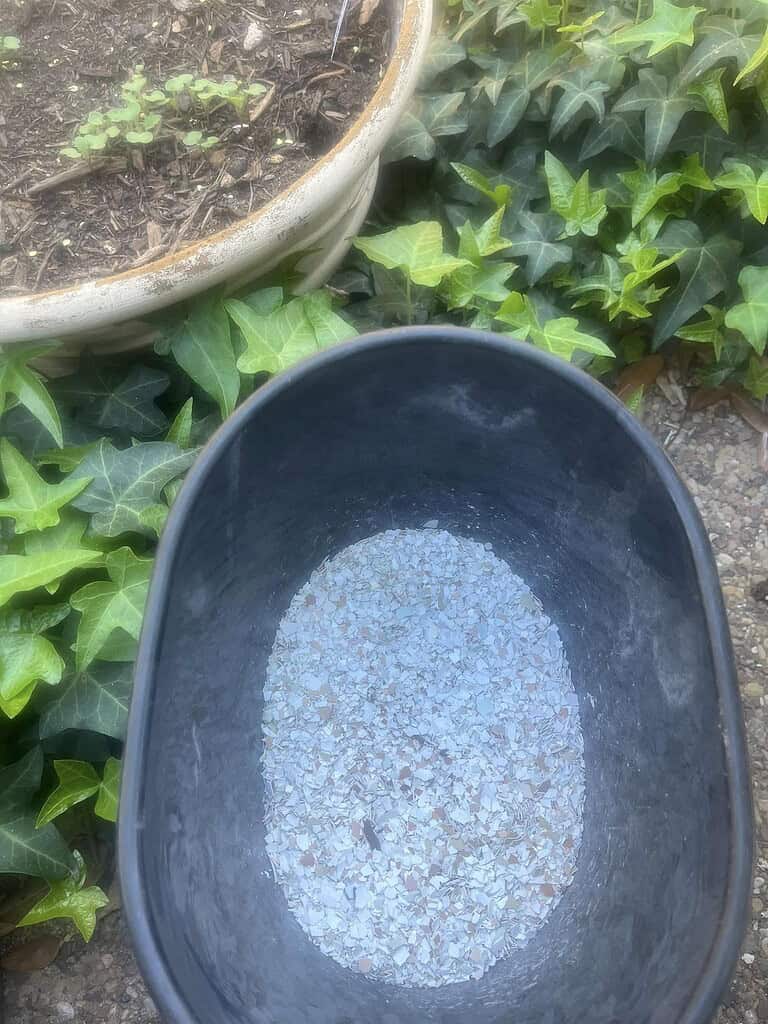
Texture barriers work by making surfaces uncomfortable or damaging for soft-bodied pests.
Crushed eggshells create a sharp, uneven layer around plants. Diatomaceous earth, made from fossilized algae, damages slug bodies by dehydrating them.
If you want a deeper breakdown of how this works, we explain application details and safety tips in using eggshells as organic pest control, including how to prepare them properly for best results.
How to apply properly:
- Create a thick ring around the base of plants
- Reapply after rain
- Keep surfaces dry whenever possible
Be aware of limitations:
- Wet conditions reduce effectiveness
- Slugs may still cross if highly motivated
- These barriers require maintenance
This method works best as part of a layered organic slug prevention plan rather than as a standalone solution.
For a broader look at how diatomaceous earth works beyond slugs, we also cover it in detail in how to use diatomaceous earth for parasite cleansing, including how it interacts with soft-bodied organisms.
Iron Phosphate Bait (Organic Approved)
If slug populations are severe, iron phosphate bait offers a targeted and safer alternative to traditional chemical pellets.
Iron phosphate works by:
- Disrupting the slug’s feeding cycle
- Causing them to stop eating
- Eventually eliminating them without harming soil life
Unlike metaldehyde-based pellets, iron phosphate:
- Is considered organic when labeled appropriately
- Breaks down into nutrients beneficial to soil
- Is safer around pets and wildlife when used as directed
Look for labels that say:
- OMRI listed
- Organic approved
Scatter bait lightly near affected areas, not directly on edible leaves.
This is one of the most effective tools for gardeners who need stronger intervention without compromising soil health.
If aphids are also attacking your crops, you may want to read how to get rid of aphids naturally so you can build a coordinated pest management approach.
Remove Hiding Spots
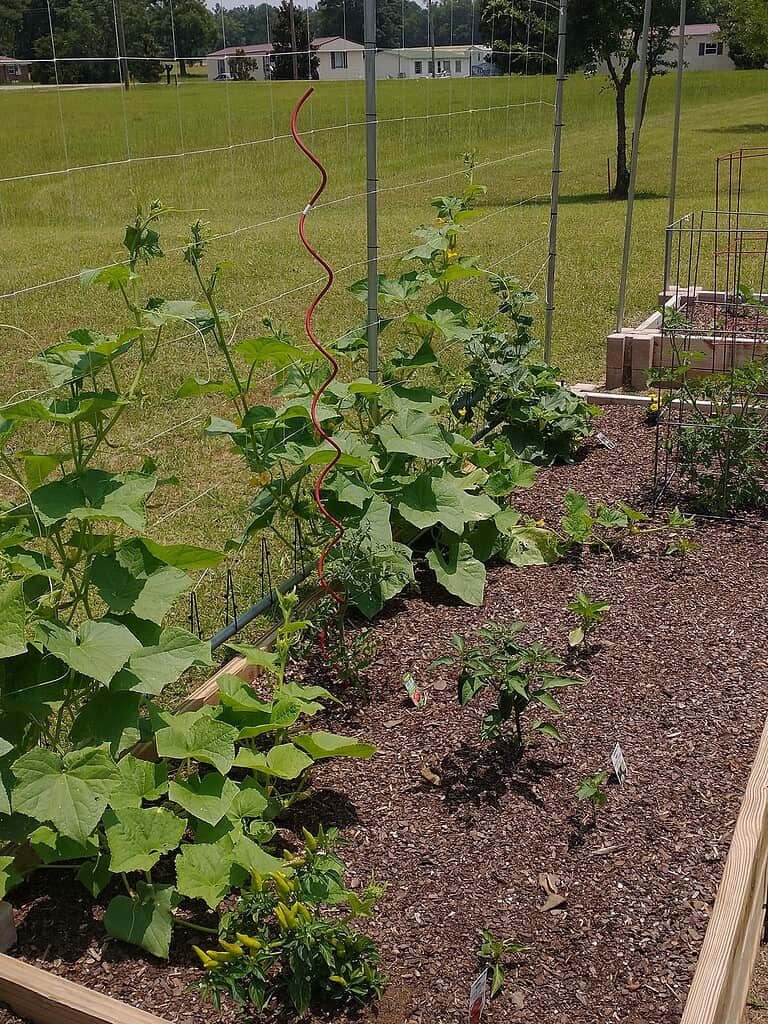
Slugs thrive in cluttered, damp environments.
If you want long-term natural slug control, habitat management is critical.
Inspect your garden for:
- Thick, soggy mulch
- Overturned pots
- Stacked wood
- Dense ground cover
- Weedy borders
Lift and thin where needed.
Why this works:
- Reduces daytime shelter
- Exposes slugs to predators
- Lowers moisture retention
You do not need to eliminate mulch entirely. Just keep it light and breathable.
Slug control is often about making your garden less comfortable for them.
Water in the Morning, Not at Night
Watering habits directly impact slug activity.
When you water in the evening, soil stays damp overnight. That creates the perfect feeding conditions for slugs.
Switch to morning watering instead.
Benefits include:
- Soil surface dries before nightfall
- Less fungal disease
- Reduced slug movement
Even this small shift can significantly improve organic slug prevention over time.
It costs nothing to implement and makes a noticeable difference.
Encourage Natural Predators
Nature has built-in slug control systems.
Encouraging natural predators can reduce slug populations long term without constant intervention.
Helpful predators include:
- Ducks
- Frogs
- Toads
- Ground beetles
- Certain bird species
If possible:
- Install a small water feature to attract frogs
- Avoid broad-spectrum pesticides
- Create habitat diversity
For homesteaders, ducks are especially effective. They actively forage for slugs and can patrol garden areas under supervision.
Balanced ecosystems naturally reduce pest explosions.
Dealing with household pests? You may find my guide on natural ways to keep ants out of your home helpful for maintaining chemical-free control indoors as well.
Long-Term Organic Slug Prevention Strategies
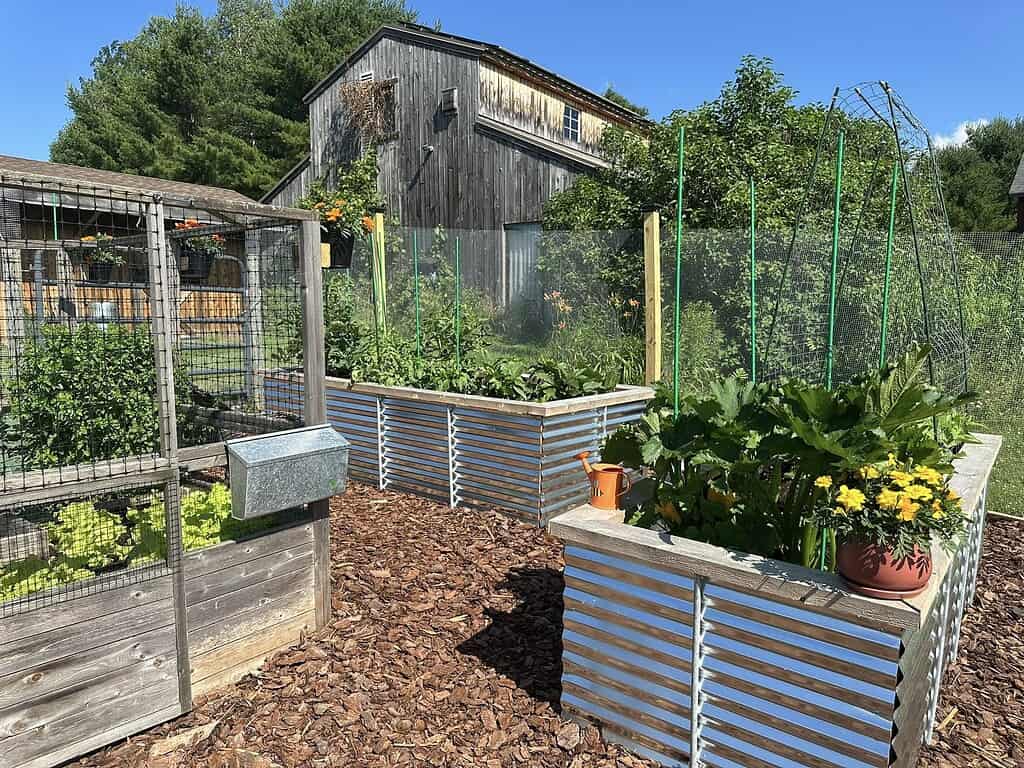
Natural slug control works best when prevention becomes part of your garden routine.
Improve Drainage
Raised beds, compost-rich soil, and proper spacing all help water drain effectively.
Slugs thrive in soggy environments.
Space Plants Properly
Crowded plants trap moisture.
Adequate spacing:
- Improves airflow
- Reduces fungal issues
- Makes it harder for slugs to travel unseen
Choose Resistant Plants
Some plants are less appealing to slugs.
These include:
- Lavender
- Rosemary
- Thyme
- Sage
- Ferns
- Geraniums
While not completely immune, they are less targeted.
Rotate Crops
If slugs devastated your lettuce bed last year, avoid planting it in the same exact location.
Crop rotation interrupts slug feeding patterns.
Common Mistakes When Trying to Get Rid of Slugs Naturally
Even experienced gardeners make these mistakes.
Using Only One Method
Slug control requires layers.
Hand picking plus watering adjustments plus barriers is far more effective than one solution alone.
Over-Mulching
Thick mulch is wonderful for soil health. But overly wet, dense mulch becomes a slug hotel.
Keep mulch light and aerated.
Ignoring Early Signs
Small holes in lower leaves are early warnings.
Act quickly before populations explode.
When Slug Damage Is Worst
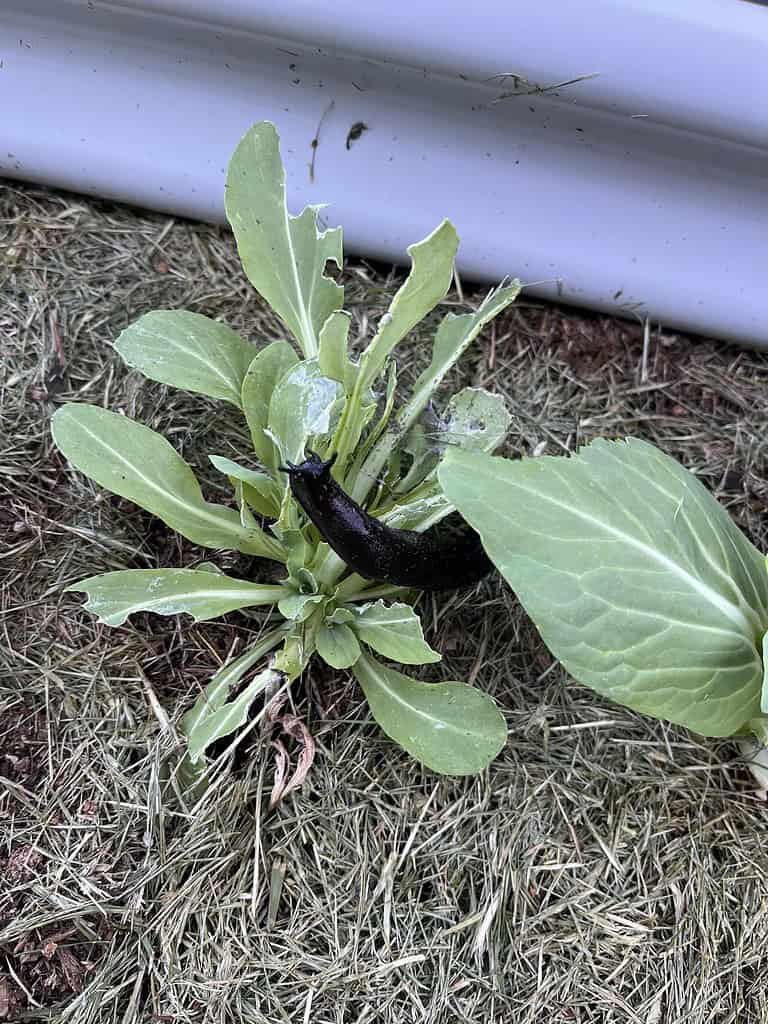
Understanding seasonal patterns helps you plan.
Slug populations spike during:
- Cool, rainy springs
- Mild fall seasons
- Periods of extended humidity
In very hot, dry summers, activity often slows.
Timing your prevention strategies before peak season gives you the upper hand.
Are Chemical Slug Killers Worth It?
Traditional slug pellets often contain metaldehyde.
These can:
- Harm pets
- Contaminate soil
- Impact wildlife
If you care about soil health and pollinators, natural slug control methods are far safer long term.
Healthy soil ecosystems outperform quick chemical fixes.
Take Back Your Garden With Consistent Natural Slug Control
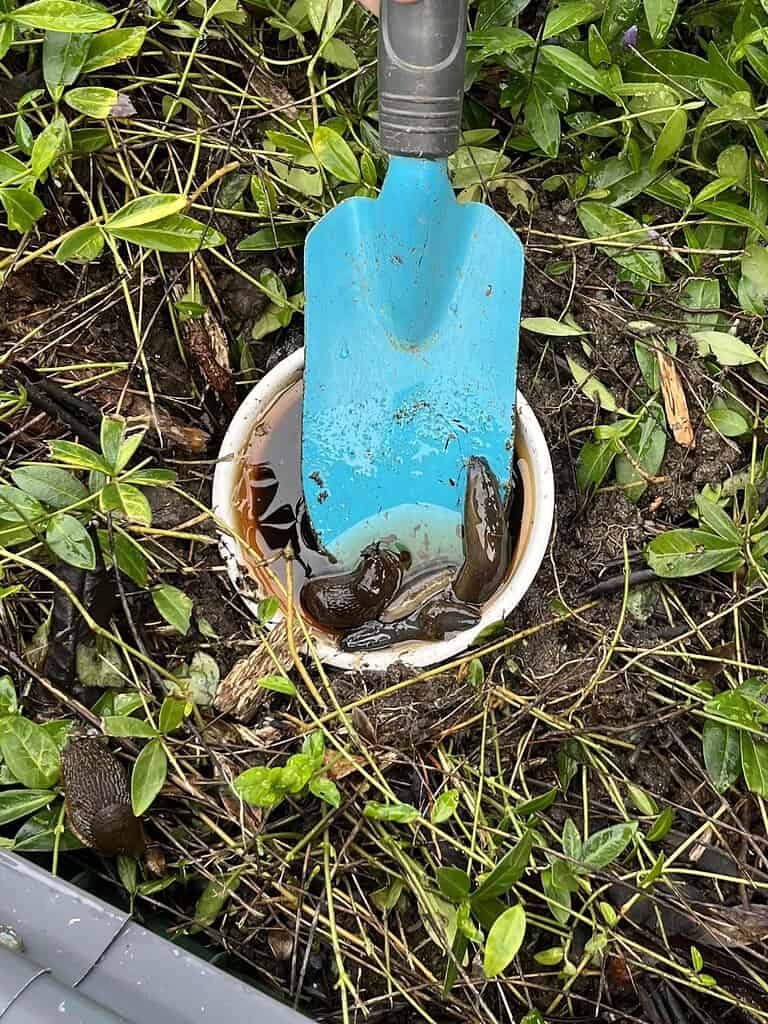
Slug problems feel overwhelming at first.
But here is the truth:
You do not need toxic solutions.
You need consistent ones.
Start with:
- Morning watering
- Removing hiding spots
- Hand picking weekly
- Adding copper barriers where needed
Layer your methods. Stay consistent for a few weeks.
Your seedlings will recover. Your lettuce will thrive again.
Have you tried any of these natural slug control methods?
Comment below and share what worked in your garden.
Plan Your Garden With Confidence!

Ever start planting… and then realize halfway through that things feel a little scattered?
A simple plan changes everything.
When you sketch your layout first, you can see what fits, what flows, and what actually makes sense for your space. It saves time, money, and a whole lot of second-guessing later.
Our free Garden Planner helps you map out beds, organize plant spacing, rotate crops, and keep track of seasonal tasks – all in a clean, printable format you can actually use.
Whether you’re designing a low maintenance front yard or planning your full homestead garden, this gives you a clear starting point.
Less chaos. More clarity. A garden that works.
FAQs
How fast do slugs reproduce in a garden?
Slugs reproduce quickly in moist conditions. A single slug can lay dozens of eggs at a time, often in hidden soil pockets. In ideal conditions, populations can multiply within weeks. That is why early intervention matters.
Do coffee grounds really repel slugs?
Coffee grounds may deter slugs temporarily due to texture and caffeine content. However, once wet, they lose effectiveness. They can be part of a layered approach but should not be relied on alone.
Can slugs climb raised beds?
Yes. Slugs can climb wood, stone, and even smooth surfaces. Raised beds help with drainage, but they do not fully prevent slug access. Copper tape along bed edges can improve protection.
Is salt a good solution for killing slugs?
Salt kills slugs instantly but should not be used directly in garden soil. It damages soil structure and harms beneficial microbes. Use salt only in a separate container when disposing of hand-picked slugs.
How long does it take to eliminate a slug problem naturally?
You may see reduced damage within one to two weeks if you consistently apply multiple methods. Full control often takes an entire growing season of steady prevention and monitoring.