
If houseplants had a celebrity hall of fame, Monstera deliciosa would absolutely have a star on the wall. Big, glossy leaves. Those iconic splits and holes.
Major “I’ve got my life together” energy – even when the rest of the house says otherwise.
You don’t need a greenhouse, a botany degree, or a spotless Pinterest home to grow a happy Monstera. You just need a little know-how, a bit of patience, and the willingness to learn as you go.
Consider this your simple Monstera care guide – the kind I wish someone had handed me before I overwatered my first one out of love.
Grab a coffee, settle in, and let’s talk Monsteras.
What Is a Monstera?
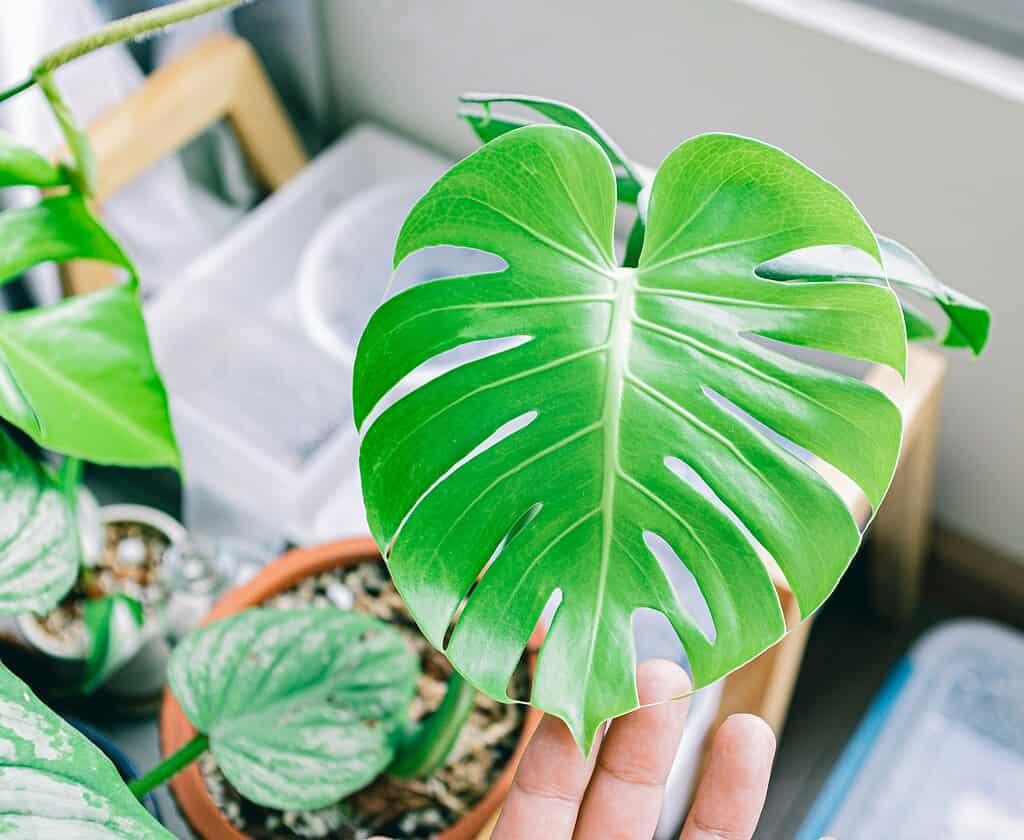
At its core, a Monstera is a tropical plant native to Central and South America. In the wild, it grows under jungle canopies, climbing trees and stretching toward the light.
That’s why those dramatic leaves develop splits (called fenestrations) – they help the plant catch sunlight without snapping in heavy rain.
The most common variety you’ll see is Monstera deliciosa, and yes, it earned that name because it can produce edible fruit in the wild (though indoor plants almost never do – so no smoothies just yet).
Why plant parents love Monsteras:
- They’re forgiving
- They grow fast enough to feel rewarding
- They make any room feel alive and lush
- They tolerate a bit of neglect (busy homesteaders, rejoice)
If you’ve been intimidated by houseplants before, this is a great one to start with.
Choosing the Perfect Monstera for Your Home
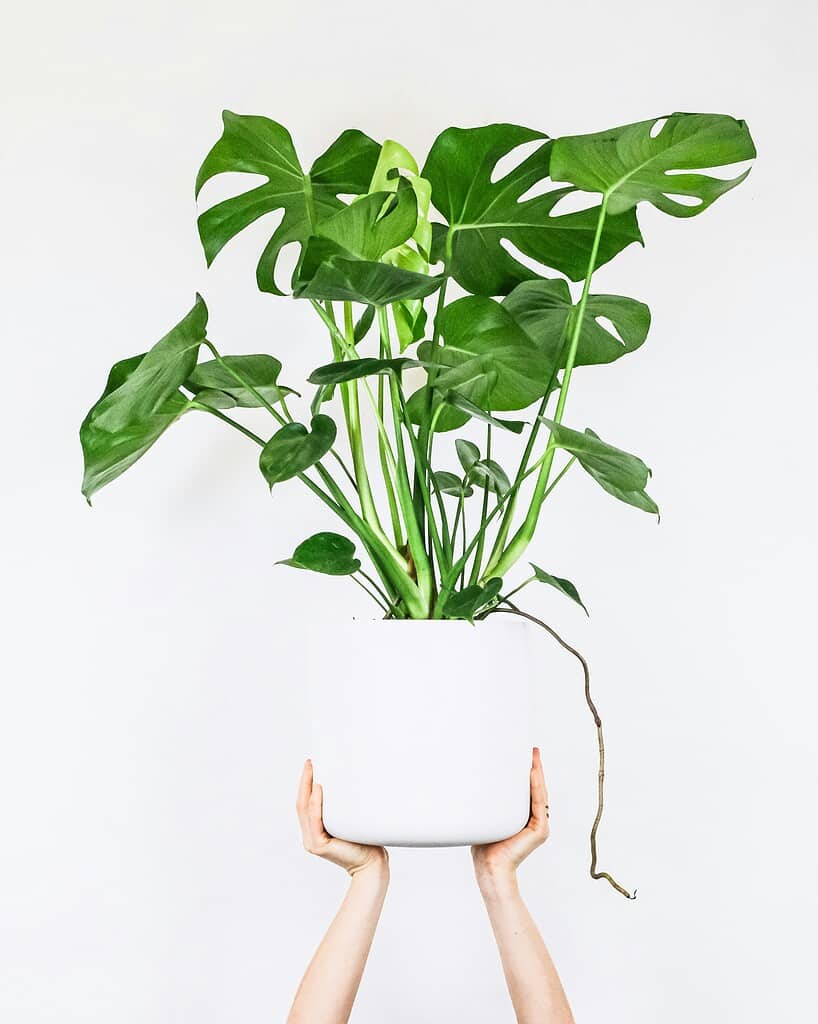
Before you bring one home, it helps to know what you’re choosing. Monsteras vary in size, growth habit, and drama level.
Types of Monstera Plants You’ll Love
Here are a few common (and beginner-friendly) options:
- Monstera deliciosa – The classic. Big leaves, bold splits, and the most forgiving personality.
- Monstera adansonii – Smaller leaves with lots of holes. Often called the “Swiss cheese vine.”
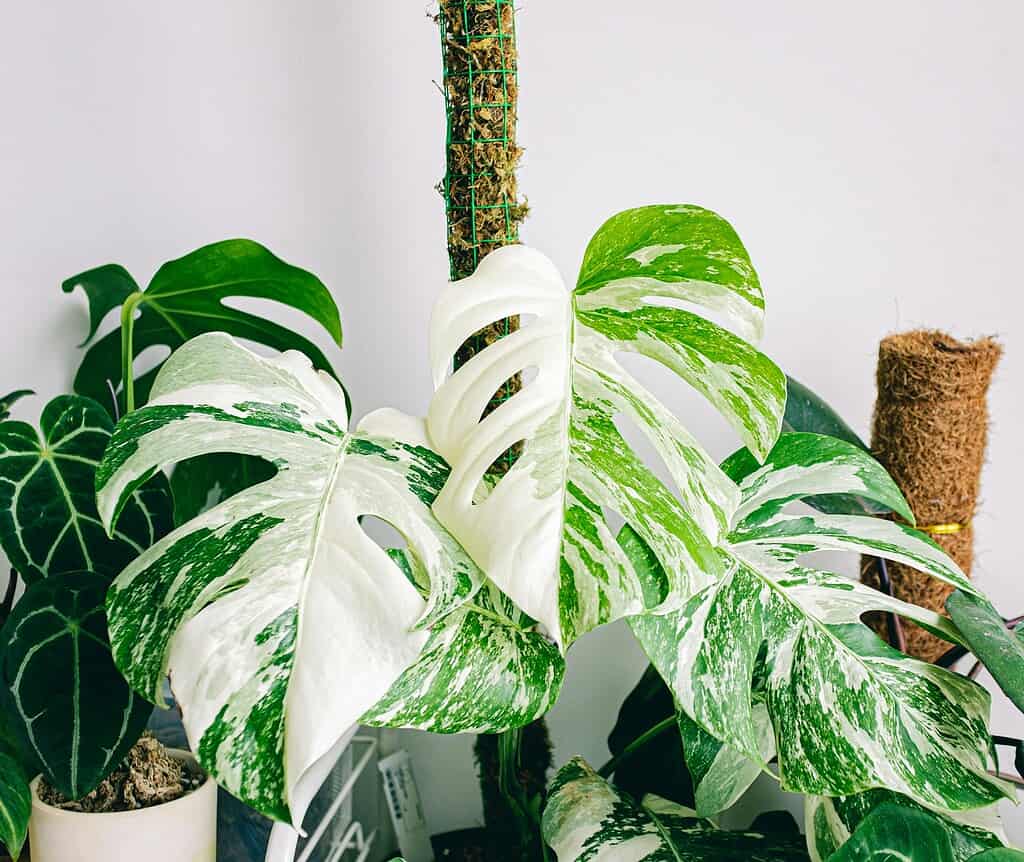
- Monstera deliciosa ‘Thai Constellation’ – Stunning creamy variegation, slower growth, higher price tag.
- Monstera deliciosa ‘Albo’ – White variegation, very Instagram-famous, and more demanding.
Beginner tip: Start with a standard Monstera deliciosa. Once you’ve mastered Monstera plant care, you can branch out into the fancy varieties.
When shopping, look for:
- Firm, green leaves (a little cosmetic damage is okay)
- No mushy stems
- Healthy roots (if visible)
- No obvious pests (check the undersides of leaves!)
Monsteras aren’t the only fun indoor plants you can grow. If you want more greenery ideas, see our roundup of best indoor plants that thrive in homes like yours.
Light, Water, and Soil: How to Care for Your Monstera

This is the heart of how to care for a Monstera, and thankfully, it’s not complicated.
Light: Bright, But Not Blazing
Monsteras love bright, indirect light. Think:
- Near an east or south-facing window
- Filtered sunlight through curtains
- Bright rooms without harsh midday sun
Too much direct sun = scorched leaves
Too little light = slow growth and fewer leaf splits
If your Monstera is surviving but not thriving, light is usually the first thing to adjust.
How Often to Water Your Monstera
Repeat this with me: Monsteras hate soggy roots.
Water when:
- The top 2–3 inches of soil are dry
- The pot feels noticeably lighter
- Your finger test says “dry, not damp”
For most homes, that’s about:
- Every 7–10 days in warmer months
- Every 2–3 weeks in winter
Overwatering is the #1 Monstera mistake. Yellowing leaves usually mean too much love, not too little.
(If you’re curious about keeping other houseplants happy indoors, check out our guide on how to water plants indoors – it’s a great place to start for beginners.)
Best Soil Mixes for Monsteras
Monsteras want soil that drains well but still holds some moisture.
A simple DIY mix:
- 2 parts indoor potting soil
- 1 part perlite or pumice
- 1 part orchid bark or coco chips
This mimics their natural jungle floor environment – airy, rich, and never compacted.
Always use a pot with drainage holes. Always.
Fertilizing and Growth Tips for Big, Beautiful Leaves

Monsteras are leafy eaters, but they don’t need anything fancy to thrive. With a few simple tips, you can encourage bigger, healthier leaves and a happy, thriving plant.
Fertilizers That Work for Monstera Plants
A balanced liquid houseplant fertilizer is perfect for Monsteras.
Dilute it to half strength to avoid overfeeding, and apply every 4–6 weeks during spring and summer, when your plant is actively growing.
There’s no need to fertilize in winter, as the plant naturally slows down during this period.
Signs Your Monstera Wants a Little Extra Fuel
Sometimes your Monstera will give you subtle hints that it’s ready for more nutrients. Watch for:
- Small new leaves
- Slower growth than usual
- Pale green coloring
If you notice any of these signs, it’s a good cue to feed your plant a little fertilizer.
Also helpful:
- Rotate the plant every few weeks
- Wipe dust off leaves so they can “breathe”
- Give it room to grow (they hate being cramped)
Step-by-Step Monstera Propagation for Beginners

This is where Monstera ownership gets really fun. Propagating your Monstera is not only satisfying but also slightly addictive.
Watching tiny roots sprout from a cutting gives a sense of accomplishment every plant parent loves. Plus, it’s a great way to expand your collection without spending a dime.
How to Propagate Monstera Cuttings Successfully
You’ll need:
- Clean scissors or pruners
- A healthy stem with a node (that little bump where roots grow)
- A jar of water or moist soil
Steps:
- Find a node just below a leaf.
- Cut about ½ inch below the node.
- Place the cutting in water (node submerged, leaf above water).
- Set it in bright, indirect light.
- Change the water every few days.
Roots usually appear in 2–4 weeks. Once they’re a few inches long, pot it up – and boom, new plant.
Propagation is a great way to:
- Share plants with friends
- Fill out a leggy plant
- Build confidence as a plant parent
Want to take your indoor gardening further? Consider growing miniature edibles too, like dwarf fruit trees you can grow indoors – perfect for adding a pop of green and a tasty reward.
Common Problems and Pests: How to Keep Your Monstera Healthy
Monsteras are tough, but they’ll still let you know when something’s off.
Signs Your Monstera Needs Help
Yellow leaves often indicate overwatering or poor drainage. Make sure your pot has proper drainage holes and that the soil isn’t staying soggy.
Brown edges are usually a sign of low humidity or inconsistent watering. Monsteras love a little tropical humidity, so misting the leaves or placing a tray of water nearby can help.
Drooping leaves can mean your plant is thirsty or has become root-bound. Check the soil moisture and consider repotting if the roots are crowded.
If your Monstera is producing new leaves without splits, it’s likely not getting enough light. Move it closer to bright, indirect sunlight to encourage those signature fenestrations.
Common Pests
Even the healthiest Monsteras can attract pests like:
- Spider mites
- Mealybugs
- Scale insects
These little visitors can sneak in on new plants or hitch a ride on leaves, so it’s important to check plants before adding them to your collection.
Natural solutions:
- Wipe leaves with diluted neem oil
- Use insecticidal soap
- Rinse leaves in the shower (plants love spa days)
Check new plants before introducing them to your collection – pests love to hitchhike.
Indoor plants sometimes bring uninvited guests like ants. For a natural solution, check out our DIY indoor ant repellent guide.
Fun Tips for Styling and Supporting Your Monstera Indoors

Monsteras are climbers, not shrubs. Supporting them makes a huge difference.
Using Moss Poles, Stakes, and Trellises
- Moss poles encourage bigger leaves
- DIY poles can be made with PVC and sphagnum moss
- Secure stems loosely with plant ties
Styling ideas:
- Let one become a dramatic floor plant
- Train it up a pole near a sunny window
- Use cut leaves in vases (they last surprisingly long!)
Humidity hacks:
- Group plants together
- Use a pebble tray
- Run a humidifier in winter
Final Tips for Every Plant Parent
You don’t need to be perfect to grow a Monstera.
They’re resilient. They bounce back. They forgive missed waterings and imperfect light. And they reward you with those stunning leaves that make your home feel calmer and more alive.
If you remember nothing else:
- Don’t overwater
- Give it decent light
- Let it grow at its own pace
That’s it.
Ready to Start Your Monstera Journey?
If there’s one thing I hope you take away from this Monstera care guide, it’s this: Monsteras want to grow just as much as you want them to thrive.
They’re not fragile divas. They’re sturdy, adaptable plants that do incredibly well when given a little attention – and a lot of grace.
You don’t need to nail everything perfectly. You’ll learn by watching your plant, adjusting as you go, and occasionally making mistakes (every experienced plant parent has a few leaf-related regrets).
Over time, you’ll start noticing subtle changes – new splits forming, leaves reaching for the light, roots peeking out – and that’s when the confidence really kicks in.
So here’s your action plan:
- Pick a bright spot in your home
- Water thoughtfully, not automatically
- Let your Monstera grow at its pace
- Enjoy the process, not just the result
And most importantly – have fun with it. Plants are meant to be enjoyed, not stressed over.
Do you already have a Monstera, or are you thinking about getting one?
Drop a comment below and share your experience, questions, or even your biggest plant fail – we’re all learning together here at The Ultimate Homestead.
FAQs
Can Monsteras Live Outside?
Yes – with conditions. Monsteras can live outdoors in warm, humid climates where temperatures stay above 55°F consistently. They prefer partial shade rather than full sun. If you’re in a cooler region, they can enjoy summer outside but should come back indoors before temperatures drop.
How Big Will a Monstera Get Indoors?
Indoors, a healthy Monstera deliciosa can reach 6–8 feet tall with proper light, support, and care. Leaf size often depends more on light and climbing support than pot size alone. Give it room, and it will use it.
Do Monsteras Need to Be Repotted Often?
Not really. Monsteras prefer to be slightly root-bound. Repot every 1–2 years, or when you notice roots circling the pot, growing out of drainage holes, or water running straight through without soaking in.
Is Monstera Toxic to Pets or Kids?
Yes – Monsteras are toxic if ingested due to calcium oxalate crystals. Keep them out of reach of curious pets and small children. Touching the leaves is safe; chewing them is not.
Why Are My Monstera Leaves Curling?
Leaf curling is often a sign of:
- Underwatering
- Low humidity
- Sudden temperature changes
Check soil moisture first, then assess your home’s humidity and drafts. A small tweak usually solves the problem quickly.