
Metal raised garden beds are everywhere right now. You've probably seen them in garden centers, on social media feeds, and in the backyards of neighbors who swear by them.
They look sleek, they seem durable, and the marketing is convincing. But before you pull out your wallet, it's worth slowing down and getting the full picture.
This guide is going to walk you through everything you actually need to know about metal raised garden beds – the genuine advantages, the real drawbacks, and the details that most product pages won't tell you.
Whether you're setting up your first garden bed or expanding an existing setup, understanding what you're getting into will save you time, money, and frustration down the road.
And if you're still weighing whether a raised bed is even the right approach for your space, it helps to start with the basics. Check out our in-depth look at raised bed vs in-ground gardening to see how they compare before diving into materials.
What Are Metal Raised Garden Beds?
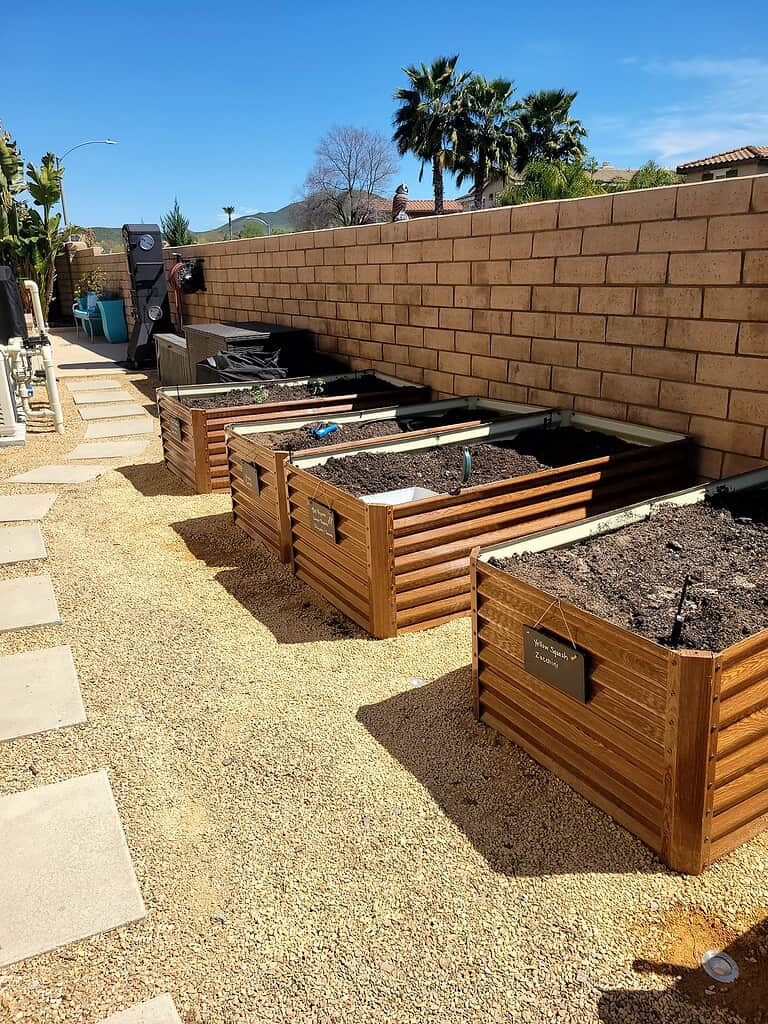
Metal raised garden beds are freestanding garden structures made primarily from corrugated galvanized steel, Corten steel (weathering steel), or aluminum. They sit above the ground level, creating a contained growing space that you fill with your own soil mix.
Unlike wooden beds, which have dominated backyard gardens for decades, metal beds offer a distinctly modern aesthetic and a different set of practical trade-offs.
They range from small tabletop planters to large modular systems that can span an entire side of your yard.
The most popular styles right now are corrugated galvanized trough-style beds and the rounded Corten steel designs you've seen all over homesteading and gardening content online.
If you want to explore the wide variety of styles available before committing to a material, take a look at these 30 simple raised garden bed ideas – it's a great way to visualize different setups and find what fits your space.
The Real Advantages of Metal Raised Garden Beds
Before you decide which route to take, it helps to look at what metal beds actually do better in real life. These are the advantages that make many gardeners switch and stick with them.
They Last for a Very Long Time
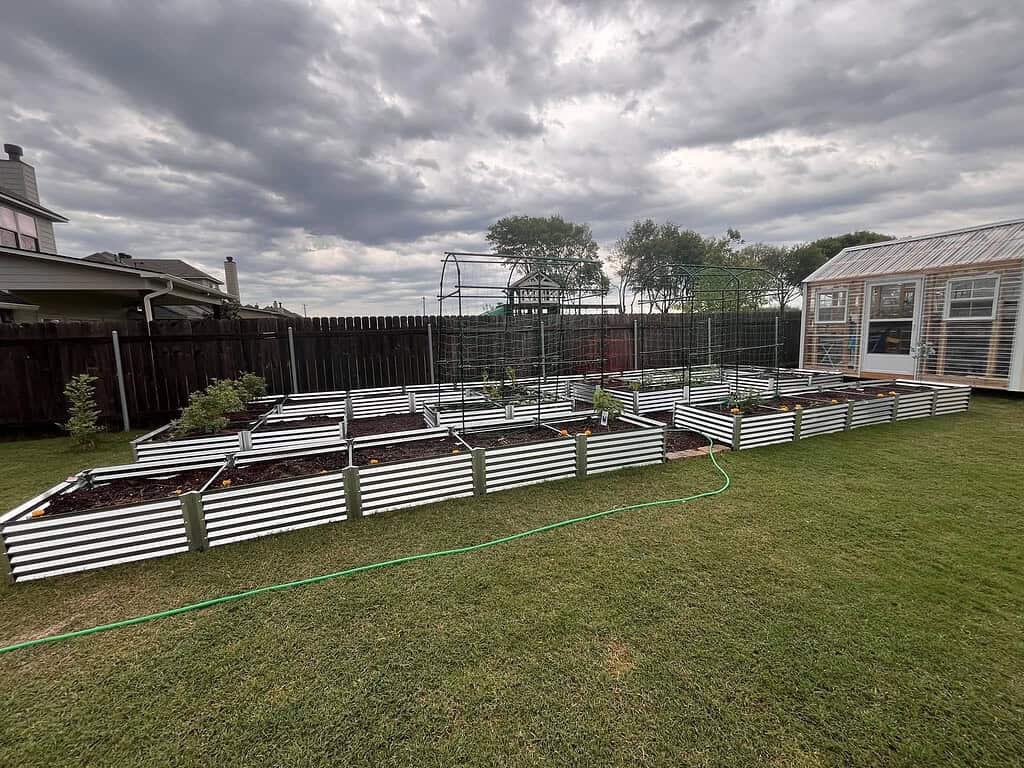
This is the most compelling argument for going metal, and it holds up. A high-quality galvanized or Corten steel bed can last 20 years or more with minimal maintenance.
Wooden beds, even cedar, typically need replacing within 5 to 10 years as they rot, warp, and break down. If you're investing in a permanent garden setup, metal simply wins on longevity.
Corten steel in particular develops a protective rust layer over time that actually seals the surface and prevents deeper corrosion.
It looks rugged and beautiful, and it gets more character with age rather than deteriorating.
They're Pest-Resistant
Slugs, snails, and burrowing pests find it much harder to get into a metal raised bed compared to wood.
The smooth, hard sides don't offer the footholds that soft wood grain does, and the height of most metal beds keeps ground-level pests at bay.
If critters have been a recurring problem in your garden, metal can make a noticeable difference. You can also learn more about building a critter-proof raised garden bed to further protect your crops.
Assembly Is Typically Quick and Straightforward
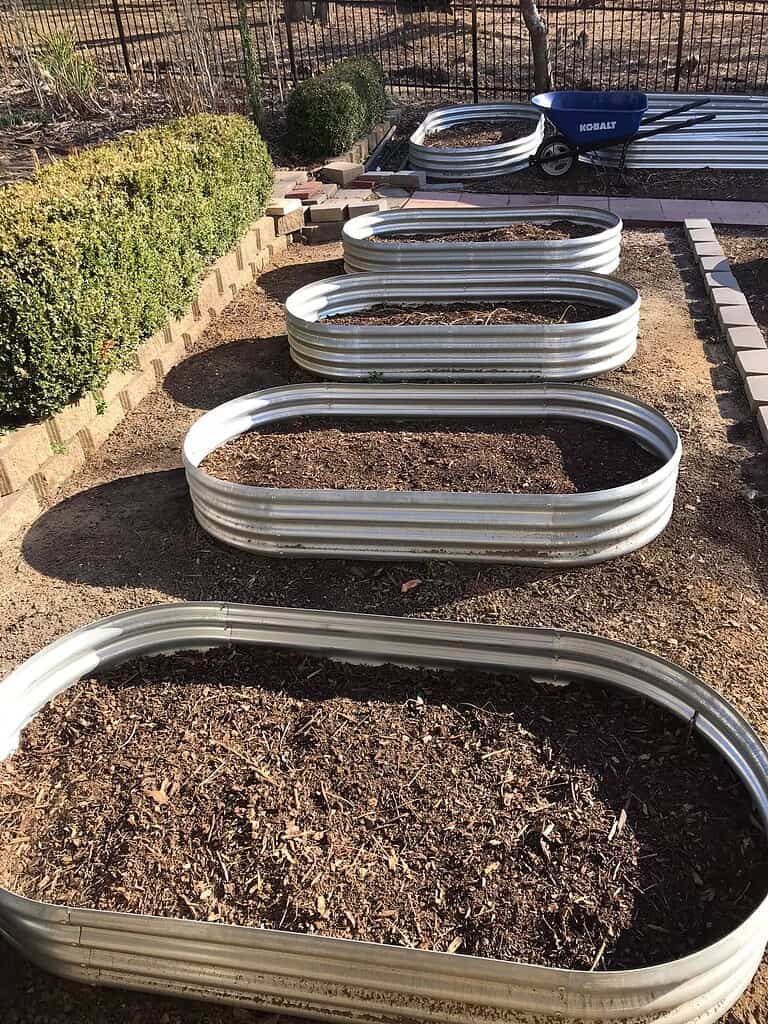
Most metal raised bed kits come with pre-drilled panels and a basic connector system. You don't need power tools, expert woodworking skills, or a full afternoon.
Many homeowners set up a standard 4×8 metal bed in under an hour. If you've been putting off building a wooden bed because of the complexity, a metal kit can be a real time-saver.
For those who enjoy a bit more of a hands-on project, you might also enjoy our guide on popular raised bed brackets and connectors, which covers both metal and wood connection systems for custom builds.
They Warm Up Quickly in Spring
Metal conducts heat efficiently, which means the soil in your metal raised beds warms up faster in early spring.
For gardeners in cooler climates, this translates to earlier planting dates and a longer growing season. Getting a head start on your crops (even by two or three weeks) can significantly boost your total harvest over the season.
They Look Clean and Modern
There's no question that metal raised beds have an aesthetic appeal that wood simply can't match.
The clean lines, the industrial-meets-natural look, and the variety of finishes available (zinc, rust patina, powder-coated colors) make them easy to incorporate into a wide range of garden styles.
If you want your growing space to look polished and intentional rather than rustic and weathered, metal beds deliver.
The Honest Drawbacks You Need to Know
If metal raised beds sound almost too good to be true at this point, it is worth slowing down for a second. Like anything in the garden, they are not perfect, and a few of their downsides only really show up once you have lived with them through a full season.
The good news is that most of these drawbacks are manageable once you know what to expect.
But going in with a clear, honest picture helps you plan smarter and avoid those “I wish I knew this earlier” moments.
They Get Hot – Very Hot
This is the biggest practical concern with metal raised beds, and it often gets glossed over in product descriptions.
In full sun during summer, the metal walls can heat the surrounding soil to temperatures that stress or damage plant roots. Shallow-rooted crops like lettuce, spinach, and herbs that are planted close to the edges are especially vulnerable.
The fix isn't complicated: choose deeper beds (at least 12 to 18 inches), place heat-tolerant crops like tomatoes and peppers near the edges, and keep cool-season crops toward the center.
Mulching the soil surface also helps retain moisture and buffer temperature swings. If you're growing heat-sensitive crops, a partially shaded location can help considerably.
Knowing what to plant (and when) makes all the difference. Our vegetable planting calendar is a handy resource for timing your crops to avoid the worst summer heat stress in your beds.
The Upfront Cost Is Higher
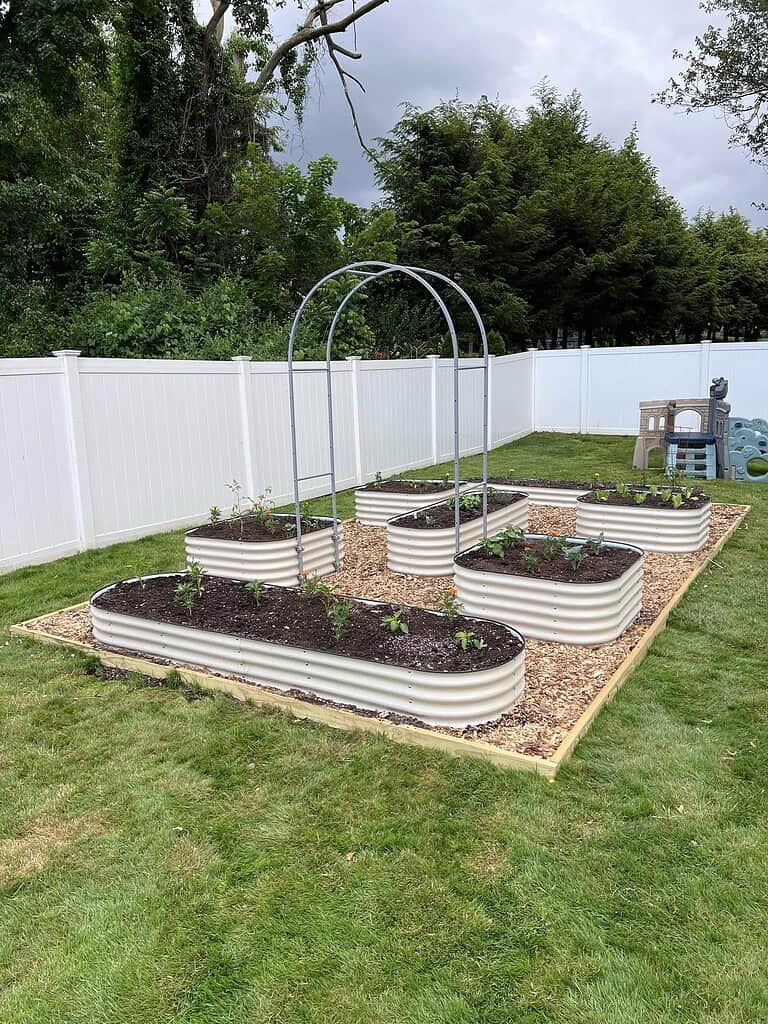
Metal raised beds cost more than DIY wooden beds, especially if you opt for Corten steel or high-quality powder-coated aluminum.
A single 4×8 metal bed can run anywhere from $80 to $300+ depending on the brand and material. If you're outfitting a large garden area, that cost adds up quickly.
That said, when you factor in the lifespan – no replacement every few years, no annual treatment, no rot repair – the long-term cost per year often ends up lower than wood.
It's a higher initial investment that pays off over time, but it does require that upfront budget.
If budget is a real concern, building your own beds is always an option. Our step-by-step guide on building a DIY raised garden bed in under 30 minutes is a great starting point for a more cost-effective route.
Zinc Leaching Is a Real Consideration (But Not a Crisis)
Galvanized steel is coated in zinc to prevent rust, and there's been ongoing debate about whether that zinc leaches into the soil and affects plants or food safety.
The honest answer is that some zinc leaching does occur – zinc is actually an essential micronutrient for plants – but at levels that are generally considered safe by most agricultural researchers.
The concern escalates if the coating is damaged or if the bed is in contact with highly acidic soil for extended periods.
If you want to be extra cautious, you can line the inside of your bed with food-safe landscape fabric, or opt for Corten steel or powder-coated aluminum, which don't use a zinc galvanization process.
The Vego Garden raised bed review on this site digs into one of the most popular Corten-style options on the market if you want a specific product comparison.
They Can Be Difficult to Move
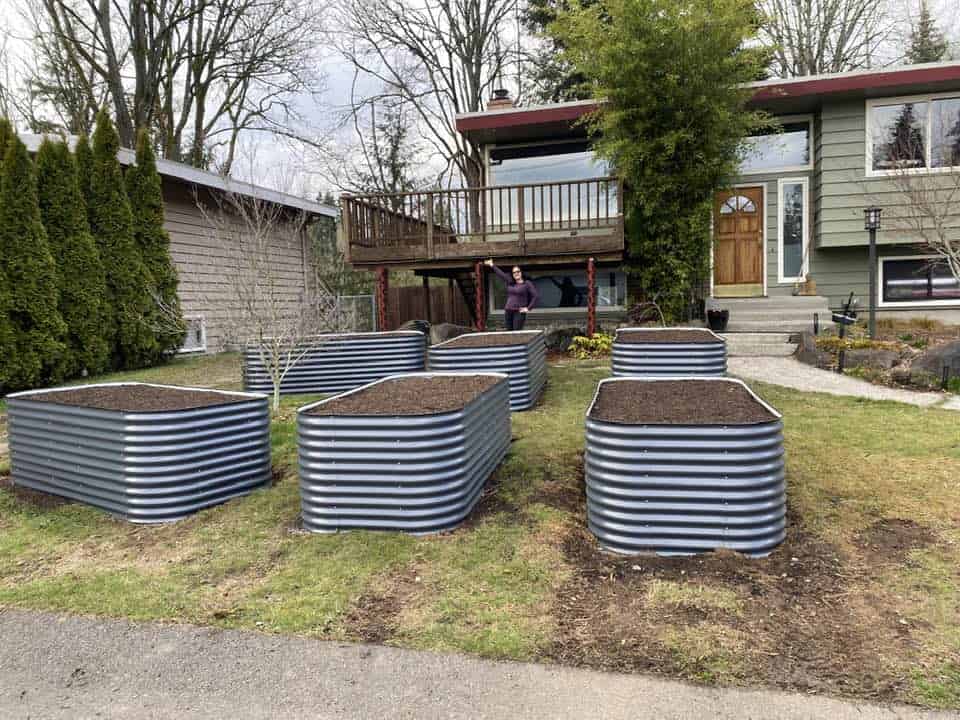
Once filled with soil, a metal raised bed is essentially permanent for the season. If you decide you want to relocate it or change your garden layout, you're looking at emptying it completely first.
This is less of an issue if you plan your layout carefully from the start – which is why spending time on your garden design before buying anything is genuinely worthwhile.
Our collection of raised garden bed layouts can help you think through configuration options before you commit.
What to Look for When Buying a Metal Raised Garden Bed
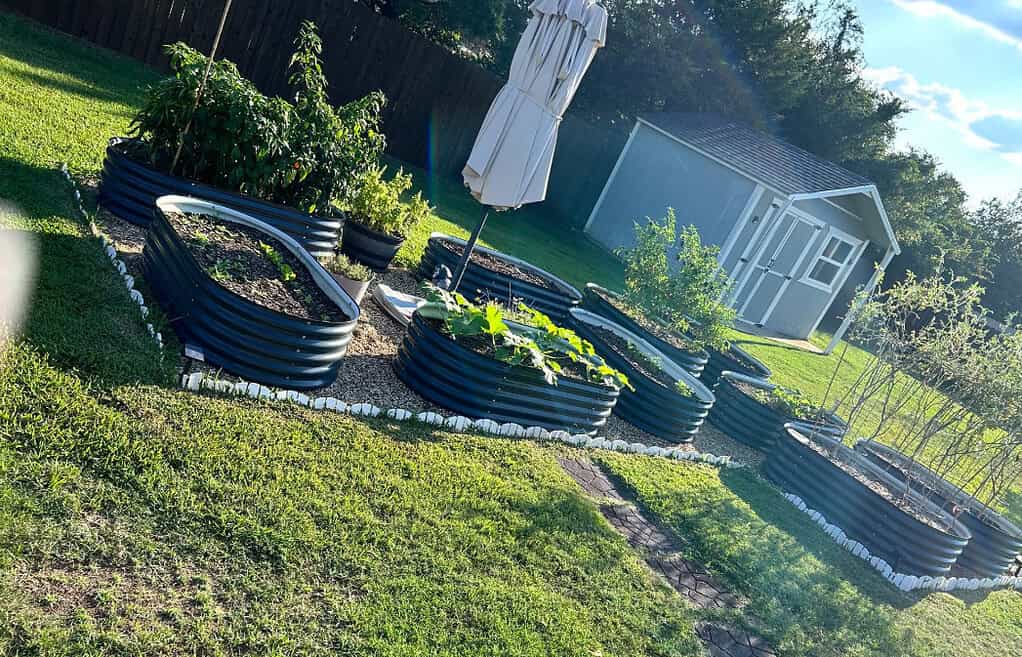
Not all metal raised beds are created equal. Here are the key factors that separate a bed that will serve you well for decades from one that disappoints after a single season.
Material and coating quality: Look for beds with a galvanization rating of at least G90 (the number indicates the weight of zinc coating per square foot). Corten steel and powder-coated aluminum are excellent alternatives if zinc is a concern.
Wall thickness: Thicker gauge steel holds its shape better over time. Anything thinner than 18-gauge is worth scrutinizing. Quality beds typically use 16 or even 14-gauge steel.
Height options: Taller beds (12 to 24 inches) give plant roots more room to grow, allow for better soil depth, and reduce the heat transfer issue along the soil profile. They also reduce how much bending you need to do while gardening – a major quality-of-life improvement. If accessibility is a priority, read our guide on raised garden bed ideas for seniors for ergonomic setup tips that apply to all gardeners.
Drainage design: Good metal beds are open at the bottom or have drainage holes. Standing water inside a contained metal structure will waterlog your soil and harm roots. Always confirm the drainage setup before purchasing.
Connection system: The hardware that holds the panels together determines structural integrity over time. Cheap plastic connectors fail. Look for stainless steel bolts or heavy-duty powder-coated connectors.
How to Set Up Your Metal Raised Bed for Success
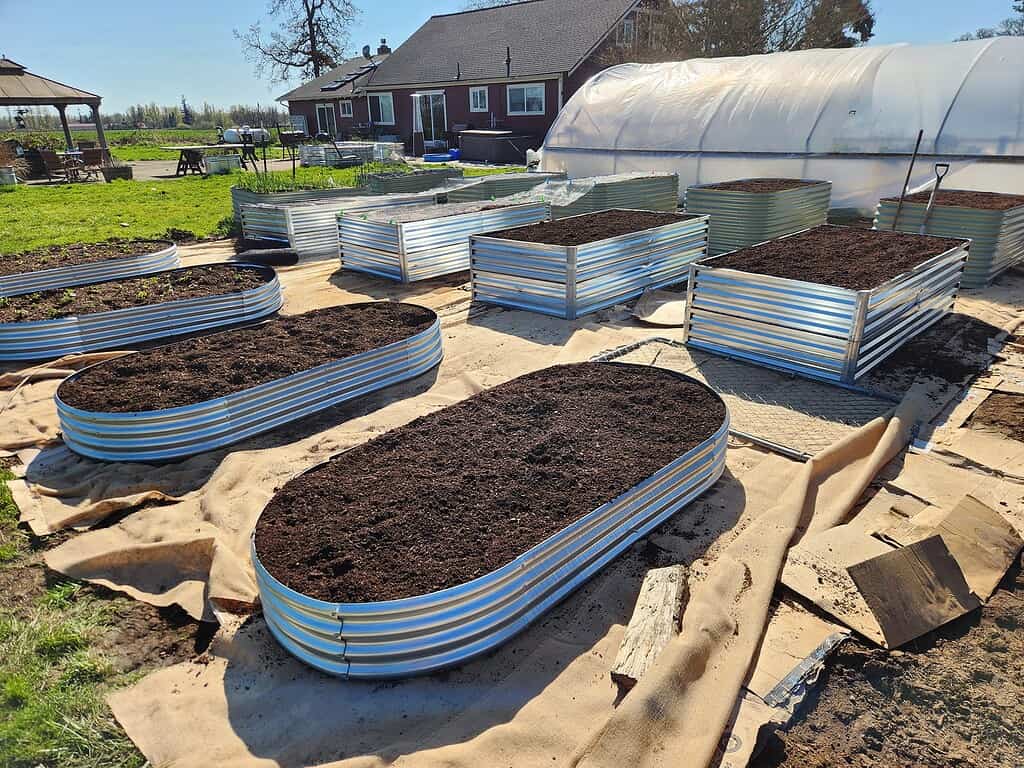
The structure is only part of the equation. What you put inside your metal raised bed – and how you manage it – is what actually determines whether your garden thrives.
Start with a high-quality soil mix.
The classic raised bed formula is roughly 60% topsoil, 30% compost, and 10% coarse sand or perlite for drainage.
Don't rely on native ground soil, which compacts easily and may introduce weeds or disease.
Our complete guide on how to fill raised garden beds walks through the exact process and the best materials to use.
Consider the depth carefully.
Root vegetables like carrots, beets, and parsnips need at least 12 inches of loose soil. Shallow-rooted crops like lettuce and herbs can thrive in as little as 6 to 8 inches.
Matching your bed depth to your plant list makes a significant difference. You can read more about how deep your raised garden bed should be to make the right call for your crops.
Think about your layout and spacing before you plant.
A 4×8 bed is a popular size because you can reach the center from either side without stepping on the soil.
For planting ideas that make the most of that space, our 4×8 raised garden bed planting layout guide offers practical companion planting combinations and spacing strategies.
Water consistently.
Metal beds can dry out more quickly than in-ground gardens because of the elevated soil exposure. If you're not able to water every day in summer, consider setting up a drip irrigation system.
Our guide on DIY drip irrigation for raised garden beds makes the process straightforward and affordable.
Metal vs. Wood: A Practical Comparison
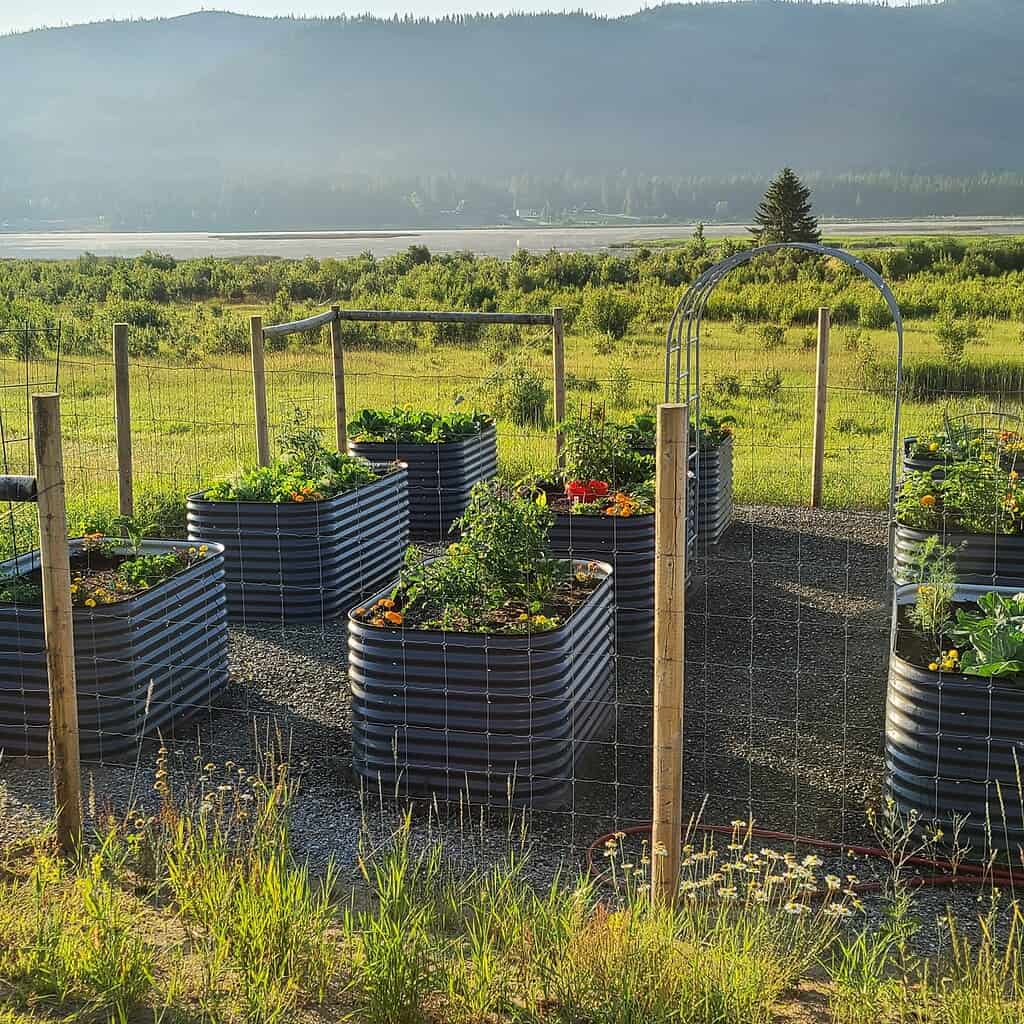
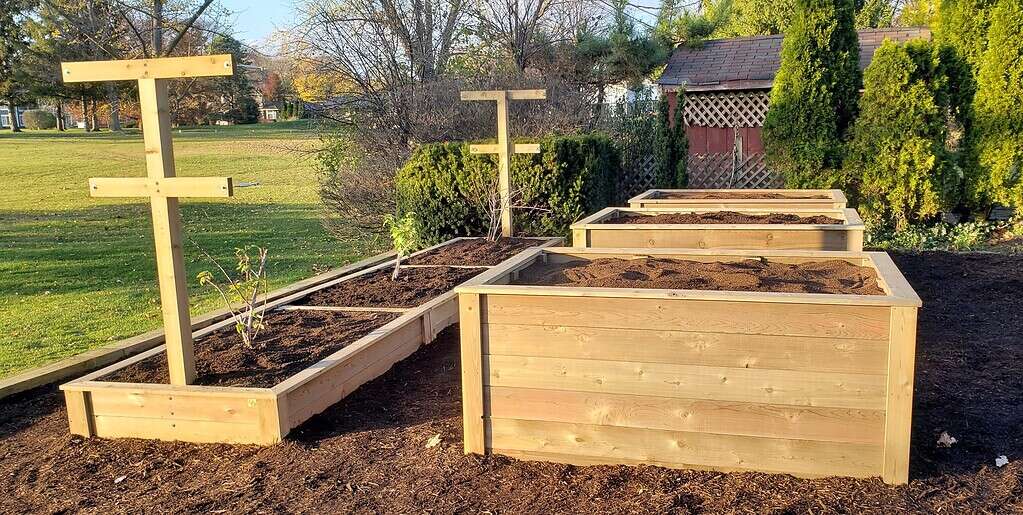
If you're torn between metal and wood, here's a side-by-side summary of the key practical differences:
Durability: Metal wins. Even quality cedar typically lasts 7 to 10 years before showing significant decay. Metal beds, properly maintained, can outlast multiple wooden replacements.
Heat retention: Wood wins for heat management. Wood is a natural insulator that buffers temperature extremes. Metal amplifies heat, which is an advantage in spring and a challenge in summer.
Initial cost: Wood wins for budget flexibility. You can build a functional wooden bed for well under $50 using dimensional lumber, whereas entry-level metal kits start around $80 to $100.
Aesthetics: Personal preference, but metal offers a more modern look while wood gives a classic, natural feel. Both can look excellent in the right context.
Maintenance: Metal wins here too. Wood requires sealing, staining, or replacement over time. Metal beds are essentially maintenance-free once installed.
If wood still appeals to you, our detailed breakdown of cedar planter boxes – pros, cons, and real-world use is a great companion read to this article. Comparing the two side by side will help you make the right call for your specific situation.
Are Metal Raised Garden Beds Worth It? Here's the Final Verdict
Metal raised garden beds are genuinely worth the investment for most gardeners – with the right expectations. They're not perfect.
The heat issue is real and requires thoughtful plant placement and soil management. The upfront cost is higher than wood. And once they're filled, they stay where they are.
But the longevity, the pest resistance, the low maintenance, and the clean aesthetic make them one of the best long-term investments you can make in your garden.
If you're building a garden that you want to still be using in 15 years without replacing the beds, metal is the obvious choice.
The key is buying quality. A cheap metal bed with thin walls and plastic hardware will fail. A well-made galvanized or Corten steel bed from a reputable manufacturer will outlast almost everything else in your garden.
Do your research before you buy, use the buying criteria above as your checklist, and you'll be set for decades of growing.
Start Growing Smarter!
Now that you have the full picture on metal raised garden beds, you're equipped to make a confident decision.
Whether you're going metal for the first time or you're already a convert looking to optimize your setup, the most important thing is to start with quality materials and a well-thought-out plan.
Have you already tried a metal raised garden bed? Thinking about making the switch from wood?
Drop a comment below and share your experience – we'd love to hear what's working for you, what hasn't, and what questions are still on your mind. Your real-world input helps this community grow!
Ready to Design Your Dream Garden Bed?
Feeling inspired to build something beautiful?
If you’re ready to go beyond just one garden bed and truly design a space that feels intentional, productive, and charming, I put together something special for you.
Inside 101 Garden Bed Ideas, you’ll find creative layouts, raised bed designs, space-saving solutions, and inspiring setups you can actually recreate in your own yard – whether you’re working with a tiny backyard or a full homestead.
Start planning your dream garden today.

Frequently Asked Questions
Can I leave a metal raised garden bed outside all year, including through winter?
Yes, high-quality galvanized and Corten steel raised beds are designed to withstand year-round outdoor exposure, including hard freezes and heavy snow loads.
The main thing to watch for is standing water inside the bed during winter – if your bed doesn't drain well, frozen water can expand and warp the panels.
Ensuring good drainage before the cold season arrives prevents this issue entirely. Most quality metal beds are rated for outdoor use in all USDA hardiness zones.
Do I need to put anything under a metal raised garden bed before filling it with soil?
It depends on your surface and your goals. If you're placing the bed on grass or soil, a layer of cardboard underneath suppresses weeds and breaks down naturally over time.
If you're on a patio or hard surface, you don't need anything underneath, but you should ensure there are drainage holes in the base.
Adding a layer of coarse gravel (2 to 3 inches) at the bottom of the bed before your soil mix also improves drainage and prevents waterlogging – especially useful in metal beds where the sealed sides can concentrate moisture.
Will the metal walls eventually rust through and fall apart?
Surface rust on galvanized steel is normal and cosmetic in the early years. The zinc coating is specifically designed to protect the underlying steel from deep corrosion for decades.
Corten steel takes this further by forming a stable oxidized layer (the characteristic orange-brown patina) that self-seals and prevents further corrosion.
True structural failure from rusting through would take 20 to 30+ years under normal conditions.
If your bed starts showing signs of deep rust perforation much earlier, it's a sign of a low-quality product or a damaged coating – which is why paying attention to gauge and coating quality at the time of purchase matters so much.
Is it safe to grow root vegetables directly in contact with galvanized metal walls?
Root vegetables like carrots and beets grow in the soil, not in contact with the walls themselves, so direct contact isn't really the concern.
The question is whether zinc leaches into the soil at levels that could accumulate in the edible parts of the plant. Current research suggests that zinc levels from galvanized beds remain well within safe thresholds for food crops under normal growing conditions.
However, if you're growing in highly acidic soil (below pH 5.5) or in a very hot, humid climate that accelerates corrosion, lining the inside panels with food-safe landscape fabric adds an extra layer of precaution without affecting drainage or plant growth.
How do I prevent weeds from growing up through the bottom of my metal raised bed?
Metal raised beds sit open at the bottom in most designs, which means persistent weeds from the ground below can eventually work their way up into your growing soil.
The most effective prevention method is placing a layer of overlapping cardboard directly on the ground before setting up your bed – cardboard suppresses existing weeds and decomposes slowly over one to two growing seasons.
A weed-barrier landscape fabric is a more permanent option if weeds are particularly aggressive in your yard. Avoid using thick plastic sheets, which block drainage.
The good news is that with 12 or more inches of quality soil in your bed, most surface weeds will be outcompeted before they cause problems.