
Planning your backyard landscaping is more than choosing plants and placing furniture.
It’s about understanding how you’ll use the space, organizing it for comfort and function, and making choices that match your climate, yard size, and lifestyle.
Whether your yard is large or small, this guide walks you through the process of turning it into a space that works well and looks good year-round.
You'll learn how to map out your yard, create functional zones, choose the right plants, and add personal touches that bring it all together.
Before You Start Backyard Landscaping

Before making any changes to your backyard, it’s important to understand the layout, conditions, and existing features of the space.
This helps you make informed decisions and avoid future problems.
Check Sunlight, Wind, and Shade Patterns
Observe how the sun moves across your yard throughout the day. Note areas that receive full sun, partial shade, or remain shaded most of the time.
Watch for wind exposure, especially in open or elevated spots. This will guide your plant placement and help you decide where to position seating or dining areas.
Analyze Your Soil and Drainage
Examine your soil to see if it’s sandy, clay-heavy, or well-balanced. You can do a simple jar test or use a store-bought soil kit.
Also, look for drainage problems. If certain areas collect water after rain, you may need to add solutions like swales, raised beds, or French drains.
Identify Slope or Grading Issues
Even small changes in elevation affect how water moves through your yard.
Walk the space during or after rainfall to see where water flows or settles. Be sure water drains away from your home and not toward it.
Spot Assets and Liabilities
Assets are the elements you want to keep or enhance – such as large trees, scenic views, or an old stone path. Liabilities are problem areas like unattractive views, dead spots, or cluttered zones.
These problem areas often hold potential for creative improvements.
Look for Hidden Features
Explore overgrown sections or unused corners of the yard. You might uncover structures, pathways, or views worth preserving.
Cleaning up these spaces can sometimes reveal ready-made features that fit naturally into your design.
Read related post: How to Build a Personal Prayer Garden in Your Backyard
How to Plan Backyard Landscaping: Step-by-Step Process
A well-designed backyard starts with a clear plan.
Instead of jumping into planting or buying materials, follow these steps to map out a layout that works for your space, your needs, and your long-term maintenance goals.
1. Define Your Goals and Lifestyle Needs
Think about how you want to use your backyard. Do you want a place for hosting, growing food, relaxing alone, or all of the above?
Make a list of your priorities, whether it’s space for a vegetable garden, a play area, an outdoor kitchen, or a beautiful garden nook for peaceful reading and reflection.
Knowing your goals will help guide all the design decisions that follow.
2. Create a Base Map
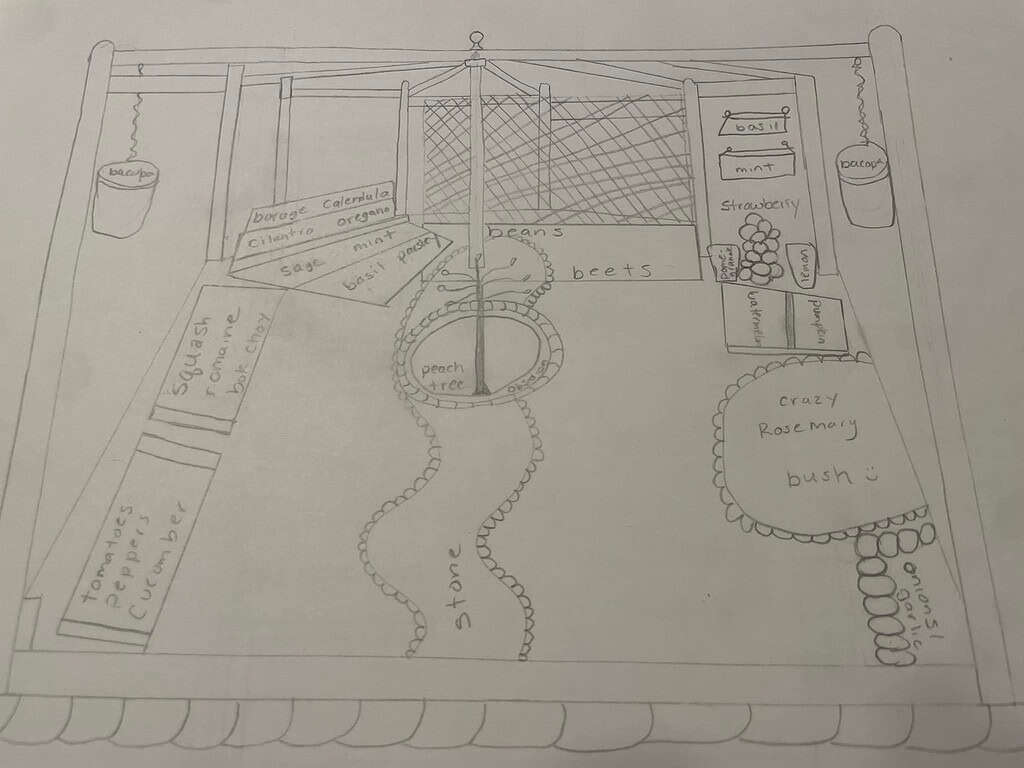
Measure your yard and draw a simple sketch of the area to scale.
Include permanent features like your house, driveway, fence, trees, and other structures. This base map is the foundation for planning where everything else will go.
3. Use Bubble Diagrams to Brainstorm Layout
Overlay your base map with circles or shapes – these are “bubble diagrams” that represent how you might use different parts of the yard.
Label each bubble with its intended function, such as patio, lawn, raised beds, or walkway. This helps you test ideas without committing to a final layout.
4. Divide Your Backyard Into Garden Rooms
Break up your yard into smaller, purposeful zones. This could include a dining area, a garden space, or a quiet corner for sitting.
Define each space using hedges, trellises, containers, or plant groupings.
These divisions don’t need to be solid – semi-open borders keep the space feeling connected and open while giving each area a clear purpose.
5. Design for Function and Flow
Arrange your zones so they work together naturally. Place high-use areas – like grilling or dining spaces – near the kitchen for easy access.
Position lower-traffic zones, like a reading area or a meditation spot, further away to take advantage of quieter spaces. Ensure there are clear, logical paths connecting all parts of the yard.
6. Plan for Infrastructure Early
Before you start building or planting, think through all practical needs:
- Drainage: Add solutions like swales, French drains, or raised beds if your yard collects water.
- Irrigation: Consider how you'll water your plants – manually, with a hose, or a drip irrigation system.
- Power and lighting: Plan for any electrical needs, especially for lighting, water features, or outdoor cooking.
7. Finalize and Prioritize Your Project
Once you’ve sketched your layout and decided on features, create a list of tasks.
Break the project into phases if needed – start with structural elements like paths and beds, then move on to planting and decorating.
This approach keeps things manageable and prevents rushed decisions.
Read related post: 25 Garden Design Ideas for Every Space and Style
Smart Design Strategies for Small Backyards
Even in limited spaces, a backyard can be functional and visually appealing with the right design choices. The key is to focus on scale, layout, and elements that do more with less.
Choose Scaled-Down Features
Use furniture and décor that match the size of the space.
Opt for a bistro table instead of a full dining set or a compact loveseat rather than a sectional. Oversized pieces can make a small yard feel cramped and reduce usable space.
Use Dwarf and Narrow Plant Varieties
Select compact plant species, especially trees and shrubs, that won’t overwhelm the yard as they grow. Dwarf varieties offer the same visual interest without taking up too much room.
Replace Solid Surfaces with Lighter Alternatives
Instead of pouring concrete for a sidewalk or patio, use stepping stones or gravel paths.
These create definition without visually closing off the space and allow for better drainage.
Maximize Vertical Space
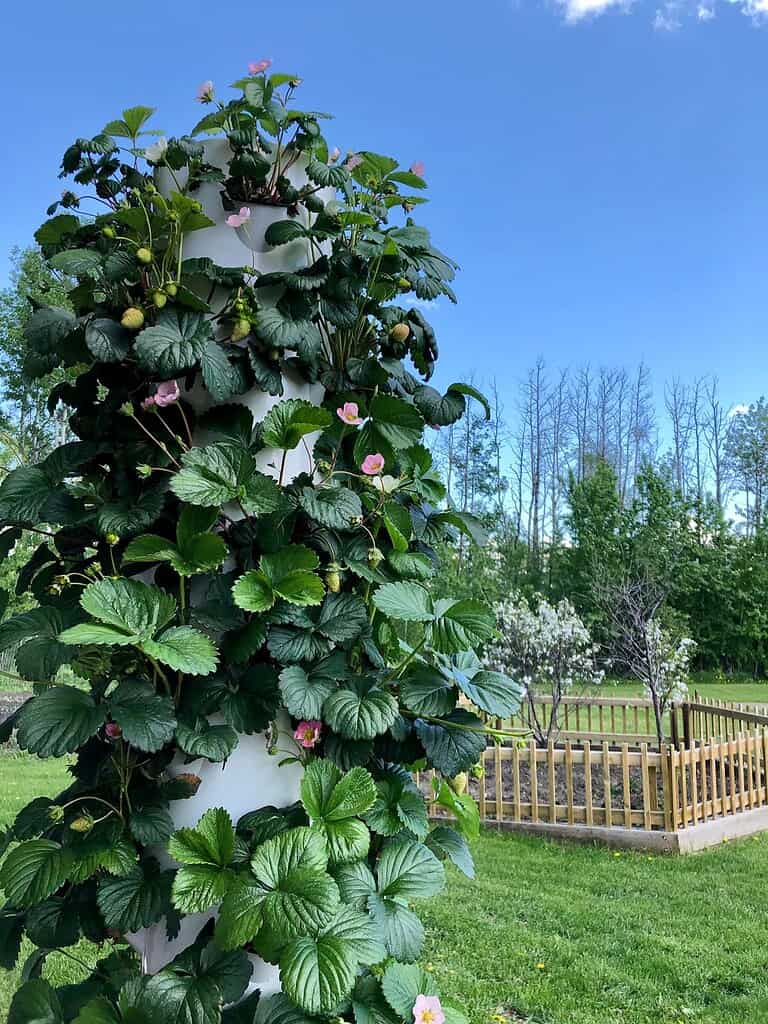
Grow upward using trellises, arbors, wall planters, or hanging baskets.
Vertical gardening adds greenery and interest without using valuable ground space. Vining and trailing plants can also soften hard surfaces and provide privacy.
Add Multipurpose Elements
Use features that serve more than one function. A retaining wall can double as extra seating. A raised planter can work as a boundary marker or simple privacy screen.
Prioritizing versatility helps reduce clutter.
Keep Sightlines Open
Avoid blocking the view across the yard with tall structures or heavy fences.
Use semi-transparent barriers like lattice panels or open-frame arbors to maintain a sense of openness while still defining zones.
Choosing the Right Plants and Softscapes
Plants do more than fill space – they shape the look, feel, and function of your backyard.
Choosing and arranging them carefully helps create privacy, attract wildlife, reduce maintenance, and provide year-round interest.
Use Layered Plantings for Privacy and Wildlife
Group plants by height, density, and texture to form layers. Tall trees or large shrubs go at the back, medium-height plants in the middle, and low-growing groundcovers or perennials at the front.
This creates a natural privacy screen, softens hardscape elements, and attracts birds and beneficial insects.
Trees offer shelter, shrubs provide nesting spots, and flowering plants supply nectar and pollen.
Group Plants by Needs and Local Suitability
Place plants with similar water and sunlight needs together to make care more efficient.
Native and climate-appropriate varieties typically require less water, fertilizer, and maintenance, and they’re more likely to resist local pests and diseases.
Plan for Year-Round Appeal
Choose plants that offer multi-season interest. Look for foliage that changes color, textured bark, and plants that produce berries, seed heads, or flowers at different times of the year.
Balance colors, textures, and forms – even with a small palette, contrasting shapes like spiky grasses paired with broad-leaved hostas add depth and visual interest.
Add Useful and Functional Infrastructure
Good infrastructure supports the look and performance of your landscaping.
Whether you're dealing with drainage, lighting, or noise control, including these elements early in your plan ensures the yard works well over time.
Plan Drainage Solutions Before Planting
If your yard has areas that collect water, address them before adding plants or structures. Common solutions include:
- French drains: Underground pipes that move water away from problem areas
- Swales: Shallow, sloped channels that guide runoff
- Raised beds: Elevate plant roots above saturated soil and improve drainage in compacted areas
Choose Durable, Long-Lasting Materials
Invest in quality materials for patios, seating, and furniture.
While higher upfront costs may seem steep, durable pieces often outlast cheaper alternatives and require less maintenance. Prioritize materials that withstand your local climate.
Install Smart Lighting for Safety and Ambience
Lighting extends the use of your yard into the evening and makes it safer to navigate.
Consider a mix of lighting types:
- Pathway lights: Prevent trips and highlight routes
- Uplighting: Adds drama to trees or structures
- Accent lights: Highlight features like water fountains or artwork
Use LED or solar-powered options to reduce energy use and installation costs.
Use Water Features to Manage Sound
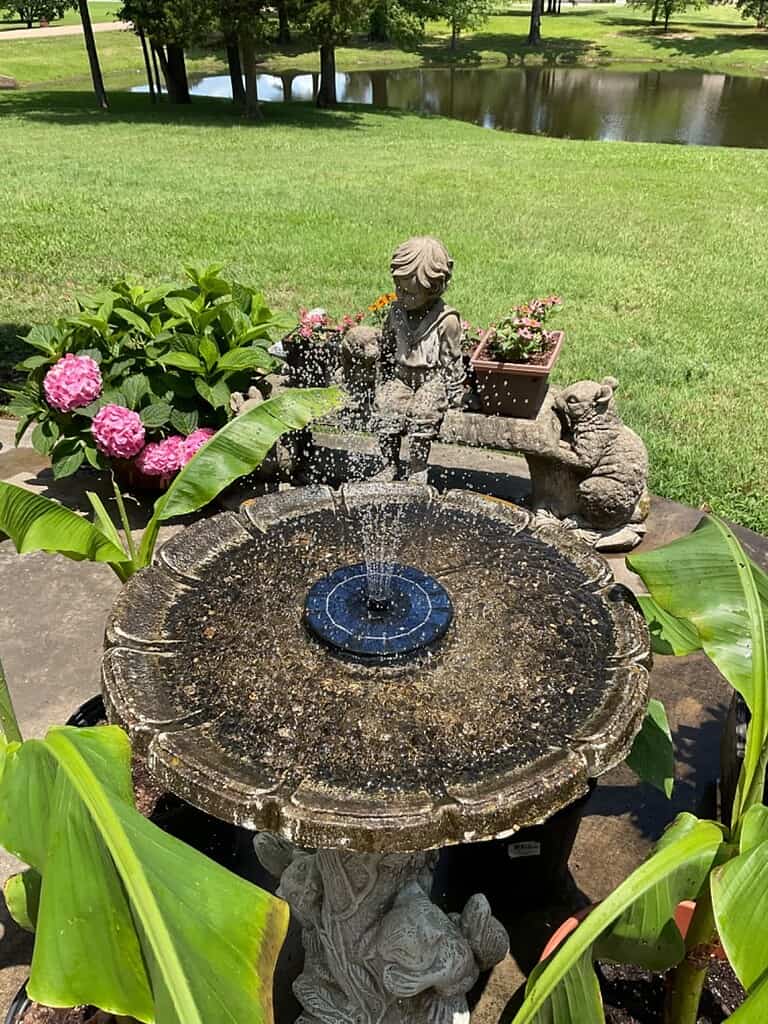
In noisy or urban areas, a small waterfall or fountain can help mask background noise.
The consistent sound of moving water adds a calming effect while improving the yard’s atmosphere.
Account for Utilities and Access
If your design includes outdoor cooking areas, irrigation systems, or electrical fixtures, plan for power and water access early.
This prevents the need to dig up finished areas later to lay utility lines.
Read related post: How to Create a Planting Plan for Any Garden
Personalize Your Outdoor Space
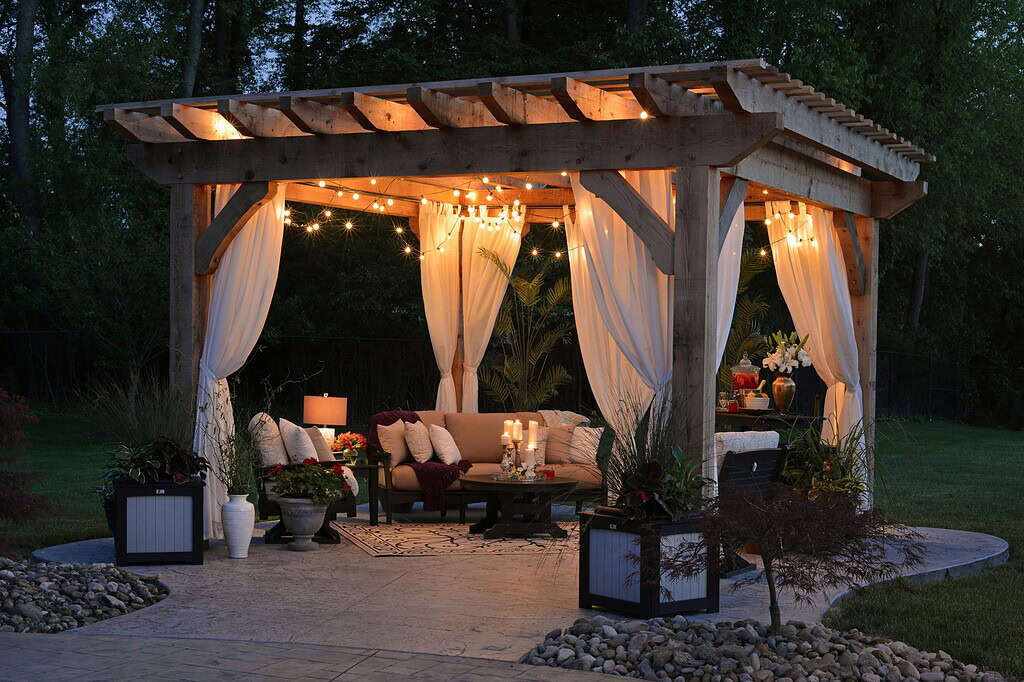
Adding personal touches turns a functional yard into a space that reflects your style and supports how you want to live.
These elements don’t need to be large or expensive – they just need to serve a purpose and make the space more enjoyable to use.
Turn Problem Areas Into Functional Features
Look at underused or awkward parts of your yard. Instead of ignoring them, find ways to make them useful:
- A bare wall can hold a vertical herb garden
- An unattractive corner can house a grill or a compost station
- A bland entry can become a seating area or kitchen garden
Treat every overlooked spot as an opportunity to serve a need.
Highlight Hidden or Underappreciated Elements
Revisit overgrown or cluttered areas with a fresh perspective. Clearing away debris or trimming back plants might reveal:
- A small patio made of stone or brick (check out these affordable outdoor patio ideas for inspiration).
- A staircase or slope that could become a planting tier
- A view worth framing with intentional plant placement
Reusing what’s already there can save time and money while giving your design character.
Add Customized or Handcrafted Features
Incorporate pieces that have meaning or support local makers. This could include:
- Mosaic tiles as a patio accent or wall detail
- Handcrafted rain chains or wind chimes
- Statuary or sculptural elements with personal significance
These details serve as visual anchors and make your yard feel one-of-a-kind.
Create a Personal Retreat Space
If you have an unused shed or small structure, convert it into a quiet retreat.
Add seating, lighting, shelving, or artwork to turn it into a hobby space, reading nook, or garden office. Even a small, dedicated area can encourage more time spent outdoors.
Use Containers as Mobile Focal Points
Large decorative pots or containers can double as plant holders and design features.
Place them at the end of a path, near a door, or next to seating to draw attention to those areas. Their flexibility allows you to refresh your layout without major changes.
Maintenance Planning and Long-Term Considerations

A backyard design is only successful if it holds up over time.
Planning for maintenance from the start helps reduce future workload, keeps plants healthy, and preserves the function and appearance of your outdoor space.
Create a Seasonal Maintenance Calendar
Break down yearly tasks into manageable chunks. This keeps your yard healthy and reduces the need for last-minute fixes. Include basic care such as:
- Spring: Clean up debris, check irrigation, start new plantings
- Summer: Prune, water regularly, manage pests naturally
- Fall: Cut back perennials, mulch beds, prepare for winter
- Winter: Protect sensitive plants, service tools and equipment
Choose Plants That Require Minimal Ongoing Care
Focus on low-maintenance species suited to your local climate and soil.
Avoid plants that need constant pruning, frequent watering, or special treatment. Grouping similar plants together also streamlines care routines.
Plan for Mature Size and Growth
When placing trees, shrubs, and perennials, leave enough space for their mature size.
Overcrowding leads to more pruning, poor airflow, and competition for light and nutrients. A design that accounts for future growth reduces long-term adjustments.
Use Groundcovers and Mulch to Suppress Weeds
Instead of bare soil, cover open areas with mulch or living groundcovers.
These materials retain moisture, keep weeds down, and improve the overall appearance of planting beds. They also reduce the time spent on upkeep.
Build in Flexibility for Future Changes
Avoid permanent installations unless necessary. Use containers, modular furniture, or movable features when possible.
This allows you to adapt your yard over time as your needs or preferences shift.
Start Planning with Purpose and Make Your Yard Work for You
A well-planned backyard comes from understanding your space, setting clear goals, and designing each element to serve a purpose.
Whether you’re working with a small yard or a large property, the best results come from thinking through each decision – from layout and plants to lighting and drainage.
As you plan, focus on practical solutions, long-term use, and personal touches that reflect how you want to spend your time outdoors.
Use this guide as a starting point to build a yard that not only looks good but works well every day of the year.
Have questions or ideas to share about your backyard landscaping plans?
Comment down below – we’d love to hear how you're shaping your space.
FAQs
How do I keep my backyard landscaping budget-friendly?
Focus on phasing out your project over time, reuse existing materials when possible, and start with structural improvements like drainage and pathways before investing in decor. Opt for native, low-maintenance plants to cut down on ongoing costs.
What tools do I need to start backyard landscaping?
Basic tools include a spade, rake, hand trowel, pruners, hose or watering can, and a wheelbarrow. If you're tackling hardscaping or grading, you may need a shovel, tamper, or a level. For more detailed work, measuring tape and string lines help with layout.
How can I landscape a yard that has little to no topsoil?
Use raised beds filled with quality soil for planting. Focus on hardscaping elements like gravel paths, containers, and structures. Consider native plants that thrive in rocky or poor soil conditions.
What’s the best way to manage weeds in a new backyard design?
Apply mulch in all planting beds, use landscape fabric under gravel paths, and choose dense groundcovers that block sunlight to weed seeds. Avoid disturbing the soil too much, as this brings dormant weed seeds to the surface.
How long does it take to fully landscape a backyard?
Timeframes vary by size and complexity, but for most homeowners doing it in phases, it can take several weeks to a full year. Factors include weather, budget, and whether you’re hiring help or doing the work yourself.