
Do you want to step into your yard and see butterflies fluttering among the blossoms and bees happily buzzing from plant to plant?
A pollinator garden can make this a reality, even if you’re a beginner.
In simple terms, a pollinator garden is a selection of flowers, herbs, and shrubs that provide food and habitat for pollinating creatures like bees, butterflies, and hummingbirds.
The best part? It can be low-maintenance and incredibly rewarding.
In this article, we’ll walk you through how to create a thriving pollinator garden that not only looks beautiful but also supports local wildlife right in your backyard.
Let’s get started!
Why Pollinator Gardens Matter

Why bother turning a patch of your yard into a pollinator haven?
For starters, pollinators are essential to our ecosystem and food supply – it’s often said that one out of every three bites of food we eat is thanks to animal pollinators.
By planting a pollinator garden, you’re helping sustain bees, butterflies, birds, and other beneficial creatures.
This means more butterflies and hummingbirds for you to enjoy, and a healthier environment for everyone.
Pollinator gardens also benefit you as a gardener: these friendly bugs help fertilize fruits and veggies, so if you grow tomatoes or cucumbers nearby, you might see bigger harvests.
Plus, a garden filled with diverse flowers is lively and colorful, turning your yard into a relaxing nature escape.
In short, pollinator gardens matter because they create a win-win: you get a gorgeous, buzzing garden, and local wildlife gets a much-needed safe haven.
How to Plan a Pollinator Garden That Thrives Year-Round
Every great garden starts with a bit of planning. Don’t worry – this part is fun and simple.
Here’s how to map out a pollinator paradise that fits your space and needs:
Choosing the Right Location

Pick a spot for your pollinator garden that gets good sunlight. Most pollinator-friendly flowers prefer full sun (around 6+ hours of sunlight a day).
Observe your yard to find an area that isn’t constantly in the shade of trees or buildings.
If you only have a shady corner, don’t fret – you can still grow some pollinator plants there (we’ll cover that in the FAQs).
Ideally, choose a fairly open area that also has a little protection from strong winds (pollinators appreciate not being blown off their blooms!).
Starting small is perfectly fine. You could begin with a dedicated garden bed, a section of an existing flowerbed, or even a few large containers grouped together.
The key is to start with a manageable size so you can learn as you grow. Remember, even a small pollinator garden can make a big difference to local bees and butterflies.
Selecting Pollinator-Friendly Plants

Now for the fun part – choosing your plants!
The goal here is to offer a variety of blooms that provide nectar and pollen through as much of the year as possible.
Native plants are all-stars in pollinator gardens because they evolved alongside local pollinators and often need less care.
Check with local nurseries or extension offices for which wildflowers are native to your area. Aim to include flowers that bloom in spring, summer, and fall so there’s always a food source available.
For example, you might plant crocuses or native wildflowers for early spring, coneflowers and lavender for summer, and asters or goldenrod for fall.
(For inspiration, explore eye-catching wildflowers that will brighten your garden while supporting bees, butterflies, and other pollinators.)
Variety is important – think of it like creating a diverse menu for your pollinator visitors.
When selecting plants, choose simple, single-petal flowers (like daisies or single-form marigolds) over ultra-fancy doubles, because pollinators can easily access the nectar in simple blooms.
Old-fashioned heirloom varieties and herbs are often great for this reason. Here are some easy, pollinator-approved plants to consider:
- Wildflowers and native perennials: Black-eyed Susans, purple coneflower, milkweed (essential for monarch butterflies), asters, bee balm, and yarrow are just a few examples. These are generally hardy and packed with nectar or pollen.
- Herbs and cottage garden plants: Lavender, sage (salvia), oregano, thyme, mint, borage, and fennel will not only flavor your kitchen recipes but also send pollinators into bliss. Many herbs have blooms that bees and butterflies adore – for instance, borage and lavender are famous for drawing in bees.
- Annuals for season-long color: Sun-loving annual flowers like sunflowers, zinnias, cosmos, and marigolds can brighten the garden and keep the buffet open for pollinators all summer. Sunflowers are especially fun – they’re easy to grow and attract bees, plus at season’s end you can leave the seed heads for birds. (If you need tips on sunflowers, check out our guide on growing sunflowers for a stunning summer show!)
- Flowering shrubs or vines: If you have the space, consider a few larger plants like butterfly bush (Buddleia) or a native honeysuckle vine. Even flowering fruit trees or berry bushes can feed pollinators in spring with their blossoms. Climbers like honeysuckle or clematis on a trellis can add vertical interest and more feeding spots, especially loved by hummingbirds.
Mix and match plants that suit your climate (pay attention to the USDA hardiness zones or local climate recommendations for each plant).
By diversifying your plant selection, you’ll cater to a wider range of pollinators.
Different flower colors and shapes attract different creatures – for instance, hummingbirds love red tubular blooms like salvia or trumpet vine, bees often prefer purple, blue, and yellow flowers, and butterflies enjoy flat-topped blooms they can land on (like yarrow or zinnia).
A diverse garden is a healthy garden, buzzing with life!
Designing for Continuous Blooms

When you have your plant list ready, think about how to arrange them for maximum benefit (to both pollinators and your garden’s look).
A top tip is to plant in clumps or groups of the same species, rather than singleton plants scattered around. Why? A bigger target of color and scent is easier for pollinators to find and will keep them coming back for more.
For example, if you’re planting lavender, put 3–5 lavender plants near each other so it creates a vibrant patch. This way, a butterfly or bee can land and forage efficiently among a bunch of the same flowers before moving on.
Also plan for a variety of heights and layers in your garden layout.
Taller plants like sunflowers or hollyhocks can go toward the back of a bed (or center of an island bed), while medium and low growers fill in front.
This layering not only looks nice but also provides shelter – tall plants can break the wind and create a more protected micro-habitat for smaller pollinators among the lower flowers.
If you’re working with a small space or only have a patio/balcony, you can still design a pollinator-friendly setup.
Use containers or a raised planter. Group pots of various pollinator plants together to create a concentrated “mini garden” that’s easy for bees and butterflies to spot as they fly by.
Even a window box with trailing thyme and colorful lantana can attract pollinators in the city. The key principles remain the same: diversity and continuous blooms.
You could have, say, a large pot with a small butterfly bush or dwarf citrus (for blossoms) surrounded by pots of annuals and herbs.
Raised beds are another beginner-friendly option – they keep things organized and are great if your native soil is poor.
(In fact, some people create dedicated pollinator raised beds; our article on raised bed garden layouts features a pollinator garden idea as one beautiful option.)
However you lay it out, ensure plants have the space they need as they grow, and that you’ll be able to access them for watering or the occasional weeding.
How to Add Water and Shelter

A successful pollinator garden isn’t just about plants – it also includes a few creature comforts for your wild visitors.
Water is one of those. Pollinators need drinking water or at least a place to cool off and rehydrate, especially in hot weather.
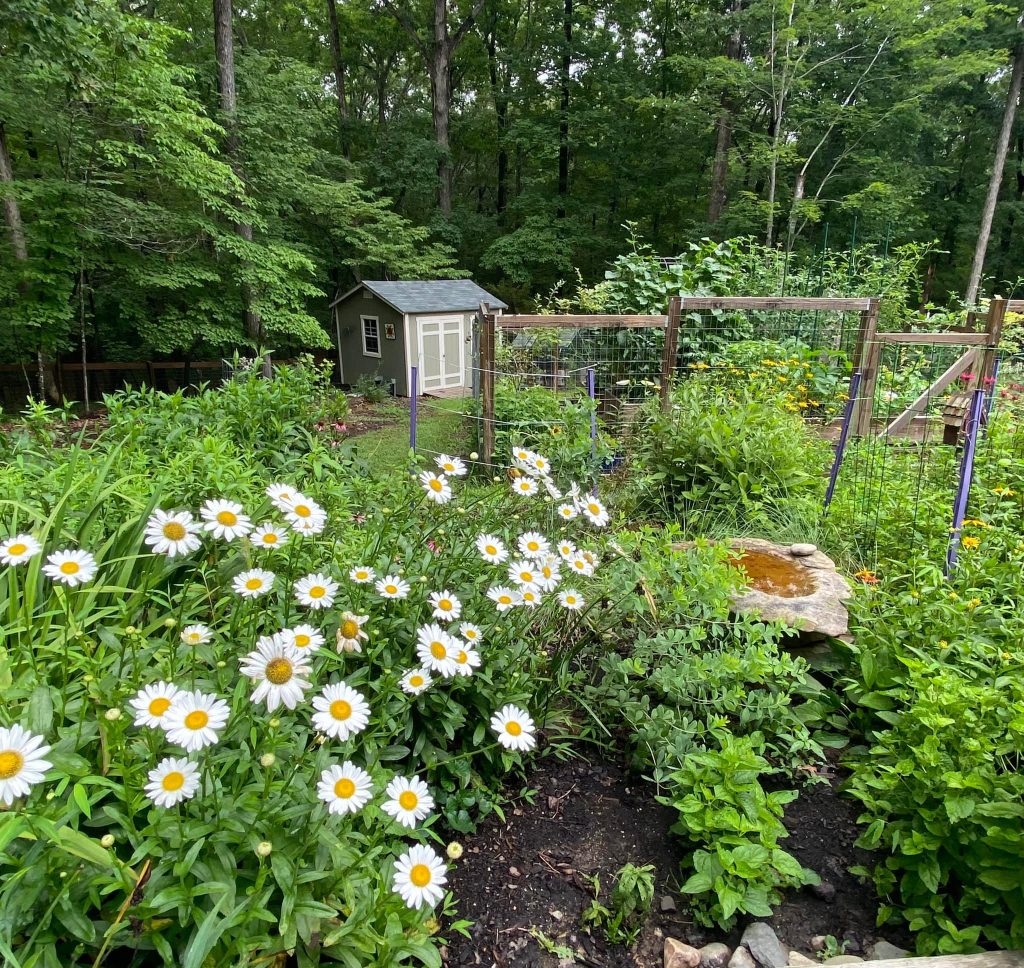
A simple way to provide this is to set out a shallow water source. This could be a birdbath or even a low dish or plant saucer placed on the ground.
Important: add some stones, pebbles, or corks in the water so that bees and butterflies have perches and won’t risk drowning.
Keep the water shallow and replace it frequently (stagnant water can attract mosquitoes, which nobody wants).
Another neat idea is to create a butterfly puddling station – a shallow dish with wet sand or mud mixed with a pinch of salt or wood ashes.
Butterflies are drawn to the minerals in damp soil, and you might see them “puddling” there on warm days, sipping up nutrients.
Shelter and safe nesting areas are the other ingredients for supporting local wildlife. Different pollinators have different housing needs.
Here are a few tips to make your garden a cozy habitat:
- Leave some wild spots: Resist the urge to keep everything ultra-tidy. Leaving a small patch of bare ground can help solitary ground-nesting bees (many native bee species nest in the soil). Similarly, leaving some leaf litter or an undisturbed corner with twigs can provide winter cover for butterflies, beetles, and ladybugs.
- Provide bee hotels or nesting blocks: You can buy or DIY a “bee hotel” for solitary bees like mason bees. This could be as simple as a bundle of hollow bamboo stems or tubes, or drilling holes (around 4-6 inches deep, varying diameters ~<1/2 inch) in a block of untreated wood and mounting it in a dry spot. These holes mimic the crevices where solitary bees lay eggs. It’s fun to watch gentle native bees make use of these artificial nests.
- Incorporate logs or wood: If you have a dead log or tree limb that isn’t a hazard, keep it in a corner of the yard. Dead wood becomes a home for many beneficial insects. As it decays, it also fosters the kind of small life (bugs, fungi) that forms the base of a healthy ecosystem. In essence, a log pile or stump in the garden can become a mini wildlife condo!
- Shrubs and layers for cover: Include a few dense plants where insects and even small birds can take shelter from rain or predators. For example, planting a native shrub or two (like elderberry, spicebush, or even raspberry bushes) at the edge of your pollinator garden adds an extra layer of habitat. They can also provide food (berries, etc.) for birds – a bonus for your local wildlife.
- Hummingbird hangouts: If hummingbirds live in your region, they’ll likely find your flowers (they love red salvia, trumpet vine, bee balm, etc.). You can also hang a hummingbird feeder (check out these hummingbird food recipes) as an extra nectar source. Fill it with a solution of 1/4 cup sugar per cup of water (no food coloring needed), and clean it regularly. Hummingbirds appreciate small perches or nearby trees to rest in, so having a small tree or trellis near your garden gives them a place to sit between meals.
- Butterfly extras: To truly spoil your butterflies, you could set out an overripe banana or orange slices in a dish. Some butterflies, like admirals and swallowtails, are drawn to fermenting fruit and will thank you for the treat! It might feel odd to “feed” butterflies fruit, but it’s another way to support them (just be prepared for possibly a few fruit flies – place it away from seating areas).
By providing water and shelter, you transform your garden from just a buffet into a full-service wildlife haven.
You’ll be offering food, drink, lodging – everything a little pollinator needs.
And when local wildlife has what it needs, you’ll find they stick around, giving you endless enjoyment as you observe them up close.
How to Maintain Your Wildlife-Friendly Garden
One of the best things about a well-planned pollinator garden is that it doesn’t require heavy maintenance.
In fact, the goal is to keep it fairly natural and avoid practices that would harm the very wildlife you’re inviting in.
Here are some practical, low-maintenance tips to keep your pollinator garden thriving:
Go easy on the chemicals (better yet, avoid them entirely)
Pesticides and herbicides can be very harmful to bees, butterflies, and other beneficial insects. A pollinator garden should be a pesticide-free zone if possible.
Embrace organic methods of pest control: hand-pick larger pests like tomato hornworms, use insecticidal soap or neem oil only if absolutely necessary, and try companion planting to deter pests.
If you must use a pesticide for a severe issue, opt for the least-toxic option and apply it very selectively after dusk when bees and others are not active.
But generally, a diverse garden will have its own balance – for instance, ladybugs and lacewings will help control aphids if you let them.
Mulch and weed minimally
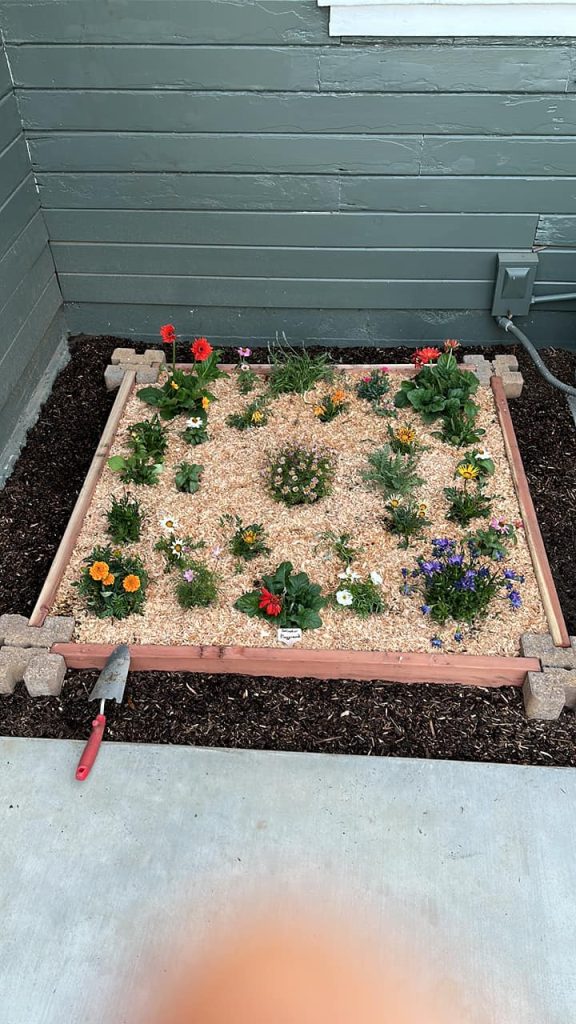
A layer of organic mulch (straw, wood chips, leaf mulch) around your plants will help keep soil moist and reduce aggressive weeds, meaning less work for you.
However, leave a few small bare soil patches for ground-nesting bees as mentioned. When weeds do pop up, try pulling by hand.
Avoid weedkillers (herbicides) for the same reason as above – plus, many “weeds” like dandelions and clover are actually great pollinator plants!
You might decide to let an unused corner of your yard grow clover or wildflowers instead of a pristine lawn. It’s less mowing for you and more food for pollinators.
Water smartly
Your new plants will need regular watering in their first season to establish strong roots. Once established, though, many native perennials and herbs are quite drought-tolerant.
Water deeply but infrequently to encourage deep roots. If you notice a prolonged dry spell, a good soak will help the flowers keep producing nectar.
Container gardens will need more frequent watering than in-ground ones, so keep an eye on those pots on hot days.
Feed the soil, not the plants
Chemical fertilizers often aren’t necessary for a pollinator garden and can cause lush foliage with fewer flowers.
Instead, improve your soil by working in some compost before planting and top-dressing the beds with compost each spring. This slow nutrition release will keep plants healthy.
Healthy plants, in turn, are more resilient and produce more blooms.
If you have a compost bin or access to composted manure (like aged cow manure or rabbit droppings), your pollinator plants will love it.
Natural soil health is the foundation of a low-maintenance garden.
For gardeners looking to make their own compost, check out how to build a DIY pallet compost bin for an easy, practical solution.
Embrace natural cycles
In a wildlife-friendly garden, the “tidy up everything in fall” rule doesn’t fully apply.
For example, when your coneflowers or black-eyed Susans finish blooming, you can deadhead some for a neater look, but consider leaving a good number of seed heads on the plants.
They’ll dry out and birds like goldfinches will come to nibble on the seeds through fall and winter.
Similarly, leave dried grasses or hollow stems standing until spring – many native bees and other insects overwinter in these.
In early spring, you can cut them back when you start seeing new growth, knowing that any critters have had a chance to wake up and move on.
Prune and tidy strategically
Other maintenance tasks are pretty straightforward.
Do a simple cleanup in spring: cut down last year’s dead stems (leaving them on the ground as mulch or adding them to a brush pile is even better than tossing them).
If some plants spread too much or a clump gets crowded, you can divide or trim them to keep the garden balanced. Light pruning of shrubs after flowering can shape them if needed.
But remember – some leaf chewing or ragged edges on plants mean somebody (a caterpillar, for instance) got a good meal. That’s actually a sign of success!
As long as the damage isn’t killing the plant, try to tolerate a bit of imperfection in favor of supporting life.
…
By following these maintenance tips, you’ll find that your pollinator garden grows more or less on “autopilot” after the first year.
Each year, it may even get better: perennials come back larger, some annuals may self-seed (you might spot baby calendulas or sunflowers sprouting up), and your soil will improve with each batch of compost you add.
Watch for what works best in your garden and feel free to adapt – gardening is an ongoing learning experience.
The reward is a yard that’s alive with color and motion, and the knowledge that you’re making a positive difference for local wildlife.
As a bonus, many pollinator plants pull double duty as easy-to-grow edible flowers, adding beauty and flavor to your kitchen as well as your landscape.
Start Your Pollinator Garden Today

Creating a pollinator garden that supports local wildlife is one of those ideas that’s truly a win-win.
You get a gorgeous, lively garden filled with flowers and friendly buzzing visitors, and those bees, butterflies, and birds get a safe habitat and food source they desperately need.
The steps to get started are straightforward and totally doable, even for a beginner. As we’ve discussed, it comes down to planting the right variety of blooms, providing a bit of water and shelter, and then mostly sitting back and enjoying the show (with just a little light upkeep).
You don’t need to be an expert or have a huge yard to make a difference – every little pollinator patch helps in the grand scheme of supporting biodiversity.
So why not start now? Pick a sunny spot, grab a few packets of wildflower seeds or native plants, and let nature do the rest.
In just one growing season, you could be delighting in the sight of butterflies dancing through your yard or bumblebees nestled in flower centers.
It’s a joyful, educational experience (especially if you have kids involved!) and a wonderful way to reconnect with nature right at home.
Ready to get your hands dirty and build your own pollinator paradise? We’d love to hear your plans! What flowers or features are you excited to include?
Comment below and let us know what you’ll be planting to welcome the pollinators into your garden. Happy gardening, and thank you for helping local wildlife thrive!
FAQs
1. Can I create a pollinator garden in a small space or containers?
Yes! Even a balcony or tiny patio can host a pollinator-friendly mini garden. Use containers or window boxes with compact, nectar-rich plants like thyme, basil, marigolds, dwarf zinnias, or calibrachoa. Grouping pots together and using vertical space with hanging baskets or vines can create a visible “oasis” for pollinators.
2. Are pollinator gardens safe if I’m allergic to bees or have kids and pets?
A pollinator garden is generally safe. Bees usually don’t sting unless threatened. Plant away from high-traffic areas, supervise curious pets, and focus on butterfly-attracting plants if allergies are a concern. Avoid chemicals so kids and pets stay safe.
3. What can I plant in a shady yard to attract pollinators?
Shade and part-shade gardens can still support pollinators. Try bee balm, astilbe, foxglove, columbine, bleeding heart, or hostas.
Flowering shrubs like azaleas and rhododendrons also work well. Early spring bulbs – crocus, snowdrops, and Virginia bluebells – provide early nectar before trees leaf out.
Focus on native shade plants, which local pollinators prefer. Even in limited light, planting a variety that blooms in sequence will keep pollinators visiting throughout the season.
4. Do I need to replant a pollinator garden every year?
Not usually. Perennials like coneflowers, black-eyed Susans, asters, and milkweed return each year. Many annuals self-seed, and you can add a few new annuals for variety. Minimal maintenance helps your garden become self-sustaining over time.
5. How can I control pests without harming pollinators?
Use organic, targeted methods:
- Hand-picking pests like hornworms or beetles.
- Water sprays to remove aphids or mites.
- Encourage natural predators like ladybugs and lacewings.
- Companion planting with herbs and flowers that deter pests.
- Organic sprays (insecticidal soap or neem oil) only in the evening and away from flowers.
- Good garden hygiene to prevent infestations.
These approaches protect pollinators while keeping pests in check naturally.
Ready To Transform Your Garden?

Are you looking for the best way to layout your garden beds? Maybe you're feeling a bit stuck on how to make the most of your space?
We’ve got you covered! Check out our 101+ Garden Bed Layout Ideas for your next raised bed project. This guide is filled with creative and practical ideas that can help you design a garden that fits your style, whether you’re just starting out or have been gardening for years.
Get your copy today and get inspired to bring your gardening dreams to life.
Planting Guides for This Article
Get exact planting dates, frost schedules, and growing tips for your zone: