
Spinach is one of the easiest and most rewarding vegetables you can grow at home. It grows quickly, thrives in cooler weather, and produces nutrient-rich leaves you can harvest in just a few weeks.
For beginners, spinach is an ideal crop because it requires relatively little space and minimal maintenance compared to many other vegetables.
However, growing spinach successfully still requires the right timing, soil preparation, watering strategy, and pest management. Without these, many gardeners struggle with issues like bitter leaves, premature bolting, or poor germination.
In this article, you’ll learn exactly how to grow spinach successfully – even if you're completely new to gardening.
From choosing the right variety to harvesting for continuous yields, this step-by-step guide will help you produce healthy spinach plants and abundant harvests.
Why Spinach Is One of the Best Crops for Beginner Gardeners
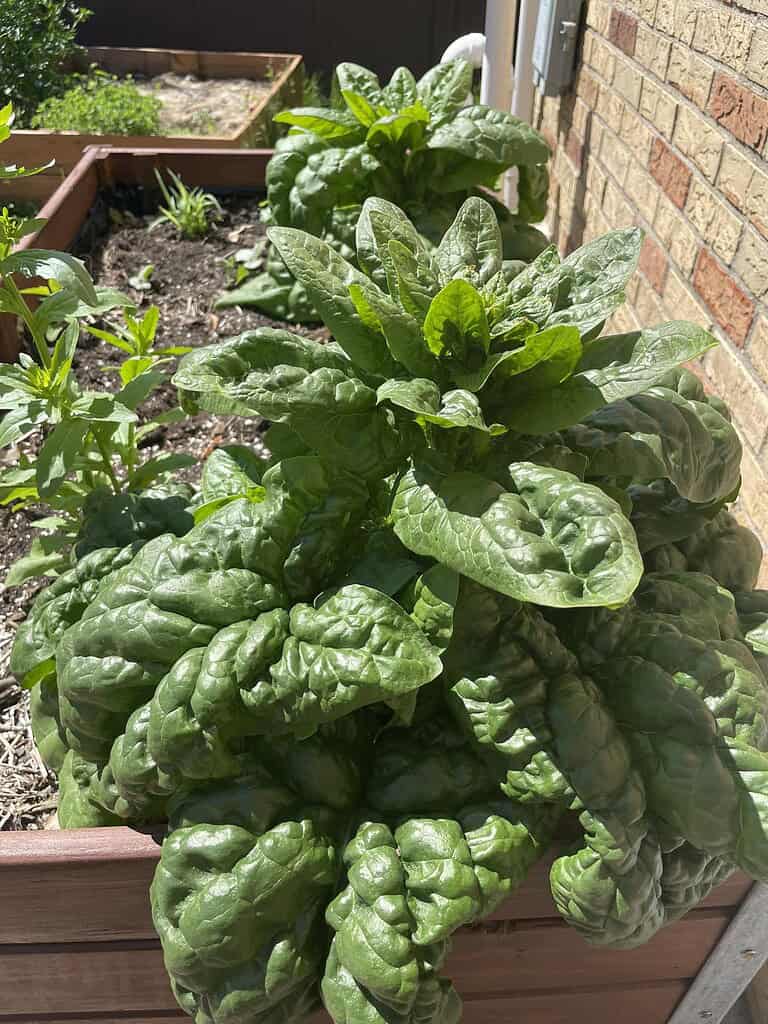
Spinach (Spinacia oleracea) is a cool-season leafy vegetable known for its rapid growth and nutritional value. It thrives in temperatures between 10–21°C (50–70°F) and can be harvested in as little as 30–45 days.
Here are several reasons spinach is perfect for beginners:
- Fast growth: Many varieties mature within 4–6 weeks.
- Compact plants: Ideal for small gardens, containers, or raised beds.
- Cut-and-come-again harvesting: Leaves can be harvested multiple times.
- Highly nutritious: Spinach is rich in iron, vitamin K, folate, and antioxidants.
Because of its relatively short growing cycle, spinach is also great for gardeners who want quick results.
If you're just starting your vegetable garden and wondering what crops are easiest to begin with, you may also want to explore our guide on easiest vegetables to grow.
Choose the Right Spinach Variety for Your Garden
Not all spinach varieties perform the same in different climates and seasons. Choosing the right type can make a big difference in how successful your crop will be.
Spinach varieties are generally divided into three main categories.
Savoy Spinach (Curly Leaves)
Savoy spinach has thick, crinkled leaves and strong cold tolerance. It tends to be more resilient in colder climates and is often grown for early spring or fall harvests.
Popular varieties include:
- Bloomsdale Long Standing
- Winter Giant
Because of their textured leaves, savoy varieties can trap soil and require more washing before eating.
Flat-Leaf Spinach
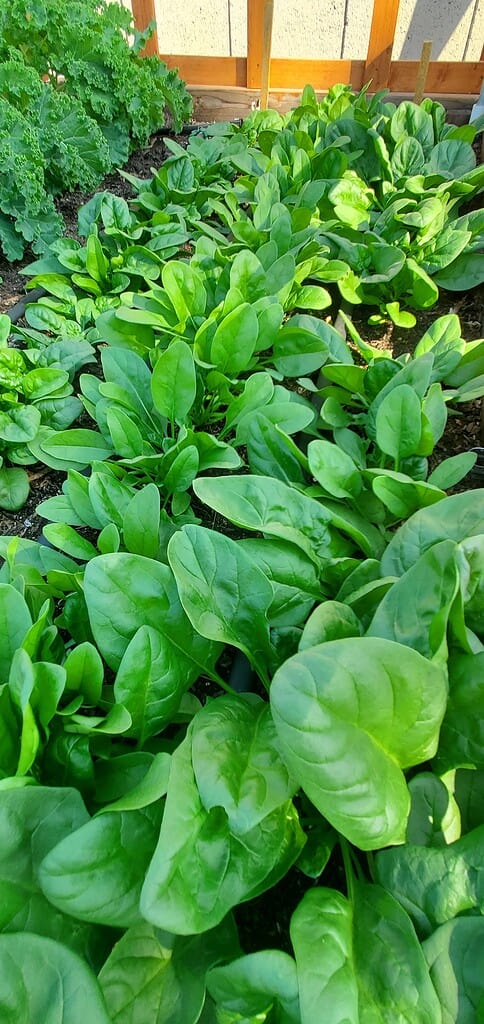
Flat-leaf spinach varieties have smooth leaves that are easier to clean and prepare. These varieties are commonly used for packaged baby spinach.
Popular varieties include:
- Space
- Red Cardinal
- Flamingo
Flat-leaf varieties are often favored by home gardeners because they grow quickly and produce tender leaves.
Semi-Savoy Spinach
Semi-savoy spinach combines the advantages of both types. The leaves are slightly crinkled but easier to clean than savoy varieties.
Common semi-savoy varieties include:
- Tyee
- Teton
- Catalina
These varieties are often more resistant to diseases and bolting, making them excellent choices for beginners.
When to Plant Spinach for the Best Results
Timing is one of the most important factors in growing spinach successfully.
Spinach prefers cool temperatures, so planting at the right time ensures better germination and sweeter leaves.
Spring Planting
Plant spinach 4–6 weeks before the last frost date. Seeds germinate best when soil temperatures are between 7–20°C (45–70°F).
In many regions, this means planting in early spring.
Fall Planting
Spinach actually performs even better in fall.
Plant seeds 6–8 weeks before the first frost, allowing plants to mature during cooler temperatures. Fall-grown spinach often develops sweeter leaves due to cold exposure.
Succession Planting
For continuous harvests, sow spinach seeds every 2–3 weeks. This staggered planting schedule ensures fresh spinach throughout the season.
If you want a simple visual plan you can follow all season long, grab our succession planting chart and use it alongside your spinach schedule.
Prepare the Soil Properly for Healthy Spinach Growth
Healthy soil is the foundation of a productive spinach crop. Spinach plants grow best in fertile, well-draining soil rich in organic matter.
Ideal Soil Conditions
For optimal growth, spinach prefers soil with:
- pH between 6.5 and 7.0
- Good drainage
- High organic matter content
Soil that is too acidic or compacted can limit root growth and reduce nutrient absorption.
Improve Soil Fertility Before Planting
Before planting spinach, mix 2–3 inches of compost or aged manure into the top layer of soil. Organic matter improves soil structure, water retention, and nutrient availability.
If your soil is poor in nutrients, consider adding an organic vegetable fertilizer before planting.
Avoid Compacted Soil
Spinach roots grow best in loose soil. If your garden soil is heavy clay, loosen it with compost, leaf mold, or aged manure.
Raised beds are also a great option because they improve drainage and make soil easier to manage.
If you’re also growing other heavy-feeding crops in your garden, you might find these expert tips for growing tomatoes helpful for improving yields.
How to Plant Spinach Seeds Correctly
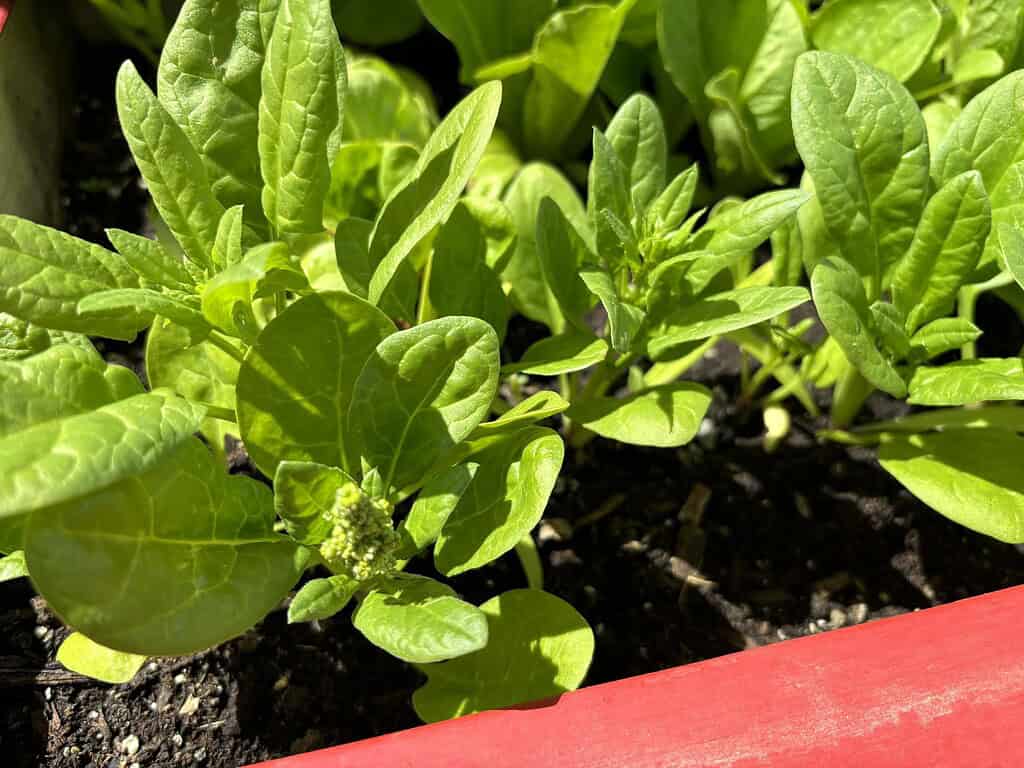
Spinach is typically grown from seed because transplanting can disturb its delicate roots.
Direct Sowing Method
Follow these steps for successful planting:
- Loosen soil to about 8–12 inches deep.
- Create shallow furrows in the soil.
- Sow seeds about ½ inch deep.
- Space seeds about 1 inch apart.
- Cover lightly with soil and water gently.
Spinach seeds usually germinate within 5–10 days.
Pre-Soaking Seeds to Improve Germination
Spinach seeds sometimes have a hard coating that slows germination. Soaking the seeds in water for 12–24 hours before planting can help speed up sprouting.
Thinning Seedlings
Once seedlings reach about 2 inches tall, thin them to 4–6 inches apart. This spacing allows each plant enough room to develop large, healthy leaves.
If you enjoy growing leafy greens and root vegetables together, you might also enjoy learning how to grow beets that taste amazing for another productive cool-season crop.
Watering Spinach: The Key to Tender Leaves
Consistent watering is essential for producing tender spinach leaves.
Spinach prefers evenly moist soil, but it does not tolerate waterlogged conditions.
Follow these practical tips:
- Provide 2.5–4 cm (1–1.5 inches) of water per week
- Water deeply rather than frequently
- Use mulch to retain soil moisture
- Avoid watering leaves late in the day to prevent fungal disease
Dry soil often causes spinach to bolt early or develop bitter leaves.
Fertilizing Spinach for Maximum Leaf Production
Spinach is a nitrogen-loving crop, meaning it benefits from fertilizers that support leafy growth.
You can use:
- Compost
- Fish emulsion
- Blood meal
- Balanced organic fertilizers
Apply fertilizer every 2–3 weeks during the growing season if the soil is low in nutrients.
Avoid over-fertilizing. Too much fertilizer can cause rapid growth but reduce flavor. Always follow recommended application rates.
Preventing Common Spinach Growing Problems
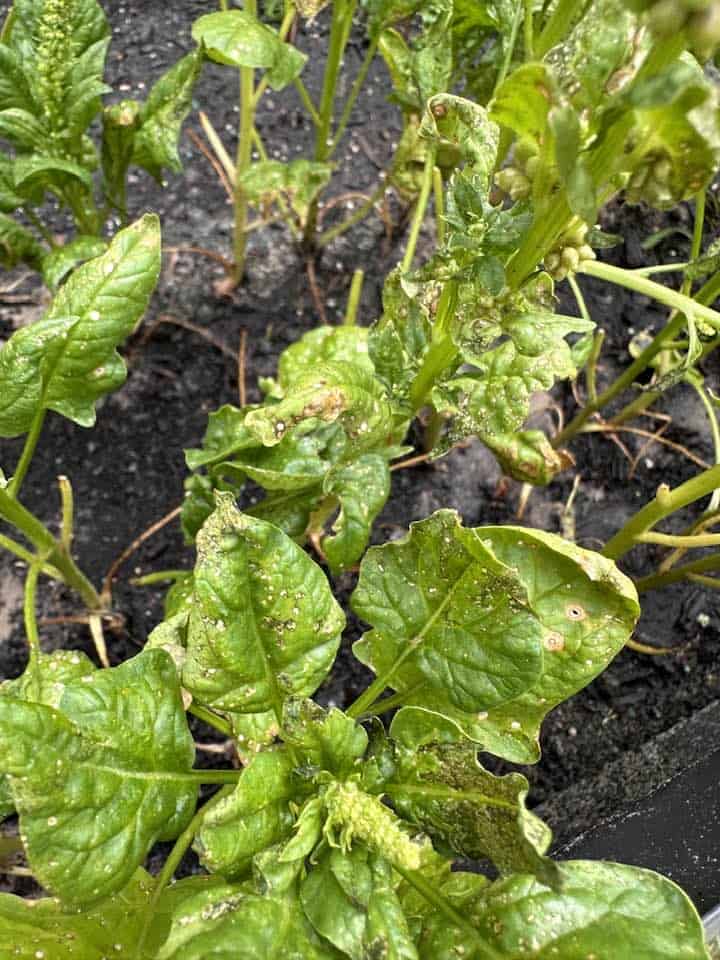
Even beginner gardeners encounter a few challenges with spinach. Understanding these problems helps you avoid them.
Bolting (Premature Flowering)
Bolting happens when spinach plants send up flower stalks due to heat or long daylight hours.
To prevent bolting:
- Plant early in spring
- Grow bolt-resistant varieties
- Provide shade during warm weather
Once spinach bolts, the leaves become bitter and tough.
Pests
Common spinach pests include:
- Aphids
- Leaf miners
- Slugs
Control strategies include:
- Neem oil sprays
- Row covers
- Removing affected leaves
Leaf miners are especially common. Removing infected leaves quickly helps prevent infestations.
Fungal Diseases
Spinach can suffer from diseases like downy mildew.
Reduce disease risk by:
- Proper plant spacing
- Avoiding overhead watering
- Growing resistant varieties
Growing Spinach in Containers or Small Spaces
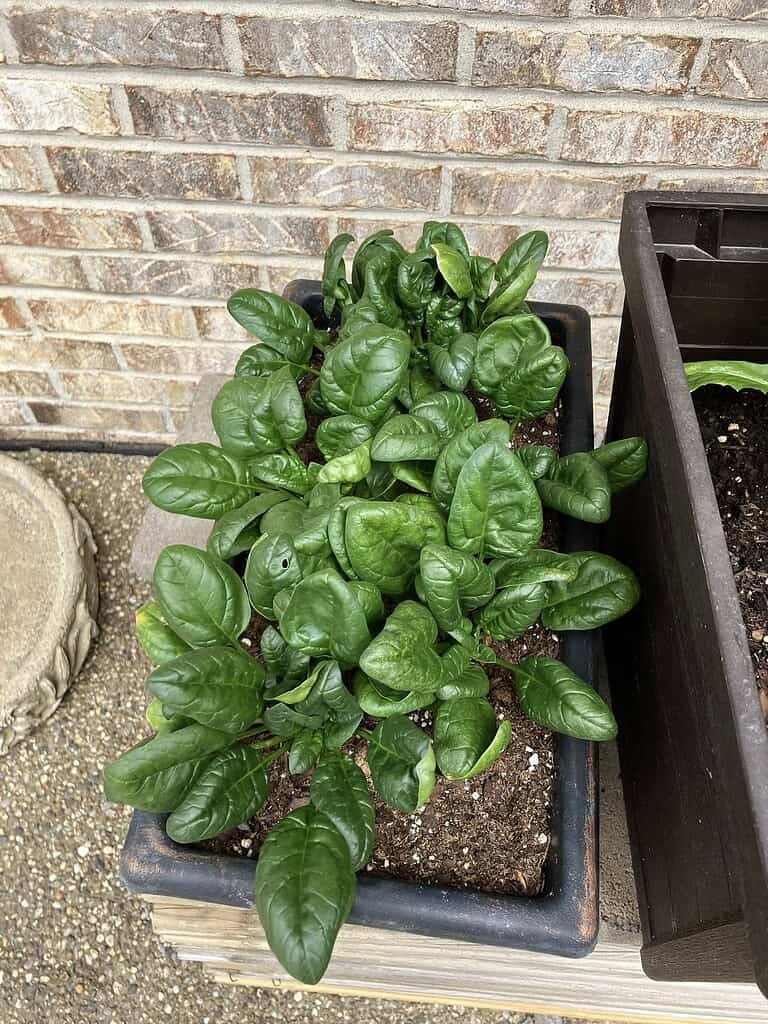
If you don’t have a garden bed, spinach grows extremely well in containers.
Container Requirements
Choose containers that are:
- At least 15–20 cm (6–8 inches) deep
- Wide enough to allow proper spacing
- Equipped with drainage holes
Use a high-quality potting mix instead of garden soil to ensure good drainage.
Best Containers for Spinach
You can grow spinach in:
- Window boxes
- Fabric grow bags
- Raised planters
- Balcony containers
Container-grown spinach often experiences fewer pest problems compared to garden-grown plants.
How to Harvest Spinach for Continuous Production
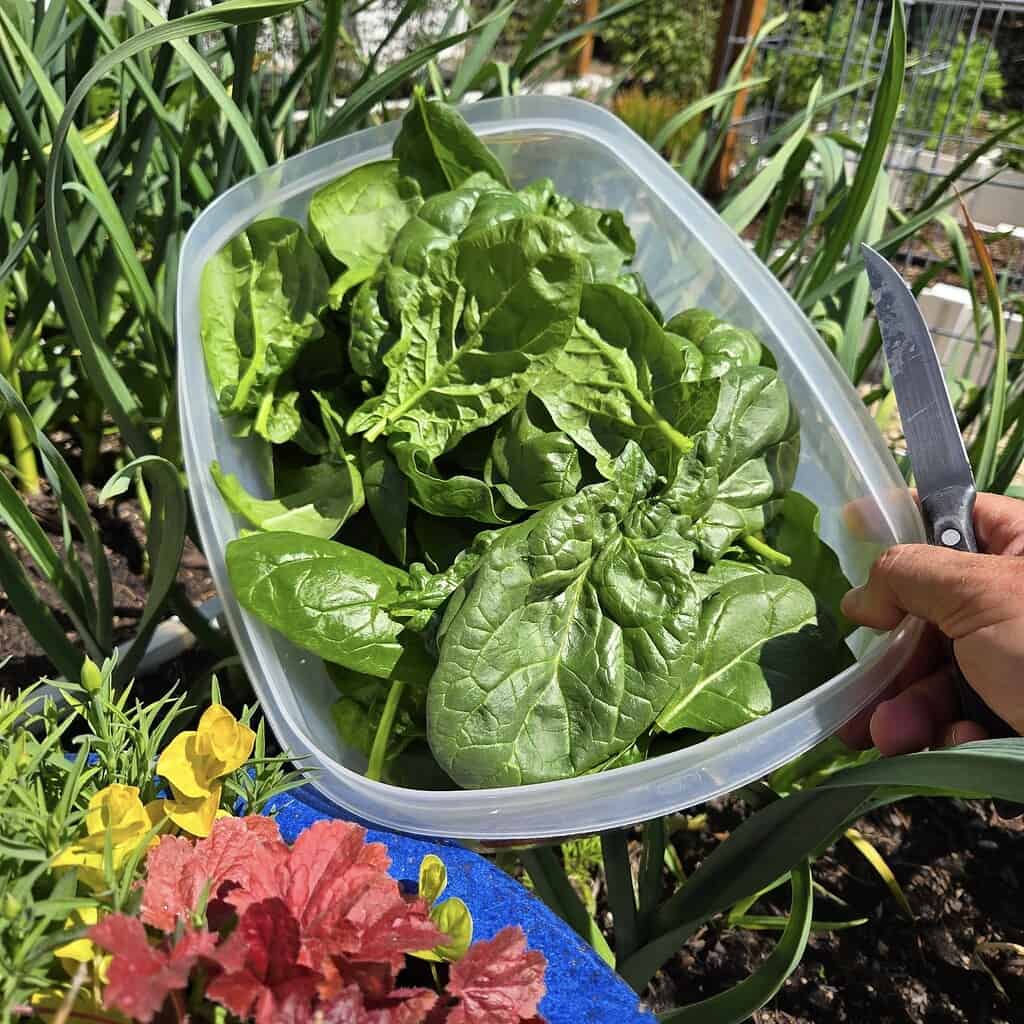
Harvesting spinach properly encourages plants to continue producing new leaves.
Baby Spinach Harvest
For tender baby leaves:
- Harvest when leaves reach 5–7 cm (2–3 inches) long
- Use scissors to cut outer leaves
Baby spinach is perfect for fresh salads and smoothies.
Mature Leaf Harvest
For full-sized leaves:
- Wait until leaves reach 10–15 cm (4–6 inches)
- Harvest outer leaves first
This method allows the center of the plant to continue producing new growth.
Whole Plant Harvest
You can also harvest the entire plant by cutting it just above soil level. This is common when spinach begins to bolt.
If you’re expanding your garden and thinking about adding more staple crops, you might also want to see these 8 simple steps to grow garlic successfully.
Store Spinach Properly After Harvest
Fresh spinach wilts quickly if stored incorrectly.
Follow these storage tips:
- Rinse leaves gently and pat dry
- Store in a sealed container or plastic bag
- Keep in the refrigerator crisper drawer
Properly stored spinach stays fresh for 5–7 days.
Avoid washing spinach until you're ready to use it, as excess moisture can accelerate spoilage.
Start Growing Spinach Today and Enjoy Fresh Harvests at Home
Growing spinach at home is one of the simplest ways to enjoy fresh, nutrient-dense vegetables straight from your garden.
By choosing the right variety, planting at the correct time, preparing fertile soil, and maintaining consistent watering, even beginner gardeners can achieve excellent results.
Spinach’s quick growth and high productivity make it an ideal crop for both garden beds and containers.
If you're new to gardening, spinach is one of the best crops to start with.
The techniques you learn while growing it – such as soil preparation, succession planting, and pest management – will also help you succeed with many other vegetables.
Have you tried growing spinach before, or are you planning to start soon? Share your experience, tips, or questions in the comments below – we’d love to hear from you!
Ready to Design Your Dream Garden Bed?
Feeling inspired to build something beautiful?
If you’re ready to go beyond just one garden bed and truly design a space that feels intentional, productive, and charming, I put together something special for you.
Inside 101 Garden Bed Ideas, you’ll find creative layouts, raised bed designs, space-saving solutions, and inspiring setups you can actually recreate in your own yard – whether you’re working with a tiny backyard or a full homestead.
Start planning your dream garden today.

FAQs
Can spinach grow well in partial shade?
Yes, spinach actually benefits from partial shade.
Spinach grows best with 4–6 hours of sunlight per day. In warmer climates, partial shade helps keep soil temperatures cooler and reduces the chances of bolting.
Why are my spinach seeds not germinating?
Several factors can prevent spinach seeds from sprouting.
Common causes include:
- Soil temperature above 24°C (75°F)
- Dry soil during germination
- Poor seed quality
Keeping the soil consistently moist and planting during cooler temperatures improves germination rates.
How many spinach plants should I grow per person?
Plan for about 6–10 spinach plants per person.
Because spinach shrinks significantly when cooked, you may want to grow more plants if you plan to cook with it regularly.
Can spinach regrow after cutting?
Yes, spinach is a cut-and-come-again crop.
As long as you harvest only the outer leaves, the center of the plant will continue producing new leaves for several weeks.
Is it possible to grow spinach indoors?
Yes, spinach can grow indoors with sufficient light.
Use:
- Bright windows
- Grow lights (12–14 hours daily)
- Containers at least 6 inches deep
Indoor spinach grows slower than outdoor plants but can still produce edible leaves.