
Hibiscus is one of the easiest flowering plants to grow at home, whether in a garden bed, patio container, or indoor setup.
Known for its large, vibrant blooms and tropical look, hibiscus thrives with just a few key conditions in place.
This guide will help you grow healthy, blooming hibiscus plants by covering everything you need to know – from choosing the right type and preparing the soil to pruning, watering, and propagating.
You’ll learn how to adjust for your specific climate, how to grow hibiscus in pots or directly in the ground, and how to avoid common problems like yellow leaves or poor flowering.
Whether you're growing tropical varieties or hardy types like Rose of Sharon, this article offers practical, beginner-friendly advice backed by expert techniques.
By the end of this guide, you'll know exactly how to keep your hibiscus blooming and healthy year-round, no matter your setup or experience level.
Types of Hibiscus: Tropical vs Hardy Varieties for Your Home Garden

Before you plant hibiscus at home, it’s important to choose the right type for your climate and growing space.
Hibiscus varieties fall into two main categories: tropical hibiscus and hardy hibiscus, and each has different care needs, bloom habits, and cold tolerance.
Tropical Hibiscus (Hibiscus rosa-sinensis)
- Best suited for warm climates or indoor growing in cooler areas.
- Produces bright, showy flowers in shades of red, pink, orange, yellow, or white.
- Flowers usually last one day, but blooming is continuous during the growing season.
- Needs protection from frost and cold temperatures; move indoors before night temps drop below 50°F (10°C).
- Works well in containers, patios, or near bright indoor windows.
Hardy Hibiscus (Hibiscus moscheutos, Hibiscus syriacus)
- Includes types like Rose Mallow and Rose of Sharon.
- Tolerates cold winters and survives in USDA zones 4–9 (depending on the variety).
- Produces large, flat blooms that can span 6–12 inches wide.
- Blooms typically last longer than tropical types and appear in mid-to-late summer.
- Best planted directly in garden beds or large outdoor containers.
- Rose Mallow is ideal for wet soils, while Rose of Sharon tolerates a wide range of conditions but may self-seed aggressively.
Read related post: 15 Jaw-Dropping Red Flowers You’ll Fall in Love With
Choosing the Right Variety
- For cold climates, choose hardy species that survive frost. These can be planted outdoors year-round.
- For humid or indoor settings, tropical varieties thrive if they receive enough light and warmth.
- If you're in the Eastern U.S. where Rose of Sharon can become invasive, prevent unwanted spread by removing spent flowers before they go to seed.
- For low-maintenance care and fewer pest issues, consider Scarlet Rose Mallow (Hibiscus coccineus), which is both hardy and pest-resistant.
Best Location to Grow Hibiscus

Finding the right spot for your hibiscus is essential for healthy growth and consistent blooms.
These sun-loving plants thrive with proper light exposure and climate conditions, whether planted outdoors or kept inside.
Outdoor Placement
Hibiscus grows best in full sun, needing at least six hours of direct sunlight each day. In cooler or temperate regions, full-day sun exposure supports steady flowering and strong foliage.
However, in hotter climates, too much afternoon sun can lead to leaf scorch.
If you live in an area with intense summer heat, place your hibiscus where it will receive morning sun and light afternoon shade – such as along a southwest-facing wall or near taller plants that provide partial shade later in the day.
Also, consider wind exposure. Strong or constant wind can cause damage and dry out the soil faster than the plant prefers.
Garden beds near fences, walls, or other natural windbreaks help reduce that risk while still allowing sunlight access.
Indoor Placement
When grown indoors, hibiscus needs to be placed in the brightest possible location. A south- or west-facing window is usually best, as it provides the consistent direct light that hibiscus requires.
If natural light is limited, especially in winter, consider using a supplemental grow light to prevent leaf drop and weak growth.
Humidity is another factor often overlooked indoors. Hibiscus thrives in humid conditions, and dry indoor air can stress the plant. A bathroom with good natural light can be an ideal location.
Alternatively, placing the plant on a pebble tray filled with water or using a small humidifier nearby can help maintain a healthier environment.
Transitioning Between Indoors and Outdoors
If you move your hibiscus between indoor and outdoor settings as seasons change, avoid sudden exposure to direct sunlight. Plants that have been indoors need time to adjust.
- Start by placing them in a shaded or lightly filtered outdoor area for a few hours a day.
- Gradually increase their exposure to direct sunlight over a week to 10 days.
- This helps prevent stress-related leaf drop or sunburn.
Choosing the right location for your hibiscus and adjusting it seasonally will help ensure strong growth, healthy foliage, and reliable flowering throughout the year.
Ideal Soil for Hibiscus Plants
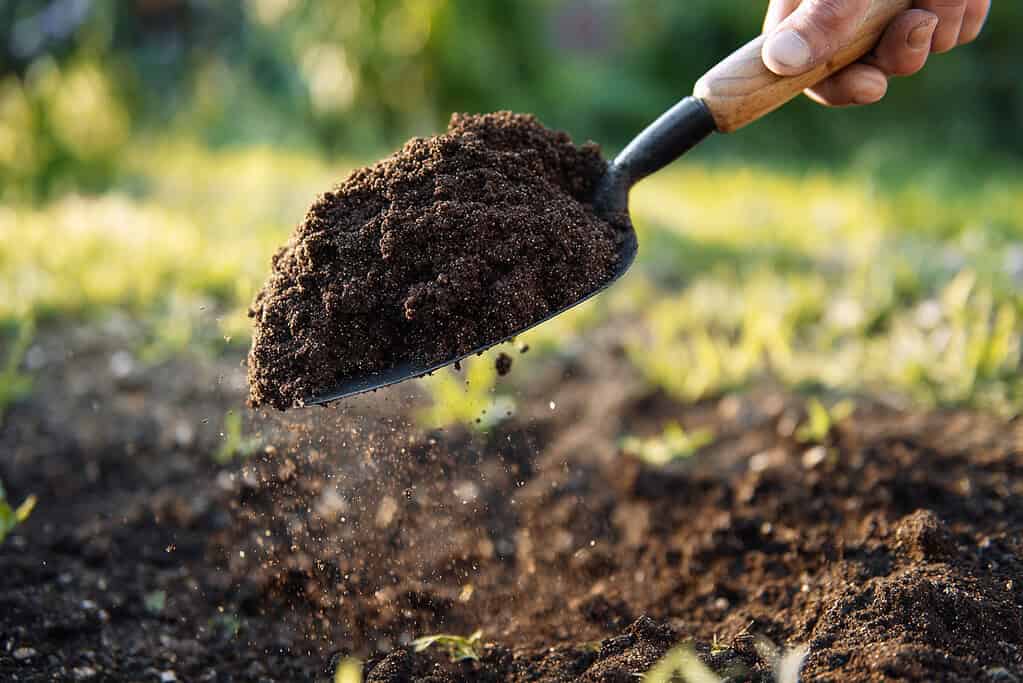
Soil quality plays a big role in how well hibiscus grows and blooms. These plants prefer loose, fertile, and well-draining soil that stays moist but never soggy.
A balanced mix supports root health, nutrient absorption, and strong flower production.
Ideal Soil Conditions for Hibiscus
Hibiscus grows best in soil that drains easily but also retains enough moisture to stay damp between waterings.
Heavy clay or compacted soil can lead to root rot, while overly sandy soil may dry out too quickly. The ideal texture is somewhere in between – loamy, with good structure and airflow.
The soil’s pH should be slightly acidic, ideally between 6.0 and 6.5. At this level, the plant can absorb nutrients efficiently, which directly affects bloom size and frequency.
To check your soil’s acidity, use a simple soil test kit before planting or fertilizing.
How to Improve Soil for Hibiscus
To prepare or amend soil for hibiscus:
- Add potassium-rich organic matter. If your plant has yellowing lower leaves, it may be lacking potassium. You can address this by mixing in compost made from banana peels, wood ash, or other organic sources rich in potassium.
- Use coffee grounds to maintain acidity. Coffee grounds not only lower the pH slightly but also improve the soil’s structure and nutrient availability. They are especially helpful for tropical hibiscus, which thrive in mildly acidic environments.
- Avoid synthetic fertilizers early on. When starting out, it's better to build up the soil with natural compost, worm castings, or aged manure instead of relying on chemical fertilizers that may throw off nutrient balance.
For container-grown plants, use a high-quality potting mix designed for flowering plants.
Avoid dense or compacted garden soil in pots, as it restricts drainage and can suffocate roots. A light, airy mix enriched with compost and perlite or pine bark works well.
Amending the soil with the right organic materials not only helps your hibiscus grow stronger but also minimizes problems like leaf drop, poor blooming, or nutrient deficiency down the line.
Growing Hibiscus in Pots: Best Pot Size, Shape, and Drainage Tips

Hibiscus grows well in containers, making it an ideal plant for patios, balconies, and small spaces.
But the success of potted hibiscus depends heavily on choosing the right container setup. Pot shape, size, and drainage all affect how well the plant roots, grows, and blooms.
Choose Wide, Shallow Pots for More Flowers
Hibiscus grown in pots often struggles when placed in containers that are too deep. Deep pots encourage the plant to focus energy on root development instead of blooming.
A wide, shallow container is more effective. It allows the roots to spread out while keeping the plant's energy directed toward producing flowers.
If you’re repotting an existing hibiscus, avoid jumping to a container that’s too large. Increase the pot diameter by no more than 2–3 inches beyond the current root mass.
This reduces the risk of the plant becoming root-bound or overwhelmed by too much soil holding excess moisture.
Read related post: How to Grow (and Care) for Carnation Flowers
Prioritize Drainage to Prevent Root Rot
Poor drainage is one of the leading causes of hibiscus failure in containers.
Always choose pots with drainage holes at the bottom. Avoid letting water sit in a saucer underneath the pot, especially in cooler months.
Use a light, well-draining potting mix, and avoid packing the soil too tightly. For better results:
- Add pine bark, perlite, or coarse sand to improve soil texture.
- Mix in organic compost to support nutrient availability.
- Top off the soil with a layer of mulch, which helps retain moisture without blocking airflow.
Container Positioning and Care
Keep your potted hibiscus in a location where it gets at least six hours of direct sun daily.
During hot summers, if the container is outdoors, a bit of afternoon shade helps prevent leaf damage. Rotate the pot every couple of weeks to ensure even growth on all sides.
Container-grown plants also tend to dry out faster than in-ground plants, so keep an eye on soil moisture, especially during hot or windy weather.
Choosing the right container setup gives your hibiscus the conditions it needs to thrive, helping you get fuller blooms, healthier leaves, and longer flowering periods.
How to Plant and Transplant Hibiscus Without Causing Stress

Planting or transplanting hibiscus may seem straightforward, but doing it the wrong way can lead to stress, poor growth, or even plant death.
Whether you're placing a new plant in the ground or moving a container-grown one to a larger pot, careful handling and proper timing are key.
Best Time to Plant or Repot Hibiscus
The ideal time to plant or transplant hibiscus is in early spring or early summer, when the weather is warm and the plant is entering its active growth phase.
Avoid repotting or transplanting during the cold months or in the middle of a heatwave, both of which can stress the plant.
How to Plant Hibiscus in the Ground
Start by digging a hole that is as deep as the root ball and about twice as wide. The top of the root ball should be level with the surrounding soil – do not bury the crown of the plant.
If the soil is heavy or clay-based, amend it with compost and sand to improve drainage.
Water the hole before placing the plant, and then backfill with amended soil. Gently press down around the base to remove air pockets. Water thoroughly again after planting.
Transplanting or Repotting Hibiscus in Containers
When repotting, choose a pot only 2 to 3 inches wider than the current one. A pot that’s too large holds more water than the roots can absorb, increasing the risk of rot.
- Gently remove the plant from its current container without disturbing the roots too much.
- If the roots are circling the bottom or sides, loosen them lightly to encourage outward growth.
- Set the plant in the new pot at the same depth it was growing before.
- Fill in with fresh, well-draining potting mix, water thoroughly, and add mulch on top to retain moisture.
Aftercare to Minimize Shock
Hibiscus plants can go into brief transplant shock. To reduce this:
- Keep the plant out of direct afternoon sun for the first few days.
- Avoid fertilizing immediately after transplanting – wait at least 10–14 days.
- Monitor moisture and don’t allow the soil to completely dry out.
Planting and transplanting carefully sets the foundation for healthy root development and long-term flowering success, whether you’re growing in pots or in the ground.
Read related post: How to Grow Lilies Successfully in Your Garden
How to Water Hibiscus Correctly

Watering hibiscus the right way is essential for healthy growth and continuous blooming.
Too much water can lead to root rot, leaf spots, or yellowing leaves, while too little water can cause wilting and bud drop.
The key is to adjust your watering based on plant location, container type, and weather conditions – not on a fixed schedule.
Water Based on Topsoil Dryness
The most reliable method is to water when the top inch of soil feels dry to the touch.
This applies both to potted and in-ground plants. During the hot growing season, hibiscus may need water several times a week, but always check the soil before watering again.
In cooler seasons or during rainy weather, watering frequency should decrease to prevent soggy soil.
Potted Hibiscus Needs More Frequent Watering
Containers dry out faster than garden beds, especially in sunny or windy areas. Potted hibiscus may require daily watering during peak summer heat.
However, always avoid letting water pool at the bottom of the pot or in the saucer underneath. Good drainage is essential to prevent root damage.
Use Mulch to Regulate Moisture and Temperature
Mulch serves two important purposes: it retains moisture in the soil and regulates soil temperature, both of which hibiscus plants prefer.
Apply a 1–2 inch layer of organic mulch (such as shredded bark, pine needles, or compost) around the base of the plant.
For potted hibiscus, a thin layer of mulch on top of the soil also helps reduce evaporation and keeps the root zone more stable in extreme temperatures.
Hibiscus Varieties for Moisture-Prone Areas
If your garden tends to stay wet or has poor drainage, consider planting hardy hibiscus types like Rose Mallow.
These varieties are native to wetlands and can tolerate higher moisture levels much better than tropical types.
By matching your watering routine to the plant’s actual needs and supporting it with good mulching practices, you’ll avoid many common problems and encourage strong, consistent growth.
Read related post: How to Grow and Care for Snowdrop Flowers
Best Fertilizer for Hibiscus

Hibiscus plants are heavy feeders, especially during their active growing and blooming period. Without the right nutrients, they may produce plenty of leaves but very few flowers.
To get consistent and vibrant blooms, it’s important to use the right type of fertilizer and apply it at the right times.
What Nutrients Hibiscus Needs Most
The key nutrients for healthy hibiscus growth are potassium (K), phosphorus (P), and nitrogen (N) but not in equal amounts.
Too much nitrogen leads to leafy growth at the expense of flowers. Instead, focus on a formula that is higher in potassium, which encourages more and larger blooms.
Look for a balanced or bloom-boosting fertilizer with a ratio like 3-1-4, 2-1-3, or similar. Alternatively, you can amend the soil with organic potassium-rich materials such as:
- Banana peel compost
- Wood ash (used sparingly)
- Seaweed extract or kelp meal
These options feed the plant slowly and support long-term flowering. For best results, consider using a slow-release fertilizer to keep nutrients available over time.
How Often to Fertilize Hibiscus
During the active growing season (spring through early fall), feed your hibiscus every 2 to 3 weeks.
For potted plants, liquid fertilizer is easiest to apply and absorbs quickly. For in-ground plants, you can use slow-release granules or work organic material into the soil.
Avoid fertilizing during the winter or when the plant is not actively growing. Feeding during dormancy can stress the plant or cause weak, leggy growth.
Tips for Better Bloom Performance
- Always water before fertilizing to prevent root burn.
- Don’t over-fertilize. This can lead to salt buildup in the soil, especially in pots.
- Monitor your plant for signs of imbalance: too much nitrogen = lots of leaves, few blooms; too little potassium = yellowing and weak flowers.
By feeding hibiscus correctly with bloom-focused nutrients, you'll support fuller, more vibrant flowering without overstimulating foliage growth.
Read related post: How to Plant, Water, and Care for Camellias for Long-Term Growth
How to Prune Hibiscus for More Flowers and Healthier Growth
Pruning plays a key role in keeping hibiscus plants compact, bushy, and full of blooms.
Without regular trimming, they can become leggy, overgrown, or flower only at the tips. Knowing when and how to prune helps promote more even growth and longer flowering periods.
When to Prune Hibiscus
The best time to prune hibiscus is in early spring, just before new growth begins. This timing encourages bushier development and prepares the plant for a productive growing season.
Avoid heavy pruning in fall or winter, especially for tropical varieties, as this can stress the plant when it’s not actively growing.
For hardy hibiscus, another opportunity for light pruning comes after the first round of summer blooms. Trimming back the new growth by about one-third encourages a second flush of flowers later in the season.
How to Prune for Better Blooming
Use clean, sharp pruners and make angled cuts just above a leaf node or bud. This helps direct growth outward and prevents dieback.
Focus on:
- Removing leggy stems to encourage a more compact shape.
- Pruning lower leaves in early spring to allow more light into the plant’s center – this encourages blooms throughout the canopy, not just on the outer edges.
- Snapping off spent flowers (deadheading) regularly, especially on tropical types. This keeps the plant tidy and signals it to produce more buds.
Tips for Healthier Growth
- Don’t remove more than one-third of the plant at a time. Severe pruning can shock the plant and delay blooming.
- If a stem looks weak, dead, or crossing into the center of the plant, cut it out completely to improve airflow and reduce the risk of pests.
- After pruning, hold off on fertilizing for about a week to allow the plant to recover.
With consistent, well-timed pruning, hibiscus plants grow stronger and bloom more often – giving you a healthier, more attractive plant throughout the growing season.
Common Hibiscus Pests: Prevention and Natural Control Methods

Hibiscus plants can attract several common pests that damage leaves, flowers, and stems if not managed early.
While these problems can seem minor at first, unchecked infestations can weaken the plant and reduce blooming.
Regular monitoring and preventative care go a long way toward keeping your hibiscus pest-free without the need for harsh chemicals.
Most Common Hibiscus Pests
- Aphids – Small, soft-bodied insects that gather on new growth and flower buds, sucking out plant juices and leaving behind sticky residue (honeydew). Learn effective ways to get rid of aphids to keep your hibiscus healthy and thriving.
- Spider mites – Tiny pests that often appear during hot, dry weather. They cause yellow speckling and webbing on leaves.
- Whiteflies – Small flying insects that feed on the undersides of leaves, often causing leaf drop and general plant decline.
- Japanese beetles – Chew holes in hibiscus leaves, especially in summer.
- Fungus gnats – More common in overwatered indoor pots; their larvae live in the top layer of soil and feed on organic matter.
How to Prevent Pest Problems
Prevention starts with observation and healthy growing conditions. Stressed plants attract pests more easily.
- Inspect regularly, especially the undersides of leaves and around new growth. Catching pests early makes them easier to manage.
- Avoid overwatering, especially in containers, to reduce the chance of fungus gnats and root rot that weaken the plant.
- Use mulch properly to regulate soil conditions, but don’t pile it against the stem, which can invite insects or mold.
- Promote airflow by pruning overgrown or crowded branches, reducing humidity buildup that attracts pests like spider mites.
Natural Pest Control Solutions
- Blast with water – A strong spray from a hose can dislodge aphids, whiteflies, and mites without chemicals.
- Insecticidal soap or neem oil – Effective for most soft-bodied pests. Apply in the early morning or evening to avoid leaf burn.
- Introduce beneficial insects like ladybugs and lacewings, which feed on aphids and other pests.
- Sticky traps – Useful indoors to monitor or reduce flying pests like fungus gnats and whiteflies.
Buying Tip: Check Plants Before Bringing Them Home
Before you bring any new hibiscus home (especially from garden centers) inspect it carefully:
- Shine a flashlight underneath the leaves and along the stems to check for insects, eggs, or larvae.
- Look for signs like sticky residue, webbing, or deformed new growth.
Taking a few extra minutes to inspect plants before purchase can prevent a full infestation from spreading to your garden or indoor space.
Grow Stronger, Healthier Hibiscus With Simple, Consistent Care

Growing hibiscus at home doesn't require complicated methods – just the right setup and steady attention.
By choosing the correct type for your climate, placing it where it gets the light it needs, using well-prepared soil, watering based on real-time conditions, and pruning at the right moments, you set your plant up for success.
Whether you're planting in a garden or managing pots on a small patio, the tips shared here can help your hibiscus thrive year-round with bold flowers and healthy foliage.
What’s worked for you – or what challenges are you facing? Comment below and share your experience with growing hibiscus at home. We’d love to hear your tips and questions.
FAQs
1. How can I tell if my hibiscus is getting too much sun?
If the leaves are turning pale, crisp, or showing brown edges, especially during midday, your plant may be sun-stressed. In hot regions, provide filtered or partial shade in the afternoon to prevent scorching.
2. Why are my hibiscus buds falling off before they open?
This is often caused by inconsistent watering, sudden temperature swings, or stress from pests. Ensure the plant stays evenly moist, avoid moving it frequently, and check for pests around the buds.
3. Can I grow hibiscus from supermarket seeds or dried pods?
Yes, but germination rates may be low if the seeds are old or improperly stored. For better success, soak seeds in warm water for 1 hour before planting, and use fresh pods whenever possible.
4. What should I do if my hibiscus grows tall but doesn’t branch out?
Prune the growing tips to encourage side branching. Hibiscus responds well to pinching and trimming, which helps the plant become bushier and encourages more flowers.
5. Can hibiscus survive in low light indoor conditions?
Not long term. While they may survive in low light, they won’t bloom and will likely grow leggy. Supplement with a grow light if you don’t have a bright window that provides at least 6 hours of light daily.
Ready To Transform Your Garden?

Are you looking for the best way to layout your garden beds? Maybe you're feeling a bit stuck on how to make the most of your space?
We’ve got you covered! Check out our 101+ Garden Bed Layout Ideas for your next raised bed project. This guide is filled with creative and practical ideas that can help you design a garden that fits your style, whether you’re just starting out or have been gardening for years.
Get your copy today and get inspired to bring your gardening dreams to life.