
If you want a fragrant, low-maintenance ground cover that can handle sunny spots, attract pollinators, and make your garden paths feel a little more magical, creeping thyme deserves a place on your homestead.
This hardy, mat-forming perennial is one of the best choices for gardeners who want beauty without constant upkeep.
Known most commonly as Thymus serpyllum and closely related to Thymus praecox, creeping thyme grows low to the ground, spreads gradually by creeping stems, and produces masses of tiny flowers in shades of pink, purple, or red.
It works beautifully along borders, in rock gardens, between pavers, and even in small lawn-substitute areas where you want a soft, flowering carpet instead of high-maintenance turf.
The biggest key to success is simple: treat creeping thyme like a Mediterranean herb.
Give it full sun, sharp drainage, and a light hand with water and fertilizer. Once established, it’s one of the easiest ground covers to grow.
What Is Creeping Thyme?
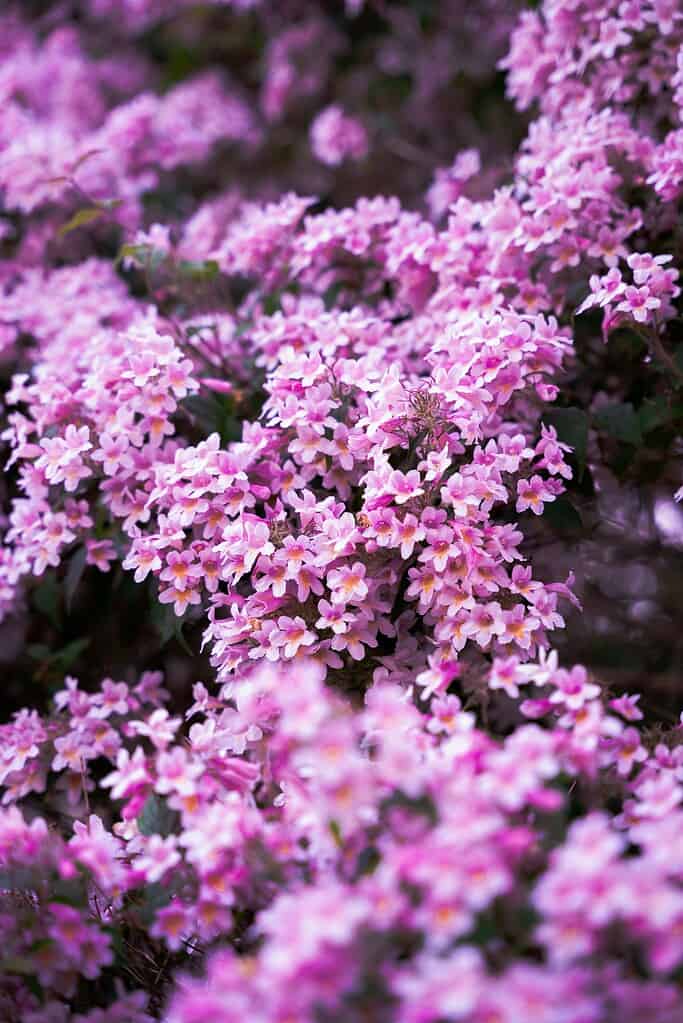
“Creeping thyme” is a general term rather than a single plant. Most gardeners use it to describe low, spreading thyme species and cultivars that form a carpet-like mat.
The most common type is Thymus serpyllum, a woody evergreen perennial that usually reaches only about 2 to 3 inches tall while spreading outward over time. It roots as it creeps, which is why it fills in so effectively.
A close relative, Thymus praecox, is another mat-forming thyme that often grows a little taller and can tolerate moderate foot traffic a bit better, depending on the cultivar.
Best Creeping Thyme Varieties to Grow
Choosing the right variety depends on how you plan to use it.
Thymus serpyllum
This is the classic creeping thyme ground cover. It forms a dense, low mat with pink to purple flowers and is ideal for borders, sunny pathways, patios, and pollinator-friendly planting.
If supporting pollinators is part of your garden plan, you might enjoy my guide on how to start a pollinator garden.
‘Elfin’
‘Elfin’ is a miniature variety with a very tight, low-growing habit. It’s a smart choice for edging, tucking between stones, or filling small sunny spaces where you want a refined, compact look.
‘Magic Carpet’
This cultivar is known for showy pink flowers and quick visual impact. It’s a strong option for larger patches, slope coverage, and colorful edging.
‘Pink Chintz’
A favorite for planting between pavers, ‘Pink Chintz’ stays extremely low and creates a soft, fragrant effect underfoot. It’s especially good for small gaps and sunny paths.
Red Creeping Thyme (‘Coccineus’)
Often sold as red creeping thyme, this type offers deeper magenta-red blooms and adds bold color to borders, stonescapes, and decorative ground cover plantings.
Woolly Thyme
Woolly thyme is more about texture than flowers. It forms an ultra-low, fuzzy mat that looks great in rock gardens and between stepping stones, though it isn’t typically grown for culinary use.
Where to Plant Creeping Thyme
If creeping thyme performs poorly, the problem is usually location, not lack of fertilizer or attention.
Full Sun Is Essential
Creeping thyme grows best in full sun, meaning at least 6 hours of direct light each day.
More is usually better. In very hot climates, a little afternoon shade can help, but too much shade leads to thin growth, fewer flowers, and slower drying after rain.
For the best experience, plant it somewhere you’ll actually brush past it.
Along the path to the garden, beside the chicken coop walkway, near a gate, or between stepping stones are all smart choices. That way you get to enjoy the scent as much as the look.
If you're planning your poultry area, you might also enjoy these small chicken coop ideas, which pair beautifully with simple herb plantings like creeping thyme around the coop path.
Drainage Matters More Than Fertility
This plant loves well-drained soil. Think sandy, gritty, rocky, or even somewhat poor soil. What it hates is sitting in wet ground.
If you have heavy clay or places where water pools after rain, don’t ignore that warning sign. Creeping thyme can rot quickly in soggy soil.
How to Prepare Soil for Creeping Thyme
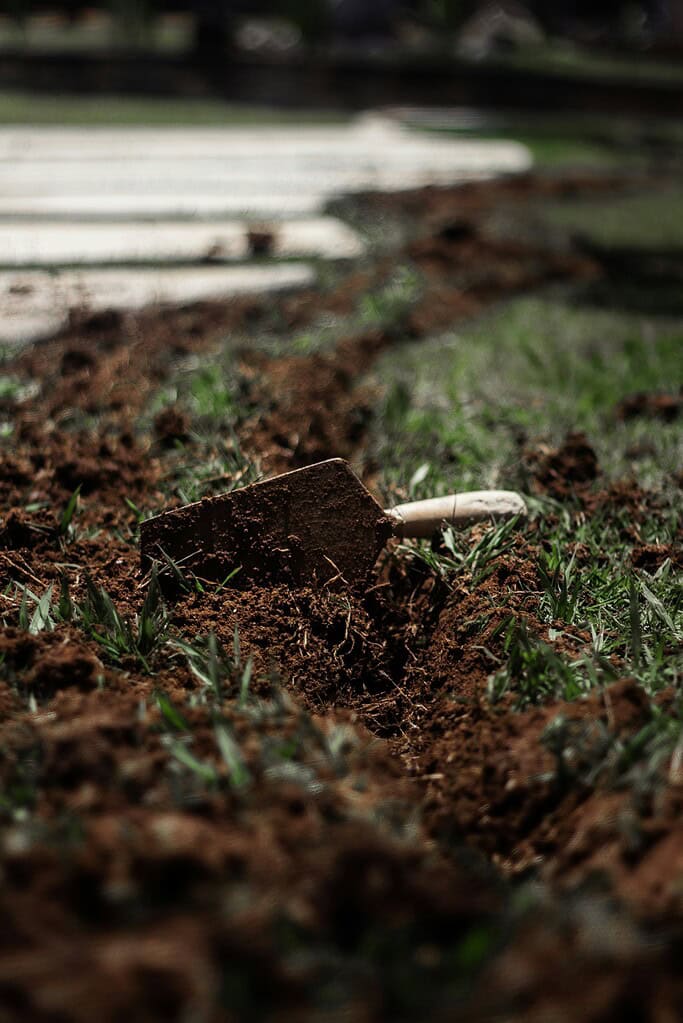
The goal is not rich soil. The goal is fast drainage.
Creeping thyme naturally grows in rocky, well-drained conditions, so it performs best when the soil dries out quickly rather than staying damp.
If your soil is already loose and drains well, preparation is simple. Remove weeds and lightly loosen the top few inches of soil before planting.
If the ground feels compacted, mix in a modest amount of compost to improve soil structure. The goal is better airflow and drainage, not creating rich, heavy soil.
If you like making your own compost at home, you might enjoy learning about the Berkeley method of composting, which produces finished compost surprisingly quickly.
If You Have Heavy Clay
Clay soil holds water longer than creeping thyme prefers, so improving drainage becomes especially important.
Avoid trying to “fix” clay by mixing in a small amount of sand. This often creates a dense, brick-like texture instead of improving drainage.
Instead, try these approaches:
Build a raised strip or berm
Even raising the planting area 4 to 6 inches above the surrounding soil can dramatically improve drainage.
Plant on high ground
Choose areas where water naturally moves away from the roots, such as the upper side of slopes, along pathways, or near edges of beds.
Keep the crown dry
In humid climates, a light gravel mulch around the base of the plant can help reduce moisture buildup around the crown.
Creeping thyme generally tolerates neutral to slightly alkaline soil and rarely needs rich amendments to grow well.
When to Plant Creeping Thyme
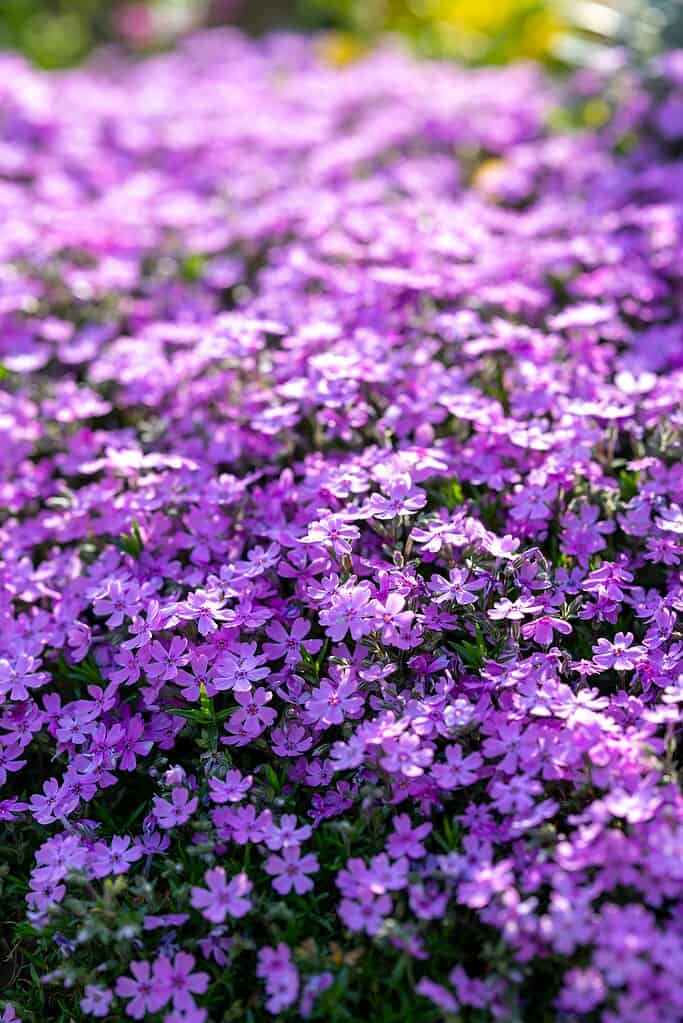
Spring is the safest time to plant creeping thyme, especially if you’re using nursery starts, plugs, or small pots. Wait until the danger of hard frost has passed.
In many regions, early fall also works well, provided the plants have enough time to root before winter and the soil won’t stay wet for long periods.
In areas with wet winters, spring planting is usually the better choice.
Creeping Thyme Spacing Guide
Spacing depends on how quickly you want coverage.
For most garden beds and ground cover plantings, space creeping thyme 8 to 12 inches apart.
If you want faster fill-in and fewer weeds during establishment, plant closer together.
If you’re covering a larger area on a tighter budget, wider spacing works, but expect more open soil for a while.
Here’s a simple rule of thumb:
- 12 Inches Apart. About 1 plant per square foot
- 8 Inches Apart. About 2 to 3 plants per square foot for quicker coverage
For tighter spaces between stones, smaller cultivars like ‘Pink Chintz’ can be planted more closely.
How to Plant Creeping Thyme

Planting creeping thyme is straightforward, but a few small details matter.
Step 1: Clear the Area
Remove weeds thoroughly before planting. Creeping thyme doesn’t compete well while it’s getting established.
Step 2: Dig the Holes
Make each hole about as deep as the nursery pot and roughly twice as wide.
Step 3: Set Plants at Soil Level
Place the crown at the same level it was growing in the pot. Don’t bury it too deeply.
Step 4: Backfill and Firm Gently
Use your native soil unless drainage needs improvement. Press lightly to remove major air pockets.
Step 5: Water In
Give each plant a thorough drink right after planting to settle the soil around the roots.
Step 6: Mulch Carefully
Use a very light mulch if needed, and keep it away from the crown. In humid climates, gravel often works better than wood mulch.
Creeping Thyme Propagation Methods
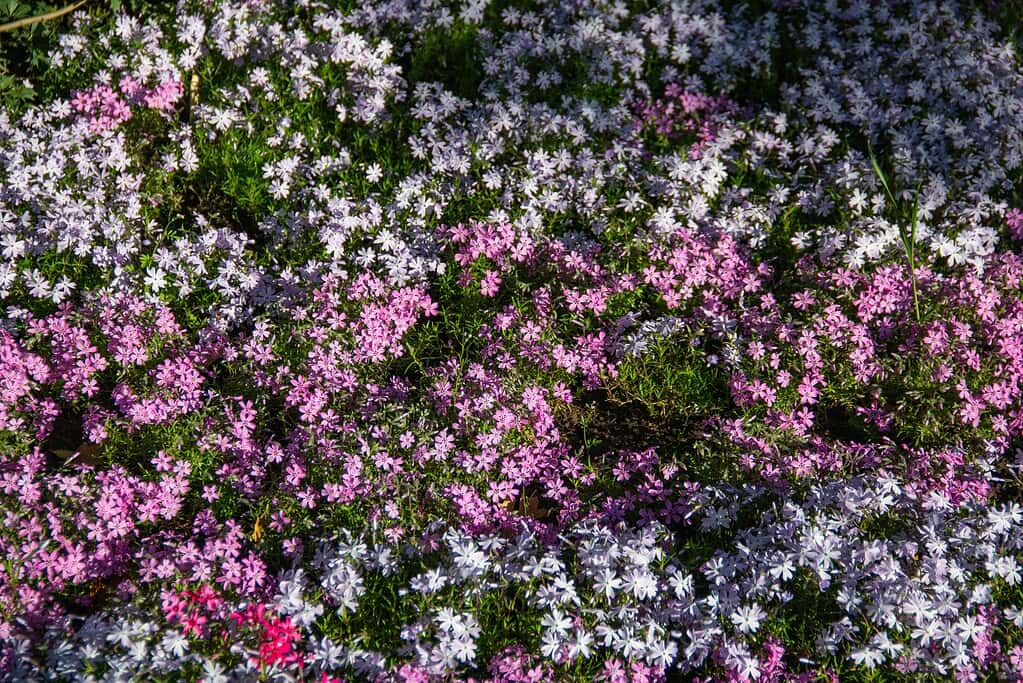
If you want more plants without buying more, creeping thyme is easy to multiply.
Growing Creeping Thyme From Seed
Seed is the most economical option, but it takes the longest. Creeping thyme germinates slowly and grows gradually at first, so patience is required.
Start seeds indoors about 8 to 10 weeks before your last frost date. Sow them on the surface or cover only very lightly, since the seeds are tiny. Keep the growing medium evenly moist but never soggy.
This method works best if you need to cover a large area cheaply and don’t mind waiting.
Propagating by Cuttings
Stem cuttings are one of the best ways to multiply a favorite cultivar.
Take 3- to 4-inch tip cuttings in late spring or early summer, strip the lower leaves, and place them into a gritty potting mix. Keep them lightly moist in bright, warm conditions.
They usually root in a few weeks.
Propagating by Division
Division is the easiest way to refresh older plants or patch bare spots.
Dig up an established clump, split it into sections, and replant the healthiest outer growth. This works especially well when plants start getting woody in the center.
Creeping Thyme Watering Tips
Creeping thyme is drought tolerant once established, but it still needs attention during the first season.
During Establishment
Water thoroughly after planting, then keep the top layer of soil lightly moist for the first couple of weeks. Not muddy, not soaked, just evenly moist.
Once the plants start spreading and putting on new growth, back off. Let the surface dry between waterings.
After Establishment
Water deeply but infrequently during long dry spells. In many gardens, mature creeping thyme needs very little supplemental water except during severe drought.
A simple check: if the top few inches of soil are dry, it’s time to water. If the soil is still damp, wait.
Overwatering is one of the fastest ways to lose creeping thyme.
Do You Need to Fertilize Creeping Thyme?
Usually, not much.
Creeping thyme prefers lean soil and light feeding. Too much fertilizer, especially high-nitrogen fertilizer, leads to floppy, weak growth instead of a dense, tidy mat.
If your soil is very poor, a light layer of finished compost at planting time is enough. After that, only feed if the plants look weak and underperforming.
In most gardens, less is more.
Pruning Creeping Thyme for a Dense Mat
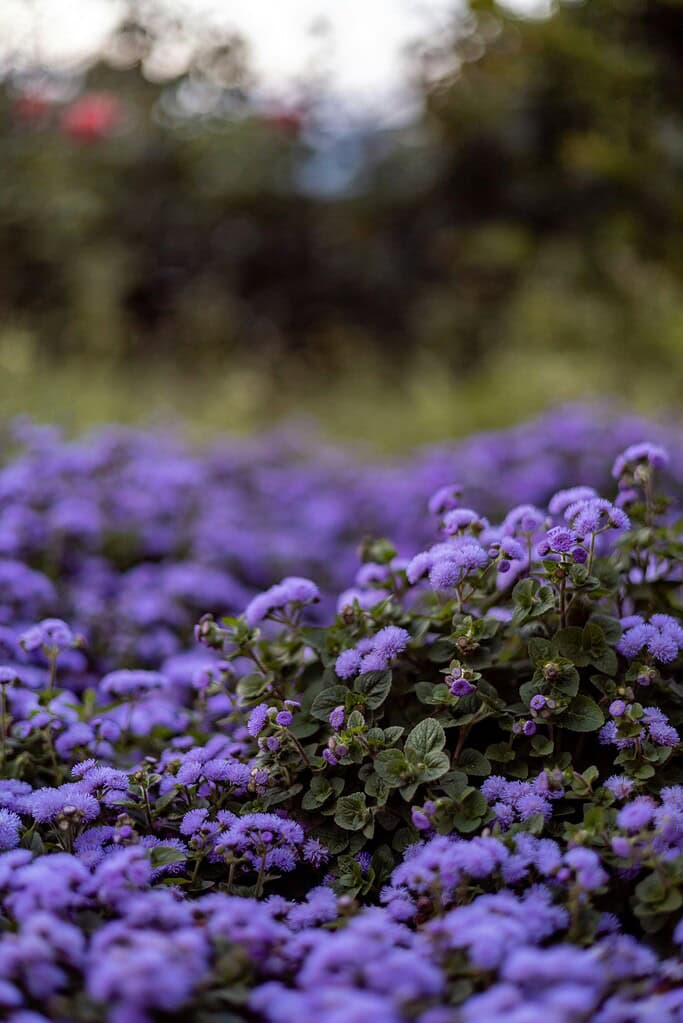
Pruning helps keep creeping thyme attractive and prevents it from becoming too woody.
In Early Spring
Trim away winter-damaged stems and tidy the edges.
After Flowering
Give the plant a light shear. This encourages denser regrowth, improves appearance, and helps keep the mat compact.
Every Few Years
If the center becomes sparse, woody, or patchy, divide and replant the healthiest outer portions. That’s often the best long-term rejuvenation strategy.
Creeping Thyme Winter Care
In colder regions, creeping thyme’s biggest winter problems are frost heaving and wet soil.
Before winter, make sure the planting area drains well. If water sits there in cold weather, plants may not survive.
After the ground freezes, apply a light protective mulch such as straw or loose leaves in colder climates. This helps prevent heaving. Remove it gradually in spring once growth resumes.
In dry winter climates, established thyme may appreciate occasional watering during long rainless periods, but only when the soil is actually dry.
Common Creeping Thyme Problems
Creeping thyme is generally a tough, low maintenance plant that rarely causes trouble in the garden. Once established, it spreads easily and handles heat, drought, and poor soil better than many other ground covers.
That said, like any plant, it can occasionally run into a few issues. Most creeping thyme problems are easy to spot early and simple to fix if you know what to look for.
Below are some of the most common creeping thyme problems and how to handle them.
Rot and Dieback
If patches suddenly brown, collapse, or melt away, poor drainage is the most likely cause. Check for standing water, heavy mulch around the crown, or crowded conditions that trap moisture.
Spider Mites
Hot, dry weather can sometimes bring spider mites.
Look for stippled, dusty, or bronzed foliage. Spray plants with a strong stream of water, especially on the undersides of leaves. If needed, follow up with insecticidal soap.
Slugs
Slugs are more likely in shadier, damper areas. Reduce hiding spots, keep weeds down, handpick at night if necessary, and use iron phosphate bait only when needed.
Best Companion Plants for Creeping Thyme
Creeping thyme grows best with plants that enjoy the same conditions: full sun, low fertility, and sharp drainage.
Good companions include:
Lavender

A classic pairing for sunny, dry gardens
If you’re planning to grow both together, you might enjoy this guide on how to plant lavender, which covers the same well-drained conditions that creeping thyme prefers.
Rosemary, Sage, and Oregano
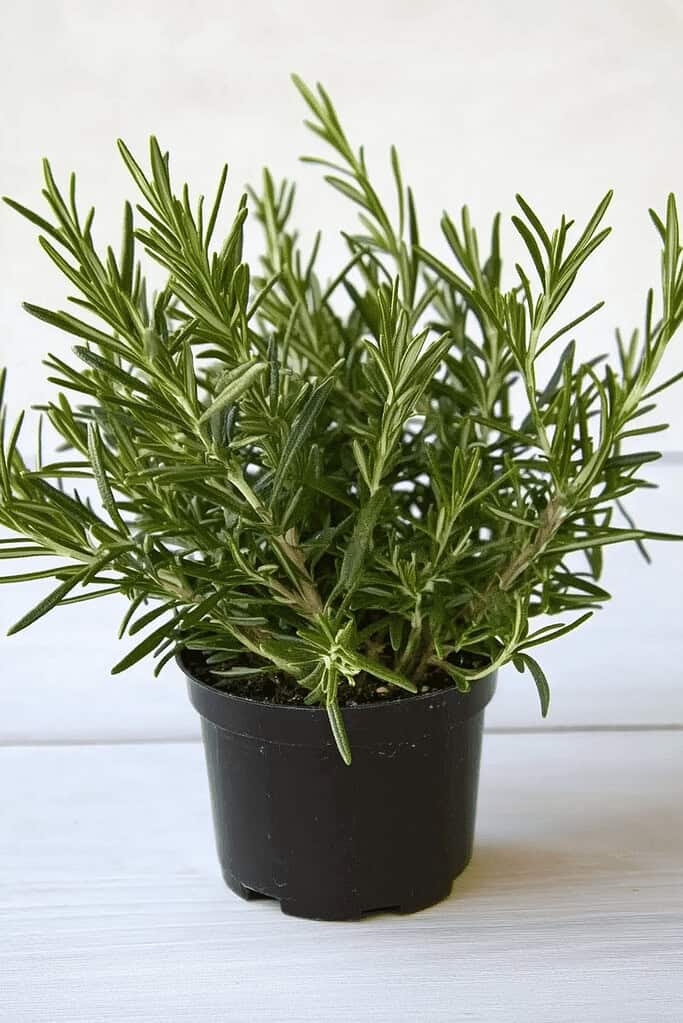
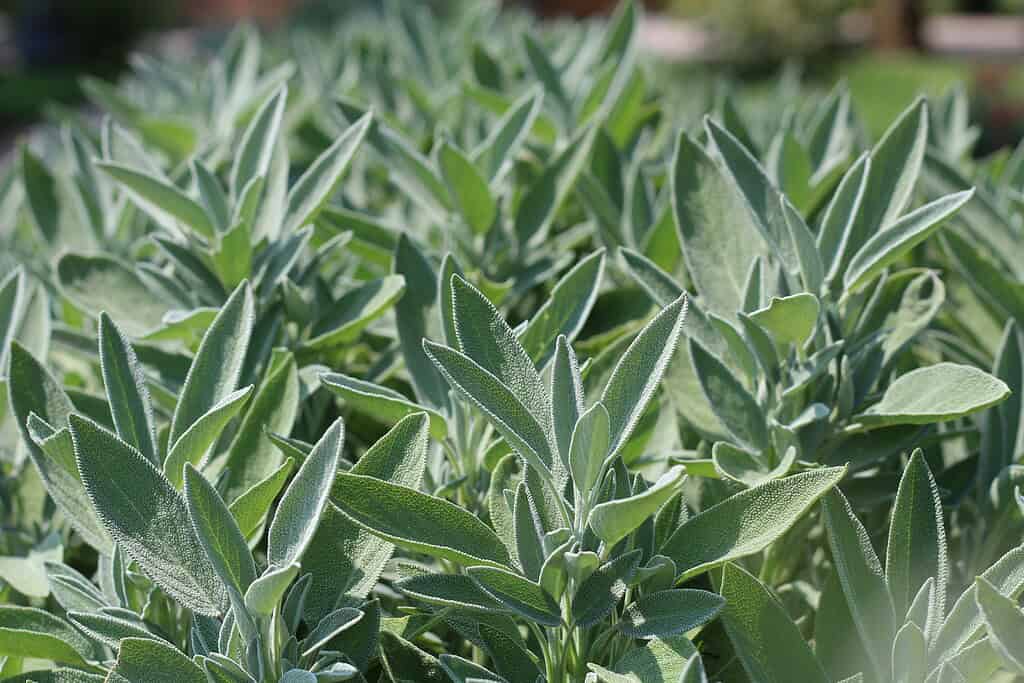
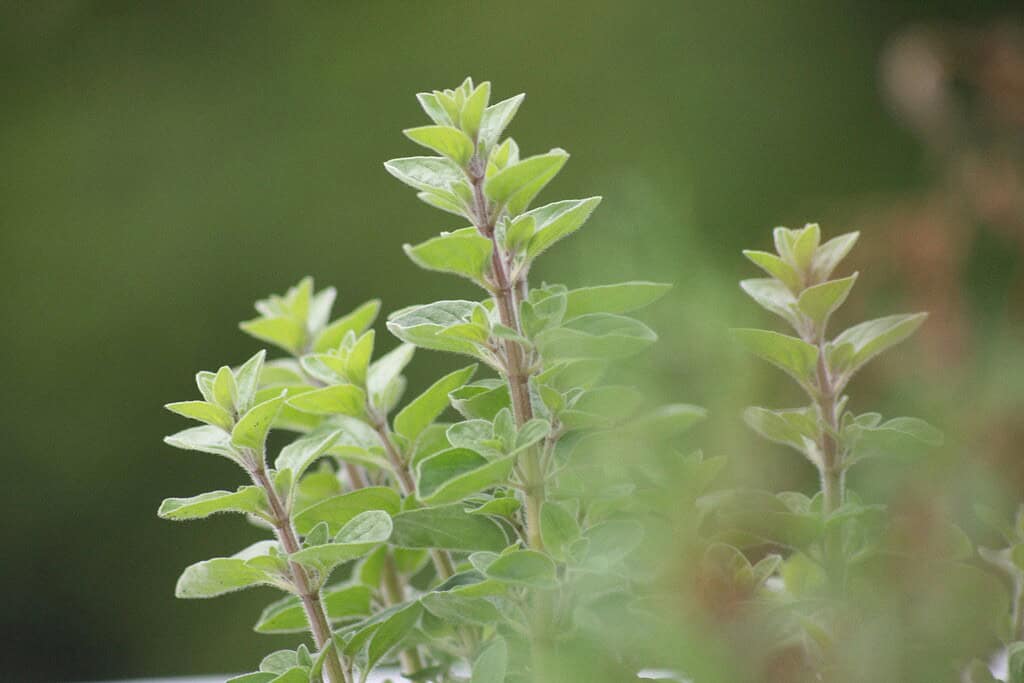
Great in herb-focused plantings where conditions stay on the dry side
Sedum, Catmint, and Yarrow
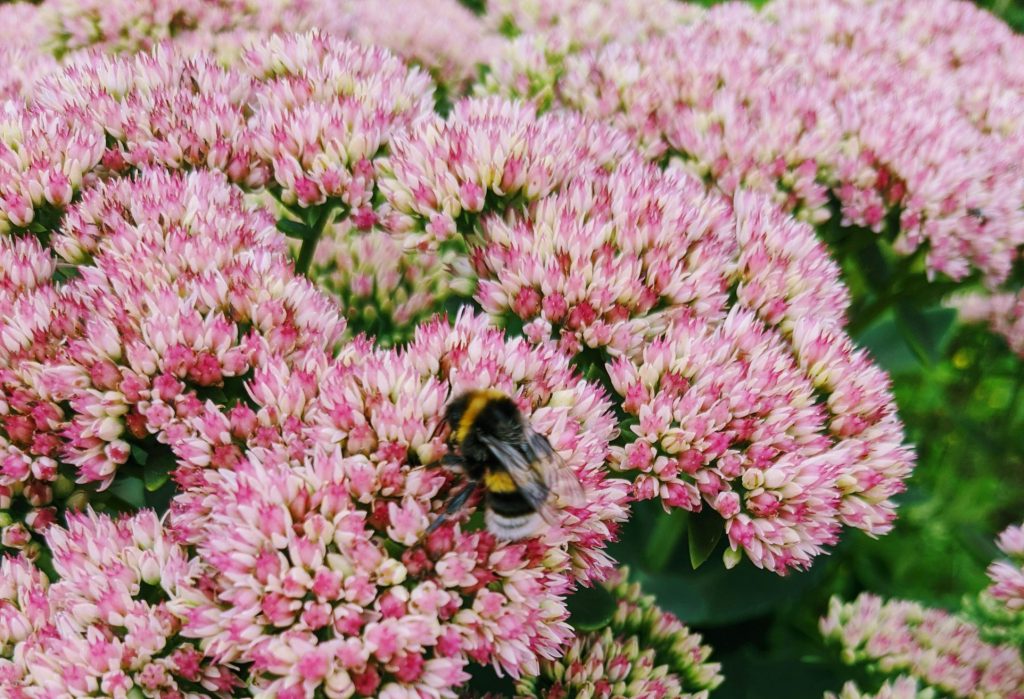


Ideal for low-water flower beds and pollinator plantings
Pairing plants with similar needs makes maintenance far easier.
Plant It Once and Enjoy It for Years
Creeping thyme is one of those rare garden plants that offers both beauty and practicality.
It fills bare ground, smells wonderful when brushed underfoot, attracts bees, and asks for surprisingly little in return.
As long as you give it sun, drainage, and restraint with water, it can reward you for years with a dense, flowering carpet of color and texture.
Start with the right variety, space it based on how quickly you want coverage, and keep it on the lean, dry side.
Do that, and creeping thyme can become one of the most satisfying ground covers in your garden.
Ready to Add Creeping Thyme to Your Garden?
Whether you want creeping thyme between pavers, along a path, or as a drought-tolerant ground cover, this little plant can do a lot of work in a sunny garden.
Pick a variety that matches your space, plant it where drainage is excellent, and let it spread into a fragrant mat over time.
Have you grown creeping thyme before, or are you planning where to plant it next?
Comment down below and share your garden setup, growing zone, or biggest question. We’d love to hear how you plan to use it.
Plan Your Garden With Confidence!

Ever start planting… and then realize halfway through that things feel a little scattered?
A simple plan changes everything.
When you sketch your layout first, you can see what fits, what flows, and what actually makes sense for your space. It saves time, money, and a whole lot of second-guessing later.
Our free Garden Planner helps you map out beds, organize plant spacing, rotate crops, and keep track of seasonal tasks – all in a clean, printable format you can actually use.
Whether you’re designing a low maintenance front yard or planning your full homestead garden, this gives you a clear starting point.
Less chaos. More clarity. A garden that works.
FAQs
Can creeping thyme handle foot traffic every day?
Creeping thyme can handle light to moderate foot traffic, especially when planted between stepping stones where most of the pressure falls on the stone rather than directly on the plant. It is not a true substitute for a heavily used lawn, though. For daily traffic, use it in pathways where people step occasionally, not in play areas or main walkways with constant wear.
How long does creeping thyme take to fill in?
That depends on spacing, growing conditions, and variety. Plants set 8 inches apart in full sun with good drainage will fill in much faster than plants spaced 12 inches apart in tougher conditions. In general, expect noticeable spreading in the first season and fuller coverage by the second growing season.
Can creeping thyme grow in containers?
Yes, as long as the container has excellent drainage. Creeping thyme does especially well in shallow bowls, trough planters, and stone-style containers where the soil dries quickly. Avoid oversized containers that hold excess moisture, and use a gritty potting mix rather than a water-retentive one.
Why is my creeping thyme flowering less than expected?
The most common reasons are too much shade, too much fertilizer, or overwatering. Creeping thyme flowers best in full sun and lean soil. If the plant is lush and green but not blooming well, it may be getting too much nitrogen or not enough direct light.
Should I weed around creeping thyme after it fills in?
Yes, but the job gets easier over time. Even a dense mat of creeping thyme can still get the occasional weed, especially windblown seedlings. Pull weeds early before they root deeply into the mat. Staying on top of them while plants establish will save a lot of work later.