
You set a banana on the counter, and within hours, there they are – a cloud of tiny, slow-moving flies hovering over your fruit bowl.
Fruit flies are one of the most common household nuisances, and they multiply at an alarming rate. With the right approach, you can get rid of fruit flies fast at home using simple, natural methods that actually work.
In this article, we'll walk you through everything you need to know – from understanding why fruit flies show up in the first place, to the most effective traps and prevention strategies that will keep them gone for good.
And if you've been dealing with other pesky insects indoors, you might also want to check out our guide on how to get rid of gnats in the house, since gnats and fruit flies are often confused – and the solutions overlap more than you'd think.
What Attracts Fruit Flies Into Your Home?
Before you can effectively eliminate fruit flies, it helps to understand what draws them in.
Fruit flies (Drosophila melanogaster) are attracted to fermentation – specifically the yeast and gases produced when fruits, vegetables, and sugary liquids begin to break down.
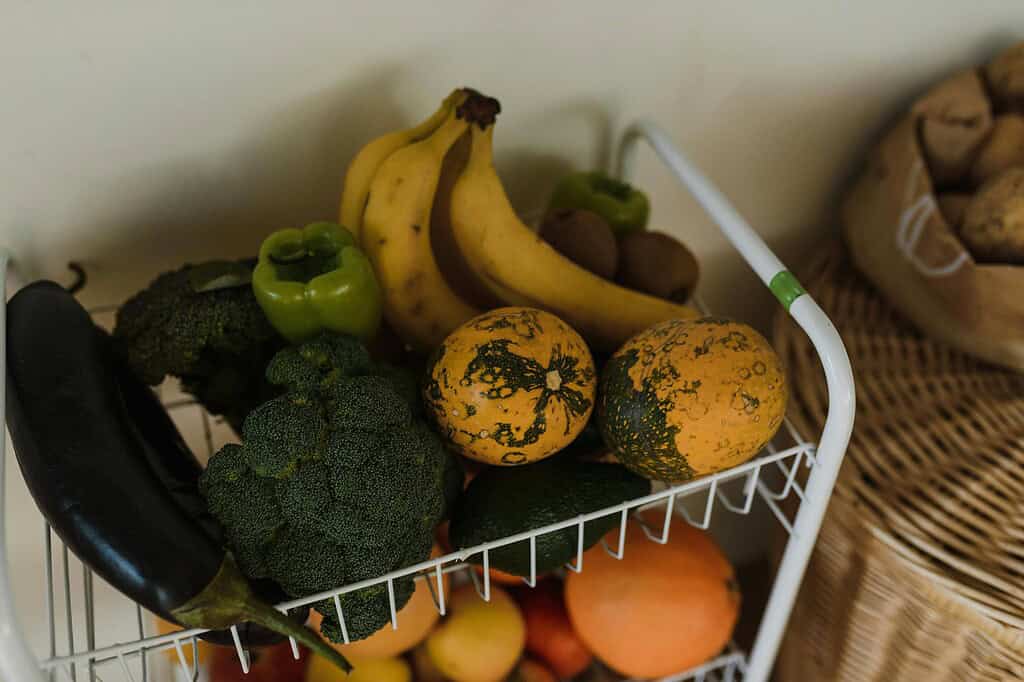
Even something as minor as a tiny splash of juice on the counter or an overripe peach left out overnight is enough to bring them swarming.
Common attractants include:
- overripe or rotting fruit left on the counter
- open or partially empty bottles of juice, wine, or beer
- vinegar
- damp mops
- sponges
- dish rags
- garbage cans with organic waste
- recycling bins with sticky residue
- drains clogged with food buildup
They don't just appear out of nowhere, either. Fruit flies often hitch a ride into your home on store-bought produce, laying their eggs on the skin of fruit before you even get it home.
Once indoors and in a warm environment, those eggs hatch fast – sometimes in as little as 24 hours.
If you grow your own produce or store homemade preserves, you may also be providing unintentional breeding grounds.
Our article on the best natural pest control solutions covers a broader look at keeping pests out of your home and garden naturally – well worth a read if you're dealing with more than just fruit flies.
How Fast Do Fruit Flies Reproduce?
Understanding the fruit fly lifecycle is key to breaking it fast.
A female fruit fly can lay up to 500 eggs over her lifetime, and at room temperature (around 77°F/25°C), those eggs can hatch into adults in just 8 to 10 days.
That means what starts as a handful of flies can turn into hundreds within two weeks if nothing is done. Their lifecycle has four stages: egg, larva, pupa, and adult.
The larvae feed on the fermenting material where the eggs were laid, and the pupae develop inside a protective casing before emerging as adults.
By the time you see adult flies swarming, there are likely larvae hidden in drains, trash cans, or beneath fruit peels that haven't hatched yet.
This is why eliminating breeding sources is just as important as killing the adults you can see.
7 Fast and Effective Ways to Get Rid of Fruit Flies at Home
Here are 7 fast and effective ways to kick them out of your home for good:
1. The Apple Cider Vinegar Trap (The Classic That Works)
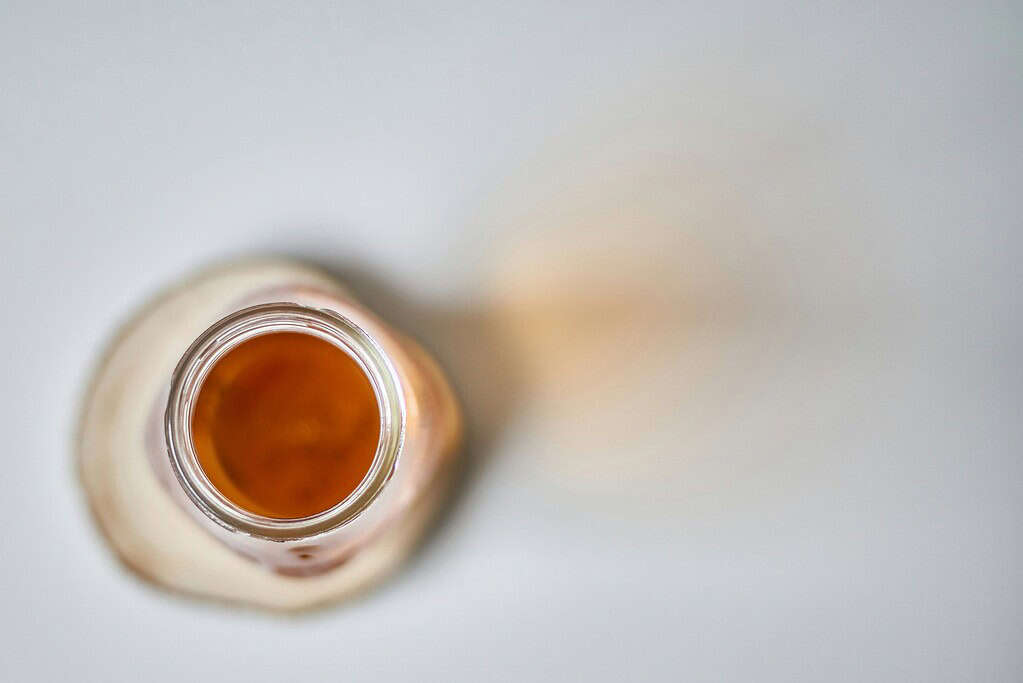
This is the go-to method for most homesteaders and home cooks, and for good reason – it works incredibly well. Fruit flies are irresistibly drawn to the scent of apple cider vinegar because of its fermented, fruity aroma.
To make the trap: pour about an inch of apple cider vinegar into a glass or jar, add a drop or two of dish soap (this breaks the surface tension so flies can't escape), then cover the top tightly with plastic wrap and poke several small holes in the surface.
Place it near the source of the infestation and leave it overnight. By morning, you'll likely find dozens of fruit flies trapped inside. Replace the mixture every few days or whenever it gets too full.
2. Red Wine or Beer Trap
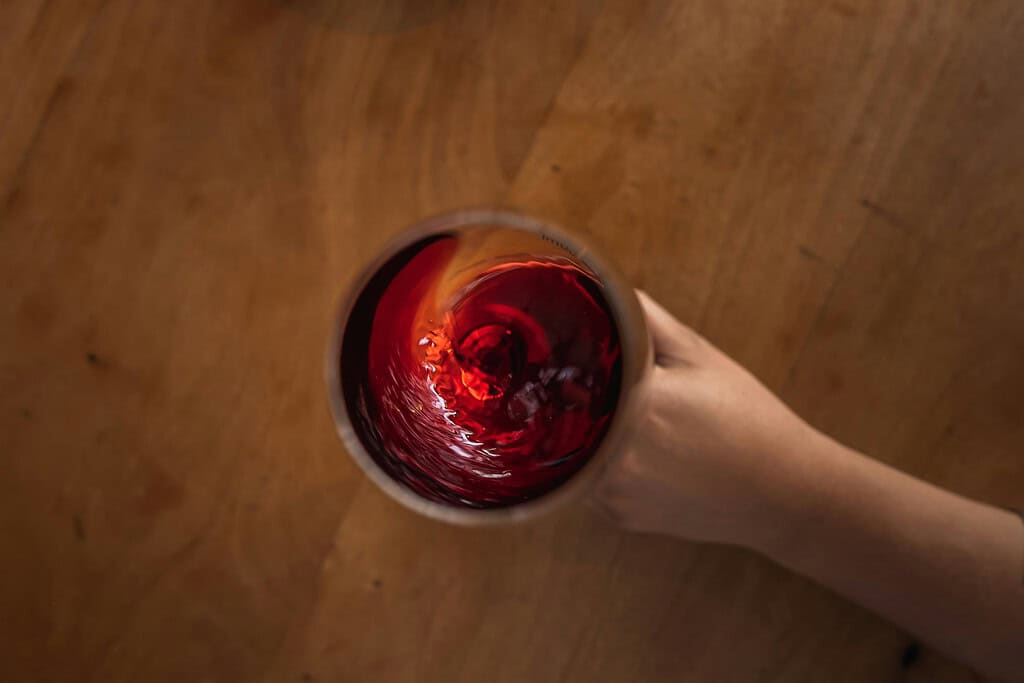
If you don't have apple cider vinegar on hand, a nearly empty bottle of red wine or beer works just as well. The fermented liquid attracts the flies, and the narrow bottle neck makes it difficult for them to escape once they enter.
Simply leave the bottle out near your fruit bowl or trash can. You can also transfer the liquid to a jar and add dish soap for better results.
3. Clean Your Drains Thoroughly
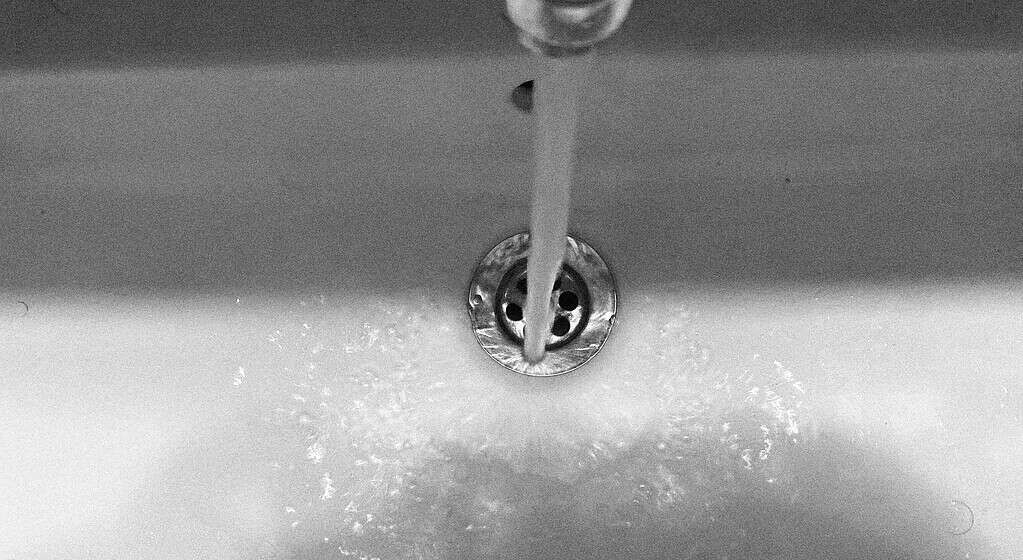
If you've set traps and still see fruit flies appearing, your drain may be the hidden breeding ground. Kitchen drains accumulate a slimy layer of food residue, grease, and organic matter that fruit flies love.
To flush them out, pour a pot of boiling water down the drain followed by a mixture of baking soda and white vinegar. Let it foam for 10–15 minutes, then flush again with hot water.
For a more thorough cleaning, use a long drain brush to physically scrub the inside of the pipe. Do this weekly during warm months when fruit flies are most active.
This is also a solid tip for preventing gnats – two pests that thrive in the same warm, damp conditions.
If you've also been using natural remedies around your home and garden, you might be interested in our post on using eggshells as organic pest control – a surprisingly effective and zero-waste approach.
4. Essential Oil Repellents
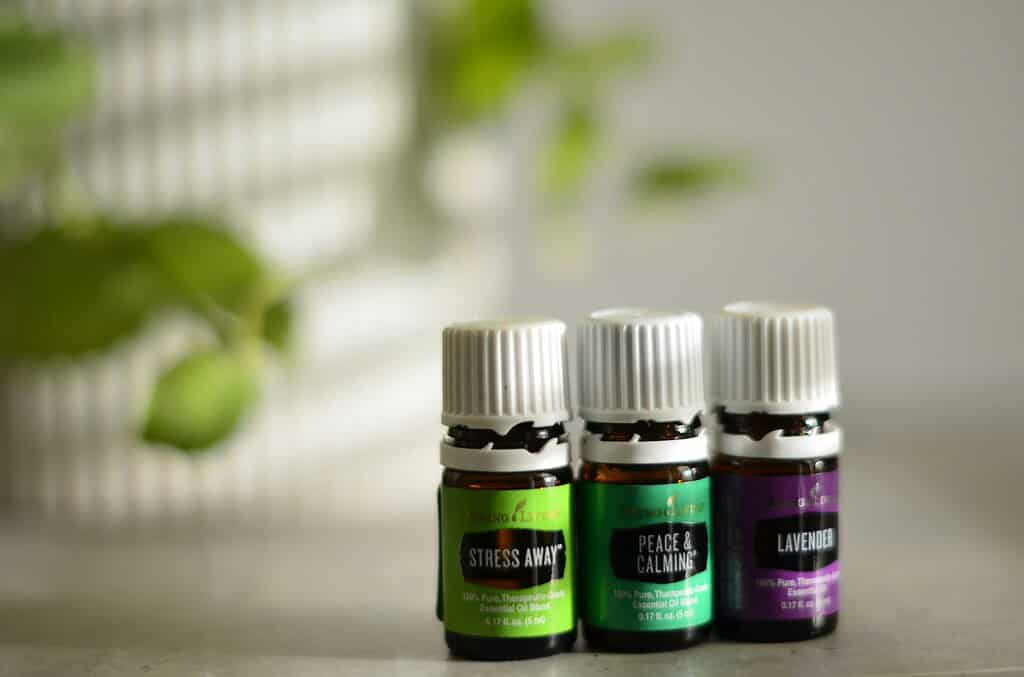
Certain essential oils act as natural repellents that fruit flies can't stand. Peppermint, eucalyptus, lemongrass, lavender, and clove oil are all effective options.
Add 10–15 drops of your preferred oil to a spray bottle filled with water and spritz around your fruit bowl, trash can, and countertops. You can also soak cotton balls in the oil and place them near problem areas.
These oils are safe for food-prep areas when properly diluted and offer the added benefit of keeping other insects at bay.
If you enjoy growing herbs and companion plants as part of your natural pest management strategy, you'll find our resources on the best indoor plants helpful – several of them double as natural insect deterrents.
5. Sticky Traps
Yellow sticky traps designed for indoor use can be highly effective at catching fruit flies. The color yellow attracts them, and the adhesive surface keeps them stuck.
Hang or place them near windows, the fruit bowl, or garbage cans.
These are especially useful for quickly assessing the severity of an infestation – if you catch dozens overnight, you know you have a significant breeding source nearby that needs to be addressed.
6. Store Fruit Properly
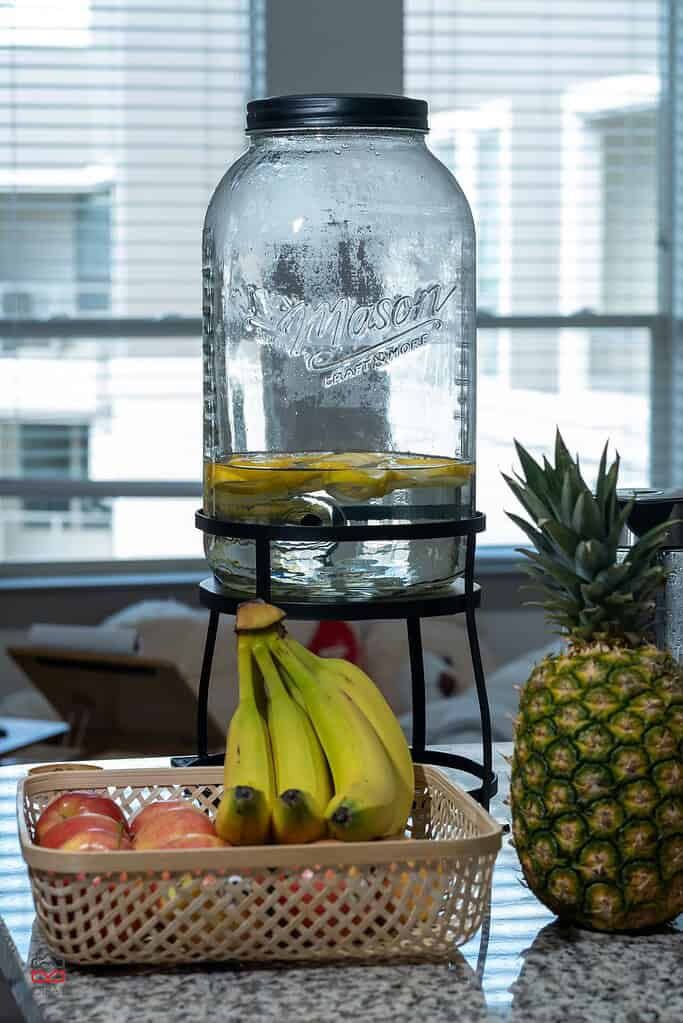
One of the fastest changes you can make is to simply refrigerate any fruit that is ripe or starting to turn.
Fruit flies are far less active in cooler temperatures, and they can't access fruit stored in sealed containers or the fridge. Any fruit that is bruised, damaged, or overripe should either be consumed immediately, refrigerated, or discarded.
If you have a habit of making jams, preserves, or fermenting foods at home, be especially careful with open containers during the process.
Whether you're working on a homemade apple jam recipe or any other fruit preserve, keep your workspace clean and cover fermenting mixtures with cheesecloth or tight lids to prevent fruit fly access.
7. Diatomaceous Earth for Stubborn Infestations
Food-grade diatomaceous earth (DE) is a fine, chalky powder made from fossilized algae that damages the exoskeleton of insects, causing them to dehydrate and die.
While it's typically used for garden pests and parasites, it can also be effective against fruit flies when sprinkled around drains, garbage cans, and areas where flies congregate.
Just make sure to use food-grade DE and keep it dry – moisture renders it ineffective.
We've covered the versatile uses of this natural remedy in depth in our guide on how to use diatomaceous earth – it's a must-read for any natural homesteader looking to reduce chemical use throughout the home and yard.
How to Prevent Fruit Flies from Coming Back

Killing the fruit flies you have right now is only half the battle. Preventing them from returning is just as important – and it mostly comes down to a few consistent habits that don't take much time at all.
1. Empty your kitchen trash can every 1–2 days during warm months and rinse it out regularly to remove any residue.
2. Wipe down counters, stovetops, and tables after preparing food, paying special attention to sticky spills from juice, fruit, or alcohol.
3. Rinse all recyclables before placing them in the bin – that film of juice inside an old soda bottle is a fruit fly magnet. Keep your compost bin tightly sealed, especially if it lives indoors.
4. Fix any dripping faucets or areas of standing water near your sink, as the moisture also attracts fruit flies. Make sure window screens are in good repair to prevent outdoor flies from entering.
5. And if you're growing herbs on your kitchen windowsill, watch for overwatered soil – soggy soil can attract both fruit flies and fungus gnats, which are often mistaken for one another.
Speaking of which, if your “fruit flies” don't seem to be going away no matter what you do near the fruit bowl, they might actually be fungus gnats attracted to your houseplant soil.
Our post on how to get rid of gnats in the house will help you tell the difference and treat the right pest.
Natural vs. Chemical Solutions: Which Is Better?
Many people's first instinct is to reach for a spray can of insecticide, but that approach has several downsides when dealing with fruit flies.
Chemical sprays only kill the adult flies you can see – they don't address larvae or eggs hiding in drains and trash. They also leave residue on your kitchen surfaces where food is prepared, which raises obvious health concerns.
Natural solutions, on the other hand, are safer around food, children, and pets, and they often work better in the long run because they target the root cause of the infestation rather than just the visible symptom.
Apple cider vinegar traps, essential oils, DE, and good sanitation practices form a complete and effective system that doesn't require any harsh chemicals at all.
If you're committed to natural pest management across your home and garden, our comprehensive post on the best natural pest control solutions is a great companion resource.
And for anyone dealing with ants as well, don't miss our guide on natural ways to keep ants out of your home – because where there's one pest, there's often another.
When Should You Be Concerned About Fruit Flies?

In most cases, fruit flies are a nuisance – annoying but harmless. However, there are situations where a large infestation can signal a bigger problem.
If you're seeing fruit flies in areas where there is no obvious food source (like a bathroom or bedroom), it may indicate a more serious issue like a hidden dead animal, a plumbing leak creating organic buildup, or a forgotten piece of produce rotting inside a cabinet or under an appliance.
Fruit flies can also transfer bacteria from rotting material to your fresh food, so while they aren't as dangerous as cockroaches or rodents, they're still worth eliminating promptly.
If your infestation persists for more than two weeks despite consistent trapping and source removal, consider calling a pest management professional to assess whether there's a hidden breeding source in your walls, plumbing, or flooring.
Take Back Your Kitchen: Start Getting Rid of Fruit Flies Today
Fruit flies don't have to be a permanent fixture of your summer kitchen.
With a combination of simple traps, targeted cleaning, and a few smart storage habits, you can eliminate an infestation quickly and keep it from coming back season after season.
The key is to act fast, remove breeding sources, and stay consistent with the preventive steps – even after the last fly disappears.
Remember: fruit flies aren't a sign of a dirty home. They're just opportunists who found a food source. Take that food source away, set a few traps, and you'll have your kitchen back in no time.
Have a trick that worked for you? Drop it in the comments below – we'd love to hear what's worked in your kitchen!
Plan Your Garden With Confidence!

Ever start planting… and then realize halfway through that things feel a little scattered?
A simple plan changes everything.
When you sketch your layout first, you can see what fits, what flows, and what actually makes sense for your space. It saves time, money, and a whole lot of second-guessing later.
Our free Garden Planner helps you map out beds, organize plant spacing, rotate crops, and keep track of seasonal tasks – all in a clean, printable format you can actually use.
Whether you’re designing a low maintenance front yard or planning your full homestead garden, this gives you a clear starting point.
Less chaos. More clarity. A garden that works.
Frequently Asked Questions
Can fruit flies survive in the refrigerator?
No – fruit flies cannot survive or reproduce in refrigerator temperatures. They are cold-blooded insects that require warm temperatures (ideally 60°F–85°F) to live and breed.
Refrigerating ripe fruit is one of the most effective ways to cut off their food supply and prevent an infestation from escalating.
However, fruit flies can still briefly land on food as you open and close the refrigerator door, so it's worth using sealed containers even inside the fridge.
Why do fruit flies keep coming back even after I clean?
If fruit flies keep reappearing after thorough cleaning, the most likely culprit is a hidden breeding source you haven't addressed yet.
Common overlooked spots include the inside of kitchen drains (where a biofilm of organic matter builds up), the underside or back of your refrigerator drip tray, a forgotten piece of produce in a cabinet or pantry, wet mops or sponges, and even your recycling bin.
Eliminating adults with traps won't fully resolve the problem until every active breeding site is cleaned or removed.
Are fruit flies harmful to plants?
Standard fruit flies (Drosophila species) are not typically harmful to healthy plants – they are primarily attracted to decaying organic matter and fermenting liquids rather than live plant tissue.
However, if you notice small flies coming from your houseplant soil rather than from your fruit bowl, those are more likely fungus gnats, whose larvae do damage plant roots.
The treatments are different, so it's worth identifying which pest you're actually dealing with before taking action.
How long does it take to get rid of a fruit fly infestation completely?
With consistent effort – removing all food sources, setting traps, and cleaning breeding areas – most fruit fly infestations can be eliminated within 1 to 2 weeks.
The timeline depends on how many generations are already in progress. Since the lifecycle from egg to adult takes 8–10 days, you may continue to see newly hatched adults for about a week even after removing all breeding material.
Keeping traps active during this window ensures that newly emerged adults are caught before they can reproduce again.
Do fruit flies bite humans or pets?
No – fruit flies do not bite humans or pets. They lack the mouthparts necessary to pierce skin. Their only interest is in fermenting and decaying organic material, which is why they hover around your kitchen rather than you personally.
While they are not physically harmful in the biting sense, they can carry and transfer bacteria from rotting material to food surfaces, which is one more reason to get rid of them promptly and thoroughly.
Planting Guides for This Article
Get exact planting dates, frost schedules, and growing tips for your zone: