
Full sun in your garden can be a double-edged sword – great for some plants, too intense for others. The trick is to choose perennials that thrive in bright, hot conditions without a lot of fuss.
Fortunately, there are plenty of hardy low-maintenance perennials that love soaking up the sun. Gardeners swear by these sun-loving favorites because they bloom reliably year after year with minimal effort.
Even better, these perennials thrive across most of the country (roughly USDA zones 4–9), so gardeners in both cold northern and warm southern regions can enjoy them.
They also offer a rainbow of colors – from stunning orange flowers and show-stopping yellow flowers to vibrant pinks and deep purples (if you love purple, check out some purple perennials that bring color for more ideas).
Many sun perennials are also pollinator magnets, drawing butterflies, bees, and even hummingbirds. And if part of your yard is shady, don’t worry – there are plenty of beautiful shade-loving perennials for those spots too.
Ready to fill those sunny areas with reliable plants? Let’s dive into 12 tried-and-true full sun perennials that will brighten your garden without breaking a sweat.
12 Hardy Perennials That Shine in Full Sun
Here are 12 reliable full sun perennials gardeners swear by:
1. Daylily (Hemerocallis)

Daylilies are hardy, forgiving perennials that produce lily-like blooms in summer. They tolerate a range of soils and are pretty drought-tolerant once established.
With varieties in nearly every color (yellow, orange, red, pink, etc.), you can enjoy bright flowers for weeks.
Gardeners love daylilies because they’re truly plant-and-forget: just water them the first year and divide every few years for even more plants.
2. Coneflower (Echinacea)

Coneflowers are native prairie flowers that thrive in heat and full sun.
They bloom from mid-summer into fall with cheerful, daisy-like blooms (the classic purple coneflower is most famous, but newer varieties come in orange, yellow, red, and white too).
Pollinators love them, and the dried seed heads feed birds in winter. Coneflowers are very low maintenance – plant them in well-drained soil and they'll come back every year with minimal care.
3. Black-eyed Susan (Rudbeckia)
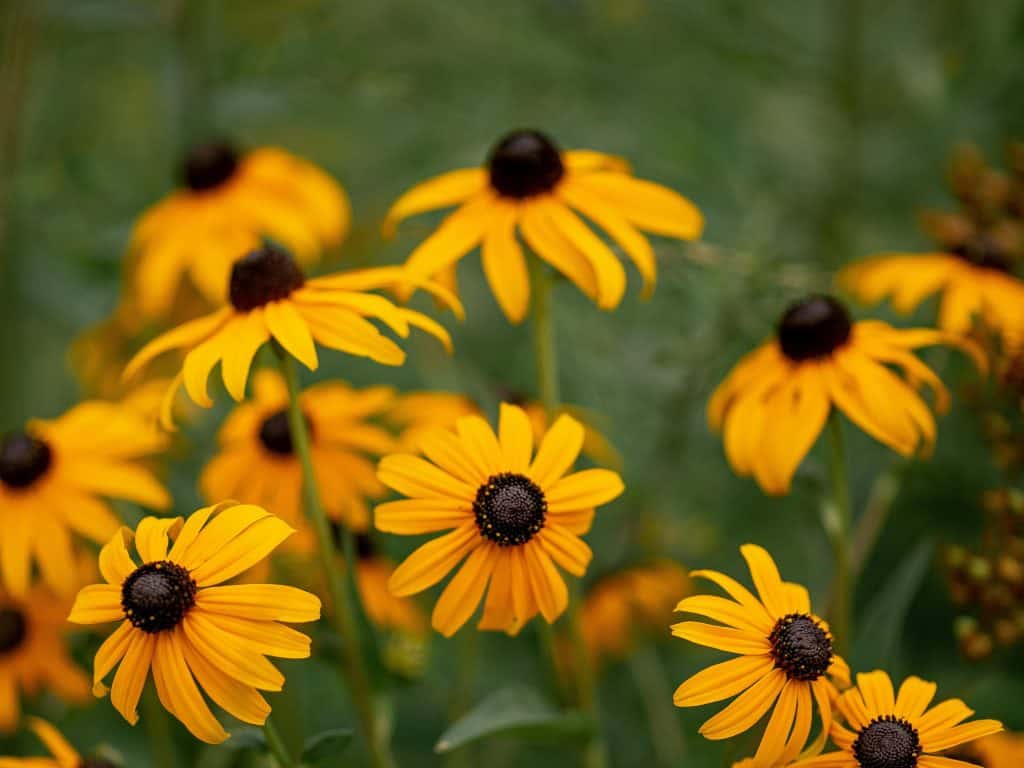
Black-eyed Susans blanket the garden in golden-yellow daisy blooms with dark centers from mid-summer into fall. These carefree perennials handle heat, drought, and average soil like champs.
Once planted, they often reseed lightly, so you’ll see more of them over time.
Maintenance is minimal – deadhead for more flowers (or leave some seed heads for winter birds) and cut back the dead stems after frost.
4. Sedum (Stonecrop)
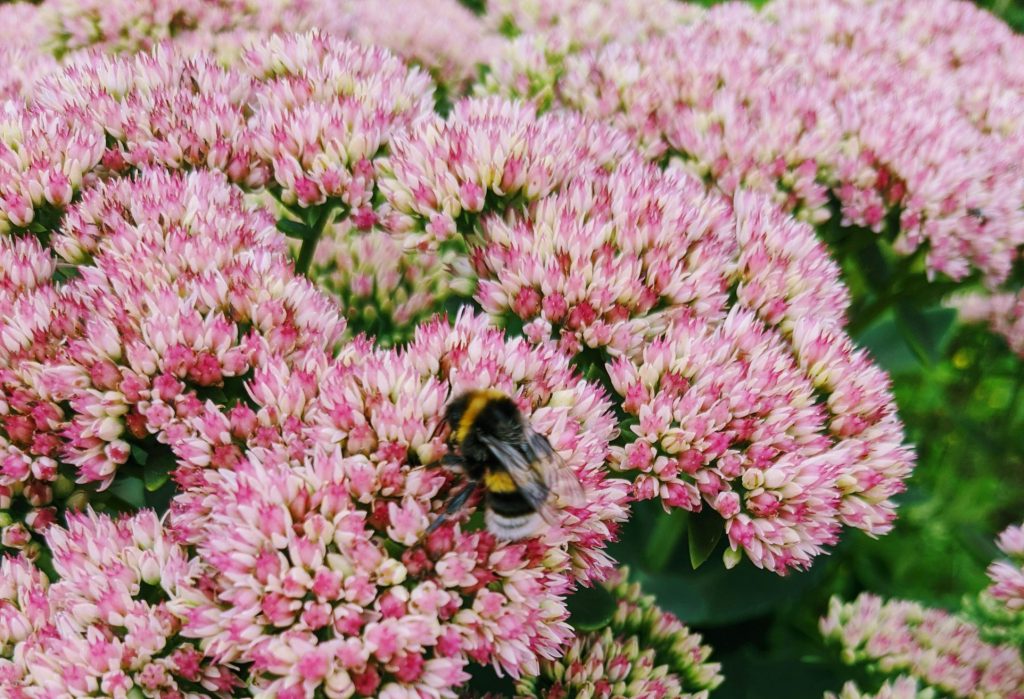
Sedum is about as low-maintenance as it gets. This sun-loving succulent stores water in its leaves, making it extremely drought tolerant.
In late summer it erupts into clusters of pink or red starry flowers that attract butterflies and bees. The dried flower heads even add winter interest if left standing.
Give sedum full sun and well-drained soil, then forget about it – it will come back each year with a bigger show.
5. Russian Sage (Perovskia atriplicifolia)

Russian sage produces airy spires of lavender-blue flowers from summer to fall, creating a hazy purple cloud of color.
It thrives in full sun, heat, and dry soils – a true set-and-forget perennial.
The silvery foliage is fragrant and unappealing to deer or pests. Just trim back the woody stems in early spring, and this hardy plant will reliably burst back with blooms each year.
6. Perennial Salvia (Salvia nemorosa)
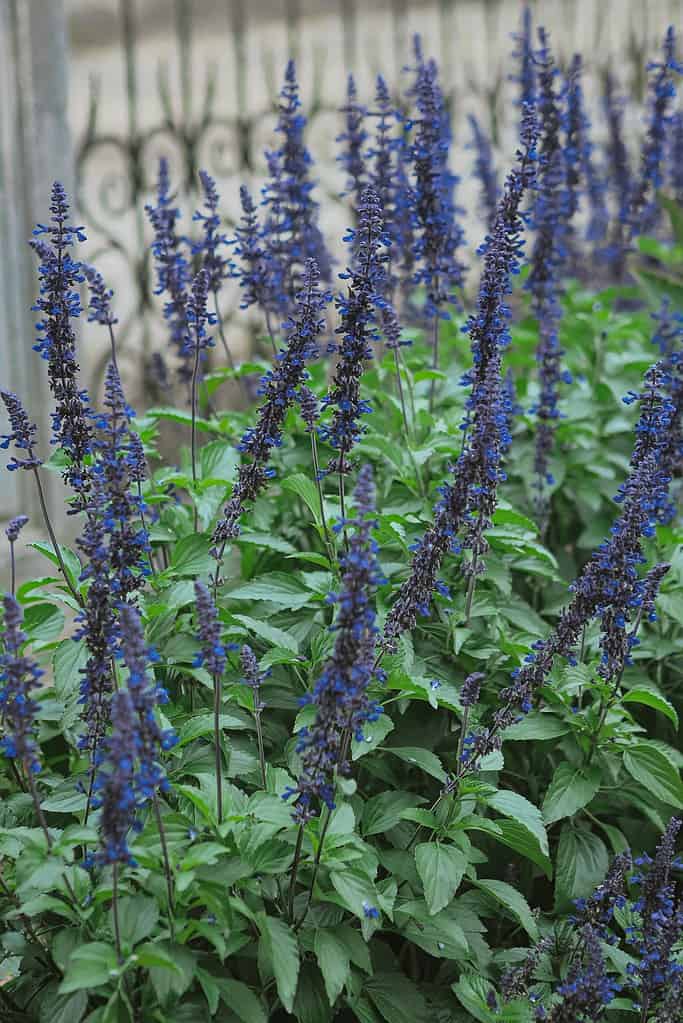
Perennial salvia is loved for its vibrant spikes of purple-blue flowers in late spring and early summer. After the first flush, a quick trim can encourage more blooms.
Salvia thrives in sun and well-drained soil, and it’s fairly drought tolerant and deer-resistant thanks to its aromatic foliage.
Pollinators (especially bees) flock to its nectar. (This easy perennial really doesn’t ask for much!)
7. Catmint (Nepeta)
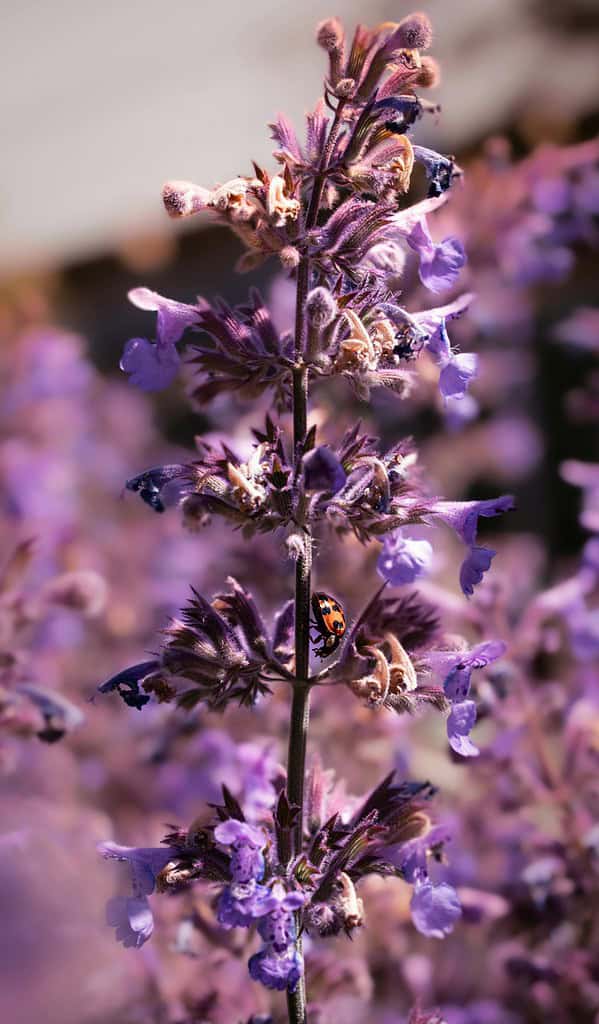
Catmint forms mounds of gray-green foliage covered in purplish-blue flowers from late spring well into summer.
It’s considered one of those gorgeous long-blooming perennials that you can just plant and forget.
Drought and heat don’t bother it, and deer generally leave it alone (though cats might give it extra attention!). If you shear off the faded blooms mid-summer, it quickly flushes out fresh flowers.
Plant catmint at the front of sunny beds for a soft, pollinator-friendly edging that looks great with almost no care.
8. Coreopsis (Coreopsis, aka Tickseed)

Coreopsis is a sun-loving perennial that provides weeks of cheerful color. Most varieties sport yellow daisy-like flowers (some have orange or red accents) starting in early summer.
Coreopsis is easy to grow in any well-drained soil and tolerates heat and dry conditions like a champ. Deadheading spent blooms helps keep the flowers coming even longer.
This compact, hardy plant returns each year a little fuller, making it a dependable go-to for sunny borders and butterfly gardens.
9. Shasta Daisy (Leucanthemum)
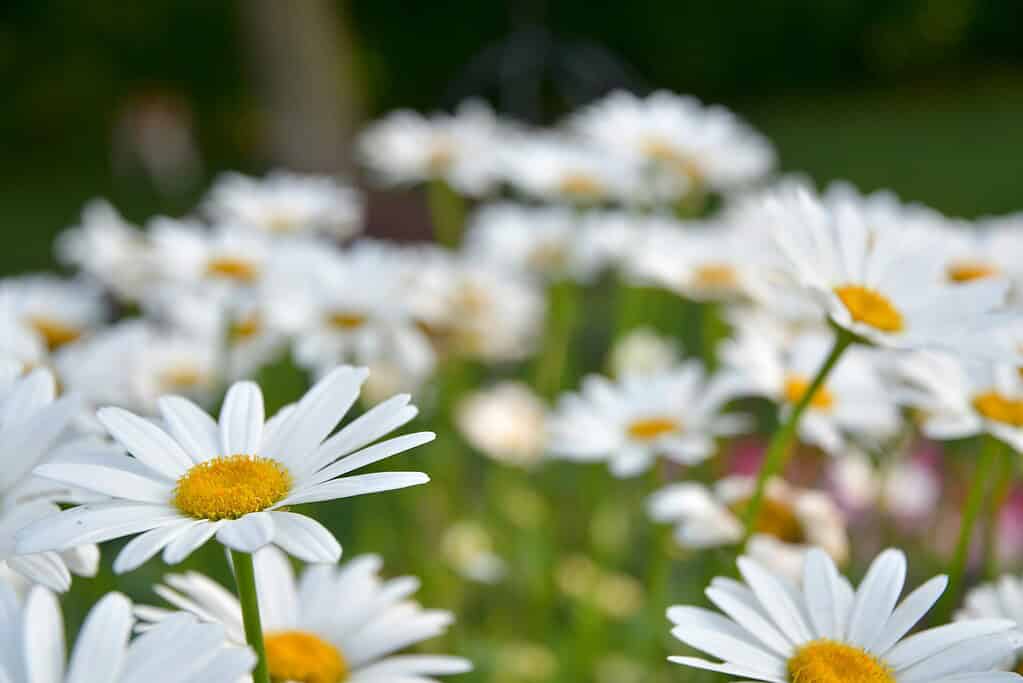
Shasta daisy brings a timeless charm with its white petals and yellow centers. It flowers in early to mid-summer, creating that classic cottage-garden look.
Shastas thrive in full sun with minimal care – they handle heat and modest drought and come back reliably each year.
To keep them at their best, deadhead the faded blooms (they may reward you with a few bonus flowers later) and divide overcrowded clumps every few years.
Shasta daisy is a fuss-free perennial that brightens the garden and also makes great cut flowers.
10. Lavender (Lavandula)
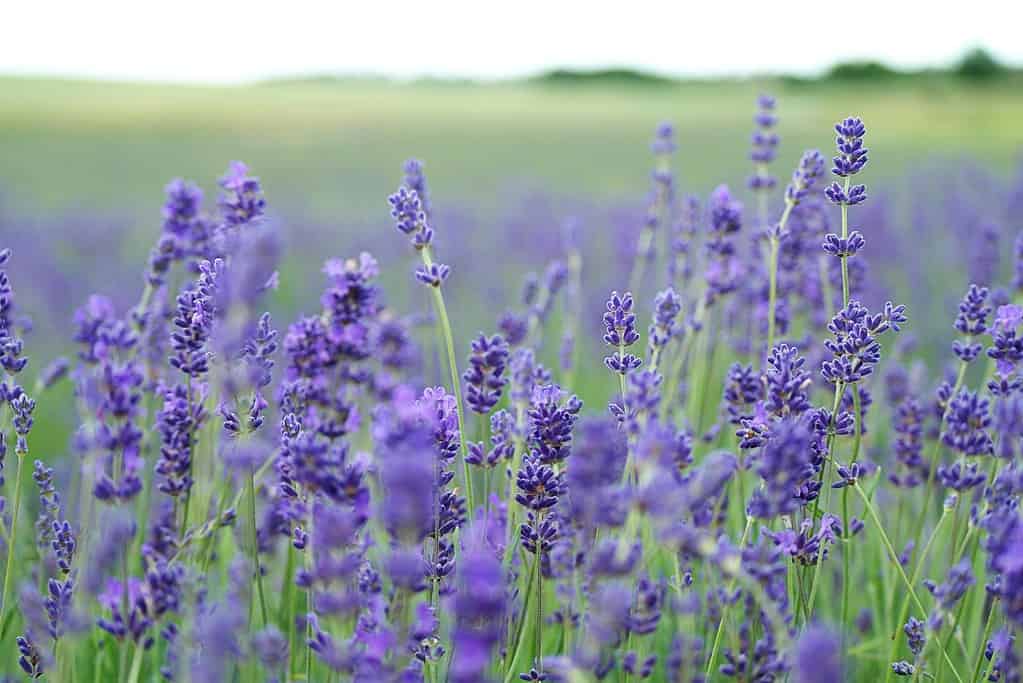
Lavender is famous for its fragrant purple blooms and silvery foliage. It thrives in full sun and well-drained soil, and once established it hardly needs watering.
To get the best results, make sure you know the right way to plant lavender so it establishes well and blooms beautifully.
This Mediterranean herb blooms in summer (a magnet for bees and butterflies) and is rarely bothered by deer or pests. Just avoid overwatering, and trim off spent flower spikes to keep it neat.
In colder climates, choose hardy English lavender and provide a bit of winter mulch. With its beauty and scent, lavender is a must-have for sunny gardens.
11. Yarrow (Achillea)

Yarrow is a tough perennial that produces flat clusters of flowers (often yellow, but also pinks or reds) in early to mid-summer.
It thrives in full sun and dry, lean soil – conditions that would stress fussier plants. Yarrow is very drought tolerant and usually ignored by deer.
You can trim off the faded flower heads to keep it neat (and sometimes spur a few new blooms).
With its ferny foliage and long-lasting flowers, yarrow adds a lovely, no-fuss splash of color to any sunny spot.
12. Garden Phlox (Phlox paniculata)

Garden phlox is a classic sun perennial known for big clusters of fragrant flowers in mid to late summer. It comes in lovely shades of pink, purple, red, or white that really stand out.
Phlox is easygoing – give it sun and some water during dry spells, and it will reward you with loads of blooms.
To avoid powdery mildew (the white powder on leaves), plant mildew-resistant varieties or space plants for good airflow.
Overall, garden phlox is a dependable bloomer that brings height, scent, and a charming cottage-garden feel to your sunny beds.
Proven Tips for Growing Full Sun Perennials Successfully
Even though these sun-loving perennials are low maintenance, a little extra care will help them truly flourish. Here are some tips to keep your full sun garden thriving:
Watch for issues
Overall these perennials are trouble-free, but keep an eye out for any pests or diseases.
If you see issues like aphids or a white powdery coating on leaves (powdery mildew), address them early (see how to stop powdery mildew for treatment tips) and remove affected foliage to improve airflow.
Water deeply at first
During their first year, water new perennials regularly so they develop strong roots. A deep soak once or twice a week is better than a light sprinkle every day.
Once established, most of these plants can go longer between waterings – just water during extended dry spells instead of daily.
Ensure good drainage
Most full sun perennials need well-draining soil. If you have heavy clay soil, mix in compost to improve drainage (especially for plants like lavender and sedum that hate soggy roots).
Also, add a 2-inch layer of mulch to help soil retain moisture, but keep it a couple of inches away from the plant’s stem to prevent rot.
Don’t overfeed
Too much fertilizer can lead to lots of leaves and few flowers (or weak, floppy growth).
Generally, these hardy plants only need a light feeding in spring or a little compost. Often, they’ll bloom happily with no extra fertilizer at all.
Deadhead and divide
Removing spent flowers (deadheading) keeps plants looking tidy and can encourage more blooms on some perennials.
Every few years, dig up and split any overcrowded clumps (daylilies, Shasta daisies, yarrow, etc.) to rejuvenate them and get more free plants for your garden.
Ready to Brighten Up Your Garden with Sun-Loving Perennials?
These sun-loving perennials can form the backbone of a vibrant garden that comes back every year with more color.
And don’t be afraid to experiment – you can always tuck in a few annuals or exotic tropical flowers for an extra splash of drama in your summer beds (just treat those as annuals if they aren’t hardy in your area).
What are your favorite full sun perennials? Have you grown any of the ones on this list, or is there another sun-loving plant you swear by?
Let us know in the comments below – we’d love to hear your experiences or any tips you’d like to share!
FAQs
What does “full sun” mean for a plant?
“Full sun” generally means an area that gets at least 6 hours of direct sunlight per day. Ideally, this includes the strong midday/afternoon sun.
If your spot gets a solid half day of direct sun, it counts as full sun. Anything much less would be considered partial shade, and sun-loving plants may not bloom as well there.
When is the best time to plant full sun perennials?
The best times to plant are spring and fall.
Many gardeners prefer fall – the soil is warm and rains are more frequent, which helps new plants root in with less stress (check out some best perennials to plant in fall for ideas).
Spring is also a fine time; just be ready to water if the weather turns hot and dry. If you plant in summer, try to do it on a cooler evening and water thoroughly at planting time.
How often should I water my full sun perennials?
Once they’re established, most full sun perennials only need watering during prolonged dry spells. In general, a deep watering once a week (if it hasn’t rained) is plenty.
In the first year after planting, water more often – every few days during hot, dry spells – to help young roots establish.
Always water deeply so it reaches the roots, then let the topsoil dry out before watering again. Deep, infrequent watering encourages stronger roots and healthier plants.
Do I need to fertilize these plants?
Usually not much at all. These plants don’t need heavy feeding – in fact, too much fertilizer can cause more leaves and fewer flowers.
A little compost or a light application of balanced fertilizer in spring is plenty. In decent soil, they’ll often bloom happily with no extra feeding.
Should I cut back full sun perennials for winter?
After frost, most of these perennials die back to the ground. You can cut down the dead stems in fall for a tidy look, or leave them up to decorate the winter garden (and let birds snack on seed heads).
If you leave them, prune off the old stems in early spring before new sprouts appear. Either way, the plants will regrow from their roots when warm weather returns.
In very cold zones, you can also mulch over the root area in late fall for a bit of extra protection.