
Keeping fruits and vegetables fresh can be tricky, especially if you’re trying to avoid waste and make your groceries stretch.
A lot of folks toss out produce way too soon just because it wasn’t stored right. But a few small changes can go a long way.
Whether it's keeping berries from molding, storing onions so they don’t sprout, or freezing leftovers before they go bad – it all makes a difference.
In this article, we’ll walk through clear, practical ways to keep your produce fresh longer using methods that actually work in real kitchens like yours.
General Handling Rules Before Storing Produce
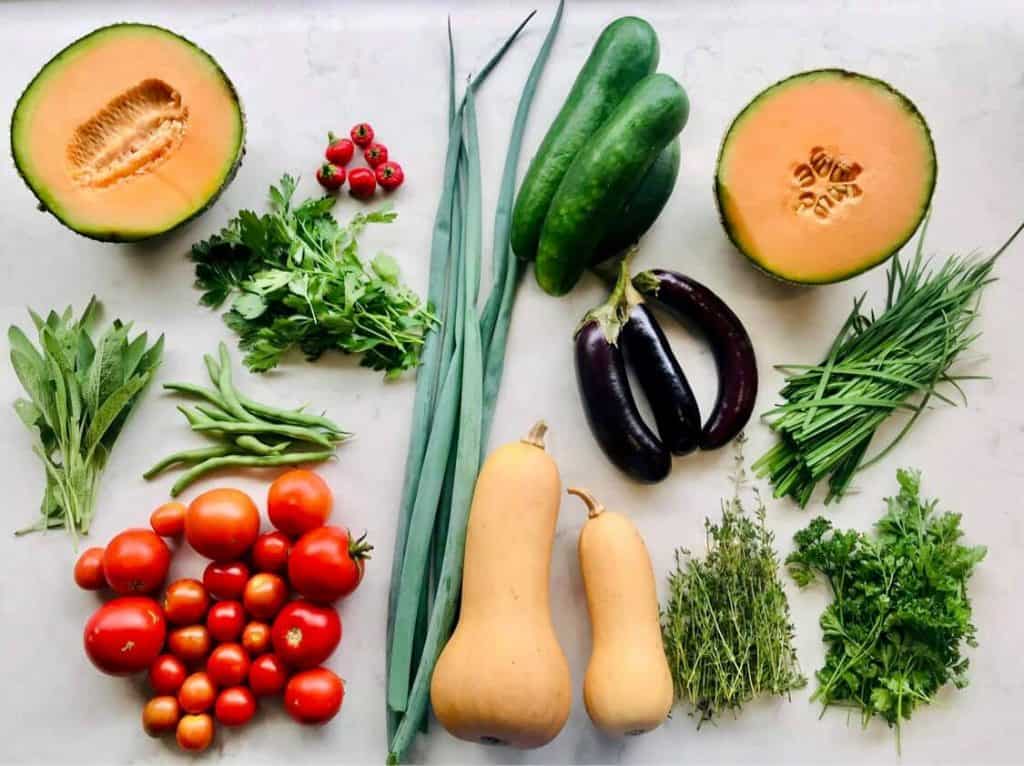
How you handle your fruits and vegetables before storing them makes a big difference in how long they’ll stay good.
It might seem like a good idea to wash everything right after coming home from the store or market, but that’s not always the best move.
Wash Just Before Use
Most produce is better off left unwashed until you're ready to eat, cook, or freeze it. Washing too early can remove the natural coating that helps protect fruits and vegetables from spoiling.
Water can also hang around in cracks and crevices, speeding up mold and rot. Unless you plan to use it right away, it's best to leave it as-is and only rinse before using.
When Washing is Recommended (Exceptions)
There are a few cases where washing first actually helps:
Leafy Greens
These can get slimy fast if left wet, but if you're planning to store them for a while, it helps to rinse, spin them dry really well, and pack them in a ziplock bag lined with a paper towel.
This keeps moisture under control and helps them last longer. For pre-packaged greens labeled “ready to eat,” you can usually skip re-washing.
Berries and Grapes
Some folks swear by a vinegar soak – one part white vinegar to three parts water – to help kill off mold spores and extend freshness.
After soaking, rinse them really well, dry them thoroughly with a clean towel, and store them in the fridge in a container lined with a paper towel.
Just keep in mind that if they’re not fully dry, they can still turn mushy or moldy, especially grapes and strawberries.
Avoid Soaps or Cleaning Products
Never use dish soap or any kind of household cleaner on produce. These aren’t meant to be eaten and can soak into softer fruits and veggies. A rinse with water is all you need.
Cut, Peeled, or Cooked Produce Needs Refrigeration
If you’ve chopped, peeled, or cooked any produce, don’t leave it sitting out. It should go in the fridge within 2 hours to keep it safe and fresh.
That goes for everything from half-used onions to sliced watermelon.
What to Store at Room Temperature
Not everything belongs in the fridge. Some fruits and vegetables actually stay fresher and taste better when kept at room temperature.
Just make sure they’re away from direct sunlight and stored in a well-ventilated spot.
Produce That Should Always Stay at Room Temperature

- Bananas: They brown faster in the fridge. Let them ripen on the counter. Once overripe, you can freeze them for smoothies or baking.
- Potatoes: Store in a cool, dry, dark spot like a cupboard or pantry. Avoid the fridge – it can mess with their texture and flavor.
- Onions: Keep them in a dry, dark place with good airflow. Don’t store them next to potatoes – they both spoil faster that way. If you use half an onion, wrap the cut side in a paper towel and store it in the fridge. It can last over a week that way.
- Garlic: Just like onions, it likes it cool and dry. A pantry or stone jar works great.
- Sweet Potatoes: Best kept in a ventilated basket or bin in the pantry, away from light.
- Pineapple: Leave it out until ripe. Once ripe, you can refrigerate it if needed.
- Fresh Basil: Basil hates the cold – the leaves turn black in the fridge. Keep it in a jar of water like flowers, loosely covered with a plastic bag.
- Citrus Fruits: Lemons, limes, and oranges are fine on the counter for about a week. For longer storage, put them in the fridge.
- Other Fruits That Do Fine at Room Temp:
Mangoes, melons, papayas, persimmons, plantains, and pomegranates. Store them on the counter until ripe or ready to eat. - Other Fruits That Do Fine at Room Temp:
Mangoes, melons, papayas, persimmons, plantains, and pomegranates. Store them on the counter until ripe or ready to eat. - Cucumbers, Eggplant, Peppers: These are a bit tricky. They’re fine at room temperature if you’re going to eat them within a couple of days. Otherwise, store in the fridge short-term.
Produce That Should Ripen at Room Temperature, Then Be Refrigerated
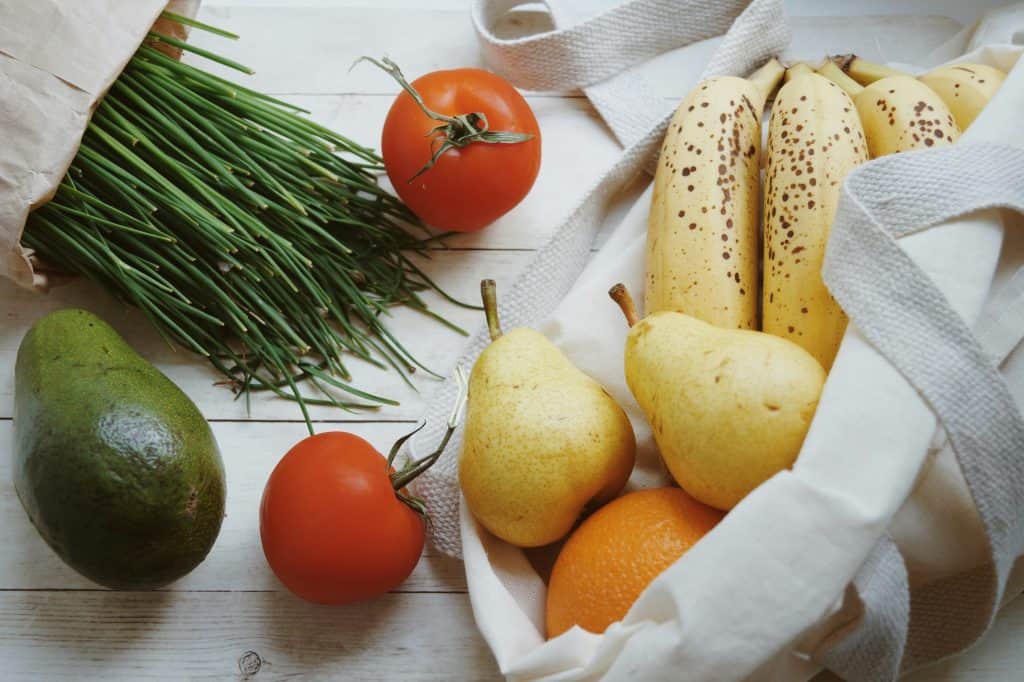
Some fruits and veggies need a little time out on the counter to ripen before they head to the fridge.
- Avocados: Let them soften on the counter. Once ripe, you can store them in the fridge – even for weeks – if they’re whole and kept in a sealed container covered with water.
- Tomatoes: Store unripe ones at room temperature to help them ripen evenly. If they’re fully ripe and you’re not using them right away, the fridge can slow down spoilage – just bring them back to room temp before eating for better flavor.
Chilled tomatoes lose their texture, so they’re better used for cooking. - Kiwis, Pears, Plums, Plumcots, Peaches: Let them ripen out of the fridge. Once they give slightly to pressure, move them to the fridge to make them last a bit longer.
- Melons, Papayas, Mangoes: Let them ripen first, then store in the fridge if you need to.
- Rutabaga and Winter Squash (like butternut or acorn squash): These keep just fine in a cool, dry pantry until you’re ready to use them.
What to Store in the Refrigerator
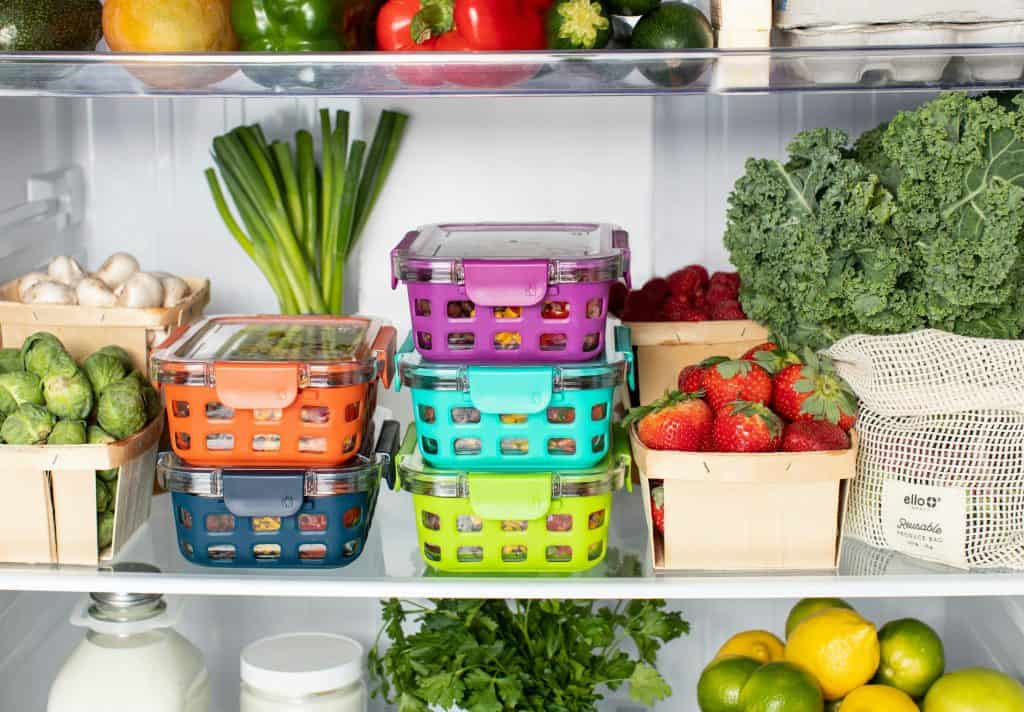
Some fruits and vegetables just do better in the fridge, especially if you want them to last more than a few days.
Keeping them in the right part of the fridge – and storing them properly – helps cut down on waste and keeps things tasting how they should.
How to Organize Your Fridge for Produce
Use the crisper drawers in your fridge the way they were designed:
- Vegetables go in the high humidity drawer (usually labeled as such).
- Fruits go in the low humidity drawer.
Keep fruits and vegetables in separate drawers if you can. Some fruits give off ethylene gas, which can make nearby vegetables spoil faster.
Vegetables That Benefit From Refrigeration
- Celery: Wrap the whole bunch in foil to help it last longer. If it’s already cut and washed, store it in a container with water and change the water every few days. Some people also shave the root end and keep it standing in water like herbs.
- Leafy Greens: Rinse, spin dry, and pack in ziplock bags lined with paper towels. Get as much air out of the bag as possible. Change the paper towels every few days if they get damp. Keeping the greens dry is the key.
- Carrots, Beets, Radishes: Cut off their leafy tops before storing. The tops pull moisture from the roots, making them go soft faster.
- Mushrooms: A paper bag works best – it absorbs excess moisture and keeps them from turning slimy.
- Asparagus: Stand the spears upright in a jar with a little water at the bottom, or wrap the ends in a damp towel before putting them in the crisper.
- Herbs (except basil):
- For things like parsley and cilantro, trim the ends and store in a jar of water in the fridge.
- You can also wrap them in a damp paper towel and tuck them into a bag or container.
- Spring onions can last for weeks if you wrap both the tips and root ends in damp paper towels and store in a bag.
- Other Common Veggies to Refrigerate:
Broccoli, Brussels sprouts, cabbage, cauliflower, celery, corn, cucumbers, eggplant, green beans, green onions, leeks, parsnips, peas, peppers, summer squash.
Fruits That Should Be Refrigerated
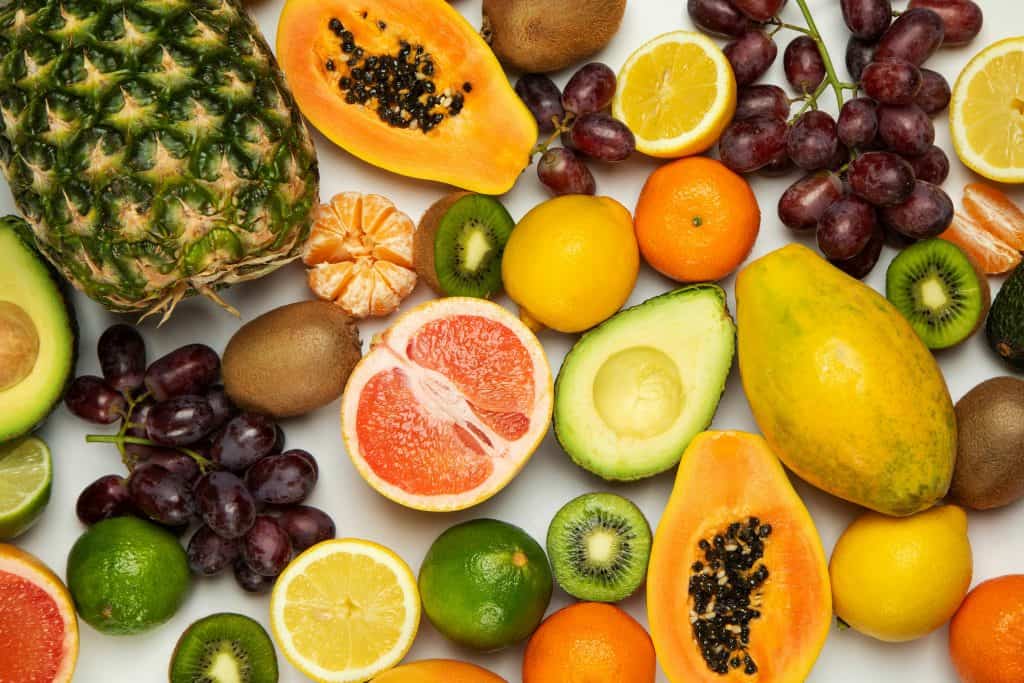
- Apples: They’ll last longer in a well-ventilated bag in the crisper. Good idea if you're storing them for more than a week.
- Berries and Grapes:
- After a vinegar soak and thorough drying (if you choose to do that), store in a container with a paper towel to absorb extra moisture.
- Some folks prefer to skip the vinegar soak and just wash them right before eating.
- Don't leave grapes or strawberries on the counter – they spoil quickly without the cold.
- Apricots, Nectarines, Cranberries, Blueberries, Strawberries: Once they’ve ripened a bit at room temperature, move them into the fridge to help them last longer.
How to Freeze Fruits and Vegetables for Long-Term Storage
Freezing is a great way to make produce last a lot longer – sometimes up to a year.
It also comes in handy when you’ve got more than you can use right away or you want to stock up on sale items. But not everything freezes well, and how you prep it matters.
Freezing Vegetables
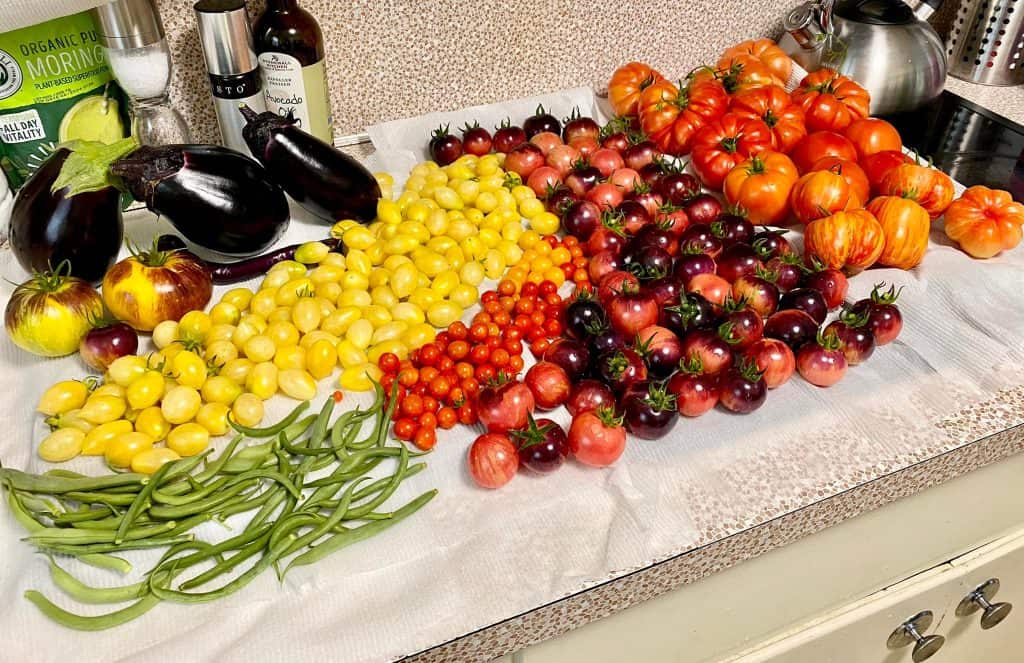
Most vegetables need to be blanched before freezing. That means boiling them for a short time, then cooling them quickly in ice water.
It helps lock in color, texture, and nutrients while slowing down spoilage.
What to Blanch and Freeze:
Broccoli, Brussels sprouts, squash, zucchini, green beans, peas, corn, onions (chopped), and similar vegetables all freeze well after blanching.
What Not to Freeze:
Lettuce, cucumbers, and other watery veggies don’t hold up well in the freezer. They usually come out limp and mushy.
Use What You Have:
If you’ve got extra onions or chopped vegetables that won’t get used in time, freeze them in bags or containers and toss them into soups, stews, or stir-fries later.
Don’t Toss the Scraps:
Keep veggie peels, ends, and trimmings in a freezer bag. Once you’ve saved enough, use them to make a homemade vegetable broth.
Freezing Fruits
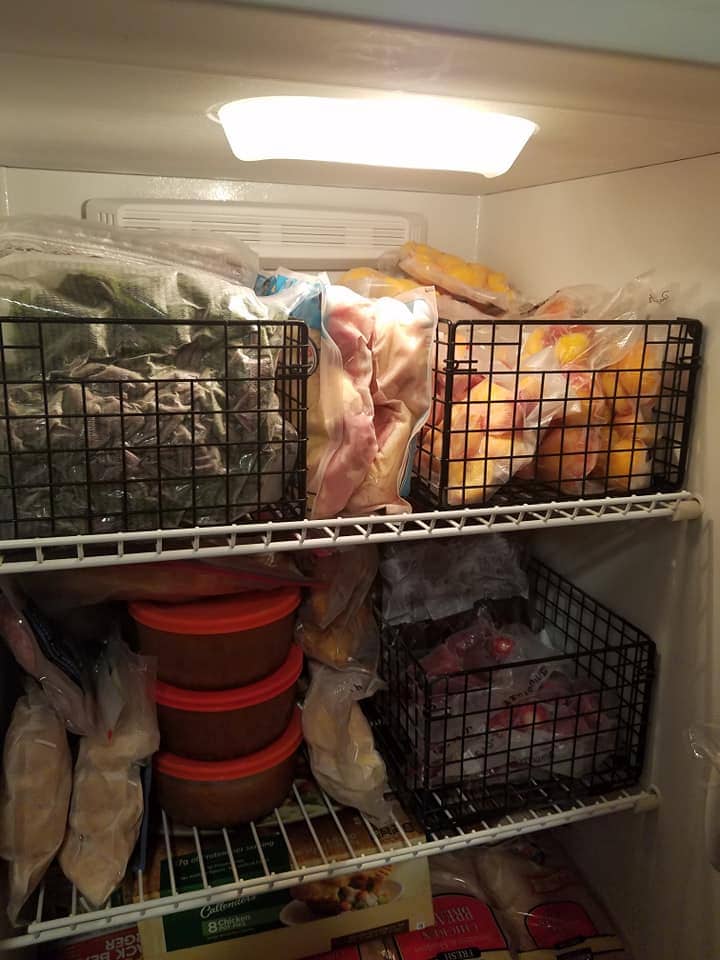
Fruit is easier to freeze than vegetables – no blanching needed.
Freeze Whole or Sliced: It depends on how you plan to use them. If you’re freezing for smoothies, muffins, or baked goods, slicing them first can save time later.
Fruits That Freeze Well: Berries, bananas, cherries, peaches, and plums all hold up nicely. Spread them out on a baking sheet first so they don’t clump together, then transfer them to a freezer-safe bag or container.
Quick Tips: Overripe bananas can go straight into the freezer (peeled or unpeeled). Grapes can be frozen right away for a quick snack – kind of like little fruit popsicles.
Ways to Use Frozen Fruit: Add to smoothies, stir into yogurt, bake into muffins or cobblers, or eat as-is when you want something cold.
Other Freezing Tips
Ginger: Ginger root freezes really well. You can freeze it whole and grate what you need straight from frozen.
Another option: peel it, place it in a jar, and cover it with dry sherry. Keep that in the fridge – it lasts a long time and keeps its flavor. Bonus: the sherry can be used in stir-fries or braised dishes.
Dealing With Fruit Flies
Fruit flies are a common kitchen problem, especially when there’s ripe produce on the counter or moisture in the sink.
They show up fast and can be hard to get rid of, but there are a few simple ways to keep them under control.
Homemade Traps That Work
- Apple cider vinegar trap: Mix equal parts apple cider vinegar and water in a small jar or glass. Add a drop of dish soap. You can cover the top with plastic wrap and poke small holes, or leave it open if using a wide-mouth jar.
- Red wine vinegar trap: Use two parts red wine vinegar to one part water with a drop of dish soap. No plastic wrap needed – flies often fall in quickly.
- Boost the trap: Add a pinch of sugar to either vinegar trap to make it more appealing. Change traps every two to three days if the flies are bad.
Other Trap Options
- Sticky traps: Yellow dual-sided sticky traps can be taped inside a cabinet or behind a fruit bowl. When full, you can peel off the outer layer or cover with kitchen paper and uncover the next clean side.
- Fly paper: Hang a roll in an out-of-the-way spot in the kitchen. Not pretty, but it works.
- Sugar water jar: A jar with a little sugar water can attract fruit flies, especially when placed near ripe fruit.
Drain Maintenance
- Ammonia treatment: If fruit flies keep showing up and there’s no produce left out, they may be breeding in the sink drain. Pour ammonia down the drain at night and cover the opening. Leave it covered for several hours or overnight, then rinse with hot water. Repeat for a few days if needed.
- Clean other drains too: If you see flies in the bathroom or other rooms, treat those drains the same way.
Keep the Sink Clean
Wipe down the sink regularly and rinse all food scraps far down the drain. Even small bits of food or sticky juice left in the sink can attract fruit flies.
Put These Storage Habits to Work and Make Your Produce Last Longer
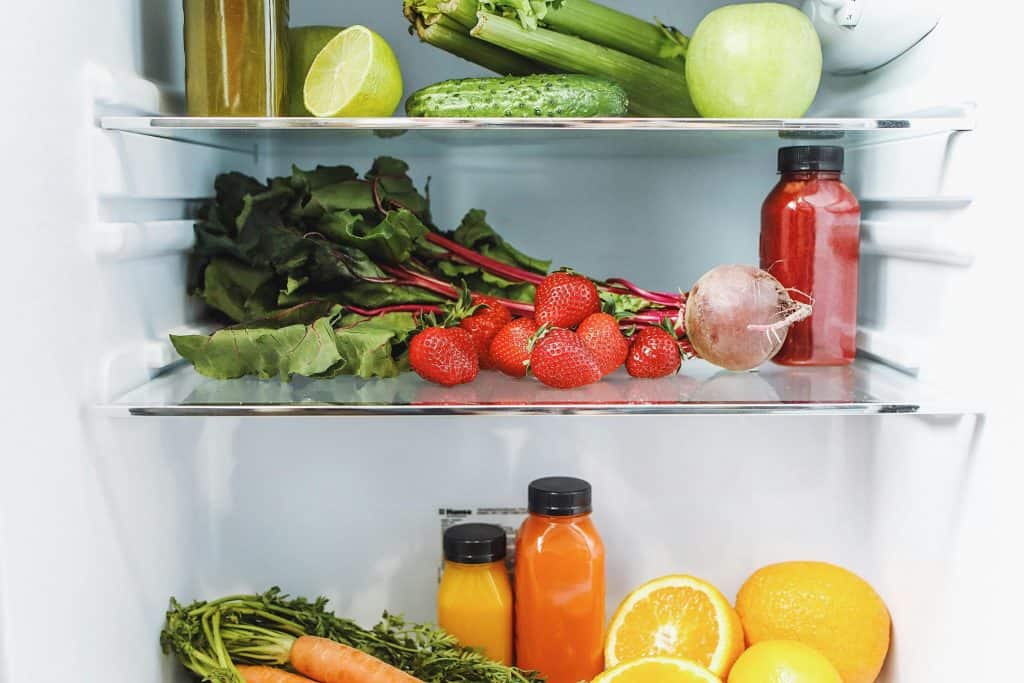
Storing fruits and vegetables the right way doesn’t take fancy equipment or a lot of time – just a little know-how and a few small habits.
Don’t wash produce too early unless it’s one of the exceptions. Know what belongs on the counter and what needs the fridge.
Use your freezer when you’ve got more than you can eat, and stay ahead of fruit flies before they become a problem.
Making these changes in your kitchen can help your produce stay fresher, cut down on waste, and stretch your grocery money a bit further. Once you get used to it, it becomes second nature.
FAQs
Should I refrigerate tomatoes or leave them out?
Unripe tomatoes should stay at room temperature until they’re fully ripe. Once ripe, you can refrigerate them if you’re not using them right away. Just let them come back to room temp before eating for the best flavor.
Is the vinegar soak safe for all types of berries?
It’s safe for most berries, but it works best for firmer ones like blueberries or raspberries. Softer fruits like strawberries can turn mushy if they aren’t dried completely. Always rinse and dry thoroughly after the soak.
What’s the best way to store herbs long-term?
For most herbs (except basil), trim the ends and place them in a jar with water in the fridge, like a bouquet. Cover loosely and change the water every few days. You can also wrap them in damp paper towels and keep them in a container.
Can I freeze vegetables without blanching?
You can freeze some chopped vegetables without blanching if you’re using them soon for cooking. But for longer storage, blanching is best – it helps preserve texture, flavor, and color.
Why do fruit flies keep coming back even if my counters are clean?
They might be coming from your drains. Fruit flies can breed in the gunk inside pipes. Try treating your kitchen and bathroom drains with ammonia at night and rinse with hot water the next morning for a few days.
Ready To Transform Your Garden?

Are you looking for the best way to layout your garden beds? Maybe you're feeling a bit stuck on how to make the most of your space?
We’ve got you covered! Check out our 101+ Garden Bed Layout Ideas for your next raised bed project. This guide is filled with creative and practical ideas that can help you design a garden that fits your style, whether you’re just starting out or have been gardening for years.
Get your copy today and get inspired to bring your gardening dreams to life.