
Your front yard is the first thing visitors, neighbors, and potential buyers notice about your home.
A thoughtfully designed landscape doesn’t just make your property look beautiful – it also creates a welcoming atmosphere and significantly boosts curb appeal.
The good news is making a big impression doesn’t always require a massive renovation. Often, a few strategic landscaping improvements can completely transform how your home looks from the street.
In this article, you’ll discover 12 front yard landscaping ideas that instantly elevate your home’s exterior, along with practical tips for design, maintenance, and long-term success.
12 Front Yard Landscaping Ideas That Make a Big First Impression
Here are some front yard landscaping ideas that can instantly boost your curb appeal.
1. Define Garden Beds with Crisp Edging
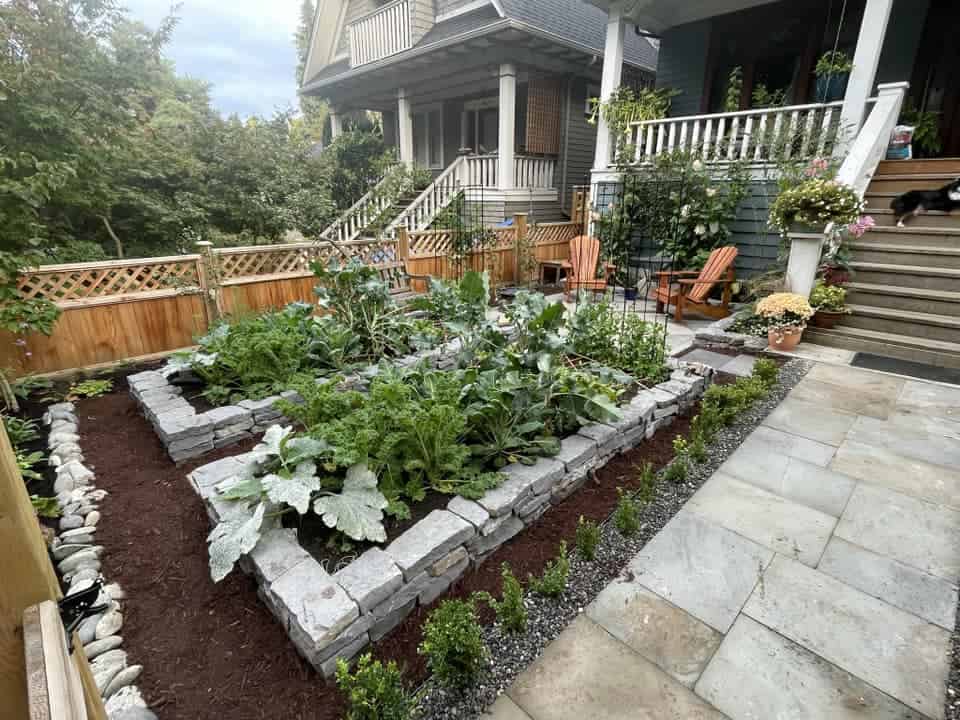
One of the fastest ways to make your front yard look polished is by adding clean edging around garden beds.
Edging creates clear boundaries between your lawn and planting areas, giving the landscape a neat and intentional appearance.
You can use materials like metal, brick, stone, or plastic edging depending on your preferred style and budget. Pair the edging with fresh mulch to instantly refresh the entire yard.
This simple improvement can dramatically elevate your curb appeal with minimal effort.
2. Refresh Foundation Plantings
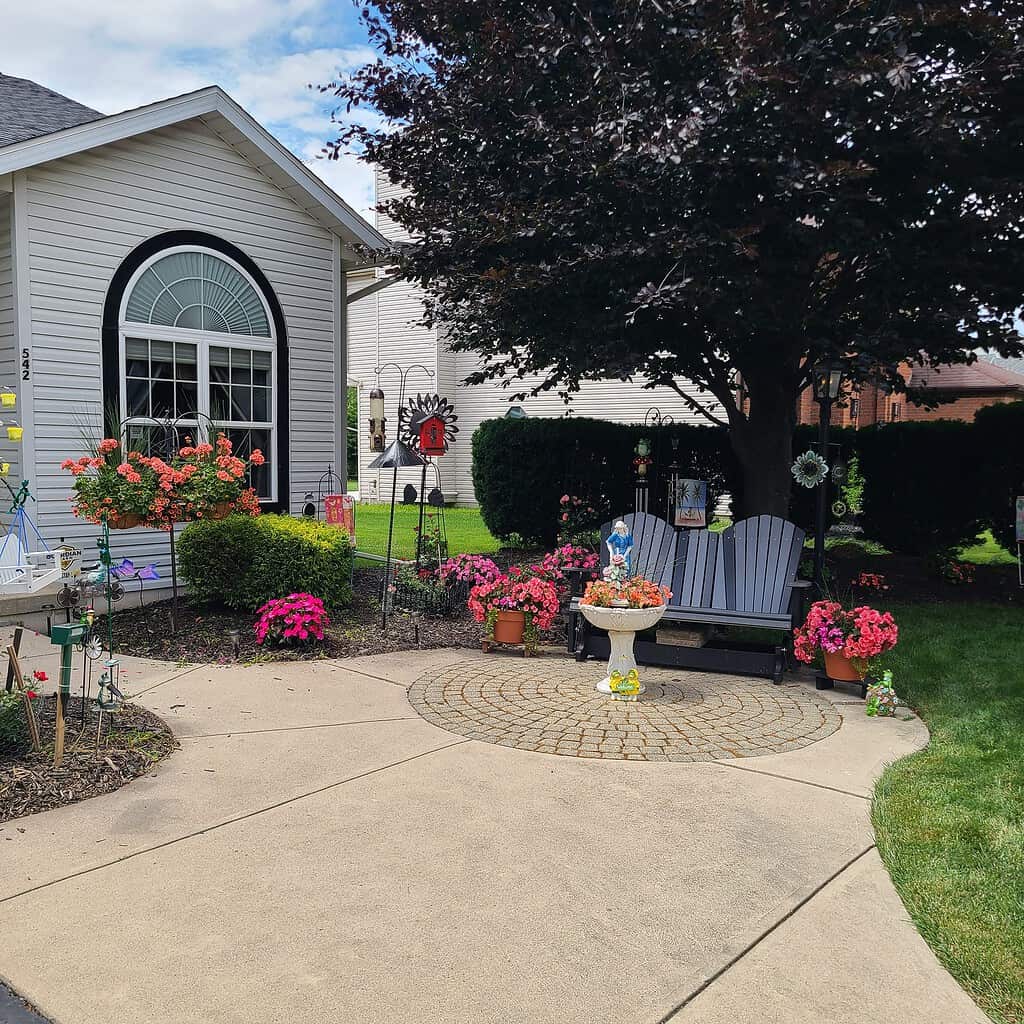
Foundation plantings are shrubs, flowers, and plants placed along the base of your home. When designed properly, they soften the architecture and add visual interest.
Consider layering plants by height:
- Tall shrubs or small trees at the back
- Medium flowering plants in the middle
- Low groundcovers in the front
This layered approach creates depth and makes the front of your home feel more vibrant and inviting.
If you’re looking for more ways to decorate the entry area, our guide to front porch planters shares simple ideas for styling containers that complement your landscaping.
3. Install a Welcoming Walkway
A clearly defined walkway naturally guides visitors toward your front door while enhancing the structure of your landscape.
Popular walkway materials include:
- Concrete pavers
- Natural stone
- Brick
- Gravel pathways
Curved walkways tend to feel more organic, while straight paths offer a clean and modern look. Either option can dramatically improve the visual flow of your yard.
4. Add a Focal-Point Tree
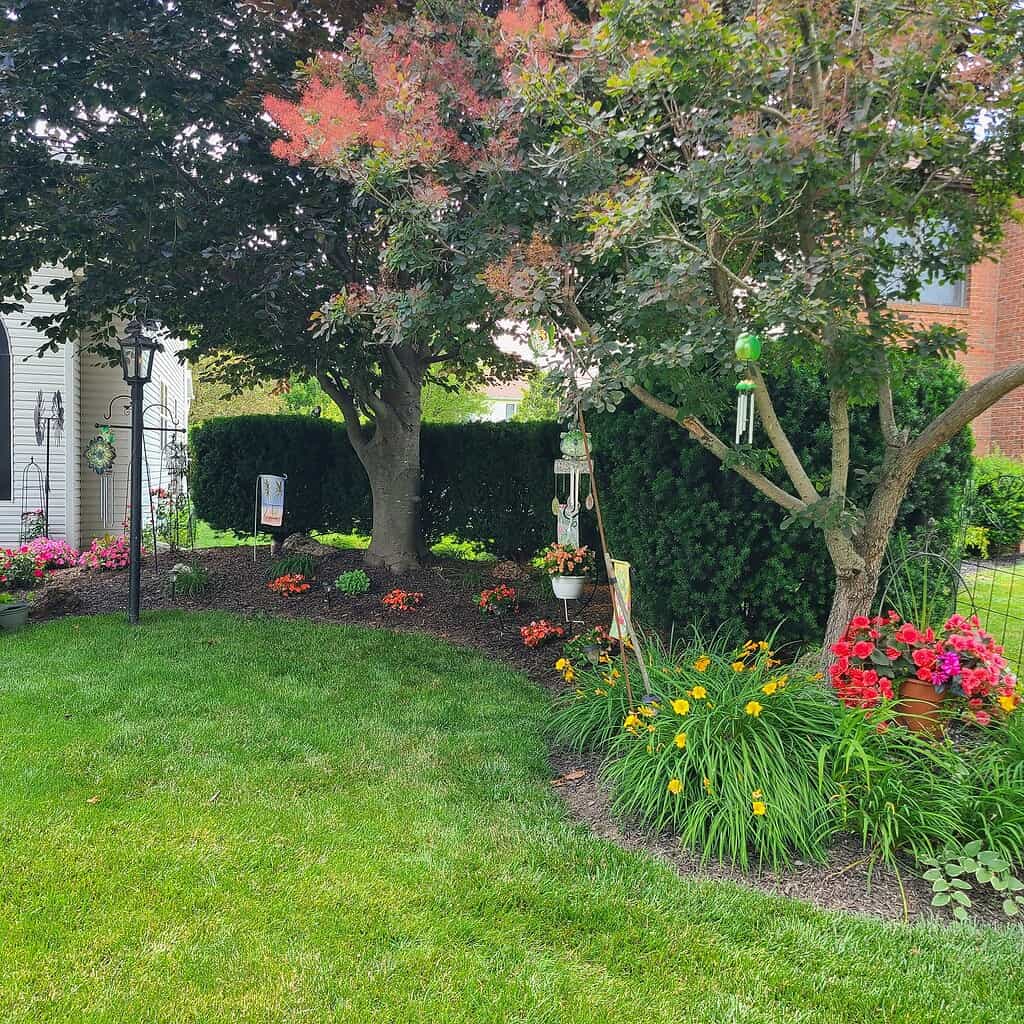
A carefully placed ornamental tree can become the centerpiece of your front yard design.
Small to medium trees such as:
- Japanese maple
- Dogwood
- Magnolia
- Flowering cherry
can provide seasonal color, shade, and structure.
When selecting a tree, always consider its mature size to ensure it won’t overcrowd your yard or block windows in the future.
You may also find inspiration in our ideas for landscaping around trees, where we share creative ways to design planting beds and groundcovers beneath established trees.
5. Create a Pollinator-Friendly Garden
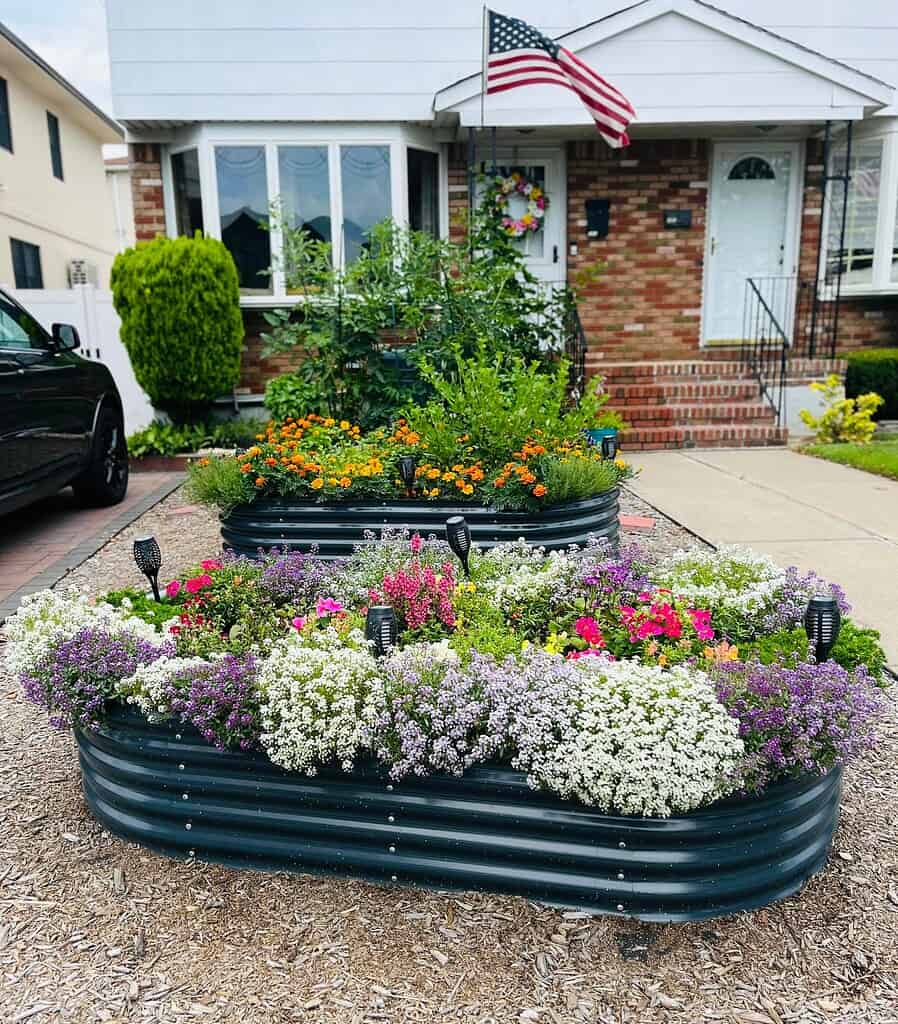
Pollinator gardens are growing in popularity because they add beauty while supporting local ecosystems.
Planting flowers that attract bees, butterflies, and birds can make your front yard feel lively and colorful. Popular pollinator-friendly plants include:
- Lavender
- Coneflowers
- Black-eyed Susans
- Salvia
Grouping flowers in clusters rather than scattering them individually helps pollinators locate them more easily.
If you’d like a step-by-step approach, our guide on how to make a pollinator garden walks through plant selection, layout ideas, and beginner-friendly tips.
6. Replace Patchy Lawn with Fresh Sod
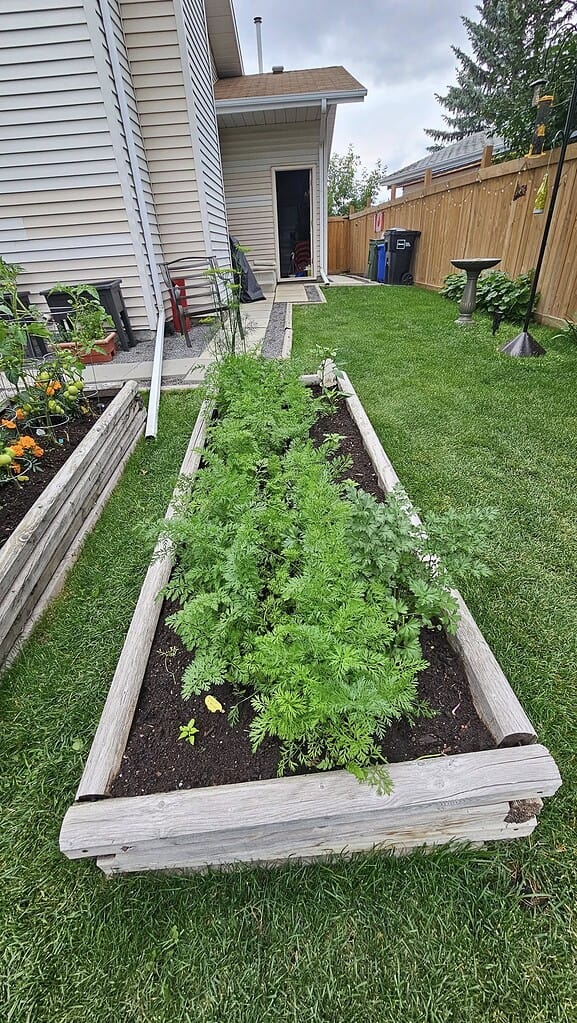
A worn-out lawn can make even the nicest home look neglected.
Installing new sod provides an instant transformation, creating a lush and uniform lawn that dramatically improves curb appeal.
For homeowners who want a lower-maintenance option, consider mixing grass with clover or drought-resistant varieties to reduce watering and fertilizer needs.
7. Build a Rain Garden
Rain gardens are shallow planted areas designed to capture and absorb runoff from roofs and driveways.
They help prevent drainage problems while adding an attractive landscape feature. Native plants are typically used in rain gardens because they tolerate both wet and dry conditions.
This eco-friendly landscaping feature can improve your yard’s sustainability while enhancing its visual appeal.
8. Use Gravel for Budget-Friendly Paths
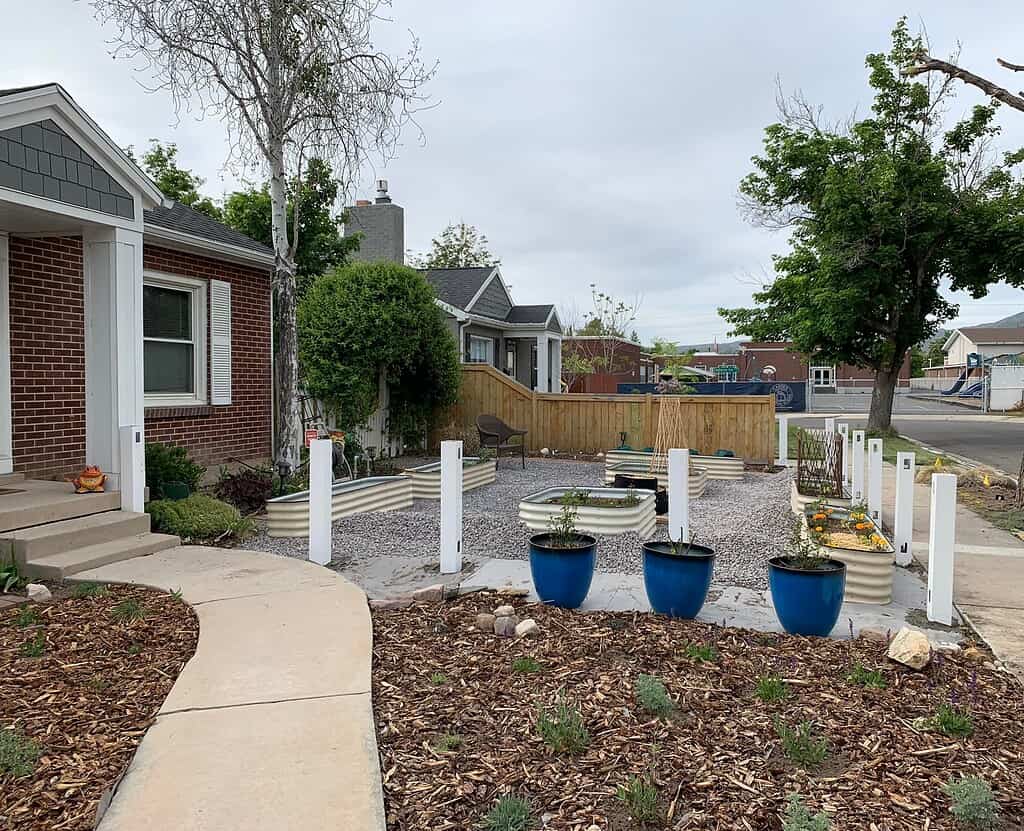
Gravel is a cost-effective landscaping material that can create stylish paths, borders, or accent areas.
It works especially well for:
- Side yard pathways
- Mailbox landscaping
- Small front yard sections
When installed with proper edging and a base layer, gravel paths can look clean and modern while requiring minimal maintenance.
For more creative ways to use stone in the landscape, explore our easy rock garden ideas, which show how rocks and drought-tolerant plants can create beautiful low-maintenance spaces.
9. Install Landscape Lighting
Outdoor lighting instantly makes a home feel more inviting and secure.
Strategically placed lights can highlight important features such as:
- Walkways
- Trees
- Architectural elements
- Garden beds
Low-voltage LED landscape lighting is energy-efficient and relatively easy to install, making it one of the best upgrades for evening curb appeal.
10. Upgrade Your Mailbox Area
Your mailbox may seem like a small detail, but it can become a charming focal point.
Consider upgrading to:
- A stone or brick mailbox post
- Decorative house numbers
- A small flower bed around the base
This mini landscape feature adds personality and creates a polished look along the street.
11. Add a Retaining Wall for Structure
If your front yard sits on a slope, a retaining wall can dramatically improve both functionality and aesthetics.
Short retaining walls help:
- Prevent erosion
- Create level planting areas
- Add architectural interest
Materials like natural stone, brick, or concrete blocks can give your landscape a structured and upscale appearance.
12. Install Drip Irrigation for Easy Maintenance
A beautiful yard requires consistent watering, but manual watering can quickly become a chore.
Drip irrigation systems deliver water directly to plant roots, reducing water waste and keeping plants healthier.
This upgrade is especially helpful for flower beds, foundation plantings, and pollinator gardens.
Choosing the Right Plants for Your Climate
Plant selection plays a major role in long-term landscaping success.
The most effective approach is choosing plants suited to your local climate and soil conditions. Native plants are often ideal because they naturally adapt to regional weather patterns and require less maintenance.
When planning a front yard garden, try to incorporate plants that provide year-round interest, such as:
- Evergreen shrubs for winter structure
- Flowering plants for spring and summer color
- Ornamental grasses for fall texture
This combination ensures your front yard remains visually appealing throughout the seasons.
Hardscaping Elements That Transform Front Yards
Hardscaping refers to the non-plant features of your landscape, such as pathways, retaining walls, patios, and decorative stone.
These elements provide structure and contrast that plants alone cannot achieve.
Some of the most effective hardscaping improvements include:
- Paver walkways
- Stone borders
- Decorative gravel areas
- Retaining walls
When thoughtfully integrated, hardscaping can make even a small yard feel organized and professionally designed.
Smart Lighting for Safety and Beauty
Lighting plays a critical role in how your home looks at night.
A well-lit front yard improves safety while enhancing your landscape’s best features. Path lights help guide visitors safely, while uplights can highlight trees or architectural details.
Using timers or motion sensors ensures lights operate efficiently without wasting energy.
Even a few carefully placed fixtures can dramatically improve your home's nighttime appearance.
Budget-Friendly Landscaping Tips
Improving your front yard doesn’t have to break the bank.
If you’re working with a limited budget, prioritize upgrades that provide the most visual impact, such as:
- Fresh mulch
- Garden bed edging
- Simple lighting
- A new walkway
You can also complete projects gradually over time. Starting with foundational improvements and adding decorative features later makes landscaping more affordable and manageable.
For homeowners who want to expand their outdoor space even further, our backyard garden shed ideas share creative ways to add both storage and charm to your landscape.
Start Transforming Your Front Yard Today
Creating a stunning front yard doesn’t require a full redesign overnight. Often, one or two well-chosen improvements can completely transform your home’s curb appeal.
Start small by refreshing garden beds, installing lighting, or adding a focal-point tree. As your landscape evolves, you can build on those upgrades to create a cohesive and inviting outdoor space.
Which of these front yard landscaping ideas would you love to try at your home?
Let us know in the comments below – we’d love to hear your ideas and see how you’re transforming your front yard!
FAQs
How can I landscape a small front yard effectively?
Focus on vertical elements and clean design
In small spaces, simplicity works best. Use a limited number of plants, incorporate vertical features like ornamental trees or trellises, and maintain clean edges to make the space appear larger and more organized.
What is the easiest low-maintenance front yard landscaping idea?
Native plants and mulch beds
Native plants require less watering and care because they’re adapted to local conditions. Pairing them with mulch beds instead of large lawns reduces maintenance significantly.
How often should front yard landscaping be updated?
Minor updates annually and larger upgrades every few years
Refreshing mulch, pruning plants, and replacing seasonal flowers once or twice a year keeps the landscape looking fresh. Larger changes such as redesigning beds or installing hardscaping may occur every 5–10 years.
How can I make my front yard look more expensive?
Focus on structure and symmetry
Clean walkways, matching plants, defined borders, and well-placed lighting create a polished look that makes a home appear more upscale without requiring expensive materials.
When is the best time to start landscaping projects?
Spring and early fall are ideal
These seasons provide moderate temperatures that help plants establish strong root systems. Hardscaping projects, however, can typically be completed during most parts of the year depending on weather conditions.