
A vibrant yard rarely happens by accident. The secret behind most beautiful landscapes is choosing the right structural plants, and flowering trees are among the most impactful.
Unlike seasonal flower beds that need constant attention, flowering trees create dramatic seasonal color, shade, and structure while often requiring far less maintenance once established.
A single well-placed tree can transform a plain yard into a space that feels alive in spring, welcoming in summer, and visually interesting year-round.
Whether you have a spacious homestead or a compact backyard, the right flowering tree can add beauty, support pollinators, and increase the value of your property.
In this article, you'll discover 10 stunning flowering trees that can bring your yard to life, along with practical tips to help you choose the best one for your space.
10 Beautiful Flowering Trees for a Vibrant Yard
Below are some of the most beautiful flowering trees you can plant to bring color, fragrance, and seasonal charm to your yard.
1. Eastern Redbud (Cercis canadensis)
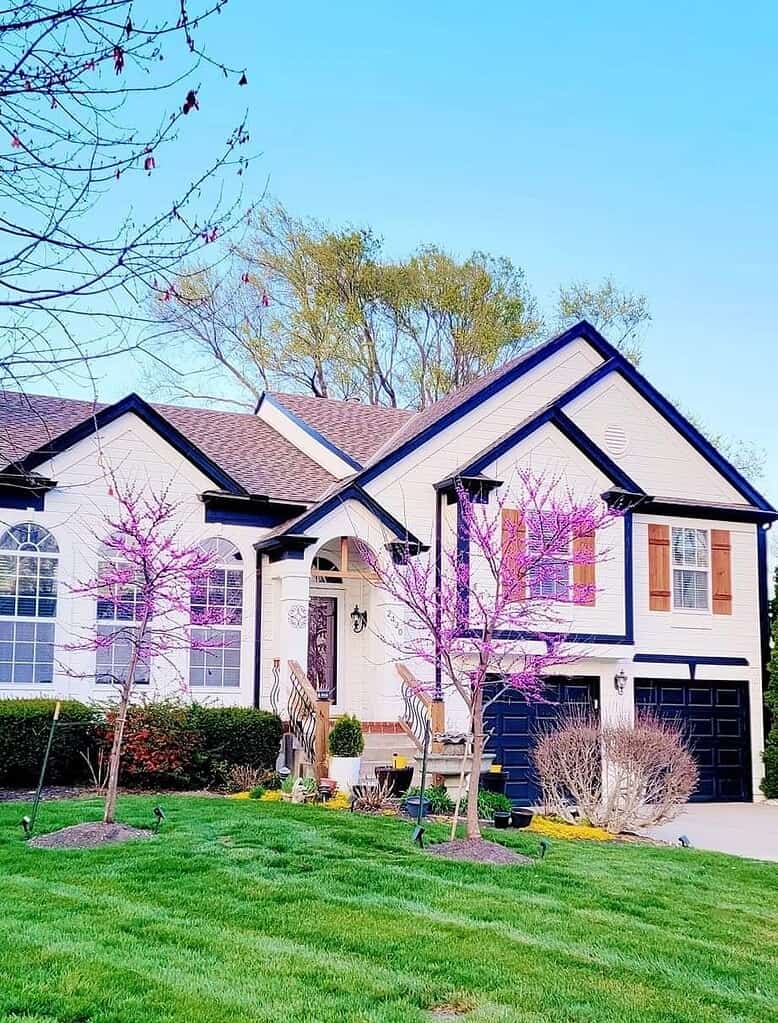
Eastern redbud is one of the most beloved spring-blooming trees thanks to its vibrant pink-to-rose purple flowers that appear directly on bare branches before the leaves emerge.
This small ornamental tree is often cited for USDA Zones 4–8, though some cultivars perform well in slightly warmer climates. It typically grows 20–30 feet tall with a spread of about 25–35 feet, making it an excellent choice for medium-sized landscapes.
Redbuds grow well in full sun to partial shade and prefer well-drained soil with consistent moisture. Avoid planting them in poorly drained areas where water tends to collect.
Landscape uses
- Specimen tree for front yards
- Understory planting beneath taller shade trees
- Pollinator gardens
- Small group plantings for dramatic spring color
Trees like redbud also work beautifully in spaces designed to support wildlife. If you enjoy seeing bees, butterflies, and other beneficial insects in your yard, they can be a great addition to a pollinator-friendly landscape.
For inspiration, this guide on how to make a pollinator garden that supports local wildlife walks through simple ways to design one.
Pros
- Stunning early-season blooms
- Moderate size suitable for many yards
- Supports pollinators
Cons
- Susceptible to canker disease in stressful conditions
- Branches may break in exposed windy locations
Planting tip: Plant redbuds when they are young and choose the planting site carefully. Once established, they are known for not transplanting well.
2. Flowering Dogwood (Cornus florida)
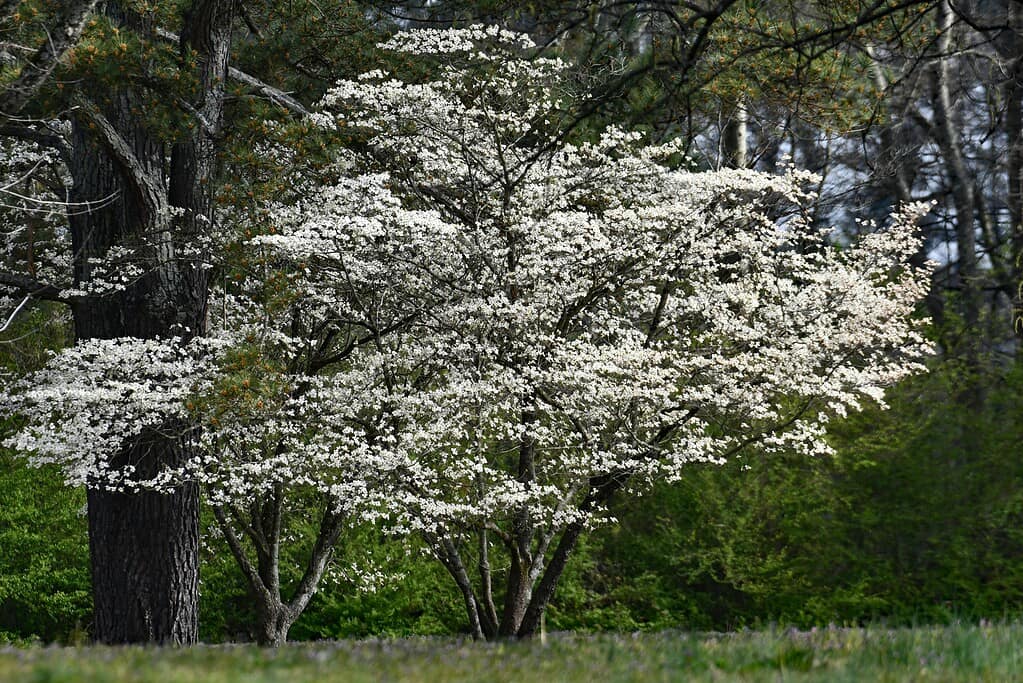
Flowering dogwood is one of the most iconic ornamental trees in North American landscapes. In spring, the tree produces elegant white bracts that look like large petals, though pink varieties are also available.
Dogwoods typically grow 15–30 feet tall and wide, depending on the cultivar and growing conditions. They perform best in USDA Zones 5–9, especially in protected locations.
This tree thrives in partial shade and moist, well-drained soil with slightly acidic conditions. It does not tolerate hot, dry sites, poor drainage, or heavy air pollution very well.
Landscape uses
- Woodland garden edges
- Patio accent trees
- Bird-friendly native gardens
- Shaded ornamental beds
Pros
- Stunning spring blooms
- Beautiful fall foliage
- Produces berries that birds love
Cons
- Can be disease-prone if stressed
- Struggles in hot, dry full-sun conditions
Planting tip: Because dogwoods have fleshy roots, they are often best planted or transplanted in early spring.
3. Shadblow Serviceberry (Amelanchier species)
Serviceberry is a versatile small tree that offers beauty in every season. It produces clusters of delicate white flowers in early spring, often before the leaves fully emerge.
This tree typically grows 15–30 feet tall, depending on the species or cultivar. It performs well in USDA Zones 4–8 and adapts to a variety of growing conditions.
Serviceberries grow well in full sun to partial shade and prefer moist but well-drained soil. Some varieties tolerate clay soils and appreciate light afternoon shade in warmer climates.
Landscape uses
- Small yard specimen tree
- Edible landscaping
- Naturalized woodland gardens
- Rain garden edges
Pros
- Multi-season interest
- Edible berries similar to blueberries
- Excellent wildlife value
Cons
- Minor leaf spot or rust may appear occasionally
- Some types struggle in harsh urban environments
Planting tip: Choose a location with good drainage but consistent moisture - serviceberries thrive in soil that is moist but not soggy.
4. Flowering Crabapple (Malus species)

Flowering crabapples are known for their spectacular spring blooms and ornamental fruit that often lasts into fall or winter.
Depending on the cultivar, crabapples can grow anywhere from 6–25 feet tall with spreads of 4–20 feet. Many varieties grow well in USDA Zones 3–7.
These trees prefer full sun and slightly acidic, well-drained soil.
Landscape uses
- Small yard ornamental tree
- Patio or street tree
- Wildlife-friendly gardens
- Flowering screens or mass plantings
Pros
- Stunning spring flowers
- Decorative fruit for wildlife
- Wide variety of sizes and colors
Cons
- Older cultivars may be susceptible to diseases like apple scab and fire blight
Planting tip: If fallen fruit is a concern, choose cultivars that produce small fruits that persist on the tree instead of dropping.
5. Star Magnolia (Magnolia stellata)
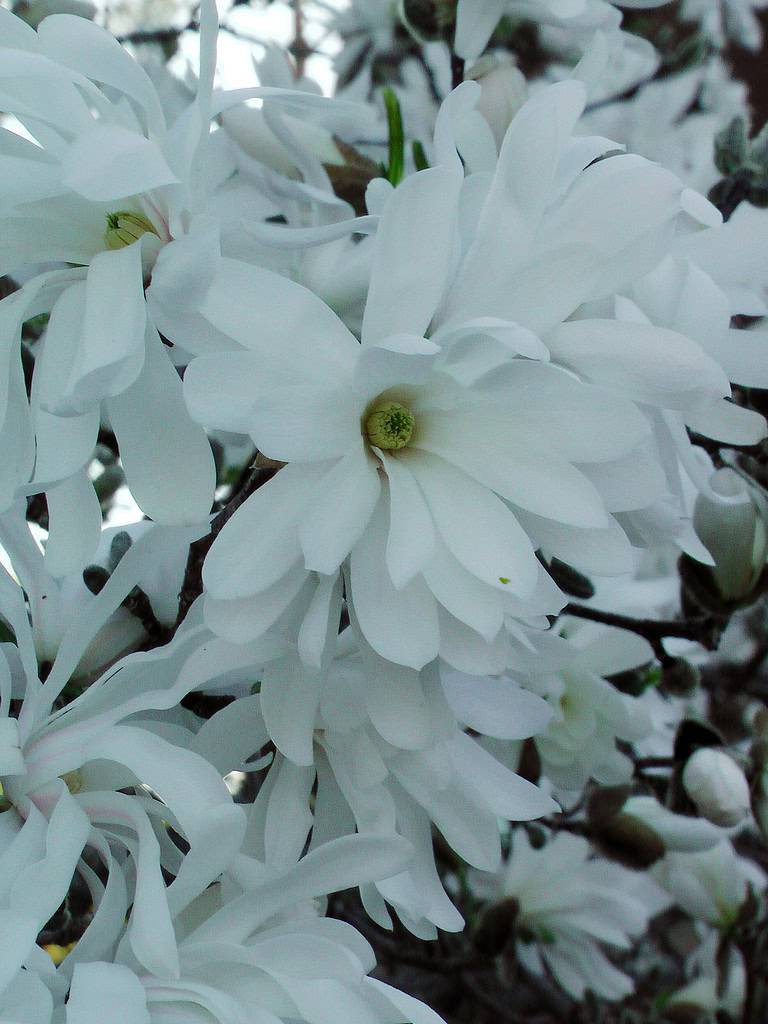
Star magnolia is a compact flowering tree prized for its elegant star-shaped white blossoms that appear in late winter or early spring.
It typically grows 15–20 feet tall with a spread of 10–15 feet, making it one of the best flowering trees for small yards.
This tree thrives in USDA Zones 4–8 and prefers moist, organically rich soil with good drainage. Full sun encourages the best flowering.
Landscape uses
- Front yard focal tree
- Patio accent tree
- Small garden centerpiece
Pros
- Compact size
- Fragrant flowers
- Low maintenance
Cons
- Early blooms may be damaged by late frosts
Planting tip: Avoid planting star magnolia on warm southern exposures, where early warming may trigger buds to open too soon.
6. Japanese Tree Lilac (Syringa reticulata)
Japanese tree lilac blooms later than most flowering trees, producing creamy white flower clusters in early summer.
It usually grows 20–30 feet tall with a 15–25 foot spread and performs best in USDA Zones 4–7.
This tree thrives in full sun and tolerates urban conditions better than many ornamental trees.
Landscape uses
- Patio shade tree
- Late-season flowering accent
- Urban landscapes
Pros
- Blooms after most spring trees fade
- Durable and adaptable
- Attractive bark
Cons
- Fragrance can be polarizing
Planting tip: Provide good airflow and spacing to promote healthier foliage and flowering.
7. Crape Myrtle (Lagerstroemia indica)

Crape myrtle is famous for its long-lasting summer blooms that appear from mid-summer through early fall.
Depending on the cultivar, these trees range from small shrubs to trees reaching 20–30 feet tall.
They thrive in USDA Zones 6–9 and require full sun for best flowering.
Landscape uses
- Pollinator gardens
- Street trees
- Accent trees for sunny landscapes
Pros
- Long blooming season
- Attractive bark
- Drought tolerant once established
Cons
- Flower litter can stain hard surfaces
- Susceptible to powdery mildew or scale
Planting tip: Choose the right mature size first, then pick the flower color.
8. Fringetree (Chionanthus virginicus)

Fringetree is a unique native ornamental tree known for its delicate fringe-like white flowers that appear in late spring.
It usually grows 12–20 feet tall and wide and adapts well to USDA Zones 3–9.
The tree grows best in full sun to partial shade with moist, well-drained soil.
Landscape uses
- Native plant gardens
- Wildlife landscapes
- Specimen tree against dark backdrops
Pros
- Unique flower appearance
- Low maintenance
- Supports birds
Cons
- Can struggle in prolonged drought
Planting tip: Fringetrees can be male or female, so check with your nursery if you want fruit production for birds.
9. American Yellowwood (Cladrastis kentukea)
American yellowwood is a graceful shade tree with fragrant white flower clusters that resemble wisteria.
It grows 30–50 feet tall and up to 55 feet wide, making it better suited for larger yards.
Yellowwood performs best in USDA Zones 4–8 and prefers well-drained soil with full sun.
Landscape uses
- Lawn specimen tree
- Patio shade tree
- Anchor tree in mixed landscape beds
Pros
- Fragrant blooms
- Elegant branching structure
- Long lifespan
Cons
- Blooming may be irregular
- Branches can be brittle in storms
Planting tip: Prune in summer rather than late winter, as the tree can bleed sap when pruned too early.
10. Red Buckeye (Aesculus pavia)
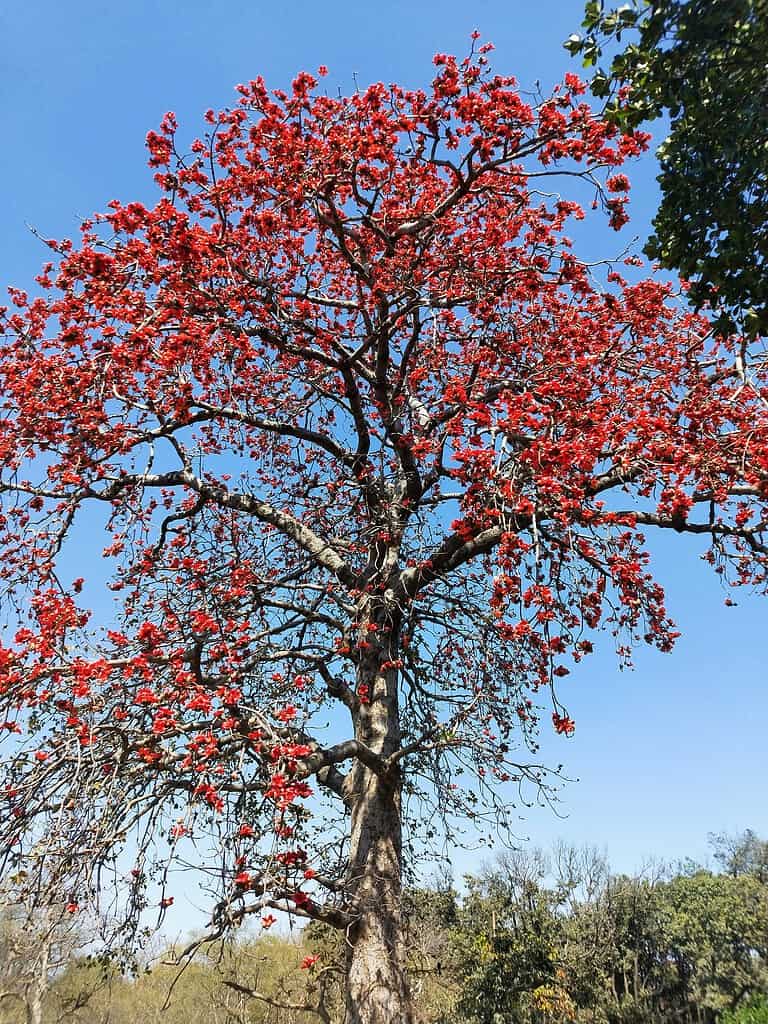
Red buckeye is a compact native tree known for its striking red tubular flowers that attract hummingbirds.
It usually grows 10–20 feet tall and performs well in USDA Zones 4–8.
This tree prefers moist soil and partial shade, particularly in warmer climates.
Landscape uses
- Woodland gardens
- Hummingbird gardens
- Naturalized landscapes
Pros
- Incredible wildlife value
- Compact size
- Bright spring flowers
Cons
- Seeds are poisonous
- Leaves may decline by late summer
Planting tip: Plant red buckeye among shrubs or perennials so neighboring plants can fill visual gaps when foliage declines.
How to Choose the Right Flowering Tree for Your Yard
Choosing the best flowering tree isn't just about appearance. The key is matching the tree to your climate, space, and soil conditions.
Start by checking your hardiness zone and understanding the local climate patterns in your area. Some trees tolerate cold winters, while others thrive in warm southern climates.
Next, consider the mature size of the tree. A tree that seems small in a nursery can eventually grow large enough to interfere with buildings, fences, or power lines.
Also pay attention to sun exposure and soil drainage. Many flowering trees prefer full sun and well-drained soil, but others thrive in partial shade or woodland conditions.
Before planting, it helps to understand your yard’s different soil types so you can choose a tree that will truly thrive.
Planning ahead ensures your tree will thrive for decades instead of struggling after a few seasons.
Smart Planting Tips for Long-Term Success
Planting a tree properly is essential for long-term success.
Follow these simple guidelines:
- Dig a hole two to three times wider than the root ball
- Keep the root flare slightly above soil level
- Add 2–3 inches of mulch around the tree
- Water regularly during the first year
These steps help the tree establish strong roots and grow faster.
Designing a Beautiful Yard Around Flowering Trees
A flowering tree can become the centerpiece of your entire landscape design.
One effective strategy is layering your plants. Start with the tree as the structural anchor, then add shrubs and perennials beneath it to create a layered garden.
For example:
- Pair dogwoods with shade-loving ferns and hostas.
- Plant serviceberries near pollinator gardens.
- Use crape myrtles to anchor sunny flower beds.
Once your tree is established, adding thoughtful plantings around the base can make the space feel complete. These landscaping ideas around trees offer simple ways to design a finished and balanced garden area.
For a simpler approach, many homeowners also like pairing a flowering tree with a low maintenance front yard garden plan that keeps the space attractive without requiring constant upkeep.
If you’re planning the entire front landscape, these front yard landscaping ideas that make a big first impression can help tie everything together.
Turn Your Yard Into a Living Landscape
If you want a yard that feels vibrant, welcoming, and full of life, planting a flowering tree is one of the best decisions you can make.
With the right species and proper care, a flowering tree can provide decades of beauty, shade, and seasonal interest.
Start with one tree that fits your yard’s conditions, and build your garden around it over time.
Which flowering tree would you love to plant in your yard?
Let us know in the comments below!
Plan Your Garden With Confidence!

Ever start planting… and then realize halfway through that things feel a little scattered?
A simple plan changes everything.
When you sketch your layout first, you can see what fits, what flows, and what actually makes sense for your space. It saves time, money, and a whole lot of second-guessing later.
Our free Garden Planner helps you map out beds, organize plant spacing, rotate crops, and keep track of seasonal tasks – all in a clean, printable format you can actually use.
Whether you’re designing a low maintenance front yard or planning your full homestead garden, this gives you a clear starting point.
Less chaos. More clarity. A garden that works.
FAQs
What is the easiest flowering tree to grow?
Serviceberry and redbud are often considered among the easiest flowering trees to grow. They adapt well to many soil types, require minimal pruning, and provide multi-season interest.
Which flowering trees bloom the longest?
Crape myrtle is famous for its long blooming period. In warm climates, it can produce flowers continuously from midsummer through early fall.
Are flowering trees good for pollinators?
Yes. Many flowering trees attract bees, butterflies, and hummingbirds. Redbud, crabapple, and buckeye are particularly valuable for pollinators.
Can flowering trees grow in small yards?
Absolutely. Trees like star magnolia, fringetree, and serviceberry stay relatively compact and work well in smaller landscapes.
How long does it take for a flowering tree to bloom?
Most flowering trees begin blooming within 3–5 years after planting, though this can vary depending on the species, growing conditions, and the age of the tree when purchased.