
Edible flowers offer more than just garden beauty – they can add color, flavor, and even nutrition to everyday meals.
Many are simple to grow and safe to eat, making them a practical choice for home gardeners and curious cooks alike.
In this article, you'll find 11 edible flowers that are easy to grow, taste good, and can be used in teas, salads, baked goods, and more.
You’ll also learn how to use them safely, which parts to eat, and what to avoid.
What Makes a Flower Edible (and Safe to Eat)?
Not all flowers are edible, and some can be harmful or even toxic if eaten. A flower is considered edible only when it’s safe for human consumption in its natural, untreated state.
The right variety, correct preparation, and clean growing conditions all play a role in whether a flower can be safely added to food.
How to Tell If a Flower Is Edible
Edible flowers usually come from herbs, vegetables, or ornamental plants that have a history of culinary use.
These flowers tend to have mild or pleasant flavors and do not cause irritation when eaten in small amounts. However, correct identification is essential.
Many toxic flowers closely resemble edible ones, so always verify the species before eating.
Why Store-Bought Flowers Aren’t Always Safe
Flowers sold by florists or garden centers are often treated with pesticides, preservatives, or dyes that are not safe to consume.
Even if the flower itself is an edible variety, chemical residue can make it unsafe. Always grow your own or buy from a trusted organic source that clearly labels flowers as safe for eating.
Examples of Toxic Flowers to Avoid
Some flowers are dangerous and should never be eaten. These include:
- Foxglove
- Oleander
- Lily of the Valley
- Daffodils
- Morning Glory
Even small amounts of these can cause serious symptoms. Make sure none of these are growing near your edible flower beds to prevent accidental harvest.
If you’re planning a garden, consider including edible ground covers that are safe to eat and can complement your flower beds while adding extra flavor and texture to your meals.
The 11 Best Edible Flowers
These flowers are safe to eat, simple to grow, and bring more than just visual appeal to your garden.
From tart teas to floral jams and peppery garnishes, each flower on this list offers unique flavor and culinary uses.
Below, you'll find practical information on how to grow them, what parts are edible, and what to avoid.
1. Hibiscus (Hibiscus sabdariffa)

Hibiscus produces large, vibrant flowers that are most commonly used to make herbal tea.
The tea has a rich red color and a tart, citrus-like flavor, but the petals can also be used in relishes, salads, or homemade jam.
This plant prefers full sun and thrives in tropical or subtropical climates, though it can be grown in containers elsewhere.
- Flavor: Tart, slightly sour
- Use Ideas: Herbal tea, jam, salads, relishes
- Safety Note: May lower blood pressure, so avoid overconsumption if that’s a concern
For readers who enjoy learning about unusual blooms, our gallery of exotic tropical flowers showcases some of the most colorful and unique varieties – strictly for viewing, not eating.
2. Dandelion
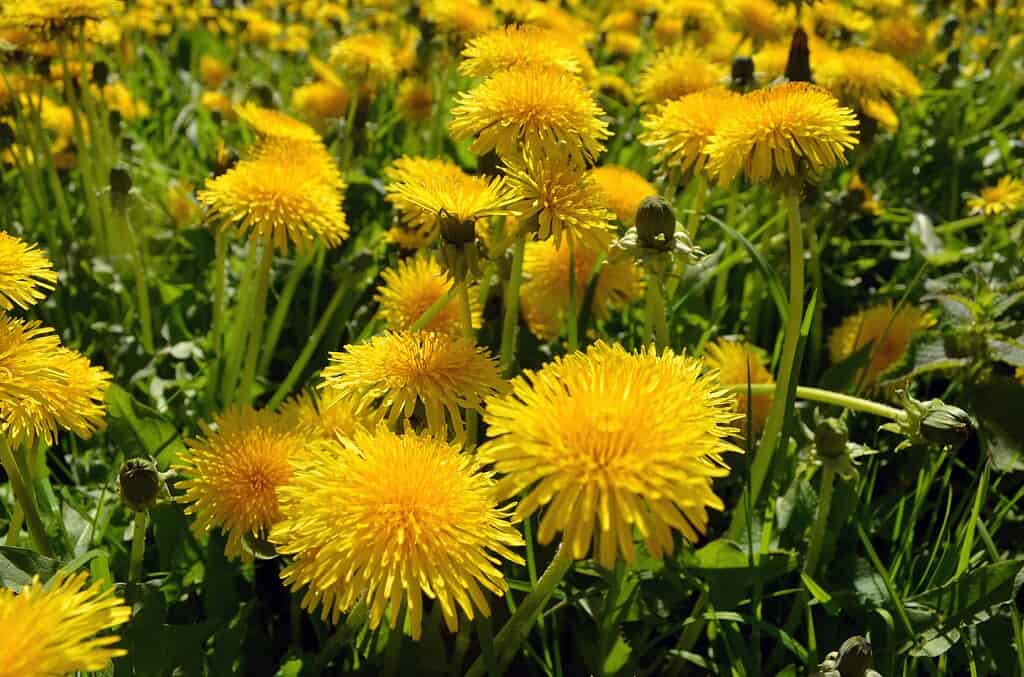
Dandelions are often seen as weeds, but they’re one of the most versatile edible flowers. The bright yellow petals can be eaten raw, turned into jelly, brewed into wine, or coated in batter and fried.
Every part of the plant (flower, leaf, stem, and root) is edible and packed with nutrients. Dandelions grow in nearly any soil and often appear without planting.
- Flavor: Mild, slightly bitter
- Use Ideas: Salads, jelly, wine, fried blossoms
- Safety Note: Only pick from areas that haven’t been sprayed; pluck the petals to avoid the bitter base
Dandelions are also a favorite for backyard flocks. If you’re planning a garden that benefits both your kitchen and your chickens, check out our guide to must-have plants your chickens will love.
3. Lavender (Lavandula angustifolia)
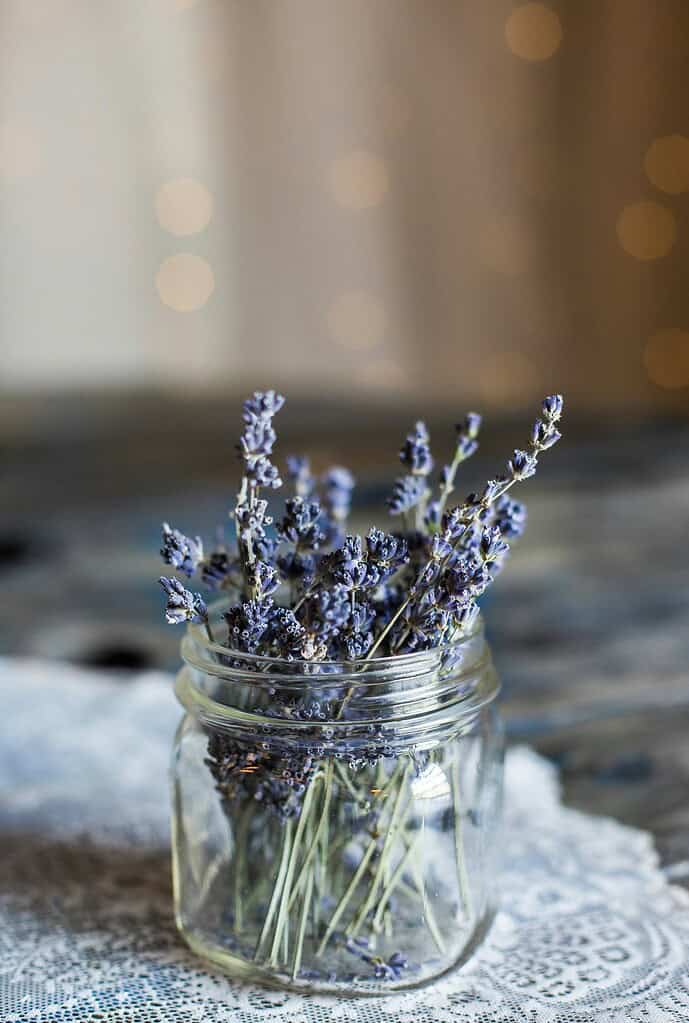
Lavender is well-known for its calming scent, but its small purple flowers can also be used in the kitchen.
The flavor is floral with a hint of sweetness and pairs well with both sweet and savory ingredients like berries, citrus, rosemary, and thyme.
English lavender is the best variety for culinary use, as others can have a strong soapy or bitter taste. It grows best in full sun and well-drained soil, and once established, it’s drought-tolerant.
- Flavor: Lightly sweet, floral
- Use Ideas: Baked goods, teas, syrups, liqueurs, dry spice blends
- Safety Note: Stick to English lavender to avoid overly strong or unpleasant flavors
If you’re ready to grow your own, here’s a quick guide on how to plant lavender so you can enjoy fresh blooms in your kitchen and garden.
4. Honeysuckle
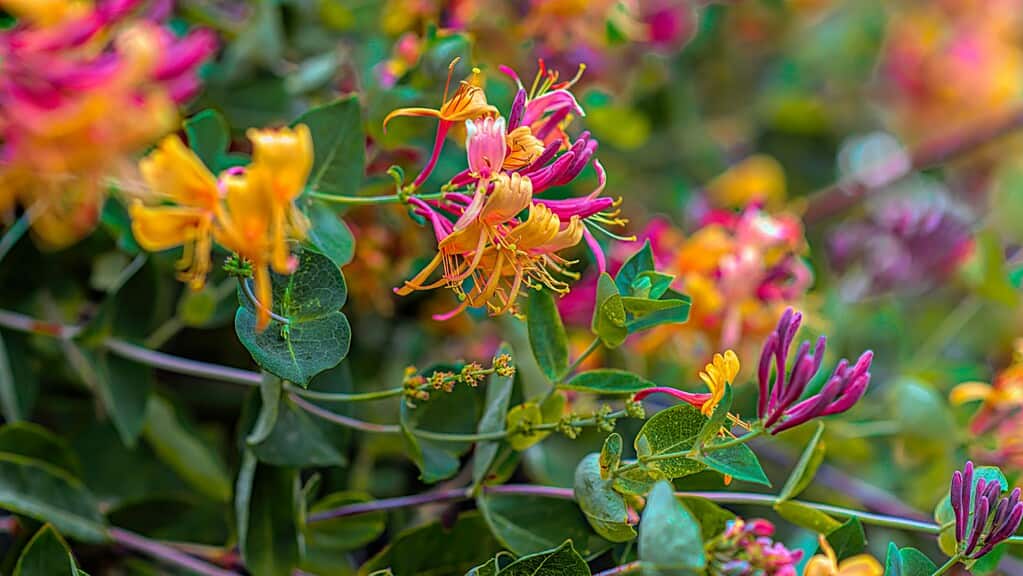
Honeysuckle produces delicate white or pale yellow flowers filled with a sweet nectar that can be sipped straight from the blossom.
It’s most often used to make syrups or teas that add gentle sweetness to drinks like iced tea or lemonade. This vining plant grows best with a trellis or support and prefers full sun.
- Flavor: Sweet, nectar-like
- Use Ideas: Syrup, tea, flavoring for drinks or desserts
- Safety Note: Only the flowers and nectar are safe to eat – the berries of some varieties can be toxic
5. Nasturtium (Tropaeolum majus)
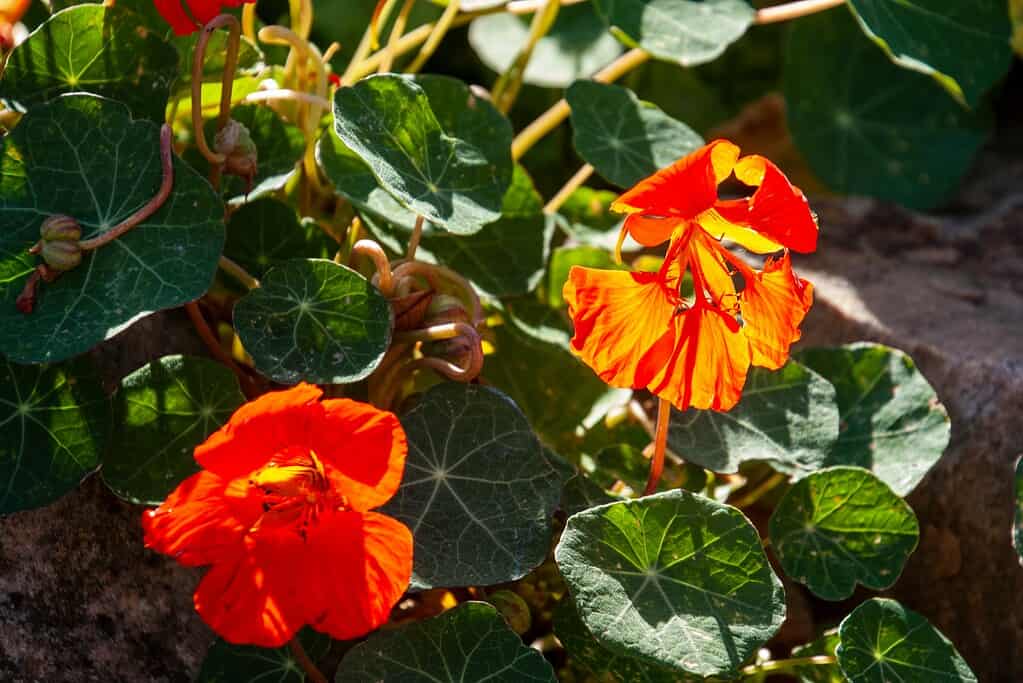
Nasturtiums are easy to grow and bring a pop of bright color to both the garden and the plate. The flowers, often orange, red, or yellow, have a bold, peppery flavor similar to radish microgreens.
Both the flowers and the round, tender leaves are edible. They’re commonly added raw to salads, blended into compound butter, or pickled.
Nasturtiums prefer full sun and poor to average soil, making them low-maintenance and ideal for garden borders or containers.
- Flavor: Peppery, slightly spicy
- Use Ideas: Fresh in salads, pickled, or mixed into flavored butter
- Safety Note: Entire flower and leaves are safe to eat; no preparation needed beyond rinsing
If you love vibrant colors in your garden, check out our list of stunning orange flowers to discover more blooms.
6. Borage (Starflower)
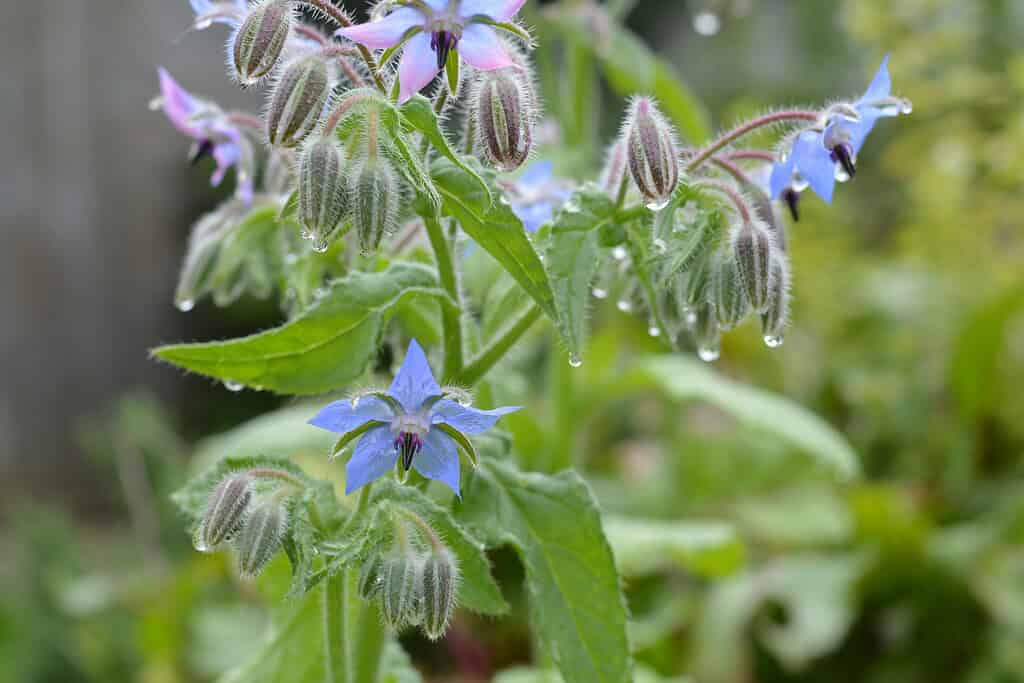
Borage produces delicate, star-shaped flowers that are usually blue, though pink and white variations also occur.
The flowers have a mild, sweet flavor with notes of cucumber and honey, making them a good match for salads, drinks, and cold dishes.
Borage leaves are edible too, though they’re often cooked due to their coarse texture. This plant is a reliable self-seeder and grows easily in full sun with well-drained soil.
- Flavor: Mildly sweet, cucumber-like
- Use Ideas: Garnish for drinks and desserts, mixed into salads, cooked into soups
- Safety Note: Flowers are safe to eat fresh; use in moderation due to trace alkaloids in the plant
7. Purslane

Purslane is a low-growing succulent that produces small yellow flowers and thick, fleshy leaves. Both parts are edible and can be eaten raw or cooked.
The leaves have a slightly lemony taste and a crisp texture, making them ideal for salads or sautés.
Purslane is also packed with nutrients, including vitamins A and C, antioxidants, and a rare plant-based source of omega-3 fatty acids.
It grows well in poor soil and hot, dry conditions, often reseeding itself without effort.
- Flavor: Mild, slightly lemony
- Use Ideas: Eaten raw in salads, sautéed, added to soups
- Safety Note: Be sure to correctly identify it, as it can be confused with toxic lookalikes like spurge
8. Rose (Rosa spp.)
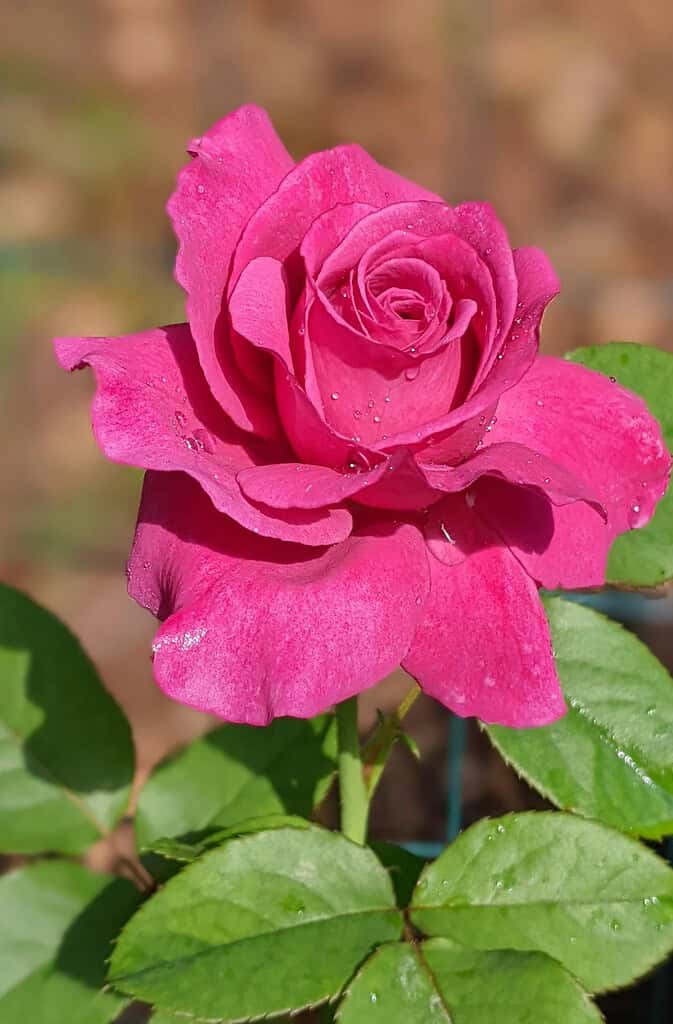
All rose petals are edible, and their soft, floral flavor makes them a favorite for infusing teas, jams, and syrups. The aroma and taste vary by variety, but generally lean slightly sweet and fruity.
For best results, choose fragrant roses grown without chemicals. Roses need full sun, regular watering, and pruning to thrive.
If you’re unsure when or how to trim your bushes, check out our guide on how to prune roses for healthy, abundant blooms.
Only the petals should be used in food – the leaves and stems aren’t palatable. Before using, remove the white base of each petal, which can taste bitter.
- Flavor: Floral, slightly sweet
- Use Ideas: Herbal teas, jams, syrups, infused sugars
- Safety Note: Eat only the petals, and remove the lower white base to avoid bitterness
9. Squash Blossom (Cucurbita pepo)
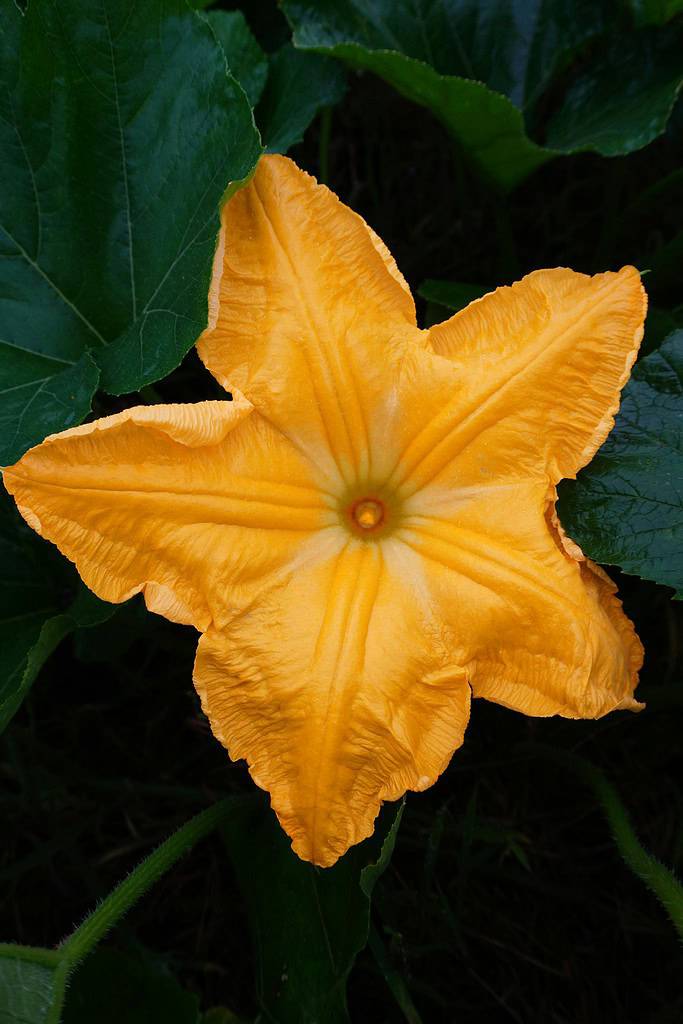
Squash blossoms grow on zucchini and other squash plants and are known for their large, yellow, trumpet-shaped flowers.
They have a soft texture and a mild, slightly sweet flavor that pairs well with cheese and herbs.
Squash blossoms are often stuffed with soft cheese and then baked or fried, but they can also be sliced raw into salads.
When harvesting from your garden, it’s best to pick the male flowers (which have long, thin stems) so the female blossoms can still develop into squash.
- Flavor: Mild, slightly sweet
- Use Ideas: Stuffed and fried, added raw to salads
- Safety Note: Only eat flowers you’ve identified correctly; pick male blossoms to preserve your harvest
10. Pansy (Viola x wittrockiana)

Pansies and their relatives, such as violas and Johnny-jump-ups, are edible and widely used as decorative toppings.
They have a mild, fresh flavor and are often candied for desserts or tossed into salads for visual appeal. Pansies are easy to grow in cool weather and come in a variety of vibrant colors.
Their visual charm makes them especially popular for decorating cakes and pastries.
- Flavor: Mild, slightly grassy or fresh
- Use Ideas: Garnishes for cakes and tarts, candied, added to salads
- Safety Note: Wash gently and use only untreated blooms grown for culinary use
11. Chamomile (Matricaria chamomilla)
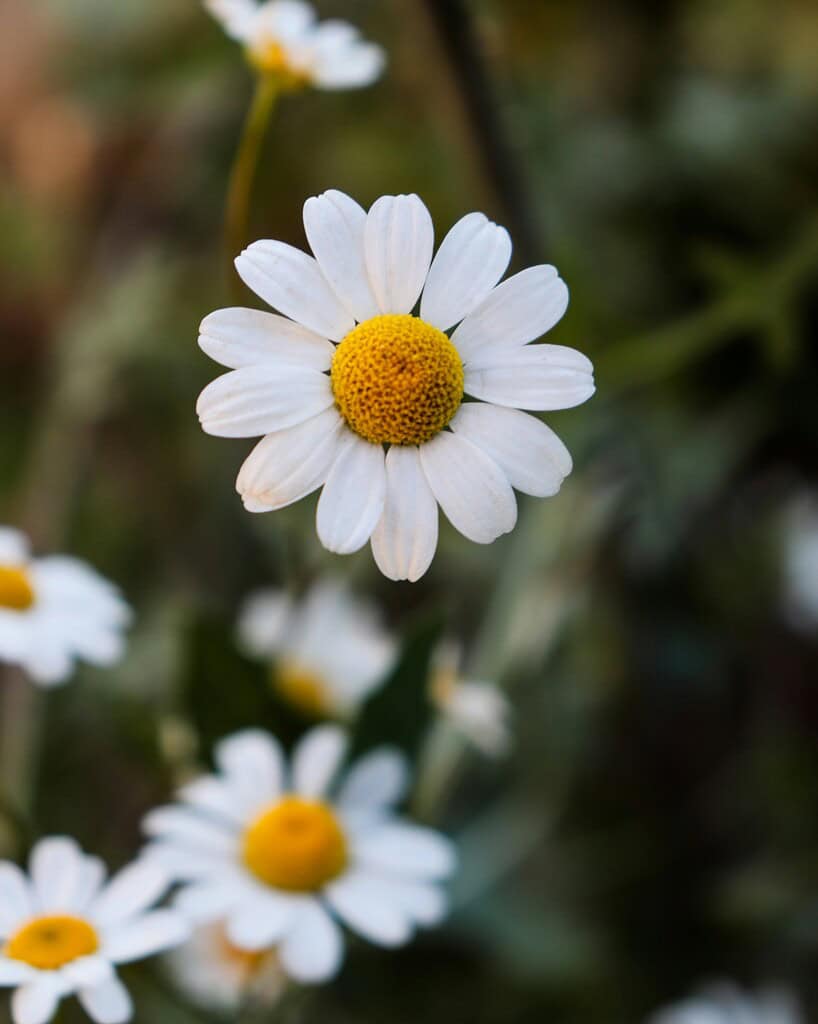
Chamomile produces small, daisy-like flowers with a soft, apple-like scent and flavor. It’s most commonly used for making tea, which is known for its calming effects.
The flowers can be steeped fresh or dried for later use. Chamomile grows well in full sun and well-drained soil and can often reseed itself.
While generally safe, it may cause allergic reactions in people sensitive to ragweed and similar plants.
- Flavor: Earthy, slightly sweet, apple-like
- Use Ideas: Fresh or dried tea
- Safety Note: Avoid if allergic to ragweed, daisies, or marigolds
Growing and Harvesting Tips for Edible Flowers
Growing edible flowers at home gives you full control over safety, freshness, and quality. Most edible flowers are low-maintenance and can thrive in garden beds, pots, or containers.
Knowing how to care for them and when to harvest makes a big difference in flavor and appearance.
Choose Organic, Chemical-Free Growing Methods
To keep your flowers safe for eating, avoid all pesticides, herbicides, or synthetic fertilizers. Even products labeled for ornamental plants may not be food-safe.
Use compost and natural pest controls instead, like companion planting or physical barriers.
Sunlight and Soil Requirements
Most edible flowers grow best in full sun – at least 6 hours of direct light per day.
Good drainage is also important, especially for herbs like lavender and borage. Use a light, well-draining soil mix and avoid overwatering, which can lead to rot and poor flower production.
Planting and Spacing
Give each plant enough space for airflow and growth. Overcrowded flowers are more likely to develop fungal issues.
Follow spacing instructions based on the plant’s mature size, and consider growing smaller varieties (like pansy or chamomile) in containers or raised beds for easier access.
Harvesting at the Right Time
Pick flowers in the morning after the dew has dried but before the sun is strong.
This is when they hold the most moisture and flavor. Always use clean scissors or garden snips to avoid damaging the plant.
For best taste:
- Harvest only fully opened, healthy flowers
- Avoid wilted or insect-damaged blossoms
- Use immediately after picking, or store carefully
Storage Tips
If not used right away, edible flowers can be stored short-term in the refrigerator. Gently wrap them in a damp paper towel and place them in an airtight container.
Most will keep for 2–3 days. Do not wash them until you’re ready to use them, as moisture can cause them to spoil faster.
Safety Guidelines When Eating Edible Flowers
Not all flowers are safe to eat, and even edible ones can cause problems if they’re not handled or prepared properly.
Following a few basic safety practices can help you avoid common risks and ensure that the flowers you eat are both safe and enjoyable.
1. Only Eat Flowers You Can Identify with Certainty
Never eat a flower unless you’re 100% sure of what it is.
Some toxic flowers closely resemble edible varieties. If you’re uncertain, use a plant ID guide or consult a reliable source before using it in food.
2. Know Which Parts of the Plant Are Edible
Some flowers are entirely edible, while others may have inedible stems, leaves, or seed pods.
For example, with roses, only the petals should be eaten – and even then, the bitter white base should be removed. Always double-check which parts are safe to consume.
3. Avoid Flowers from Florists, Nurseries, or Roadsides
Flowers from commercial sources are often treated with pesticides, dyes, or preservatives that are not meant for food.
Even organic-looking bouquets may not be food-safe unless labeled specifically as edible. Flowers growing along roads or in public areas may also be exposed to pollution or chemicals.
4. Test for Allergies or Sensitivities
If you’ve never eaten a particular flower before, try a small amount first.
Like any new food, edible flowers can cause allergic reactions in some people – especially those sensitive to ragweed, pollen, or certain herbs.
5. Clean Gently Before Using
Rinse flowers under cool, running water or dip them in a bowl of water to remove dirt and insects.
Shake off excess moisture and dry them gently with a paper towel. Avoid scrubbing, which can damage delicate petals.
Start Growing Edible Flowers You Can Actually Use in the Kitchen
Edible flowers offer more than just garden appeal – they can be a practical and flavorful addition to your meals.
From peppery nasturtiums to calming chamomile, each flower on this list is simple to grow and brings something different to the table.
By growing them yourself, you control how they’re treated, harvested, and used.
Whether you’re adding color to salads, making herbal teas, or decorating desserts, edible flowers let you get more from your garden without extra work or complicated care.
Which edible flowers are you thinking of trying first? Comment down below and share what you're planning to grow or cook with!
FAQs
Can I grow edible flowers indoors or in containers?
Yes. Many edible flowers like pansy, nasturtium, and chamomile grow well in pots. Just make sure they get enough sunlight – ideally near a sunny window or under a grow light.
What should I do if I accidentally eat a non-edible flower?
If you experience nausea, dizziness, or other symptoms, contact a medical professional or poison control immediately. Always save a sample of the plant if possible for identification.
How can I make edible flowers last longer after harvest?
Store them unwashed in the fridge, wrapped in a slightly damp paper towel, inside a sealed container. Most edible flowers will last 2–3 days if handled gently.
Can I dry edible flowers for later use?
Yes. Flowers like chamomile, rose petals, and lavender can be air-dried or dried using a dehydrator. Store them in a cool, dark place in an airtight jar for use in teas or baking.
Are edible flowers safe for children and pets?
Some edible flowers are safe for children in small amounts, but always supervise use.
Pets may react differently – many flowers safe for humans can be harmful to animals, so keep them out of reach unless approved by a vet.
Ready To Transform Your Garden?

Are you looking for the best way to layout your garden beds? Maybe you're feeling a bit stuck on how to make the most of your space?
We’ve got you covered! Check out our 101+ Garden Bed Layout Ideas for your next raised bed project. This guide is filled with creative and practical ideas that can help you design a garden that fits your style, whether you’re just starting out or have been gardening for years.
Get your copy today and get inspired to bring your gardening dreams to life.
Planting Guides for This Article
Get exact planting dates, frost schedules, and growing tips for your zone: