
Raising chicks is one of the most exciting parts of starting or growing a backyard flock.
But if you’ve ever tried to manage baby chicks without a proper setup, you already know how messy, stressful, and time-consuming it can be.
That’s where a good brooder box comes in.
In this guide, you’ll discover 10 DIY brooder box ideas that make raising chicks much easier, plus practical tips for choosing the right design, setting it up safely, and keeping your chicks healthy.
Let’s start with the ideas.
If you’re just getting started with poultry, you might also want to read my guide to raising chickens in your backyard, which walks through the basics of setting up a healthy flock from day one.
10 DIY Brooder Box Ideas That Make Raising Chicks Easier
There are countless ways to build a brooder box, but the best designs share a few simple qualities: they keep chicks warm, provide enough ventilation, are easy to clean, and prevent escapes.
Below are 10 practical DIY brooder box ideas that work for beginners and experienced homesteaders alike.
1. Plastic Storage Tote Brooder
One of the easiest and most popular DIY brooders uses a large plastic storage tote.
Simply cut out the center of the lid and replace it with hardware cloth or metal mesh for ventilation. The tall plastic sides keep chicks contained, while the smooth surface makes cleaning quick and easy.
Why it works well:
- Extremely affordable
- Easy to sanitize
- Lightweight and portable
Best for: Small batches of chicks (4–10).
2. Cardboard Box Starter Brooder
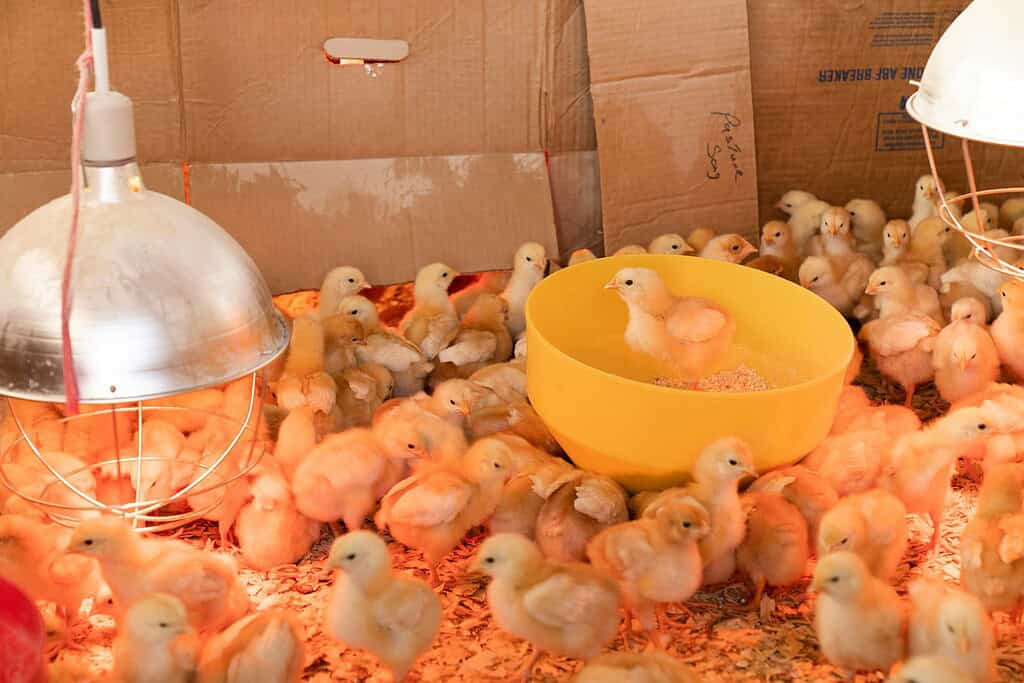
If you need a quick solution, a large cardboard box can work surprisingly well for the first few days.
Line the bottom with paper towels or puppy pads to prevent slipping, then add bedding once the chicks are a few days old. A piece of mesh or screen placed over the top prevents escapes.
Pros
- Almost free
- Fast to set up
- Great temporary solution
Cons
- Not durable
- Needs careful heat lamp placement
Best for: The first few days after chicks arrive.
If you're looking for simple enrichment ideas once your birds get a little older, these DIY chicken dust bath stations are a great place to start.
3. Kiddie Pool Brooder
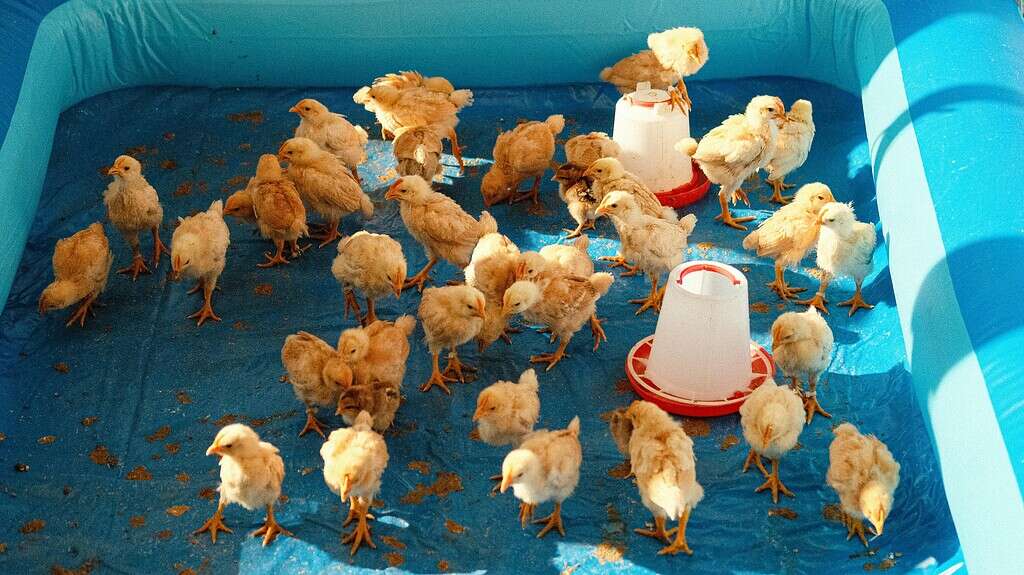
A plastic kiddie pool brooder is a favorite among backyard chicken keepers.
The wide circular shape provides lots of floor space while preventing chicks from piling up in corners.
You can add a simple brooder guard ring made from cardboard to keep chicks close to the heat source during their first week.
Why homesteaders love it:
- Large space for growing chicks
- Easy to clean
- Inexpensive
Best for: Medium to large batches of chicks.
4. Stock Tank Brooder
A galvanized stock tank makes an incredibly durable brooder that can last for years.
Attach a wooden frame with mesh on top to create a secure lid. The high metal walls keep chicks safe from pets and drafts.
Advantages
- Long-lasting
- Very sturdy
- Holds larger flocks
Downside: Heavier and harder to move.
Best for: Homesteaders who brood chicks every year.
5. Dog Crate Brooder
A wire dog crate can easily be turned into a brooder by adding a solid base and deep bedding.
The built-in door makes feeding, watering, and cleaning easy, while the wire sides provide excellent airflow.
Benefits
- Great ventilation
- Easy access
- Quick setup
Best for: Indoor brooders in garages or utility rooms.
6. Repurposed Dresser Brooder
Old furniture can be surprisingly useful for raising chicks.
Many homesteaders convert dresser drawers or cabinets into brooders by removing the top drawer and installing a mesh lid.
Add a protective sealant to make the wood easier to clean.
Why this design works:
- Repurposes old furniture
- Solid walls reduce drafts
- Built-in storage space
Best for: Long-term indoor brooder setups.
7. Classic Plywood Brooder Box
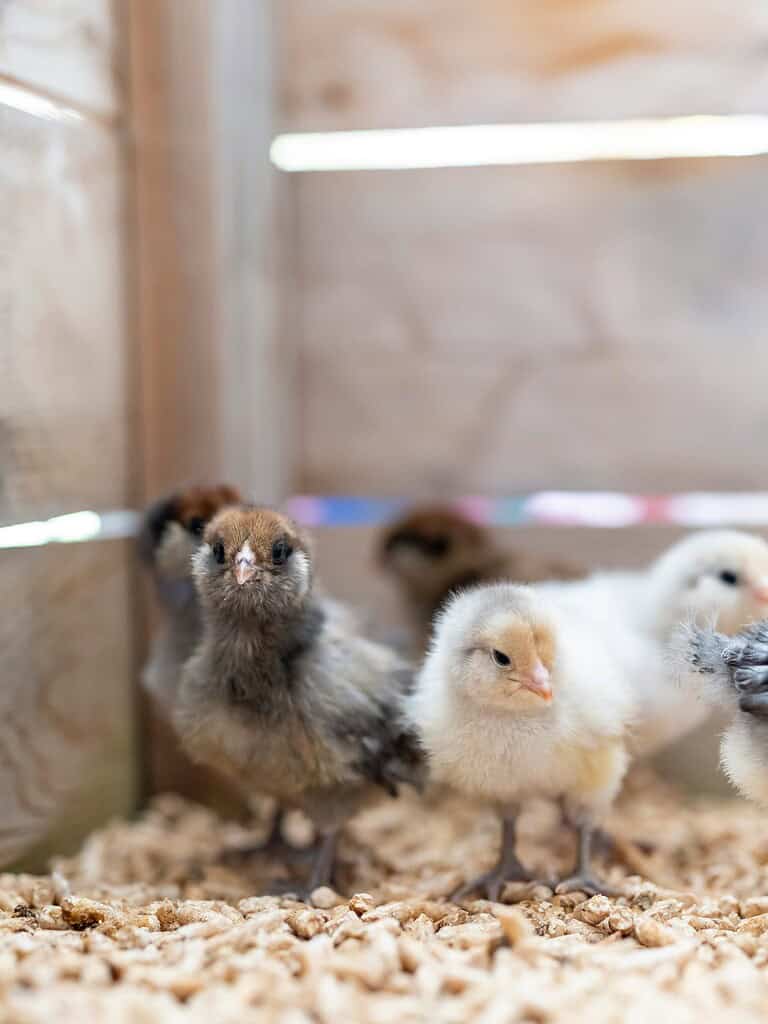
If you want something more permanent, building a plywood brooder box is a great option.
Using simple framing and plywood panels, you can create a sturdy brooder that includes features like:
- Hinged lids
- Removable dividers
- Sliding trays for easier cleaning
Pros
- Customizable size
- Very durable
- Great for repeat use
Best for: Dedicated poultry keepers.
If you're looking for ways to give chickens more protected outdoor space later on, take a look at these best tunnel chicken options.
8. Rolling Brooder Box With Casters
Cleaning around a brooder can be a hassle, which is why some homesteaders add locking wheels to their brooder box.
A rolling brooder makes it easy to move chicks out of the way while sweeping or cleaning.
Advantages
- Easy mobility
- Convenient for garages or barns
- Makes cleaning easier
Best for: Larger brooders that would otherwise be difficult to move.
9. Shelving Unit “Brooder Condo”
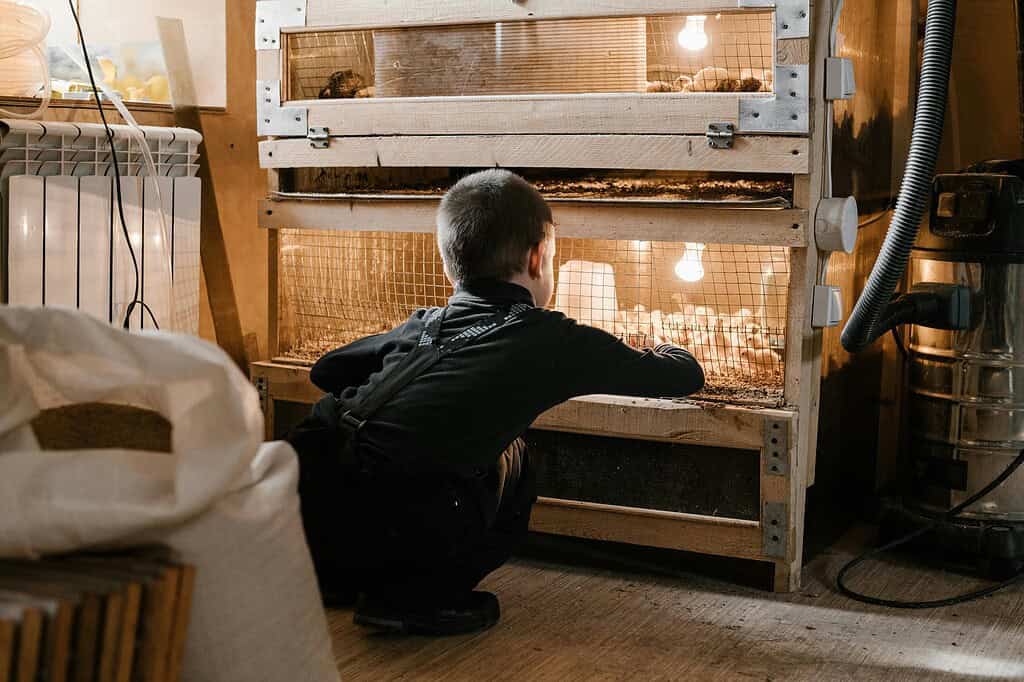
If you hatch chicks frequently, a multi-level brooder system can save space.
Using a metal shelving rack, you can create stacked brooders for different groups of chicks. Each shelf gets its own liner, bedding, and heat source.
Benefits
- Saves floor space
- Allows separation of different ages
- Great for serious chicken keepers
Best for: People raising multiple batches of chicks.
10. Outdoor Grow-Out Brooder Pen
Once chicks are older and starting to feather out, an outdoor brooder pen can reduce indoor mess.
These pens are typically built from wood frames covered with hardware cloth and topped with a roof panel for weather protection.
Advantages
- More airflow
- Less dust inside the house
- Easy cleanup
Important: Make sure it’s fully predator-proof.
Best for: Older chicks transitioning outdoors.
Once your chicks outgrow the brooder, the next step is getting their permanent home ready. If you haven’t built one yet, check out my guide on how to build a simple chicken coop for step-by-step instructions.
How to Set Up Your DIY Brooder Box
Setting up a brooder correctly before chicks arrive will make the entire process smoother.
Here’s a simple process to follow:
- Choose a brooder container and location.
- Add non-slip flooring and bedding.
- Install a secure mesh lid.
- Mount the heat source safely.
- Test the brooder for 24 hours before chicks arrive.
- Add feeders and waterers (here are a few DIY chicken feeder ideas).
- Monitor chick behavior daily.
Always watch how chicks behave around the heat source:
- Huddling together usually means they’re cold.
- Avoiding the heat means it may be too warm.
- Evenly spread out chicks indicate the temperature is just right.
What Every Good Chick Brooder Needs
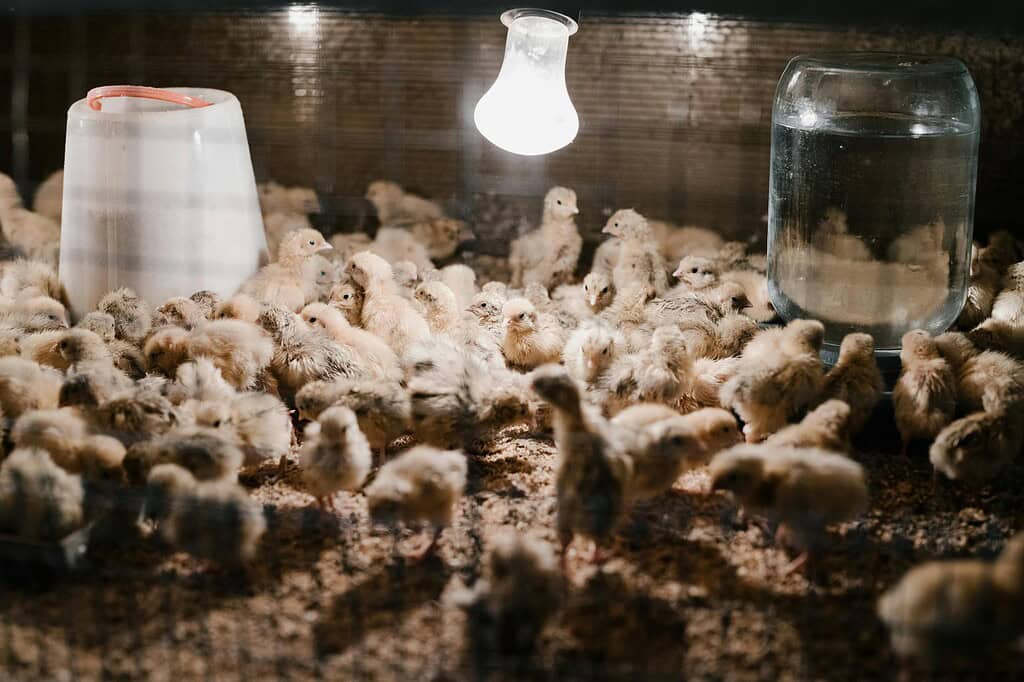
No matter which DIY brooder design you choose, there are a few essential elements every brooder must have.
Proper Heat
Newly hatched chicks cannot regulate their body temperature. They require a heat source for the first few weeks.
A common guideline is:
- Week 1: 95°F
- Reduce temperature 5°F each week
Always provide both a warm zone and cooler area so chicks can regulate their own comfort.
Adequate Space
One of the most overlooked factors in raising healthy chicks is providing enough space inside the brooder.
While baby chicks start out tiny, they grow extremely fast – often doubling in size within the first couple of weeks. If the brooder is too small, it can lead to stress, aggression, and even injuries.
A general guideline used by many poultry keepers is:
- About ½ square foot per chick during the first few weeks
- Increase to 1 square foot per chick or more as they grow
For example, if you’re brooding 12 chicks, you’ll want at least 6 square feet of brooder space initially, and more as they get older.
Crowding can cause several problems, including:
- Pecking and bullying among chicks
- Increased moisture and odor in the brooder
- Spilled food and water
- Poor growth due to stress
You may notice that chicks begin piling up in corners or constantly climbing over each other when they feel cramped. If this happens, it’s usually a sign that they need more room.
Many homesteaders plan ahead by building a brooder that can expand or transition into a larger space. This might include adding a second container, removing brooder guards after the first week, or moving chicks to a larger grow-out pen.
Providing enough space from the beginning will make daily care easier and help chicks develop into stronger, healthier chickens.
Good Ventilation
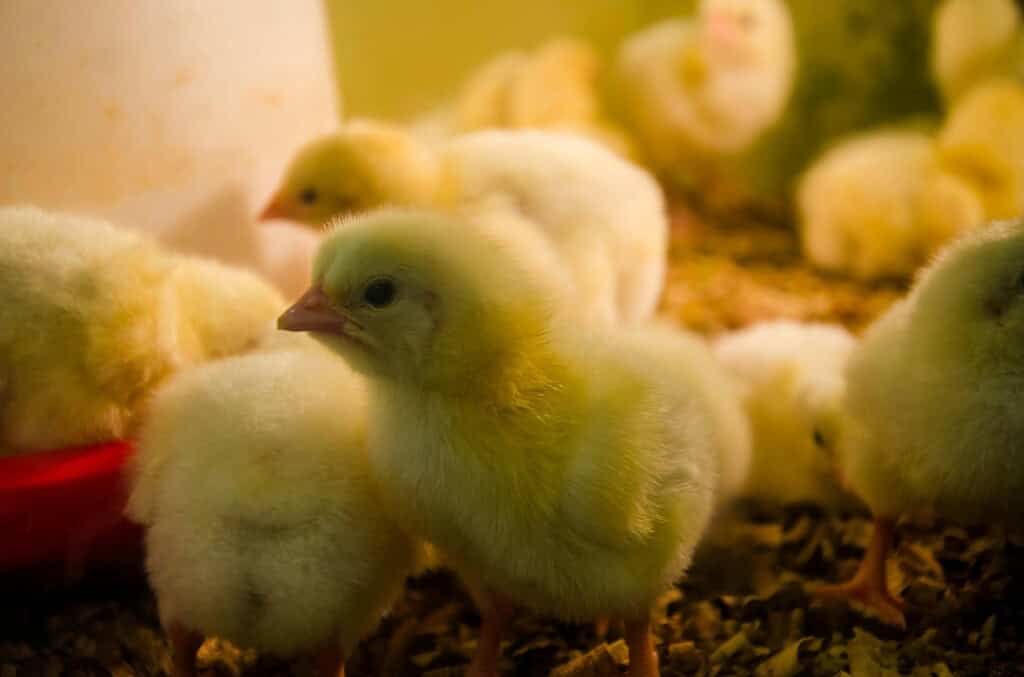
Ventilation is just as important as heat in a brooder. While chicks need warmth, they also produce moisture, dust, and ammonia as they eat, drink, and grow.
Without proper airflow, these conditions can quickly build up and create an unhealthy environment.
A well-ventilated brooder helps:
- Reduce excess humidity
- Prevent strong ammonia odors
- Improve air quality for chicks
- Keep bedding drier for longer
However, ventilation should never create direct drafts on baby chicks. Cold drafts can chill chicks quickly and cause them to huddle together, which increases the risk of injury.
The easiest way to provide ventilation in a DIY brooder box is by using:
- Hardware cloth lids
- Wire mesh panels
- Screened openings
These allow fresh air to circulate while still keeping chicks safely contained.
It’s also important to place the brooder in a stable indoor environment, such as a garage, shed, or utility room, where temperatures remain fairly consistent.
Avoid placing brooders near open windows, fans, or doorways where sudden drafts might occur.
If the brooder starts to smell strongly or feels damp, that’s usually a sign that airflow needs improvement or bedding needs to be replaced.
Safe Bedding
Choosing the right bedding is essential for keeping chicks comfortable, dry, and safe during their early weeks.
Bedding serves several purposes in a brooder:
- Absorbs moisture from spilled water and droppings
- Provides insulation and warmth
- Gives chicks traction so they can stand and walk properly
Without proper bedding, chicks may struggle to move around. Slippery surfaces can cause leg issues such as spraddle leg, a condition where chicks cannot stand correctly.
Some of the most commonly recommended bedding options include:
Pine shavings. This is the most popular bedding choice for chick brooders. Pine shavings are absorbent, affordable, and widely available at feed stores.
Straw. Straw can work well in larger brooders, especially when layered over another absorbent material.
Hemp bedding. Hemp bedding has become increasingly popular because it’s highly absorbent, low in dust, and composts easily.
Regardless of which bedding you choose, it should always be kept clean and dry. Wet bedding can quickly create odors and may contribute to illness in chicks.
Many poultry keepers also use paper towels during the first couple of days after chicks arrive. This helps chicks learn where the food is and prevents them from eating bedding by mistake.
As chicks grow, you’ll need to add fresh bedding regularly and remove damp areas around waterers. Maintaining dry bedding is one of the easiest ways to keep your brooder clean and your chicks healthy.
Keeping bedding clean becomes even more important once chickens move into their permanent coop. These practical chicken coop ideas can help make daily cleaning and maintenance easier.
Simple Tips for Maintaining a Clean Brooder
A clean brooder keeps chicks healthier and reduces odor in your home.
Try these simple habits:
- Replace bedding regularly
- Remove wet spots immediately
- Wash feeders and waterers daily
- Increase space as chicks grow
- Improve airflow if humidity builds up
Keeping the brooder dry and well-ventilated makes a huge difference in chick health.
Build Your DIY Brooder This Weekend
If you’re raising chicks this year, pick one brooder design you can build confidently, test it for a full day, and focus on the basics: safe heat, dry bedding, clean water, and enough space for chicks to move comfortably.
Which DIY brooder box are you going to build – tote, stock tank, kiddie pool, or the “brooder condo”?
Drop a comment with your chick count and your materials list, and tell us what you’re repurposing from around the homestead.
Ready to Design Your Dream Garden Bed?
Feeling inspired to build something beautiful?
If you’re ready to go beyond just one garden bed and truly design a space that feels intentional, productive, and charming, I put together something special for you.
Inside 101 Garden Bed Ideas, you’ll find creative layouts, raised bed designs, space-saving solutions, and inspiring setups you can actually recreate in your own yard – whether you’re working with a tiny backyard or a full homestead.
Start planning your dream garden today.

FAQs
How long do chicks stay in a brooder box?
Most chicks stay in a brooder for 4 to 6 weeks, depending on weather conditions and feather development. Once chicks are fully feathered and outdoor temperatures are mild, they can usually transition to a coop.
How often should you clean a chick brooder?
Spot cleaning should be done daily, especially removing wet bedding near waterers. A deeper cleaning with fresh bedding is typically needed every few days depending on how many chicks you have.
What is the safest heat source for a brooder box?
Many poultry keepers use heat lamps, but safer alternatives include radiant brooder plates designed specifically for chicks. These reduce fire risks and mimic the warmth chicks would get from a mother hen.
Can chicks live in a brooder without a lid?
A lid is strongly recommended. As chicks grow, they begin to jump and flap their wings, and a secure lid prevents escapes and protects them from pets.
What should you do if chicks start pecking each other?
Pecking can occur due to crowding, boredom, or insufficient feed. Try increasing brooder space, ensuring constant food access, and adding small distractions like a hanging treat to keep chicks occupied.