
Chicken manure is one of the most nutrient-rich fertilizers you can make at home, but it has to be composted properly before it's safe to use.
When handled the right way, it can improve soil structure, boost plant growth, and reduce waste from your coop.
But if used raw or composted incorrectly, it can burn your plants or spread harmful bacteria.
In this article, you’ll learn exactly how to compost chicken manure step by step, how long to let it age, which plants benefit most from it, and how to avoid the most common mistakes.
How to Compost Chicken Manure in 5 Easy Steps
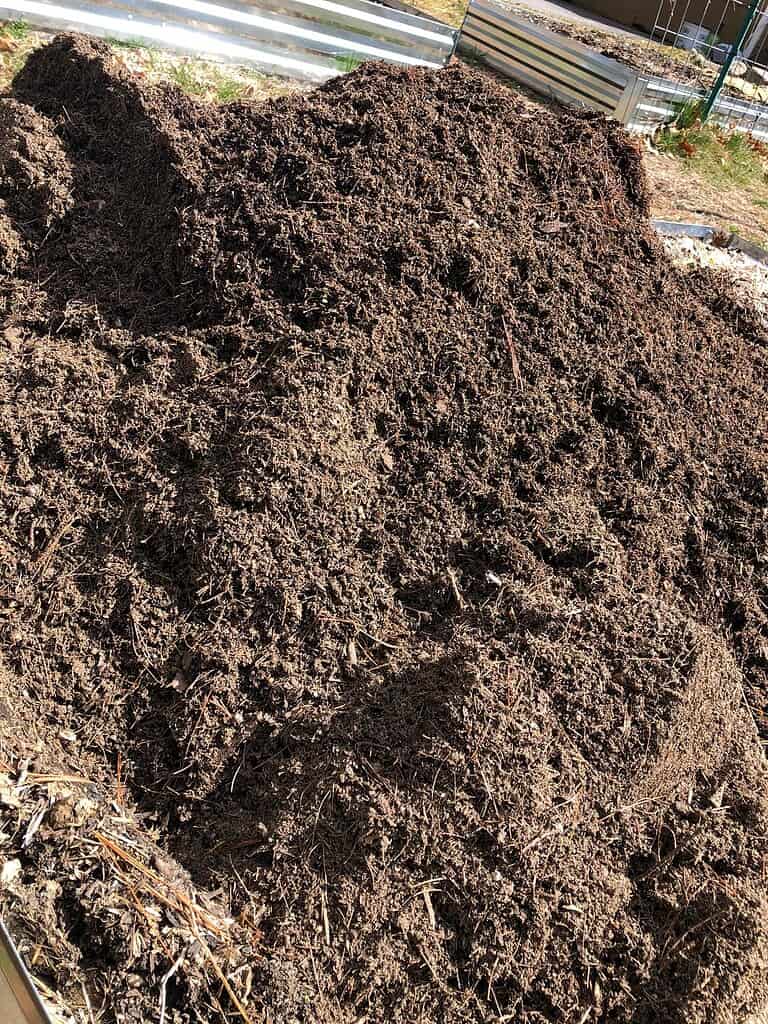
Follow these 5 simple steps to turn chicken manure into rich, garden-ready compost that your plants will love.
Step 1: Collect Chicken Manure and Bedding
Gather chicken droppings along with used bedding material.

Good bedding sources include straw, hay, wood shavings, or sawdust – all high in carbon and essential for balancing the nitrogen-rich manure.
As you clean out the coop, scoop everything together into a designated bin or pile.
- Avoid using bedding that’s soaked with water or moldy.
- Store the manure and bedding in a dry, covered location until you’re ready to compost.
- Do not include cat or dog waste, or bedding with synthetic additives.
Step 2: Build the Compost Pile with the Right Mix
The key to a healthy compost pile is the carbon-to-nitrogen ratio. Chicken manure contains high nitrogen, so you’ll need more carbon materials than usual.
- Aim for a 2:1 or 1:1 ratio of brown (carbon) to green (nitrogen).
- Combine the manure/bedding mix with shredded leaves, straw, dry grass clippings, or sawdust.
- Chop or shred materials so no piece is larger than 2 inches wide – this speeds up decomposition.
Step 3: Choose Hot or Cold Composting Method
Now choose how you want to break it down:
- Hot composting (like the Berkeley method) breaks down material in as little as 18 days, but requires frequent turning and temperature checks.
- Cold composting is low-effort and works over several months, ideal if you want to “pile and wait.”
Your method determines how often you'll need to turn the pile and how long it will take to finish.
Step 4: Manage the Compost Pile
Depending on your time, space, and goals, you can choose between hot composting for faster results or cold composting for a slower, low-maintenance approach.
For Hot Composting:
- Build a pile that’s about 3x3x3 feet in size.
- Use a compost thermometer to monitor the internal temperature.
- When the pile reaches 130°F to 160°F, let it sit for at least 3 days.
- After that, turn the pile by moving the hot center to the edges and outer material to the center.
- Repeat this process at least 3 times to ensure all material heats thoroughly.
For Cold Composting:
- Pile materials and leave them to break down naturally.
- Turn the pile once a week if possible to speed things up.
- Keep the pile moist, like a wrung-out sponge – never too dry or soggy.
Step 5: Let It Age (Curing Period)
Even after composting, chicken manure needs time to stabilize and lose its excess nitrogen and any remaining pathogens.
- Hot compost needs to age for at least 90 days, with an additional 45–60 days of curing.
- Cold compost requires 6 to 12 months of aging due to the slower process.
- The compost is ready when it’s dark, crumbly, smells earthy, and has no visible manure or bedding.
Read related post: What You Should Know About Composting
Is Chicken Manure Safe to Use in the Garden?
Chicken manure is only safe to use in the garden after it has been properly composted.
In its raw form, it contains high levels of nitrogen and pathogens that can damage plants and pose health risks to humans.
Why Raw Chicken Manure Is Unsafe
Uncomposted chicken manure can:
- Burn plants due to excessive nitrogen and ammonia.
- Introduce harmful bacteria like E. coli, Salmonella, and Listeria into the soil.
- Contaminate edible crops, especially if the manure touches the leaves or roots of vegetables.
Applying it directly to garden beds can harm seedlings, disrupt soil biology, and increase the risk of foodborne illness.
Why Composting Makes It Safe
Composting chicken manure at the correct temperature (130°F to 160°F) for several days:
- Kills most pathogens and parasites.
- Reduces ammonia content that would otherwise burn plant roots.
- Stabilizes nutrients, making them easier for plants to absorb.
- Improves soil structure and microbial life.
Aged and cured compost becomes safe, odor-free, and beneficial when used correctly in the garden.
Read related post: How to Compost for Beginners (Easy Methods, Tips & What to Avoid)
Who Should Take Extra Precautions
Even with properly composted manure, some groups should take extra care:
- Pregnant women
- Children under 5
- Elderly adults
- People with weakened immune systems (e.g. due to cancer, kidney failure, liver disease, diabetes, or AIDS)
These individuals should avoid eating uncooked vegetables grown in manured soil and should always wear gloves when handling compost.
When and How to Apply Chicken Manure Compost in the Garden
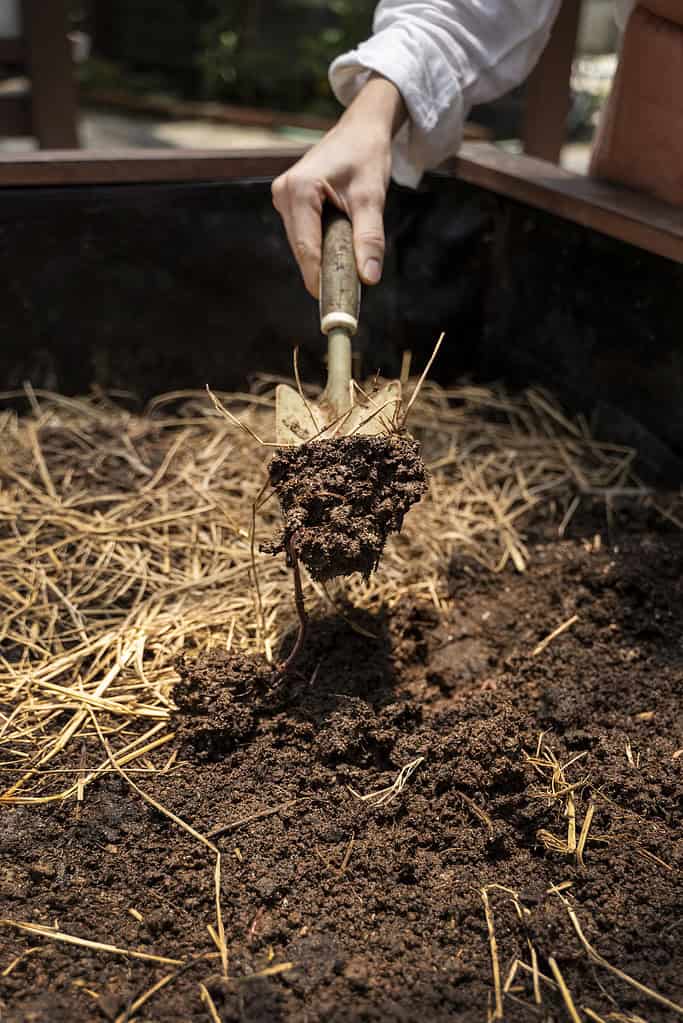
Composted chicken manure is a rich fertilizer, but applying it at the right time and in the right way is important to avoid harming plants and to get the most benefit from its nutrients.
When to Apply Chicken Manure Compost
Option 1: 2–3 Weeks Before Planting
Mix composted manure into the soil at least 2 to 3 weeks before planting vegetables or flowers.
This gives the compost time to settle and reduces the chance of root damage from leftover ammonia or strong nitrogen levels.
Option 2: In the Fall After Harvest
Apply a 1–2 inch layer of compost to garden beds after the growing season ends. This allows the compost to break down further during winter, improving the soil naturally for spring planting.
It’s especially useful in cold composting systems, as the extra aging time improves safety and effectiveness.
How to Apply It
- Garden Beds: Spread compost evenly over the soil surface and mix it into the top 6–8 inches. For heavy feeders like tomatoes or corn, you can apply a slightly thicker layer.
- Around Plants: For existing perennials or shrubs, apply compost around the base (not touching the stems), and water it in to help nutrients move into the root zone.
- Raised Beds: Mix composted manure directly into the soil mix before planting. Do not over-apply – too much can lead to salt buildup or imbalanced nutrients.
How Much to Use
For general garden use, work a layer of about 1–2 inches of compost into the soil to enrich it with nutrients without overwhelming your plants.
In simple container gardens, keep the mix balanced by using composted chicken manure for no more than 50% of the total potting blend.
This ensures healthy growth while preventing nutrient burn or excessive nitrogen levels.
Best Plants for Chicken Manure Compost
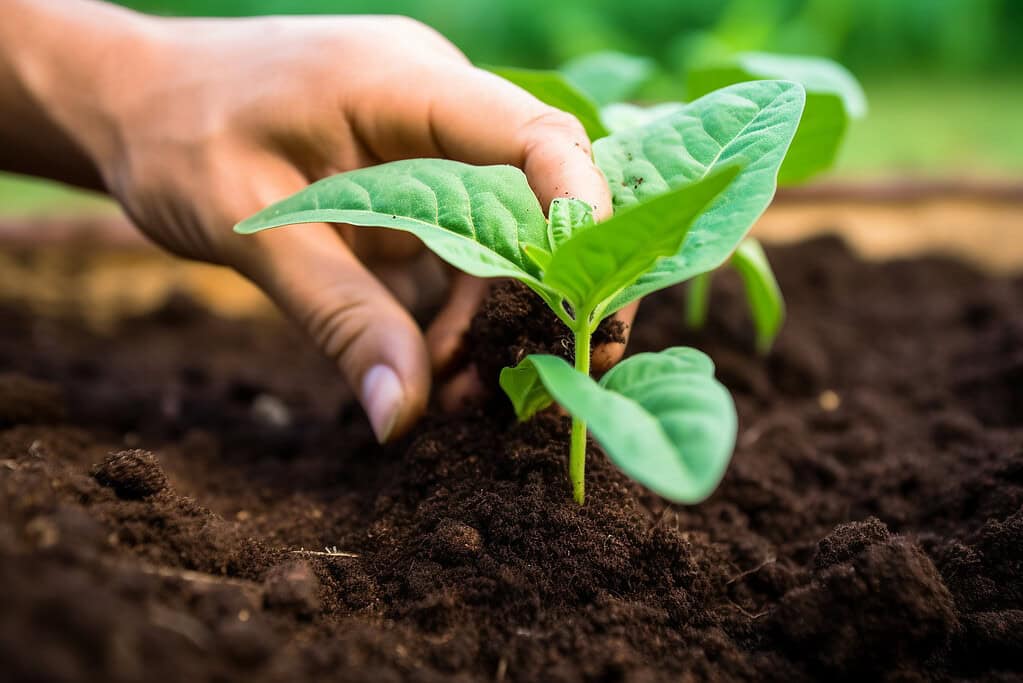
Chicken manure compost is rich in nitrogen, making it ideal for crops that grow quickly and need constant feeding.
But not all plants respond well to high nitrogen levels, so knowing where to apply it makes a difference.
Plants That Benefit the Most
Use chicken manure compost for crops that thrive on nitrogen and produce a lot of leafy or fruiting growth. These include:
- Tomatoes
- Peppers
- Cucumbers (if you are just starting out, see here how to grow cucumbers)
- Leafy greens (lettuce, spinach, kale, chard)
- Squash and zucchini
- Sweet corn
- Pole beans
- Rhubarb
- Pumpkins and melons
These plants benefit from nitrogen for strong leaf and stem development, which supports healthy fruit and vegetable production.
Where to Use It With Caution
Chicken manure compost is not ideal for plants that prefer low to moderate nitrogen levels, such as:
- Root vegetables (carrots, radishes, beets, onions) – Too much nitrogen can lead to excessive leafy growth and small or deformed roots.
- Legumes (peas, bush beans) – These crops fix their own nitrogen and may not need the extra boost.
- Herbs (like thyme, oregano, lavender) – Excess nitrogen can reduce flavor and stunt flowering.
If using it near these crops, mix it with additional soil or compost with a lower nitrogen level to reduce the intensity.
How to Make Chicken Manure Tea
Chicken manure tea is a liquid fertilizer made by steeping aged compost in water.
It delivers nutrients directly to a plant’s root zone and can be especially helpful for young, stressed, or nutrient-deficient plants.
What You Need
- Aged or fully composted chicken manure (never use fresh manure)
- An old pillowcase or cloth bag for steeping
- A large bucket or container
- Clean water (rainwater or tap water that’s been left to sit overnight)
- A stick or tool to stir or dunk the bag
How to Make It
- Fill the bag about two-thirds full with aged composted chicken manure.
- Tie it off securely and place it into a bucket filled with water. Use about two parts water to one part compost by volume.
- Set the bucket in a warm, sunny location.
- Each day, dunk the bag up and down two to three times to introduce oxygen into the water and prevent stagnation.
- Let it steep for up to 2 weeks, or until the water turns a deep brown color.
How to Use Chicken Manure Tea
- Dilute the tea before applying: Mix 1 part tea to 4 parts water to avoid overfeeding.
- Pour it directly into the soil around the base of plants — not on the leaves.
- Use it for:
- Seedlings that need a boost
- Stressed or yellowing plants
- Heavy-feeding crops mid-season
Avoid using it more than once every 1–2 weeks, and never apply undiluted tea, as it may be too strong for most plants.
Read related post: How to Build a Worm Composting Bin
Using Chicken Manure Compost in Pots and Containers
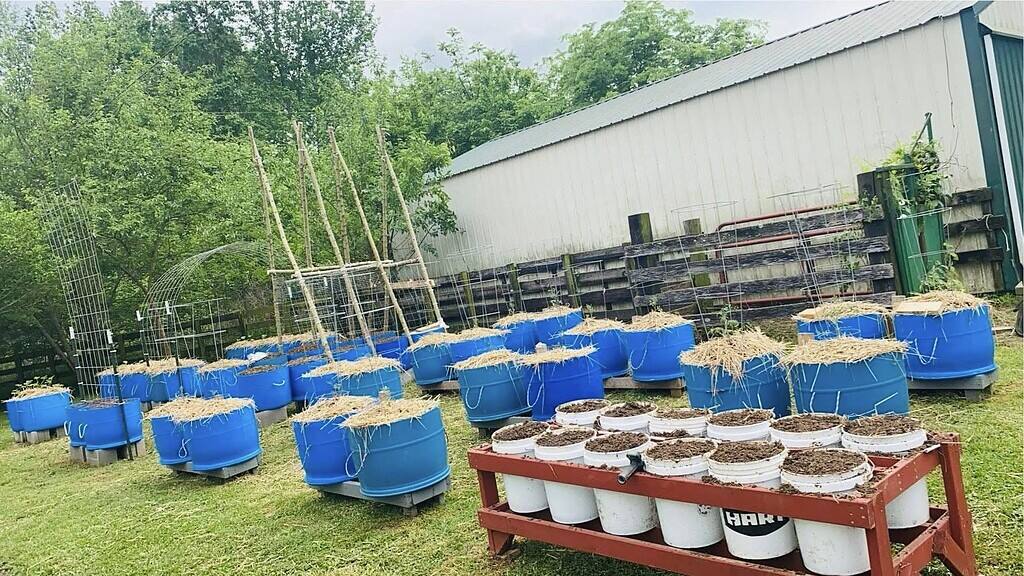
Chicken manure compost is highly concentrated, so when using it in pots or container gardens, it needs to be mixed carefully to avoid overfeeding or damaging plants.
How Much to Use
When mixing composted chicken manure into container soil:
- Limit the compost to no more than 50% of the total soil volume.
- The rest should be made up of quality potting soil, perlite, or other lightweight, well-draining materials.
Too much compost can cause:
- Nutrient imbalance
- Poor drainage
- Salt buildup, especially in small or enclosed containers
How to Mix It Properly
For a balanced container mix:
- Combine 1 part chicken manure compost, 1 part potting soil, and 1 part perlite or coarse sand for aeration and drainage.
- Mix thoroughly to distribute nutrients evenly.
- Avoid packing the soil tightly; leave space for water to move through easily.
What Not to Add to Your Chicken Manure Compost
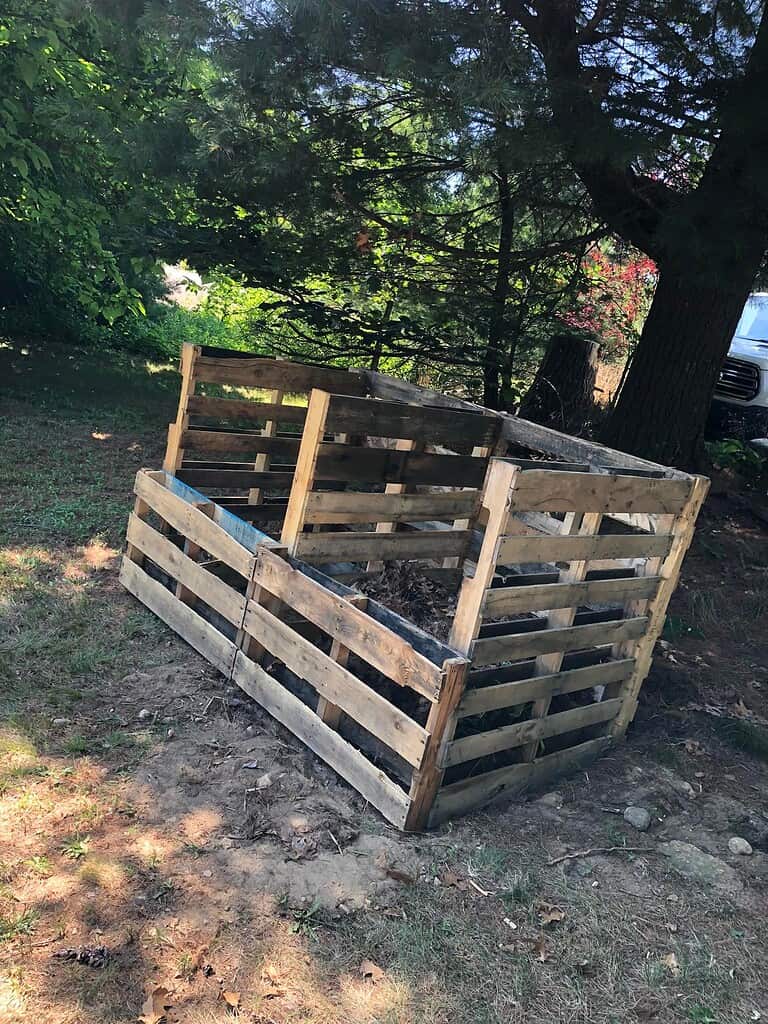
Not everything breaks down safely in a compost pile – especially one that includes chicken manure, which already contains high nitrogen and potential pathogens.
Adding the wrong materials can create odors, attract pests, or spread disease.
Materials to Avoid
- Cat or dog feces – May contain harmful parasites and pathogens that home composting temperatures don’t reliably kill.
- Meat, fish scraps, or bones – Rot quickly, smell bad, and attract rodents.
- Dairy products (milk, cheese, yogurt) – Hard to break down, create strong odors, and can invite pests.
- Fat, grease, oil, or lard – Slow to decompose and interfere with airflow and moisture balance.
- Charcoal ash or treated wood chips – May contain chemicals or heavy metals unsafe for plants.
- Plastic, rubber, or glass – Non-biodegradable and contaminate finished compost.
- Synthetic bedding materials – If your coop uses synthetic liners or pads, they should be removed before composting.
- Large branches or thick wood – Break down too slowly for most compost systems unless chipped first.
Why These Are a Problem
They don’t decompose properly or disrupt the microbial activity that compost relies on.
Some carry disease risks, especially when manure is part of the mix.
Others lead to unbalanced compost, either by slowing down the process or introducing harmful substances into your soil.
Better Alternatives
If you need to bulk up your pile:
- Use shredded newspaper, cardboard, dry leaves, or sawdust as safe carbon-rich materials.
- For green materials, stick to vegetable scraps, grass clippings, and garden waste that’s free from disease or pesticides.
5 Common Mistakes to Avoid When Composting Chicken Manure
Chicken manure composting has great benefits, but it also requires careful handling. Avoiding these common mistakes can save time, prevent plant damage, and keep the process safe and efficient.
1. Using Raw Manure Directly on the Garden
Fresh chicken manure is too high in nitrogen and may contain pathogens like Salmonella or E. coli. Applying it directly to the garden can:
- Burn plant roots
- Contaminate food crops
- Cause health risks, especially with leafy greens or root vegetables
Always compost and age it properly before using.
2. Adding Too Much Manure or Not Enough Carbon
Chicken manure is nitrogen-heavy. Without enough brown material (like straw or leaves), the pile becomes unbalanced and:
- Smells bad
- Attracts flies or rodents
- Fails to heat up properly
Keep the ratio at 1:1 or 2:1 brown to green, and adjust as needed if the pile smells or breaks down too slowly.
3. Not Turning the Pile
Turning the pile:
- Adds oxygen
- Distributes heat evenly
- Speeds up decomposition
Skipping this step in hot composting slows the process and may allow pockets of raw manure to remain. Rotate the pile at least 3 times during active heating or once a week in cold composting.
4. Letting the Pile Get Too Hot
While heat is essential for killing pathogens, temperatures above 160°F can:
- Kill beneficial microbes
- Slow down decomposition
- Cause the pile to dry out
Use a compost thermometer to monitor the center of the pile and turn it if temperatures climb too high.
5. Skipping the Curing Period
Even after the compost has broken down, it needs time to stabilize. Using compost before it has cured can:
- Overload soil with nitrogen
- Harm seedlings or sensitive plants
Let hot compost rest for 45–60 days, and cold compost for 6–12 months before applying.
Start Composting Chicken Manure the Right Way Today
Composting chicken manure isn’t difficult, but it does require attention to timing, temperature, and balance.
When done correctly, it turns messy waste into a clean, nutrient-rich soil amendment that boosts your garden’s long-term health.
Stick to the right process – compost it fully, let it age, and apply it when the soil and plants are ready.
Have you tried composting chicken manure on your homestead or garden? Comment down below with your experience, tips, or questions – we’d love to hear how it's working for you.
FAQs
Can I use chicken manure compost for starting seeds indoors?
It’s not recommended to use chicken manure compost on its own for seed starting. Even when fully composted, it can still be too rich and may retain too much moisture. Instead, mix 10–20% compost with a sterile seed-starting mix for added nutrients without overwhelming young roots.
Can I compost chicken manure in winter?
Yes, but the process will be slower. In cold temperatures, microbial activity drops. To help the pile stay active:
- Make it at least 3 feet wide/tall
- Insulate with straw or tarp
- Turn less often until spring
Does chicken manure compost attract rats or pests?
It can – especially if it includes kitchen scraps, meat, or isn’t covered. To reduce the risk:
- Avoid adding food waste
- Keep a good carbon-to-nitrogen ratio
- Cover the pile and turn regularly
Can I speed up the composting process naturally?
Yes. You can:
- Chop materials into smaller pieces
- Add soft greens like grass clippings to boost nitrogen
- Maintain consistent moisture (like a wrung-out sponge)
- Use finished compost or garden soil as a microbial “starter”
Is chicken manure compost safe for fruit trees and vines?
Yes, but apply it around the drip line, not directly against the trunk. Use a 1–2 inch layer in spring or fall, and avoid using fresh manure to prevent root damage or disease.