
Are cedar planter boxes worth the investment for your garden?
If you’re a home gardener or a DIY homesteader looking to grow veggies, herbs, or flowers in raised beds or containers, you’ve probably heard about cedar planter boxes.
They’re popular in backyard gardens and even small patios for good reason.
In this article, we’ll talk about the pros and cons of using cedar planter boxes, see how they compare to other materials like pine, metal, and plastic, and share some real-world insights on their long-term value.
By the end, you should have a clear idea whether cedar planter boxes are the right choice for your green space.
Let’s jump in!
Pros of Cedar Planter Boxes
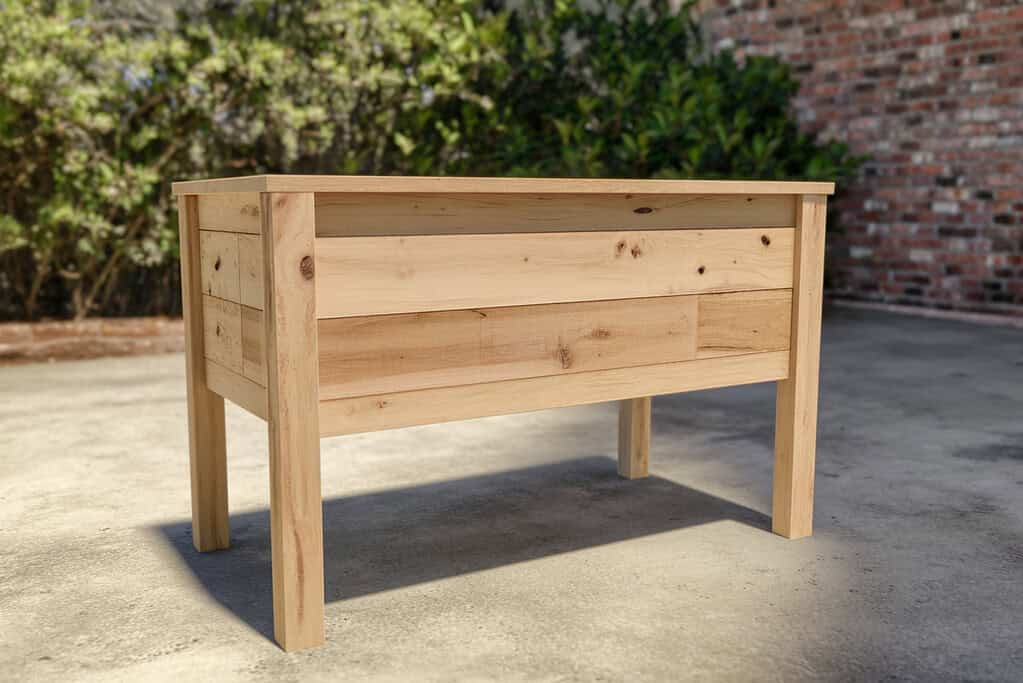
Cedar planter boxes have earned their great reputation. Here are some key benefits that gardeners (myself included) love about using cedar wood for planters:
Natural Rot Resistance & Durability
Cedar is often considered the gold standard for wooden planters and raised beds because it naturally resists rot and decay.
Cedar wood contains oils and tannins that fend off fungi and pests, meaning it won’t break down as quickly as untreated pine or other softwoods.
In fact, you can typically expect a well-built cedar planter box to last at least a decade before it starts to deteriorate.
Many gardeners report 10–15 years of use (or even longer with upkeep) from cedar beds, which is excellent longevity for wood in constant contact with moist soil.
Insect and Pest Repellent
Those same natural compounds in cedar that fight rot also help repel insects. Cedar wood isn’t tasty to many bugs – it’s known to deter termites, carpenter ants, and other wood-boring pests.
This means your planter box is less likely to become termite chow or suffer insect damage over the years.
Fewer pests bothering the wood can indirectly mean fewer hiding spots for bugs near your plants, keeping your garden healthier.
No Chemical Treatment Needed (Organic-Friendly)
Unlike pressure-treated lumber, cedar doesn’t need any chemical preservatives to make it last outside.
It’s naturally long-lasting and does not contain harmful chemicals that could leach into your soil. This makes cedar planter boxes a safe choice for organic vegetable and herb gardens.
You can grow food in them without worrying that chemicals might seep into your tomatoes and lettuce.
Cedar’s natural oils are completely safe for edible plants – it’s one reason cedar is so commonly used for raised beds in community gardens and backyards.
Aesthetic Appeal
Simply put, cedar looks great! Cedar planter boxes have a warm, reddish-brown wood tone when new, giving your garden a classic, natural charm.
Over time, untreated cedar will weather to a rustic silvery-gray patina, which many people find attractive as well.
The wood’s texture and grain can complement almost any garden style, from a country homestead vibe to a modern minimalist patio.
Cedar planters also smell good (that pleasant cedar aroma) especially when freshly built, which just adds to the enjoyment of working in your garden.
Lightweight & Easy to Work With
Cedar is a softwood that is lighter in weight than many other woods used for planters.
A cedar box will be easier to move (when empty) compared to, say, an oak or a composite planter of similar size.
It’s also a user-friendly wood for DIYers – cedar boards are generally easy to cut, drill, and screw together.
You don’t need special tools or skills to build a cedar planter box, making it a favored material for homemade garden projects.
Even if you’re buying pre-made cedar planters, their relative light weight makes assembly and setup simpler.
Good Drainage & Insulation
Wood planters like cedar have natural insulating properties. The wood helps buffer soil against extreme heat or cold better than materials like metal.
It also won’t overheat the soil on scorching days the way dark metal can.
Plus, wooden boxes can “breathe” a bit and typically have drainage holes or gaps that allow excess water to escape, preventing waterlogged soil.
In short, cedar boxes create a healthy environment for plant roots – not too hot, and not waterlogged.
…
All these pros make cedar planter boxes a long-term, gardener-friendly option.
You get durability, plant health benefits, and beauty all in one package. But to be fair, we should look at the other side of the coin too.
Cons of Cedar Planter Boxes
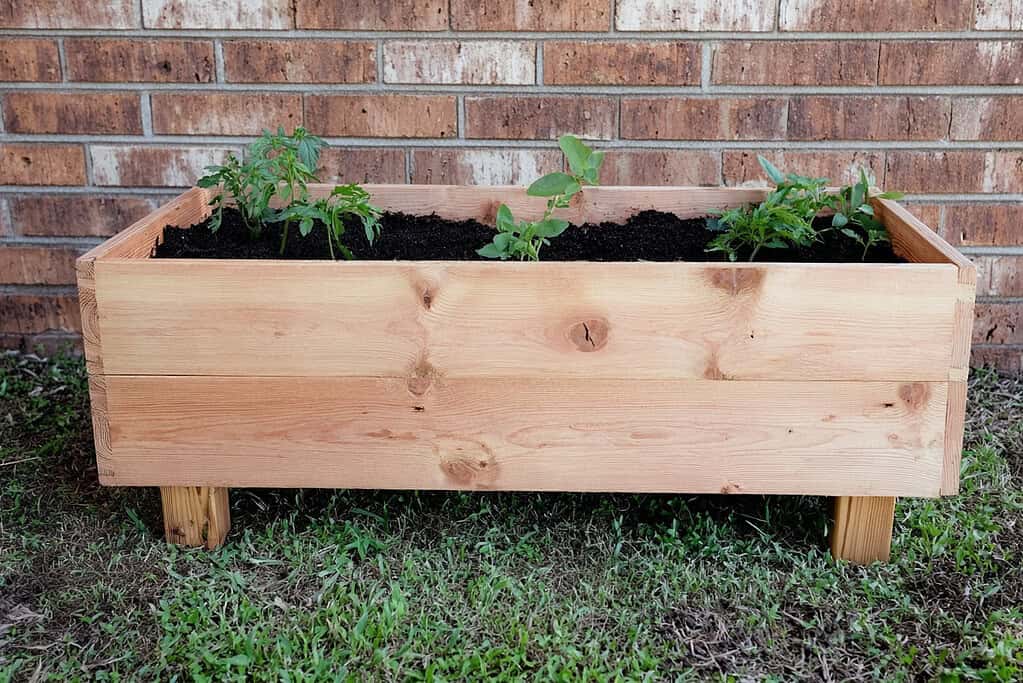
While cedar is an excellent material, cedar planter boxes do come with a few downsides and trade-offs. Here are some cons to consider before you decide:
Higher Upfront Cost
The most noticeable drawback of cedar is the price. Cedar wood is more expensive than common lumber like pine.
As cedar’s popularity has risen (and lumber prices in general have fluctuated), it’s become pricier over the years.
For example, one gardener found 8-foot cedar 4×4 posts costing around $25 each (versus about $8 for pine 4x4s). If you need a lot of lumber for multiple large beds, those costs add up.
Cedar planter kits and pre-built boxes also carry a premium. In short, you pay more upfront for cedar’s longevity and quality.
Limited Lifespan (Eventually Rots)
Yes, cedar lasts a long time – but it’s not indestructible. Being wood, it will eventually rot and degrade after years of exposure to damp soil and weather.
A decade or more of life is great for wood, but compare that to materials like metal or plastic which can last for decades (more on that later).
If you’re planning to garden in the same planter for 20+ years, know that a cedar box will likely need replacement or repair at some point in the long run.
Cedar’s rot resistance significantly delays the decay, but doesn’t prevent it forever.
Maintenance and Care
While cedar is low-maintenance compared to other woods, a little TLC can further extend its life – and that’s extra work.
Some gardeners choose to seal or stain their cedar planters with a non-toxic waterproofing sealer to get a few more years out of them.
Applying a wood sealant to the inside surfaces of the planter can improve durability by protecting against moisture.
However, this is an optional step that takes time and effort (and the sealant products aren’t cheap).
Likewise, adding a plastic or fabric liner inside the box is another way to protect the wood, but it’s an extra task and expense.
You can certainly use cedar planters without any treatment and still get good life – just remember that “untreated” means you might be accepting a slightly shorter lifespan than if you did those protective measures.
Maintenance is not onerous, but it’s something to be aware of if you want to maximize longevity.
Availability and Sizing
Depending on where you live, finding quality cedar lumber might be a challenge or at least require a trip to a specialty lumberyard.
Not all home improvement stores stock cedar in all sizes. For example, getting very thick cedar boards or posts can be difficult or very expensive in some regions.
Pine and other common woods are usually easier to find in various dimensions. So, if you’re going the DIY route, you might have to hunt around for suitable cedar boards.
Additionally, because cedar is softer, very long spans (like an 8-foot long bed side) can warp or bow outward if the boards are thin and not well supported.
Using thicker boards or adding cross-bracing can solve this, but again it might mean more lumber and cos.
It’s a minor con, but worth noting that building large cedar planters requires good design to keep them structurally sound over time.
Color Fading
This is more of an aesthetic consideration – cedar’s lovely color doesn’t last forever. If left untreated, the warm wood tone will weather to a gray as mentioned earlier.
Some gardeners love the rustic gray look; others miss the original hue. If you prefer to keep cedar’s color, you’d need to use an exterior wood finish or oil periodically, at least on the outside of the box.
That’s additional upkeep. Otherwise, expect that your cedar planter will change appearance after a couple of years of sun and rain exposure.
The silver-gray patina doesn’t harm the wood’s integrity, but it is a cosmetic change that some might view as a downside.
…
Despite these cons, many gardeners (myself included) feel that the benefits of cedar outweigh the drawbacks – but it really depends on your priorities.
Next, let’s compare cedar planter boxes with some other common materials so you can better judge the trade-offs in durability, cost, and value.
Cedar vs. Pine Planter Boxes
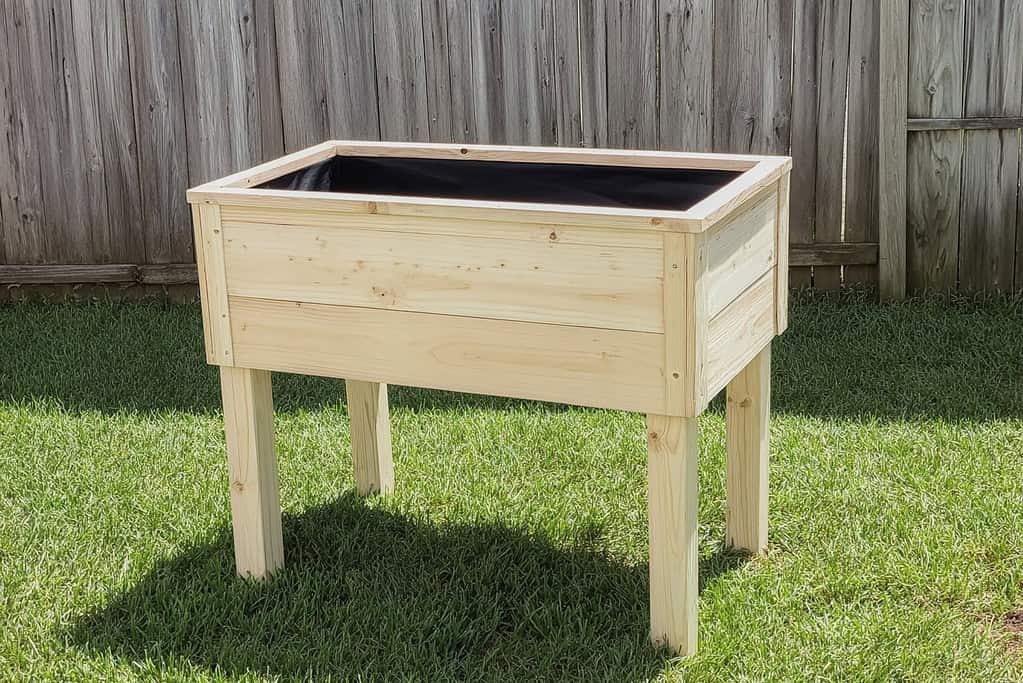
Wood is by far the most popular material for DIY planter boxes, and if it’s not cedar, it’s usually pine (or similar softwoods like fir/spruce). Here’s how cedar and pine stack up:
- Durability: Cedar wins hands-down on longevity.
Cedar contains those natural rot-resisting oils, whereas pine is an untreated softwood with no special rot resistance (unless you buy pressure-treated pine, which we’ll address in a moment).
In practice, an untreated pine planter might only last about 3–5 years before the wood significantly decays, especially in contact with moist soil. Cedar, as we discussed, can last ten years or more under the same conditions.
One source notes that hardwoods like cedar can last roughly twice as long as pine in the garden.
The bottom line: if you build a planter box from basic pine boards, be prepared for the fact that it could start rotting and falling apart after a few seasons – whereas a cedar box will stay solid for many years.
- Cost: Pine is cheaper upfront. Pine (or construction lumber like fir) is widely available and low-cost. Cedar, being more specialty, commands a higher price.
If budget is your main concern, pine is the economical choice – you can often build two or three pine planters for the cost of one cedar planter.
For example, untreated pine 4×4 boards might cost only a few dollars each, whereas cedar 4x4s of the same size could cost several times more.
This price gap is often the deciding factor for gardeners on a tight budget or those building many beds at once.
- Long-Term Value: Here’s where it gets interesting. While pine is cheaper, you might end up spending more in the long run if you have to replace a pine planter box every 3-4 years.
Cedar’s higher initial cost can pay off because you won’t be rebuilding or buying new planters as frequently. Think of it this way: if a cedar bed lasts ~10 years and a similar pine bed lasts ~3-5 years, you’d have to rebuild the pine 2-3 times in that span.
The cumulative lumber cost and your labor/time could easily meet or exceed the one-time cost of cedar. So, for gardeners in it for the long haul, cedar often offers better long-term value.
However, if you only need a short-term solution (e.g., you’re renting or unsure about committing to gardening), pine could be perfectly fine for those few years with less cash outlay initially.
- Other Considerations: Pressure-treated pine is another option some people consider. Modern pressure-treated wood (ACQ-treated) is more rot-resistant than plain pine and is said to be safer than the old arsenic-treated lumber.
It will last much longer than untreated pine. That said, many gardeners (especially organic veggie growers) are still wary of using treated wood for planter boxes because of the chemicals used in treatment.
If you’re comfortable that today’s treated lumber is safe, it can be a middle-ground choice: cheaper than cedar, longer-lasting than plain pine.
Just be aware that “treated” means chemical preservatives are infused in the wood – something to consider if your goal is an all-natural garden.
By contrast, cedar gives you longevity without any chemical additives, which is a big reason people prefer it for food gardens.
Verdict (Cedar vs Pine): Cedar is superior for longevity, resilience, and chemical-free peace of mind – making it worth the higher price for many gardeners.
Pine planter boxes are great for affordability and short-term use, or if you don’t mind rebuilding them every few years.
If you can swing the cost of cedar and want a low-maintenance, long-term bed, cedar is likely worth it.
If you’re experimenting or need a quick, cheap planter, pine can work – just go in knowing its limitations (and maybe reinforce or seal it to stretch its life a bit).
For inspiration on how to style your garden beds, check out our stunning winter planter ideas to see how cedar and other woods can shine in seasonal displays.
Cedar vs. Metal Planter Boxes
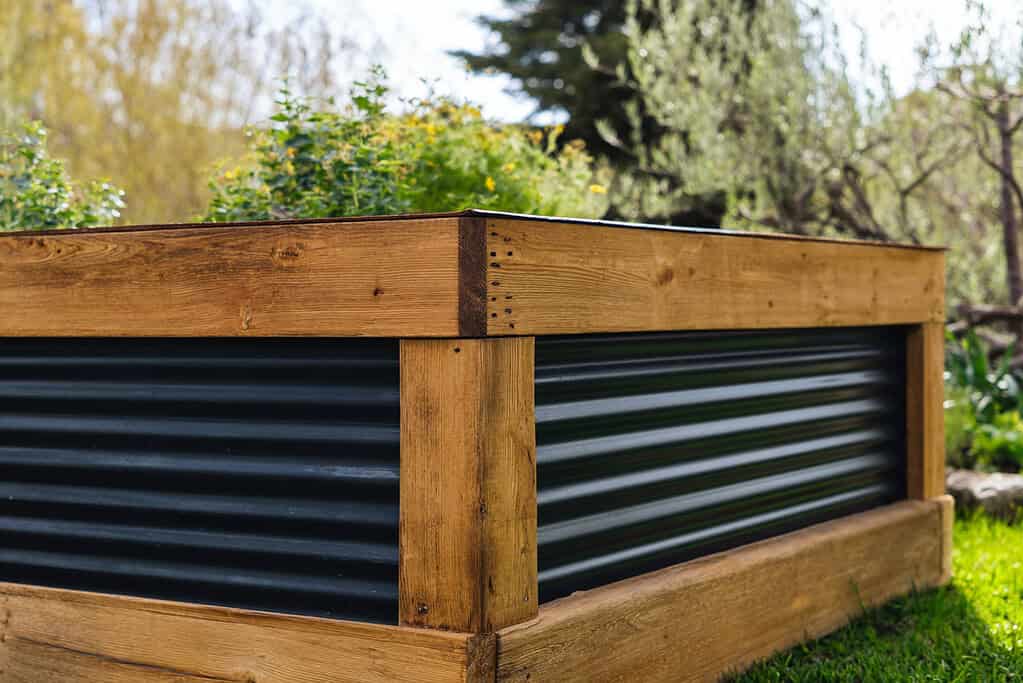
Metal raised beds and planter boxes have surged in popularity recently (you’ve probably seen those corrugated steel garden beds on Instagram or at the hardware store).
How do they compare to cedar wood planters?
- Durability & Lifespan: Metal planter beds are extremely durable – even more so than cedar.
A high-quality galvanized steel or coated metal bed can easily last 20+ years without structural failure.
Metal won’t rot, it’s not affected by insects, and modern galvanized or powder-coated beds resist rust very well. Cedar, as we know, is long-lasting for wood but typically in the 10-15 year range.
So if your primary goal is a planter that will last decades with no rot, metal has the edge. In fact, some gardeners with very harsh climates (or who simply never want to replace a bed) choose metal for its truly long-term stamina.
However, keep in mind that thinner, low-quality metal beds might rust or corrode faster, especially if the coating gets scratched.
A well-made metal bed with proper coatings can last decades; a cheap, thin steel planter might rust through sooner than that.
- Cost: The cost comparison between cedar and metal can vary. In the past, metal raised bed kits were quite expensive, but prices have become more competitive.
These days, a decent metal planter kit might cost similar to or slightly more than cedar in equivalent size.
For example, there are galvanized steel kits for large beds that might run a couple hundred dollars, which is in the same ballpark as buying lumber and building a big cedar bed.
If you’re buying premium metal beds (like designer styles or extra-thick panels), those can cost more than cedar.
On the other hand, if you have to hire someone to build a cedar bed but can assemble a metal kit yourself, metal could be cost-efficient. It really depends on the source.
Generally, expect to pay a bit more upfront for metal – but remember, it could outlast two or three cedar beds, so the long-term value might balance out.
In summary: cedar = high cost, metal = higher cost (but both are investments in longevity).
- Heat and Climate Factors: One important difference is how the materials behave in different climates. Metal planters can heat up the soil more in hot, sunny weather.
Metal is thermally conductive, meaning the sun can warm the metal sides and increase soil temperature, potentially stressing plant roots in hot climates.
In cooler climates, that heat-retention can actually be a benefit (extending the growing season by warming soil faster in spring).
Cedar wood, by contrast, is a better insulator – it doesn’t heat up the soil as quickly in summer, and it provides some insulation in winter cold.
So, if you live in a hot desert climate, cedar boxes might keep roots cooler, whereas in a cooler or short-summer climate, metal beds might give a slight edge in warmth.
It’s not usually a make-or-break issue, but it’s something to consider. (Some metal bed users in hot areas line the inner walls with cardboard or wood to help with insulation.)
- Maintenance: Metal planters are essentially maintenance-free. You don’t need to paint, seal, or really do anything to them except maybe rinse off dirt if you care about appearances.
They won’t warp or bow. Just avoid scratching off the protective coating (to prevent rust), and they’re set.
Cedar planters, as discussed, might need a bit of care (like re-tightening screws or an occasional treatment) to maximize their life, and eventually, they’ll need replacing.
So if you want zero upkeep over the years, metal is appealing.
- Aesthetics & Other Factors: Aesthetic preference between cedar and metal is personal. Cedar gives a natural, woodsy look that blends into gardens – it’s hard to beat the charm of a wooden raised bed in a cottage garden.
Metal planters offer a sleek, modern vibe (or a rustic farm look if using corrugated metal). Some people love the contrast of silver or colored metal beds with green plants.
Others find metal too stark and prefer the warmth of wood.
One minor practical point: metal beds often have very smooth, thin sides, which means they typically need more soil to fill for the same dimensions (since the walls aren’t as thick as wood).
This isn’t usually significant, but a 4×8 cedar bed made of 2-inch thick boards has slightly less interior volume than a 4×8 metal bed with super-thin walls – so the metal bed might take a bit more soil.
Also, metal edges can be sharp if not rolled or protected, though most products account for this with rolled rims or plastic edge guards.
Cedar edges are blunt and pose no injury risk (except maybe a splinter if it’s rough).
Verdict (Cedar vs Metal): If you’re aiming for maximum longevity and minimal maintenance, metal planter boxes are arguably “worth it” even more than cedar – they can truly be a lifetime garden investment.
They are especially good in climates where rot would eat up wood quickly. However, cedar holds its own by being cheaper than many metal options and by providing a more natural look and better insulation in hot weather.
Many gardeners choose cedar for a more traditional aesthetic and the satisfaction of natural wood, accepting that they’ll replace it in a decade or so.
In the end, it might come down to style and how much you value never having to worry about replacing the planter.
Both cedar and metal are excellent, long-lasting choices; cedar is just the one that biodegrades at the end of its life, whereas metal will stick around.
Cedar vs. Plastic Planter Boxes
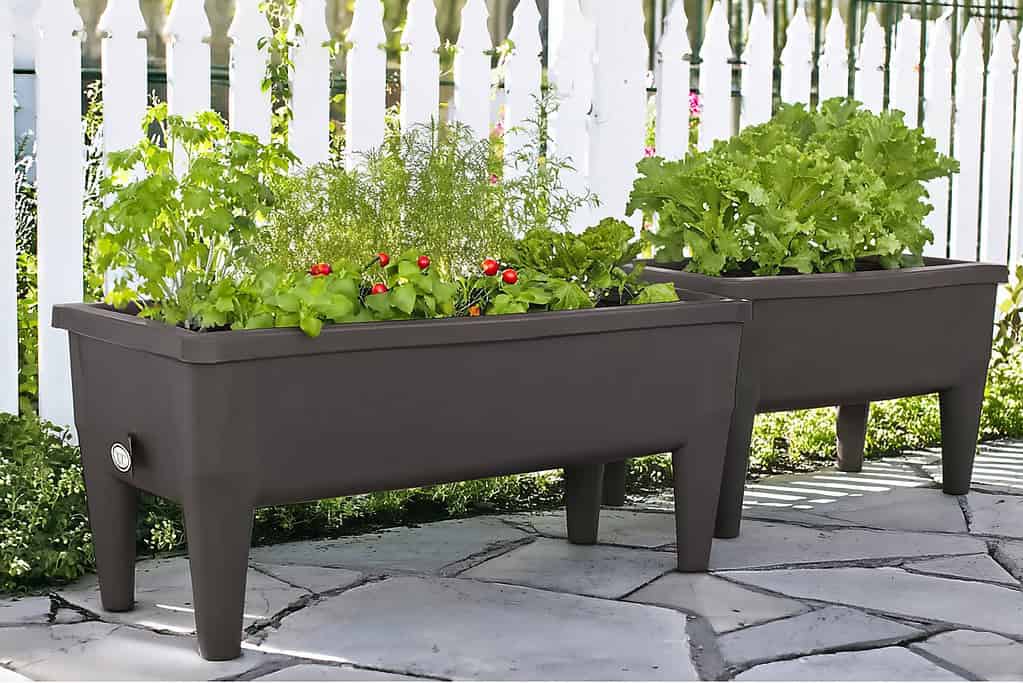
Lastly, how about cedar wood vs. plastic? Here we’re comparing cedar mainly to HDPE plastic raised beds or planters (often made from recycled plastic).
There are also vinyl or resin planters out there. Plastic might not have the same rustic appeal, but it’s quite practical. Let’s see:
- Durability & Lifespan: You might be surprised – high-quality plastic planters can outlast even metal. Products made from durable HDPE (high-density polyethylene) often come with 50-year warranties, and some manufacturers even guarantee them for life.
Plastic doesn’t rot or rust, and good UV-resistant plastic won’t crack in sunlight or winter cold. So in terms of resisting the elements, plastic is top-notch. That said, not all plastics are equal. Thin, cheap plastic pots will become brittle after years in the sun.
But the heavy recycled-plastic lumber used in some raised bed kits is extremely tough – it doesn’t warp or degrade, and can essentially last for decades upon decades.
(For more inspiration on easy garden projects, check out our simple raised garden bed ideas to see how different materials can work in your space.)
Compared to cedar’s ~10-15 year life, a quality plastic planter might last forever (or until you get tired of it!). The durability is a big plus for plastic.
- Maintenance: Plastic planter boxes are virtually zero-maintenance. They don’t need sealing or painting; they don’t rust; they’re not prone to insect or fungus issues.
At most, you might wash them off if they get muddy, just for looks. They also don’t typically get rough or give you splinters – the surface stays smooth over time.
Cedar, as a natural material, will change and eventually break down; plastic will not (at least not for a very, very long time). So if you want a “set it and forget it” solution, plastic is appealing.
- Cost: Here’s the catch – heavy-duty plastic planters often cost even more than cedar. The process to manufacture thick, UV-stable, recycled plastic boards is pricey, and that cost is passed on to the consumer.
For example, a composite or recycled plastic raised bed kit can easily cost 1.5x to 2x the price of a similar-sized cedar kit. You are basically paying upfront for something that will last almost indefinitely.
If you calculate the cost per year of use, plastic might actually be cheapest in the long run (since you might never replace it). But the initial sticker shock can be real.
On the other hand, there are inexpensive plastic planters (like basic plastic pots or DIY containers made from storage bins). Those are cheap, but as noted, the very flimsy plastics have a risk of cracking after some seasons of sun exposure.
So, to compare apples to apples, we consider the robust garden bed plastics versus cedar.
In short: cedar is usually less expensive than the top-tier plastic options, but more expensive than the bargain-bin plastic tubs.
- Environmental Factors: This is a double-edged sword. Cedar is a renewable resource – it’s wood, biodegradable, and if sourced responsibly, it’s environmentally friendly.
When a cedar planter box finally falls apart, the wood can even be composted or repurposed. Plastic is made from petroleum products (though recycled HDPE uses post-consumer waste like milk jugs, which is good).
The upside for plastic is that it doesn’t contribute to deforestation, and good plastics can be recycled again at end-of-life.
The downside is if it’s not recycled, it’s not biodegradable – a broken plastic bed could end up in a landfill indefinitely.
In terms of gardening, HDPE is very stable and does not leach chemicals, so it’s safe for growing food.
So both materials can be used responsibly: cedar is natural but has a shorter life; recycled plastic saves trees and lasts forever but uses more energy to produce initially.
- Structural & Design: One consideration is that plastic lumber can be heavy and somewhat flexible. Some recycled plastic boards are very hefty (as in physically heavy to lift).
They often require internal supports or cross-bracing for longer spans, because plastic can sag under the weight of soil if not reinforced. Cedar is a bit more rigid in that sense.
From a DIY perspective, you can screw into cedar easily, whereas you might need special hardware to connect plastic boards.
Most plastic planter systems come as kits with all the necessary braces and brackets to ensure they hold their shape.
Another point: plastic planters can come in various colors and often have a uniform, modern look. Some people like that clean look; others feel it looks artificial compared to real wood.
- Verdict (Cedar vs Plastic): If your priority is ultimate longevity and zero replacement, a high-quality plastic planter box might be “worth it” despite the high upfront cost – you buy it once and garden for a lifetime.
Cedar gives you a long run without breaking the bank, but eventually needs replacing. Many gardeners prefer the natural look and feel of cedar and are willing to replace their planters down the line.
Plastic is a great choice if you want no rot, no rust, no hassle and don’t mind the look of it (or you can conceal it with other design elements).
Also, in very wet climates where even cedar might rot faster than usual, plastic can really shine as a solution that’s impervious to moisture.
In summary, cedar and plastic are both excellent, safe materials for planter boxes – cedar wins on classic beauty and aroma; plastic wins on longevity and never needing care.
Now that we’ve looked at cedar’s pros and cons and weighed it against pine, metal, and plastic, let’s talk about how cedar planter boxes hold up in real-world gardening and whether they’re truly worth the investment for you.
Are Cedar Planter Boxes Worth It?
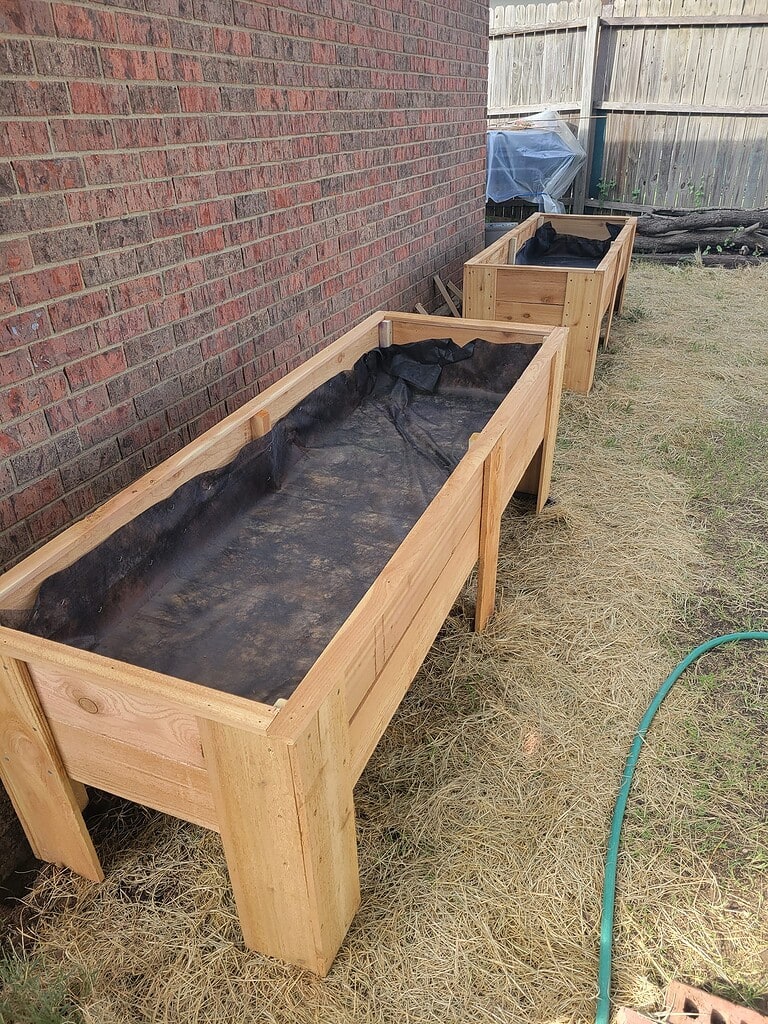
So, practically speaking, are cedar planter boxes worth it? From a real-world perspective of a gardener friend:
Yes – for many situations, they are absolutely worth it, provided you value their strengths. Here are a few insights from experience and community wisdom:
Long-Term Satisfaction
Gardeners who invest in cedar generally end up happy with the decision. The consensus is that cedar pays off over time.
For example, many folks share that their cedar raised beds are still solid and functional after a decade of use, whereas neighbors who built pine beds had to rebuild theirs twice in the same timeframe.
One gardener in a humid climate mentioned their cedar beds lasted 15 years before needing replacement.
These real-world numbers back up cedar’s reputation.
If you plan to be growing veggies in the same spot for years to come, cedar’s reliability will make your life easier (fewer rebuild projects and less worry about your planters failing).
Hands-On Maintenance (or Lack Thereof)
In practice, most home gardeners do not do much maintenance on their cedar planter boxes, and they still last a long time.
I’ve seen cedar beds that were basically left alone (no sealant, no liners, just allowed to weather) and they still lasted a decade.
The corners or upper edges might get a little rough over time, but the structure stays intact as long as the wood was thick enough to start.
Of course, if you do take the extra step of sealing the interior or placing a liner, you’ll likely squeeze even more years from the cedar.
For instance, using a non-toxic wood treatment on cedar can add extra protection and keep it looking nicer longer.
But many real-world gardeners skip this, appreciating that cedar is pretty “set and forget.”
It’s nice to know cedar doesn’t demand your constant attention – you can focus on growing plants, not babying the planter.
Aging Gracefully
Cedar planter boxes age gracefully compared to a lot of other materials.
As they weather to gray, they still look good and function well.
Unlike an old plastic planter that might chalk or crack, or an old metal bed that might rust through if compromised, an aging cedar bed often still has a certain charm.
Even if the wood develops some cracks or checks, it usually remains garden-worthy for quite a while.
When a cedar box does finally start to give out, it often does so somewhat gradually – you might notice one board getting soft or a corner post starting to weaken.
This gives you time to plan a replacement. And when you do replace it, the old wood can be repurposed or composted, which gardeners appreciate.
In essence, cedar doesn’t just disintegrate one day suddenly; it gives you many years of service and a gentle exit.
Worth the Cost?
Financially, whether cedar is “worth it” can depend on your personal budget and how you value time/hassle.
If you are handy and don’t mind rebuilding planters more often, you could save money with cheaper wood or materials.
But many real-world gardeners would rather build something once and enjoy it. I often tell friends: if you can afford the upfront cost of cedar, you probably won’t regret it.
The ease of mind, knowing your planter is built from one of the best woods available and will serve you well for years, is worth the extra dollars.
On the flip side, if cedar lumber prices are prohibitive in your area, it’s understandable to choose a cheaper route and maybe just plan on upgrading later.
Some gardeners start with inexpensive beds (like pine or even just grow bags) and then move to cedar once they’re sure that raised bed gardening is for them long-term.
DIY and Sourcing Tips
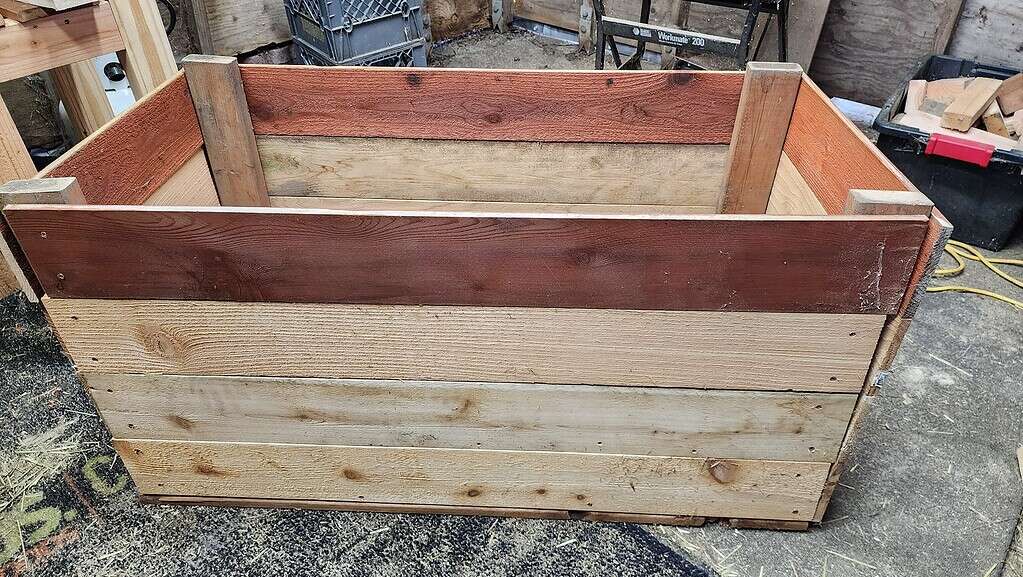
People get creative to make cedar more affordable. For example, using cedar fence pickets (which are thinner and cheaper) to build a planter box is a common DIY hack.
You double up the pickets for strength or accept that you might replace the picket liners after some years, but it lowers the initial cost.
Others mix materials: using cedar for the parts that touch the ground and cheaper wood above, as one gardener did to balance cost and longevity.
These hybrid solutions show that cedar’s value is recognized – folks try to incorporate it at least where it matters most (like the base of a bed) to get some rot resistance.
The takeaway is, even budget-conscious gardeners often try to include cedar in their builds because it works.
For those looking to take it a step further, check out our DIY self-watering planter guide for more practical ideas on building long-lasting, low-maintenance beds.
…
In summary, the real-world experience is that cedar planter boxes deliver on their promises.
They last a long time (especially relative to most other wood options), they keep your garden safe and natural, and they require minimal fuss.
Gardeners who have them generally feel they were a smart investment in the garden’s infrastructure.
Of course, “worth it” always depends on your situation – if you move frequently or are gardening temporarily, a 15-year bed may not benefit you.
But for anyone putting down roots (pun intended) and cultivating a garden for the foreseeable future, cedar planter boxes are often worth every penny.
Making the Best Choice for Your Garden
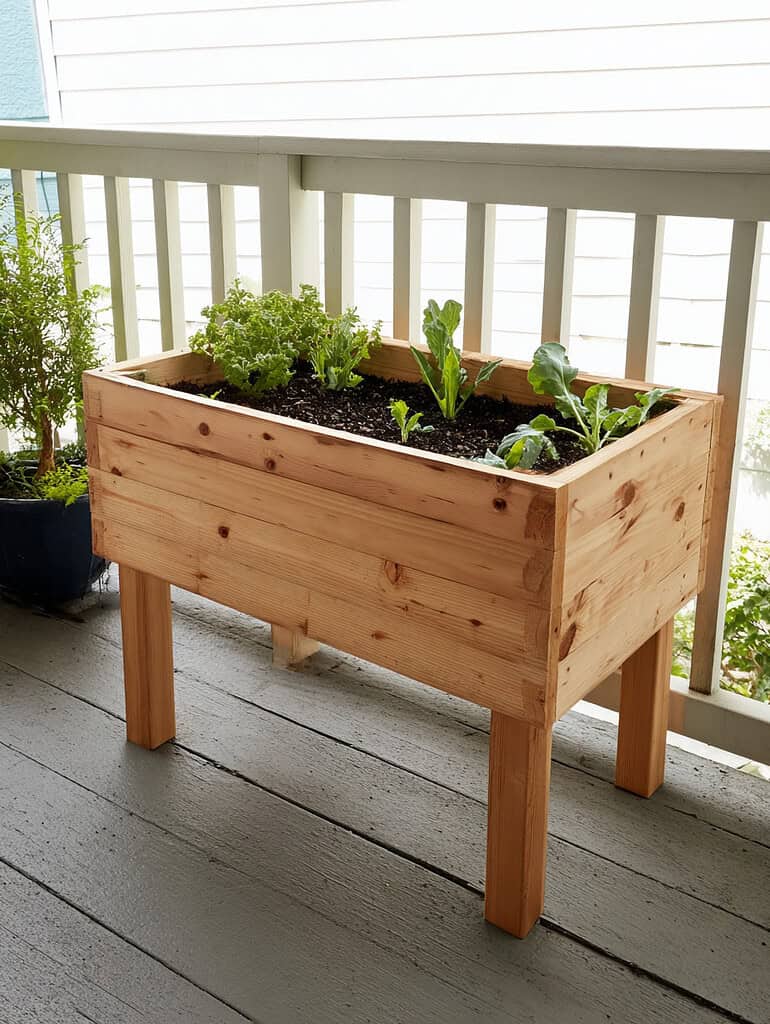
Cedar’s combination of durability, natural rot resistance, and classic beauty make it a fantastic investment in your garden’s infrastructure.
While you’ll pay more upfront compared to using cheap pine or repurposed materials, you’re likely to save yourself the headache (and expense) of rebuilding or repairing your planter boxes every couple of years. In that sense, cedar offers real long-term value for serious gardeners.
That said, it’s important to weigh the pros and cons in your own context.
If budget constraints or a very long-term horizon (20+ years) are your primary concerns, you might compare cedar with alternatives like metal or high-quality plastic beds which can last even longer.
But if you cherish a natural, chemical-free garden and want a reliable raised bed that checks all the boxes (no pun intended) for durability and looks, cedar is hard to beat.
Ultimately, “worth it” comes down to your priorities: Cedar planter boxes are worth it if you value longevity, low maintenance, and an organic-friendly material – and many gardeners do.
If you decide to go with cedar, you’ll be joining countless happy gardeners who enjoy their cedar beds season after season with minimal issues.
I hope this breakdown of cedar planter box pros, cons, and comparisons has helped you make an informed choice.
If you have any thoughts, personal experiences with cedar boxes, or further questions, I’d love to hear them! Drop a comment below to share your stories or ask anything we didn’t cover.
Happy gardening and happy building! 🌱👩🌾
FAQS
How long do cedar planter boxes last?
Cedar planter boxes typically last 10–15 years, sometimes longer with thicker boards and good drainage. In dry climates, they can exceed 15 years, while untreated pine might only last 3–5 years.
Do cedar planter boxes need to be lined with plastic or fabric?
No, cedar is naturally rot-resistant and can touch soil directly. Liners are optional and mainly used to reduce moisture contact and extend lifespan. If you use a liner, ensure proper drainage and choose food-safe materials.
Should I seal or treat my cedar planter box to make it last longer?
Sealing is optional. Cedar lasts well untreated, but applying a food-safe oil or wood sealer can extend durability, especially on interior surfaces in contact with soil. Avoid non-breathable sealants inside.
Are cedar planter boxes safe for growing vegetables and herbs?
Yes. Cedar is food-safe, naturally rot-resistant, and doesn’t leach harmful chemicals. Its oils won’t harm plants, making it ideal for veggie and herb gardens.
What is the best wood for planter boxes (if not cedar)?
Redwood is another top choice, also rot-resistant but expensive. Cypress, juniper, and black locust are good options, while pine, spruce, or fir last shorter unless treated. Teak or ipe are very durable but costly.