
Growing cucumbers successfully isn’t just about watering and fertilizing – it’s also about choosing the right neighbors for your cucumber plants.
This practice, known as cucumber companion planting, involves placing certain plants next to your cukes to boost their growth and protect them from pests.
It’s a time-honored, organic gardening technique that can take your cucumber harvest to new heights.
By selecting the best plants to grow with cucumbers, you can improve soil fertility, attract pollinators, and naturally ward off common cucumber pests like aphids and cucumber beetles.
What is companion planting, and why does it matter for cucumbers?
In a nutshell, companion planting means growing different species side by side because they benefit each other.
These benefits can include natural pest control, enhanced pollination, better use of space, and even improved flavor of your veggies.
Instead of spraying pesticides, you can let nature do the work – companion plants can repel harmful insects or attract beneficial ones that prey on pests.
They might also provide shade, serve as a trellis, fix nutrients in the soil, or suppress weeds, all helping your cucumber patch thrive in a sustainable way.
It’s no wonder many organic and backyard gardeners swear by this method to get a bigger, healthier cucumber harvest with fewer chemicals.
Benefits of Companion Planting with Cucumbers
Before we get to the list, it helps to understand why these companion plants are so beneficial for cucumbers.
Companion planting creates a mini-ecosystem in your garden where plants support each other. Here are some key benefits of pairing cucumbers with the right plants:
- Natural Pest Control: Many companion plants give off scents or chemicals that repel cucumber pests like cucumber beetles, aphids, thrips, and squash bugs. For example, aromatic herbs and flowers can mask the smell of cucumbers or deter insects from coming close. Fewer pests mean your cucumber leaves and fruits suffer less damage.
- Attracting Beneficial Insects: On the flip side, some companions attract beneficial insects such as ladybugs, lacewings, and parasitic wasps. These garden “good guys” prey on pests that might otherwise munch on your cucumber vines. Other companions (especially flowering ones) draw in pollinators like bees and butterflies, which cucumbers need for fruiting. More pollinators visiting your cucumber flowers can lead to a higher yield.
- Improving Soil Fertility: Certain plants (notably legumes) actually enrich the soil by fixing nitrogen – a nutrient cucumbers need a lot of. By planting these near cucumbers, you provide a natural fertilizer boost without extra chemicals. Other companions have deep or broad root systems that help improve soil structure and bring up nutrients, benefiting nearby cucumber roots.
- Providing Shade or Support: Tall or bushy companion plants can offer valuable shade for cucumber vines during hot summer days, preventing sunscald on leaves or keeping soil moist. Sturdy-stemmed plants can even act as a living trellis for cucumbers to climb. Lifting cucumber vines off the ground improves air circulation (reducing disease) and saves garden space.
- Better Use of Space & Weed Suppression: Companion planting lets you maximize a small garden space by interplanting compatible crops. For example, you can grow cucumbers vertically and plant quick-growing veggies or leafy greens at their base, making use of otherwise bare soil. Some companions spread out to cover the ground, which helps block weeds and conserve soil moisture under your cucumber plants.
- Enhanced Growth and Flavor: All these factors together mean healthier plants and potentially larger yields. There are even anecdotes that certain herbs like dill or oregano can improve the flavor of cucumbers when grown nearby! While the jury’s out on flavor enhancement, companion planting definitely contributes to the overall vigor of your cucumber vines.
In short, companion planting with cucumbers is a win-win for organic and sustainable gardening.
You let nature work for you – fewer pests, richer soil, and happier cucumber plants, all without resorting to synthetic pesticides or fertilizers.
Now, let’s meet the top companion plants that will be the perfect partners for your cucumbers.
12 Best Companion Plants for Cucumbers
This list covers a variety of companions that benefit cucumbers in different ways – whether it’s pest protection, improved growth, or efficient use of space.
Plant these buddies alongside your cucumber vines, and you’ll be on your way to a healthier, more productive garden.
1. Marigolds (Tagetes)
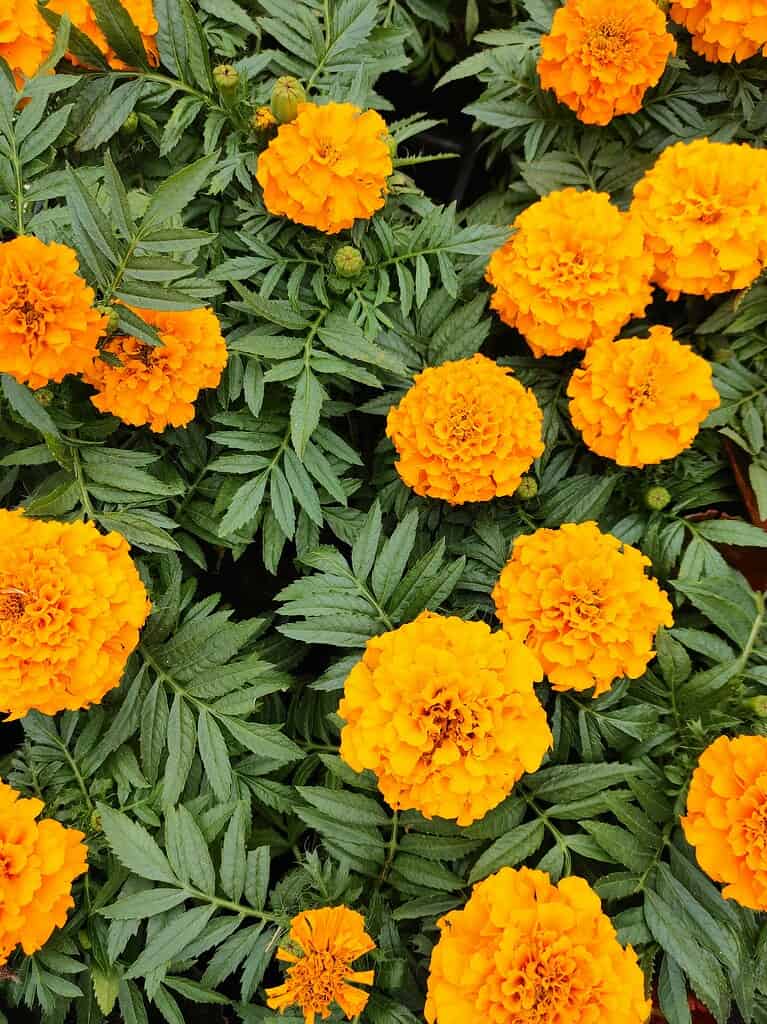
Marigolds are often hailed as a gardener’s best friend, and cucumbers love them too.
These vibrant orange or yellow flowers give off a strong scent that repels nematodes and many harmful insects in the soil and garden.
By planting marigolds around your cucumber patch, you create a natural protective barrier – their aroma helps deter pests like aphids, whiteflies, and even beetles that might otherwise bother your cucumber plants.
In addition to pest control, marigolds add a splash of color and can attract some pollinators to the garden. They’re easy to grow and can be tucked in edges or between cucumber mounds.
Many gardeners use marigolds as a border plant for cucumber beds. As a bonus, marigolds are low-growing and won’t compete much with cucumbers for light or nutrients.
All in all, marigolds act as living pest control and a cheerful companion for your cukes.
2. Nasturtiums (Tropaeolum majus)

Nasturtiums are not only beautiful, with their bright red, orange, or yellow blooms, but also incredibly useful as cucumber companions.
These trailing or bushy flowers function as a “trap crop” – they attract aphids, cucumber beetles, and other pests away from your cucumber plants.
Pests are drawn to the nasturtium’s tasty leaves and flowers, sparing your cucumbers from infestations. Essentially, nasturtiums sacrifice themselves for the sake of your cukes!
Moreover, nasturtium flowers produce lots of nectar that entices pollinators. More bees and butterflies visiting your nasturtiums means some will also stop by your cucumber flowers, aiding fruit set. As a result, planting nasturtiums nearby can lead to a more bountiful cucumber harvest.
Nasturtiums are also edible and bring a peppery zing to salads – a nice bonus for you.
They’re easy to grow from seed and do well when allowed to sprawl around the base of cucumber plants or cascade from a container.
They prefer the same moist, well-drained soil that cucumbers do. Just give nasturtiums a bit of space to spread, and they’ll happily protect and enhance your cucumber patch with minimal fuss.
3. Dill (Anethum graveolens)
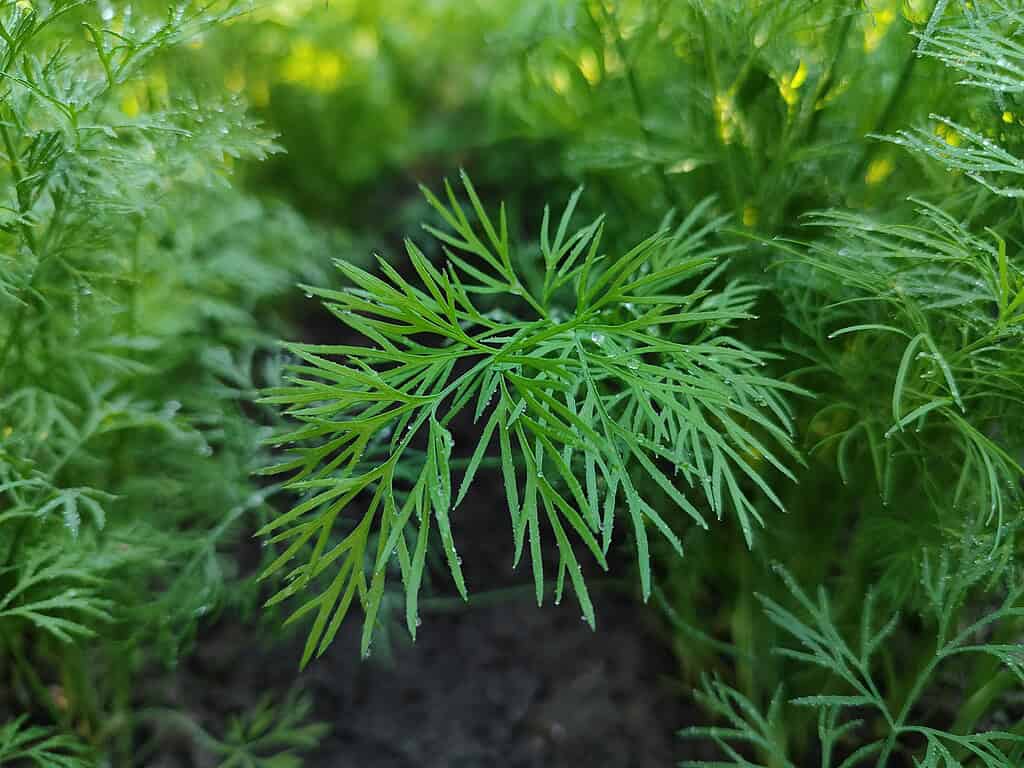
Dill is a feathery herb that makes an excellent cucumber buddy in more ways than one. First, dill is known to attract beneficial insects such as predatory wasps, ladybugs, and hoverflies.
These helpful insects prey on common cucumber pests (like aphids and caterpillars), keeping pest populations in check naturally. By having dill nearby, you’re essentially recruiting a tiny army of bodyguards for your cucumber plants!
Dill’s aromatic foliage also has pest-repelling qualities. Many gardeners find that dill’s smell confuses or deters pests that might otherwise sniff out cucumbers.
There’s even a popular belief that growing dill near cucumbers can improve the cucumbers’ flavor, though this may be subjective.
(Fun fact: fresh dill and cucumbers pair deliciously in the kitchen – think pickles and tzatziki sauce – so perhaps they just naturally go together in the garden too!)
One thing to note: Dill can self-seed and spread if you let it flower. Some cucumber growers plant dill a little off to the side so it doesn’t shade their cukes too much once it grows tall.
You can succession-plant dill (sow seeds a few weeks apart) so you always have young dill around during the cucumber growing season. Dill and cucumbers are such a classic combo – both on the plate and in the dirt – that many gardeners consider dill a must-have companion plant.
4. Beans (Phaseolus vulgaris)
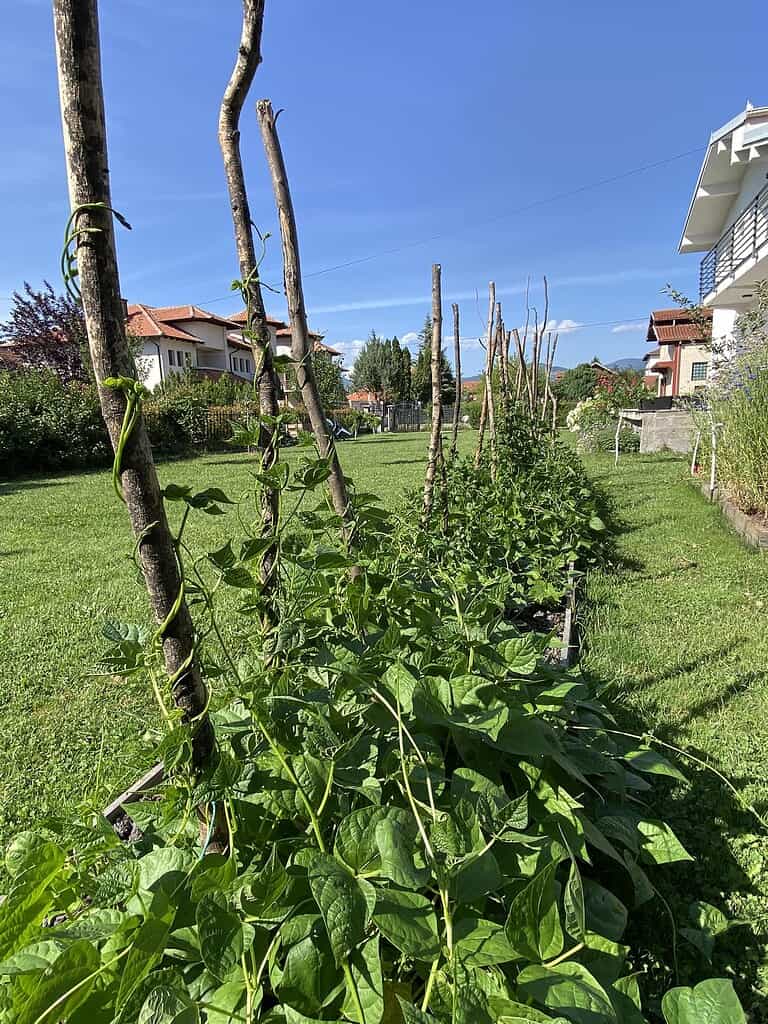
Beans, whether bush beans or pole beans, are superstar companions for cucumbers. They offer a two-fold benefit. First, pole beans can act as a living trellis for cucumber vines to climb.
If you plant a few tall-growing beans near cucumbers, the cukes will happily latch onto the bean stalks or the same support poles. This makes the most of vertical space in your garden and keeps cucumbers off the ground.
Second, all beans are nitrogen fixers. Through a symbiotic relationship with bacteria in their roots, beans take nitrogen from the air and convert it into a form that enriches the soil.
Cucumbers are fairly heavy feeders and love nitrogen. By growing beans and cucumbers together, the beans help fertilize the soil naturally, giving both plants a healthy boost. You may notice your cucumber plants looking extra green and vigorous thanks to their legume friends.
Both bush and pole beans work, but pole beans especially save space and provide climbing support. Just be sure to give the bean plants a little head start or plant seeds at the same time so they’re sturdy enough when cucumber vines start to reach out.
Also, avoid using chemical nitrogen fertilizers when you have beans fixing nitrogen; let them do the work. The partnership of beans and cucumbers is a win-win for soil health and space-saving, making it a favorite in traditional companion planting lore (similar to the “Three Sisters” concept).
5. Peas (Pisum sativum)

Like beans, peas are legumes that can greatly benefit cucumbers. Peas enrich the soil with nitrogen as they grow, acting as a natural fertilizer source for neighboring plants.
When peas and cucumbers are grown together, the peas’ nitrogen-fixing ability helps promote healthy, vigorous cucumber growth and higher yields for both crops.
Another benefit is that pea vines can provide a trellis or support for cucumber vines to grab onto. This is especially useful with tall, climbing pea varieties.
By maximizing vertical space, you can have cucumbers and peas occupying essentially the same area – cucumbers climb up while peas might cling alongside or slightly below. This vertical companionship keeps the garden organized and makes harvesting easier too.
One popular strategy is to grow spring peas and later-season cucumbers in succession.
Peas prefer cooler weather and often finish producing by early summer, right when cucumbers start taking off. You can plant cucumber seedlings near maturing pea plants; as the peas die back, the cucumbers can use the existing supports.
The decaying pea plants also release nitrogen into the soil for the cucumbers – talk about a seamless handoff!
Whether you overlap their growing season or not, peas are definitely one of the best plants to grow with cucumbers if you’re aiming for a healthy soil and space-efficient garden. Plus, you get a harvest of delicious peas in addition to your cukes.
6. Sweet Corn (Zea mays)
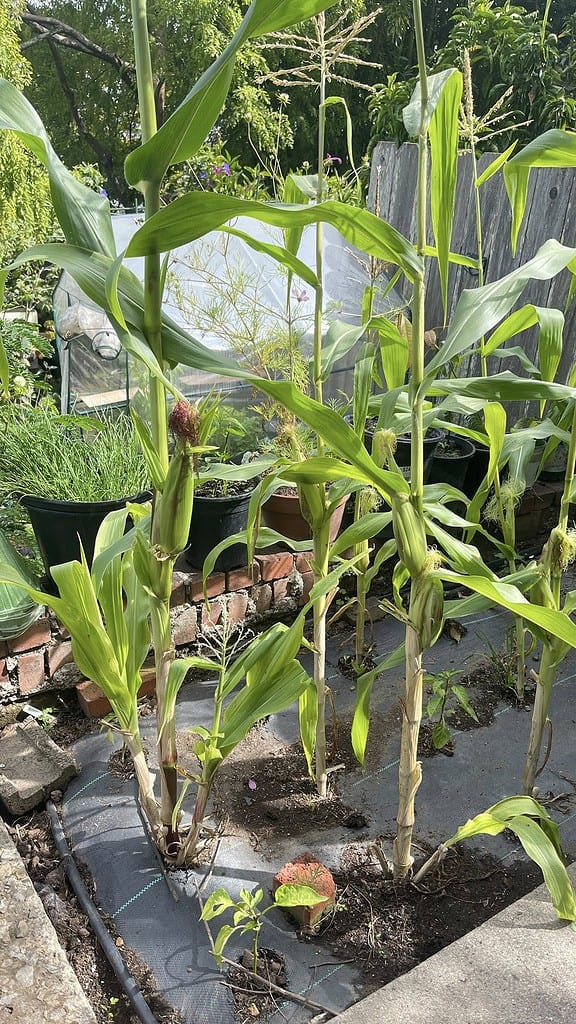
Corn and cucumbers might sound like an odd pair, but they actually complement each other nicely.
Sweet corn’s tall stalks provide natural shade for cucumber plants, which can be very helpful in the peak of summer. Cucumber vines can sometimes suffer in extreme heat, so a bit of dappled shade from corn can keep them cooler and prevent leaf scorch.
Additionally, corn can serve as a living support – cucumber vines will gladly climb up corn stalks if they get a chance, similar to how they would with a trellis or sunflower.
Interestingly, some gardeners note that having corn nearby may confuse or deter cucumber beetles, possibly because the beetles are less attracted to a mixed planting or find it harder to locate the cucumbers among corn.
In fact, corn is mentioned to help deter pests like the cucumber beetle, which is a notorious foe of cucumbers.
While corn itself isn’t a nitrogen-fixer, it often features in companion planting schemes (like the Native American “Three Sisters”: corn, beans, squash). If you include beans in your cucumber-corn mix, the beans will add nitrogen that benefits both.
One caution: Corn is a heavy feeder (it loves nitrogen), and cucumbers are moderately heavy feeders too. If you plant them together, ensure your soil is rich in organic matter or fertilize appropriately so they don’t compete for nutrients.
Also, cucumbers should be planted on the sunny side of corn rows (south side in northern hemisphere) so they still get enough light as the corn grows tall.
When done right, corn and cucumbers can grow in harmony – the corn offers shelter and vertical growth for the cucumbers, and in return cucumbers (and their legume friends) enrich the soil for the corn.
7. Radishes (Raphanus sativus)

Believe it or not, radishes – those quick, peppery root veggies – are rockstar companions for cucumbers. Radishes are known to repel cucumber beetles with their pungent scent and taste.
Many gardeners interplant a few radishes around cucumber hills or along cucumber rows to ward off these striped or spotted beetles that love to chew on cucumber leaves and spread diseases.
In essence, radishes act like a natural beetle repellant or even a sacrificial crop (beetles may nibble radish leaves instead of cucumber vines). This can significantly reduce pest damage to your cucumber plants.
Another big benefit is that radishes grow and mature very quickly – often in 25-30 days – and their roots help break up the soil as they grow. By the time your cucumbers are really taking off, the radishes are ready to harvest (enjoy that garden snack!).
Their harvested roots leave behind small voids in the soil, improving aeration and drainage for cucumber roots.
So radishes not only don’t compete much with cucumbers (since they’re out of the ground early), they actually improve the soil structure for them. Both cucumbers and radishes prefer well-drained soil, so radishes are like little soil tillers.
Because radishes are so fast-growing, you can succession plant them among cucumbers repeatedly. Keep sowing a few radish seeds every couple of weeks near your cucumber plants.
You’ll have a continuous supply of radishes, and each batch will do its part in protecting and aiding your cucumber crop. It’s a simple, low-cost method to keep cucumber beetles away and get bonus harvests – truly a practical companion planting hack for cucumber growers.
8. Borage (Borago officinalis)
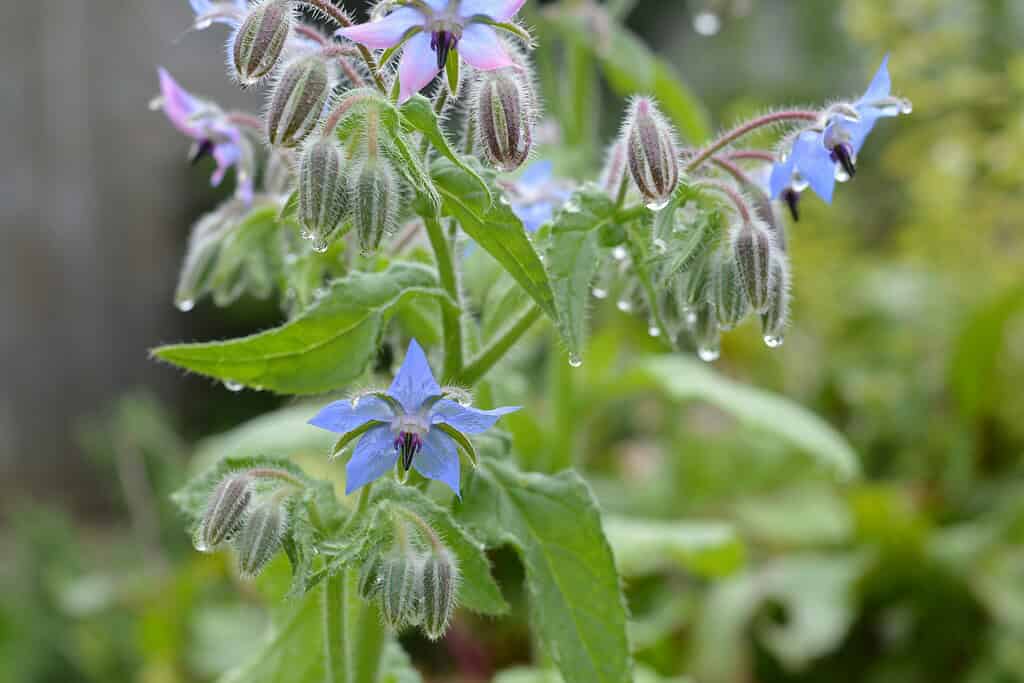
Borage is an herb with beautiful star-shaped blue flowers, and it’s often hailed as a beneficial companion for many garden plants, including cucumbers.
One of borage’s standout qualities is that it’s a pollinator magnet. Those vivid blue blooms attract bees, butterflies, and other pollinating insects in droves.
More pollinators buzzing around means your cucumber flowers get pollinated more thoroughly, which can lead to more fruits and a higher cucumber yield.
If you’ve ever had trouble with cucumber plants flowering but not setting fruit, adding borage nearby could help by increasing pollinator visits.
Garden lore also suggests that borage improves the health and flavor of cucumbers. While the flavor part is hard to measure, some gardeners swear their cucumbers taste better or have more vigor when grown with borage.
Borage accumulates minerals in its leaves, and when those leaves drop or are used as mulch, they return nutrients to the soil. This can give nearby heavy feeders like cucumbers a nutritional boost. In fact, borage is sometimes grown as a “green manure” or mulch plant for this reason.
Borage is easy to grow from seed, self-seeds readily, and is generally trouble-free. It can get a bit large (2-3 feet tall), so plant it at the edge of a cucumber patch or where it won’t completely shade your cukes (unless you need to provide some afternoon shade).
Both plants enjoy similar conditions: full sun to part shade and moderate watering. Fun bonus: borage flowers are edible and have a mild cucumber-like taste, lovely in salads or frozen in ice cubes for summer drinks.
By pairing borage with your cucumbers, you not only help your cucumbers thrive, but you also get a pretty herb that supports your whole garden’s ecosystem.
9. Lettuce (Lactuca sativa)
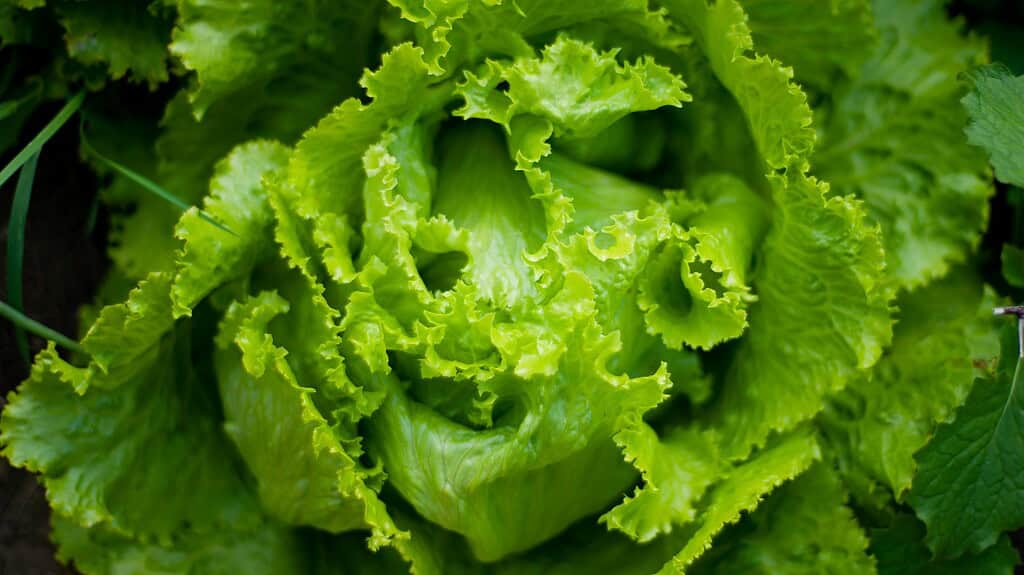
Lettuce and cucumbers make great garden neighbors.
Lettuce is a shallow-rooted, quick-growing leafy green that doesn’t compete heavily with cucumbers, yet it provides several benefits (especially if you already know how to grow lettuce successfully in your climate).
When planted around the base of cucumber plants, lettuce acts as a living mulch: it shades the soil, which reduces moisture evaporation and helps keep the soil cool.
This is great for cucumbers because they have fairly shallow roots that appreciate consistent moisture – the lettuce groundcover can prevent the soil from drying out too fast. By retaining soil moisture, you also reduce stress on cucumber plants and potentially improve their yield.
Lettuce also suppresses weeds naturally simply by occupying space that weeds might otherwise take over. Fewer weeds mean less competition for nutrients and water that your cucumbers need.
Importantly, lettuce and cucumbers have complementary growth habits: cucumbers take time to grow large, whereas lettuce (especially leaf lettuce or baby greens) matures quickly.
You can often harvest the lettuce before the cucumber vines sprawl too much, or you can plant lettuce in the partially shaded spots under cucumber trellises.
In fact, growing lettuce in the shade of cucumber vines can extend the lettuce season, preventing it from bolting (going to seed) too soon in hot weather.
From a planning perspective, you can plant lettuce a few weeks before you transplant cucumber seedlings, so you get an early lettuce crop.
As you harvest lettuce, the cucumbers will start occupying that space. Or do the reverse: plant lettuce later in the season at the feet of already established cucumber plants.
Either way, lettuce is a gentle companion that shares the space amicably and even improves the microclimate for your cucumbers.
Just ensure adequate water and nutrients for both, as cucumbers do need feeding – adding compost will help feed the hungry cukes and keep the lettuce happy too.
10. Onions (Allium cepa) and other Alliums
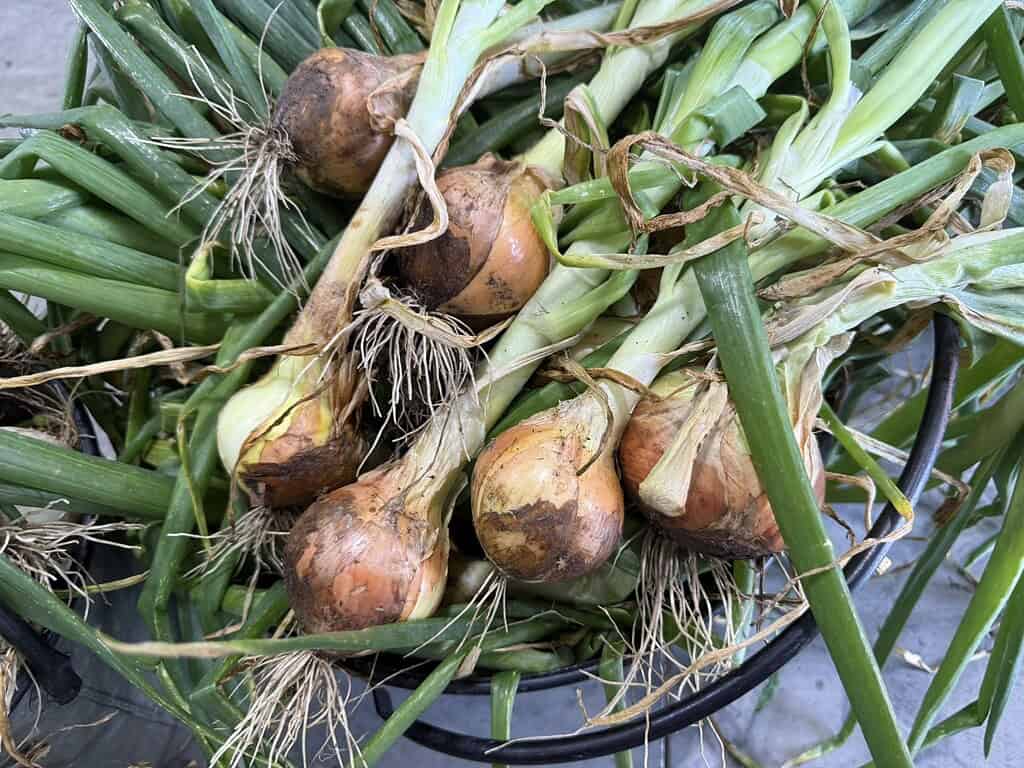
Members of the onion family – including onions, garlic, chives, and scallions – make excellent cucumber companions.
Their strong aroma and sulfur compounds can repel pests like aphids and beetles, protecting cucumber plants naturally.
Alliums are also space-efficient. Bulb onions grow mostly underground, while chives and scallions stay compact, so they won’t crowd sprawling cucumber vines.
Garlic may even help reduce disease pressure, such as fusarium wilt, by improving soil health. Chives also attract pollinators and beneficial insects with their flowers.
Plant alliums without crowding cucumber leaves to maintain airflow and light.
For example, tuck green onions between cucumber hills or plant chives in clumps nearby. Whether deterring pests or supporting plant health, alliums are a versatile ally in the cucumber patch.
11. Oregano (Origanum vulgare)
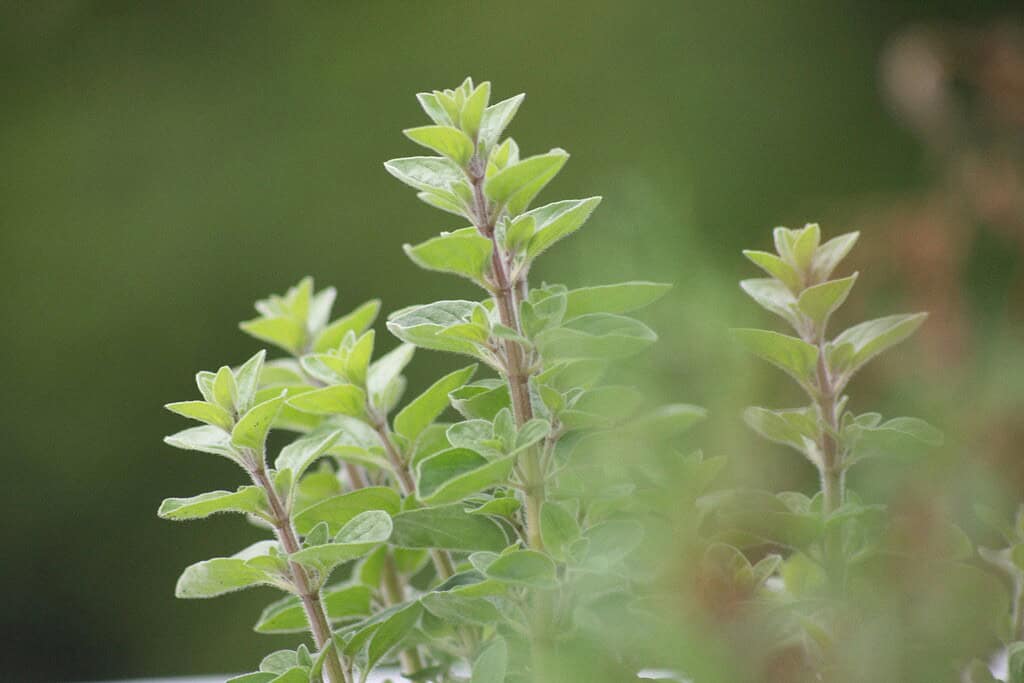
Oregano isn’t just a tasty kitchen herb – it’s a helpful companion for cucumbers. Its strong fragrance naturally repels pests like aphids, spider mites and even mosquitoes.
The aromatic oils in its leaves confuse or drive away insects that might target cucumber plants.
Oregano is low-growing and spreading, so it works well as a groundcover, shading soil, retaining moisture, and suppressing weeds. It’s perennial in many climates (or easy to regrow each year), providing long-term benefits.
Some gardeners even claim oregano enhances cucumber flavor, though at the very least, you’ll have fresh oregano for salads.
It thrives in sun and well-drained soil, tolerates drier conditions than cucumbers, and doesn’t need much water once established.
Plant it at the base of trellises or in nearby herb beds, and enjoy its lilac flowers that attract pollinators. Overall, oregano is a versatile companion: pest control, groundcover, pollinator attractor, and flavor booster all in one.
12. Sunflowers (Helianthus annuus)
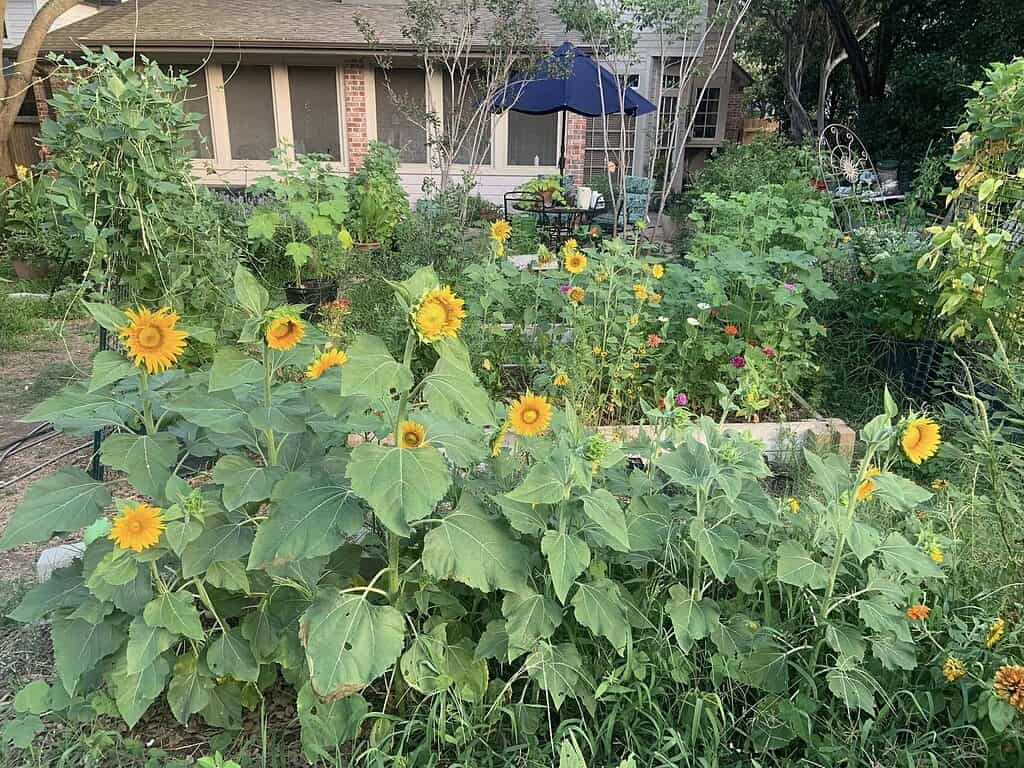
Rounding out our list are sunflowers, the cheerful giants of the garden.
Their tall, sturdy stalks can act as a natural trellis, keeping cucumber vines off the ground, cleaner, and less prone to rot.
They also provide partial shade for young plants, protecting leaves from scorching, and can serve as a windbreak.
Sunflowers are excellent at attracting pollinators and beneficial insects, which helps cucumber flowers get pollinated and can even reduce pests. Some gardeners find that this can boost cucumber yields.
Plant sunflowers on the north side of your cucumber patch to avoid shading the plants, and choose lightweight cucumber varieties to climb them.
With these considerations, sunflowers and cucumbers create a mutually beneficial pairing: support, shade, and pollinator-friendly vibes all in one.
…
These 12 companions – from pest-fighting flowers like marigolds and nasturtiums to soil-improving veggies like beans and radishes – are proven partners for cucumbers.
You don’t need to plant all of them, of course. Try adding a few of these around your cucumber bed based on your needs.
For example, if pests are your main concern, emphasize the pest-repellent flowers and herbs.
If your soil is poor, include nitrogen fixers like beans or peas. If space is limited, think vertically with sunflowers or trellised beans and tuck lettuce or oregano underneath.
The beauty of cucumber companion planting is that it’s flexible and fun – you’re basically designing a little plant community where each member helps the others.
It’s a natural and eco-friendly way to boost your garden’s health. Plus, you often get bonus harvests (herbs, flowers, extra veggies) from the companions themselves.
Now that we’ve covered the “best friends” of cucumbers, let’s briefly look at which plants are not so friendly with cukes, so you know what to avoid.
Plants to Avoid Planting Near Cucumbers
Just as some plants make fantastic cucumber companions, a few can cause trouble for your cucumber crop.
When planning your garden, you’ll want to keep these “frenemies” away from cucumbers to prevent competition, pest issues, or growth problems. Here are the main ones to avoid:
Other Cucurbits (Squash, Melons, Pumpkins)
It might be tempting to put all your vine crops together, but cucumbers and other cucurbits are best kept apart.
Plants like summer squash, zucchini, pumpkins, and melons (cantaloupe, watermelon) are in the same family as cucumbers and attract many of the same pests and diseases.
Planting them side by side is like setting up an all-you-can-eat buffet for cucumber beetles, squash bugs, and vine borers – pests will hop from one to the other, and diseases (like cucumber mosaic virus or downy mildew) can spread easily between related plants.
Also, if you save seeds, they can cross-pollinate and hybridize. To minimize issues, give cucumbers and their cousins some distance in the garden.
(Fun note: If you’re not saving seeds, cross-pollination won’t affect the current fruits – you can plant them in the same garden, but still, the pest/disease factor is the bigger concern.)
Potatoes
Steer clear of planting cucumbers near potatoes. Potatoes are heavy feeders and will compete fiercely with cucumbers for nutrients and water in the soil.
Cucumbers can end up nutrient-starved and stunted if they have to battle potato plants for resources. Moreover, potatoes are prone to blight (a fungal disease), which can spread to cucumbers as well.
There’s also some evidence that cucumbers may release chemicals that inhibit potato growth (and vice versa), so they just aren’t good neighbors.
It’s best to keep them in separate areas of your garden to avoid this conflict.
Strong Aromatic Herbs (Sage, Rosemary, and even Basil)
While we listed oregano and dill as great companions, not all herbs are helpful. Some very pungent, woody herbs like sage and rosemary can actually stunt cucumber growth or affect their flavor.
These herbs release potent aromatic oils; in some cases, they might deter pollinators or confuse the pollination of cucumbers.
Basil is a bit controversial – some gardeners interplant basil and say it repels pests, but others (and some sources) note that basil can compete with cucumbers and potentially make cucumbers taste bitter.
The Spruce specifically lists basil as a no-go with cucumbers due to growth inhibition.
Given the mixed reports, it may be safer to plant basil away from your cucumber patch, or at least monitor how your cucumbers respond.
In general, avoid planting extremely aromatic, oil-rich herbs directly next to cucumbers, except the ones known to be beneficial (like dill or oregano).
Mint
Mint is another herb to keep away – not because it harms cucumbers directly, but because mint is an aggressive spreader.
Most varieties of mint will take over a garden bed, sending out runners everywhere. If planted next to cucumbers, mint can quickly crowd them, competing for space, nutrients, and water.
It can “steal” the area that cucumber vines need to run.
If you want mint around (it does have some pest-repelling qualities), it’s best grown in a container or far from your veggies so it doesn’t become invasive.
Fennel
Fennel is a lovely plant but notoriously allelopathic to many other veggies (meaning it exudes substances that inhibit growth of those neighbors).
It’s generally advised not to plant fennel near most garden vegetables, including cucumbers. Fennel’s root secretions can hinder cucumber growth or germination.
If you love fennel, give it its own spot well away from your main veggie beds or keep it in a pot.
Eucalyptus (uncommon in veggie gardens)
Just to mention, if you happen to live in a region where eucalyptus trees or shrubs are around, know that they drop allelopathic compounds too.
The Spruce notes eucalyptus can negatively impact nearby plants like cucumbers. This is rarely an issue for typical backyard gardeners, but worth noting if you have a pet eucalyptus or so.
In summary, keep cucumbers away from heavy feeders (like potatoes), plants in their own family (squash/melons), and invasive or chemically incompatible herbs.
If you avoid these problematic pairings, your cucumbers will have a much better chance at staying healthy. Companion planting is as much about knowing what not to pair as it is about good pairs!
Start Companion Planting for Better Cucumber Harvests
Companion planting is an age-old idea, but as you’ve seen, it can make a real difference in your cucumber harvest.
Pairing cucumbers with supportive neighbors like marigolds, dill, beans, and sunflowers creates a natural garden team: some plants enrich the soil, others repel pests, attract pollinators, or provide shade and support.
The result? Healthier cucumbers, fewer pests, and more delicious fruits on your plate.
You don’t need a huge garden or expert skills to try this. Even a few cucumber plants in a small bed or container can benefit.
Plant a nasturtium or marigold in the corner of a pot, or grow lettuce at the base of a trellised cucumber. You’ll soon notice the benefits – plus, you’ll get extra herbs, flowers, or veggies as a bonus.
As cucumber season rolls in, plan your plant partnerships and try some of these 12 companions.
Observe what works best, have fun with it, and enjoy a flourishing garden. Here’s to crunchy, abundant, and problem-free cucumbers this year!
FAQs
Can I plant cucumbers with tomatoes in the same garden bed?
Yes, but it’s not ideal. Both like sun, warmth, and rich soil, and they share some diseases like mosaic virus and blights. Close planting can encourage disease spread, and their vining habit may cause crowding.
Are squash or melons bad companions for cucumbers?
Yes. Cucumbers, squash, pumpkins, and melons attract the same pests and diseases, creating a potential hotspot.
Can I grow cucumbers and peppers together?
Yes! Peppers’ upright, bushy growth and shallow roots don’t crowd vining cucumbers, and they don’t share major pests or diseases.
Can I do companion planting with cucumbers in containers or small spaces?
Absolutely. Compact companions like dwarf marigolds, chives, bush nasturtium, or lettuce work well around container cucumbers.
How should I arrange or space companion plants around cucumbers?
- Interplant with intention: Place companions close enough to work (pest control, shade) but not so close they compete. Root veggies like carrots, radishes, or beets can grow under trellised cucumbers, and lettuces or spinach can be planted nearby for partial shade.
- Surround the cucumber mound: For bush cucumbers or mounds, plant a ring of onions, garlic, or alternating marigolds and radishes 6–8 inches from the stems to create a protective perimeter.
- Row planting: Mix cucumbers with companions within rows (e.g., cucumber, marigold, cucumber, basil) to break up monoculture and confuse pests, keeping spacing similar to cucumber requirements (1–2 feet apart).
- Use vertical space: Trellis cucumbers to free ground space for low-growing companions like chives or oregano. Maintain airflow so the base isn’t smothered.
- Mind sunlight: Taller companions like sunflowers or corn should be on the north or west side so cucumbers still get sun. Shade-loving greens can be planted behind cucumber trellises for protection.