
If you've been wanting to invite more birds into your backyard but aren't sure where to start, bird houses are one of the easiest and most rewarding ways to do it.
But here's the thing – not just any bird house will do. Birds are surprisingly selective. The hole size, height, location, materials, and even the color of the box all play a role in whether a bird will move in or pass right by.
The good news is that once you understand what makes a bird house genuinely inviting, setting one up (or several) becomes a fun and satisfying project that transforms your backyard into a haven for wildlife.
Whether you want to create a full backyard oasis or simply add one charming feature to your outdoor space, these 11 backyard bird house ideas give you plenty of inspiration to work with – from rustic DIY builds to clever placement strategies that birds simply can't resist.
11 Backyard Bird House Ideas That Attract More Birds
Below are 11 backyard bird house ideas that can help attract more birds to your yard. Each one is simple, practical, and designed to give our feathered friends a safe and cozy spot to call home.
1. The Classic Bluebird Box
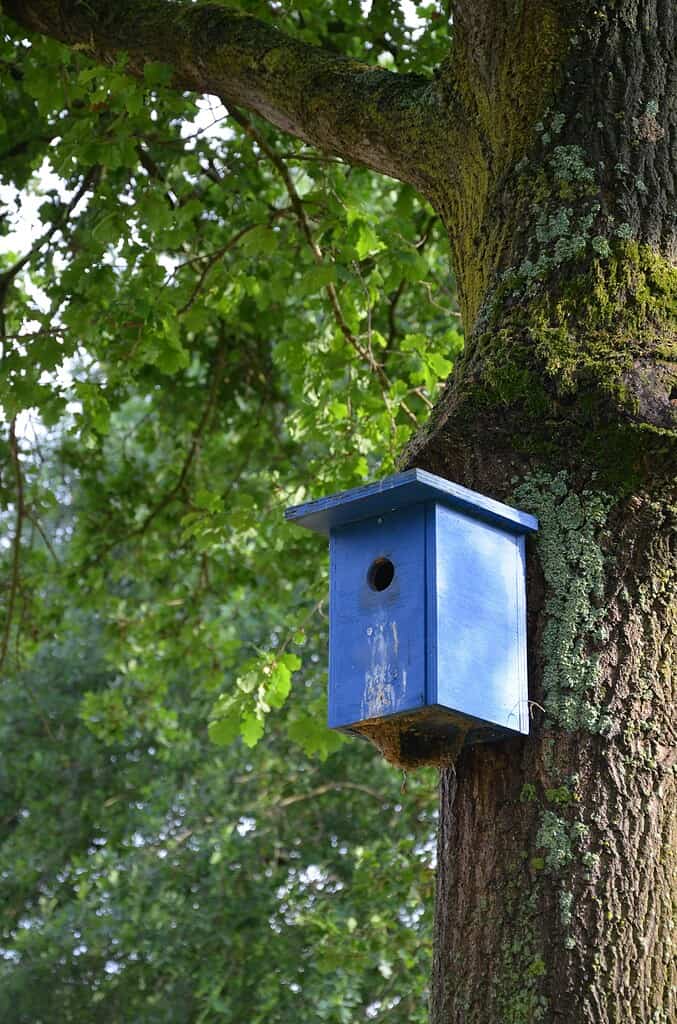
Eastern bluebirds are one of the most beloved backyard birds in North America, and they're cavity nesters that eagerly adopt well-placed nest boxes.
The key to attracting bluebirds is getting the dimensions right. The entrance hole should be exactly 1.5 inches in diameter – large enough for bluebirds but too small for starlings, which compete aggressively for nesting spots.
Mount your bluebird box on a metal pole (not a tree, which gives predators easy access) about 4 to 6 feet off the ground, in an open area with short grass nearby.
Bluebirds hunt insects by scanning the ground from a perch, so they prefer open sight lines rather than dense shrubs.
Space multiple bluebird boxes at least 100 yards apart since they're territorial about nesting sites. Adding a baffle below the pole will deter snakes and raccoons from raiding the nest.
2. The Rustic Log Bird House
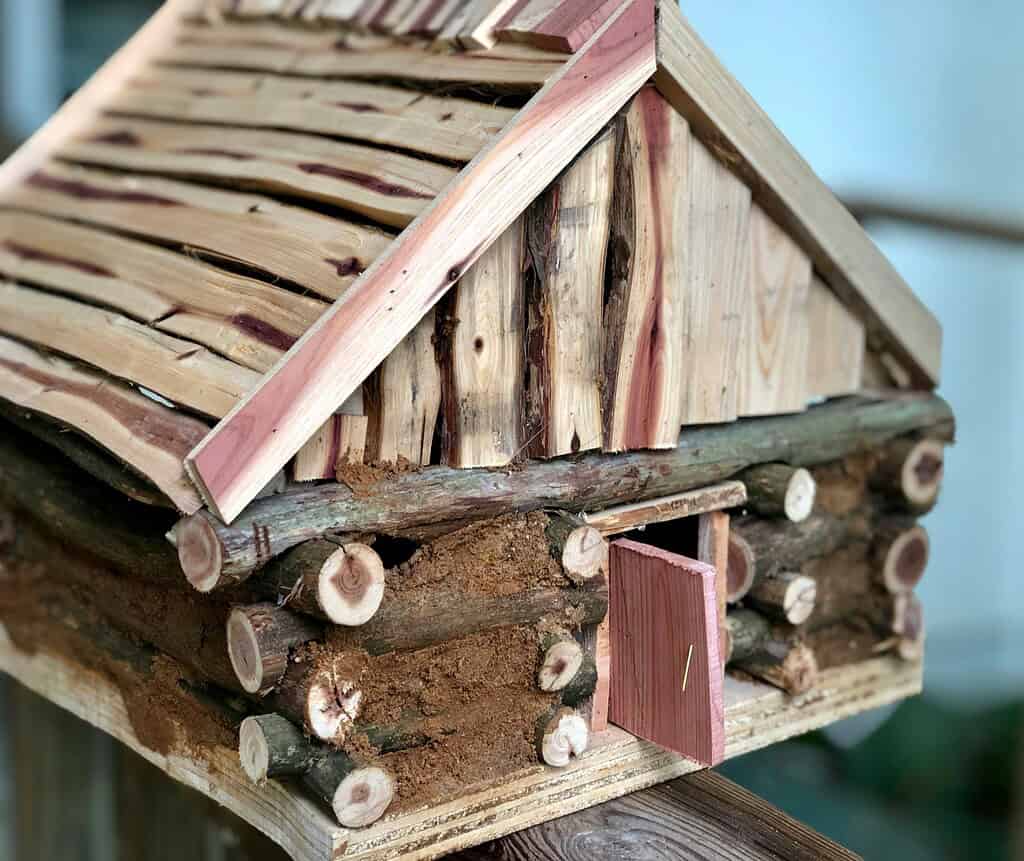
A hollowed-out log section makes one of the most naturalistic bird houses you can offer, and many cavity-nesting species – including woodpeckers, nuthatches, and chickadees – find them irresistible precisely because they mimic dead snags in the wild.
You can purchase pre-made log bird houses or create your own by hollowing out a section of a dry log, leaving a thick wall (at least 1.5 inches) for insulation.
The rustic texture and natural appearance also means this type of bird house blends beautifully into a garden setting without looking out of place.
Mount it on a post or hang it from a tree limb at the appropriate height for your target species.
If you're working on building out your shade garden, a log house mounted near the edge of the shaded area can be particularly appealing to woodland species like nuthatches and downy woodpeckers.
3. The Wren House (Small Cavity Style)
House wrens are tiny, energetic birds with enormous personalities, and they are extremely easy to attract with a simple, small bird house.
The entrance hole for a wren house should be just 1 to 1.125 inches in diameter – this keeps out larger, competing species while welcoming wrens. The interior floor space only needs to be about 4×4 inches.
What's especially convenient about wren houses is their flexibility in placement. Wrens are less picky than bluebirds – they'll nest in a box hung from a fence post, tucked under a porch overhang, or mounted on a garden shed.
In fact, they sometimes claim unexpected spots like old boots or hanging flower baskets. Hang the wren house 5 to 10 feet off the ground near shrubby cover, and you're very likely to have a nesting pair within a season or two.
4. The Gourd Bird House
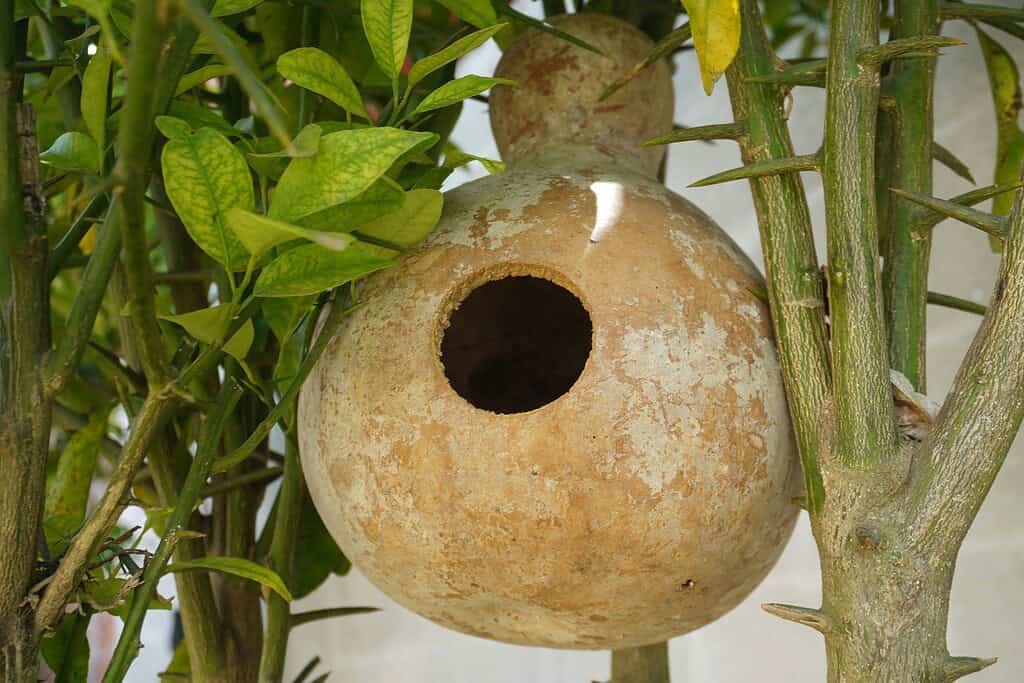
Dried gourds have been used as bird houses for centuries, and purple martins in particular have a long documented history of using gourd colonies.
Purple martins are colonial nesters, meaning they prefer to nest in groups, so hanging multiple gourds together from a dedicated martin pole gives you the best chance of attracting them.
You can grow and dry your own bottle gourds from the garden, then drill the appropriate entrance holes (2.5 inches for purple martins), add ventilation holes near the top, and a drainage hole at the bottom.
Sand the inside smooth and hang the gourds 12 to 20 feet high in an open area at least 40 feet from trees. Because purple martins are insectivores that feed on aerial insects, this is also one of the most practical bird houses you can add if you're dealing with mosquitoes around your outdoor spaces.
5. The Painted Decorative Bird House
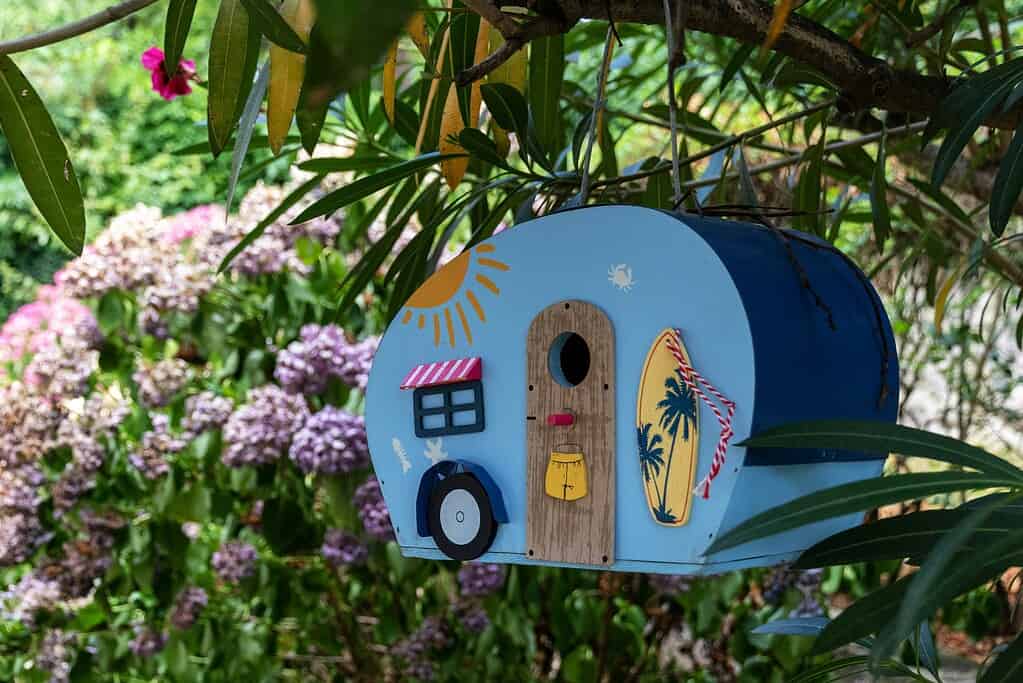
Bird houses don't have to be plain brown boxes. With the right paint choices and proper technique, a decorative bird house can be both beautiful and functional.
The important rule is to use exterior-grade, water-based, non-toxic paint, and to stick to earth tones or muted colors.
Bright whites can overheat in direct sun, and very dark colors absorb too much heat – both can harm eggs and nestlings.
Soft greens, weathered blues, barn reds, and natural browns all work well and tend to blend attractively into garden settings. Avoid painting the inside of the box or the entrance hole area.
A decorative bird house perched on a fence post or garden stake makes a wonderful focal point, and it pairs especially well with climbing vines, flowering shrubs, or a trellis structure – which is worth exploring if you've been looking at easy garden trellis ideas for your outdoor space.
6. The DIY Pallet Wood Bird House
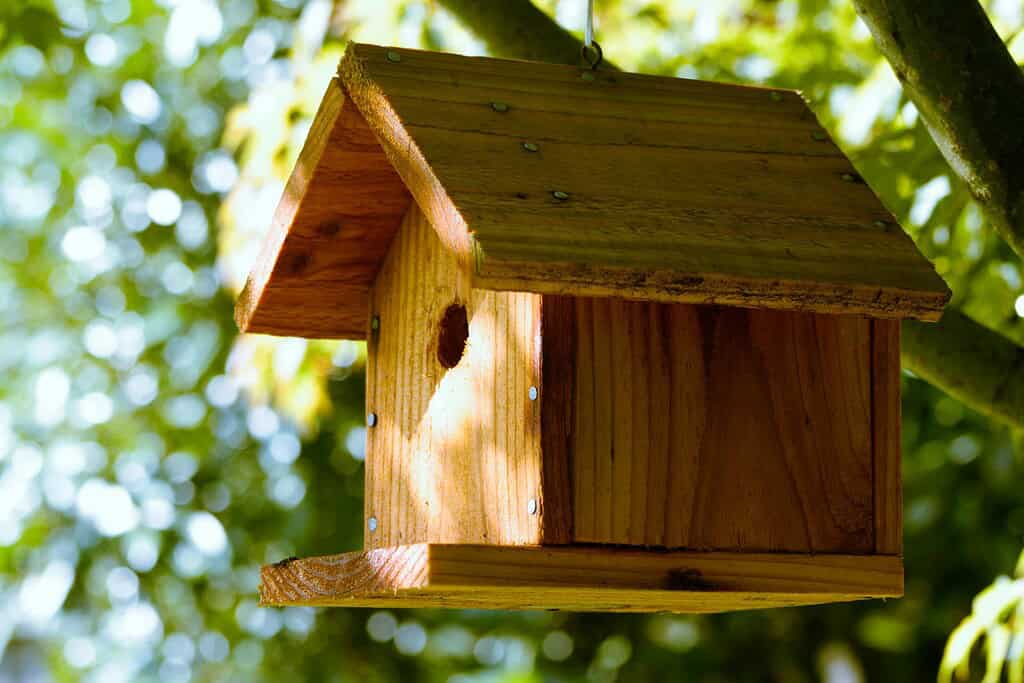
Reclaimed pallet wood gives bird houses a wonderful weathered, rustic look, and it's one of the most budget-friendly materials you can use.
A basic bird house made from pallet wood requires only a few tools – a saw, drill, and some screws – and can be put together in an afternoon.
The irregular grain and natural graying of the wood also means it blends into the garden almost instantly, without looking new or out of place.
When building from pallets, check that the wood hasn't been chemically treated (look for HT, meaning heat treated, rather than MB which indicates methyl bromide treatment).
Cut your pieces to the appropriate dimensions for your target species, assemble with exterior screws, and add a hinged or removable side panel for easy cleaning between seasons.
This is a great project to combine with other DIY bird feeder projects to build a complete bird-friendly backyard setup.
7. The Mounted Fence Post Bird House
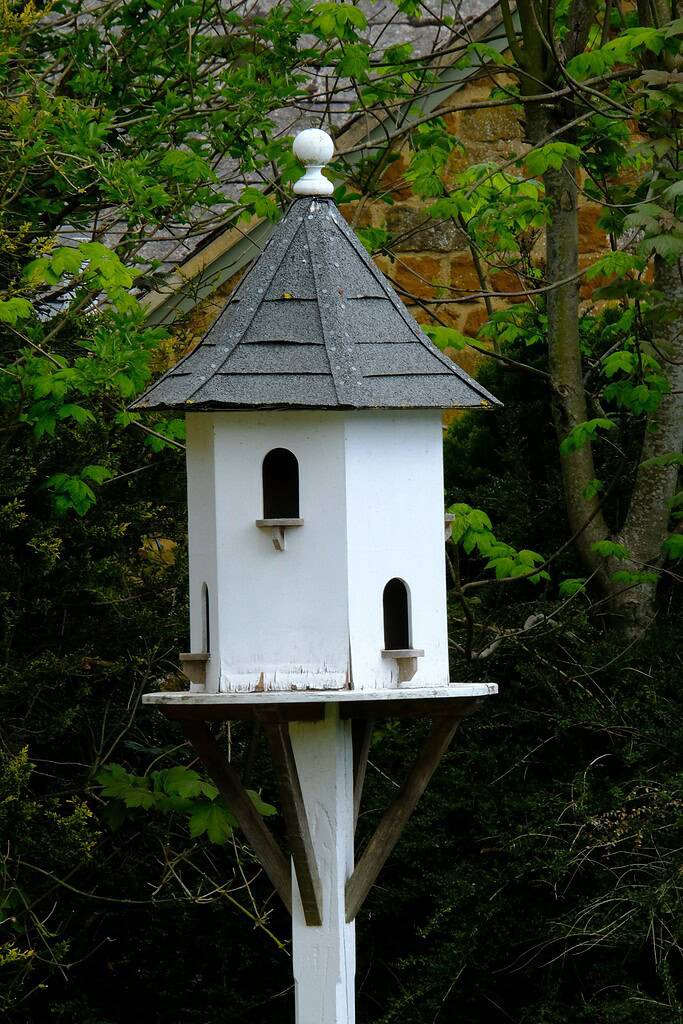
Attaching a bird house directly to a fence post is one of the most practical and visually clean ways to add housing to your backyard. It keeps the house stable in wind, positions it at a consistent height, and makes it easy to observe from the house or patio.
The key is mounting it on the right type of fence post – wooden posts work well, though a metal pipe post with a predator baffle is more protective.
This placement works particularly well along the edges of your property, where birds appreciate the boundary between open lawn and denser vegetation.
If you've been working on landscaping along your fence line, integrating a bird house into that design creates a layered habitat that's both beautiful and functional for wildlife.
Native shrubs and perennial plantings nearby provide cover and food sources that complement the nesting box.
8. The Duck Nest Box Over Water
If your property includes a pond, creek, or any water feature, a duck nest box opens up an exciting new dimension of backyard birding.
Wood ducks, in particular, are cavity nesters that readily adopt nest boxes positioned over or very near water. A properly sized wood duck box has a 4×3-inch oval or 4-inch round entrance hole and an interior floor of about 10×10 inches.
Mount the box over water if possible, or on a post in shallow water with a predator guard, at a height of 4 to 6 feet. Adding wood shavings to the interior (never sawdust, which can harm eggs) gives the ducks suitable nesting material.
If you're interested in adding a water feature to your backyard to attract more birds and wildlife, check out some creative options for DIY solar water fountains for your backyard that can complement a naturalistic pond setup.
9. The Upcycled Tin Can or Teapot Bird House
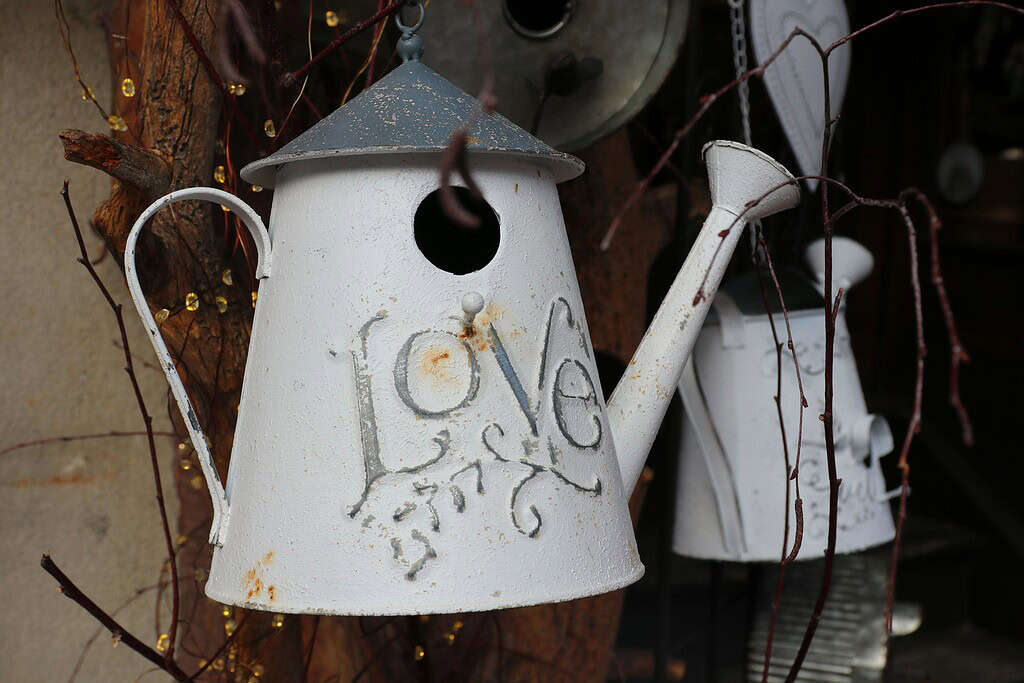
Repurposed containers like old tin coffee cans, vintage teapots, or even colanders can become quirky, charming bird houses with minimal modification.
These work best for small species like wrens and chickadees that appreciate enclosed, dark cavities. Drill or punch an appropriate entrance hole (around 1.125 to 1.5 inches), add a few drainage holes at the bottom, and mount or hang the container in a sheltered spot.
While these upcycled bird houses lean more decorative than functional, they can absolutely attract birds if positioned correctly – away from heavy foot traffic, at the right height, and near some vegetation for cover.
They make especially charming additions to a cottage-style garden, potting shed wall, or along a fence draped with climbing plants. If you're curating a cozy outdoor retreat, these little touches work beautifully alongside the ideas in our post on cool garden shed ideas.
10. The Multi-Unit Purple Martin House
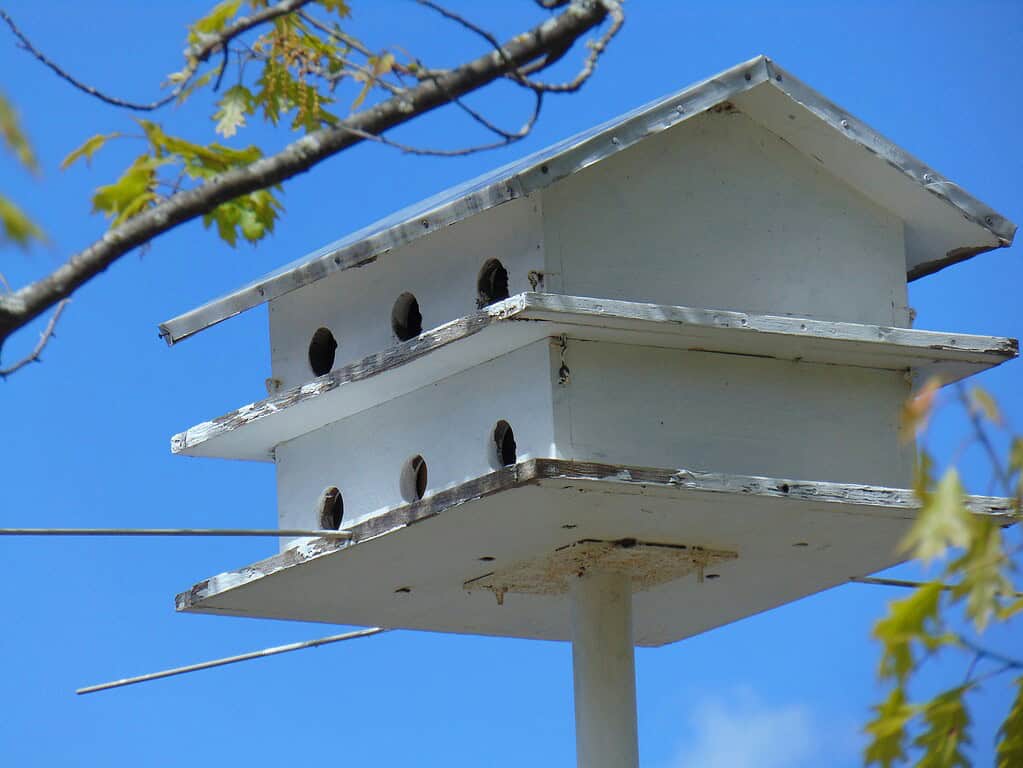
Purple martins are one of the few North American bird species entirely dependent on human-provided housing for nesting in the eastern part of the continent.
They nest in colonies of up to dozens of pairs, making a multi-unit martin house or gourd array the ideal setup. Traditional martin houses feature multiple compartments stacked or arranged in a rack, mounted on a telescoping pole that can be raised and lowered for cleaning and monitoring.
Placement is critical: choose a site in the open, at least 30 to 40 feet from trees, with a clear flight path in multiple directions. Install the house before the martins' arrival in late winter or early spring.
Once a colony establishes, martins return to the same site year after year, so a well-maintained martin house becomes a lasting feature of your backyard.
This kind of long-term habitat investment pairs well with the broader approach to adding beautiful flowering trees to your yard that also provide insects and shelter for birds throughout the seasons.
11. The Owl Box for Screech Owls or Barn Owls
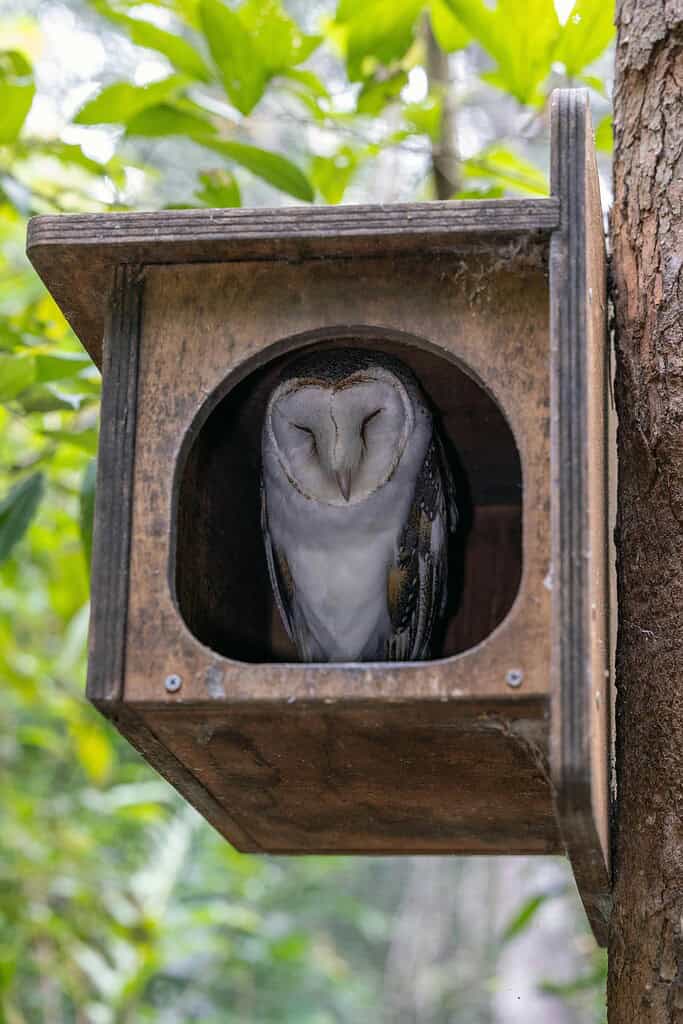
If you want to bring a bit of nighttime magic to your backyard, an owl box is one of the most rewarding bird houses you can install.
Eastern screech owls are especially adaptable to suburban backyards and will readily use a nest box mounted 10 to 30 feet up in a large tree.
The entrance hole should be 3 inches in diameter, with an interior floor of about 8×8 inches. Add a 2- to 3-inch layer of wood shavings inside.
Barn owls prefer larger boxes mounted in open areas – on poles, in the rafters of a barn or shed, or high on a fence post at the edge of a field.
They're outstanding natural pest controllers, consuming enormous numbers of rodents each year.
An owl box is a powerful addition to a homestead-oriented backyard, and it works hand in hand with creating the kind of layered, wildlife-welcoming landscape covered in our guide to creating a backyard oasis you'll never want to leave.
What Makes a Bird House Actually Work (The Basics You Need to Know)
Putting up a bird house is exciting, but it's easy to make a few common mistakes that prevent birds from ever moving in.
Understanding the fundamentals makes all the difference between a box that sits empty all year and one that hosts a new family of birds every season.
The most important factor is entrance hole size.
Each cavity-nesting species has a preferred hole diameter, and getting it right not only attracts the species you want but also excludes competitors and predators.
A 1.5-inch hole is ideal for bluebirds; 1.125 to 1.25 inches for chickadees and wrens; 2 inches for tree swallows; 3 inches for screech owls; and 2.5 inches for purple martins.
Using the wrong size is one of the biggest reasons bird houses go unused.
Ventilation and drainage also matter enormously.
A well-designed bird house has small ventilation holes near the top of the side walls to allow hot air to escape, and drainage holes in the floor so that rain doesn't pool inside.
A roof with a 2-inch overhang protects the entrance hole from rain. Avoid boxes with perches below the entrance hole – birds don't need them, and they actually give predators a foothold.
Finally, clean your bird houses every fall after nesting season ends.
Remove old nesting material (where parasites can overwinter), wipe the interior, and inspect for damage. A clean, well-maintained bird house is far more likely to attract tenants the following spring.
If you're building out a comprehensive backyard wildlife space, pairing nest boxes with thoughtful planting is just as important – take a look at ideas for gorgeous patio plants that can provide food and shelter for the birds visiting your boxes.
Where to Place Bird Houses for Maximum Success
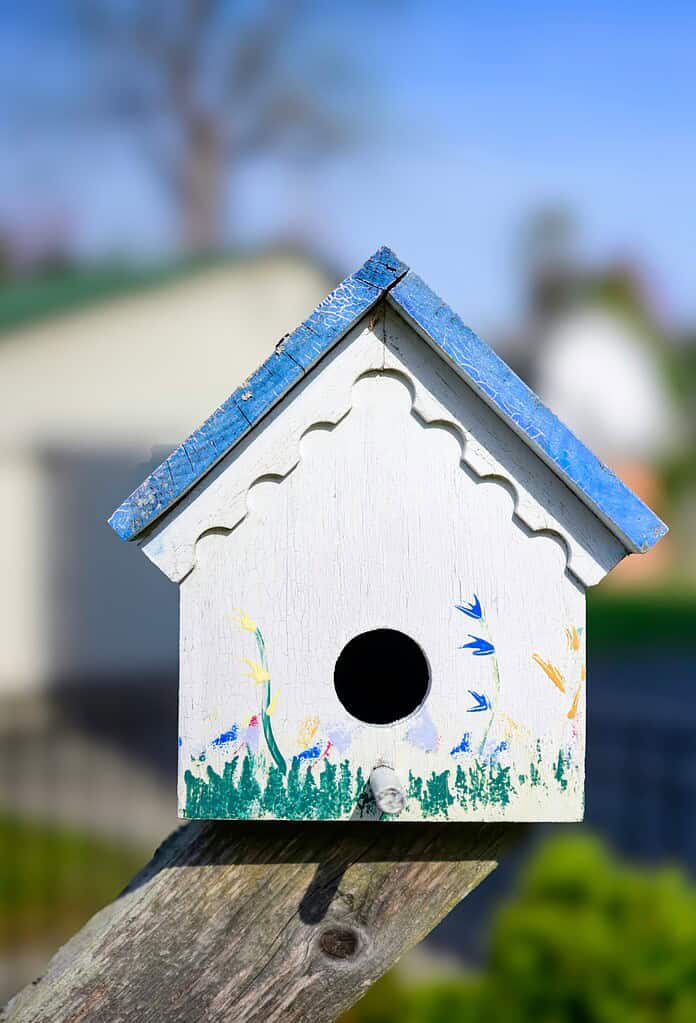
Location is everything when it comes to bird house success, and even a perfectly built box will sit empty if it's placed in the wrong spot.
Different species have dramatically different habitat preferences, so the first step is deciding which birds you want to attract and placing the house accordingly.
- Open-area nesters like bluebirds, tree swallows, and purple martins want houses mounted in clearings with short grass or open water nearby and no dense tree cover within 50 to 100 feet.
- Edge nesters like wrens and chickadees prefer boxes near shrubby vegetation, woodland edges, or garden borders.
- Woodland nesters like nuthatches, flickers, and screech owls want boxes mounted higher up on trees in or near wooded areas.
Height matters too.
Most songbird boxes do well between 5 and 15 feet off the ground. Bluebird boxes are most productive at 4 to 6 feet. Purple martin houses and owl boxes need to be much higher – 15 to 20 feet or more.
Always consider the direction the entrance hole faces: orienting it away from prevailing wind and harsh afternoon sun (generally facing north to east in most of North America) keeps the interior cooler and drier.
If you're redesigning your outdoor layout to make it more wildlife-friendly, it's worth thinking about placement in relation to your overall garden structure.
For example, bird houses along a fence line work beautifully with the kind of layered planting described in our post about front yard landscaping ideas that make a big impression – the same principles of layered planting, focal points, and creating visual interest apply directly to habitat design.
Start Building Your Backyard Bird Sanctuary Today
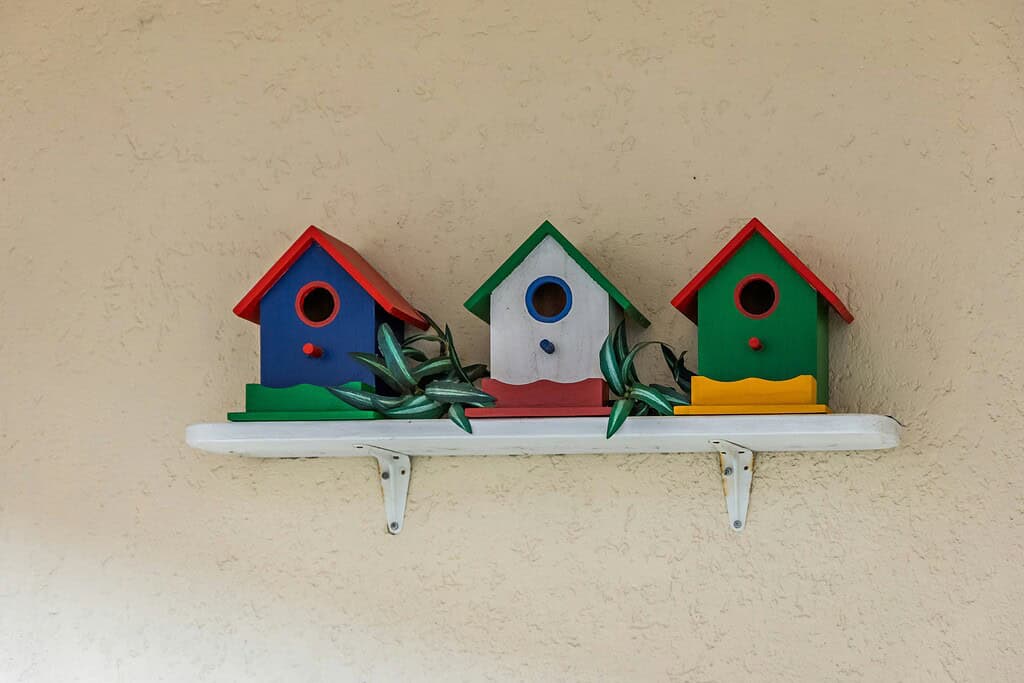
The beauty of backyard bird houses is that they're accessible to everyone, regardless of budget, skill level, or yard size.
A single well-placed wren house on a fence post can bring you months of entertainment and help a breeding pair of birds raise their family.
Scale up to a bluebird trail, a martin colony, or an owl box setup and you've created a genuine wildlife corridor right in your own backyard.
The key is to start with one species in mind, get the specifics right (hole size, height, location, materials), and then build from there.
Combine your bird houses with native plantings, a water source, and supplemental feeding – like a handmade feeder inspired by some DIY bird feeder ideas – and you'll be amazed at how quickly your backyard becomes a destination for birds in every season.
Do you already have bird houses in your backyard? Which species have you attracted, and what's worked best for your setup?
Drop your experience in the comments below – your tips might be exactly what another reader needs to hear!
Ready to Design Your Dream Garden Bed?
Feeling inspired to build something beautiful?
If you’re ready to go beyond just one garden bed and truly design a space that feels intentional, productive, and charming, I put together something special for you.
Inside 101 Garden Bed Ideas, you’ll find creative layouts, raised bed designs, space-saving solutions, and inspiring setups you can actually recreate in your own yard – whether you’re working with a tiny backyard or a full homestead.
Start planning your dream garden today.

Frequently Asked Questions
How do I stop sparrows and starlings from taking over my bird house?
House sparrows and European starlings are invasive species that aggressively compete with native cavity nesters.
The most effective strategies include using the correct entrance hole size for your target species (1.5 inches excludes starlings from bluebird boxes), mounting boxes away from human activity where sparrows tend to congregate, and actively monitoring boxes to remove sparrow nests before eggs are laid.
Some birders use sparrow-resistant nest box designs that have a side-entry tube or sloped roofline that sparrows dislike but bluebirds accept readily.
When should I put up bird houses, and is there a wrong time of year?
Ideally, bird houses should go up in late winter – February or early March in most of North America – before migratory cavity nesters begin scouting for nest sites.
However, there is no truly “wrong” time to install a box. Houses mounted in fall are sometimes used by birds seeking winter roost sites, and they'll be ready and weathered (which birds prefer over shiny new wood) when spring arrives.
The key is to have them in place and visible before breeding season begins in your region.
Do I really need to clean out bird houses after each nesting season?
Yes, and it makes a significant difference to occupancy rates. Old nesting material harbors blow fly larvae, mites, and other parasites that can kill nestlings in subsequent broods.
Removing and discarding old nests after each brood fledges (or at the end of the season) resets the box to a clean, inviting state.
Some species, like wrens, will not reuse a box still containing an old nest – they prefer to start fresh. A hinged or removable side panel makes this annual task quick and easy.
Can I place two bird houses close together in my backyard?
It depends on the species. Highly territorial birds like bluebirds and tree swallows should have their boxes spaced at least 100 to 300 feet apart to avoid aggressive competition that prevents successful nesting.
However, you can sometimes pair one bluebird box and one tree swallow box just 5 to 15 feet apart – they compete less intensely with different species.
For colonial nesters like purple martins, placing multiple units close together is not just acceptable, it's required. Wrens are moderately territorial and do best with 200 to 300 feet of spacing between boxes.
What's the best way to protect a bird house from predators like raccoons and snakes?
Predator protection is one of the most overlooked aspects of bird house setup, yet it's critical for successful nesting.
A metal stovepipe baffle or cone-shaped baffle mounted below the box on the support pole is highly effective against both raccoons (which reach down into boxes) and climbing snakes. Greasing the pole with petroleum jelly is sometimes recommended but needs frequent reapplication.
Avoid mounting boxes directly on fence boards or tree trunks without a baffle, as these give predators easy access.
Adding a 1.5-inch wooden extension collar around the entrance hole (also called a predator guard) increases the interior depth and makes it much harder for a raccoon paw to reach the eggs inside.