
Most gardens slow down once the cold hits, but that doesn’t mean everything has to look dull and lifeless.
There are quite a few flowers out there that don’t mind a bit of frost (some even seem to prefer it).
These are the plants that show up when everything else takes a break, adding color and life to your yard right when it needs it most.
Whether you’re dealing with snow, freezing temps, or just gray skies, these winter bloomers can hang in there and keep things looking good.
Let’s take a look at some of the toughest flowers that bloom through winter.
Benefits of Including Winter Flowers in Your Garden

Most folks think gardening takes a break in the winter, but adding the right flowers can keep things going year-round.
These cold-season plants aren’t just tough – they actually bring a lot of value to your space during the months when everything else slows down.
Color When You Need It Most
Winter flowers bring color into a garden when the rest of the landscape is bare or gray.
Whether it’s the deep purples of hellebores, the bright yellow of winter jasmine, or the soft white of snowdrops, even a few blooms can break up the dullness of the season.
Early Support for Pollinators
Some winter-blooming flowers, like winter aconite and mahonia, open up just when early-season pollinators start to stir.
Bees don’t wait for spring to start flying – if there’s a warm day in late winter, they’ll be out looking. Having blooms available helps support them right when they need it.
Fragrance in the Cold Air
A lot of these plants aren’t just pretty – they smell great, too. Daphne, witch hazel, wintersweet, and a few others put out strong, sweet scents that carry through the cold air.
That’s a nice bonus when not much else is happening in the yard.
Texture and Shape Through the Seasons
Plants like ornamental kale, winterberry, and lily of the valley shrub bring more than flowers. They offer bold shapes, berries, or evergreen foliage that add structure and texture.
That helps your garden still look full and planned, even when nothing else is growing.
Less Work Than You’d Think
Once they’re in the ground and established, most winter bloomers are low-maintenance. They don’t need a lot of watering or pruning.
Many come back year after year without much fuss – which means you get winter beauty without the work of replanting.
Want to take it further? Check out these practical winter garden ideas for more ways to keep your space thriving in the colder months.
20 Resilient Winter Flowers That Bloom Through Frost
These aren’t just any flowers that happen to survive the cold – each one is known for its ability to not just live through winter, but to put out blooms when most plants are done for the season.
1. Hellebore (Helleborus spp.)
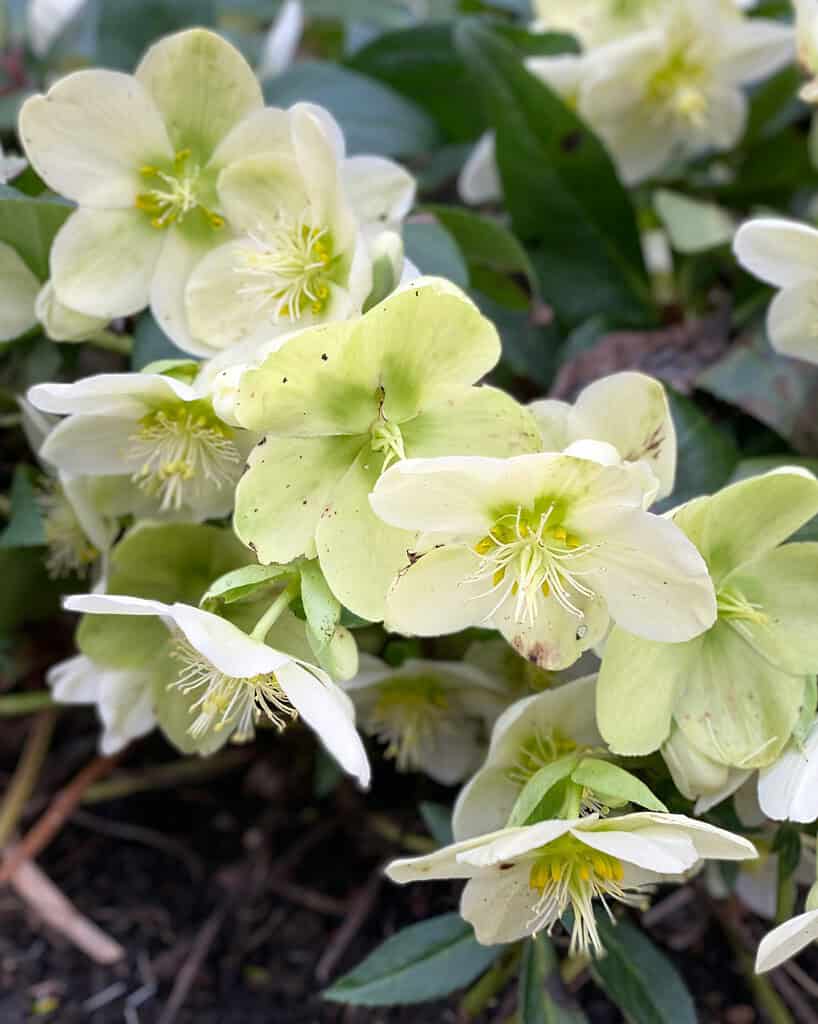
Hellebores are some of the toughest winter bloomers you can plant.
Often called Lenten Rose or Christmas Rose, these perennials are evergreen and can start blooming as early as late December in some climates. Their flowers last for weeks, sometimes even months, and they don’t collapse when temperatures drop – they just keep going.
What makes them truly standout is the wide range of flower colors: from creamy white and soft pink to deep maroon, purplish-black, and even pale green.
Some varieties have speckled petals or ruffled edges, which give them a refined look without any of the fuss. The leaves are thick, leathery, and stay green year-round, even under snow. This makes hellebores useful not only for their flowers but for their ability to fill in shady areas all winter long.
They're also deer-resistant, which is a big plus if you have browsing wildlife in your area.
Once planted in well-drained soil and partial shade, they require almost no care, and they’ll often spread slowly over time, forming large, showy clumps.
For more ideas, check out the best plants to grow in winter (yes, we’re talking about veggies that love the frost).
2. Snowdrop (Galanthus nivalis)
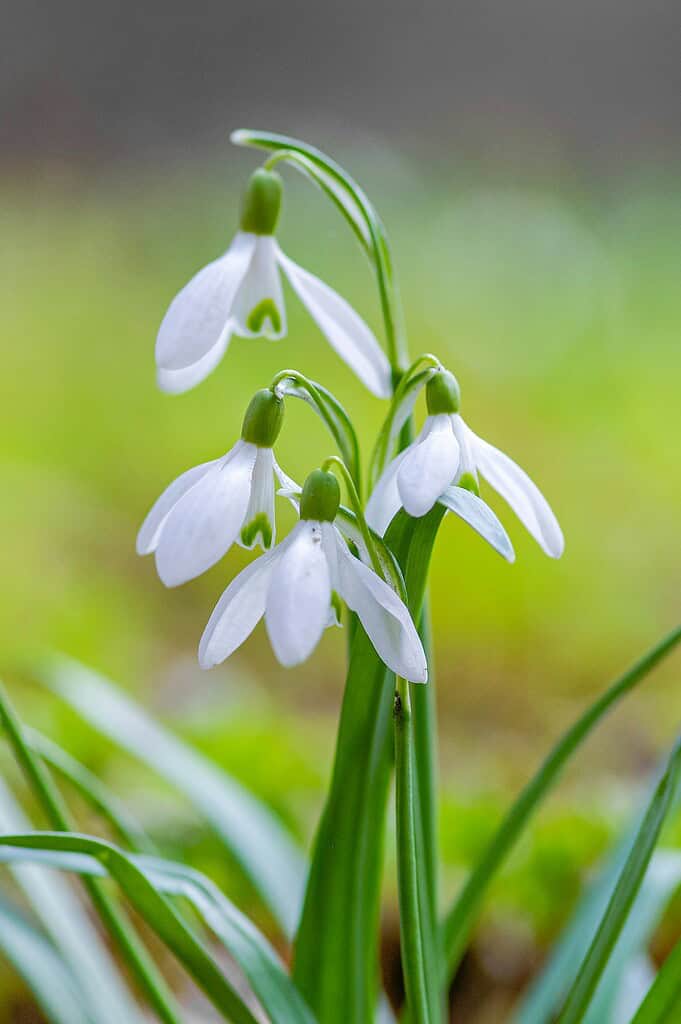
Snowdrops are one of the very first signs that winter is starting to shift. They can bloom while snow is still covering the ground – hence the name.
These delicate-looking flowers aren’t actually delicate at all. Each one grows from a small bulb planted in fall, and once established, they return reliably every year.
The flowers themselves are small, nodding, and white with green markings on the inner petals, shaped like tiny lanterns.
Despite their size, they create a big impact when planted in drifts or clusters.
They're great for naturalizing, especially under deciduous trees where sunlight hits the ground in winter before the tree canopy fills in.
Snowdrops also have a neat growth habit: they multiply underground and form dense clumps over time, giving you more flowers with each passing year without any extra effort.
They’re low-maintenance and need little to no watering once established.
3. Crocus (Crocus spp.)
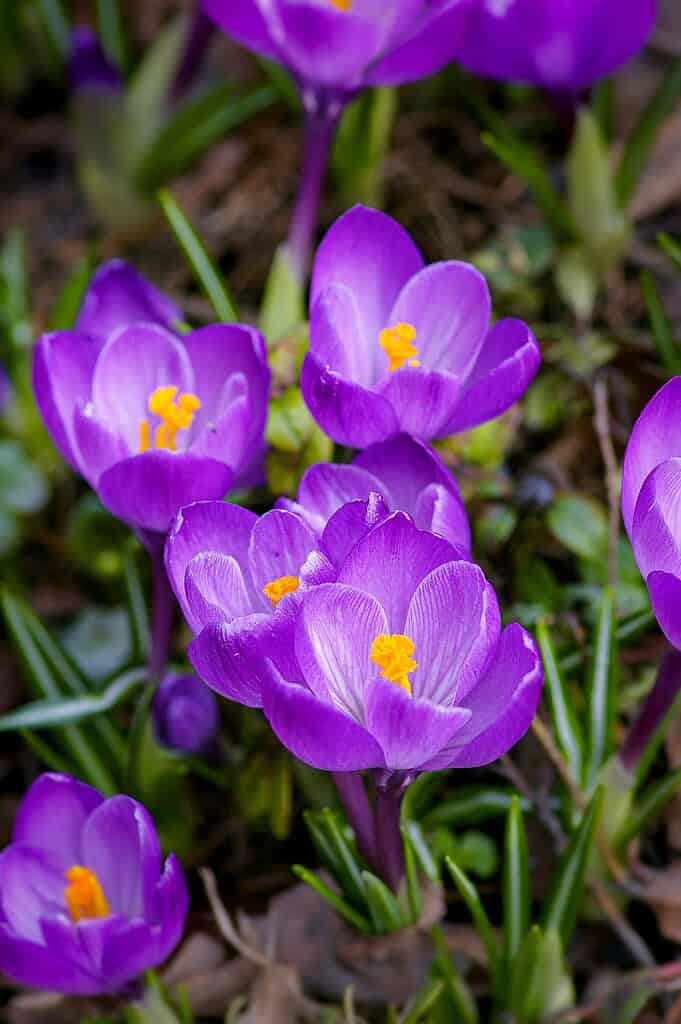
Crocuses are some of the most cheerful flowers you can have in late winter or very early spring.
These small bulbs (technically corms) burst through the cold soil with vibrant color – often while there’s still frost on the ground. Some types even push up through light snow.
They come in many colors: purple, lavender, yellow, white, and striped varieties are all common.
Crocus flowers open wide during the day when the sun is out and close again at night or when it's cloudy, which helps protect them from harsh weather.
They're best planted in masses for visual impact and work well in lawns, rock gardens, or tucked into containers. If you’d like more inspiration for container gardening in the cold months, take a look at these stunning winter planter ideas.
Because they bloom so early, crocuses provide one of the first pollen sources for bees just waking up after winter.
Like snowdrops, they naturalize easily and return each year without needing to be dug up or divided, which makes them a favorite among low-maintenance gardeners.
4. Winter Aconite (Eranthis hyemalis)
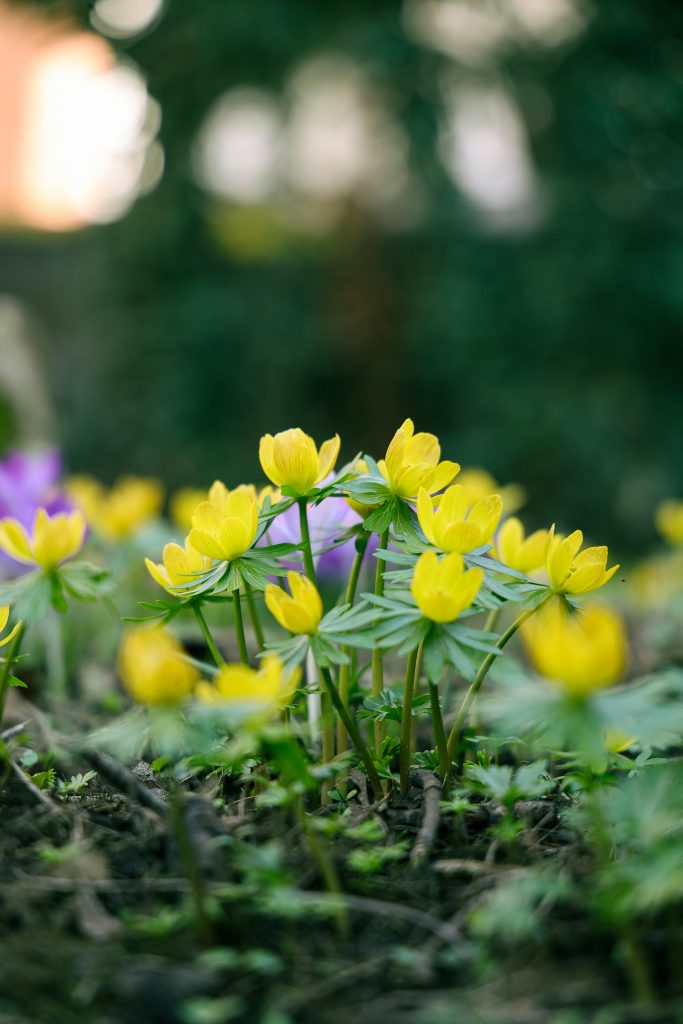
Winter aconites are small but powerful when it comes to brightening up a winter landscape.
They bloom very early (often right alongside snowdrops) and produce vivid, buttercup-yellow flowers that seem to glow against the still-dormant ground.
The blooms sit low to the ground and open wide on sunny days, attracting early pollinators when not much else is blooming. Their foliage is finely divided and forms a sort of green collar beneath the flower, giving each bloom a tidy, finished look.
Winter aconites are not just hardy – they’re also resistant to deer, rabbits, and even some rodents.
If deer are an issue in your area, you might also want to check out these tips on how to build deer proof raised garden beds.
This makes them a great choice in areas where animals might be tempted to munch on other early bloomers.
Like crocus and snowdrop, they thrive in well-drained soil and dappled shade, and they naturalize well when planted in groups.
5. Cyclamen (Cyclamen spp.)

Cyclamen is a bit of a hidden gem for winter gardens.
While there are indoor varieties sold around the holidays, hardy cyclamen species (like Cyclamen coum) can thrive outdoors and bloom in the dead of winter.
These plants have distinctive upswept petals that look a bit like butterfly wings, held above heart-shaped, often marbled leaves.
What’s especially interesting is how well cyclamen performs in shade or under deciduous trees.
Since it blooms when the trees are bare, it takes full advantage of the winter sun before going dormant in the summer.
Cyclamen doesn’t like wet roots, so good drainage is a must. Once it's happy in a spot, it will self-seed and spread gently over the years.
It’s also surprisingly frost-hardy – the flowers are small but sturdy, and they don't wilt easily in cold weather.
6. Primrose (Primula spp.)

Primroses are one of the most colorful additions to a cold-weather garden. They’re early bloomers – some even start flowering in late winter, depending on the variety and climate.
What makes them especially appealing is the sheer range of flower colors available: deep maroon, soft lavender, buttery yellow, clean white, and vivid pink are all common.
Some types even feature bi-colored petals or contrasting centers.
Primulas thrive in moist, well-drained soil and tend to prefer partial shade, especially once temperatures start to rise.
If you’re planting them for winter blooms, look for hardy varieties like Primula vulgaris or Primula veris, and make sure they’re suited for your USDA zone – there’s a lot of variety within the genus, and some are more tender than others.
They’re often planted in clusters at the front of borders, along walkways, or in containers where their bright colors can be appreciated up close.
Though they look delicate, many varieties are frost-tolerant and bounce back after a freeze without damage.
7. Algerian Iris (Iris unguicularis)
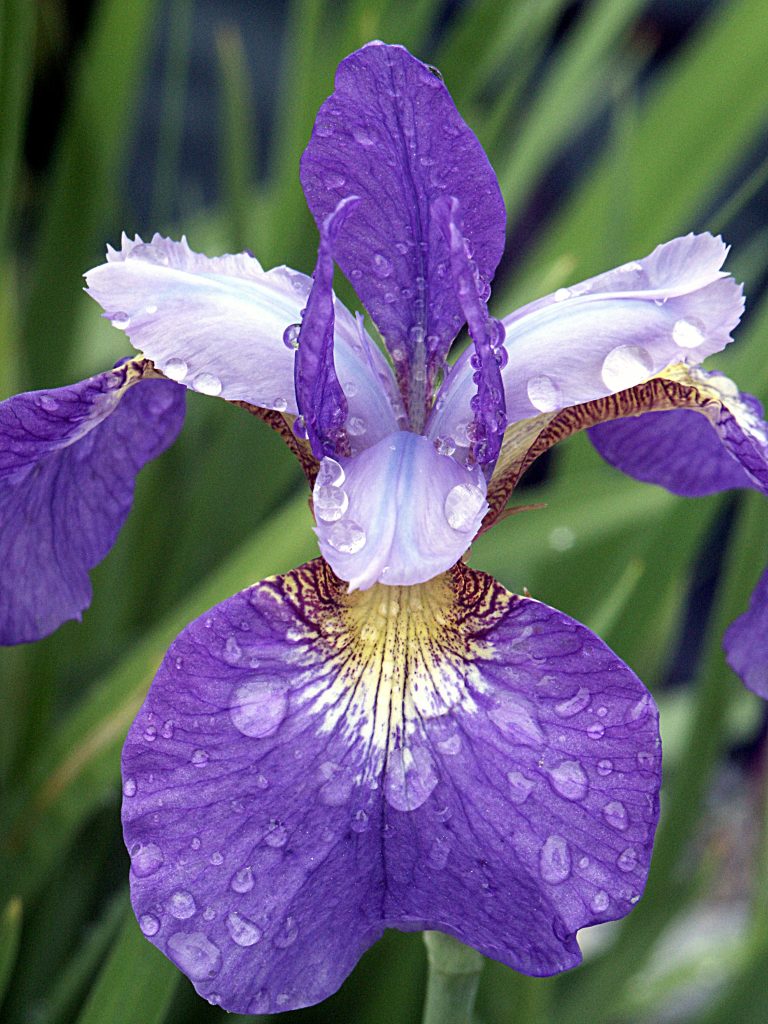
The Algerian Iris doesn’t just bloom in winter – it blooms fragrantly.
Native to the Mediterranean but surprisingly cold-hardy in many zones, this evergreen iris can start producing flowers as early as December in warmer regions and continue through February or March.
Its blooms are usually lavender or violet with yellow and white markings, and they give off a sweet, pleasant scent that can catch you off guard on a still winter morning.
The foliage is narrow and grass-like, staying green year-round and forming clumps that look neat even when not in bloom.
This iris prefers full sun to partial shade and well-drained soil, especially in winter.
It does best when planted in a spot where it won’t be crowded – along walkways or near entrances are ideal, both for the sun exposure and so you can enjoy the fragrance.
Cut flowers do well in a vase, too, which is a nice bonus during a season when not much else is blooming indoors.
8. Pansies and Violas (Viola spp.)
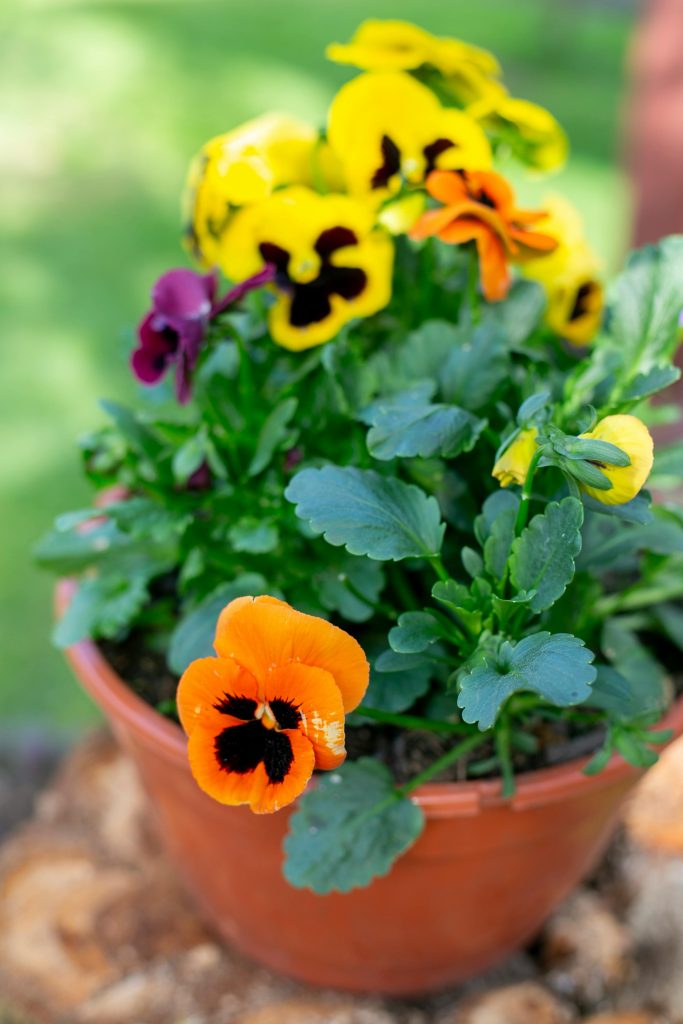
Pansies and violas are winter staples in many mild climates.
While they’re often treated as cool-season annuals, certain varieties are bred specifically for cold tolerance and can keep blooming right through frost and even light snow.
These include winter-hardy pansy types that can survive nighttime temperatures in the low 20s (°F) without much trouble.
Both pansies and violas come in a wide range of colors – everything from deep purple and blue to bright yellow, red, and white.
Some even have “faces” or blotchy markings that make them instantly recognizable. Violas tend to have smaller flowers but more of them, while pansies have larger blooms but a bit less frequency.
They’re great for containers, borders, or tucked along pathways where their bright colors can pop. Pairing them with creative garden edges and borders is an easy way to frame their cheerful blooms and make them stand out even more.
In colder zones, they might slow down or stop blooming during a deep freeze, but they usually perk back up as soon as the temperature rises a little.
For best results, plant them in fall so they can get established before the hard cold hits. Make sure the soil drains well and don’t overwater, especially in wet winter conditions.
9. Witch Hazel (Hamamelis spp.)

Witch hazel is a standout winter shrub – not just because it blooms on bare branches, but because of how it blooms.
Its flowers look like small fireworks: spidery, crinkled ribbons in shades of yellow, orange, or red that appear from January to March depending on the species and climate.
What’s fascinating is that witch hazel’s petals can actually curl up when it’s freezing and uncurl when it warms – a built-in frost defense that protects the delicate flower parts without killing the bloom.
It also happens to be fragrant, especially the Hamamelis mollis and Hamamelis × intermedia types.
Witch hazel prefers full sun to partial shade and well-drained, slightly acidic soil. It works well as a large shrub or even a small multi-stemmed tree, adding both structure and winter interest to the garden.
Though it takes a few years to get established, once it’s mature, it asks for very little care and rewards you with some of the most unusual flowers of the season.
10. Camellia (Camellia spp.)
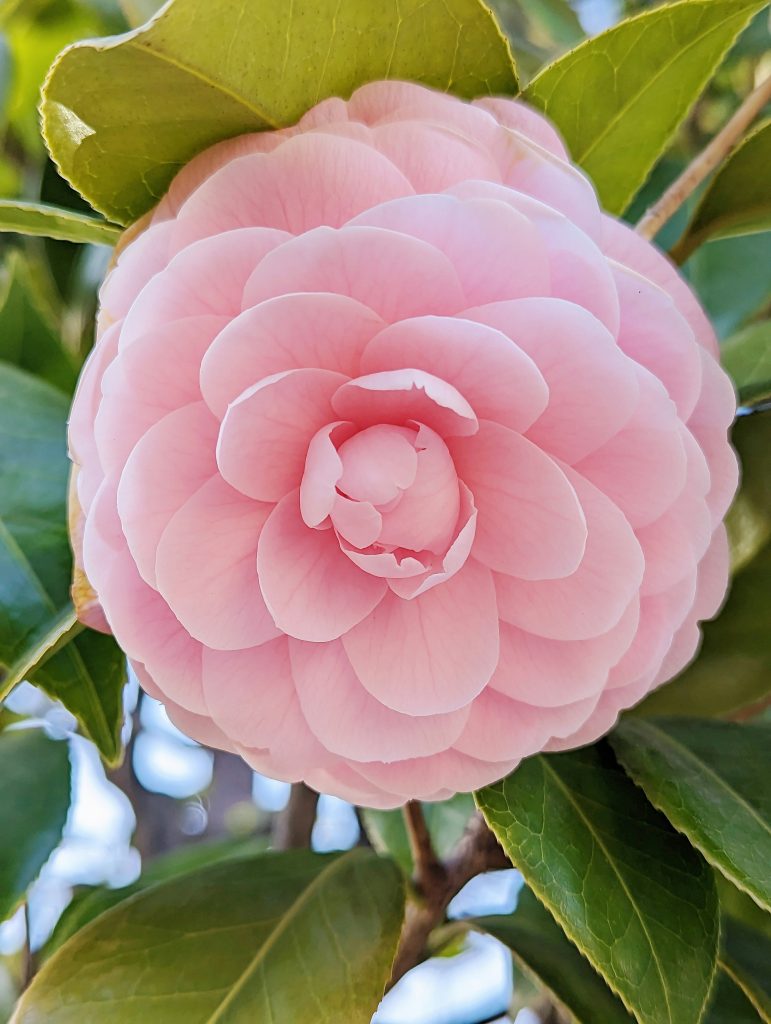
Camellias are often called the queens of the winter garden – and for good reason.
These evergreen shrubs produce rose-like flowers in shades of white, pink, and red, with some varieties blooming as early as November and others continuing into spring.
The exact bloom time depends on the cultivar, but Camellia sasanqua and Camellia japonica are the most common types known for winter blooming.
Their thick, glossy green leaves stay lush all year, which helps them stand out against bare surroundings.
And while they look delicate, many camellia varieties can handle brief freezes without issue – though protection from harsh winter winds is a good idea in colder zones.
They prefer acidic, well-drained soil and partial shade, especially in climates with hot summers. Consistent moisture is important, but they don’t like soggy feet.
Once they’re established, they’re fairly low-maintenance and will reward you year after year with blooms when almost nothing else is flowering.
11. Winter Heath (Erica carnea)
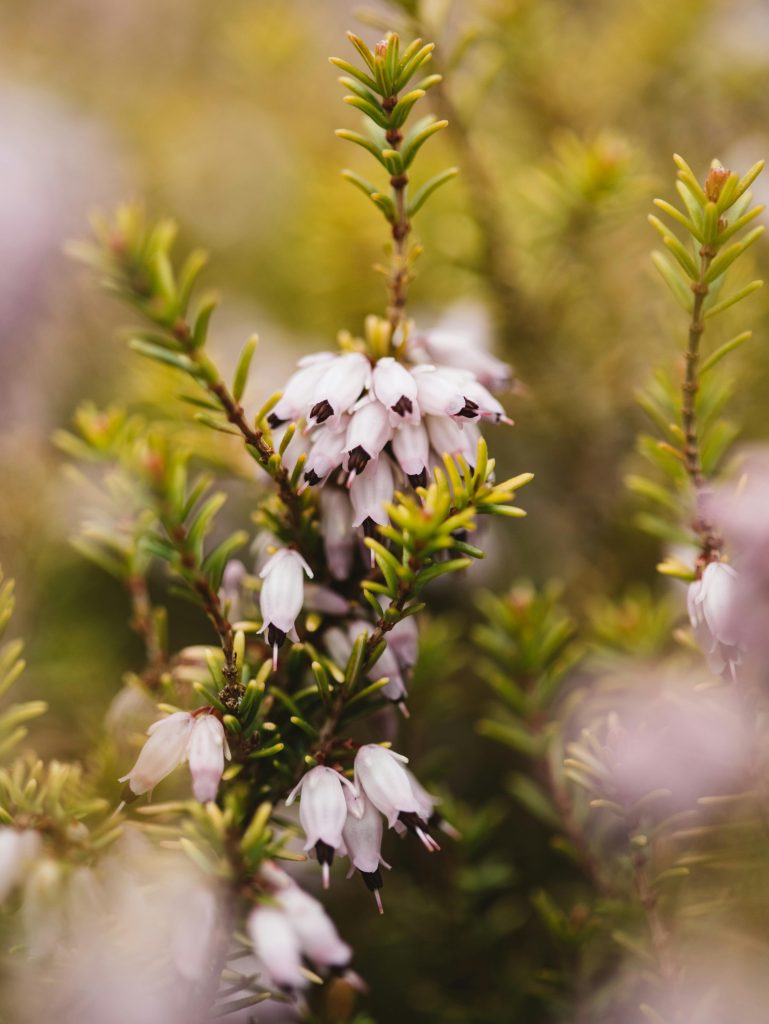
Winter heath is one of the few plants that truly earns the word “reliable.”
This low-growing, evergreen shrub can start blooming in late winter and keep going for weeks – sometimes even into early spring.
The flowers are tiny, bell-shaped, and appear in dense clusters along the stems. Depending on the variety, you’ll see shades of pink, purple, red, or white.
Unlike some finicky plants, winter heath actually prefers poor, slightly acidic soil and doesn’t mind dry conditions once it’s established.
It’s often used as a groundcover or for edging borders because it hugs the ground and spreads slowly over time. It’s also a good option for rock gardens or sloped areas where erosion might be an issue.
Winter heath is evergreen, so even when it’s not blooming, it adds texture and color with its needle-like foliage.
It’s also a magnet for early pollinators, and since it tolerates cold, snow, and even light ice, it’s a solid choice for tough spots in the garden where most flowers won’t grow in winter.
12. Winter Jasmine (Jasminum nudiflorum)
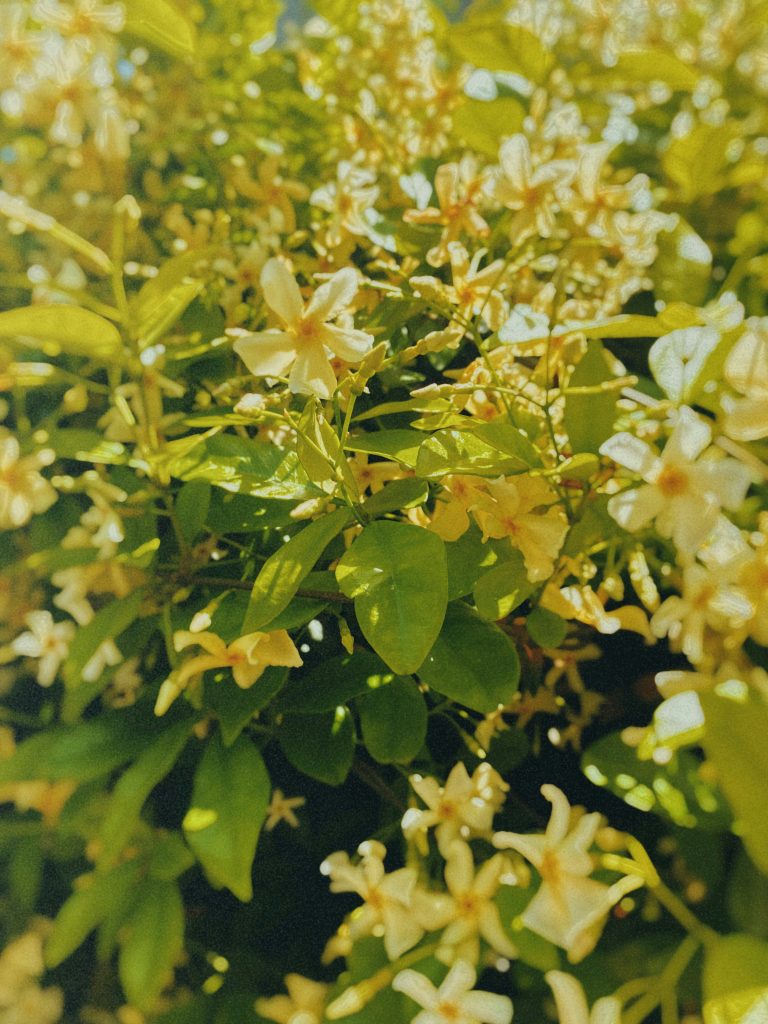
Winter jasmine may not have the sweet scent of other jasmines, but it makes up for that with bright yellow blooms that appear on bare, leafless stems in late winter – often around February or March.
These flowers pop against gray skies and dormant landscapes, making them one of the most cheerful winter sights.
This deciduous shrub can be grown as a vine or left to sprawl naturally. It has a flexible, arching growth habit that works well on slopes, trellises, or trailing over retaining walls.
Winter jasmine is cold-hardy down to around -5°F (-20°C), making it suitable for colder regions that still want some color in the off-season.
It prefers full sun to light shade and well-drained soil, and once it’s established, it’s drought-tolerant and very low-maintenance. It doesn’t need a lot of pruning, but a light trim after flowering can help keep it looking tidy.
Because it blooms so early, winter jasmine is often one of the first signs that spring is on its way – even if snow is still on the ground.
13. Daphne (Daphne spp.)

Daphne is known less for how it looks and more for how it smells – and that’s saying something, because it’s also a beautiful little shrub.
Blooming in mid to late winter, depending on the climate, daphne puts out clusters of small pink, lavender, or white flowers that have a powerful, sweet fragrance.
The scent is often described as citrusy or spicy, and it can easily fill a section of the garden even in cold weather.
Many gardeners plant it near walkways or doors just to enjoy the smell during those quiet winter months. Daphne odora is one of the most popular varieties for winter bloom.
This shrub stays small and prefers part sun to part shade with well-drained, slightly acidic soil.
It’s a bit more particular than some other winter plants – it doesn’t like to be moved once planted, and overwatering can cause root issues.
But if you pick the right spot and leave it alone, it can thrive for years.
Despite its fussiness, daphne is one of the few winter-flowering plants that offers a strong scent when not much else is doing anything in the garden.
14. Mahonia (Mahonia spp.)
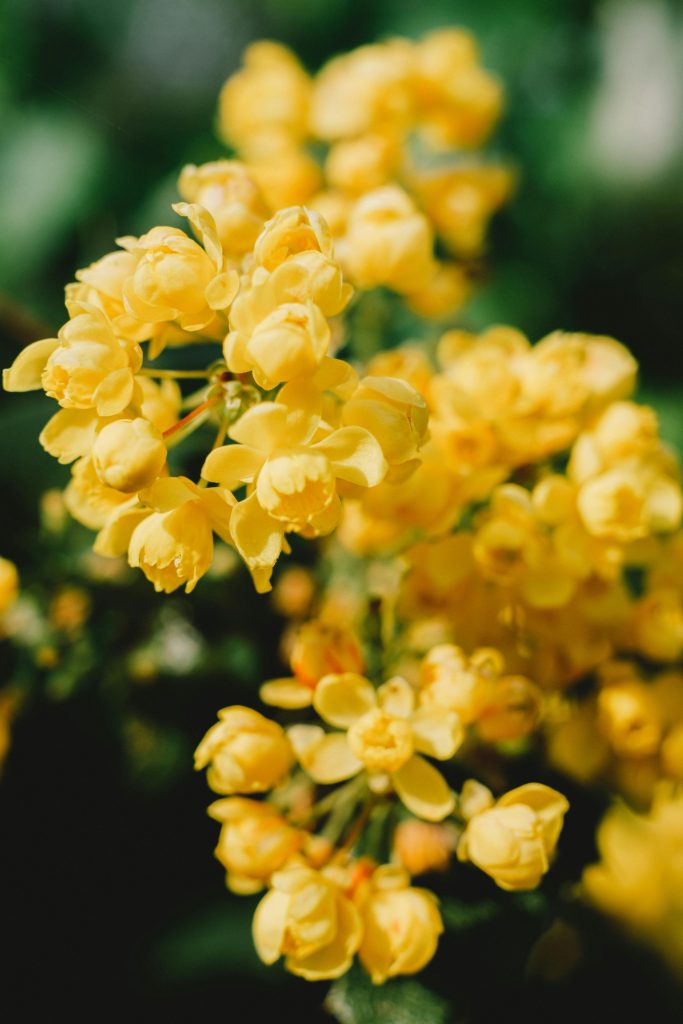
Mahonia is a bold-looking evergreen shrub with a very distinct presence in the winter garden.
Its leathery, holly-like leaves grow in whorled patterns and stay green all year, but in late fall or early winter, it really shines when it sends up long sprays of bright yellow flowers.
These flowers aren’t just ornamental – they’re fragrant and attract pollinators like bees at a time when food is hard to come by. Once flowering is done, many mahonia varieties produce blue-black berries that are popular with birds.
One of the most common and cold-hardy types is Mahonia aquifolium, also known as Oregon grape. It’s native to parts of North America and handles cold climates well.
Mahonia thrives in partial shade and well-drained soil. It’s also deer-resistant and handles drought better than you might expect.
Its strong architectural form makes it a good choice for borders, woodland gardens, or even as a hedge if you want something tough and low-maintenance with winter interest.
15. Wintersweet (Chimonanthus praecox)

Wintersweet lives up to its name with some of the most pleasantly fragrant blooms of any winter plant. It’s a deciduous shrub that flowers in mid to late winter, usually before the leaves come back.
The flowers are small, waxy, and pale yellow, often with a purplish center – but it’s the scent that really sets them apart.
Planting wintersweet near a path or patio is a smart move, since its fragrance carries well in the cold air. Unlike some winter bloomers, wintersweet takes a few years to mature and start flowering, so it’s not for the impatient gardener – but once it starts, it can be a reliable performer for decades.
It grows best in full sun to light shade and well-drained soil, and it appreciates a spot that gets plenty of light in winter.
The shrub itself can grow fairly large (up to 10-15 feet if left unpruned), but it responds well to pruning if you want to keep it smaller.
Wintersweet isn’t flashy, but it’s a classic winter plant for gardeners who want more than just looks – it brings scent and longevity to the cold months.
16. Lily of the Valley Shrub (Pieris japonica)

Lily of the Valley Shrub, or Pieris japonica, is an evergreen plant known for its elegant, drooping clusters of bell-shaped flowers that appear in late winter or early spring.
While the flowers resemble those of the true lily of the valley (Convallaria), this shrub is unrelated – and unlike the spring-blooming perennial, it holds its own when the cold sets in.
The flower buds often form in fall and stay visible through the winter, then open up in long chains of white or soft pink blooms.
These flowers are unscented but very ornamental, especially against the backdrop of the shrub’s leathery, deep green leaves. Some varieties also have bronze or red-tinted new growth, giving the plant year-round visual interest.
Pieris japonica prefers acidic, well-drained soil and partial shade. It does especially well in woodland-style gardens and is often planted alongside camellias and rhododendrons.
It doesn’t like wet roots in winter, so raised beds or sloped areas work best if your soil holds water.
Once established, it’s low-maintenance and long-lived, providing both structure and bloom in seasons where not much else is going on.
17. Ornamental Cabbage and Kale (Brassica oleracea)

Ornamental cabbage and kale aren’t technically flowers, but they’re grown entirely for their showy appearance – and they look a lot like giant rosettes of blooming petals.
These cool-season plants thrive in cold temperatures and even improve in color after the first frost.
Their ruffled leaves form tight, colorful heads in shades of purple, magenta, cream, pink, and green.
While they don’t produce a traditional flower, their layered foliage adds bold texture and vibrant color to garden beds, borders, and containers during the colder months.
What makes them especially useful in winter is their hardiness – they can survive temperatures down into the teens (°F) and will hold their shape and color well into winter as long as they’re not buried under snow for extended periods.
These plants are grown as annuals and don’t need much upkeep beyond occasional watering in dry spells. They’re also resistant to most pests during the winter months, when insect activity is lower.
18. Winterberry (Ilex verticillata)
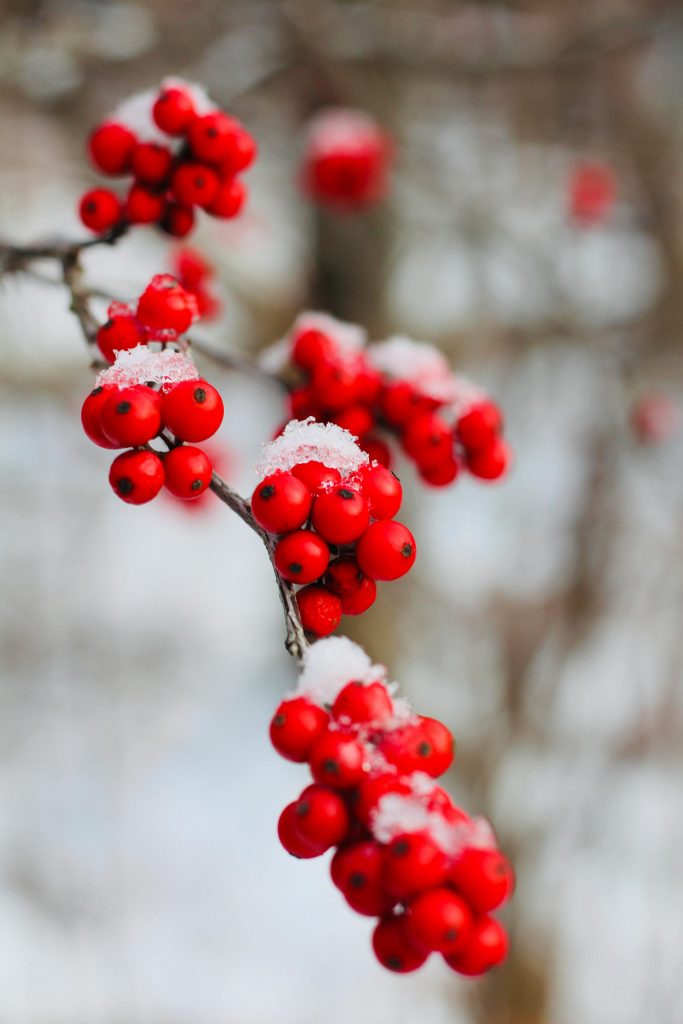
Winterberry is a deciduous holly that drops its leaves in fall, leaving behind bright red berries that cling tightly to the bare branches throughout the winter.
The contrast between the red berries and bare twigs is striking, especially against snow or a dull winter sky.
This shrub is native to North America and is incredibly cold-hardy.
But it does require both a male and female plant nearby for the berries to form, so if you're planting for winter color, be sure to include at least one male cultivar to pollinate the females.
Winterberry tolerates wet soils better than many other shrubs, making it a good option for rain gardens or low-lying spots.
It prefers full sun to partial shade and is fairly low-maintenance once established. The berries are an important winter food source for birds but are not edible for humans.
Because of its strong vertical lines and winter structure, winterberry is often used in mixed borders, native plant gardens, or as a seasonal hedge that adds bold, natural color through the cold months.
19. Cornelian Cherry (Cornus mas)
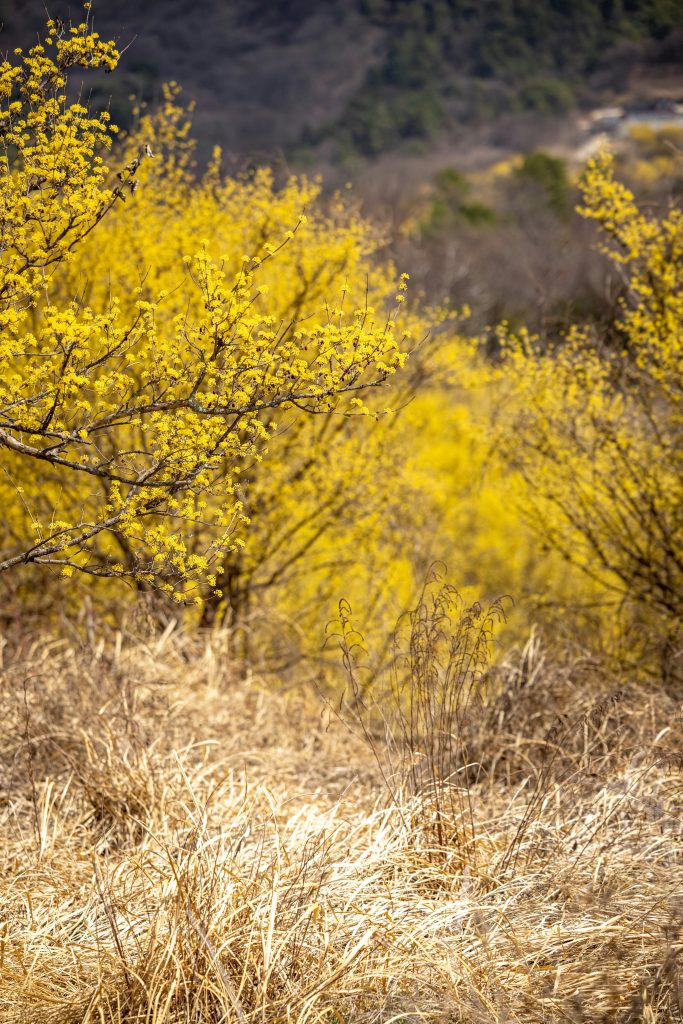
Cornelian cherry is a small tree or large shrub in the dogwood family, and it’s one of the earliest blooming trees you’ll find.
In late winter, before the leaves return, it produces small clusters of bright yellow flowers that cover the bare branches, often catching people off guard with how early it blooms.
The flowers are not large or flashy on their own, but they appear in such quantity that the entire tree can seem to glow with yellow when little else is blooming.
Later in the season, the plant produces small red, olive-shaped fruits that are technically edible and often used in preserves or syrups.
This tree is tough, cold-hardy, and tolerant of a wide range of soils – as long as they’re well-drained.
It does best in full sun but can handle partial shade. With a naturally rounded shape and a moderate growth rate, Cornelian cherry works well as a specimen plant or part of a mixed shrub border.
Its early bloom time makes it a useful food source for emerging pollinators, and its clean structure keeps it attractive even in the off-season.
20. Glory of the Snow (Chionodoxa)
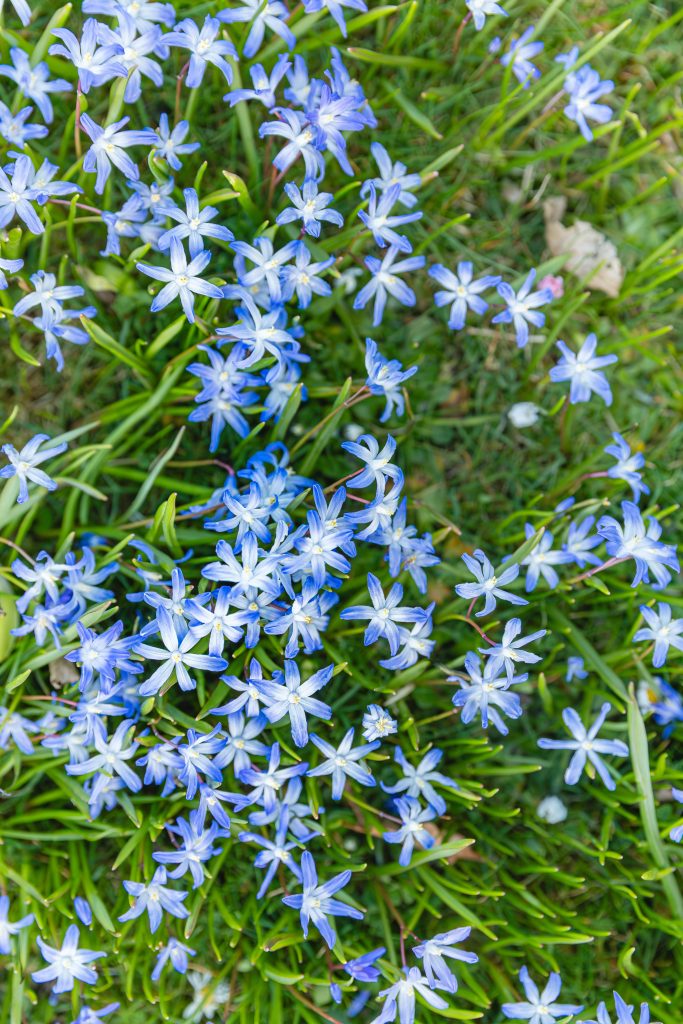
Glory of the Snow lives up to its name by blooming when snow may still be on the ground – often in late winter or very early spring.
These small bulb flowers are incredibly hardy and dependable, pushing through cold soil to bloom in clusters of star-shaped blossoms in blue, lavender, white, or pink.
The flowers are low-growing, just 4 to 6 inches tall, and work best when planted in large groups. They look especially beautiful under trees, along walkways, or at the front of borders where their early blooms can be easily seen.
Their neat, narrow leaves disappear after flowering, making them easy to tuck in among other plants without crowding.
Glory of the Snow naturalizes well – meaning it spreads and multiplies over time – and doesn’t require much care beyond fall planting.
They prefer full sun to light shade and well-drained soil, and once they’re in, they’ll return year after year without any fuss.
They also offer early nectar for bees and pollinators, giving a useful ecological boost when food sources are still scarce.
6 Essential Tips for Growing Winter Flowers Successfully

Winter flowers might be tough, but they still need the right conditions to thrive.
Getting them to bloom when it’s cold out takes a little planning, especially when it comes to planting time, soil prep, and picking the right spot in your yard.
1. Plant Early Enough for Roots to Settle
A lot of winter bloomers – especially bulbs like snowdrops, crocuses, and winter aconites – need to go in the ground during fall.
That gives them enough time to establish roots before the ground freezes. The same goes for perennials and shrubs. If you plant too late, they might not survive the first cold snap.
If you’re looking for inspiration beyond winter flowers, check out some beautiful purple perennials or even consider the best perennials to plant in fall so your garden has color and structure well into the next season.
2. Pick a Spot with Good Drainage
Winter doesn’t just bring cold – it often brings wet, soggy soil. Most of these flowers won’t tolerate sitting in water for long.
Well-drained soil helps keep the roots healthy and avoids rot. If your yard stays wet in winter, consider raised beds or containers with drainage holes.
3. Mulch to Protect Roots
Once you’ve got your plants in the ground, adding a layer of mulch can help protect their roots from harsh temperature swings.
It also keeps the soil from drying out too quickly. Just don’t pile it right up against stems – leave a little breathing room.
4. Choose the Right Location
Most winter flowers like a spot with at least some sun, even in the colder months. South-facing areas usually get more light and warmth during the day, which can help encourage blooming.
If your winters are especially windy, try to plant near a wall or hedge to give them a bit of shelter.
And if you’re working with shadier corners, you can balance things out by adding vibrant shade loving perennials that will thrive where winter bloomers might struggle.
5. Don’t Overwater
It might seem like dry plants need more water in winter, but they usually don’t. Overwatering during cold weather can do more harm than good.
Only water when the soil is dry a couple of inches down, and try to water during the warmer part of the day so it doesn’t freeze right away.
6. Watch Out for Winter Pests
Even when it’s cold, some pests like rabbits, deer, and voles will still be active and looking for food.
Luckily, many winter bloomers like hellebores and winter aconites are naturally deer- and rodent-resistant. But for the rest, you might need to add some fencing or repellents.
Start Planning Now for a Winter Garden That Actually Shows Up
Just because it’s cold outside doesn’t mean your garden has to shut down.
With the right mix of tough, cold-tolerant plants – from bulbs to shrubs to evergreens – you can have color, fragrance, and structure all winter long.
The key is planning ahead, choosing the right plants for your zone, and thinking about how your space will look when everything else is dormant.
Winter gardening isn’t about doing more work – it’s about choosing plants that take care of themselves once they’re in the ground. And many of them will come back stronger year after year.
Got a favorite winter flower that always shows up in your garden? Or planning to try something new from this list?
Comment down below and share what works (or doesn’t) in your winter garden. Let’s help each other get through the cold season with more color.
FAQs
What’s the best way to plant bulbs for winter bloom in heavy clay soil?
If you’re working with clay soil, add coarse sand, compost, or fine bark mulch to improve drainage. You can also plant bulbs slightly raised on a slope or in mounded beds to avoid waterlogging. Bulbs like crocus and snowdrop will rot in soggy conditions, so proper drainage is a must.
How do I keep container-grown winter flowers from freezing?
Use frost-resistant pots (like fiberglass, thick plastic, or glazed ceramic), and avoid thin terra cotta. Elevate the pots off the ground with feet or bricks to improve drainage. Water during warmer parts of the day, and cluster pots together to create a microclimate. In very cold zones, wrapping the containers with burlap or bubble wrap helps insulate the roots.
Can I plant winter flowers under trees or shrubs?
Yes, but make sure the area gets at least some winter sunlight, especially since many trees are bare and let light through. Early bloomers like cyclamen, snowdrops, and glory of the snow do well under deciduous trees. Just avoid planting too close to thick roots that might compete for space and moisture.
Do I need to fertilize winter-blooming plants?
Most don’t need much, especially during the cold season. For bulbs and perennials, a light dose of bulb food or balanced fertilizer in fall (before planting) is usually enough. For evergreen shrubs like camellia or pieris, fertilize in early spring after blooming, not in winter. Overfeeding during dormancy can do more harm than good.
How do I get winter flowers to come back year after year?
Choose perennial varieties or bulbs that naturalize well in your climate. Make sure they’re planted in the right conditions (especially drainage and sunlight), and don’t disturb them once they’ve gone dormant. Most importantly, avoid cutting back foliage too early – the leaves help store energy for next year’s growth.
Ready To Transform Your Garden?

Are you looking for the best way to layout your garden beds? Maybe you're feeling a bit stuck on how to make the most of your space?
We’ve got you covered! Check out our 101+ Garden Bed Layout Ideas for your next raised bed project. This guide is filled with creative and practical ideas that can help you design a garden that fits your style, whether you’re just starting out or have been gardening for years.
Get your copy today and get inspired to bring your gardening dreams to life.